


52 Results for "

detoxification

" in MedChemExpress (MCE) Product Catalog:
Products (52)

52 Results for "detoxification" in MCE Product Catalog:

9
9 Publications Verification
Cat. No.: HY-D0844
CAS No.: 27025-41-8
Synonyms: L-Glutathione oxidized; GSSG; Oxiglutatione
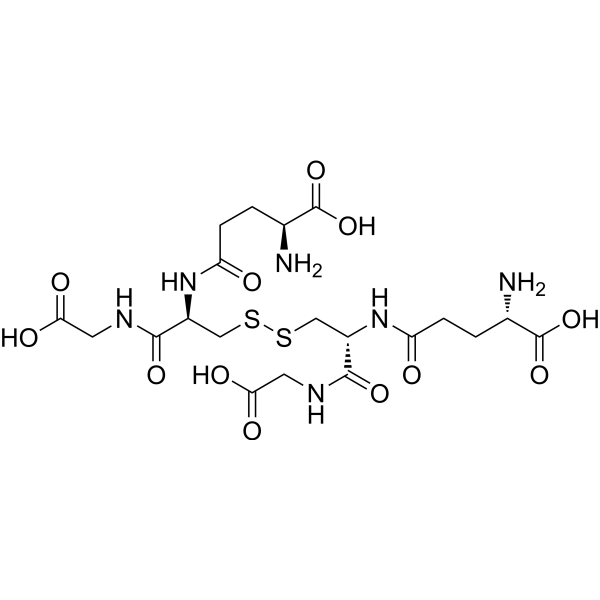
Glutathione oxidized (L-Glutathione oxidized) is produced by the oxidation of glutathione. Detoxification of reactive oxygen species is accompanied by production of glutathione oxidized. Glutathione oxidized can be used for the research of sickle cells and erythrocytes .
loading...
    loading...
2
2 Cited Publications
Cat. No.: HY-N0548
CAS No.: 591-12-8
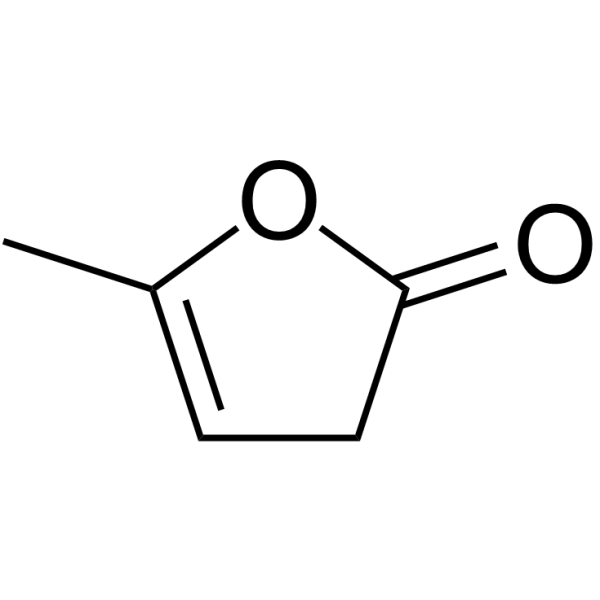
α-Angelica lactone is a naturally occurring anticarcinogen and an vinylogous nucleophile. α-Angelica lactone can give the chiral δ-amino γ,γ-disubstituted butenolide carbonyl derivatives and exhibitselectrophilic trapping at the γ-carbon. α-Angelica lactone exerts strong chemoprotective effects by selective enhancement of glutathione-S-thansferase (GST) and UDP-glucononosyltransferase (UGT) detoxification enzymes .
loading...
    loading...
2
2 Cited Publications
Cat. No.: HY-D0844S
CAS No.: 1416898-83-3
Synonyms: L-Glutathione oxidized-13C4,15N2; GSSG-13C4,15N2; Oxiglutatione-13C4,15N2
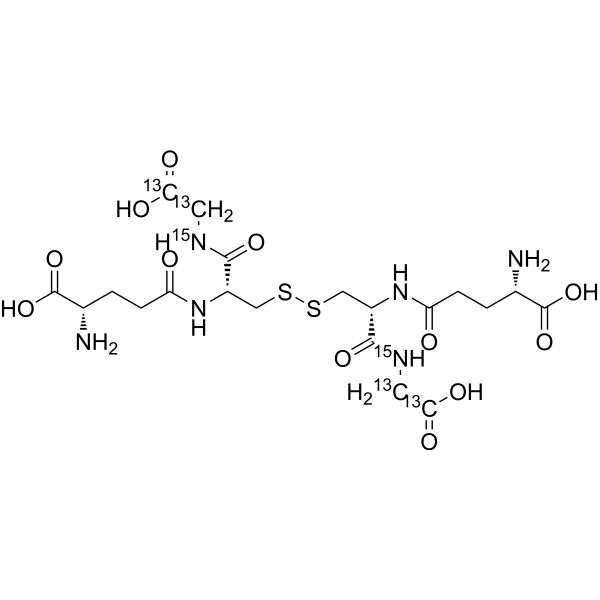
Glutathione oxidized- 13C4, 15N2 is the 13C and 15N labeled Glutathione oxidized (HY-D0844). Glutathione oxidized is produced by the oxidation of glutathione. Detoxification of reactive oxygen species is accompanied by production of glutathione oxidized. Glutathione oxidized can be used for the research of sickle cells and erythrocytes .
loading...
    loading...
2
2 Cited Publications
Cat. No.: HY-B1120
CAS No.: 3383-96-8
Synonyms: Temefos
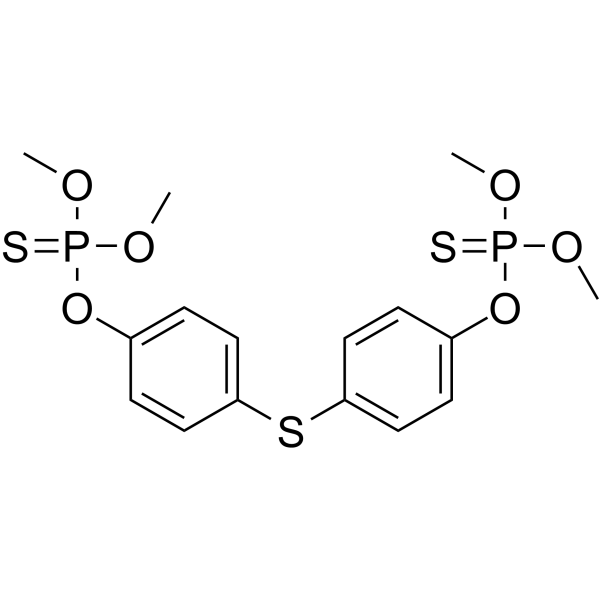
Temephos (Temefos) is an orally active, blood-brain barrier-permeable organophosphate insecticide and AChE inhibitor. By irreversibly inhibiting AChE to induce cholinergic overactivation, Temephos effectively blocks larval development of Aedes aegypti (yellow fever mosquito) and Aedes albopictus (Asian tiger mosquito), and is commonly used in studies related to Dengue Virus, Zika Virus and other relevant pathogens. Temephos exhibits genotoxicity and neurodevelopmental toxicity, and may also cause liver injury, reproductive system abnormalities and cholinergic poisoning symptoms in mammals. Temephos tends to accumulate in adipose tissues and aquatic organisms, and is excreted via feces after metabolism through oxidation and hydrolysis. Note that CYP-mediated metabolic detoxification may reduce the actual larvicidal efficacy of Temephos against some mosquito species. Temephos can be used in research related to dengue fever, Zika virus disease, chikungunya and dracunculiasis .
loading...
    loading...
1
1 Cited Publications
Cat. No.: HY-N4168A
CAS No.: 123410-65-1
Synonyms: 5-O-Caffeoylquinic acid methyl ester
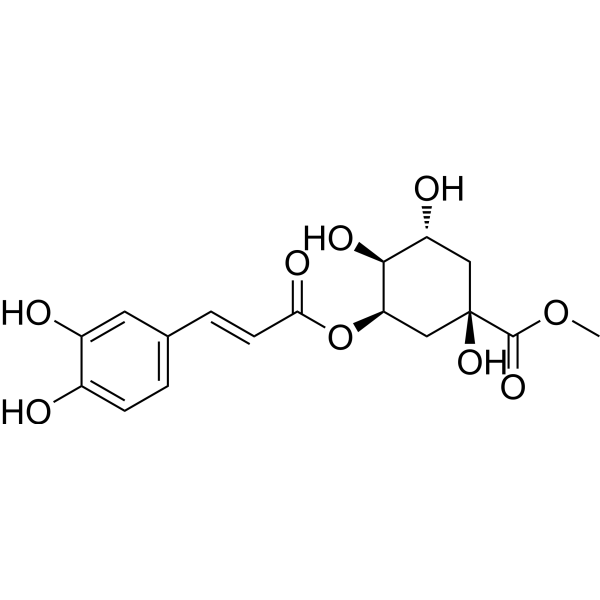
Neochlorogenic acid (5-O-Caffeoylquinic) methyl ester is a selective quinone reductase inducer (EC50 = 6.7 μM) and also exhibits hydroxyl radical scavenging activity (EC50 = 0.81 μM). Neochlorogenic acid methyl ester scavenges hydroxyl radicals by donating electrons or hydrogen atoms, while simultaneously inducing quinone reductase expression to enhance carcinogen detoxification, thus exerting antioxidant and cancer chemopreventive activities. Neochlorogenic acid methyl ester is used in research on antioxidant damage and promoting detoxification metabolism, primarily in the fields of cancer chemotherapy and antioxidant-related diseases. Neochlorogenic acid methyl ester is also an HBV inhibitor and can be isolated from the flower buds of *L. japonica* .
loading...
    loading...
1
1 Cited Publications
Cat. No.: HY-N2124
CAS No.: 174972-79-3
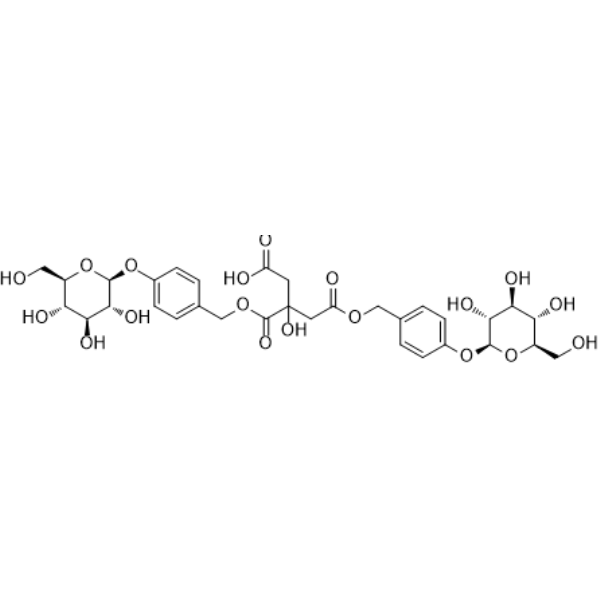
Parishin B is a multi-target biological agent with anti-epileptic, anti-fascioliasis and anti-breast cancer lung metastasis activities . Parishin B regulates the gene/protein activities of ACLY, unc13c, γ-aminobutynergic system, pro-inflammatory system, antioxidant system, monoaminergic system, ferroptosis-related pathways, as well as GST, CatL, Trx and TRIB3 . Parishin B modulates energy-lipid metabolism, synaptic function, neurotransmitter balance, neuroinflammation, oxidative stress, parasite detoxification/invasion processes, as well as apoptosis, cell cycle, proliferation and metastasis of cancer cells [1][2][3]. Parishin B can be used for related research of epilepsy, fascioliasis and breast cancer lung metastasis [3].
loading...
    loading...
Cat. No.: HY-Y1683
CAS No.: 89-78-1
Synonyms: Racementhol
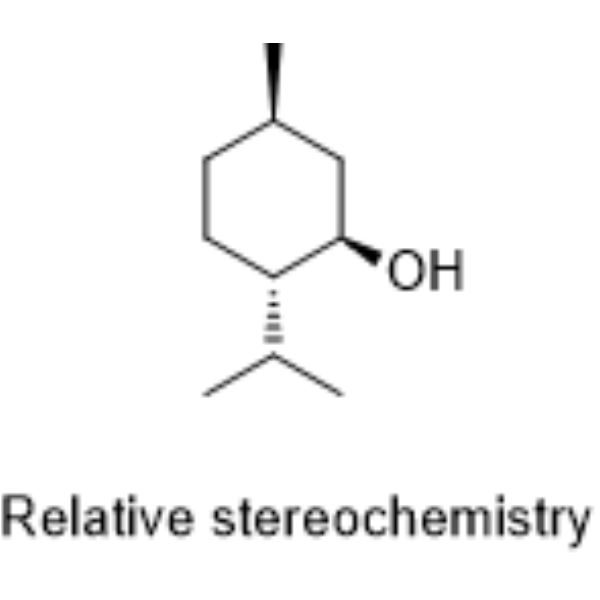
DL-Menthol (Racementhol) is an orally active, GABAaR positive allosteric modulator and UDP-glucuronosyltransferase (UGT) inhibitor that can cross the blood-brain barrier. DL-Menthol binds to GABAAR and exhibits an allosteric activation effect, enhancing GABA-mediated chloride influx and inhibiting neuronal excitability. DL-Menthol can induce surgical anesthesia in fish and inhibit the metabolic detoxification of tobacco carcinogens by human liver and intestinal UGT enzymes, resulting in reduced NNAL-N-Gluc production .
loading...
    loading...
Cat. No.: HY-150097
Purity:  ≥99.0%
Recombinant Human Serum Albumin (rHSA) is a non-glycosylated monomeric plasma protein that acts as a core factor for maintaining plasma colloid osmotic pressure. Recombinant Human Serum Albumin (rHSA) possesses multiple physiological functions including carrier, metabolic regulation, detoxification, antioxidation and enzyme mimicking. Recombinant Human Serum Albumin (rHSA) not only scavenges reactive oxygen and nitrogen species via specific residues and binds a variety of endogenous and exogenous compounds to maintain redox homeostasis, but also serves as a biomarker for multiple diseases such as cancer and inflammation. Recombinant Human Serum Albumin (rHSA) broadly supports the development of implantable materials, surgical adhesives and ligand capture, and can be used for research on critical illnesses including hypovolemia, liver failure, severe sepsis and various types of trauma resuscitation .
loading...
    loading...
Cat. No.: HY-E70387
CAS No.: 42613-30-9
Target:  

Endogenous Metabolite

Research Areas:  

Others

Ligninase is a general term for extracellular heme-containing peroxidases produced by Phanerochaete chrysosporium. Ligninase can catalyze lignin degradation. Ligninase can be used in waste treatment and detoxification of environmental pollutants .
loading...
    loading...
Cat. No.: HY-W075903
CAS No.: 10534-89-1
Synonyms: Cobalt hexammine trichloride; Hexaamminecobalt trichloride
Hexaamminecobalt (III) chloride is an orally active cobalt coordination compound. Hexaamminecobalt (III) chloride restores the activities of liver antioxidant enzymes (SOD, Catalase) and detoxification enzyme GST. Hexaamminecobalt (III) chloride restores GSH content and reduces DAG. Hexaamminecobalt (III) chloride impairs renal function. Hexaamminecobalt (III) chloride exerts anti-carcinogenic effects in Diethylnitrosamine (HY-N7434)-induced hepatocarcinoma .
loading...
    loading...
Cat. No.: HY-P2740
CAS No.: 9031-72-5
Synonyms: EC 1.1.1.1
Target:  

Endogenous Metabolite

Research Areas:  

Metabolic Disease

Alcohol dehydrogenase, Saccharomyces cerevisiae is a dimeric protein in the cytosol of cells. Alcohol dehydrogenase, the key enzyme for alcohol consumption in the body, is the highest expressed in the liver and participates in the detoxification mechanism of environmental alcohol .
loading...
    loading...
Cat. No.: HY-164322
CAS No.: 2375110-88-4
Target:  

Insecticide

Research Areas:  

Others

Cyproflanilide is a meta-diamide insecticide. Cyproflanilide exhibits potent insecticidal activity against third Chilo suppressalis and Spodoptera frugiperda larvae. Cyproflanilide can be used for the research of insect pests .
loading...
    loading...
Cat. No.: HY-W041831
CAS No.: 1113-38-8
Synonyms: Ethanedioic acid ammonium
Oxalic acid (ammonium) is a oxalic acid bound to ammonium. Oxalic acid has high acidity, reducibility, and chelation ability. Oxalic acid plays important roles in the regulation of plant growth and development, the response to both biotic and abiotic stresses such as plant defense and heavy metals detoxification, and food quality .
loading...
    loading...
Cat. No.: HY-D0844R
CAS No.: 27025-41-8
Synonyms: L-Glutathione oxidized (Standard); GSSG (Standard); Oxiglutatione (Standard)
Glutathione oxidized (Standard) is the analytical standard of Glutathione oxidized. This product is intended for research and analytical applications. Glutathione oxidized (L-Glutathione oxidized) is produced by the oxidation of glutathione. Detoxification of reactive oxygen species is accompanied by production of glutathione oxidized. Glutathione oxidized can be used for the research of sickle cells and erythrocytes .
loading...
    loading...
Cat. No.: HY-P2961
CAS No.: 50812-37-8
Research Areas:  

Cancer

Glutathione S-transferase is a phase II metabolic enzyme consisting of three superfamilies: cytosolic, mitochondrial, and microsomal. Glutathione S-transferase possesses various catalytic activities such as catalytic detoxification and thiol transfer, as well as chaperone function. GSTP1, a subtype of Glutathione S-transferase, is highly expressed in malignant tissues and serves as a tumor marker .
loading...
    loading...
Cat. No.: HY-167920
CAS No.: 1637-70-3
Synonyms: S-Sulfoglutathione
Target:  

Endogenous Metabolite

Research Areas:  

Cancer

Glutathione sulfonate (S-Sulfoglutathione) is a multifunctional bioactive compound that inhibits angiogenesis and tumor growth. Glutathione sulfonate is a competitive inhibitor of glutathione S-transferase and is involved in the detoxification process and the binding of a variety of exogenous and endogenous compounds. Glutathione sulfonate acts in the substrate binding site of Escherichia coli glutathione S-transferase, affecting the catalytic mechanism. The structural characteristics of Glutathione sulfonate contribute to its inhibitory effect by hydrogen bonding in the active center of the enzyme .
loading...
    loading...
Cat. No.: HY-P2774
CAS No.: 9033-12-9
Synonyms: Glo-I
Target:  

Glycosidase

Research Areas:  

Inflammation/Immunology Cancer

Glyoxalase I (Glo-I) is a glycosidase and a methylglyoxal (MOG) detoxification enzyme. Glyoxalase I can be used for the research of inflammation and cancer .
loading...
    loading...
Cat. No.: HY-P3320
CAS No.: 86220-45-3
Synonyms: PC 3
Research Areas:  

Others

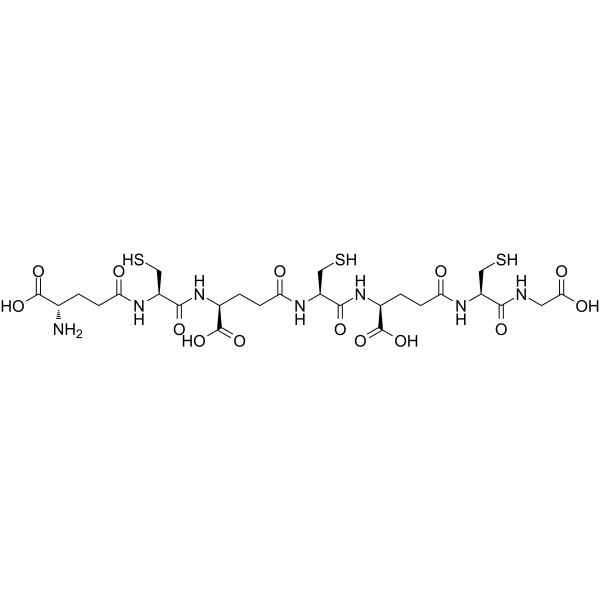
Phytochelatin 3 (PC 3) is the small metal chelating peptide that can be used for chelating heavy metals. Phytochelatin 3 is a short metal detoxification peptide made from the sulfur-rich molecule glutathione. Phytochelatin 3 can be found in different sources including plant, fungal, algal, and bacterial species, as a detoxification mechanism in response to heavy metal exposure. Phytochelatin 3 plays an important metabolic role in plants .
loading...
    loading...
Cat. No.: HY-170920
CAS No.: 3056059-99-2
Herbicide safener-4 (Compound I-15) is a Herbicide safener, improving the herbicide resistance of crops without reducing the herbicidal effect on targeted weed species. Herbicide safener-4 competitively binds to the ALS active site with Mesosulfuron-methyl (HY-126987). Herbicide safener-4 enhances GSH (HY-D0187), GST, CYP450, POD, SOD and ALS activity in plants .
loading...
    loading...
Cat. No.: HY-130361
CAS No.: 163520-33-0
Purity:  ≥97.0%
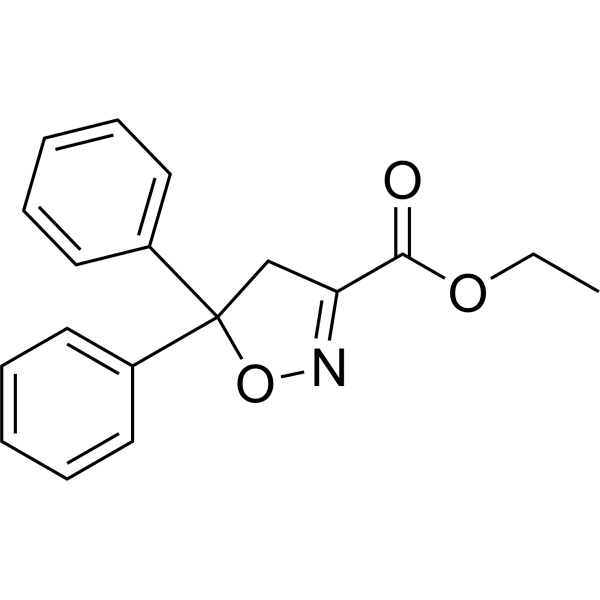
Isoxadifen-ethyl is a Herbicide safener that reduces herbicide toxicity to crops. Isoxadifen-ethyl enhances maize tolerance to Nicosulfuron (HY-B1876) by regulating detoxification gene expression; it reduces the phytotoxicity and damage induced by Cyhalofop-butyl (HY-B0861) in rice. Isoxadifen-ethyl is applicable to herbicide-related research .
loading...
    loading...

