1. Search Result
Search Result
Results for "

ear

" in MedChemExpress (MCE) Product Catalog:

101

Inhibitors & Agonists

1

Fluorescent Dye

3

Peptides

5

MCE Kits

1

Inhibitory Antibodies

26

Natural
Products

4

Recombinant Proteins

3

Isotope-Labeled Compounds

5

Antibodies

7

Oligonucleotides

Cat. No. Product Name Target Research Areas Chemical Structure
  • HY-N2041
    Myristic acid
    5+ Cited Publications

    Environmental Pollutants Endogenous Metabolite Bacterial NF-κB Infection Inflammation/Immunology
    Myristic acid is an orally active saturated 14-carbon fatty acid found in most animal and plant fats, especially milk fat coconut oil, palm oil and nutmeg oil. Myristic acid exerts anti-inflammatory activity through the NF-κB pathway. Myristic acid has antibacterial, anti-inflammatory and analgesic properties .
    Myristic acid
  • HY-A0256
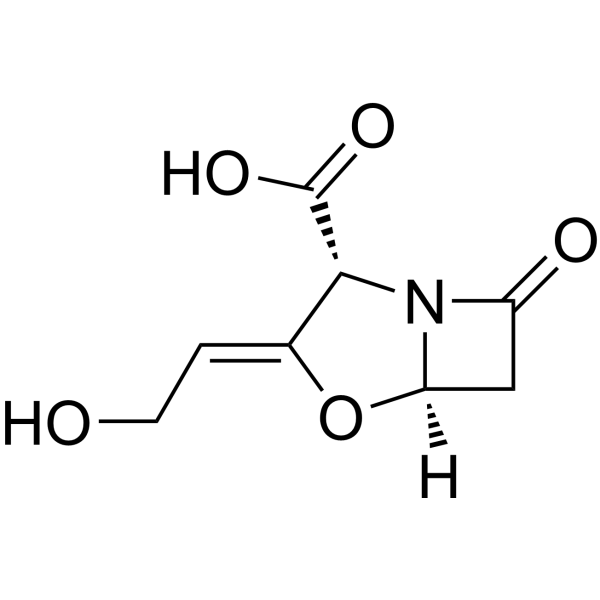
    Clavulanic acid
    5+ Cited Publications

    Beta-lactamase Antibiotic Bacterial Infection Inflammation/Immunology
    Clavulanic acid is a naturally occurring powerful bacterial β-lactamases inhibitor for research of infections caused by bacteria, including infections of the ears. Clavulanic acid is active against a wide spectrum of gram-positive and gram-negative bacterias .
    Clavulanic acid
  • HY-B1241

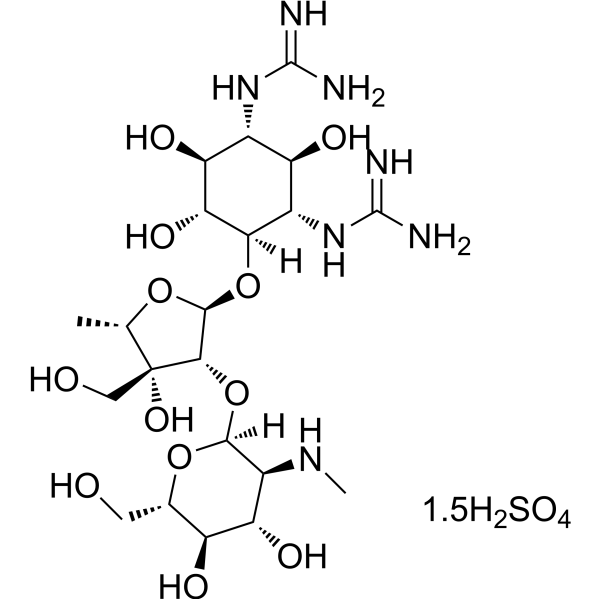
    DHSM sulfate

    Antibiotic Bacterial Infection
    Dihydrostreptomycin sulfate (DHSM sulfate) is the sulfate salt form of Dihydrostreptomycin (HY-B1241A). Dihydrostreptomycin sulfate is an aminoglycoside antibiotic with antibacterial effect against Gram-negative bacteria. Dihydrostreptomycin sulfate exhibits ototoxicity that causes irreversible damage in inner ear hair cells, leading to hearing loss .
    Dihydrostreptomycin sulfate
  • HY-B0136
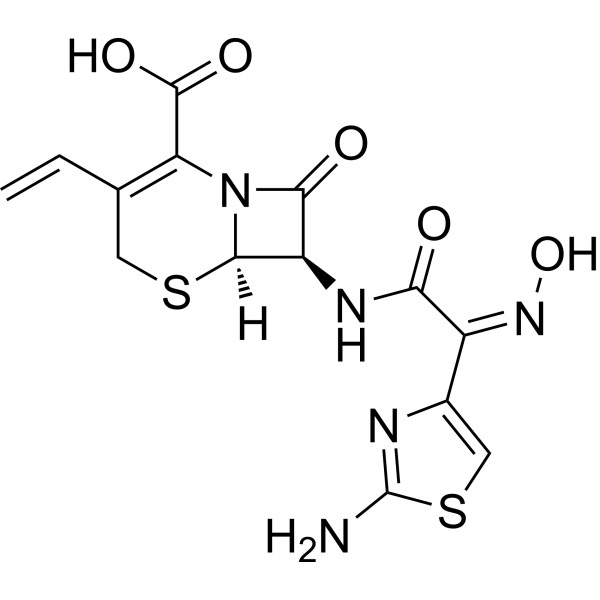
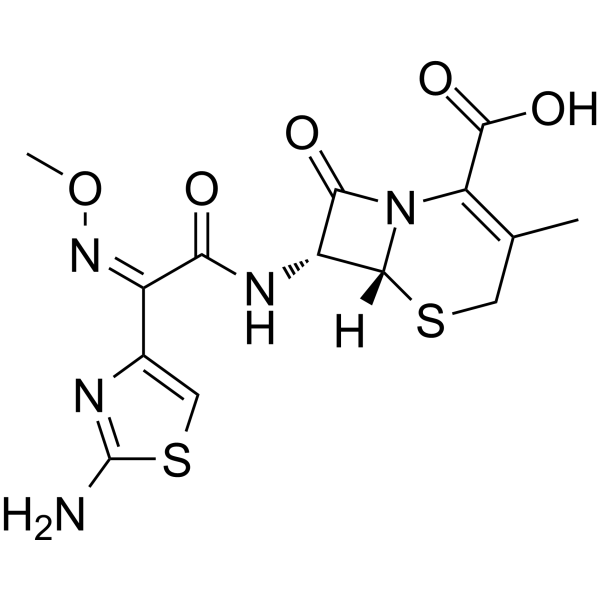
    Cefdinir
    4 Publications Verification

    FK-482; CI-983

    Bacterial Antibiotic Infection
    Cefdinir (FK-482) is a semi-synthetic, broad-spectrum antibiotic in the third generation of the cephalosporin class, which is proved to be effective for infections caused by several Gram-negative and Gram-positive bacteria. Cefdinir can be used for the research of common bacterial infections of the ear, sinus, throat, and skin .
    Cefdinir
  • HY-163731
    EGR-1-IN-1
    2 Publications Verification

    DNA Methyltransferase Interleukin Related Inflammation/Immunology
    EGR-1-IN-1 is a EGR-1 inhibitor with an IC50 of 1.86 μM. EGR-1-IN-1 binds to the zinc finger DNA-binding domain of EGR-1 and promotes the dissociation of the EGR-1-DNA complex. EGR-1-IN-1 reduces the mRNA expression levels of EGR-1-regulated inflammatory genes induced by TNFα. EGR-1-IN-1 alleviates atopic dermatitis-like lesions in the ear skin of mice. EGR-1-IN-1 serves as a lead compound for the development of targeted compounds for inflammatory skin diseases. EGR-1-IN-1 can be used in studies related to atopic dermatitis .
    EGR-1-IN-1
  • HY-110112
    BTT-3033
    1 Publications Verification

    Integrin Apoptosis Cardiovascular Disease Inflammation/Immunology Cancer
    BTT-3033 is an orally active conformation-selective inhibitor of α2β1 (EC50: 130 nM) by binding to the α2I domain. BTT-3033 inhibits platelet binding to collagen I and cell proliferation, and induces cell apoptosis. BTT-3033 can be used in the research of prostate cancer, inflammation and cardiovascular disease .
    BTT-3033
  • HY-B1325

    Bacterial Antibiotic Infection Inflammation/Immunology
    Cefuroxime axetil is an orally effective broad-spectrum β-lactam antibiotic that targets bacterial penicillin-binding proteins (PBPs, such as PBP3 and PBP1). Cefuroxime axetil inhibits cell wall synthesis, leading to bacterial lysis and death, with a minimum inhibitory concentration (MIC) of 0.12-4 mg/L for non-typeable Haemophilus influenzae (NTHi). Cefuroxime axetil is hydrolyzed by esterase to the active ingredient Cefuroxime (HY-B1256A) after oral absorption. Topical administration of Cefuroxime via bioadhesive nanoparticles (BNPs) can prolong the drug's retention time in the middle ear (≥7 days). Cefuroxime axetil can be used in the study of otitis media (especially NTHi infection). Cefuroxime axetil can achieve precise antibacterial effects through oral or topical nano-delivery systems, reducing systemic exposure and the risk of antibiotic resistance .
    Cefuroxime axetil
  • HY-106467B

    iGluR Neurological Disease
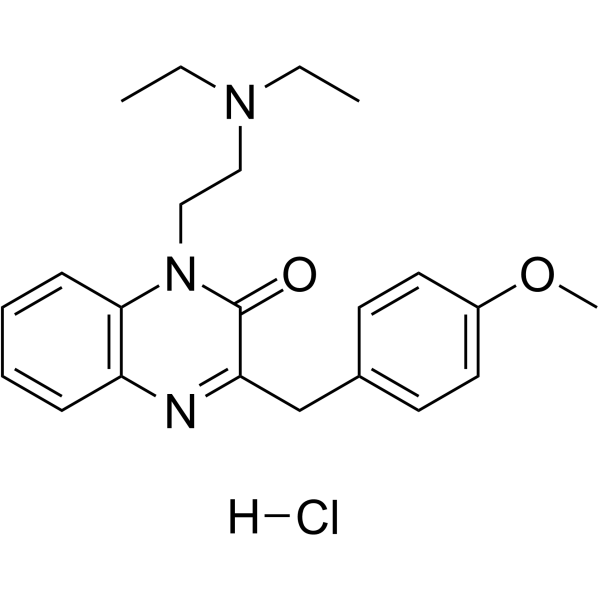
    Caroverine hydrochloride is a potent, competitive and reversible antagonist of NMDA and AMPA glutamate receptor. Caroverine hydrochloride is also an antioxidant and calcium-blocking agent that exhibits vasorelaxant action. Caroverine hydrochloride can be used for the research of inner ear tinnitus .
    Caroverine hydrochloride
  • HY-B1150
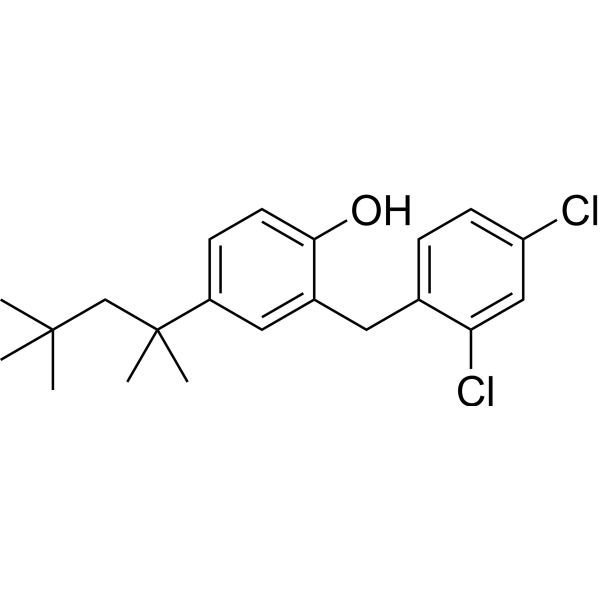
    Clofoctol
    1 Publications Verification

    Bacterial SARS-CoV Antibiotic Infection Cancer
    Clofoctol is a bacteriostatic antibiotic. Clofoctol is used in the treatment of respiratory tract and ear, nose and throat infections caused by Gram-positive bacteria. Clofoctol is only functional against Gram-positive bacteria and can penetrate into human lung tissue. Clofoctol is also an inhibitor of prostate cancer. Clofoctol has antiviral potency .
    Clofoctol
  • HY-A0111
    Cefetamet
    1 Publications Verification

    Ro 15-8074; Deacetoxycefotaxime

    Antibiotic Bacterial Penicillin-binding protein (PBP) Drug Metabolite Infection
    Cefetamet (Ro 15-8074) is a cephalosporin antibiotic and the active metabolite of Cefetamet pivoxil (HY-B1894A). Cefetamet binds to bacterial penicillin-binding protein (PBP) (IC50 for PBP3 in Escherichia coli W3110 is 2.5 μg/mL). Cefetamet has significant activity against Gram-negative bacteria such as Enterobacteriaceae, Neisseria species, and Haemophilus influenzae, as well as Gram-positive bacteria such as Streptococcus. Cefetamet kills and lyses Treponema pallidum. Cefetamet can be used in the research of respiratory tract, urinary tract, ear, nose and throat infections, and syphilis .
    Cefetamet
  • HY-N0886
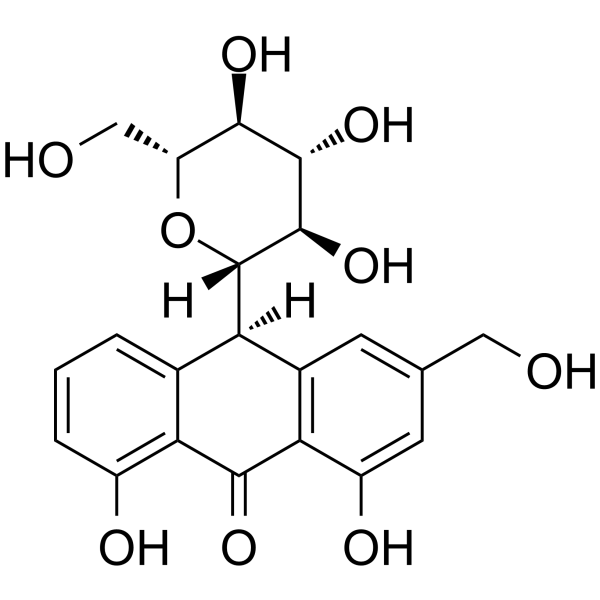
    Aloin B
    3 Publications Verification

    Isobarbaloin

    SARS-CoV Virus Protease Infection Endocrinology Cancer
    Aloin B (Isobarbaloin) is an orally active SARS-CoV-2 papain-like protease (PLpro) inhibitor with an IC50 of 16.08 μM (hydrolytic activity) and 17.51 μM (deubiquitinase activity). Aloin B is metabolized by rat intestinal flora into aloe-emodin-9-anthrone to exert laxative effects. Aloin B inhibits TPA (HY-18739)-induced ear edema, putrescine elevation, and tumor promotion in mouse skin. Aloin B can be used in research related to anti-inflammation, tumor promotion inhibition, coronavirus disease 2019 (COVID-19) and constipation .
    Aloin B
  • HY-N6028
    Darutoside
    1 Publications Verification

    COX NF-κB Interleukin Related TNF Receptor Inflammation/Immunology
    Darutoside is an orally effective diterpene compound with significant anti-inflammatory, analgesic, wound healing promotion, and immunomodulatory activities. Darutoside reduces edema and pain responses by inhibiting the expression of COX-2 and the migration of inflammatory cells. It regulates macrophage polarization towards the M2 type by inhibiting the NF-κB pathway, alleviating inflammation and promoting wound healing. Through multi-target regulation of metabolic networks, Darutoside significantly alleviates acute gouty arthritis .
    Darutoside
  • HY-W013331
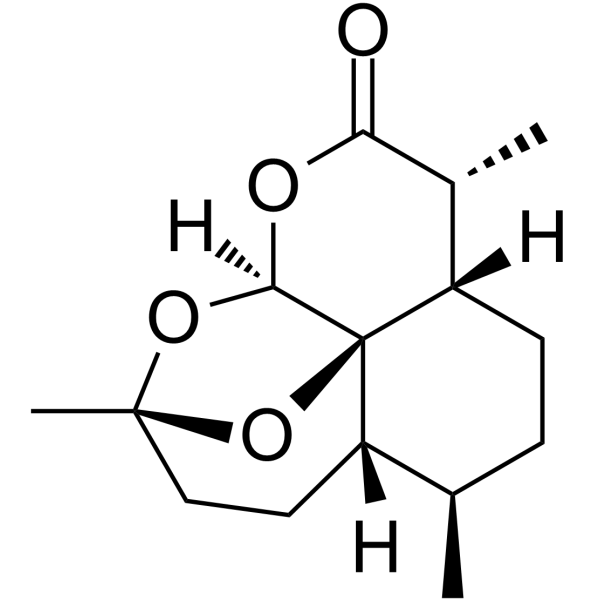
    Deoxyartemisinin
    1 Publications Verification

    2-Deoxyartemisinin

    TNF Receptor Neurological Disease Inflammation/Immunology
    Deoxyartemisinin (2-Deoxyartemisinin) is an orally active anti-inflammatory and analgesic agent. Deoxyartemisinin selectively reduces the level of the pro-inflammatory cytokine TNF-α. Deoxyartemisinin alleviates neuropathic pain, inflammatory pain, and croton oil-induced ear edema.\nDeoxyartemisinin exerts an analgesic effect against thermal stimulation. Deoxyartemisinin has anti-ulcer activity. Deoxyartemisinin can be used in research related to inflammatory diseases, pain, and gastric ulcers .
    Deoxyartemisinin
  • HY-N3558

    Emmolic acid

    Bacterial Infection Cancer
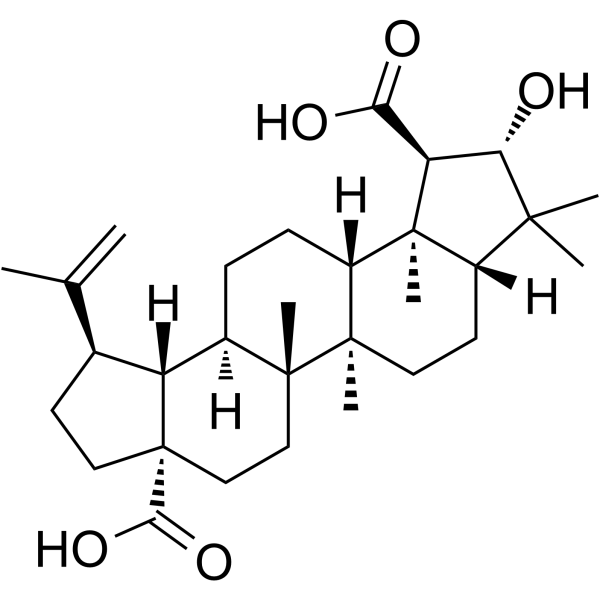
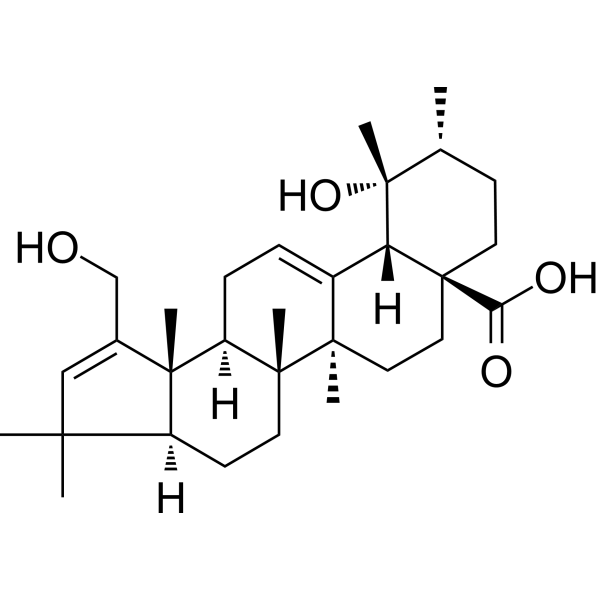
    Ceanothic acid (Emmolic acid) is an orally active pentacyclic triterpenoid. Ceanothic acid inhibits the growth of various oral bacteria, including Streptococcus mutans, Actinomyces viscosus, Porphyromonas gingivalis, and Prevotella intermedia. Ceanothic acid scavenges DPPH and H2O2 free radicals. Ceanothic acid inhibits acetic acid (HY-Y0319)-induced writhing response, xylene-induced ear swelling, and carrageenan-induced paw swelling in mice. Ceanothic acid can be used in research related to oral bacterial infections, ovarian cancer, liver cancer, and liver injury .
    Ceanothic acid
  • HY-P11306

    Proteasome NF-κB Inflammation/Immunology
    Biotin-(Oaa)3-epoxomicin is a biotin-labeled form of Epoxomicin (HY-13821), prepared by conjugating Epoxomicin with biotin via three hydrophilic oxaacetyl amino acid (Oaa) linkers. Biotin-(Oaa)3-epoxomicin is primarily used in proteomic studies for the capture, identification and target validation of proteasome complexes, to determine the intracellular targets of epoxomicin. Epoxomicin acts as a proteasome inhibitor and NF-κB inhibitor, which effectively blocks inflammatory responses in mouse ear edema assays. It inhibits proteasome activity via covalent binding to catalytic subunits including LMP7, X, MECL1 and Z, with the strongest inhibitory effect on chymotrypsin-like activity, and does not interfere with non-proteasomal proteases such as trypsin and papain .
    Biotin-(Oaa)3-epoxomicin
  • HY-103325

    Cannabinoid Receptor TRP Channel Interleukin Related ANGPTL VEGFR Metabolic Disease Inflammation/Immunology
    JTE-907 is a selective and orally active cannabinoid CB2 receptor inverse agonist and exerts anti-inflammatory effects. JTE-907 upregulates IL-6, MCP-1, IL-1β, VEGF, ANGPTL4, and TRPV1 in mature adipocytes. JTE-907 downregulates CB1, MCP-1, and IL-1β in preadipocytes. JTE-907 inhibits ear swelling in mice. JTE-907 reverses the protective effects of CB2 agonists and Anandamide (HY-10863) against cytokine-evoked colonic mucosal damage. JTE-907 can be used for the research of allergic dermatitis, obesity, and colitis .
    JTE-907
  • HY-101024

    JAK STAT Inflammation/Immunology
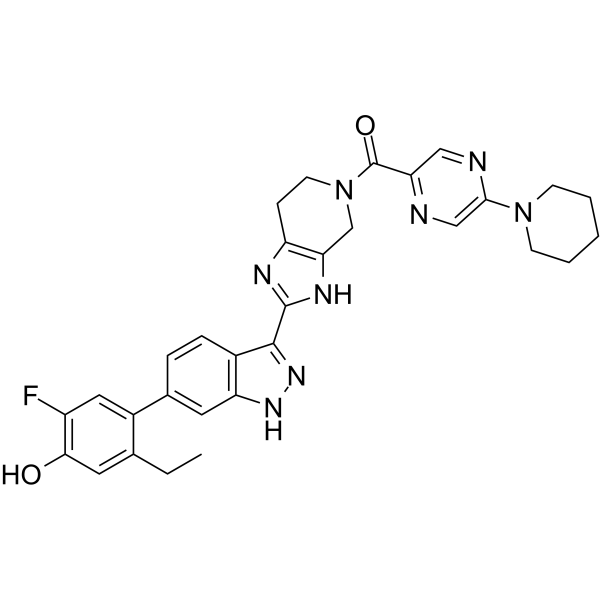
    PF-06263276 (PF 6263276) is a potent and selective pan-JAK inhibitor, with IC50s of 2.2 nM, 23.1 nM, 59.9 nM and 29.7 nM for JAK1, JAK2, JAK3 and TYK2, respectively. PF-06263276 inhibits pSTAT3 and TYK2 pathway. PF-06263276 has a protective effect against ear skin inflammation .
    PF-06263276
  • HY-N1465

    Aristolochic acid-IVa

    Phosphodiesterase (PDE) CDK Interleukin Related Inflammation/Immunology Cancer
    Aristolochic acid D (Aristolochic acid-IVa) is an orally active PDE2 (IC50: 4.673 μM) and CDK2 (IC50: 25 μM) inhibitor that can be isolated from Aristolochia indica L. Aristolochic acid D exhibits anti-inflammatory activity and is non-carcinogenic and non-nephrotoxic. Aristolochic acid D can be used in the research of inflammation and tumor-related diseases .
    Aristolochic acid D
  • HY-N2542
    Tubeimoside III
    2 Publications Verification

    Interleukin Related NO Synthase Metabolic Disease Inflammation/Immunology Cancer
    Tubeimoside III is a triterpenoid saponin. Tubeimoside III has anti-inflammatory and antitumor effects. Tubeimoside III has an LD50 of 15 mg/kg by intraperitoneal injection in ICR mice. Tubeimoside III can be used for the research of tumors and inflammatory diseases .
    Tubeimoside III
  • HY-N0891

    Tubeimoside-B

    EGFR TGF-β Receptor RIG-I-like receptor (RLR) SARS-CoV Infection Neurological Disease Cancer
    Tubeimoside II is an orally active triterpenoid saponin and antiviral agent that binds to PACT/PRKRA with Kd values of 5.37 μM and 133.1 μM, respectively. Tubeimoside II inhibits oxidase-dependent EGFR activation and reduces TGF-β1-induced oxidative stress. Tubeimoside II activates the RIG-I signaling pathway and increases IFN-β secretion. Tubeimoside II suppresses TPA-induced ear edema, mouse sarcoma 180 growth, and TPA-induced skin tumor formation. Tubeimoside II exerts broad-spectrum antiviral activity against SARS-CoV-2, HCoV-OC43, and IAV-H1N1/FM1. Tubeimoside II can be used in research related to retinoblastoma, respiratory viral infections, skin tumors, and sarcoma 180 .
    Tubeimoside II
  • HY-N2556

    Others Inflammation/Immunology
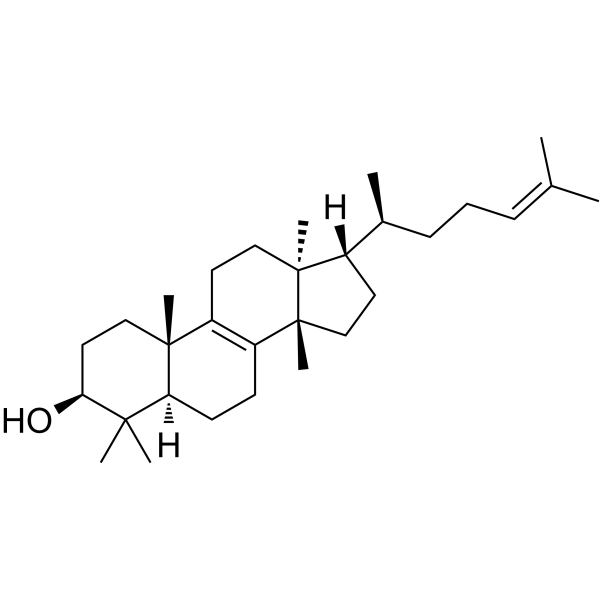
    Tirucallol, a tetracyclic triterpene, is isolated from Euphorbia lacteal latex. Tirucallol has topical anti-inflammatory effect. Tirucallol can suppress ear edema in the mouse model and inhibit nitrite production in lipopolysaccharide-stimulated macrophages .
    Tirucallol
  • HY-156409

    JAK Inflammation/Immunology
    ABBV-712 is a selective and orally active inhibitor of Tyrosine kinase 2 (TYK2). ABBV-712 has EC50 values of 0.01, 0.19, and 0.17 μM for TYK2 JH2, TYK2 cells and human whole blood, respectively. ABBV-712 has anti-inflammatory activity and can be used in the research of autoimmune diseases .
    ABBV-712
  • HY-105999

    Ser/Thr Protease Inflammation/Immunology
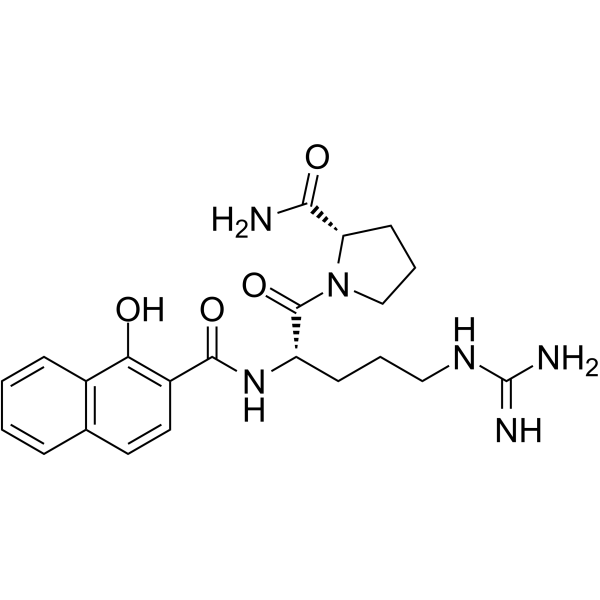
    APC 366 is a selective inhibitor of mast cell tryptase (Ki=7.1 μM). APC 366 inhibits antigen-induced early asthmatic response (EAR), late asthmatic response (LAR), and bronchial hyperresponsiveness (BHR) in a sheep model of allergic asthma .
    APC 366
  • HY-19964
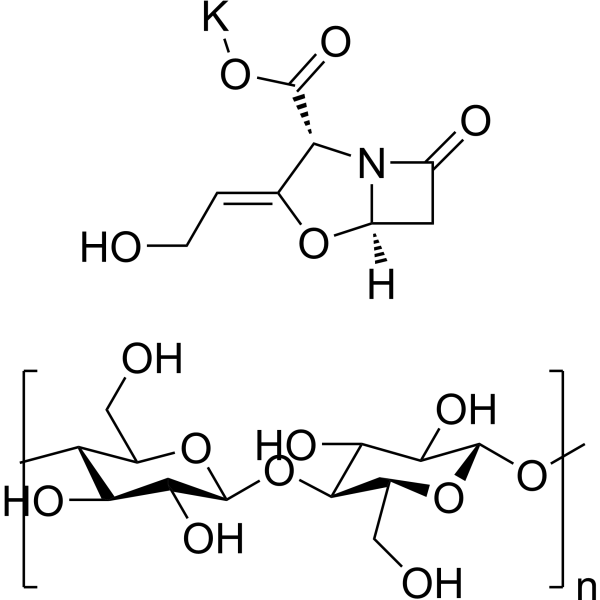
    Potassium clavulanate cellulose
    2 Publications Verification

    Potassium clavulanate:cellulose (1:1)

    Beta-lactamase Bacterial Antibiotic Infection
    Potassium clavulanate cellulose (Potassium clavulanate:cellulose (1:1)) is a mixture of potassium clavulanate and cellulose, is a bacterial β-lactamase inhibitor. Clavulanate potassium is a form of Clavulanic acid. Clavulanate potassium fights bacteria that resistant to penicillins and other antibiotics. Potassium clavulanate with the combination of amoxicillin can be used for the research of different infections caused by bacteria, such as sinusitis, pneumonia, ear infections, bronchitis, urinary tract infections, and infections of the skin .
    Potassium clavulanate cellulose
  • HY-13973A
    GSK-3 inhibitor 1
    1 Publications Verification

    GSK-3 Metabolic Disease
    GSK-3 inhibitor 1 (compound core 3) is a GSK-3 inhibitor that induces stem/progenitor cell self-renewal (e.g. induces stem/progenitor cell proliferation while maintaining the ability to differentiate into tissue cells in the progeny) .
    GSK-3 inhibitor 1
  • HY-106954

    Rec 15/2739; Recordati 15/2739; SB 216469

    Adrenergic Receptor Inflammation/Immunology
    Upidosin (Rec 15/2739) is an α-1 adrenoceptor (α-1 AR) antagonist. Upidosin shows moderate selectivity for the α-1A AR subtype. Upidosin shows uroselectivity in urethra and prostate with a Kb value of 2-3 nM higher than in ear artery and aorta with a Kb value of 20-100 nM. Upidosin inhibits [3H]prazosin binding to cloned human α-1A adrenergic receptor. Upidosin can be used for the research of urethral obstruction .
    Upidosin
  • HY-N2041R

    Reference Standards Endogenous Metabolite NF-κB Bacterial Infection Inflammation/Immunology
    Myristic acid (Standard) is the analytical standard of Myristic acid. This product is intended for research and analytical applications. Myristic acid is an orally active saturated 14-carbon fatty acid found in most animal and plant fats, especially milk fat coconut oil, palm oil and nutmeg oil. Myristic acid exerts anti-inflammatory activity through the NF-κB pathway. Myristic acid has antibacterial, anti-inflammatory and analgesic properties .
    Myristic acid (Standard)
  • HY-B1640R
    Ethacrynic acid (Standard)
    5+ Cited Publications

    Etacrynic acid (Standard)

    Reference Standards Glutathione S-transferase NF-κB Calcium Channel Inflammation/Immunology Cancer
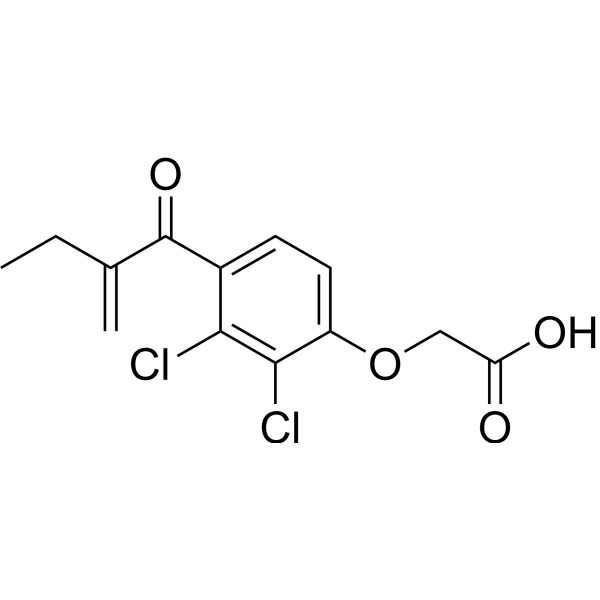
    Ethacrynic acid (Standard) is the analytical standard of Ethacrynic acid. This product is intended for research and analytical applications. Ethacrynic acid (Etacrynic acid) is a diuretic. Ethacrynic acid is an inhibitor of glutathione S-transferases (GSTs). Ethacrynic acid is a potent inhibitor of NF-kB-signaling pathway, and also modulates leukotriene formation. Ethacrynic acid also inhibits L-type voltage-dependent and store-operated calcium channel, leading to relaxation of airway smooth muscle (ASM) cells. Ethacrynic acid has anti-inflammatory properties that reduces the retinoid-induced ear edema in mice .
    Ethacrynic acid (Standard)
  • HY-N11072

    Lipoxygenase Leukotriene Receptor Reactive Oxygen Species (ROS) MMP Inflammation/Immunology
    Tremulacin is a 5-LOX inhibitor. Tremulacin reduces the biosynthesis of LTB4 and slow-reacting substances of anaphylaxis. Tremulacin alleviates carrageenan-induced paw edema in rats, croton oil-induced ear edema in mice, and acetic acid-induced writhing response in mice. Tremulacin inhibits TNF-α-stimulated ROS production and MMP-1 expression, and promotes collagen secretion in human dermal fibroblasts. Tremulacin is investigated for studies on inflammation-related diseases .
    Tremulacin
  • HY-N4024

    Others Inflammation/Immunology
    Hyptadienic acid is a triterpene acid that can be isolated from the leaves of Perilla frutescens. Hyptadienic acid inhibits 12-O-tetradecanoylphorbol-13-acetate (TPA)-induced inflammation in mice with an ID50 value of 0.13 mg/ear. Hyptadienic acid can be used for the research of inflammation .
    Hyptadienic acid
  • HY-162632

    Akt CXCR Inflammation/Immunology
    Hit 14 is an inhibitor for C-X-C chemokine receptor type 4 (CXCR4) with IC50 of 254 nM. Hit 14 inhibits the migration and invasion of cell MDA-MB-231. Hit 14 inhibits the Akt phosphorylation, exhibits anti-inflammatory activity, and ameliorateds the ear swelling and damage in mouse models .
    Hit 14
  • HY-B1150R

    Reference Standards Bacterial SARS-CoV Antibiotic Infection Cancer
    Clofoctol (Standard) is the analytical standard of Clofoctol. This product is intended for research and analytical applications. Clofoctol is a bacteriostatic antibiotic. Clofoctol is used in the treatment of respiratory tract and ear, nose and throat infections caused by Gram-positive bacteria. Clofoctol is only functional against Gram-positive bacteria and can penetrate into human lung tissue. Clofoctol is also an inhibitor of prostate cancer. Clofoctol has antiviral potency .
    Clofoctol (Standard)
  • HY-116763

    COX LOX-1
    COX-2/5-LOX-IN-4 (Compound 1) is a dual inhibitor that acts on both COX-2 and 5-LOX, with IC50 values of 0.05 μM for COX-2 and 0.003 μM for 5-LOX. By inhibiting the arachidonic acid metabolism pathway, COX-2/5-LOX-IN-4 reduces the production of prostaglandins and leukotrienes, alleviating inflammatory responses. In a rat ear edema model, intravenous administration (0.01 and 0.1 mg/kg) reduced edema by 41% and 44%, respectively, demonstrating significant anti-inflammatory effects. COX-2/5-LOX-IN-4 shows promise for studying the mechanisms of inflammatory diseases .
    COX-2/5-LOX-IN-4
  • HY-178302

    ADC Payload Others
    TNF-α agonistic 2 (Compound 009) is a toxic molecule. TNF-α agonistic 2 reduces the thickness of the right ear in mice. TNF-α agonistic 2 can be used as an ADC toxic molecule .
    TNF-α agonistic 2
  • HY-19699

    NAAM; 1-Naphthaleneacetamide; α-Naphthylacetamide

    Environmental Pollutants Phytohormone Neurological Disease Endocrinology
    1-Naphthylacetamide is an orally active nonsteroidal anti-inflammatory agent (NAIA) and also an indole-type auxin plant growth regulator. 1-Naphthylacetamide inhibits inflammatory response-related pathways and modulates plant hormone signaling, exhibiting anti-inflammatory, local anesthetic, antispasmodic, analgesic, and diuretic activities. 1-Naphthylacetamide promotes plant cell expansion, differentiation, and fruit enlargement. Additionally, 1-Naphthylacetamide induces central nervous system (CNS) depression in mice, characterized by reduced spontaneous activity, decreased irritability, decreased muscle tone, and attenuated ear-cuff reflex, ipsilateral flexor reflex, and corneal reflex [1][2].
    1-Naphthylacetamide
  • HY-118725

    Phospholipase Inflammation/Immunology
    Luffariellolide is an inhibitor of human synovial fluid phospholipase A2 (HSF-PLA2) (IC50=5 μM). Luffariellolide effectively inhibits phorbol ester (PMA)-induced ear edema (ED50=50 μg/ear) .
    Luffariellolide
  • HY-B1241A

    DHSM

    Antibiotic Bacterial Infection
    Dihydrostreptomycin (DHSM) is an aminoglycoside antibiotic with antibacterial effect against Gram-negative bacteria. Dihydrostreptomycin exhibits ototoxicity that causes irreversible damage in inner ear hair cells, leading to hearing loss .
    Dihydrostreptomycin
  • HY-N3312R

    Reference Standards Endogenous Metabolite Infection
    Matairesinol (Standard) is the analytical standard of Matairesinol. This product is intended for research and analytical applications. Matairesinol confers anti-allergic effects in an allergic dermatitis mouse model. DfE-induced changes in IL-4 and IFN-γ mRNA expression in the ears of NC/Nga mice were reversed by matairesinol application .
    Matairesinol (Standard)
  • HY-A0256R

    Beta-lactamase Reference Standards Antibiotic Bacterial Infection Inflammation/Immunology
    Clavulanic acid (Standard) is the analytical standard of Clavulanic acid. This product is intended for research and analytical applications. Clavulanic acid is a naturally occurring powerful bacterial β-lactamases inhibitor for research of infections caused by bacteria, including infections of the ears. Clavulanic acid is active against a wide spectrum of gram-positive and gram-negative bacterias[1].
    Clavulanic acid (Standard)
  • HY-107592

    IKK STAT Apoptosis Inflammation/Immunology Cancer
    ACHP (compound 4j) is a selective and orally active IκB kinase inhibitor with IC50 values of 8.5 nM and 250 nM for IKKβ and IKKα, respectively. ACHP can effectively inhibit the STAT3 signaling pathway and induce cancer cell cycle arrest and apoptosis. ACHP shows anti-inflammatory activity in a mouse ear edema model. ACHP can be used in anti-inflammatory and anti-cancer (such as multiple myeloma and leukemia) studies .
    ACHP
  • HY-W743473

    Ro 15-8074-d3; Deacetoxycefotaxime-d3

    Isotope-Labeled Compounds Bacterial Antibiotic Penicillin-binding protein (PBP) Drug Metabolite Infection
    Cefetamet-d3 (Ro 15-8074-d3; Deacetoxycefotaxime-d3) is the deuterium labeled Cefetamet (HY-A0111). Cefetamet (Ro 15-8074) is a cephalosporin antibiotic and the active metabolite of Cefetamet pivoxil (HY-B1894A). Cefetamet binds to bacterial penicillin-binding protein (PBP) (IC50 for PBP3 in Escherichia coli W3110 is 2.5 μg/mL). Cefetamet has significant activity against Gram-negative bacteria such as Enterobacteriaceae, Neisseria species, and Haemophilus influenzae, as well as Gram-positive bacteria such as Streptococcus. Cefetamet kills and lyses Treponema pallidum. Cefetamet can be used in the research of respiratory tract, urinary tract, ear, nose and throat infections, and syphilis .
    Cefetamet-d3
  • HY-168719

    PPAR Inflammation/Immunology
    PPARγ agonist 16 (Compound 4G) is the agonist for PPARγ, that competitively binds to LBD domain of PPARγ with IC50 of 1790 nM. PPARγ agonist 16 inhibits the ear swelling in mouse model, and exhibits anti-hyperglycemic in Streptozotocin (HY-13753)-induced mouse diabetes mellitus model .
    PPARγ agonist 16
  • HY-106467

    iGluR Neurological Disease
    Caroverine is a potent, competitive and reversible antagonist of NMDA and AMPA glutamate receptor. Caroverine is also an antioxidant and calcium-blocking agent that exhibits vasorelaxant action. Caroverine can be used for the research of inner ear tinnitus .
    Caroverine
  • HY-105424

    COX Inflammation/Immunology
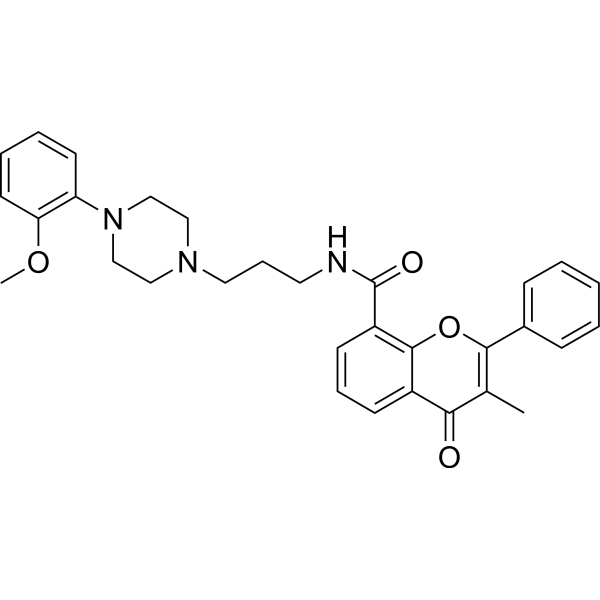
    Florifenine is a selective cyclooxygenase (COX) inhibitor with anti-inflammatory activity. Florifenine inhibits TXB2 in human whole blood with an IC50 of 32.5 nM. Florifenine exhibits anti-inflammatory effects in ear oedema. Florifenine inhibits neutrophil migration and reduces PGE2 levles in the inflamed ears. Florifenine inhibits leukocyte migration and PGE2 levels in the air pouch inflammation induced by Zymosan (HY-159069). Florifenine can be used for anti-inflammatory research .
    Florifenine
  • HY-106467BR

    Reference Standards iGluR Neurological Disease
    Caroverine (hydrochloride) (Standard) is the analytical standard of Caroverine (hydrochloride). This product is intended for research and analytical applications. Caroverine hydrochloride is a potent, competitive and reversible antagonist of NMDA and AMPA glutamate receptor. Caroverine hydrochloride is also an antioxidant and calcium-blocking agent that exhibits vasorelaxant action. Caroverine hydrochloride can be used for the research of inner ear tinnitus .
    Caroverine hydrochloride (Standard)
  • HY-176865

    Drug Derivative Inflammation/Immunology
    Anti-inflammatory agent 106 (Example 2) is a derivative of Paeonol (HY-N0159). Anti-inflammatory agent 106 has potent anti-inflammatory activity. Anti-inflammatory agent 106 effectively inhibits xylene-induced ear swelling in mouse models. Anti-inflammatory agent 106 can be used for inflammatory diseases like rheumatoid arthritis, psoriasis and type 1 diabetes research .
    Anti-inflammatory agent 106
  • HY-RS04122

    Small Interfering RNA (siRNA) Others

    EARS2 Human Pre-designed siRNA Set A contains three designed siRNAs for EARS2 gene (Human), as well as a negative control, a positive control, and a FAM-labeled negative control.

    EARS2 Human Pre-designed siRNA Set A
    EARS2 Human Pre-designed siRNA Set A
  • HY-N10279

    Others Infection
    Gymconopin C shows an antiallergic effect on ear passive cutaneous anaphylaxis reactions in mice.
    Gymconopin C
  • HY-123056A

    Autophagy Apoptosis Others
    EAD1 TFA is an aluminum-activated malate transporter with activity in regulating corn ear development. EAD1 TFA is preferentially expressed in the xylem of immature ears and localized across the plasma membrane. The EAD1 TFA transports malic acid in the apical part of developing inflorescences, and its deletion results in reduced malic acid content in this part. The overexpression of EAD1 TFA was significantly positively correlated with ear length and the number of kernels per row. EAD1 TFA serves as a potential genetic resource to help improve grain yield in maize .
    EAD1 TFA
  • HY-105752

    Fluonilid

    Fungal Infection
    Loflucarban (Fluonilid) is a potent antimycotic agent. Loflucarban can be used for the research of the ear infections .
    Loflucarban

Inquiry Online

Your information is safe with us. * Required Fields.

Salutation


Country or Region *

Applicant Name *


Organization Name *

Department *


Email Address *


Product Name *

Cat. No.


Requested quantity *

Phone Number *


Remarks

Inquiry Online

Inquiry Information

Product Name:
Cat. No.:
Quantity:
MCE Japan Authorized Agent:

