




141 Results for "

equilibrium melting point

" in MedChemExpress (MCE) Product Catalog:
Products (141)

141 Results for "equilibrium melting point" in MCE Product Catalog:

29
29 Publications Verification
Cat. No.: HY-111558
CAS No.: 2280037-51-4
Purity:  99.44%
Research Areas:  

Cancer

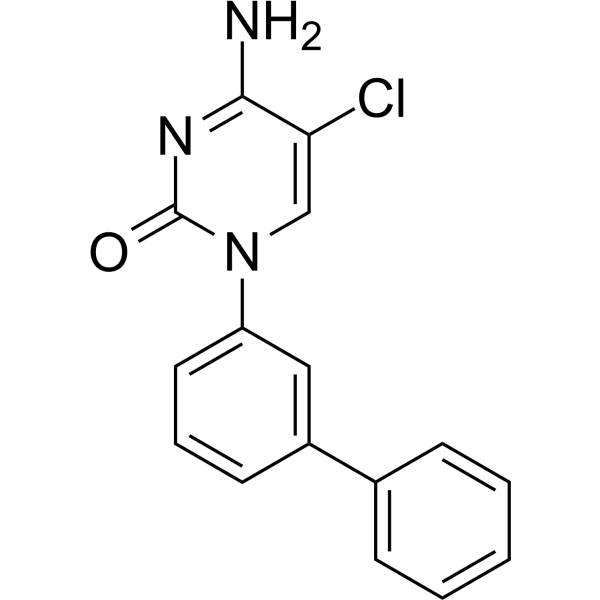
Bobcat339 is a potent and selective cytosine-based inhibitor of TET enzyme, with IC50s of 33 μM and 73 μM for TET1 and TET2, respectively. Bobcat339 is useful to the field of epigenetics and serves as a starting point for new therapeutics that target DNA methylation and gene transcription .
loading...
    loading...
29
29 Publications Verification
Cat. No.: HY-111558A
CAS No.: 2436747-44-1
Purity:  99.59%
Research Areas:  

Cancer

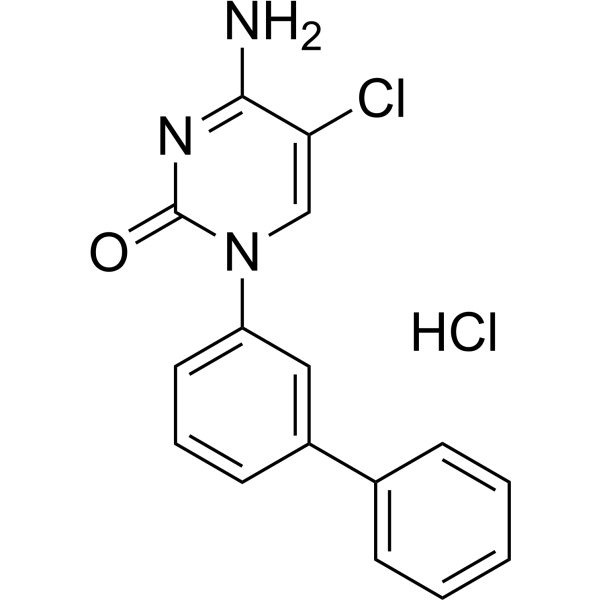
Bobcat339 hydrochloride is a potent and selective cytosine-based inhibitor of TET enzyme, with the IC50s of 33 μM and 73 μM for TET1 and TET2, respectively. Bobcat339 hydrochloride is useful to the field of epigenetics and serves as a starting point for new therapeutics that target DNA methylation and gene transcription .
loading...
    loading...
8
8 Cited Publications
Cat. No.: HY-B0413
CAS No.: 43210-67-9
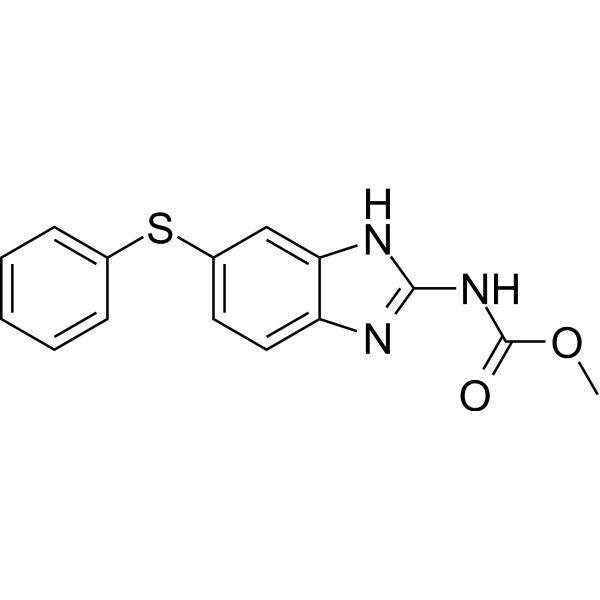
Fenbendazole is an orally active benzimidazole anthelmintic agent, with a broad antiparasitic range. Fenbendazole is a microtubule destabilizing agent and acts on helminthes primarily by binding to tubulin and disrupting the tubulin microtubule equilibrium. Fenbendazole stabilizes the transcriptional activator HIF-1α. Fenbendazole possesses an efficient anti-proliferative activity and induces apoptosis. Fenbendazole causes cell-cycle arrest and mitotic cell death, and has antitumor activity in mice xenografted with wild-type p53 .
loading...
    loading...
6
6 Cited Publications
Cat. No.: HY-15934
CAS No.: 7240-90-6
Synonyms: BCIG
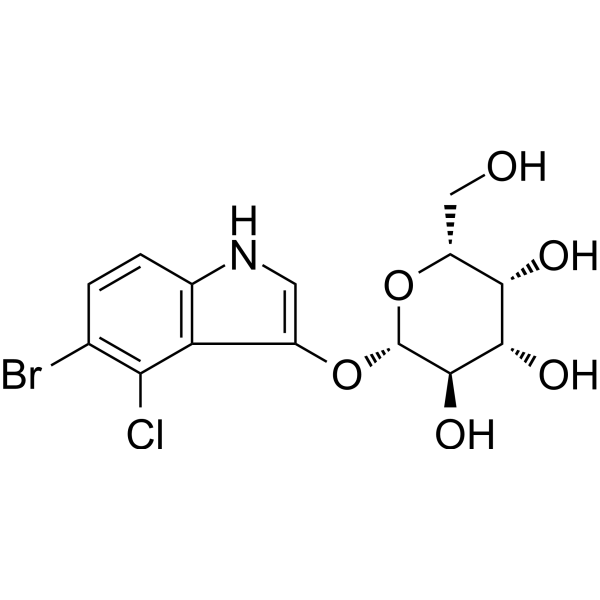
X-GAL (BCIG) is a widely used chromogenic β-galactosidase substrate. X-GAL is a colorless compound until cleaved by β-galactosidase, at which point X-GAL turns to an insoluble and detectable blue compound, making X-GAL particularly useful in techniques such as blue-white screening for cloning in bacteria. X-GAL can also be used for detection of β-galactosidase activity .
loading...
    loading...
5
5 Cited Publications
Cat. No.: HY-D1191
CAS No.: 2225748-05-8
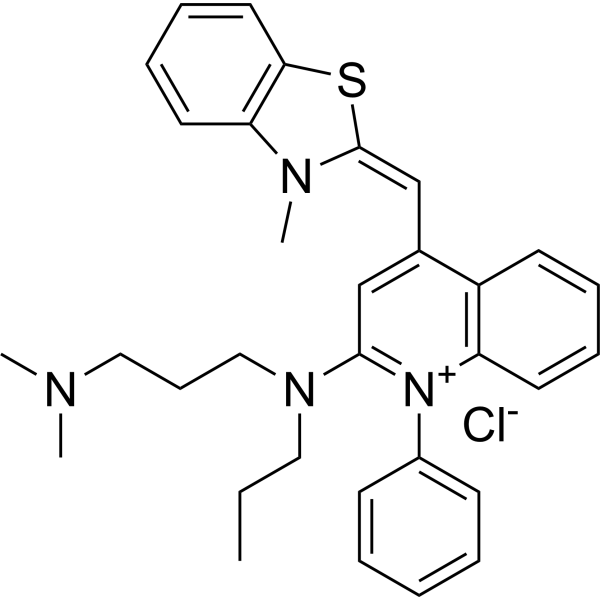
SYBR Green I chloride is a highly sensitive fluorescent nucleic acid dye that binds specifically to the minor groove of double-stranded DNA or intercalates between base pairs. SYBR Green I chloride exhibits weak fluorescence in the unbound state but emits bright fluorescence upon binding, and it preferentially binds to large-fragment DNA and DNA with high G+C content. SYBR Green I chloride is suitable for real-time PCR technology; its fluorescence intensity correlates with the amount and size of amplification products, enabling accurate quantification of gene expression and discrimination of amplicons via melting curve analysis without additional post-processing. SYBR Green I chloride is widely used in preclinical in vitro nucleic acid detection .
loading...
    loading...
2
2 Cited Publications
Cat. No.: HY-135775
CAS No.: 627810-06-4
Purity:  99.92%
Research Areas:  

Cancer

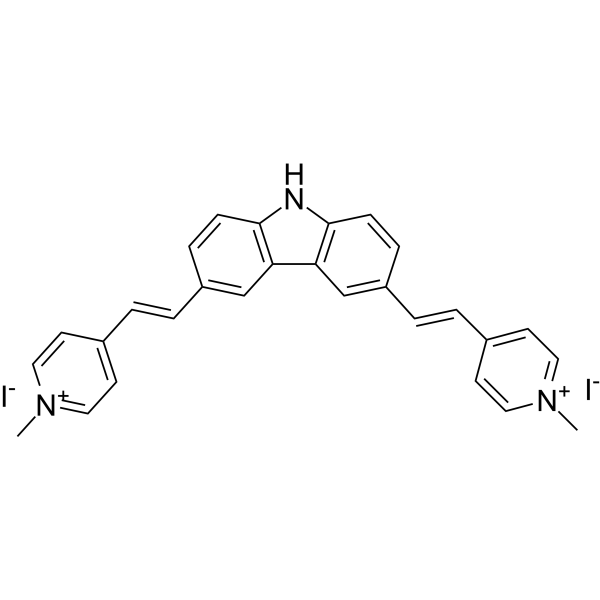
BMVC is a potent G-quadruplex (G4) stabilizer and a selective telomerase inhibitor with an IC50 of ~0.2 μM. BMVC inhibits Taq DNA polymerase with an IC50 of ~2.5 μM. BMVC increases the melting temperature of G4 structure of telomere and accelerates telomere length shortening. Anticancer activities .
loading...
    loading...
2
2 Cited Publications
Cat. No.: HY-137460
CAS No.: 1388803-90-4
Purity:  99.85%
Synonyms: K0706
Target:  

Bcr-Abl

Research Areas:  

Cancer

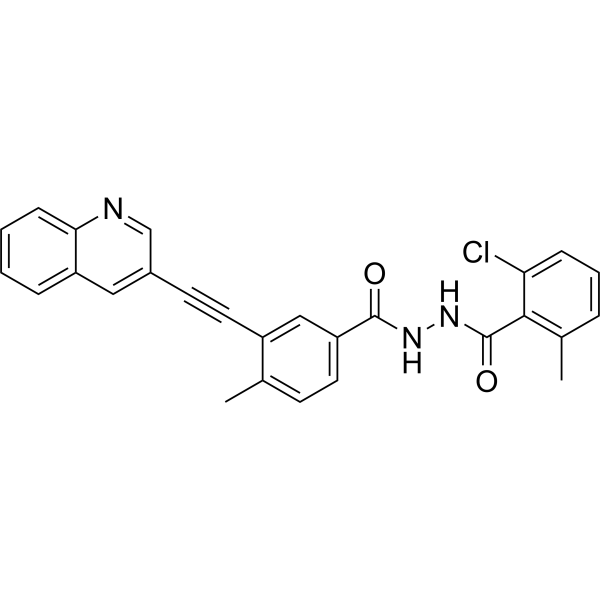
Vodobatinib (K0706) is a potent, third generation and orally active Bcr-Abl1 tyrosine kinase inhibitor with an IC50 of 7 nM. Vodobatinib exhibits activity against most BCR-ABL1 point mutants, and has no activity against BCR-ABL1T315I. Vodobatinib can be used for chronic myeloid leukemia (CML) research . Vodobatinib is a click chemistry reagent, it contains an Alkyne group and can undergo copper-catalyzed azide-alkyne cycloaddition (CuAAc) with molecules containing Azide groups.
loading...
    loading...
1
1 Cited Publications
Cat. No.: HY-W088070A
CAS No.: 9012-36-6
Agarose,Low melting point is a kind of agarose, a kind of polysaccharide that can be derived from seaweed. It is commonly used in molecular biology and biochemistry to isolate and purify DNA and RNA fragments. Agarose,Low melting point is a low melting point agarose, which is suitable for the recovery of large DNA fragments and enzymatic reactions in gels and other applications. In addition, it has been used in various techniques, such as pulsed field gel electrophoresis and capillary electrophoresis for analyzing genetic material.
loading...
    loading...
1
1 Cited Publications
Cat. No.: HY-N2319
CAS No.: 24730-10-7
Synonyms: DHEC mesylate
Target:  

Amyloid-β

Research Areas:  

Neurological Disease

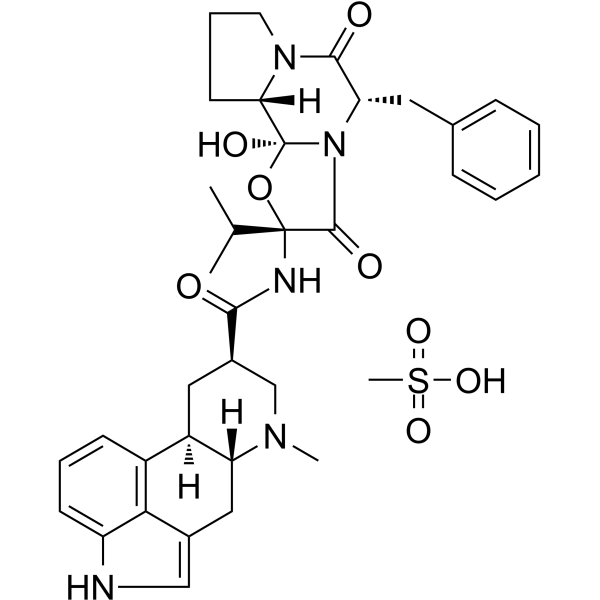
Dihydroergocristine mesylate (DHEC mesylate) is a inhibitor of γ-secretase (GSI), reduces the production of the Alzheimer's disease amyloid-β peptides, binds directly to γ-secretase and Nicastrin with equilibrium dissociation constants (Kd) of 25.7 nM and 9.8 μM, respectively .
loading...
    loading...
1
1 Cited Publications
Cat. No.: HY-W140439
CAS No.: 19420-56-5
Synonyms: 18:1 Lyso PC
Target:  

Endogenous Metabolite

Research Areas:  

Inflammation/Immunology

1-Oleoyl-sn-glycero-3-phosphocholine (18:1 Lyso PC), a lysophospholipid, is a GPR82 inhibitor. 1-Oleoyl-sn-glycero-3-phosphocholine abrogates constitutive Gi-coupled GPR82 activity, shifts active/inactive equilibrium to inactive, suppresses Gi protein activation, increases cAMP production, and decreases GTPγS binding to Gαi proteins. 1-Oleoyl-sn-glycero-3-phosphocholine contributes to adipocyte lipolysis regulation.1-Oleoyl-sn-glycero-3-phosphocholine exhibits reduced serum levels in mouse models of steatohepatitis, linked to hepatic Lpcat 1-4 up-regulation .
loading...
    loading...
1
1 Cited Publications
Cat. No.: HY-P99033
CAS No.: 1905409-39-3
Synonyms: BTCT-4465A; RG-7828; RO7030816
Target:  

CD20 CD3

Research Areas:  

Cancer

Mosunetuzumab (BTCT-4465A) is a full-length, fully humanized immunoglobulin G1 (IgG1) T-cell-dependent bispecific (TDB) antibody targeting CD20 (B cells) and CD3 (T cells). Mosunetuzumab redirects T cells to engage and eliminate malignant B cells and can be used for the research of relapsed or refractory (R/R) B-cell non-Hodgkin lymphomas (B-NHLs). The Fc region of Mosunetuzumab incorporates a "knob-into-hole" structural modification and an N297G point mutation to achieve heterodimerization and eliminate Fc glycosylation, thereby effectively silencing antibody effector functions .
loading...
    loading...
1
1 Cited Publications
Cat. No.: HY-P99014
CAS No.: 1864871-20-4
Synonyms: ARGX-110

Research Areas:  

Inflammation/Immunology Cancer

Cusatuzumab (ARGX-110) is a selective competitive blocker targeting CD70 (with an equilibrium dissociation constant of 17 pM for binding to human CD70). Cusatuzumab also possesses enhanced antibody-dependent cell-mediated cytotoxicity (ADCC) activity. It is a humanized IgG1 monoclonal antibody, artificially synthesized through humanization and genetic engineering modifications (CH2 region mutation to enhance effector function). Cusatuzumab has a dual mechanism of action: firstly, it competitively blocks the interaction between CD70 and CD27, inhibiting the CD27-NF-κB signaling pathway, reducing regulatory T cell (Treg) activation and tumor cell proliferation; secondly, by enhancing binding to FcγRIIIa, it mediates ADCC and antibody-dependent cellular phagocytosis (ADCP), directly lysing CD70-positive tumor cells. Cusatuzumab can efficiently eliminate leukemia stem cells (LSCs), induce tumor cell differentiation and apoptosis, restore immune surveillance, and target CD70-positive tumors. Cusatuzumab is used in the study of acute myeloid leukemia (AML) .
loading...
    loading...
Cat. No.: HY-107754
CAS No.: 7647-17-8
Purity:  99.93%
Cesium chloride is a blocker of potassium channel. Cesium chloride prevents the decrease of Na + transport produced by Alloxan . Cesium chloride has induced cardiac arrhythmias, including torsade de pointes in animal models .
loading...
    loading...
Cat. No.: HY-W134423
CAS No.: 9002-18-0
Agar, microbiology tested, for cell culture (powder) is a jelly like substance that contains agarose and agar gel. Agar, microbiology tested, for cell culture (powder) can be isolated from the cell walls of red algae species such as Gelidium and Gracilaria (Ogonori). The gelation and melting of Agar, microbiology tested, for cell culture (powder) is based on the hydrogen bridge (physical gels), so the gelation is reversible. Agar, microbiology tested, for cell culture (powder) is widely used in food additives, plant tissue culture, microorganisms culture media, fingerprint recognition, and medical fields .
loading...
    loading...
Cat. No.: HY-147054
CAS No.: 2243882-74-6
Purity:  99.46%
Synonyms: Debio 0123; WEE1-IN-5
Target:  

Wee1 CDK

Research Areas:  

Cancer

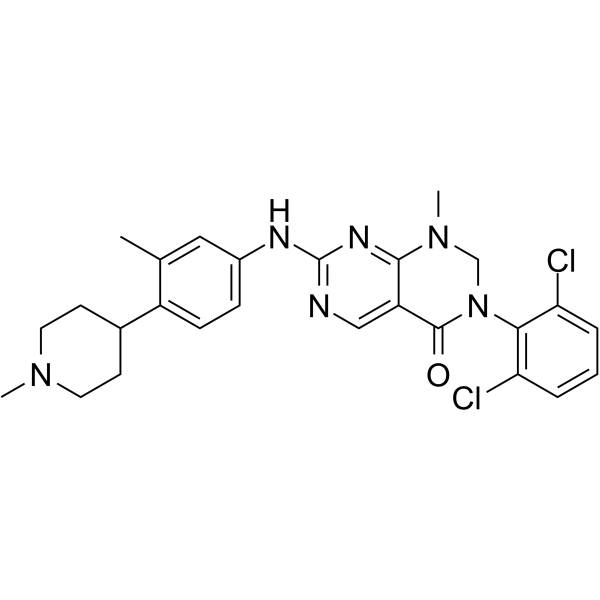
Zedoresertib (Debio 0123) is a potent WEE1 inhibitor with an IC50 value of 0.8 nM. Zedoresertib inhibits phospho-CDC2. Zedoresertib abrogates the G2 check point, increasing sensitivity to DNA damaging agents in cancer cells. Zedoresertib can be used for researching anticancer .
loading...
    loading...
Cat. No.: HY-W099535
CAS No.: 2044-56-6
Research Areas:  

Others

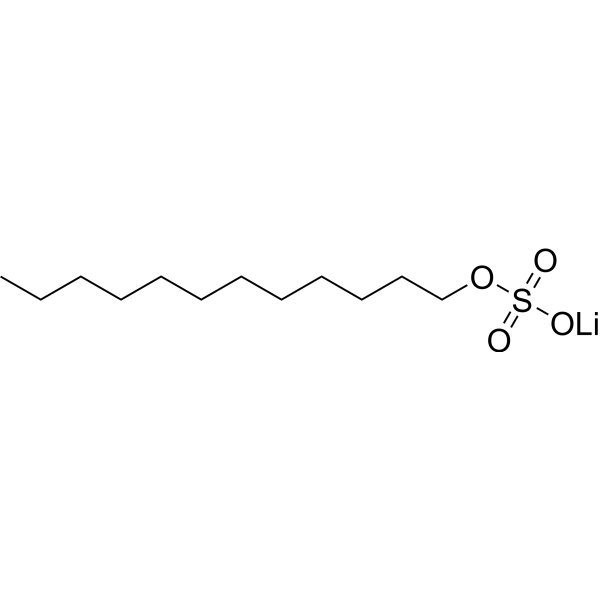
Lithium dodecyl sulfate is an anionic hydrocarbon surfactant with both surface tension reduction and interfacial adsorption capabilities. Lithium dodecyl sulfate forms micelles in aqueous solutions via entropy-driven (low temperature) and enthalpy-driven (high temperature) mechanisms, and can also form an adsorption layer at the air-water interface with quantifiable surface excess and minimum area per molecule. Lithium dodecyl sulfate exhibits favorable equilibrium surface tension and foamability, but shows low foam stability above its critical micelle concentration. When acting synergistically with tetrabutylammonium bromide, Lithium dodecyl sulfate also exhibits unique cloud point behavior due to micelle aggregation and phase separation .
loading...
    loading...
Cat. No.: HY-Y0338
CAS No.: 107-21-1
Ethylene glycol is an organic compound that is often used as an antifreeze agent and coolant. Ethylene glycol lowers the freezing point by forming hydrogen bonds with water molecules, exerting antifreeze activity. Ethylene glycol is also used as a raw material in the synthesis of polymers such as polyester fibers and polyurethanes .
loading...
    loading...
Cat. No.: HY-P2661
CAS No.: 78832-65-2
Research Areas:  

Infection

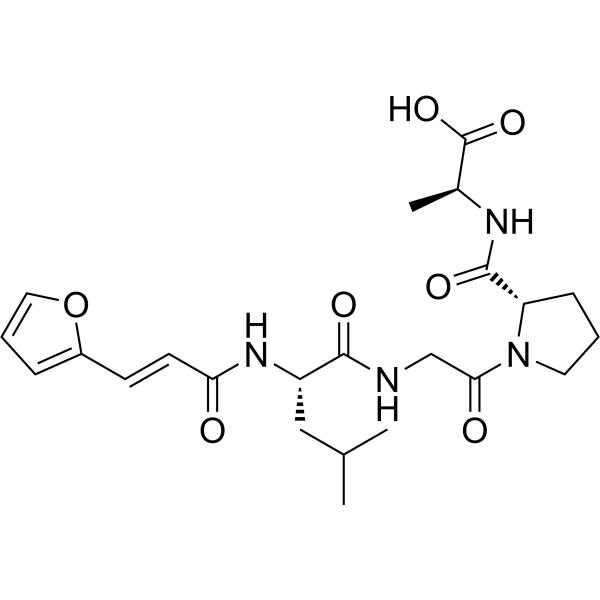
FA-Leu-Gly-Pro-Ala-OH is a furylacryloyl-terminal tetrapeptide that serves as a substrate for bacterial collagenase and spirochete metalloendopeptidase. FA-Leu-Gly-Pro-Ala-OH is specifically hydrolyzed by spirochete collagenase only at the Leu-Gly bond. FA-Leu-Gly-Pro-Ala-OH can be used to determine the equilibrium constant of peptide bond hydrolysis, and also to detect collagenase-mediated cleavage reactions via turbidimetry based on absorbance reduction .
loading...
    loading...
Cat. No.: HY-DY2002
CAS No.: 7240-90-6
X-GAL (BCIG) (solution) is a widely used chromogenic β-galactosidase substrate. X-GAL is a colorless compound until cleaved by β-galactosidase, at which point X-GAL turns to an insoluble and detectable blue compound, making X-GAL particularly useful in techniques such as blue-white screening for cloning in bacteria. X-GAL can also be used for detection of β-galactosidase activity .
Solvent and Concentration: DMF: 20 mg/mL
loading...
    loading...
Cat. No.: HY-W011548
CAS No.: 2096-10-8
Research Areas:  

Others

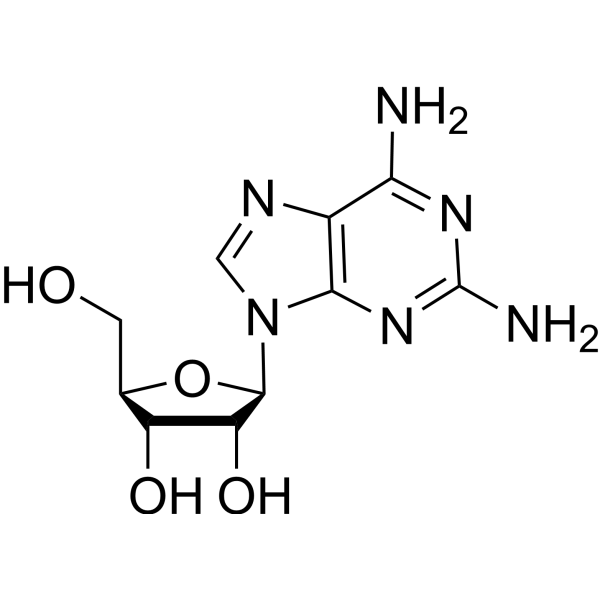
2-Aminoadenosine is a modified adenine base and adenosine analog that stabilizes RNA duplexes and enhances template-directed nucleotide condensation reactions. 2-Aminoadenosine forms three hydrogen bonds with uracil to increase the melting temperature of hybrid strands, thereby stabilizing uracil-containing RNA duplexes .
loading...
    loading...

