807 Results for "

essential blepharospasm

" in MedChemExpress (MCE) Product Catalog:
Products (807)

807 Results for "essential blepharospasm" in MCE Product Catalog:

46
46 Publications Verification
Cat. No.: HY-108882A
CAS No.: 9003-98-9
Target:  

Endonuclease

Research Areas:  

Others

Recombinant DNase I (RNase-free) is a recombinant deoxyribonuclease that degrades DNA. Recombinant DNase I is essential for limiting inflammatory responses and maintaining homeostasis .
loading...
    loading...
46
46 Publications Verification
Cat. No.: HY-108882C
CAS No.: 9003-98-9
Target:  

DNA/RNA Synthesis

Research Areas:  

Inflammation/Immunology

DNase I is an enzyme that degrades DNA. DNase I is mainly produced by digestive system organs, such as the pancreas and parotid gland. Three types of DNase I are known in mammals: pancreatic type, parotid type, and pancreatico-parotid type. DNase I plays a key role in the cleavage of extracellular DNA, and is critical for limiting inflammatory responses and maintaining homeostasis. DNase I is responsible for digesting extracellular nucleoproteins, which may be essential for preventing autoimmune reactions. Decreased DNase I activity may be associated with the occurrence and development of systemic lupus erythematosus (SLE). DNase I (filtered) is filtered through a 0.22 μM membrane and is not tested for pyrogenicity .
loading...
    loading...
46
46 Publications Verification
Cat. No.: HY-108882B
CAS No.: 9003-98-9
Target:  

DNA/RNA Synthesis

Research Areas:  

Inflammation/Immunology

DNase I is an enzyme that degrades DNA. DNase I is mainly produced by digestive system organs, such as the pancreas and parotid gland. Three types of DNase I are known in mammals: pancreatic type, parotid type, and pancreatico-parotid type. DNase I plays a key role in the cleavage of extracellular DNA, and is critical for limiting inflammatory responses and maintaining homeostasis. DNase I is responsible for digesting extracellular nucleoproteins, which may be essential for preventing autoimmune responses. Decreased DNase I activity may be associated with the onset and progression of systemic lupus erythematosus (SLE). DNase I (RNase & Protease free) is a molecular biology-grade DNase I purified by chromatography to remove RNase and protease .
loading...
    loading...
37
37 Cited Publications
Cat. No.: HY-10984
CAS No.: 19171-19-8
Purity:  99.88%
Synonyms: CC-4047
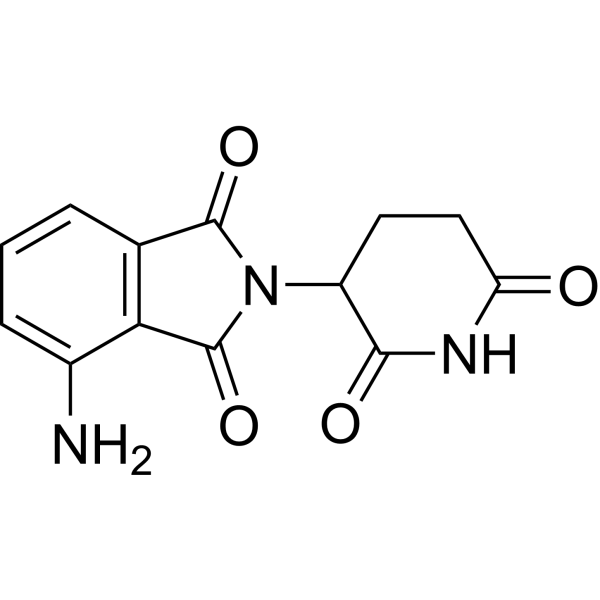
Pomalidomide, the third-generation immunomodulatory agent, acts as molecular glue. Pomalidomide interacts with the E3 ligase cereblon and induces degradation of essential Ikaros transcription factors.
loading...
    loading...
32
32 Cited Publications
Cat. No.: HY-13771A
CAS No.: 2898-95-5
Purity:  99.06%
Synonyms: Ursodeoxycholate sodium; Ursodiol sodium; UCDA sodium
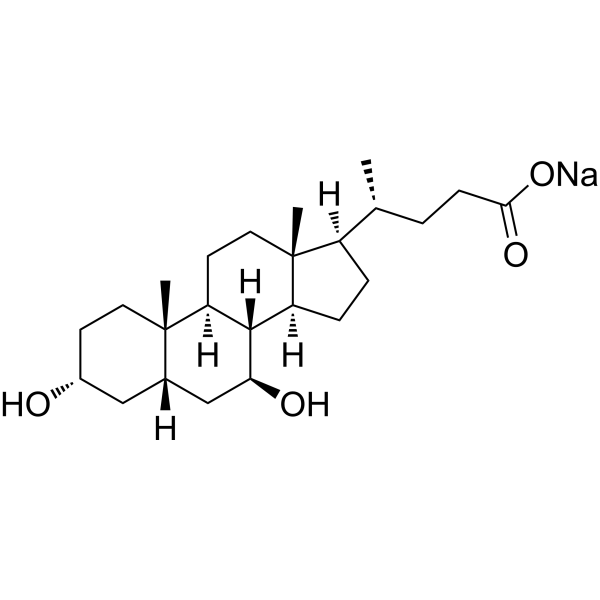
Ursodeoxycholic acid (Ursodeoxycholate) sodium is a secondary bile acid issued from the transformation of (cheno)deoxycholic acid by intestinal bacteria, acting as a key regulator of the intestinal barrier integrity and essential for lipid metabolism. Ursodeoxycholic acid sodium acts as signaling molecule, exerting its effects by interacting with bile acid activated receptors, including G-protein coupled bile acid receptor 5 (TGR5, GPCR19) and the farnesoid X receptor (FXR). Ursodeoxycholic acid sodium can be used for the research of a variety of hepatic and gastrointestinal diseases. Orally active .
loading...
    loading...
32
32 Cited Publications
Cat. No.: HY-13771
CAS No.: 128-13-2
Purity:  99.94%
Synonyms: Ursodeoxycholate; Ursodiol; UDCA
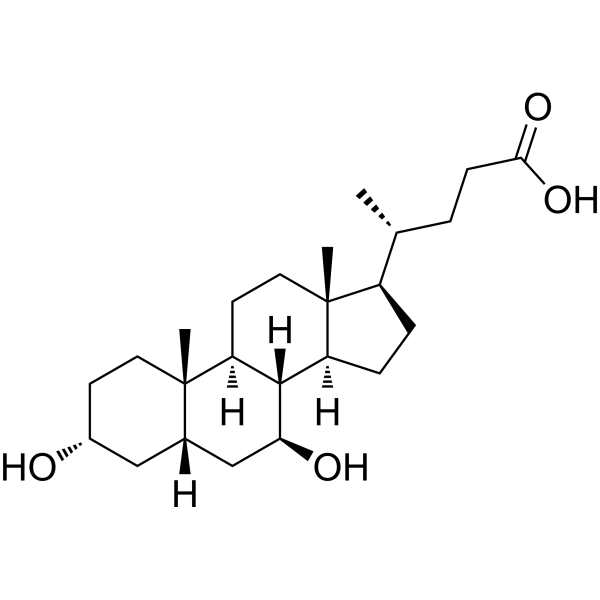
Ursodeoxycholic acid (Ursodeoxycholate) is a secondary bile acid issued from the transformation of (cheno)deoxycholic acid by intestinal bacteria, acting as a key regulator of the intestinal barrier integrity and essential for lipid metabolism. Ursodeoxycholic acid acts as signaling molecule, exerting its effects by interacting with bile acid activated receptors, including G-protein coupled bile acid receptor 5 (TGR5, GPCR19) and the farnesoid X receptor (FXR). Ursodeoxycholic acid can be used for the research of a variety of hepatic and gastrointestinal diseases. Ursodeoxycholic acid also reduces ACE2 expression and is beneficial for reducing SARS-CoV-2 infection. Orally active .
loading...
    loading...
31
31 Cited Publications
Cat. No.: HY-N0390
CAS No.: 56-85-9
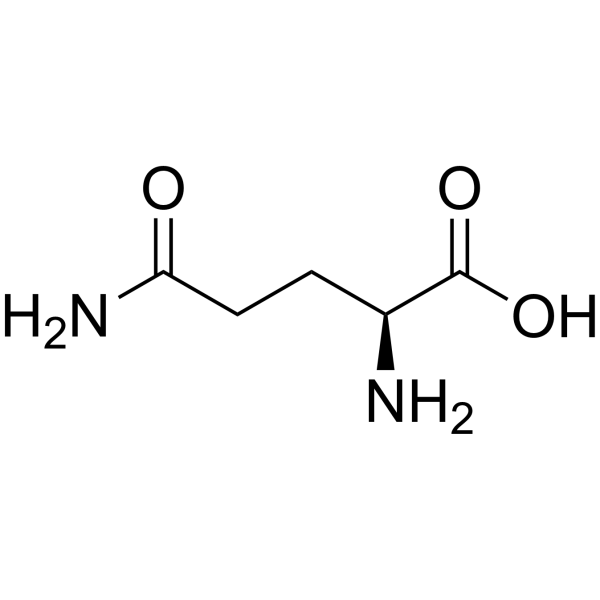
Synonyms: L-Glutamic acid 5-amide
L-Glutamine (L-Glutamic acid 5-amide) is a non-essential amino acid present abundantly throughout the body and involved in many metabolic processes. L-Glutamine provides a source of carbons for oxidation in some cells .
loading...
    loading...
29
29 Cited Publications
Cat. No.: HY-16637
CAS No.: 59-30-3
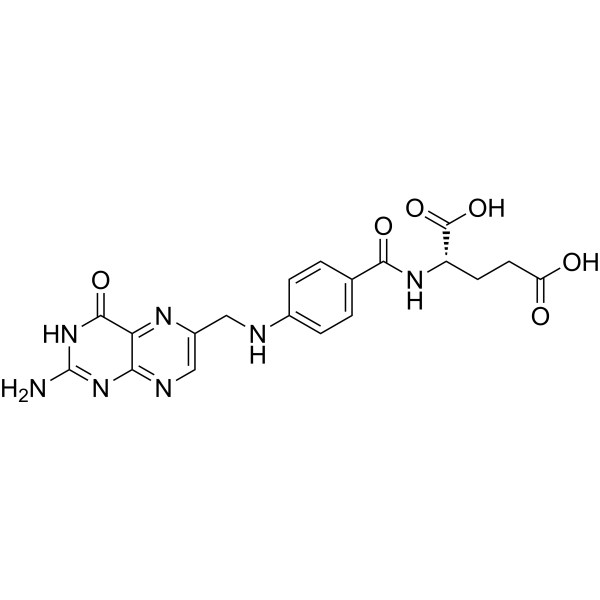
Synonyms: Vitamin B9; Vitamin M
Folic acid (Vitamin B9) is a orally active essential nutrient from the B complex group of vitamins. Folic acid shows antidepressant-like effect. Folic acid sodium reduces the risk of neonatal neural tube defects. Folic acid can be used to the research of megaloblastic and macrocytic anemias due to folic deficiency .
loading...
    loading...
27
27 Cited Publications
Cat. No.: HY-N0455D
CAS No.: 80407-72-3
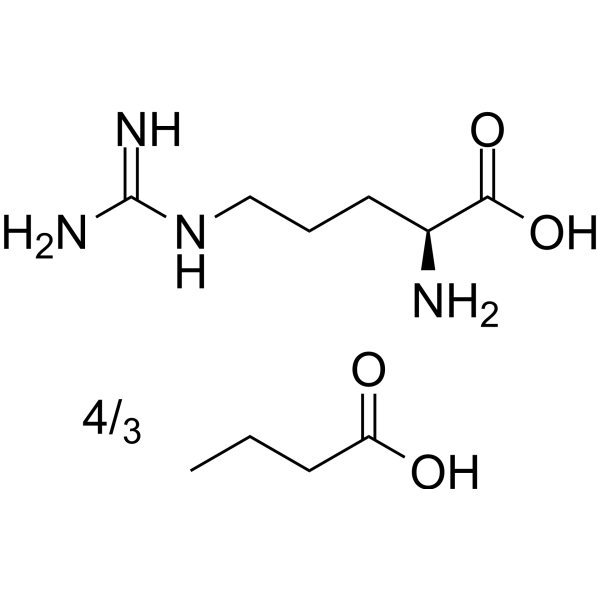
Synonyms: (S)-(+)-Arginine butanoate
Research Areas:  

Others

L-Arginine butanoate ((S)-(+)-Arginine butanoate) is a compound consisting of L-Arginine and butanoate. L-Arginine is one of the essential nutrients in the human body and participates in various biochemical processes. Butanoate is a short-chain fatty acid commonly used as a food additive and solvent in pharmaceutical formulations .
loading...
    loading...
22
22 Cited Publications
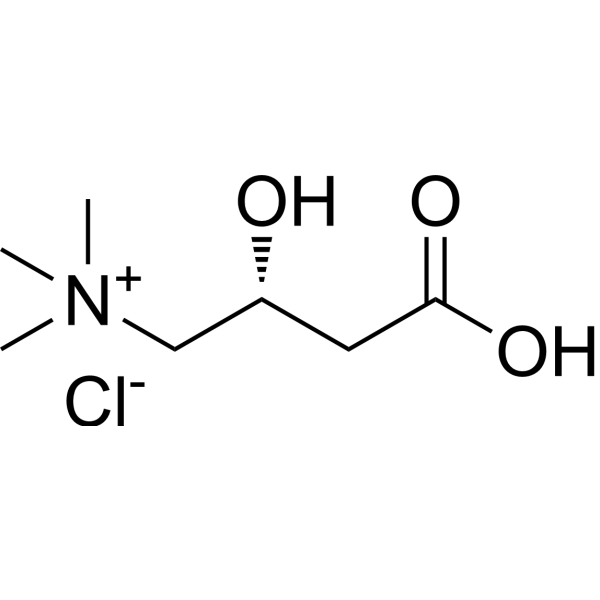
Cat. No.: HY-B0399
CAS No.: 541-15-1
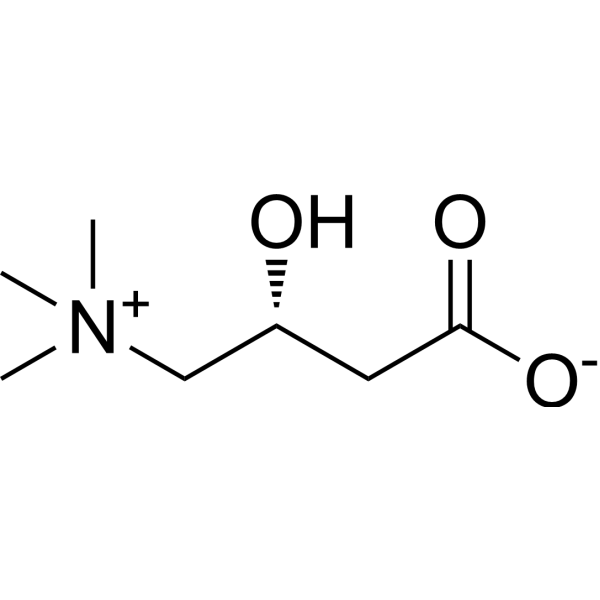
Synonyms: (R)-Carnitine; Levocarnitine
L-Carnitine ((R)-Carnitine), a highly polar, small zwitterion, is an essential co-factor for the mitochondrial β-oxidation pathway. L-Carnitine functions to transport long chain fatty acyl-CoAs into the mitochondria for degradation by β-oxidation. L-Carnitine is an antioxidant. L-Carnitine can ameliorate metabolic imbalances in many inborn errors of metabolism .
loading...
    loading...
22
22 Cited Publications
Cat. No.: HY-B2246
CAS No.: 6645-46-1
Synonyms: (R)-Carnitine hydrochloride; Levocarnitine hydrochloride
L-Carnitine hydrochloride ((R)-Carnitine hydrochloride), a highly polar, small zwitterion, is an essential co-factor for the mitochondrial β-oxidation pathway. L-Carnitine hydrochloride functions to transport long chain fatty acyl-CoAs into the mitochondria for degradation by β-oxidation. L-Carnitine hydrochloride is an antioxidant. L-Carnitine hydrochloride can ameliorate metabolic imbalances in many inborn errors of metabolism .
loading...
    loading...
22
22 Cited Publications
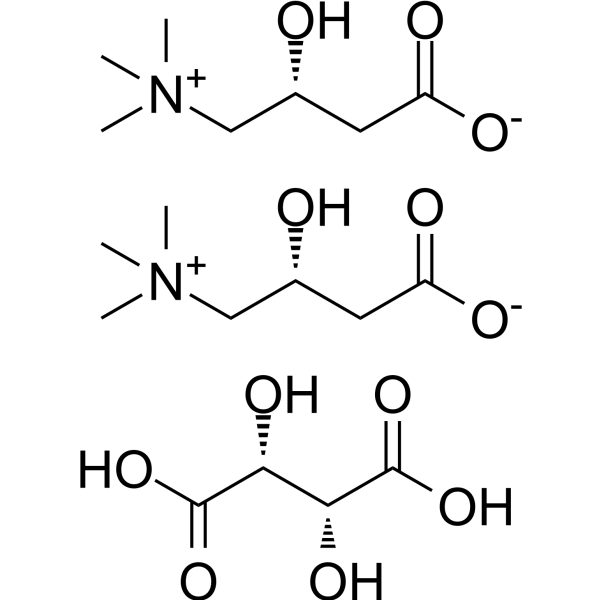
Cat. No.: HY-W105518
CAS No.: 36687-82-8
L-Carnitine tartrate is a highly polar, small zwitterion. L-Carnitine tartrate is an essential co-factor for the mitochondrial β-oxidation pathway. L-Carnitine tartrate functions to transport long chain fatty acyl-CoAs into the mitochondria for degradation by β-oxidation. L-Carnitine tartrate is an antioxidant. L-Carnitine tartrate can ameliorate metabolic imbalances in many inborn errors of metabolism [3] .
loading...
    loading...
19
19 Cited Publications
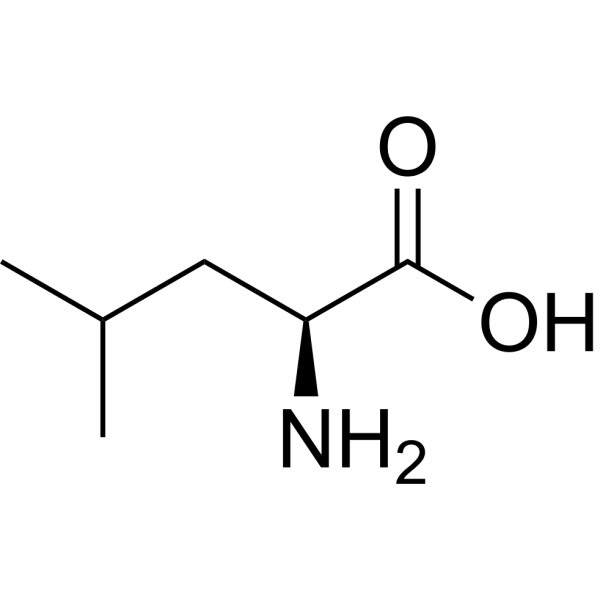
Cat. No.: HY-N0486
CAS No.: 61-90-5
Synonyms: Leucine
L-Leucine is an essential branched-chain amino acid (BCAA), which activates the mTOR signaling pathway .
loading...
    loading...
18
18 Cited Publications
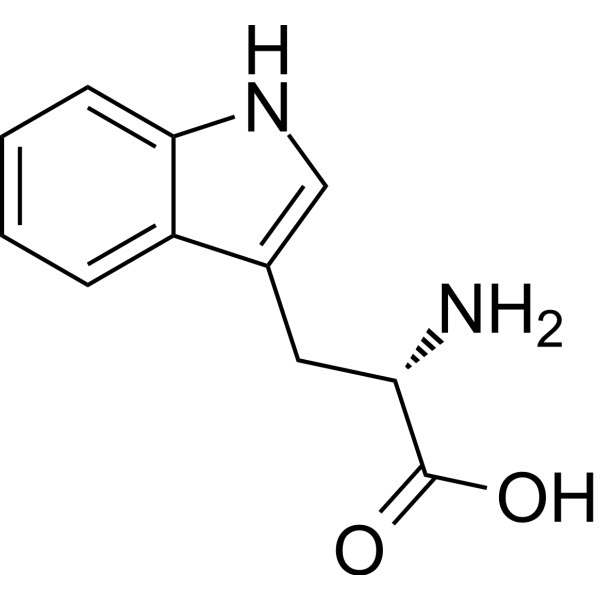
Cat. No.: HY-N0623
CAS No.: 73-22-3
Synonyms: Tryptophan; Tryptophane
L-Tryptophan (Tryptophan) is an orally active and essential amino acid that is the precursor of serotonin, melatonin, and vitamin B3. L-Tryptophan can promote an increase in stemness and osteogenic ability of BMSCs in vitro and in vivo. L-Tryptophan inhibits cell proliferation and induced cell cycle arrest with high levels .
loading...
    loading...
17
loading...
    loading...
16
16 Cited Publications
Cat. No.: HY-N0650
CAS No.: 56-45-1
Synonyms: Serine
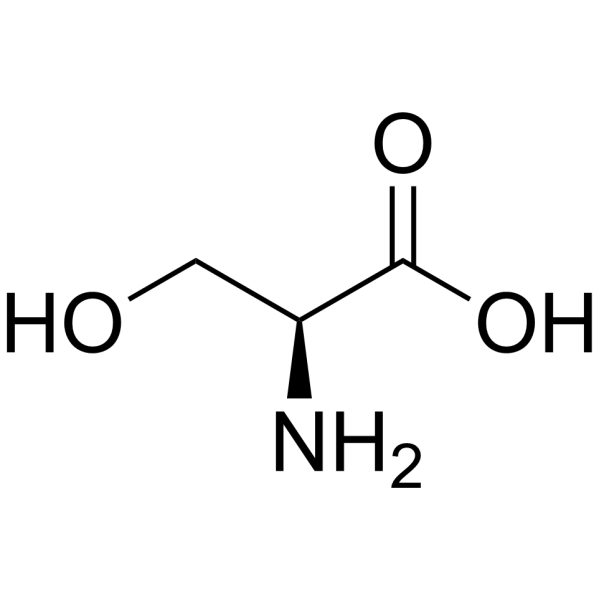
L-Serine ((-)-Serine; (S)-Serine), one of the so-called non-essential amino acids, plays a central role in cellular proliferation.
loading...
    loading...
14
14 Cited Publications
Cat. No.: HY-N0492
CAS No.: 1077-28-7
Synonyms: Thioctic acid; (±)-α-Lipoic acid; DL-α-Lipoic acid
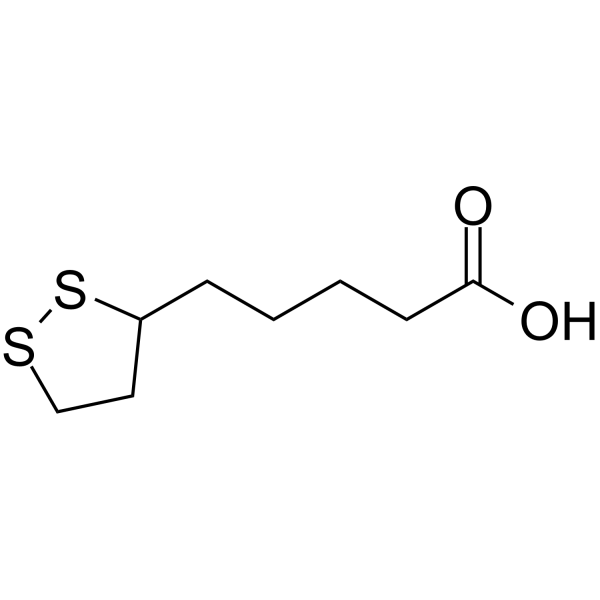
α-Lipoic Acid (Thioctic acid) is an antioxidant, which is an essential cofactor of mitochondrial enzyme complexes. α-Lipoic Acid inhibits NF-κB-dependent HIV-1 LTR activation . α-Lipoic Acid induces endoplasmic reticulum (ER) stress-mediated apoptosis in hepatoma cells . α-Lipoic Acid can be used with CPUL1 (HY-151802) to construct the self-assembled nanoaggregate CPUL1-LA NA, which has improved antitumor efficacy than CPUL1 .
loading...
    loading...
14
14 Cited Publications
Cat. No.: HY-N0492A
CAS No.: 2319-84-8
Synonyms: Thioctic acid sodium; (±)-α-Lipoic acid sodium; DL-α-Lipoic acid sodium
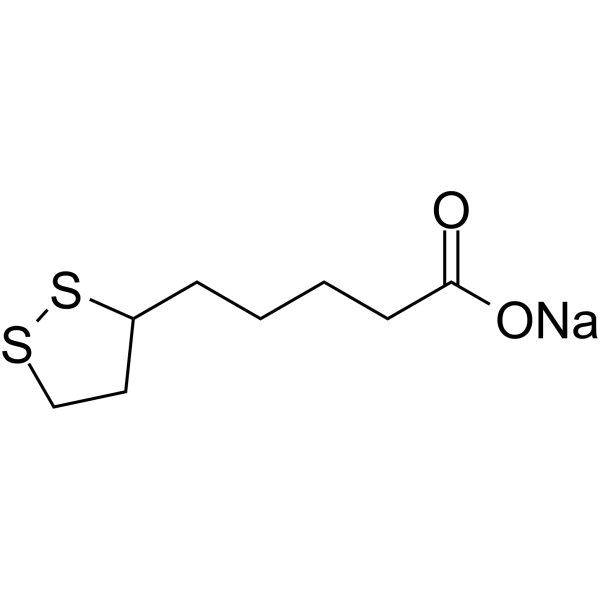
α-Lipoic Acid (Thioctic acid) sodium is an antioxidant, which is an essential cofactor of mitochondrial enzyme complexes. α-Lipoic Acid sodium inhibits NF-κB-dependent HIV-1 LTR activation . α-Lipoic Acid sodium induces endoplasmic reticulum (ER) stress-mediated apoptosis in hepatoma cells . α-Lipoic Acid sodium can be used with CPUL1 (HY-151802) to construct the self-assembled nanoaggregate CPUL1-LA NA, which has improved antitumor efficacy than CPUL1 .
loading...
    loading...
13
13 Cited Publications
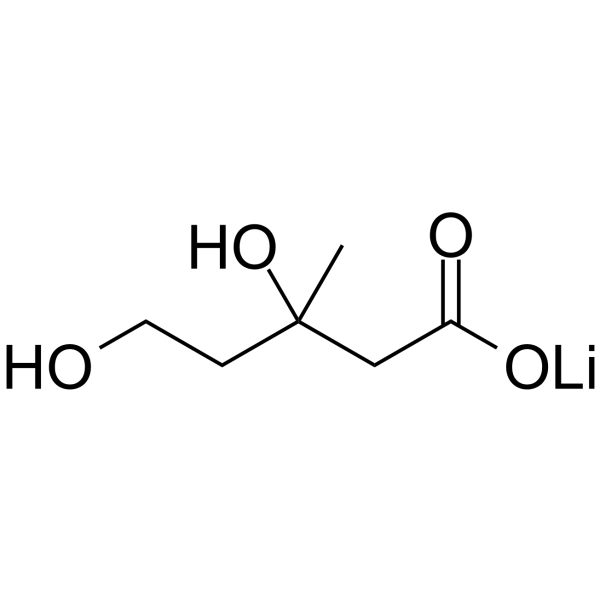
Cat. No.: HY-113071A
CAS No.: 2618458-93-6
Purity:  ≥98.0%
Synonyms: MVA lithium salt
Mevalonic acid (MVA) lithium salt is a precursor substance of the mevalonate pathway, which is essential for cell growth and proliferation. Mevalonic acid lithium salt is effective in inhibiting Simvastatin (HY-17502)-induced decrease in C2C12 cell viability in vitro. Mevalonic acid lithium salt can be used in studies of myopathy and heart failure .
loading...
    loading...
13
13 Cited Publications
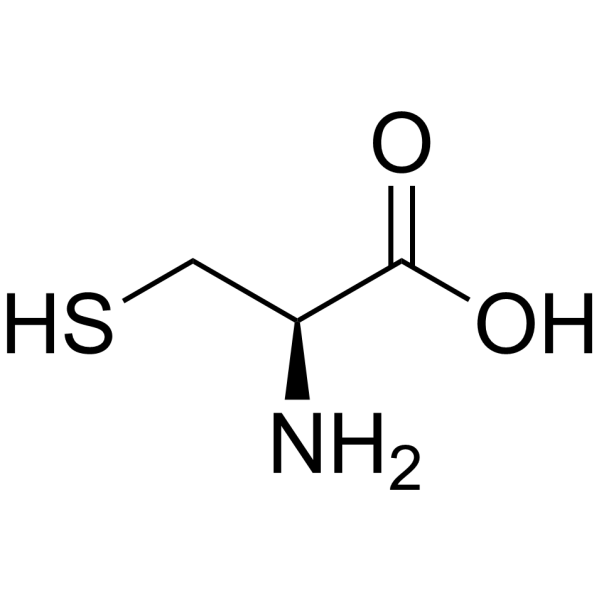
Cat. No.: HY-Y0337
CAS No.: 52-90-4
Synonyms: Cysteine
L-Cysteine (Cysteine) is an orally active conditionally essential amino acid with hypoglycemic effects, which acts as a precursor for biologically active molecules such as hydrogen sulphide (H2S), glutathione and taurine. L-Cysteine promotes the proliferation and differentiation of neural stem cells via the CBS/H2S pathway. L-Cysteine suppresses ghrelin and reduces appetite in rodents and humans. L-Cysteine can be used as an anorectic agent .
loading...
    loading...

