


240 Results for "

fiber

" in MedChemExpress (MCE) Product Catalog:
Products (240)

240 Results for "fiber" in MCE Product Catalog:

23
23 Publications Verification
Cat. No.: HY-16563
CAS No.: 29477-83-6
Synonyms: Lycoricidinol
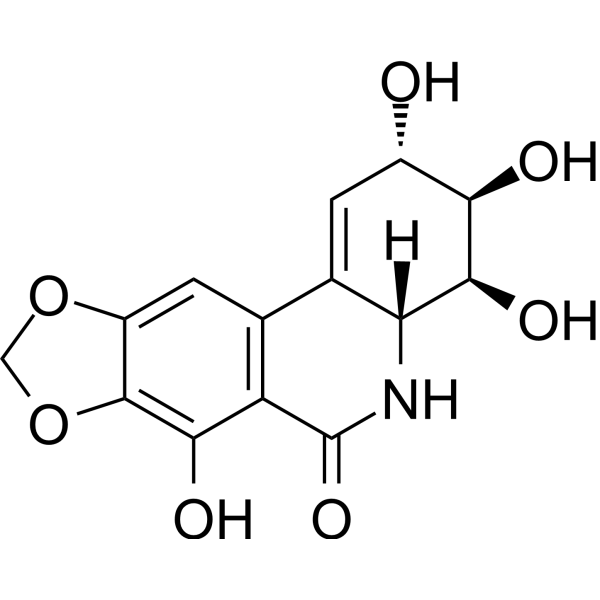
Narciclasine is a plant growth modulator. Narciclasine modulates the Rho/Rho kinase/LIM kinase/cofilin signaling pathway, greatly increasing GTPase RhoA activity as well as inducing actin stress fiber formation in a RhoA-dependent manner.
loading...
    loading...
17
17 Cited Publications
Cat. No.: HY-P1645
CAS No.: 9001-73-4
Papain is a cysteine protease of the peptidase C1 family. Papain enhances red cell agglutination by anti-D and anti-A, and increases red cell sensitivity to K cell-mediated lysis in ADCC assays. Papain can induce pulmonary emphysema. Papain can be used for the researches of Rh haemolytic disease of the newborn and pulmonary emphysema .
loading...
    loading...
7
7 Cited Publications
Cat. No.: HY-153118
CAS No.: 73049-39-5
Synonyms: ctDNA sodium, Type I, fibers; DNA sodium, from calf thymus, Type I, fibers; Thymonucleic acid sodium, Type I, fibers
Research Areas:  

Others Cancer

Deoxyribonucleic acid sodium, from calf thymus, Type I, fibers is the sodium salts form of Calf thymus DNA (HY-109517). Calf thymus DNA is a double-stranded template DNA isolated from calf thymus. It can be used to study the interaction between DNA and DNA binding agents, as well as the structure and function of DNA, for DNA quantification and used as a substrate for DNA polymerase analysis, etc​ .
loading...
    loading...
5
5 Cited Publications
Cat. No.: HY-117771
CAS No.: 1848233-58-8
Purity:  99.30%
Target:  

DAGL

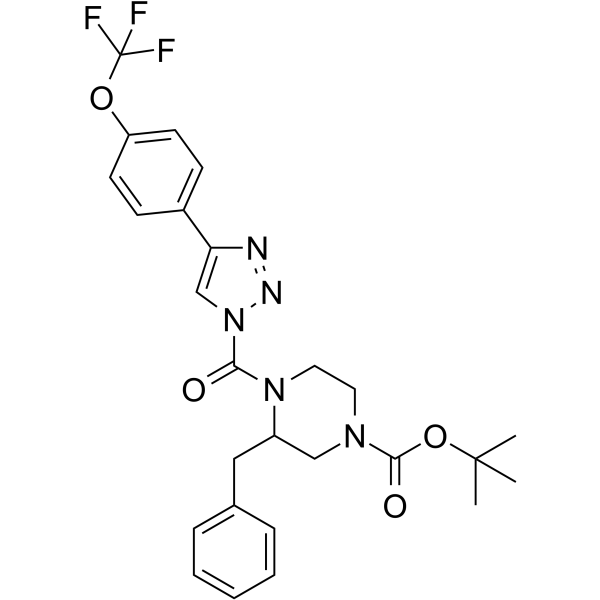
DO34 is a selective DAGL inhibitor, with an IC50 of 6 nM for DAGLα conversion of SAG to 2-AG. DO34 blocks de novo 2-AG synthesis, and suppresses tonic CB1 receptor activation. DO34 blocks depolarization-induced suppression of excitation and inhibition in the cerebellum and hippocampus. DO34 regulates feeding behavior and locomotor activity in mice. DO34 abolishes AM251-mediated enhancement of parallel fiber-evoked excitatory postsynaptic currents in cerebellar slices from MAGL global knockout mice. DO34 can be used for the research of energy balance disorder and neuroinflammation .
loading...
    loading...
3
3 Cited Publications
Cat. No.: HY-16690
CAS No.: 1576-37-0
Synonyms: N-Benzyl-p-toluenesulfonamide; N-Tosylbenzylamine
Target:  

Myosin

Research Areas:  

Others

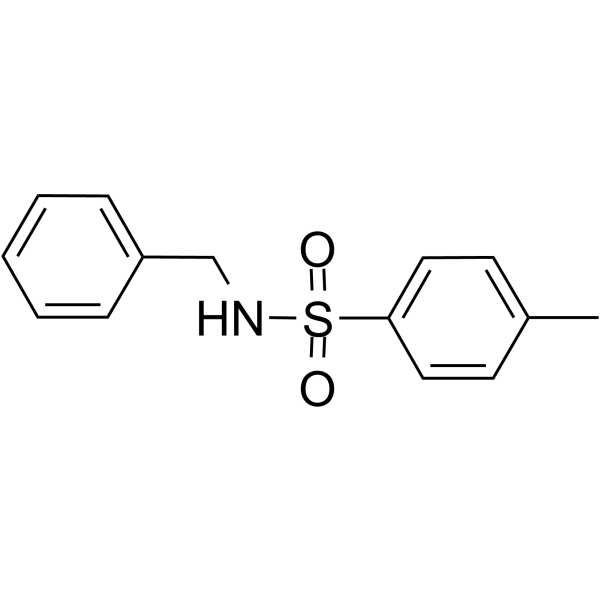
BTS (N-Benzyl-p-toluenesulfonamide) is a potent and selective inhibitor of skeletal muscle myosin II subfragment 1 (S1) ATPase activity, with an IC50s of ~5 µM for actin- and Ca 2+-stimulated myosin S1 ATPase. BTS specifically inhibits the contraction of fast skeletal muscle fibers .
loading...
    loading...
3
3 Cited Publications
Cat. No.: HY-B1773A
CAS No.: 137-40-6
Sodium propionate is an orally active short-chain fatty acid. Sodium propionate can be produced by intestinal bacteria from the metabolism of dietary fiber. Sodium propionate increases PPAR-γ, inhibits NF-κB activation, and reduces COX-2 expression and NO production. Sodium propionate also induces Apoptosis and Autophagy. Sodium propionate reduces HSV-1-induced keratitis. Sodium propionate has anticancer effects against glioblastoma. Sodium propionate exhibits neuroprotective, antioxidant, and anti-inflammatory activities. Sodium propionate can be used in the research of spinal cord injury and Alzheimer's disease .
loading...
    loading...
2
2 Cited Publications
Cat. No.: HY-B1007
CAS No.: 149-16-6
Target:  

Sodium Channel

Research Areas:  

Neurological Disease

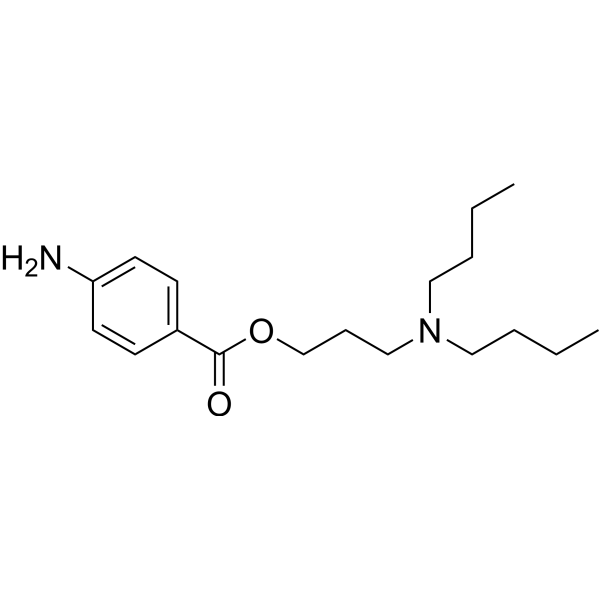
Butacaine is a reversible nerve conduction blocker. Butacaine acts on the nervous system and nerve fibers, can cause both sensory and motor paralysis. Butacaine inhibits the NavBh currents. Butacaine can form inclusion complexes with α-cyclodextrin (α-CD) and β-cyclodextrin (β-CD). Butacaine is commonly used as a negative control for other local anesthetics .
loading...
    loading...
2
2 Cited Publications
Cat. No.: HY-N2438
CAS No.: 74805-91-7
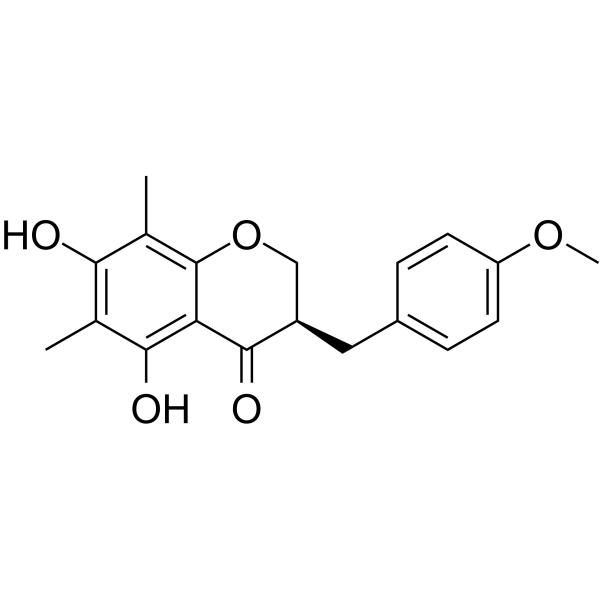
Methylophiopogonanone B is a homoisoflavonoid compound. Methylophiopogonanone B can be isolated from O. japonicus root. Methylophiopogonanone B promotes Rho activation and Tubulin depolymerization. Methylophiopogonanone B significantly increases GTP-Rho, but not GTP-Rac or GTP-CDC42. Methylophiopogonanone B induces cell morphological change via melanocyte dendrite retraction and stress fiber formation. Methylophiopogonanone B exhibits strong antioxidant activity. Methylophiopogonanone B can be used in the research of cervical cancer .
loading...
    loading...
2
2 Cited Publications
Cat. No.: HY-B1513
CAS No.: 10016-20-3
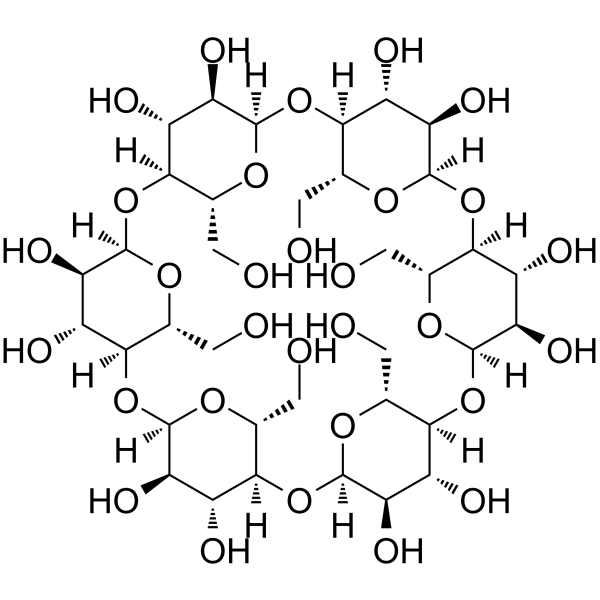
α-Cyclodextrin (α-CD) is a soluble fiber derived from corn. α-Cyclodextrin can deplete sphingolipids and phospholipids from cell membranes. α-Cyclodextrin interacts with tubulin. α-Cyclodextrin improves defenses against SARS-CoV-2 infection. α-Cyclodextrin enhances the anticancer efficacy of Crcumin (HY-N0005) against breast, lung and cervical cancer. α-Cyclodextrin has beneficial effects on body weight and blood lipids .
loading...
    loading...
1
1 Cited Publications
Cat. No.: HY-P99588
CAS No.: 705287-60-1
Synonyms: MYO-029

Target:  

TGF-β Receptor

Research Areas:  

Metabolic Disease

Stamulumab (MYO-029) is a recombinant human IgG1λ antibody that binds to myostatin and neutralizes its activity by preventing binding to its endogenous high-affinity receptor ActRIIB. Stamulumab leads to muscle fiber hypertrophy and not hyperplasia in SCID mice. Stamulumab has the potential for Becker muscular dystrophy (BMD), facioscapulohumeral dystrophy (FSHD), and limb-girdle muscular dystrophy (LGMD) research .
loading...
    loading...
1
1 Cited Publications
Cat. No.: HY-N0335
CAS No.: 482-89-3
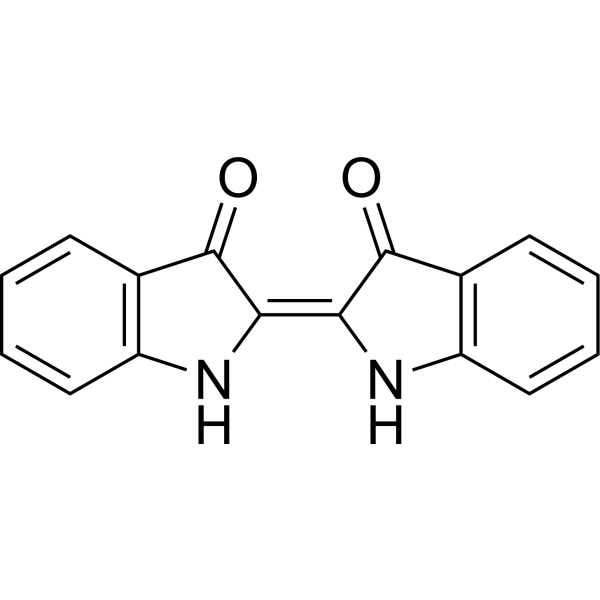
Indigo is a blue dye. Indigo stains cellulose fibers such as cotton. Indigo stains food or biological samples to visualize and quantify the uptake or distribution of substances by organisms .
loading...
    loading...
1
1 Cited Publications
Cat. No.: HY-160831
CAS No.: 74447-88-4
Synonyms: PQQ-TME
Target:  

α-synuclein

Research Areas:  

Neurological Disease

PQQ-trimethylester (PQQ-TME) is a synthetic compound that is a trimethylester derivative of pyrroloquinoline quinone (PQQ). PQQ-trimethylester has twice the blood-brain barrier permeability of PQQ (HY-100196) in vitro. In addition, PQQ-trimethylester shows strong inhibitory activity against α-synuclein, amyloid β1-42 (Aβ1-42) and prion protein fibrillation. PQQ-trimethylester can be used in the study of neurodegenerative diseases .
loading...
    loading...
1
1 Cited Publications
Cat. No.: HY-108036B
CAS No.: 439685-79-7
Purity:  ≥98.0%
Synonyms: Hydroxypropyl tetrahydropyrantriol
Research Areas:  

Metabolic Disease

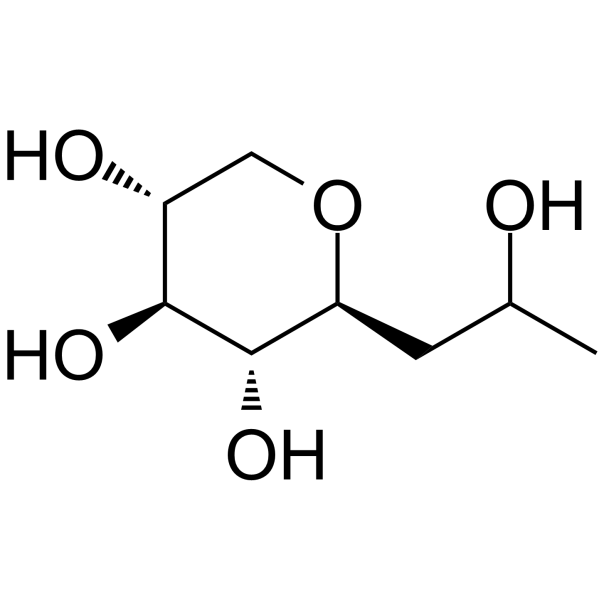
Pro-xylane (Hydroxypropyl tetrahydropyrantriol) is a bioactive C-glycoside that targets the biosynthesis pathway of glycosaminoglycans/mucopolysaccharides (GAGs) in the skin matrix and can be absorbed transdermally. Pro-xylane stimulates the biosynthesis of GAGs in fibroblasts, enhances the structural stability of the skin extracellular matrix, improves skin elasticity and moisturizing ability, and delays wrinkle formation. Pro-xylane can effectively promote the synthesis of collagen fibers and hyaluronic acid in the dermis. Pro-xylane is used in the field of anti-aging cosmetics to improve skin hydration and elasticity. Pro-xylane is eco-friendly and biodegradable .
loading...
    loading...
1
1 Cited Publications
Cat. No.: HY-126367
CAS No.: 5141-20-8
Purity:  ≥75.0%
Synonyms: Acid Green 5
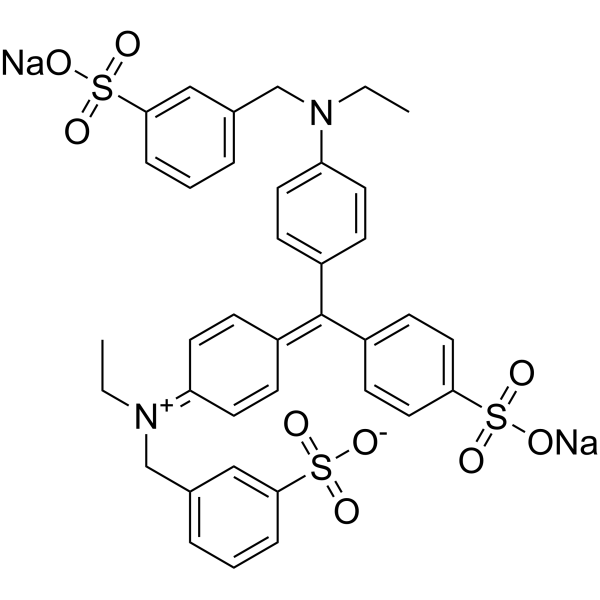
Light green SF yellowish (Acid Green 5) is a water-soluble triarylmethane dye. Light green SF yellowish serves as a histological stain that selectively labels mitochondria, collagen, and cartilage, while being an essential component of Papanicolaou staining. Light green SF yellowish is commonly used as a cytoplasmic counterstain for nuclear stains, and is applied in Masson's trichrome staining for collagen fibers, Pap staining, and cytological polychromatic staining in histopathology. Light green SF yellowish also induces growth inhibition and local fibrosarcomas in rats and exerts mild pulmonary tumorigenicity in mice .
loading...
    loading...
1
1 Cited Publications
Cat. No.: HY-108036
CAS No.: 439685-79-7
Purity:  ≥98.0%
Synonyms: Hydroxypropyl tetrahydropyrantriol (30% in water)
Research Areas:  

Metabolic Disease

Pro-xylane (30% in water) (Hydroxypropyl tetrahydropyrantriol) is a bioactive C-glycoside that targets the biosynthesis pathway of glycosaminoglycans/mucopolysaccharides (GAGs) in the skin matrix and can be absorbed transdermally. Pro-xylane (30% in water) stimulates the biosynthesis of GAGs in fibroblasts, enhances the structural stability of the skin extracellular matrix, improves skin elasticity and moisturizing ability, and delays wrinkle formation. Pro-xylane (30% in water) can effectively promote the synthesis of collagen fibers and hyaluronic acid in the dermis. Pro-xylane (30% in water) is used in the field of anti-aging cosmetics to improve skin hydration and elasticity. Pro-xylane (30% in water) is eco-friendly and biodegradable .
loading...
    loading...
1
1 Cited Publications
Cat. No.: HY-B0921
CAS No.: 116-43-8
Synonyms: Succinylsulphathiazole
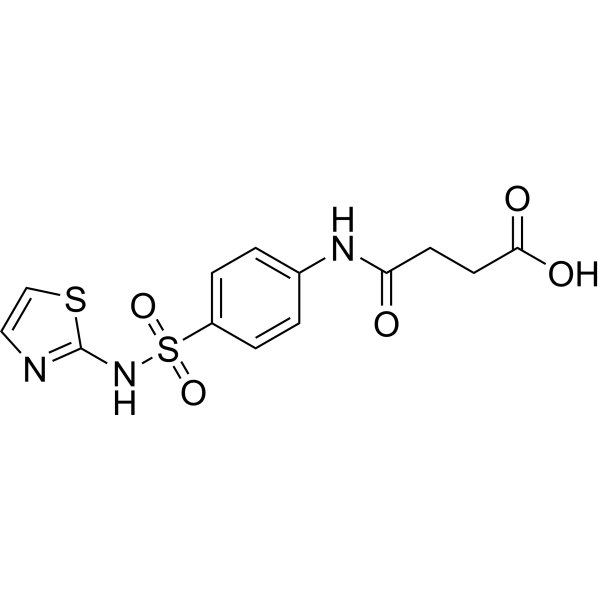
Succinylsulfathiazole (Succinylsulphathiazole) is a long-acting sulfonamide antibiotic with localized gut-specific antibacterial activity and is orally active. Succinylsulfathiazole inhibits bacterial folate synthesis, reduces coliform counts, suppresses intestinal bacterial growth and vitamin biosynthesis, and depletes gut folate-producing bacteria. Succinylsulfathiazole modulates hepatic mTOR signaling, diminishes cecal fermentation, decreases hepatic folate levels and total folate excretion, elevates nitrogen excretion and reduces the fermentability of certain dietary fibers. Succinylsulfathiazole induces folate deficiency and triggers biotin- and folate-related nutritional deficiency symptoms in rats and C57BL/6 mice .
loading...
    loading...
1
1 Cited Publications
Cat. No.: HY-P7873
Purity:  ≥ 95%, as determined by reducing SDS-PAGE.
Synonyms: CRYAB; Heat-Shock 20 KD Like-Protein; Prev. CRYA2; HEL-S-101; HSPB5; CTRCT16; Alpha-Crystallin B Chain; CMD1II; Heat Shock Protein Family B Member 5; CTPP2; Renal Carcinoma Antigen NY-REN-27; MFM2A; Heat Shock Protein Beta-5; MFM2B; Rosenthal fiber Compon
Species:  
Source:  
loading...
    loading...
Cat. No.: HY-Y0338
CAS No.: 107-21-1
Ethylene glycol is an organic compound that is often used as an antifreeze agent and coolant. Ethylene glycol lowers the freezing point by forming hydrogen bonds with water molecules, exerting antifreeze activity. Ethylene glycol is also used as a raw material in the synthesis of polymers such as polyester fibers and polyurethanes .
loading...
    loading...
Cat. No.: HY-122266
CAS No.: 1400-62-0
Orcein is an irreversible stain that specifically targets elastic fibers and can interact hydrophobically with the protein components in elastic fibers. Orcein makes elastic fibers in tissues appear purple or purple-red. Orcein can be used for morphological studies of Drosophila polytene chromosomes and for qualitative and quantitative analysis of elastic fibers, collagen fibers and other components in atherosclerotic plaques .
loading...
    loading...
Cat. No.: HY-B1319
CAS No.: 637-58-1
Synonyms: Pramoxine hydrochloride
Target:  

Sodium Channel

Research Areas:  

Neurological Disease

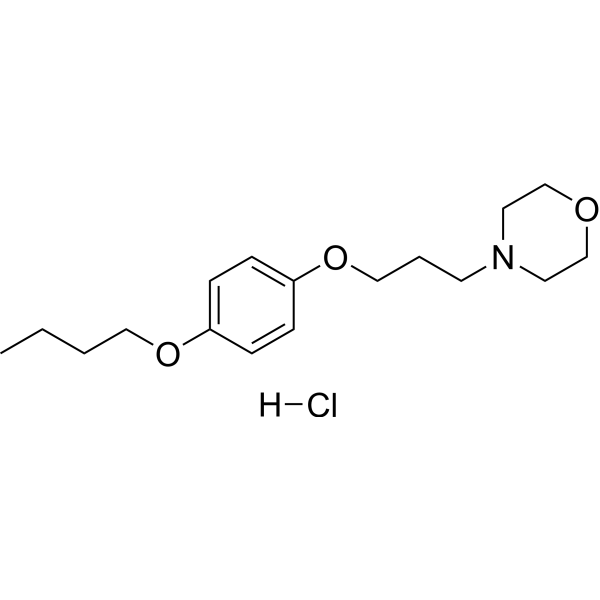
Pramocaine (Pramoxine) hydrochloride is a topical surface anesthetic and antipruritic agent. Pramocaine hydrochloride reversibly inhibits voltage-gated sodium channel, reduces transmembrane permeability of sodium ions, stabilizes cell membranes, prevents depolarization, blocks action potential conduction, and inhibits peripheral slow C-fiber pathways associated with pain, pruritus and thermoception. Pramocaine hydrochloride can be used in research related to chronic pruritus, renal pruritus, atopic dermatitis, xerotic pruritus, uremic pruritus, and cutaneous hyperalgesia/pain .
loading...
    loading...

