1. Search Result
Search Result
Pathways Recommended: Stem Cell/Wnt Cell Cycle/DNA Damage
Results for "

gastric carcinoma cells

" in MedChemExpress (MCE) Product Catalog:

60

Inhibitors & Agonists

2

Fluorescent Dyes

1

Biochemical Assay Reagents

1

Peptides

7

Inhibitory Antibodies

10

Natural
Products

5

Isotope-Labeled Compounds

1

Click Chemistry

1

GMP Molecules

Cat. No. Product Name Target Research Areas Chemical Structure
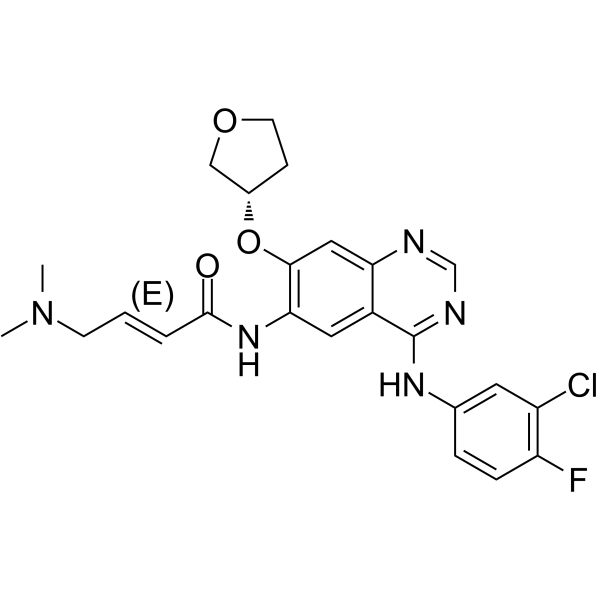
  • HY-10261
    Afatinib
    Maximum Cited Publications
    103 Publications Verification

    BIBW 2992

    EGFR Autophagy Apoptosis c-Met/HGFR Akt p38 MAPK Cancer
    Afatinib (BIBW 2992) is an orally active, potent and irreversible dual specificity inhibitor of ErbB family (EGFR and HER2), with IC50 values of 0.5 nM, 0.4 nM, 10 nM and 14 nM for EGFR wt, EGFR L858R, EGFR L858R/T790M and HER2, respectively. Afatinib can be used for the research of esophageal squamous cell carcinoma (ESCC), non-small cell lung cancer (NSCLC) and gastric cancer .
    Afatinib
  • HY-B0185
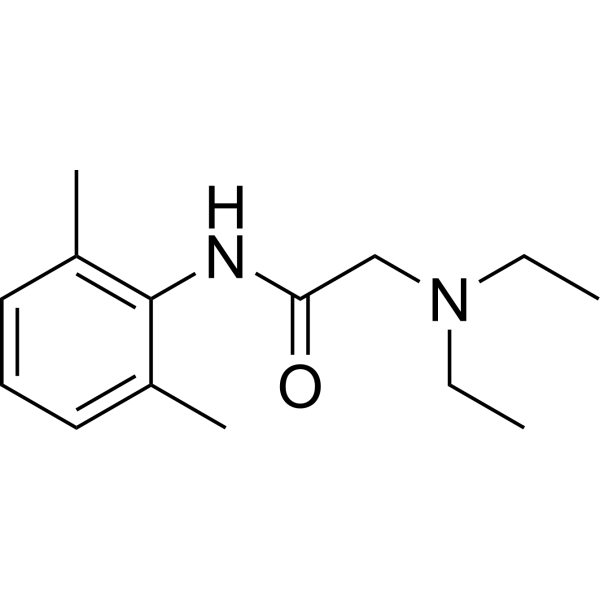
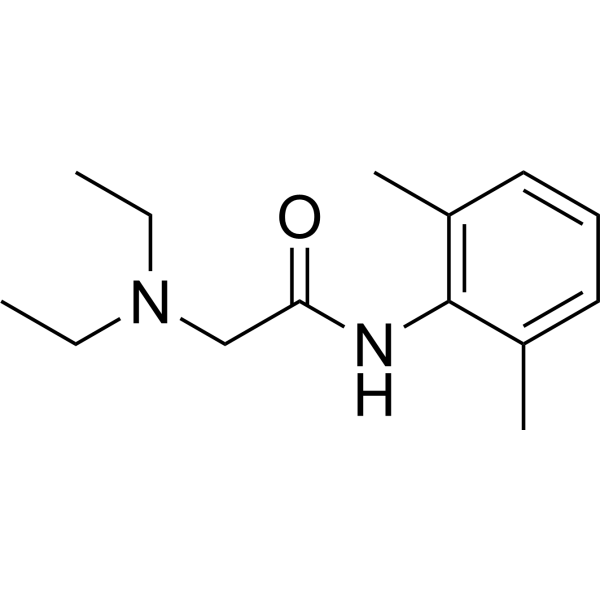
    Lidocaine
    20+ Cited Publications

    Lignocaine

    Sodium Channel MEK ERK NF-κB Apoptosis Cardiovascular Disease Cancer
    Lidocaine (Lignocaine) inhibits sodium channels involving complex voltage and using dependence . Lidocaine decreases growth, migration and invasion of gastric carcinoma cells via up-regulating miR-145 expression and further inactivation of MEK/ERK and NF-κB signaling pathways. Lidocaine is an amide derivative and has potential for the research of ventricular arrhythmia .
    Lidocaine
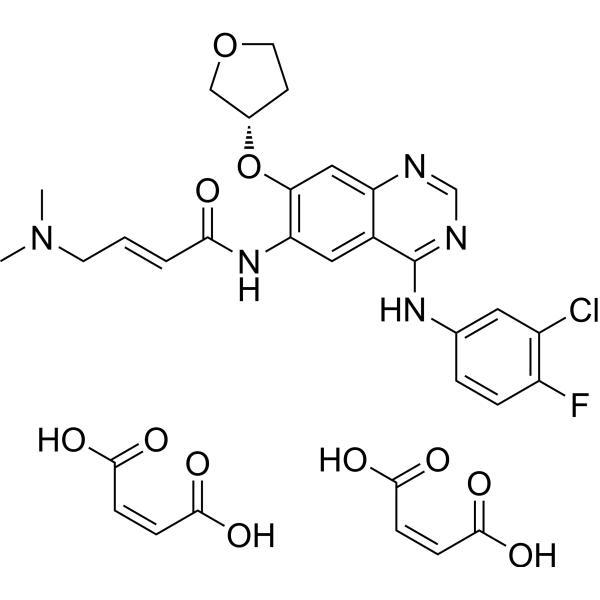
  • HY-10261A
    Afatinib dimaleate
    Maximum Cited Publications
    103 Publications Verification

    BIBW 2992MA2

    EGFR Autophagy Apoptosis c-Met/HGFR Akt p38 MAPK Cancer
    Afatinib (BIBW 2992) dimaleate is an orally active, potent and irreversible dual specificity inhibitor of ErbB family (EGFR and HER2), with IC50 values of 0.5 nM, 0.4 nM, 10 nM and 14 nM for EGFR wt, EGFR L858R, EGFR L858R/T790M and HER2, respectively. Afatinib dimaleate can be used for the research of esophageal squamous cell carcinoma (ESCC), non-small cell lung cancer (NSCLC) and gastric cancer .
    Afatinib dimaleate
  • HY-B0185A
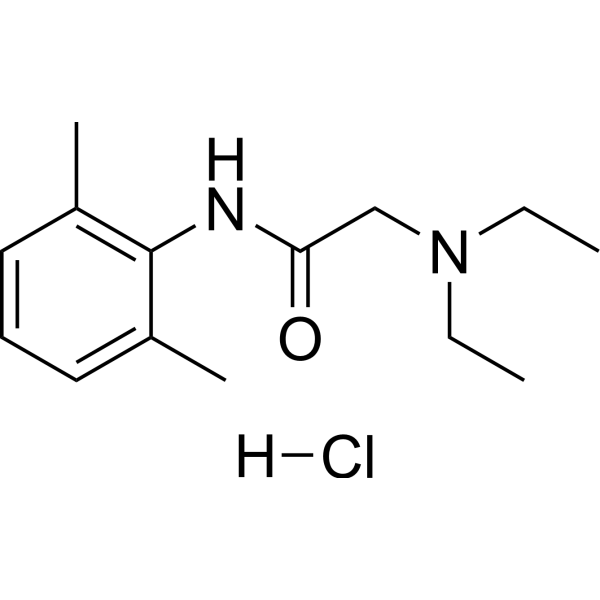
    Lidocaine hydrochloride
    20+ Cited Publications

    Lignocaine hydrochloride

    Sodium Channel MEK ERK NF-κB Apoptosis Cardiovascular Disease Cancer
    Lidocaine hydrochloride (Lignocaine hydrochloride) inhibits sodium channels involving complex voltage and using dependence . Lidocaine hydrochloride decreases growth, migration and invasion of gastric carcinoma cells via up-regulating miR-145 expression and further inactivation of MEK/ERK and NF-κB signaling pathways. Lidocaine hydrochloride is an amide derivative and a agent to treat ventricular arrhythmia and an effective tumor-inhibitor .
    Lidocaine hydrochloride
  • HY-164992
    Trastuzumab vedotin
    2 Publications Verification

    MRG002; Trastuzumab MMAE

    Antibody-Drug Conjugates (ADCs) EGFR Microtubule/Tubulin Cancer
    Trastuzumab vedotin (MRG002; Trastuzumab MMAE) is an antibody-drug conjugate and cytotoxin targeting HER2, with a Kd of 7.50E-11 M for human HER2. After binding to HER2, Trastuzumab vedotin undergoes internalization and lysosomal trafficking, delivering a cytotoxic payload to HER2-expressing cells and inducing tumor regression in in vivo xenograft models with HER2-expressing tumors. The anti-tumor activity of Trastuzumab vedotin is enhanced when used in combination with anti-PD-1 antibodies, and it exhibits preclinical anti-tumor activity in drug-resistant breast cancer, gastric cancer, and urothelial carcinoma PDX models. Trastuzumab vedotin has low antibody-dependent cellular cytotoxicity activity and can be used in studies related to HER2-positive breast cancer, HER2-positive gastric cancer, and unresectable locally advanced or metastatic HER2-positive urothelial carcinoma .
    Trastuzumab vedotin
  • HY-B0185B
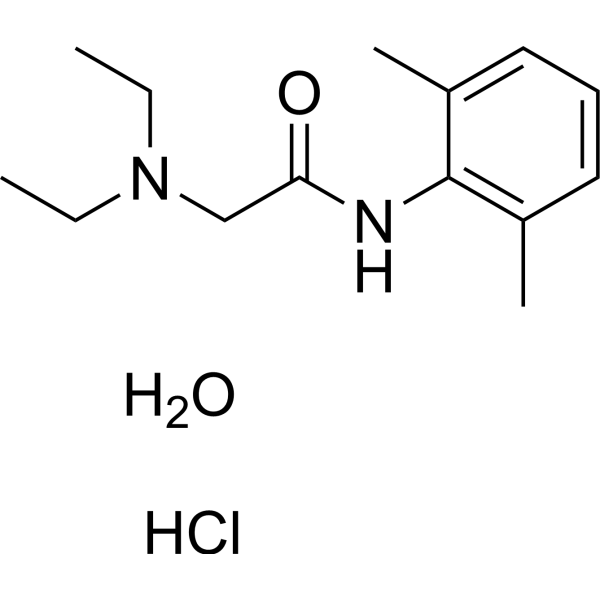
    Lidocaine hydrochloride hydrate
    15+ Cited Publications

    Lignocaine hydrochloride hydrate

    Sodium Channel MEK ERK NF-κB Apoptosis Cardiovascular Disease Cancer
    Lidocaine (Lignocaine) hydrochloride hydrate inhibits sodium channels involving complex voltage and using dependence. Lidocaine hydrochloride hydrate decreases growth, migration and invasion of gastric carcinoma cells via up-regulating miR-145 expression and further inactivation of MEK/ERK and NF-κB signaling pathways. Lidocaine hydrochloride hydrate is an amide derivative and has potential for the research of ventricular arrhythmia .
    Lidocaine hydrochloride hydrate
  • HY-N1535
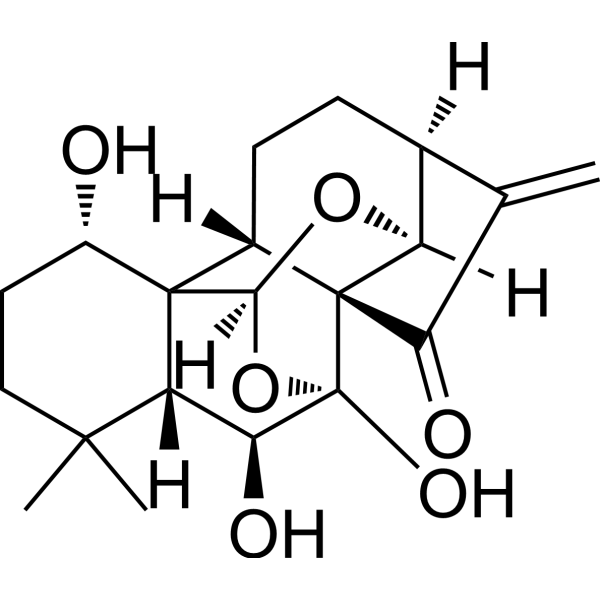
    Ponicidin
    4 Publications Verification

    Rubescensine B

    RIP kinase Apoptosis Reactive Oxygen Species (ROS) JAK STAT PI3K Akt Sirtuin Necroptosis Amyloid-β Neurological Disease Cancer
    Ponicidin (Rubescensine B) is an orally active RIPK1 inhibitor with a Kd value of 135 nM. Ponicidin inhibits the JAK2/STAT3 pathway to induce apoptosis, activates the PI3K/Akt pathway, upregulates SIRT1 expression, alleviates oxidative stress, suppresses inflammatory responses and necroptosis, and blocks cell cycle progression. Ponicidin induces ROS production to exert antiproliferative and antiviral effects, while also improving cognitive function and reducing plaque deposition. Ponicidin can be used in studies related to hepatocellular carcinoma, Alzheimer's disease, and gastric cancer .
    Ponicidin
  • HY-P99950

    ALX148

    CD47 Cancer
    Evorpacept (ALX148) is a high-affinity CD47-blocking fusion protein with an inactive human immunoglobulin Fc region. Evorpacept binds to CD47, blocks the interaction of the CD47-SIRPα immune checkpoint, and inhibits the binding of wild-type SIRPα to CD47. Evorpacept is applicable to research related to acute myeloid leukemia .
    Evorpacept
  • HY-P99866

    MEHD-7945A; RG 7597

    EGFR Akt p38 MAPK Apoptosis Cancer
    Duligotuzumab (MEHD-7945A; RG 7597) is a humanized IgG-κ monoclonal antibody targeting EGFR. Duligotuzumab blocks the binding of ligands to these two receptors, inhibits downstream HER/ErbB, AKT and MAPK signaling pathways, induces antibody-dependent cellular cytotoxicity, reduces the proliferation and migration abilities of cancer cells, promotes apoptosis, exerts radiosensitizing effects, and reverses EGFR resistance in cancer cells. Duligotuzumab can be used in tumor-related research .
    Duligotuzumab
  • HY-N4089

    Aldose Reductase Cytochrome P450 Metabolic Disease Cancer
    Quercetin 3-gentiobioside is a flavonoid found in Artemisia iwayomogi. Quercetin 3-gentiobioside inhibits aromatase with an Ki of 46.77 nM. Quercetin 3-gentiobioside inhibits aldose reductase (AR) and the formation of advanced glycation end products (AGEs), with IC50 values of 10.60 μM and 109.46 μM, respectively. Quercetin 3-gentiobioside inhibits proliferation of cancer cells and fibroblast-like synoviocytes. Quercetin 3-gentiobioside can be used for the research of cancer, such as lung carcinoma .
    Quercetin 3-gentiobioside
  • HY-P991526

    CD3 Cancer
    M701 is a T-cell engager bispecific humanized antibody targeting epithelial cell adhesion molecule (EpCAM) and cluster of differentiation 3 (CD3). M701 binds to EpCAM on tumor cells and CD3 on T cells, thereby linking the two cell populations to achieve targeted cytotoxicity and T cell-mediated cytotoxicity. M701 is applicable to research related to advanced epithelial solid tumors .
    M701
  • HY-148819A

    ADC Payload Topoisomerase Cancer
    NH2-bicyclopentane-7-MAD-MDCPT hydrochloride (Formula I) is a topoisomerase I (TOP1) inhibitor. NH2-bicyclopentane-7-MAD-MDCPT hydrochloride is applicable to the synthesis of the ADC ABBV-969. NH2-bicyclopentane-7-MAD-MDCPT hydrochloride is used in research on lung adenocarcinoma and melanoma .
    NH2-bicyclo[1.1.1]pentane-7-MAD-MDCPT hydrochloride
  • HY-162919

    CDK Apoptosis c-Myc Cancer
    YK-2168 is a potent and selective CDK9 inhibitor with an IC50 of 5.9 nM. YK-2168 inhibits phosphorylation of the CDK9 substrate pS2-RNA Pol II C-terminal domain. YK-2168 induces apoptosis in tumor cells, suppresses expression of CDK9-regulated genes including MYC and Mcl1, and inhibits tumor growth in CDX mice models. YK-2168 can be used for the research of cancer, such as leukemia .
    YK-2168
  • HY-B0185S1

    Sodium Channel MEK ERK NF-κB Apoptosis Cardiovascular Disease Cancer
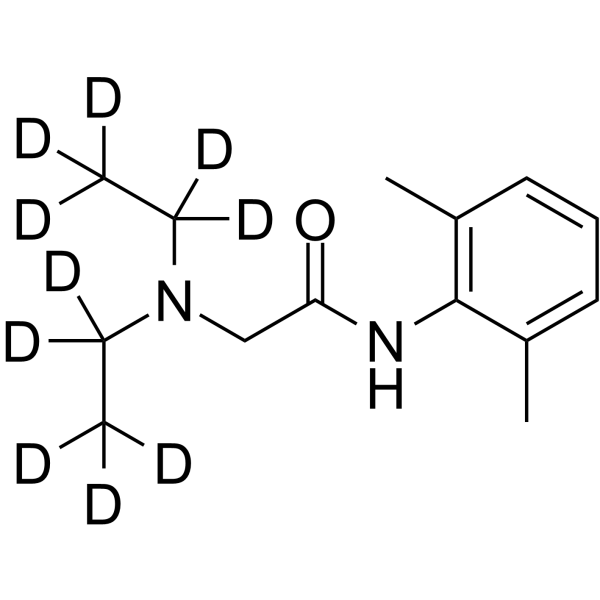
    Lidocaine-d10 is the deuterium labeled Lidocaine. Lidocaine (Lignocaine) inhibits sodium channels involving complex voltage and using dependence . Lidocaine decreases growth, migration and invasion of gastric carcinoma cells via up-regulating miR-145 expression and further inactivation of MEK/ERK and NF-κB signaling pathways. Lidocaine is an amide derivative and has potential for the research of ventricular arrhythmia .
    Lidocaine-d10
  • HY-P990690

    MEDI-5752

    PD-1/PD-L1 CTLA-4 Cancer
    Volrustomig (MEDI-5752) is a human IgG1 κ monoclonal antibody targeting CTLA4/PD1. The isotype control for Volrustomig is Human IgG1 kappa, Isotype Control (HY-P99001). Volrustomig anchors to the surface of T cells by binding PD-1, induces PD-1 internalization and degradation, and preferentially inhibits CTLA-4 on activated PD-1 + T cells. Volrustomig binds to tumor-infiltrating lymphocytes and a subset of PD-1 + B cells, enhances T cell function and IFNγ secretion. Volrustomig reduces the activation of non-tumor-infiltrating lymphocytes and exhibits manageable toxicity. Volrustomig can be used in research on various cancers, such as non-small cell lung cancer, gastric cancer, hepatobiliary cancer, and cervical cancer .
    Volrustomig
  • HY-P1654

    Integrin Cancer
    A20FMDV2 is a highly selective αvβ6 integrin inhibitor with human IC50 values of 3 nM and binds with at least 1000-fold selectivity over other RGD-binding integrins. A20FMDV2 binds to the integrin’s RGD-binding site, induces rapid integrin internalization, and delays post-internalization integrin recycling to the cell surface. A20FMDV2 can be used for the research of pancreatic cancer, breast cancer, colorectal cancer, ovarian cancer, oral squamous cell carcinoma .
    A20FMDV2
  • HY-14653

    TAC-101; Am 555S

    RAR/RXR Apoptosis Cancer
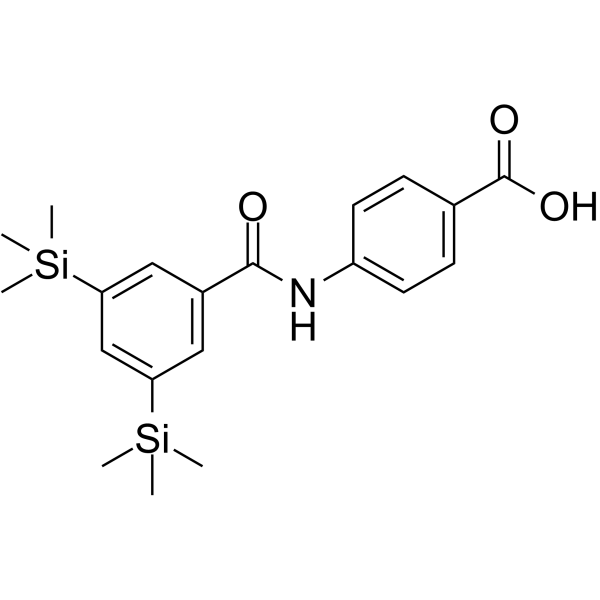
    Amsilarotene (TAC-101; Am 555S), an orally active synthetic retinoid, has selective affinity for retinoic acid receptor α (RAR-α) binding with Ki of 2.4, 400 nM for RAR-α and RAR-β. Amsilarotene induces the apoptotic of human gastric cancer, hepatocellular carcinoma and ovarian carcinoma cells. Amsilarotene can be used for the research of cancer .
    Amsilarotene
  • HY-B0185AS

    Sodium Channel MEK ERK NF-κB Apoptosis Cardiovascular Disease Cancer
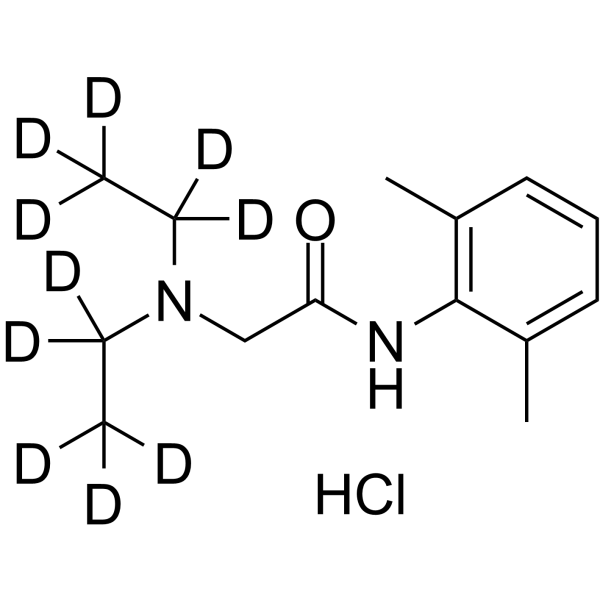
    Lidocaine-d10 (hydrochloride) is the deuterium labeled Lidocaine hydrochloride. Lidocaine hydrochloride (Lignocaine hydrochloride) inhibits sodium channels involving complex voltage and using dependence . Lidocaine hydrochloride decreases growth, migration and invasion of gastric carcinoma cells via up-regulating miR-145 expression and further inactivation of MEK/ERK and NF-κB signaling pathways. Lidocaine hydrochloride, an amide derivative, has the potential for the research of the ventricular arrhythmia .
    Lidocaine-d10 hydrochloride
  • HY-B0185R
    Lidocaine (Standard)
    15+ Cited Publications

    Lignocaine (Standard)

    Reference Standards Sodium Channel MEK ERK NF-κB Apoptosis Cardiovascular Disease Cancer
    Lidocaine (Standard) is the analytical standard of Lidocaine. This product is intended for research and analytical applications. Lidocaine (Lignocaine) inhibits sodium channels involving complex voltage and using dependence . Lidocaine decreases growth, migration and invasion of gastric carcinoma cells via up-regulating miR-145 expression and further inactivation of MEK/ERK and NF-κB signaling pathways. Lidocaine is an amide derivative and has potential for the research of ventricular arrhythmia .
    Lidocaine (Standard)
  • HY-117548
    UNC1062
    2 Publications Verification

    TAM Receptor Apoptosis p38 MAPK ERK PI3K Akt JAK STAT Cardiovascular Disease Cancer
    UNC1062 is a highly selective tyrosine kinase (MERTK) inhibitor with an IC50 of 1.1 nM (Morrison Ki = 0.33 nM). UNC1062 exhibits good selectivity for the TAM family (TYRO3 IC50 = 60 nM, AXL IC50 = 85 nM). UNC1062 exhibits significant anti-proliferative effects and induces apoptosis in various cancer models (such as melanoma, gastric cancer, and acute myeloid leukemia). UNC1062 inhibits multiple pathways, including MAPK/ERK, PI3K/AKT and JAK/STAT and affects the motility of head and neck squamous cell carcinoma (HNSCC) cells through the RhoA signaling pathway. UNC1062 inhibits macrophage efferocytosis, and it suitable for research on atherosclerosis .
    UNC1062
  • HY-176774

    Toll-like Receptor (TLR) NF-κB Cancer
    L07-2 is a TLR7/8 agonist. L07-2 is a linker-toxin building block that can be used to synthesize immunostimulatory antibody conjugates (ISACs) for cancer research. L07-2 can be used to studies related to tumors such as non-small cell lung cancer .
    L07-2
  • HY-B0185AS1

    Lignocaine-d6 hydrochloride

    Sodium Channel MEK ERK NF-κB Apoptosis Cardiovascular Disease Cancer
    Lidocaine-d6 (hydrochloride) is deuterium labeled Lidocaine (hydrochloride). Lidocaine hydrochloride (Lignocaine hydrochloride) inhibits sodium channels involving complex voltage and using dependence . Lidocaine hydrochloride decreases growth, migration and invasion of gastric carcinoma cells via up-regulating miR-145 expression and further inactivation of MEK/ERK and NF-κB signaling pathways. Lidocaine hydrochloride is an amide derivative and a agent to treat ventricular arrhythmia and an effective tumor-inhibitor .
    Lidocaine-d6 hydrochloride
  • HY-10261R

    BIBW 2992 (Standard)

    Reference Standards EGFR Autophagy Apoptosis c-Met/HGFR Akt p38 MAPK Cancer
    Afatinib (Standard) is the analytical standard of Afatinib. This product is intended for research and analytical applications. Afatinib (BIBW 2992) is an orally active, potent and irreversible dual specificity inhibitor of ErbB family (EGFR and HER2), with IC50 values of 0.5 nM, 0.4 nM, 10 nM and 14 nM for EGFRwt, EGFRL858R, EGFRL858R/T790M and HER2, respectively. Afatinib can be used for the research of esophageal squamous cell carcinoma (ESCC), non-small cell lung cancer (NSCLC) and gastric cancer .
    Afatinib (Standard)
  • HY-164399

    HSP EGFR CDK Akt Cancer
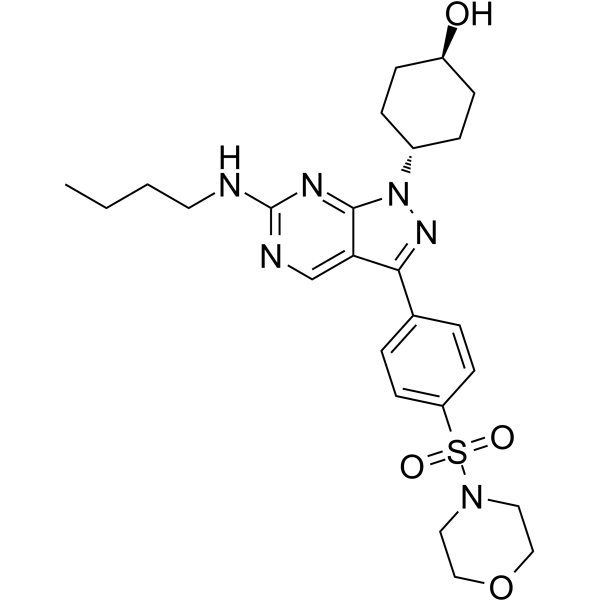
    SST0116CL1 is a HSP90 inhibitor (IC50: 0.21 μM). SST0116CL1 binds to the ATP binding pocket of Hsp90, and interferes with Hsp90 chaperone function thus resulting in client protein (EGFR, CDK4 and AKT) degradation. SST0116CL1 induces degradation of Her2 in BT-474 cell (IC50: 0.2 μM). SST0116CL1 has antiproliferative activity and inhibits tumor growth. SST0116CL1 can be used for the study of leukemia, gastric and ovarian carcinoma .
    SST0116CL1
  • HY-N10985

    Drug Derivative Cancer
    Xanthone V1a, a derivative of Xanthone (HY-N0126), is an antioxidant that can be found in the roots of Cudrania tricuspidata and twig extracts of Maclura fruticosa. Xanthone V1a exerts cytotoxic effects against colon, hepatocellular, and gastric carcinoma cells. Xanthone V1a exhibits scavenging activitys against DPPH and ABTS. Xanthone V1a can be used for the research of colon carcinoma, hepatocellular carcinoma, and gastric carcinoma .
    Xanthone V1a
  • HY-W854385A
    Sialyl Lewis A sodium
    1 Publications Verification

    SLeA sodium

    Biochemical Assay Reagents Cancer
    Sialyl Lewis A (SLeA) sodium is a tumor-associated carbohydrate antigen, also known as carbohydrate antigen 19-9 (CA19-9), that binds to E-selectin (ELAM-1) and selectins to mediate cell-endothelium adhesion. Sialyl Lewis A sodium promotes cancer cell-vascular endothelium adhesion, and its surface presence correlates with increased tumorigenicity and invasiveness in cancer cells. Sialyl Lewis A sodium shows elevated expression in human adenocarcinomas of the colon, pancreas, and stomach, with expression levels linked to tumor progression and poor prognosis in colorectal and gastric carcinomas. Sialyl Lewis A sodium can be used for the research of cancers, such as colon, pancreas, stomach, and squamous lung cancer .
    Sialyl Lewis A sodium
  • HY-W854385

    SLeA

    Biochemical Assay Reagents E-Selectin Cancer
    Sialyl Lewis A (SLeA) is a tumor-associated carbohydrate antigen, also known as carbohydrate antigen 19-9 (CA19-9), that binds to E-selectin (ELAM-1) and selectins to mediate cell-endothelium adhesion. Sialyl Lewis A promotes cancer cell-vascular endothelium adhesion, and its surface presence correlates with increased tumorigenicity and invasiveness in cancer cells. Sialyl Lewis A shows elevated expression in human adenocarcinomas of the colon, pancreas, and stomach, with expression levels linked to tumor progression and poor prognosis in colorectal and gastric carcinomas. Sialyl Lewis A can be used for the research of cancers, such as colon, pancreas, stomach, and squamous lung cancer .
    Sialyl Lewis A
  • HY-N11546

    Cytochrome P450 Bacterial Fungal Infection Cancer
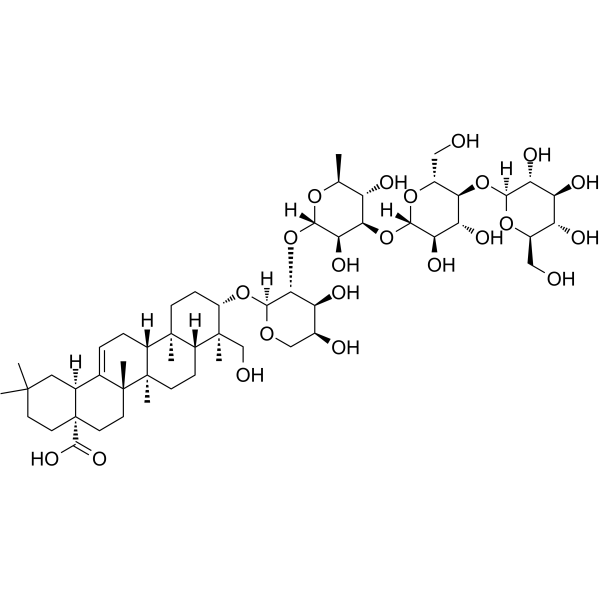
    Sapindoside B is a substance with hepatoprotective activity, and also acts as a cytochrome P-450 (cytochrome P-450) inhibitor, antibacterial agent and membrane-disrupting agent. Sapindoside B reversibly inhibits the content of cytochrome P-450 in liver microsomes, suppresses the phenobarbital-induced increase in enzyme content, reduces the production of active metabolites mediated by cytochrome P-450, and alleviates hepatotoxic injury. Sapindoside B binds to Cutibacterium acnes lipase, reduces lipase activity, inhibits biofilm formation, and decreases bacterial adhesion. Sapindoside B exhibits cytotoxicity against human cancer, liver cancer, leukemia and glioblastoma cells. Sapindoside B inhibits mycelial growth of phytopathogenic fungal strains, possesses antibacterial activity against dermatophytes, and also has hemolytic/membrane-lytic activity. Sapindoside B can be used in research related to liver injury, Cutibacterium acnes biofilm-associated infections, gastric cancer, carcinoma, promyelocytic leukemia, glioblastoma, apple scab and grape gray mold .
    Sapindoside B
  • HY-169741

    Discoidin Domain Receptor Cancer
    DDR1-IN-10 (compound 7q) is a DDR1 inhibitor. DDR1-IN-10 can be used in the study of pancreatic cancer, non-small cell lung cancer, and gastric carcinoma .
    DDR1-IN-10
  • HY-B0185S

    Isotope-Labeled Compounds Sodium Channel MEK ERK NF-κB Apoptosis Cardiovascular Disease Cancer
    N-Oxide Lidocaine-d10 is the deuterium labeled Lidocaine. Lidocaine (Lignocaine) inhibits sodium channels involving complex voltage and using dependence . Lidocaine decreases growth, migration and invasion of gastric carcinoma cells via up-regulating miR-145 expression and further inactivation of MEK/ERK and NF-κB signaling pathways. Lidocaine is an amide derivative and has potential for the research of ventricular arrhythmia .
    Lidocaine-d10 N-Oxide
  • HY-B0185G

    Lignocaine

    Apoptosis Sodium Channel MEK ERK NF-κB Cancer
    Lidocaine (GMP) is Lidocaine (HY-B0185) produced by using GMP guidelines. GMP small molecules work appropriately as an auxiliary reagent for cell therapy manufacture. Lidocaine inhibits sodium channels involving complex voltage and using dependence . Lidocaine decreases growth, migration and invasion of gastric carcinoma cells via up-regulating miR-145 expression and further inactivation of MEK/ERK and NF-κB signaling pathways. Lidocaine is an amide derivative and has potential for the research of ventricular arrhythmia .
    Lidocaine
  • HY-10261D

    BIBW 2992 oxalate

    EGFR Autophagy Apoptosis c-Met/HGFR Akt Cancer
    Afatinib (BIBW 2992) oxalate is an orally active, potent and irreversible dual specificity inhibitor of ErbB family (EGFR and HER2), with IC50 values of 0.5 nM, 0.4 nM, 10 nM and 14 nM for EGFR wt, EGFR L858R, EGFR L858R/T790M and HER2, respectively. Afatinib oxalate can be used for the research of esophageal squamous cell carcinoma (ESCC), non-small cell lung cancer (NSCLC) and gastric cancer .
    Afatinib oxalate
  • HY-10261E

    (R)-BIBW 2992

    EGFR c-Met/HGFR p38 MAPK Cancer
    (R)-Afatinib ((R)-BIBW 2992) is the Afatinib isomer. Afatinib (HY-10261) is an orally active, potent and irreversible dual specificity inhibitor of?ErbB?family (EGFR?and?HER2), with?IC50?values of 0.5 nM, 0.4 nM, 10 nM and 14 nM for?EGFR wt, EGFR L858R,?EGFR L858R/T790M?and HER2, respectively. Afatinib can be used for the research of esophageal squamous cell carcinoma (ESCC), non-small cell lung?cancer?(NSCLC) and gastric?cancer .
    (R)-Afatinib
  • HY-N3665

    Tyrosinase Cancer
    Cyclocommunol is a prenylflavonoid with antityrosinase and antiplatelet activitie, can be solated from breadfruit. Cyclocommunol exerts anti-tumor activity and inhibits the growth of human hepatoma and gastric cancer cells with IC50 values between 16 and 80 µM. Cyclocommunol shows proapoptotic effect on oral squamous cell carcinoma (OSCC) .
    Cyclocommunol
  • HY-173057

    BMX Kinase Apoptosis Autophagy Cancer
    BMX-IN-3 (B6a) is an irreversible and selective BMX inhibitor, with an IC50 of 12 nM. BMX-IN-3 (B6a) promots cell cycle arrest and apoptosis, triggers protective autophagy, and suppresses the BMX/AKT/mTOR pathway. BMX-IN-3 (B6a) can be used in the research for Gastric Carcinoma .
    BMX-IN-3
  • HY-B0185S2

    Lignocaine-d6

    Isotope-Labeled Compounds Apoptosis Sodium Channel NF-κB MEK ERK Cardiovascular Disease Cancer
    Lidocaine-d6 (Lignocaine-d6) is deuterium labeled Lidocaine. Lidocaine (Lignocaine) inhibits sodium channels involving complex voltage and using dependence . Lidocaine decreases growth, migration and invasion of gastric carcinoma cells via up-regulating miR-145 expression and further inactivation of MEK/ERK and NF-κB signaling pathways. Lidocaine is an amide derivative and has potential for the research of ventricular arrhythmia .
    Lidocaine-d6
  • HY-B0185BR

    Lignocaine hydrochloride hydrate (Standard)

    Reference Standards Sodium Channel MEK ERK NF-κB Apoptosis Cardiovascular Disease Cancer
    Lidocaine (hydrochloride hydrate) (Standard) is the analytical standard of Lidocaine (hydrochloride hydrate). This product is intended for research and analytical applications. Lidocaine (Lignocaine) hydrochloride hydrate inhibits sodium channels involving complex voltage and using dependence. Lidocaine hydrochloride hydrate decreases growth, migration and invasion of gastric carcinoma cells via up-regulating miR-145 expression and further inactivation of MEK/ERK and NF-κB signaling pathways. Lidocaine hydrochloride hydrate is an amide derivative and has potential for the research of ventricular arrhythmia .
    Lidocaine hydrochloride hydrate (Standard)
  • HY-W110138

    DNA/RNA Synthesis Cytochrome P450 ROCK Cancer
    Chloroxoquinoline is an anticancer agent. Chloroxoquinoline damages the DNA templates of cancer cells, inducing DNA breaks and cell death, and inhibits cell invasion via down-regulating Rho/Rho kinase signaling pathway. Chloroxoquinoline enhances the radiation sensitivity of Lewis lung cancer cells and xenograft tumors in tumor-bearing mouse models but decreases efficacy after long term exposure in rat models by auto-induction effects on CYP1A and CYP3A. Chloroxoquinoline has a broad-spectrum anticancer activity, such as non-small-cell lung carcinoma (NSCLC), breast cancer and gastric cancer .
    Chloroxoquinoline
  • HY-10261AR

    BIBW 2992MA2 (Standard)

    Reference Standards EGFR Autophagy Apoptosis c-Met/HGFR Akt p38 MAPK Cancer
    Afatinib (dimaleate) (Standard) is the analytical standard of Afatinib (dimaleate). This product is intended for research and analytical applications. Afatinib (BIBW 2992) dimaleate is an orally active, potent and irreversible dual specificity inhibitor of ErbB family (EGFR and HER2), with IC50 values of 0.5 nM, 0.4 nM, 10 nM and 14 nM for EGFRwt, EGFRL858R, EGFRL858R/T790M and HER2, respectively. Afatinib dimaleate can be used for the research of esophageal squamous cell carcinoma (ESCC), non-small cell lung cancer (NSCLC) and gastric cancer .
    Afatinib dimaleate (Standard)
  • HY-164399A

    HSP ERK CDK Akt Cancer
    SST0116CL1 free base is a HSP90 inhibitor (IC50: 0.21 μM). SST0116CL1 free base binds to the ATP binding pocket of Hsp90, and interferes with Hsp90 chaperone function thus resulting in client protein (EGFR, CDK4 and AKT) degradation. SST0116CL1 free base induces degradation of Her2 in BT-474 cell (IC50: 0.2 μM). SST0116CL1 free base has antiproliferative activity and inhibits tumor growth. SST0116CL1 free base has antiproliferative activity and inhibits tumor growth. SST0116CL1 free base can be used for the study of leukemia, gastric and ovarian carcinoma .
    SST0116CL1 free base
  • HY-N17973

    Others Cancer
    (-)-Folicanthine is a dimeric tryptamine-related alkaloid found in the fruits of Chimonanthus praecox. (-)-Folicanthine shows cytotoxic against cancer cells. (-)-Folicanthine can be used for the research of cancer, such as gastric carcinoma and hepatocarcinoma .
    (-)-Folicanthine
  • HY-N17349

    Endogenous Metabolite Cancer
    (23S,24R)-Dimethylcholest-7-ene-3b,5a,6b-triol (compound 3) is a cytotoxin that can be found in the marine bryozoan Bugula neritina. (23S,24R)-Dimethylcholest-7-ene-3b,5a,6b-triol shows weak cytotoxicity against SGC7901 cell with an IC50 value of 111.8 μM. (23S,24R)-Dimethylcholest-7-ene-3b,5a,6b-triol can be used for the research of hepatocellular carcinoma, gastric carcinoma .
    (23S,24R)-Dimethylcholest-7-ene-3b,5a,6b-triol
  • HY-183604

    Deubiquitinase Cancer
    T-10531 is a selective USP25/USP28 inhibitor. T-10531 exhibits an IC50 of 0.03 μM and a Kd of 0.2 μM against human USP25, as well as an IC50 of 0.12 μM and a Kd of 0.06 μM against human USP28. T-10531 inhibits USP25/USP28 activity and induces the degradation of USP25 via the proteasomal pathway, without inhibiting other deubiquitinases. T-10531 can be used in the research of squamous cell carcinoma, colorectal cancer, gastric cancer, triple-negative breast cancer and pancreatic cancer .
    T-10531
  • HY-P992322

    ADC Antibody Carbonic Anhydrase Cancer
    BAY-79-4620 Antibody is a potent and selective CAIX antibody with a human CAIX Kd of 3.6 nM. BAY-79-4620 Antibody yields antibody-drug conjugate (ADC) through conjugating with Monomethyl auristatin E (HY-15162) via a self-immolative enzyme-cleavable linker. BAY-79-4620 Antibody can be used for the research of cervical carcinoma, non-small cell lung carcinoma, breast carcinoma, pancreatic carcinoma, gastric carcinoma, prostate carcinoma .
    BAY-79-4620 Antibody
  • HY-181285

    Methionine Adenosyltransferase (MAT) Cancer
    MAT2A ligand 1 is a MAT2A ligand inhibitor (IC50=29.5 nM) and PET tracer that crosses the blood-brain barrier. MAT2A ligand 1 enables non-invasive imaging of MAT2A-expressing tumors, with rapid tumor uptake equilibrium, a high tumor-to-muscle ratio, and specific tumor-binding properties. MAT2A ligand 1 is applicable to research related to non-small cell lung cancer, hepatocellular carcinoma, colorectal cancer, gastric cancer, glioblastoma, pancreatic adenocarcinoma, urothelial carcinoma, breast cancer, and prostate cancer .
    MAT2A ligand 1
  • HY-182377

    Interleukin Related TNF Receptor Inflammation/Immunology Cancer
    DT-5461 is an IL-1 and TNF-α antagonist. DT-5461 competitively binds lipid A-binding sites on macrophage receptors, blocks LPS (HY-D1056)-initiated signaling, inhibits LPS-induced cytokine release, prevents LPS-induced serum cytokine production in mice, and protects against LPS-induced lethal endotoxemia. DT-5461 can be used for the research of lethal endotoxemia, medullary tubular mammary carcinoma, poorly differentiated colon adenocarcinoma, squamous-cell lung carcinoma, and gelatinous gastric adenocarcinoma .
    DT-5461
  • HY-181005

    FGFR Akt PERK Reactive Oxygen Species (ROS) Caspase Pyroptosis PD-1/PD-L1 Neurological Disease Cancer
    FGFR-IN-25 (Compound 19E) is a FGFR inhibitor (IC50s: 1.30 nM and 0.85 nM for FGFR1 and FGFR2, respectively) and radiosensitizer. FGFR-IN-25 effectively reduces the phosphorylation of FGFR1 and its key downstream effectors, pAKT and pERK. FGFR-IN-25 exerts broad-spectrum antitumor activity against gastric cancer, colorectal carcinoma, hepatocellular carcinoma, breast cancer, triple-negative breast cancer, and glioblastoma. FGFR-IN-25, when combined with radiotherapy, synergistically activates the ROS-Caspase-3-GSDME axis, downregulates PD-L1 expression, and induces immunogenic cell death (ICD). FGFR-IN-25 combined with radiotherapy improves the antitumor efficacy .
    FGFR-IN-25
  • HY-N13800

    Phytohormone Infection Cancer
    3-O-Debenzoylzeylenone is a polyoxygenated cyclohexene plant growth hormone that exists in the leaves of Uvaria purpurea and the aerial parts of Uvaria grandiflora. 3-O-Debenzoylzeylenone is an auxin analog that inhibits root growth and promotes shoot growth of Lactuca sativa seedlings. 3-O-Debenzoylzeylenone exhibits cytotoxicity against various cancer cells and can be used in studies related to lung cancer, melanoma, epidermoid carcinoma, liver cancer, gastric cancer, colon adenocarcinoma, acute leukemia, breast cancer, and prostate cancer .
    3-O-Debenzoylzeylenone
  • HY-P991984

    EGFR PI3K Akt Cancer
    SIBP-03 is a specifical anti-HER3 antibody. SIBP-03 binds strongly and specifically to recombinant HER3 protein. SIBP-03 inhibits HER3 activation, as well as the downstream PI3K/AKT signaling pathway. SIBP-03 exhibits anticancer activity against squamous cell carcinoma, non-small cell lung cancer, gastric cancer, and breast cancer. SIBP-03 synergistically enhances the antitumor activity of DS-8201 (HY-138298A) and Cetuximab (HY-P9905) .
    SIBP-03
  • HY-119618

    Endogenous Metabolite Cancer
    R1498 is a multi-target kinase inhibitor with anti-angiogenic and anti-proliferative activities. R1498 mainly targets targets such as Aurora kinase and VEGFR2, which are associated with tumor development. R1498 showed moderate in vitro growth inhibition in a variety of tumor cells, with IC50 values in the micromolar range. R1498 showed anti-tumor efficacy superior to sorafenib in a variety of gastric cancer and hepatocellular carcinoma xenograft models, with tumor growth inhibition rates exceeding 80%, and tumor shrinkage was observed in some models. R1498 showed a 10-30% tumor shrinkage rate in three xenograft models derived from human primary gastric cancer tumors, further demonstrating its inhibitory potential. R1498 effectively inhibited Aurora A activity in vivo and reduced tumor vascularization .
    R1498

Inquiry Online

Your information is safe with us. * Required Fields.

Salutation


Country or Region *

Applicant Name *


Organization Name *

Department *


Email Address *


Product Name *

Cat. No.


Requested quantity *

Phone Number *


Remarks

Inquiry Online

Inquiry Information

Product Name:
Cat. No.:
Quantity:
MCE Japan Authorized Agent:

