1. Search Result
Search Result
Results for "

global

" in MedChemExpress (MCE) Product Catalog:

62

Inhibitors & Agonists

10

Screening Libraries

1

Fluorescent Dye

4

Peptides

3

Natural
Products

1

Recombinant Proteins

3

Antibodies

Cat. No. Product Name Target Research Areas Chemical Structure
  • HY-100487
    TAK-243
    Maximum Cited Publications
    83 Publications Verification

    MLN7243

    E1/E2/E3 Enzyme NF-κB Apoptosis Cancer
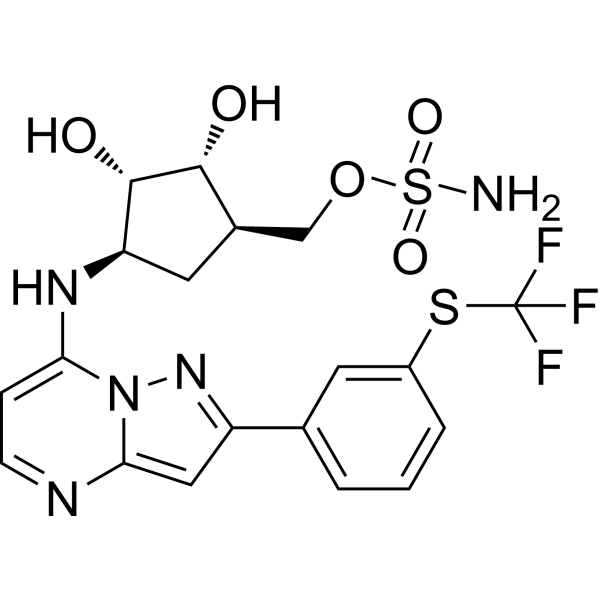
    TAK-243 (MLN7243) is a first-in-class, selective ubiquitin activating enzyme, UAE (UBA1) inhibitor (IC50=1 nM), which blocks ubiquitin conjugation, disrupting monoubiquitin signaling as well as global protein ubiquitination. TAK-243 (MLN7243) induces endoplasmic reticulum (ER) stress, abrogates NF-κB pathway activation and promotes apoptosis .
    TAK-243
  • HY-100421
    CPI-455
    10+ Cited Publications

    Histone Demethylase Cancer
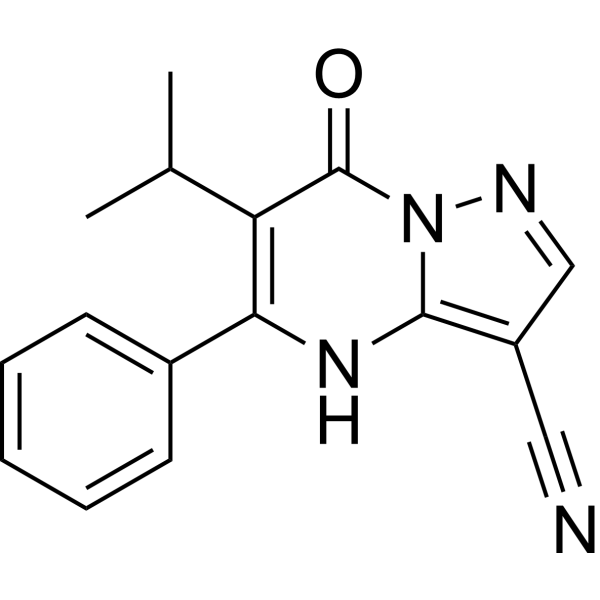
    CPI-455 is a specific, pan-KDM5 inhibitor with an IC50 of 10 nM for KDM5A. CPI-455 mediates KDM5 inhibition, elevates global levels of H3K4me3, and decreases the number of drug-tolerant persister cancer cells in multiple cancer cell line models treated with standard chemotherapy or targeted agents .
    CPI-455
  • HY-E70289

    Bovin B4GALT1 (Y289L)

    Endogenous Metabolite Others
    Bovin beta-1,4-galactosyltransferase 1 (Y289L) (Bovin B4GALT1 (Y289L)) is a mutated form of bovine-derived galactosyltransferase with a mutation at the Y289L genetic site. Bovin beta-1,4-galactosyltransferase 1 can label O-GlcNAcylated proteins with an N-azidoacetylgalactosamine (GalNAz) group. This labeling method allows for the specific, unbiased, and global labeling of O-GlcNAcylated proteins. After labeling, the appended azide group can react with a wide variety of alkyne-modified chemical probes, facilitating multiple downstream analyses .
    Bovin beta-1,4-galactosyltransferase 1 (Y289L)
  • HY-139214
    IXA4
    5+ Cited Publications

    IRE1 Neurological Disease
    IXA4 is a highly selective, non-toxic IRE1/XBP1s activator. IXA4 activates IRE1/XBP1s signaling without globally activating the unfolded protein response (UPR) or other stress-responsive signaling pathways (e.g., the heat shock response or oxidative stress response). IXA4 reduces secretion of APP through IRE1 activation .
    IXA4
  • HY-178018

    iOXCT1

    Mitochondrial Metabolism Cancer
    D574-0246 is a dual-activity inhibitor of OXCT1, inhibiting both the ketolytic and succinyltransferase activities of OXCT1. D574-0246 reduces substrate-specific (LACTB K284) and global protein succinylation and decreases OXCT1 ketolytic activity in HepG2 cells. D574-0246 inhibits the viability of HCC cells (IC50: 16.49 μM in PLC cells, 6.656 μM in HepG2 cells). D574-0246 exerts anti-tumor efficacy in nude mice bearing OXCT1-overexpressing HepG2 xenograft tumors. D574-0246 can be used for the study of hepatocellular carcinoma (HCC) .
    D574-0246
  • HY-W105310A

    Nacr

    HDAC Sirtuin CDK Bcl-2 Family Apoptosis Others
    Croconic acid disodium (Nacr) is a lysine crotonylation (Kcr) activator and electroactive material. Croconic acid disodium reduces the expression of HDAC2, HDAC3, SIRT1, and SIRT3, and increases the expression of EP300, CITED1, ACSS2, DPF2, CDYL, MLLT3, and YEATS2. Croconic acid disodium elevates intracellular crotonyl-CoA content and global histone lysine crotonylation levels. Croconic acid disodium promotes the growth of bovine fibroblasts, regulates cell cycle progression, and inhibits bovine fibroblast apoptosis (apoptosis). Croconic acid disodium improves the blastocyst development efficiency of bovine somatic cell nuclear transfer embryos. Croconic acid disodium undergoes reversible lithium intercalation/deintercalation reactions via sodium-lithium ion exchange. Croconic acid disodium is applicable to research related to cell growth promotion .
    Croconic acid disodium
  • HY-102047B
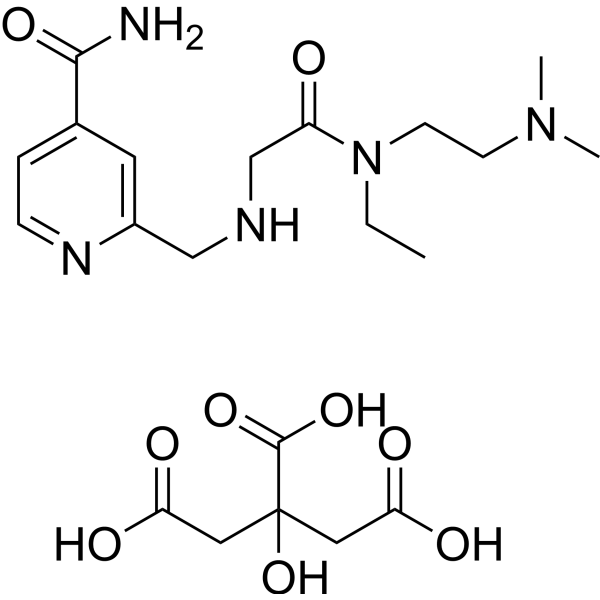
    KDOAM-25 citrate
    5+ Cited Publications

    Histone Demethylase Cancer
    KDOAM-25 citrate is a potent and highly selective histone lysine demethylases 5 (KDM5) inhibitor with IC50s of 71 nM, 19 nM, 69 nM, 69 nM for KDM5A, KDM5B, KDM5C, KDM5D, respectively. KDOAM-25 citrate increases global H3K4 methylation at transcriptional start sites and impairs proliferation in multiple myeloma MM1S cells .
    KDOAM-25 citrate
  • HY-100421A
    CPI-455 hydrochloride
    10+ Cited Publications

    Histone Demethylase Cancer
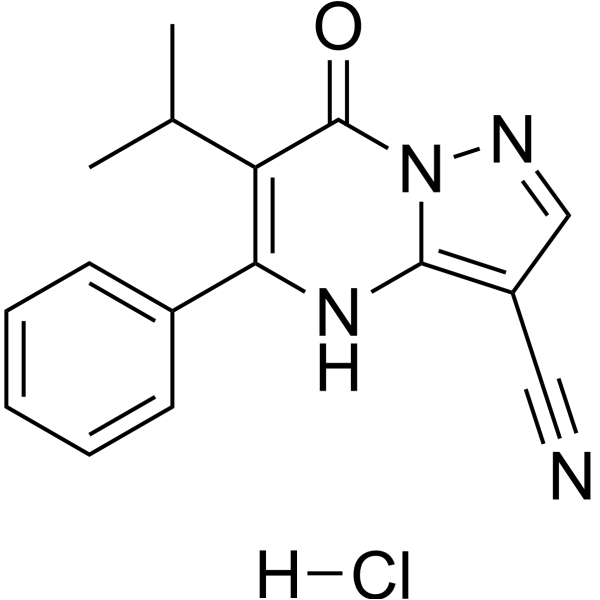
    CPI-455 hydrochloride is a specific, pan-KDM5 inhibitor with an IC50 of 10 nM for KDM5A. CPI-455 hydrochloride mediates KDM5 inhibition, elevates global levels of H3K4me3, and decreases the number of drug-tolerant persister cancer cells in multiple cancer cell line models treated with standard chemotherapy or targeted agents .
    CPI-455 hydrochloride
  • HY-117771
    DO34
    5 Publications Verification

    DAGL Neurological Disease Metabolic Disease
    DO34 is a selective DAGL inhibitor, with an IC50 of 6 nM for DAGLα conversion of SAG to 2-AG. DO34 blocks de novo 2-AG synthesis, and suppresses tonic CB1 receptor activation. DO34 blocks depolarization-induced suppression of excitation and inhibition in the cerebellum and hippocampus. DO34 regulates feeding behavior and locomotor activity in mice. DO34 abolishes AM251-mediated enhancement of parallel fiber-evoked excitatory postsynaptic currents in cerebellar slices from MAGL global knockout mice. DO34 can be used for the research of energy balance disorder and neuroinflammation .
    DO34
  • HY-141466

    Endogenous Metabolite Histone Acetyltransferase Infection Metabolic Disease Inflammation/Immunology
    Crotonyl-CoA, a high-energy acyl donor, is an intermediate in the fermentation of butyric acid, and in the metabolism of lysine and tryptophan. Crotonyl-CoA is important in the metabolism of fatty acids and amino acids. Crotonyl-CoA acts as a substrate for p300’s histone crotonyltransferase activity, competing with acetyl-CoA for p300-mediated histone acylation reactions. Crotonyl-CoA regulates global and gene-specific histone crotonylation levels in cells, with cellular concentration changes altering histone crotonylation at regulatory elements of activated genes. Crotonyl-CoA serves as the substrate for crotonyl-CoA reductase/carboxylase (CCRC)-catalyzed NADPH-mediated reduction and carbon dioxide trapping to form unusual alkylmalonyl-CoA polyketide synthase extender units. Crotonyl-CoA can be used for the research of LPS-induced inflammatory response .
    Crotonyl-CoA
  • HY-141466A

    Endogenous Metabolite Histone Acetyltransferase Infection Metabolic Disease Inflammation/Immunology
    Crotonyl-CoA tetrasodium, a high-energy acyl donor, is an intermediate in the fermentation of butyric acid, and in the metabolism of lysine and tryptophan. Crotonyl-CoA tetrasodium is important in the metabolism of fatty acids and amino acids. Crotonyl-CoA tetrasodium acts as a substrate for p300’s histone crotonyltransferase activity, competing with acetyl-CoA for p300-mediated histone acylation reactions. Crotonyl-CoA tetrasodium regulates global and gene-specific histone crotonylation levels in cells, with cellular concentration changes altering histone crotonylation at regulatory elements of activated genes. Crotonyl-CoA tetrasodium serves as the substrate for crotonyl-CoA reductase/carboxylase (CCRC)-catalyzed NADPH-mediated reduction and carbon dioxide trapping to form unusual alkylmalonyl-CoA polyketide synthase extender units. Crotonyl-CoA tetrasodium can be used for the research of LPS-induced inflammatory response .
    Crotonyl-CoA tetrasodium
  • HY-112273
    CD532
    1 Publications Verification

    Aurora Kinase Cancer
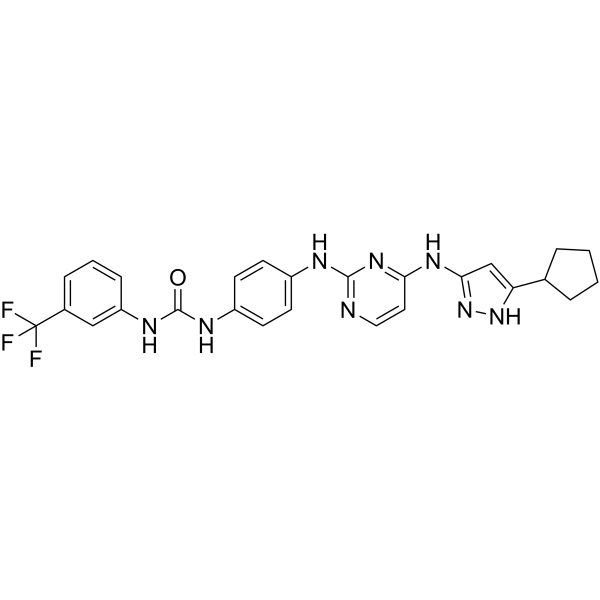
    CD532 is a potent Aurora A kinase inhibitor with an IC50 of 45 nM. CD532 has the dual effect of blocking Aurora A kinase activity and driving degradation of MYCN. CD532 also can directly interact with AURKA and induces a global conformational shift. CD532 can be used for the research of cancer .
    CD532
  • HY-19772

    ESM-HDAC391; CHR-5154; HDAC-IN-3

    HDAC c-Fms Inflammation/Immunology
    GSK3117391 (ESM-HDAC391; CHR-5154; HDAC-IN-3) is an orally active HDAC inhibitor with a IC50 of 55 nM. Using esterase-sensitive motif technology, GSK3117391 is selectively converted into its active acid metabolite HDAC189 in cells expressing carboxylesterase-1. GSK3117391 induces sustained global protein acetylation in monocytes, inhibits the production of proinflammatory cytokines, depletes circulating monocytes, downregulates the expression of CSF1R, and inhibits monocyte adhesion and differentiation. GSK3117391 can be used in the research of chronic inflammatory diseases .
    GSK3117391
  • HY-101396
    ICA-069673
    3 Publications Verification

    Potassium Channel Neurological Disease
    ICA-069673 is a KCNQ2/Q3 potassium channel activator. ICA-069673 demonstrates greater selectivity for KV7.2/7.3 over KV7.3/KV7.5, with EC50s of 0.69 μM and 14.3 μM, respectively. ICA-069673 inhibits spontaneous phasic and nerve-evoked contractions in guinea pig detrusor smooth muscle (DSM). ICA-069673 also decreases the global intracellular Ca(2+) concentration in DSM cells .
    ICA-069673
  • HY-N3677

    OGT Akt mTOR GSK-3 Reactive Oxygen Species (ROS) Apoptosis PARP MDM-2/p53 Inflammation/Immunology Cancer
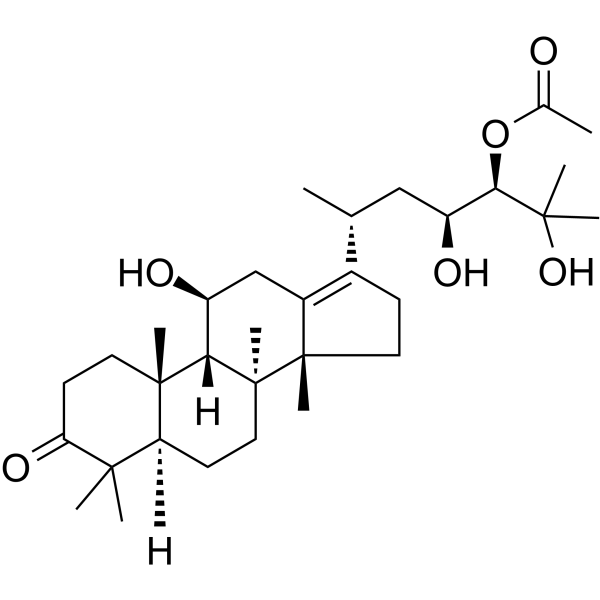
    Dammarenediol II is a ginsenoside precursor . Dammarenediol II reduces the activity of O-GlcNAc transferase (OGT) and downregulates the global O-GlcNAcylation level. Dammarenediol II inhibits the phosphorylation of Akt, mTOR and GSK3β. Dammarenediol II inhibits human carboxylesterase activity, VEGF-induced ROS production, stress fiber formation and vascular endothelial cadherin disruption. Dammarenediol II promotes cell apoptosis (apoptosis), increases the levels of cleaved PARP1 and p53, and inhibits retinal microvascular leakage. Dammarenediol II can be used in studies related to liver cancer and diabetic retinopathy .
    Dammarenediol II
  • HY-Y1055A
    Guanine hydrochloride
    3 Publications Verification

    Endogenous Metabolite DNA/RNA Synthesis Infection Neurological Disease Cancer
    Guanine hydrochloride is one of the fundamental components of nucleic acids (DNA and RNA). Guanine hydrochloride is a purine derivative, consisting of a fused pyrimidine-imidazole ring system with conjugated double bonds. Guanine hydrochloride has the potential to serve as a large-capacity N pool. Guanine hydrochloride has cytotoxic, antinociceptive and neuroprotective effects .
    Guanine hydrochloride
  • HY-141539
    SETDB1-TTD-IN-1
    5 Publications Verification

    Histone Methyltransferase Akt Cancer
    SETDB1-TTD-IN-1 is a SETDB1 methyltransferase activator and SETDB1-TTD competitive inhibitor (Kd of 88 nM), and selectivity for SETDB1-TTD over other tudor and bromodomain proteins. SETDB1-TTD-IN-1 stimulates methyltransferase activity via increased catalytic activity, promotes Akt1 Lys64 methylation, Akt1 Thr308 phosphorylation and activation. SETDB1-TTD-IN-1 prevents SETDB1-TTD-histone H3 peptide association, induces global gene expression changes, exhibits cellular target engagement, and acts as a tool compound for SETDB1-TTD function exploration. SETDB1-TTD-IN-1 can be used for the research of breast cancer .
    SETDB1-TTD-IN-1
  • HY-19820A
    NSC45586 sodium
    1 Publications Verification

    Akt Ser/Thr Protease Apoptosis MMP Cardiovascular Disease Neurological Disease Inflammation/Immunology
    NSC45586 sodium is an inhibitor of PHLPP. NSC45586 sodium targets the PP2C phosphatase domains of PHLPP1 and PHLPP2, blocks the phosphatase activity of PHLPP, increases the expression level of FOXO1 in the nucleus, and reduces the protein expression of PHLPP1. NSC45586 sodium activates the AKT survival signaling pathway, enhances IGF-1-induced AKT activation, and inhibits the phosphorylation of AKT/ERK under basal conditions. NSC45586 sodium reduces staurosporine-induced neuronal death, preserves notochord cell morphology and KRT19 expression, inhibits cell apoptosis (apoptosis), improves the viability and proliferation of nucleus pulposus cells, upregulates the expression of ACAN/SOX9, and downregulates the expression of MMP13. NSC45586 sodium binds tightly to bovine serum albumin (bovine serum albumin), and exerts a more significant effect on nucleus pulposus in male individuals. NSC45586 sodium can be used in studies related to global cerebral ischemia and intervertebral disc degeneration .
    NSC45586 sodium
  • HY-P10387
    RSM3
    1 Publications Verification

    METTL3 Apoptosis MDM-2/p53 NF-κB Caspase Cancer
    RSM3 is a METTL3-METTL14 complex inhibitor with a Kd of 3.10 μM for the METTL3-METTL14 complex. RSM3 reduces the m 6A modification level of SLC31A1 and the global RNA methylation level. RSM3 upregulates programmed cell death-related genes, enhances cell apoptosis, inhibits pro-cancer signals and suppresses tumor growth. RSM3 is applicable to the research of preeclampsia and cancer .
    RSM3
  • HY-122182

    Histone Methyltransferase Apoptosis Cancer
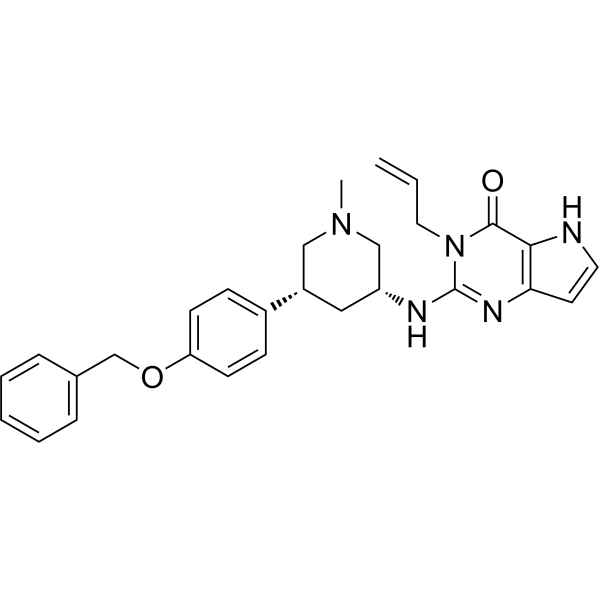
    OTS193320, a imidazo[1,2-a]pyridine compound, is a SUV39H2 methyltransferase activity inhibitor. OTS193320 decreases global histone H3 lysine 9 tri-methylation levels in breast cancer cells and triggers apoptotic cell death. Combination of OTS193320 with Doxorubicin (HY-15142A) results in reduction of γ-H2AX levels as well as cancer cell viability compared to a single agent OTS193320 or DOX .
    OTS193320
  • HY-D2186
    BTD probe-1
    1 Publications Verification

    Biochemical Assay Reagents Others
    BTD probe-1 is a benzothiazine-based chemoproteomic probe and selective protein S-sulfenic acid (Cys-SOH) labeling agent. BTD probe-1 labels protein S-sulfenic acids in vitro in cell and tissue samples, and in situ in intact cells, enabling detection or enrichment of modified proteins/peptides. BTD probe-1 exhibits no cytotoxicity in cells at concentrations ≤1 mM. BTD probe-1 enables global, site-specific mapping and quantification of cysteine S-sulfenylation in complex proteomes with lower input material .
    BTD probe-1
  • HY-145103

    Histone Methyltransferase Cancer
    UNC6934 is a selective NSD2-PWWP1 antagonist with IC50 values of 78 nM and 104 nM, and a Ka of 91 nM against human targets. UNC6934 binds to the canonical methyl-lysine binding pocket of NSD2-PWWP1 and directly competes with H3K36me2 for binding. UNC6934 induces the aggregation of NSD2 within the nucleolus, without altering ribosomal RNA transcription, global H3K36me2 levels or the proliferation of KMS-11 cells. UNC6934 can be used in studies related to multiple myeloma and diffuse intrinsic pontine glioma.
    UNC6934
  • HY-172199

    ClpP Cancer
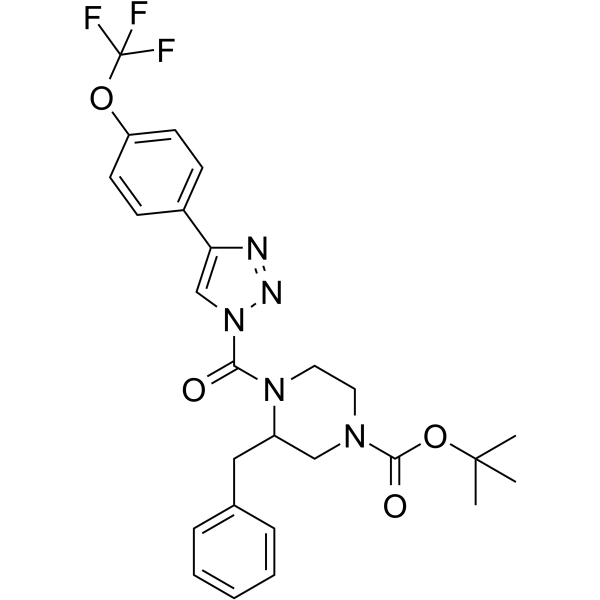
    THX6 is an hClpP activator with an EC50 of 1.18 μM. THX6 improves off-target profile with no affinity for hD2R and only weak affinity for hD3R (Ki = 51.1 µM) in HEK293 cells. THX6 shows good cytotoxicity in ONC201-resistant cells with an IC50 of 0.13 μM. THX6 changes the levels of fatty acids (PUFAs, MUFAs, and SFAs) in DIPG cells. THX6 decreases the level of proteins involved in oxidative phosphorylation, biogenesis, and mitophagy proteins, thereby resulting in a global collapse of mitochondrial integrity and function. THX6 can be used for diffuse intrinsic pontine glioma research .
    THX6
  • HY-101481

    COX Apoptosis MEK ERK PPAR AMPK NF-κB Interleukin Related TNF Receptor STAT Wnt Neurological Disease Inflammation/Immunology Cancer
    Flurbiprofen axetil is a non-selective COX inhibitor and a nonsteroidal anti-inflammatory agent with anti-inflammatory and analgesic effects. Flurbiprofen axetil inhibits basal-like breast cancer metastasis by inhibiting the MEK/ERK signaling pathway. Flurbiprofen axetil can promote neuroprotection after focal cerebral ischemia in rats by partially activating PPAR-γ. Flurbiprofen axetil alleviates cerebral ischemia/reperfusion injury by reducing inflammation in a transient global cerebral ischemia/reperfusion rat model. Flurbiprofen axetil can alleviate inflammatory responses and cognitive function in a mild cognitive impairment (MCI) SD rat model through the AMPKα/NF-κB signaling pathway .
    Flurbiprofen axetil
  • HY-130538
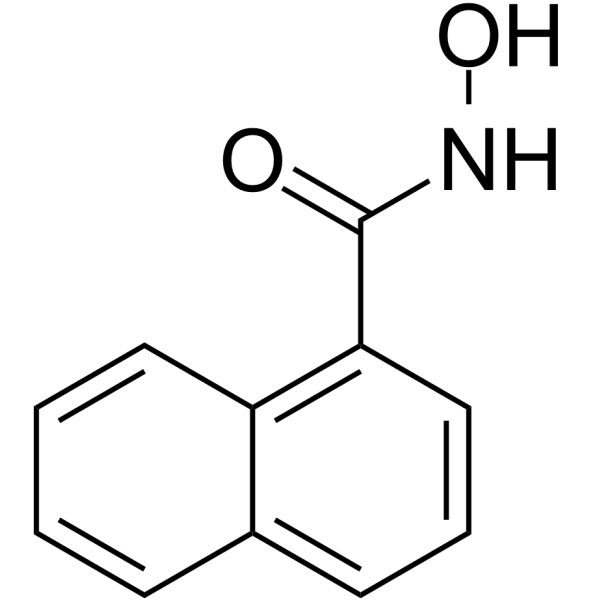
    1-Naphthohydroxamic acid
    2 Publications Verification

    HDAC Cancer
    1-Naphthohydroxamic acid (Compound 2) is a potent and selective HDAC8 inhibitor with an IC50 of 14 μM. 1-Naphthohydroxamic acid is more selectively for HDAC8 than class I HDAC1 and class II HDAC6 (IC50 >100 μM). 1-Naphthohydroxamic acid does not increase global histone H4 acetylation and also does not reduce total intracellular HDAC activity .1-Naphthohydroxamic acid can induce tubulin acetylation .
    1-Naphthohydroxamic acid
  • HY-102047

    Histone Demethylase Cancer
    KDOAM-25 is a potent and highly selective histone lysine demethylases 5 (KDM5) inhibitor with IC50s of 71 nM, 19 nM, 69 nM, 69 nM for KDM5A, KDM5B, KDM5C, KDM5D, respectively. KDOAM-25 increases global H3K4 methylation at transcriptional start sites and impairs proliferation in multiple myeloma MM1S cells .
    KDOAM-25
  • HY-176861

    E1/E2/E3 Enzyme Cadherin Cancer
    Hakin-1 is a E3 Ubiquitin-Ligase Hakai inhibitor. Hakin-1 blocks Hakai-mediated global ubiquitination and specific ubiquitination of E-cadherin and inhibits epithelial-mesenchymal transition (EMT) progression. Hakan-1 inhibits tumor progression and cancer metastasis. Hakin-1 can be used for the study of carcinoma such as colorectal cancer .
    Hakin-1
  • HY-160638

    TET Protein Cancer
    NSC-311068 is TET1 inhibitor. NSC-311068 selectively suppress TET1 transcription and 5-hydroxymethylcytosine (5hmC) modification. NSC-311068 represses the level of TET1 expression and the global 5hmC level. NSC-311068 effectively inhibits cell viability in AML cells with high expression of TET1 .
    NSC-311068
  • HY-117771A

    DAGL Neurological Disease Metabolic Disease
    DO34 analog is a structural analog of DO34 (HY-117771). DO34 is a selective DAGL inhibitor, with an IC50 of 6 nM for DAGLα conversion of SAG to 2-AG. DO34 can be used for the research of energy balance disorder and neuroinflammation .
    DO34 analog
  • HY-112273A
    CD532 hydrochloride
    1 Publications Verification

    Aurora Kinase Cancer
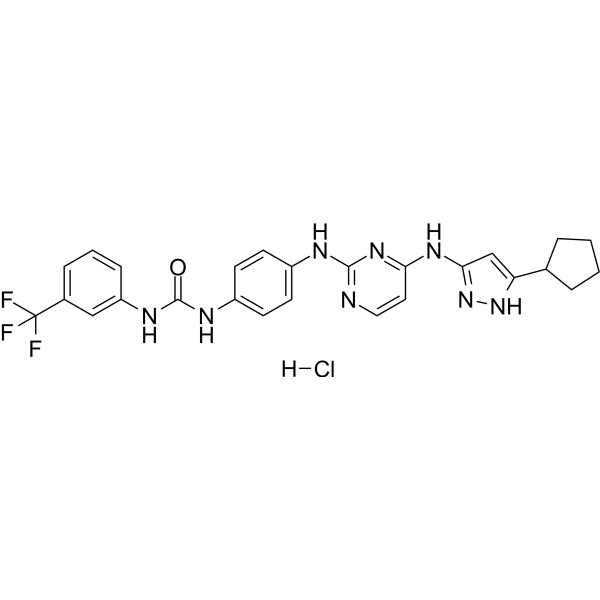
    CD532 hydrochloride is a potent Aurora A kinase inhibitor with an IC50 of 45 nM. CD532 hydrochloride has the dual effect of blocking Aurora A kinase activity and driving degradation of MYCN. CD532 hydrochloride also can directly interact with AURKA and induces a global conformational shift. CD532 hydrochloride can be used for the research of cancer .
    CD532 hydrochloride
  • HY-P10387A
    RSM3 TFA
    1 Publications Verification

    METTL3 Apoptosis Cancer
    RSM3 TFA is a METTL3-METTL14 complex inhibitor with a Kd of 3.10 μM for the METTL3-METTL14 complex. RSM3 TFA reduces the m 6A modification level of SLC31A1 and the global RNA methylation level. RSM3 TFA upregulates programmed cell death-related genes, enhances cell apoptosis, inhibits pro-cancer signals and suppresses tumor growth. RSM3 TFA is applicable to the research of preeclampsia and cancer .
    RSM3 TFA
  • HY-172265

    PROTACs FKBP Cancer
    FKBP12 PROTAC FM4 is a PROTAC degrader of FKBP12, with a DC50 value of 0.09-0.22 nM. FKBP12 PROTAC FM4 inhibits global protein synthesis, induces apoptosis, and selectively reduces the viability of cervical cancer cells expressing MTH1-E6 and FKBP12 F36V-tagged SARS1. FKBP12 PROTAC FM4 is applicable to research related to HPV-positive cervical cancer .
    FKBP12 PROTAC FM4
  • HY-149552

    OGT Cancer
    Ac4-5SGlcNAc is an O-GlcNAc transferase (OGT) inhibitor. Ac4-5SGlcNAc converts intracellularly to UDP-5SGlcNAc, which competes with native UDP-GlcNAc (HY-148596) to block OGT catalytic activity, reduces cellular UDP-GlcNAc pools, and limits global protein O-GlcNAcylation. Ac4-5SGlcNAc reduces OGA levels via feedback, alters lectin signal intensities and glycan-related band masses. Ac4-5SGlcNAc can be used for the research of breast cancer .
    Ac4-5SGlcNAc
  • HY-W014004

    CBHA

    HDAC Apoptosis Others Cancer
    m-Carboxycinnamic acid bishydroxamide (CBHA) is a histone deacetylase inhibitor. m-Carboxycinnamic acid bishydroxamide modulates histone acetylation sites, alters DNA methylation and epigenetic status, increases global histone acetylation, alleviates transcription repression, and facilitates chromatin remodelling. m-Carboxycinnamic acid bishydroxamide can be used for the research of cloned embryo development and epigenetic regulation .
    m-Carboxycinnamic acid bishydroxamide
  • HY-120766

    Histone Demethylase Cancer
    NCDM-32B is a potent and selective KDM4 inhibitor, with IC50 values of 3.0 μM for KDM4A and 1.0 μM for KDM4C in in vitro enzyme assays. NCDM-32B specifically increases global H3K9me3/me2 levels in basal breast cancer cells. NCDM-32B impairs the viability of KDM4C-amplified basal breast cancer cell lines (HCC1954 and Colo824). NCDM-32B can be used for the study of breast cancer .
    NCDM-32B
  • HY-166309

    Endogenous Metabolite Histone Acetyltransferase Infection Metabolic Disease Inflammation/Immunology
    Crotonyl-CoA tetralithium, a high-energy acyl donor, is an intermediate in the fermentation of butyric acid, and in the metabolism of lysine and tryptophan. Crotonyl-CoA tetralithium is important in the metabolism of fatty acids and amino acids. Crotonyl-CoA tetralithium acts as a substrate for p300’s histone crotonyltransferase activity, competing with acetyl-CoA for p300-mediated histone acylation reactions. Crotonyl-CoA tetralithium regulates global and gene-specific histone crotonylation levels in cells, with cellular concentration changes altering histone crotonylation at regulatory elements of activated genes. Crotonyl-CoA tetralithium serves as the substrate for crotonyl-CoA reductase/carboxylase (CCRC)-catalyzed NADPH-mediated reduction and carbon dioxide trapping to form unusual alkylmalonyl-CoA polyketide synthase extender units. Crotonyl-CoA tetralithium can be used for the research of LPS-induced inflammatory response .
    Crotonyl-CoA tetralithium
  • HY-102047A

    Histone Demethylase Cancer
    KDOAM-25 trihydrochloride is a potent and highly selective histone lysine demethylases 5 (KDM5) inhibitor with IC50s of 71 nM, 19 nM, 69 nM, 69 nM for KDM5A, KDM5B, KDM5C, KDM5D, respectively. KDOAM-25 trihydrochloride increases global H3K4 methylation at transcriptional start sites and impairs proliferation in multiple myeloma MM1S cells .
    KDOAM-25 trihydrochloride
  • HY-P10331

    SDCBP Cancer
    KSL 128114, a peptide inhibitor of syntenin, binds the PDZ1 domain of syntenin with nanomolar affinity. KSL 128114 is resistant toward degradation in human plasma and mouse hepatic microsomes and displays a global PDZ domain selectivity for syntenin .
    KSL 128114
  • HY-164501

    Apoptosis Mps1 Mitosis Cancer
    Mps-BAY1 is an MPS1 inhibitor with anticancer activity. Mps-BAY1 inhibits cell proliferation and induces apoptosis by activating mitotic catastrophe in cancer cells, generating global aneuploidy and polyploidy. Mps-BAY1 can be used in the study of colorectal cancer and cervical cancer .
    Mps-BAY1
  • HY-179110

    Eukaryotic Initiation Factor (eIF) Infection Cancer
    ISR activator 1 (compound B) is an eIF2B allosteric inhibitor. ISR activator 1 stabilizes the inactive state of eIF2B, inhibits translation initiation and global protein synthesis, and selectively activates the ISR pathway. ISR activator 1 can be used for research on cancer and viral infections .
    ISR activator 1
  • HY-170595

    PROTACs MDM-2/p53 c-Myc MAP3K Cancer
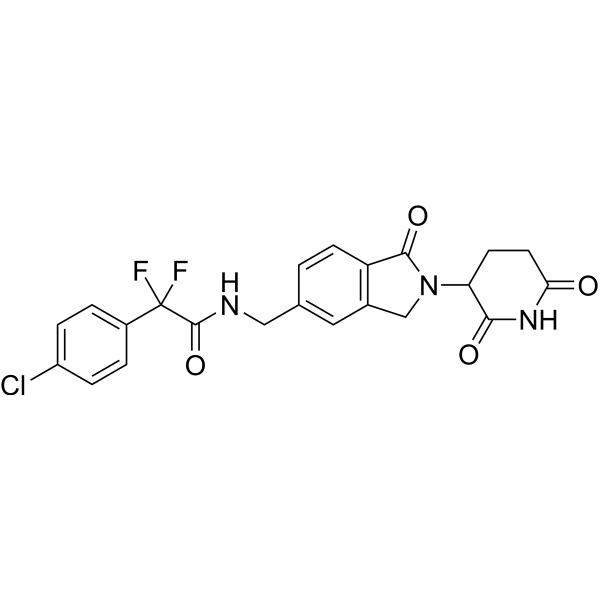
    PROTAC LZK degrader 1 (Compound 21A) is a PROTAC that targets the degradation of LZK (Leucine Zipper Kinase, encoded by MAP3K13). PROTAC LZK degrader 1 (10 μM) promotes the degradation of LZK and inhibits the expression of p53 and c-MYC, leading to reduced viability of global head and neck squamous cell carcinoma (HNSCC) cell lines. PROTAC LZK degrader 1 can be used in cancer research. PROTAC LZK degrader 1 consists of an E3 ligase ligand (blue part, HY-112078), a target protein ligand (red part, HY-170596), and a linker (black part, HY-W019543)[1].
    PROTAC LZK degrader 1
  • HY-16906

    Src Cancer
    T338C Src-IN-2 is a mutant c-Src kinase inhibitor, with an IC50 of 317 nM against T338C c-Src, 57 nM against T338C/V323A c-Src, and 19 nM against T338C/V323S c-Src. T338C Src-IN-2 inhibits the kinase activity of endogenous cysteine gatekeeper MOK. T338C Src-IN-2 reduces global phosphotyrosine levels in v-Src-ES1-transformed NIH-3T3 cells .
    T338C Src-IN-2
  • HY-178694

    Histone Methyltransferase Cancer
    DC-PRC2in-01 is a potent EZH2-EED interaction inhibitor with an IC50 of 4.21 μM and a Kd of 4.56 μM. DC-PRC2in-01 disrupts the EZH2-EED interaction, leading to degradation of PRC2 core proteins and decrease of H3K27me3 levels, inhibition of PRC2-driven lymphoma cell proliferation, and cell cycle arrest. DC-PRC2in-01 can be used for the research of PRC2-related cancers, such as Diffuse Large B-cell Lymphoma (DLBCL) and follicular lymphoma (FL) .
    DC-PRC2in-01
  • HY-101101

    iGluR Neurological Disease
    L-701252 is a potent antagonist of glycine site NMDA receptor with an IC50 of 420 nM. L-701252 provides a small degree of neuroprotection in global cerebral ischaemia .
    L-701252
  • HY-P3232

    Bradykinin Receptor Inflammation/Immunology Endocrinology
    B 9430 is a potent bradykinin B1/B2 receptor antagonist .
    B 9430
  • HY-W242821

    Fungal Cancer
    Methyl 3,4-dimethoxycinnamate is an inhibitor of uredospore germination. Methyl 3,4-dimethoxycinnamate also inhibits global DNA methylation in in Hep3B cells .
    Methyl 3,4-dimethoxycinnamate
  • HY-U00049

    Calcium Channel Cardiovascular Disease Neurological Disease
    Mioflazine is an orally active nucleoside transport inhibitor with sleep-improving activity. Mioflazine significantly improves cardiac survival after global cardiac ischemia. Mioflazine inhibits nucleoside uptake Mioflazine does not exhibit inotropic effects during induction and nursing .
    Mioflazine
  • HY-U00049B

    Calcium Channel Cardiovascular Disease Neurological Disease
    Mioflazine dihydrochloride is a nucleoside transport inhibitor with sleep-improving activity. Mioflazine dihydrochloride significantly improves cardiac survival after global cardiac ischemia. Mioflazine dihydrochloride reduces the mitochondrial calcium content in guinea-pig. Mioflazine dihydrochloride does not exhibit inotropic effects during induction and nursing .
    Mioflazine dihydrochloride
  • HY-U00049A

    Calcium Channel Cardiovascular Disease Neurological Disease
    Mioflazine dihydrochloride hydrate is a nucleoside transport inhibitor with sleep-improving activity. Mioflazine dihydrochloride hydrate helps maintain the mechanical function of the left ventricle and significantly improves the heart's recovery ability after global ischemia at new temperatures. Mioflazine dihydrochloride hydrate reduces the mitochondrial calcium content in guinea-pig .
    Mioflazine (di(hydrochloride) hydrate)
  • HY-147865

    Galectin Apoptosis Cancer
    Apoptosis inducer 8 (Compound 7c) is a galectin-1 (gal-1) mediated apoptosis-inducing agent against global major leading lung cancer burden. Apoptosis inducer 8 significantly reduced the gal-1 protein level. Apoptosis inducer 8 is also a PET imaging agent .
    Apoptosis inducer 8

Inquiry Online

Your information is safe with us. * Required Fields.

Salutation


Country or Region *

Applicant Name *


Organization Name *

Department *


Email Address *


Product Name *

Cat. No.


Requested quantity *

Phone Number *


Remarks

Inquiry Online

Inquiry Information

Product Name:
Cat. No.:
Quantity:
MCE Japan Authorized Agent:

