


58 Results for "

glucose and lipids metabolism

" in MedChemExpress (MCE) Product Catalog:
Products (58)

58 Results for "glucose and lipids metabolism" in MCE Product Catalog:

231
231 Publications Verification
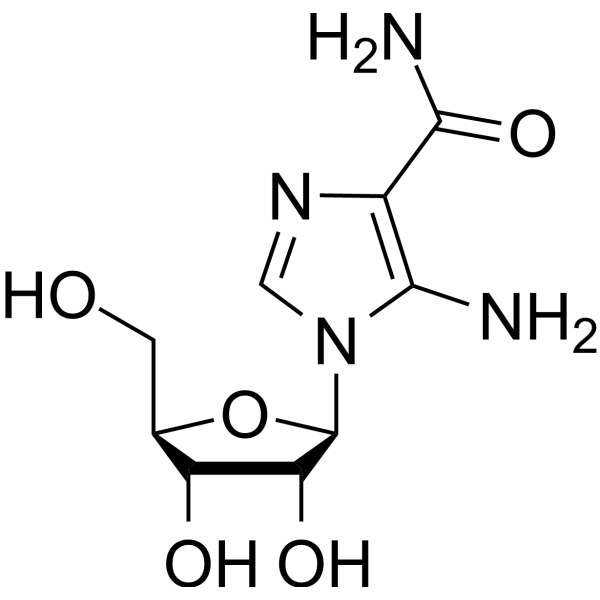
Cat. No.: HY-13417
CAS No.: 2627-69-2
Purity:  99.98%
Synonyms: Acadesine; AICA Riboside
AICAR (Acadesine) is an adenosine analog and a AMPK activator. AICAR is also an autophagy, YAP and mitophagy inhibitor. AICAR regulates the glucose and lipid metabolism, and inhibits proinflammatory cytokines and iNOS production. AICAR inhibits autophagy through a mechanism independent of AMPK activity .
loading...
    loading...
231
231 Publications Verification
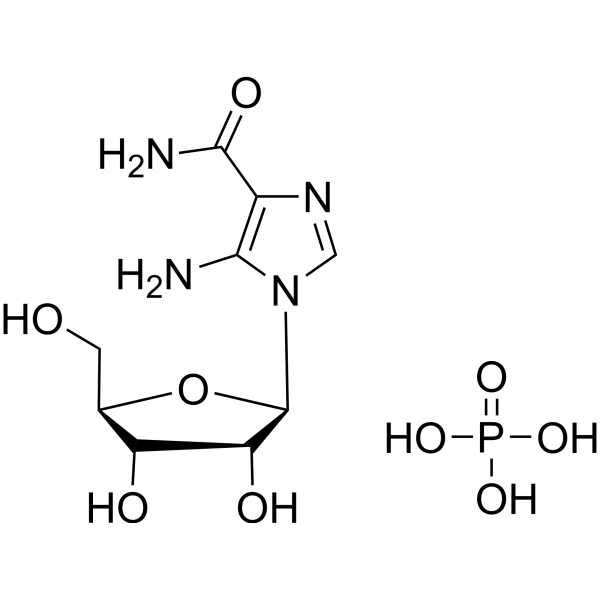
Cat. No.: HY-13417A
CAS No.: 681006-28-0
Purity:  99.98%
Synonyms: Acadesine phosphate; AICA Riboside phosphate
AICAR phosphate (Acadesine phosphate) is an adenosine analog and a AMPK activator. AICAR phosphate regulates the glucose and lipid metabolism, and inhibits proinflammatory cytokines and iNOS production. AICAR phosphate is also an autophagy, YAP and mitophagy inhibitor .
loading...
    loading...
4
4 Cited Publications
Cat. No.: HY-N7075
CAS No.: 9005-80-5
Inulin is an orally active prebiotic targeting the intestinal microbiota, selectively promoting the proliferation and activity of beneficial bacteria such as bifidobacteria and lactic acid bacteria, and playing a role in regulating the intestinal microecology. The functions of Inulin include: Fermentation by probiotics in the colon to produce short-chain fatty acids (such as butyrate and propionate), lowering the intestinal pH and inhibiting the overgrowth of harmful bacteria; Enhancing the intestinal barrier function and reducing endotoxin translocation; Directly scavenging free radicals (such as superoxide free radicals, hydroxyl free radicals) and activating antioxidant enzymes (SOD, CAT) to reduce oxidative stress. Inulin can also be used in the study of intestinal diseases (constipation, IBD), metabolic syndrome (diabetes, obesity) and liver damage by regulating glucose and lipid metabolism (such as reducing triglycerides, improving insulin sensitivity) and immune response (enhancing NK cell activity, inhibiting inflammatory factors)[1][2][3][4].
loading...
    loading...
4
4 Cited Publications
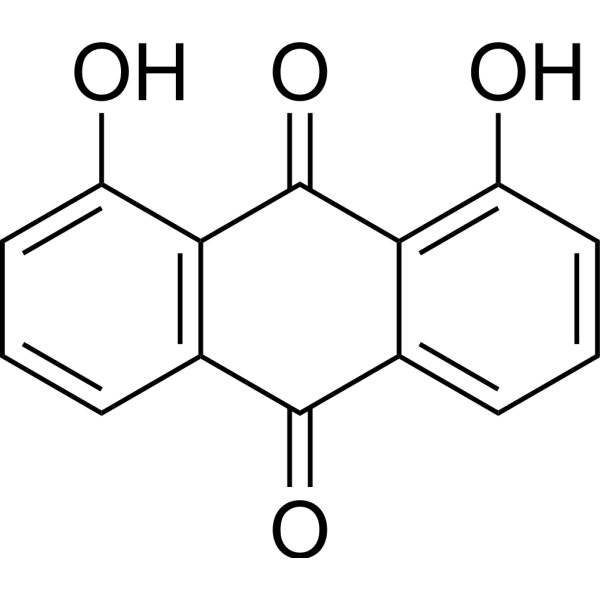
Cat. No.: HY-B0923
CAS No.: 117-10-2
Synonyms: Dantron; Chrysazin; 1,8-Dihydroxyanthraquinone
Danthron is a natural product extracted from the traditional Chinese medicine Salvia miltiorrhiza Bunge. Danthron functions in regulating glucose and lipid metabolism by activating AMPK.
loading...
    loading...
4
4 Cited Publications
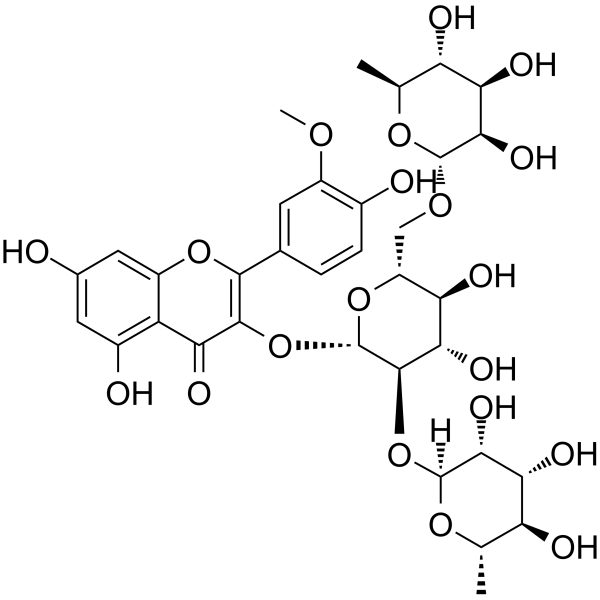
Cat. No.: HY-N0712
CAS No.: 104472-68-6
Typhaneoside is an orally active activator of PI3K/Akt/mTOR and farnesoid X receptor. Typhaneoside promotes the activation of AMPK and Caspase-3, induces apoptosis, ferroptosis, autophagy, ROS accumulation, cell cycle arrest at the G2/M phase, and reduces cancer cell viability. Typhaneoside improves glucose and lipid metabolism, alleviates inflammatory responses, oxidative stress and hepatic lipid accumulation, and exerts hepatoprotective effects. Typhaneoside can be used in research related to heart failure after myocardial infarction, acute myeloid leukemia, non-alcoholic fatty liver disease and neurological disorders .
loading...
    loading...
2
2 Cited Publications
Cat. No.: HY-133890
CAS No.: 25613-05-2
Synonyms: T-α-MCA
Tauro-α-muricholic acid (T-α-MCA) is a Taurine (HY-B0351)-conjugated primary Bile acid. Tauro-α-muricholic acid is a FXR antagonist with an IC50 of  28 µM. Tauro-α-muricholic acid attenuates other bile acid-activated FXR signaling. Tauro-α-muricholic acid can be used in the research of Alzheimer's disease, glucose metabolism, and lipid metabolism .
loading...
    loading...
2
2 Cited Publications
Cat. No.: HY-133890A
CAS No.: 2260905-08-4
Purity:  ≥99.0%
Synonyms: T-α-MCA sodium
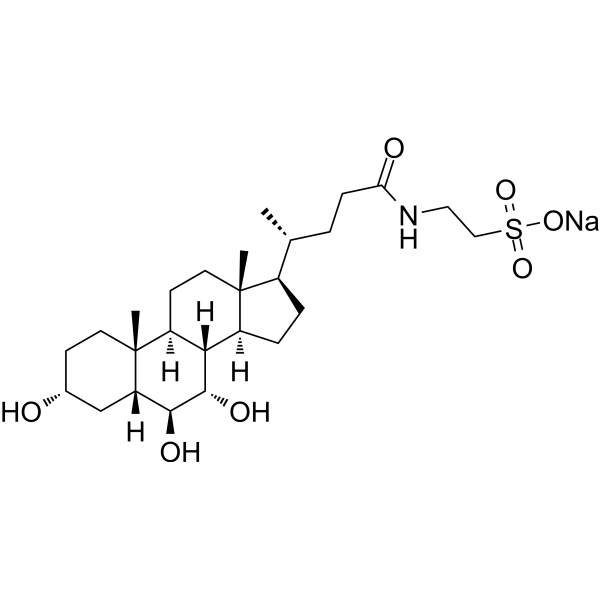
Tauro-α-muricholic acid sodium (T-α-MCA sodium) is a Taurine (HY-B0351)-conjugated primary Bile acid. Tauro-α-muricholic acid sodium is a FXR antagonist with an IC50 of  28 µM. Tauro-α-muricholic acid sodium attenuates other bile acid-activated FXR signaling. Tauro-α-muricholic acid sodium can be used in the research of Alzheimer's disease, glucose metabolism, and lipid metabolism .
loading...
    loading...
1
1 Cited Publications
Cat. No.: HY-P2048
CAS No.: 1627580-64-6
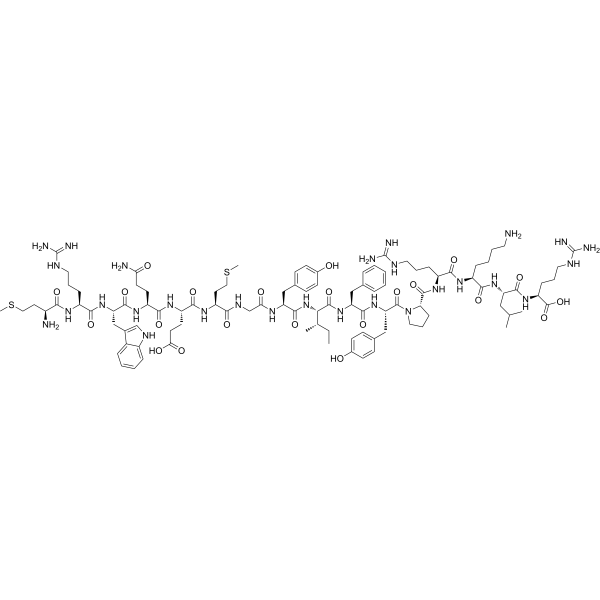
MOTS-c (human) is a mitochondrial-derived peptide that modulates the AMPK/PGC-1α pathway to enhance insulin sensitivity. MOTS-c (human) inhibits the folate cycle and de novo purine synthesis, increases AICAR levels to activate AMPK, and then regulates the Nrf2/Keap1 antioxidant pathway and inhibits the NF-κB inflammatory pathway, while promoting mitochondrial biogenesis and energy metabolism. MOTS-c (human) has the effects of improving glucose and lipid metabolism, anti-oxidative stress, anti-inflammatory and neuroprotection, and can be used in the study of type 2 diabetes, traumatic brain injury, inflammatory diseases and aging-related metabolic disorders .
loading...
    loading...
1
1 Cited Publications
Cat. No.: HY-N0468
CAS No.: 63279-13-0
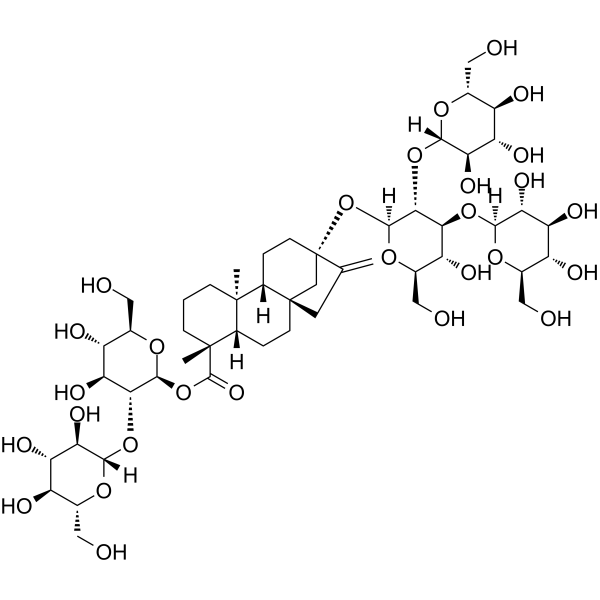
Rebaudioside D is an orally active sweetener that targets and activates FXR, modulates Acetyl-CoA Carboxylase, and inhibits 3-hydroxy-3-methylglutaryl-CoA reductase. Rebaudioside D regulates bile acid homeostasis and lipid metabolism, reduces the synthesis rates of fatty acids and cholesterol, and exerts multiple effects including anti-adipogenesis, hepatoprotection, anti-steatosis, gut microbiota modulation, enhancement of secondary bile acid metabolism, anti-endotoxin activity, regulation of bile acid transport, and inhibition of bile acid efflux. Rebaudioside D also reduces body weight gain, visceral fat accumulation, hepatic triglyceride and cholesterol accumulation, hepatic lipid peroxidation, and decreases the circulating level of lipopolysaccharide-binding protein. Rebaudioside D additionally enhances the secondary bile acid metabolic pathway of intestinal bacteria, upregulates the gene expression of ileal organic solute transporter α, and downregulates the gene expression of hepatic bile salt export pump. Rebaudioside D does not affect glucose homeostasis, alter total caloric intake or fecal energy excretion, induce weight gain, exacerbate obesity, promote hepatic steatosis, impair brown adipose tissue function, nor change skeletal muscle metabolism-related proteins. Rebaudioside D can be used in diet-induced obesity and obesity-related research .
loading...
    loading...
1
1 Cited Publications
Cat. No.: HY-120103
CAS No.: 1854061-16-7
Purity:  99.51%
Target:  

Sodium Channel

Research Areas:  

Metabolic Disease

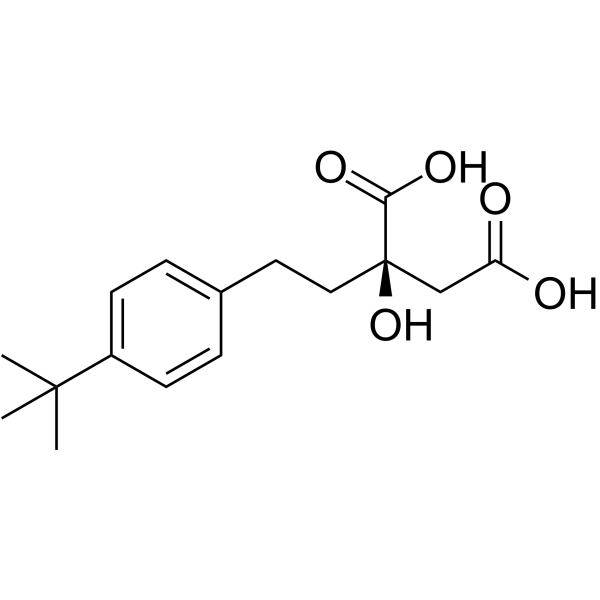
PF-06649298 is a sodium-coupled citrate transporter (NaCT or SLC13A5) inhibitor. PF-06649298 specifically interacts with NaCT with an IC50 value of 16.2 μM to inhibits the transport of citrate in human hepatocytes. PF-06649298 can be used for the research of regulating glucose metabolism and lipid metabolism .
loading...
    loading...
1
1 Cited Publications
Cat. No.: HY-P2048A
Target:  

AMPK GLUT

MOTS-c (human) acetate is a mitochondrial-derived peptide that modulates the AMPK/PGC-1α pathway to enhance insulin sensitivity. MOTS-c (human) acetate inhibits the folate cycle and de novo purine synthesis, increases AICAR levels to activate AMPK, and then regulates the Nrf2/Keap1 antioxidant pathway and inhibits the NF-κB inflammatory pathway, while promoting mitochondrial biogenesis and energy metabolism. MOTS-c (human) acetate has the effects of improving glucose and lipid metabolism, anti-oxidative stress, anti-inflammatory and neuroprotection, and can be used in the study of type 2 diabetes, traumatic brain injury, inflammatory diseases and aging-related metabolic disorders .
loading...
    loading...
Cat. No.: HY-P10746
CAS No.: 2770688-48-5
Target:  

Neurokinin Receptor

Research Areas:  

Metabolic Disease

EB1002 is a highly selective, long-acting NK2R agonist. EB1002 exerts central appetite suppression, increases peripheral energy expenditure and enhances insulin sensitivity, which effectively reduces body weight, improves glucose and lipid metabolism, with favorable safety profiles. EB1002 can be used for research on diseases such as obesity and type 2 diabetes .
loading...
    loading...
Cat. No.: HY-17444
CAS No.: 251565-85-2
Target:  

PPAR

Research Areas:  

Metabolic Disease Cancer

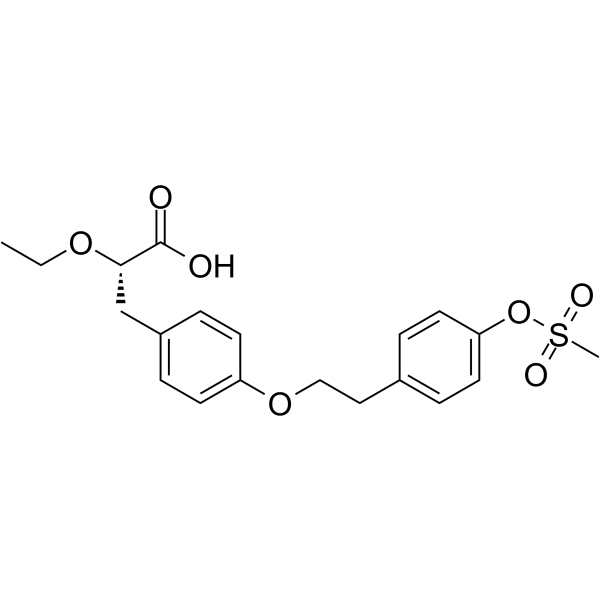
Tesaglitazar is a dual-target PPARα/γ agonist with an EC50 of 13.4 μM for rat PPARα and 3.6 μM for human PPARα. Tesaglitazar affects lipid and glucose metabolism by activating PPARα and PPARγ receptors, and has the potential to improve blood sugar and relieve pain. Tesaglitazar can be used to induce in vivo tumor models and can be used in the study of type 2 diabetes, dyslipidemia, and neuropathic pain .
loading...
    loading...
Cat. No.: HY-N2468
CAS No.: 6860-47-5
Synonyms: 1,4-β-D-Xylobiose; 1,4-D-Xylobiose
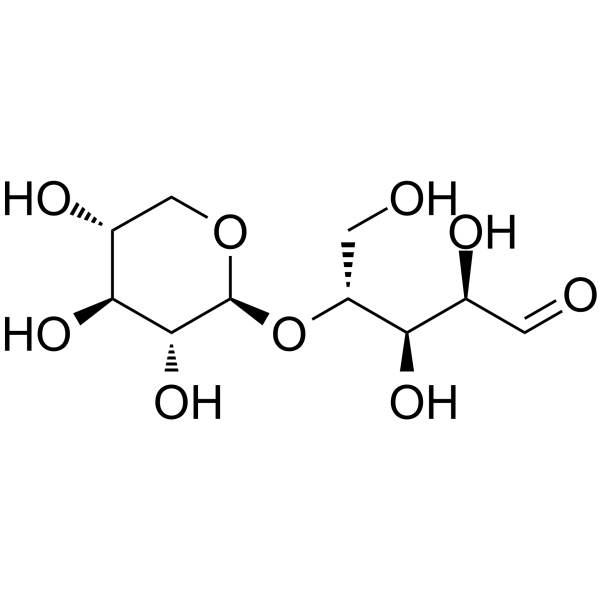
Xylobiose (1,4-β-D-Xylobiose; 1,4-D-Xylobiose) is an orally active Claudin 2/CLDN2 inhibitor and HSP27 inducer. Xylobiose works by regulating intestinal barrier function and glucose and lipid metabolism-related signaling pathways. Xylobiose inhibits CLDN2 expression to reduce intestinal permeability, induces HSP27 to enhance cell protection, and regulates the miR-122a/miR-33a axis to inhibit liver lipid synthesis and improve insulin resistance. Xylobiose can strengthen intestinal barrier integrity, reduce blood sugar and blood lipid levels, and reduce oxidative stress and inflammatory response. Xylobiose can be used in the study of type 2 diabetes and metabolic syndrome .
loading...
    loading...
Cat. No.: HY-13417R
CAS No.: 2627-69-2
Synonyms: Acadesine (Standard); AICA Riboside (Standard)
AICAR (Standard) is the analytical standard of AICAR. This product is intended for research and analytical applications. AICAR (Acadesine) is an adenosine analog and a AMPK activator. AICAR regulates the glucose and lipid metabolism, and inhibits proinflammatory cytokines and iNOS production. AICAR is also an autophagy, YAP and mitophagy inhibitor .
loading...
    loading...
Cat. No.: HY-106539
CAS No.: 182815-44-7
Purity:  ≥95.0%
Colesevelam hydrochloride is an orally active bile acid sequestrant, lipid-lowering agent, and glycemic control agent. Colesevelam hydrochloride binds bile acids in the gastrointestinal tract to form nonabsorbable complexes, interrupts enterohepatic recirculation and increases fecal bile acid elimination. Colesevelam hydrochloride modulates FXR, TGR5, and Cyp7a1 activity and triggers cAMP signaling and GLP-1 release. Colesevelam hydrochloride alters hepatic lipid and glucose metabolism, suppresses hepatic glycogenolysis, reduces hepatic triglyceride and cholesterol levels, and increases LDL-C (low-density lipoprotein cholesterol) clearance. Colesevelam hydrochloride can be used for the research of type 2 diabetes mellitus, hypercholesterolemia, and alcohol-related liver disease .
loading...
    loading...
Cat. No.: HY-N10319
CAS No.: 72944-19-5
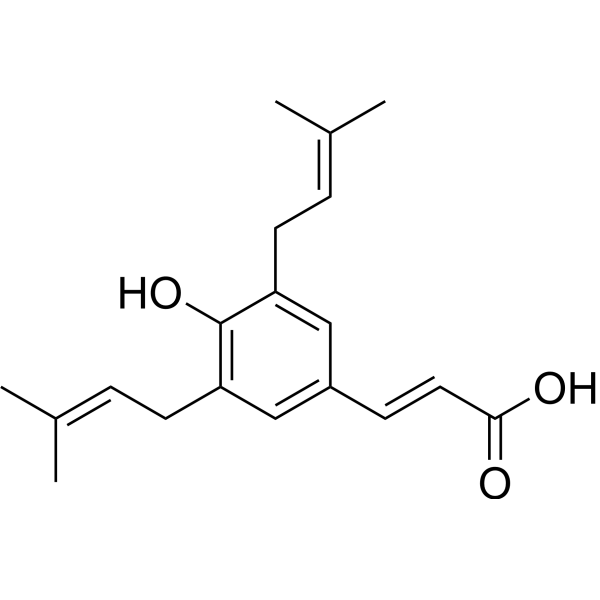
Artepillin C is an orally active CREB/CRTC2 inhibitor and TRPA1 covalent agonist (EC50=1.8 μM). Artepillin C inhibits CREB/CRTC2-mediated gene transcription and downregulates BMAL1 expression to regulate glucose and lipid metabolism. Artepillin C can also activate TRPA1 channels to induce spicy taste signals. Artepillin C can inhibit tumor cell proliferation, induce necroptosis, improve insulin resistance and inhibit liver lipid synthesis. Artepillin C can be used in the study of metabolic syndrome, tumor prevention and treatment, and inflammation .
loading...
    loading...
Cat. No.: HY-114557
CAS No.: 1041-01-6
Purity:  99.38%
Synonyms: 3,5-Diiodo-L-thyronine
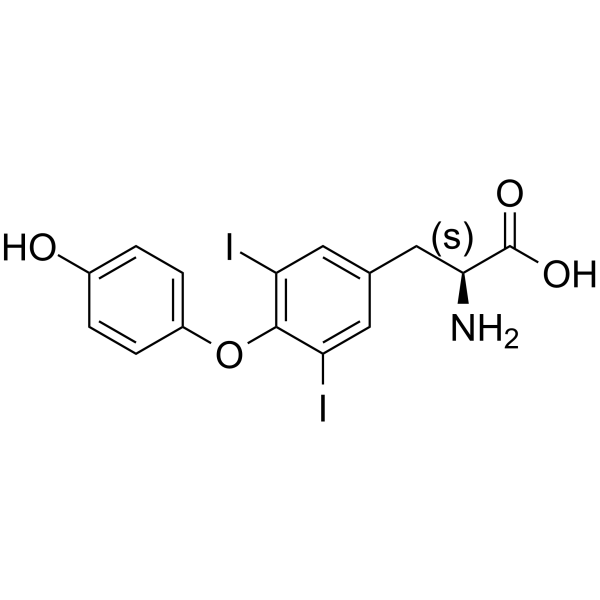
NSC 90469 (3,5-Diiodo-L-thyronine) is an orally active thyroid hormone derivative. NSC 90469 inhibits JNK phosphorylation and NF-κB acetylation, blocks SIRT1 protein expression, induces elevated PGC-1α levels, and stimulates COX activity. NSC 90469 enhances UCP1-mediated thermogenesis, increases hepatic Dio1 activity, inhibits TSH levels and hypothalamic-pituitary-thyroid axis function, enhances lipid metabolism, and regulates energy metabolism via the mitochondrial pathway. NSC 90469 prevents blood glucose reduction, reduces urinary albumin excretion, inhibits renal matrix expansion, decreases TGF-β1 expression, and reduces renal fibronectin and type Ⅳ collagen deposition. NSC 90469 also increases energy expenditure and prevents diet-induced overweight. NSC 90469 can be used in studies related to diabetic nephropathy, hypothyroidism, non-alcoholic fatty liver disease, and diet-induced obesity .
loading...
    loading...
Cat. No.: HY-N11257
CAS No.: 1643669-23-1
Synonyms: 6,7-DiketoLCA
6,7-Diketolithocholic acid (6,7-DiketoLCA) is an important bioactive compound with anti-inflammatory and bile acid metabolism regulating activities. 6,7-Diketolithocholic acid can affect lipid metabolism and regulate the balance of glucose and lipid metabolism in the body. 6,7-Diketolithocholic acid has also been studied for the inhibition of diseases related to abnormal cholesterol metabolism.
loading...
    loading...
Cat. No.: HY-B1608
CAS No.: 10025-73-7
Chromium chloride is a trivalent chromium compound and an essential trace mineral. Chromium chloride enhances insulin-stimulated GLUT4 translocation and glucose uptake in skeletal muscle. Chromium chloride regulates glucose and lipid metabolism, inhibits TNF-α secretion and oxidative stress in monocytes treated with high glucose or H2O2, and reverses hydrogen peroxide-induced cell growth inhibition. Chromium chloride reduces coronary and aortic lipid deposition and serum cholesterol levels in hypercholesterolemic rabbits. Chromium chloride can be used in research related to diabetes and cardiac atherosclerosis .
loading...
    loading...

