36 Results for "

hepatocellular carcinoma HepG2 cells

" in MedChemExpress (MCE) Product Catalog:
Products (36)

36 Results for "hepatocellular carcinoma HepG2 cells" in MCE Product Catalog:

9
9 Cited Publications
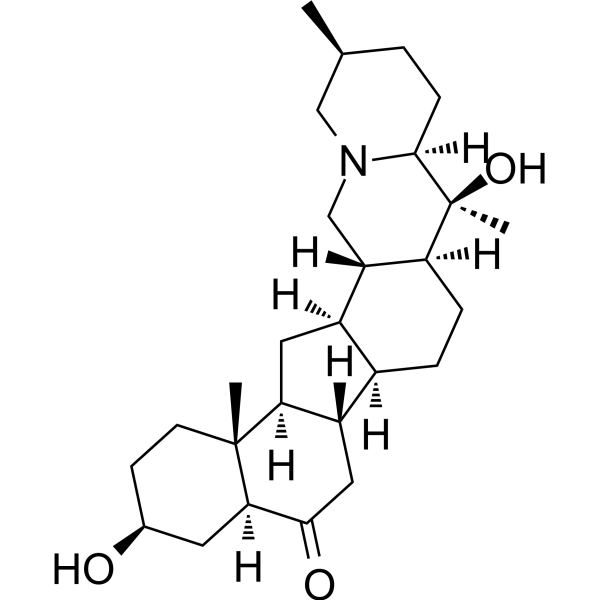
Cat. No.: HY-N0213
CAS No.: 18059-10-4
Synonyms: Verticinone; Raddeanine
Peiminine is a compound that can be isolated from Bolbostemma paniculatum (Maxim) Franquet (Cucurbitaceae family). Peiminine can induce apoptosis in human hepatocellular carcinoma HepG2 cells through both extrinsic and intrinsic apoptotic pathways. Peiminine has anti-inflammatory, anticancer, anti-osteoporosis, cardioprotective and other activities in many animal models .
loading...
    loading...
4
4 Cited Publications
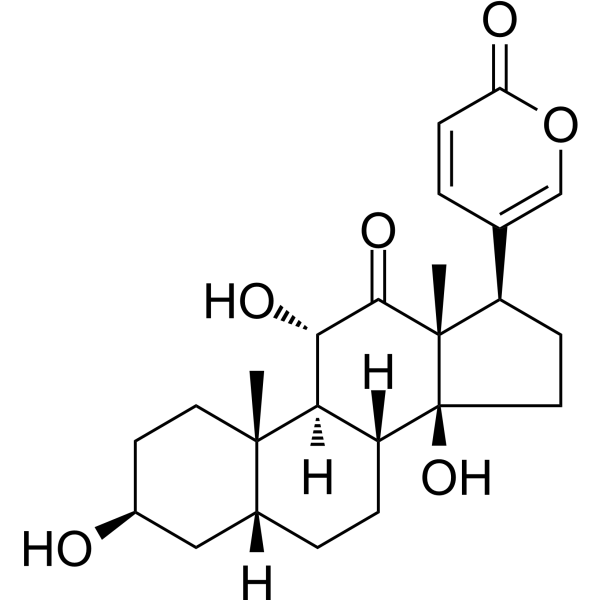
Cat. No.: HY-N0876
CAS No.: 464-74-4
Arenobufagin is a natural bufadienolide that can be extracted from toad venom. Arenobufagin can induce apoptosis and autophagy in human hepatocellular carcinoma cells through inhibition of PI3K/Akt/mTOR pathway. Arenobufagin has potent antineoplastic activity against HCC HepG2 cells as well as corresponding multidrug-resistant HepG2/ADM cells. Arenobufagin can inhibit VEGF-mediated angiogenesis through suppression of VEGFR-2 signaling pathway .
loading...
    loading...
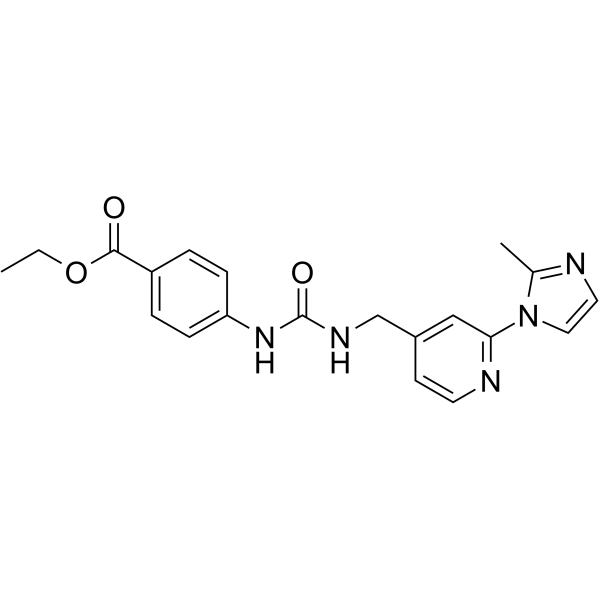
Cat. No.: HY-178018
CAS No.: 1269110-12-4
Synonyms: iOXCT1
Research Areas:  

Cancer

D574-0246 is a dual-activity inhibitor of OXCT1, inhibiting both the ketolytic and succinyltransferase activities of OXCT1. D574-0246 reduces substrate-specific (LACTB K284) and global protein succinylation and decreases OXCT1 ketolytic activity in HepG2 cells. D574-0246 inhibits the viability of HCC cells (IC50: 16.49 μM in PLC cells, 6.656 μM in HepG2 cells). D574-0246 exerts anti-tumor efficacy in nude mice bearing OXCT1-overexpressing HepG2 xenograft tumors. D574-0246 can be used for the study of hepatocellular carcinoma (HCC) .
loading...
    loading...
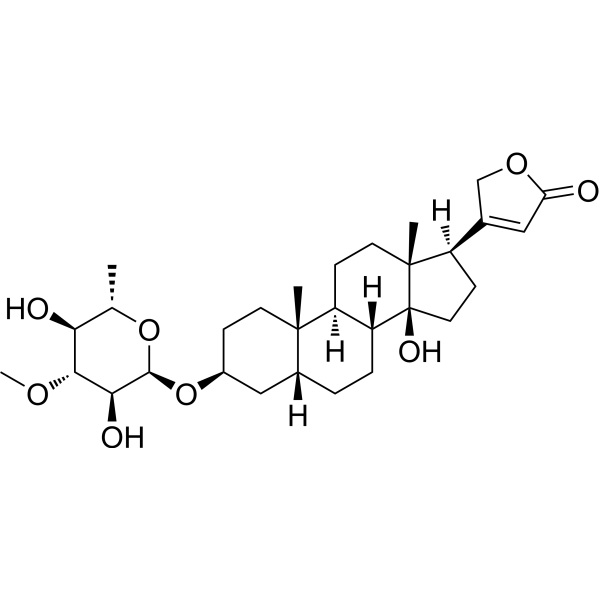
Cat. No.: HY-N8441
CAS No.: 466-07-9
Synonyms: 17β-Neriifolin
Neriifolin, a CNS-penetrating cardiac glycoside, is an inhibitor of the Na +, K +-ATPase. Neriifolin can target beclin 1, inhibits the formation of LC3-associated phagosomes and ameliorates experimental autoimmune encephalomyelitis (EAE) development. Neriifolin induces cell cycle arrest and apoptosis in human hepatocellular carcinoma HepG2 cells [2.
loading...
    loading...
Cat. No.: HY-179243
CAS No.: 3033746-21-0
Target:  

PROTACs STAT MDM-2/p53

Research Areas:  

Cancer

S3D5 is a highly efficient and selective PROTAC degrader targeting STAT3 (KD = 4.35 μM). S3D5 induces degradation of STAT3 in HepG2 cells without significant effects on other STAT proteins. S3D5 exhibits good anti-hepatocellular carcinoma cell proliferation activity, which can be explained by activating the p53 pathway. S3D5 degradation of the STAT3 protein is mediated by the ubiquitin–proteasome system (UPS). S3D5 can be used for the study of hepatocellular carcinoma .
loading...
    loading...
Cat. No.: HY-N16513
CAS No.: 105181-07-5
Muurol-4-ene-3,8-dione (Compound 2), a sesquiterpene, is one of the main hepatotoxic components in Eupatorium adenophorum. Muurol-4-ene-3,8-dione has an inhibitory effect on the growth of both the normal human hepatocyte cell L02 and the human hepatocellular carcinoma cell HepG2 with IC50 values of 87.52 and 104.48 μM .
loading...
    loading...
Cat. No.: HY-N13772
CAS No.: 55812-91-4
Synonyms: (+)-Dihydroisorhamnetin
3'-O-Methyltaxifolin ((+)-Dihydroisorhamnetin) is a dihydroflavanol found in Pulicaria jaubertii. A mixture of these alcohol compounds including 3'-O-Methyltaxifolin found in Pulicaria jaubertii exhibits antitumor activity with IC50 values ​​of 19.1 μg, 20.0 μg, and 24.1 μg against prostate cancer (PC-3), breast cancer (MCF-7), and hepatocellular carcinoma (HepG-2) cell lines, respectively. Furthermore, 3'-O-Methyltaxifolin can induce cell apoptosis, making it a promising candidate for anticancer research. .
loading...
    loading...
Cat. No.: HY-177269
CAS No.: 2648988-92-3
Target:  

Arf Family GTPase

Research Areas:  

Cancer

CHNQD-01269, a brefeldin A-cinnamate derivative, is an Arf1 inhibitor. CHNQD-01269 exhibits potent cytotoxic activity against HepG2 and BEL-7402 cells, with IC50 values of 0.29 and 0.84 μM, respectively. CHNQD-01269 is indicated for hepatocellular carcinoma (HCC) research .
loading...
    loading...
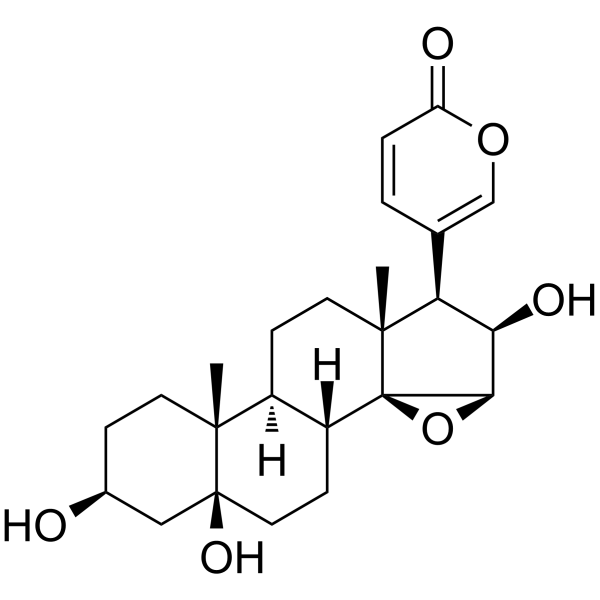
Cat. No.: HY-N0882
CAS No.: 4099-30-3
Synonyms: Deacetylcinobufotalin
Desacetylcinobufotalin is an active component isolated from Venenum Bufonis, which exhibits significant cytotoxicity against human hepatocellular carcinoma HepG2 cells (IC50 = 0.0279 µmol/mL). Desacetylcinobufotalin upregulates Bax protein expression, downregulates Bcl-2 protein expression, and induces apoptosis via the mitochondrial pathway. Desacetylcinobufotalin inhibits cancer cell survival, and shows lower cytotoxicity compared to its parent compound Cinobufagin (HY-N0421). Desacetylcinobufotalin can be used in hepatocellular carcinoma-related research .
loading...
    loading...
Cat. No.: HY-N15577
CAS No.: 1859979-00-2
Antiproliferative agent-69 (Compound 1) is a prenylated kaempferol derivative found in the fresh bud’s fur of Platanus acerifolia. Antiproliferative agent-69 shows significant antiproliferative effects against human breast cancer cells (MCF-7) and human hepatocellular carcinoma cells (Hep-G2) with IC50 values of 38.2 μM and 39.5 μM, respectively. Antiproliferative agent-69 is promising for research of breast cancer and liver cancer .
loading...
    loading...
Cat. No.: HY-W587938
CAS No.: 1209-71-8
Synonyms: (+)-γ-Eudesmol
γ-Eudesmol ((+)-γ-Eudesmol) is a mitochondrial-mediated apoptosis inducer. γ-Eudesmol binds mitochondrial membrane proteins, triggering depolarization of mitochondrial membrane potential and activating caspase cascades. γ-Eudesmol demonstrates cytotoxicity against multiple tumor cell lines (e.g., HepG2, B16-F10) with IC50 values ranging from 8.86-15.15 μg/mL. γ-Eudesmol is promising for research of cancers, such as hepatocellular carcinoma and melanoma .
loading...
    loading...
Cat. No.: HY-122324
CAS No.: 482-20-2
Synonyms: (+)-(S)-Tylophorine; DCB-3500; NSC-717335
Tylophorine and its analogs are benzoindole alkaloids, most of which are derived from Garcinia plants. Tylophorine analogs all show potent growth inhibition against human hepatocellular carcinoma HepG2 and human nasopharyngeal carcinoma KB cell lines. Tylophorine analogs can also induce increased albumin expression and inhibit α-fetoprotein expression in HepG2 cells, and have the potential to induce HepG2 cell differentiation .
loading...
    loading...
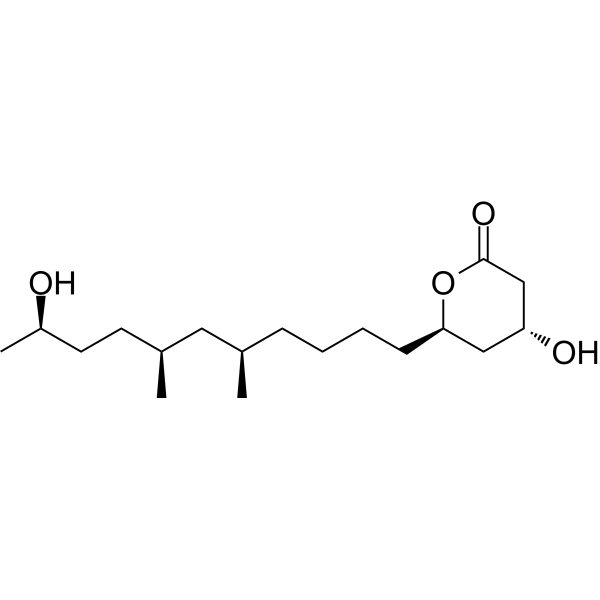
Cat. No.: HY-N10207
CAS No.: 1338332-27-6
Penicitide A is a marine secondary metabolite. Penicitide A shows moderate cytotoxicity against pathogen A. brassicae and the human hepatocellular liver carcinoma (HepG2) cell line .
loading...
    loading...
Cat. No.: HY-168067
Target:  

CDK Caspase Apoptosis

Research Areas:  

Cancer

CDK-IN-14 (B34) is a CDK2 inhibitor (IC50=0.097 μM) with anti-hepatocellular carcinoma activity. CDK-IN-14 blocks the cell cycle of HepG-2 cancer cells through a caspase-mediated mechanism and induces apoptosis .
loading...
    loading...
Cat. No.: HY-N16400
CAS No.: 1392495-06-5
Target:  

Bacterial

Aspergillumarin A is a dihydroisocoumarin derivative with various biological activity. Aspergillumarin A inhibits cell proliferation by inducing G0/G1 phase arrest in HepG2 hepatocellular carcinoma cells.. Aspergillumarin A exhibits weak antibacterial activity against Staphylococcus aureus and Bacillus subtilis. Aspergillumarin A can be used for the study of hepatocellular carcinoma (HCC)
loading...
    loading...
Cat. No.: HY-N0876R
CAS No.: 464-74-4
Arenobufagin is a natural bufadienolide that can be extracted from toad venom. Arenobufagin can induce apoptosis and autophagy in human hepatocellular carcinoma cells through inhibition of PI3K/Akt/mTOR pathway. Arenobufagin has potent antineoplastic activity against HCC HepG2 cells as well as corresponding multidrug-resistant HepG2/ADM cells. Arenobufagin can inhibit VEGF-mediated angiogenesis through suppression of VEGFR-2 signaling pathway .
loading...
    loading...
Cat. No.: HY-147756
CAS No.: 1223378-42-4
Target:  

NAMPT

Research Areas:  

Cancer

Nampt-IN-7 (compound GF8) is a potent NAMPT inhibitor, with an IC50 of 7.31 μM. Nampt-IN-7 also displays cytotoxic activity against human HepG2 hepatocellular carcinoma cell line with an IC50 of 24.28 μM .
loading...
    loading...
Cat. No.: HY-N15535
CAS No.: 871720-22-8
Cuneataside E is a phenylpropanoid glycoside compound found in Lespedeza cuneata. Cuneataside E exhibits hepatoprotective activity against the toxicity induced by N-acetyl-p-aminophenol (APAP) in the human hepatocellular carcinoma cell line HepG2. Cuneataside E is promising for research of liver diseases .
loading...
    loading...
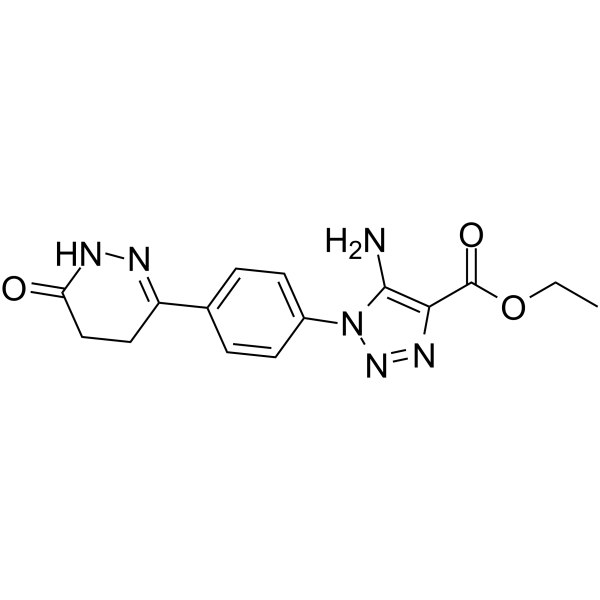
Cat. No.: HY-147852
CAS No.: 2477725-07-6
Target:  

Raf

Research Areas:  

Cancer

B-Raf IN 7 (compound 6a) is a potent B-Raf inhibitor, with an IC50 of 110.23 nM. B-Raf IN 7 exhibits antitumor activity against colon carcinoma (HCT-116), mammary gland (MCF-7), hepatocellular carcinoma (HEPG-2), human cervical carcinoma (Hela) and human prostate cancer (PC-3) cells, with IC50 values of 7.50, 9.87, 10.57, 11.63 and 12.83 µM .
loading...
    loading...
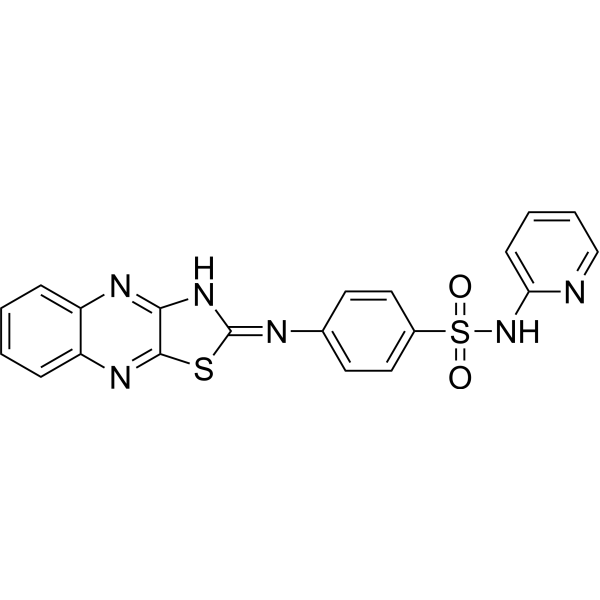
Cat. No.: HY-149475
Target:  

VEGFR

Research Areas:  

Cancer

VEGFR-2-IN-33 (Compound 4d) is a VEGFR inhibitor (IC50: 61.04 nM). VEGFR-2-IN-33 inhibits HepG2 cell proliferation with an IC50 of 4.31 nM. VEGFR-2-IN-33 can be used for research of hepatocellular carcinoma (HCC) .
loading...
    loading...

