

1. Search Result
Search Result
Results for "

inflammasome activation

" in MedChemExpress (MCE) Product Catalog:

184

Inhibitors & Agonists

2

Screening Libraries

3

Biochemical Assay Reagents

3

Peptides

2

Inhibitory Antibodies

63

Natural
Products

7

Isotope-Labeled Compounds

4

Oligonucleotides

Targets Recommended:
Cat. No. Product Name Target Research Areas Chemical Structure
  • HY-B2176
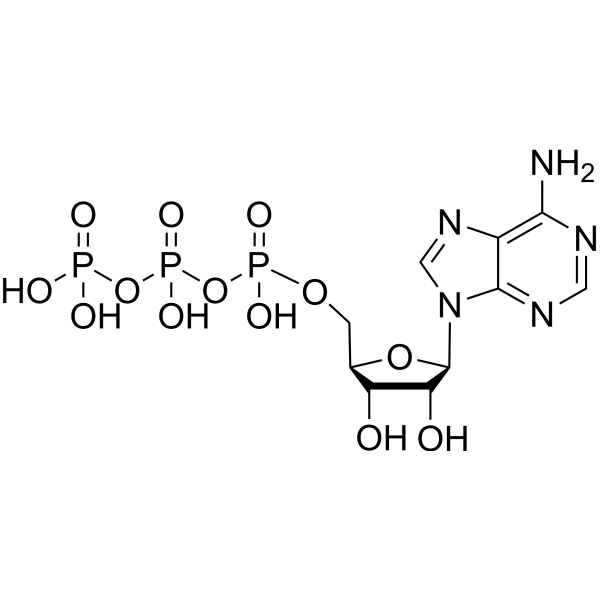
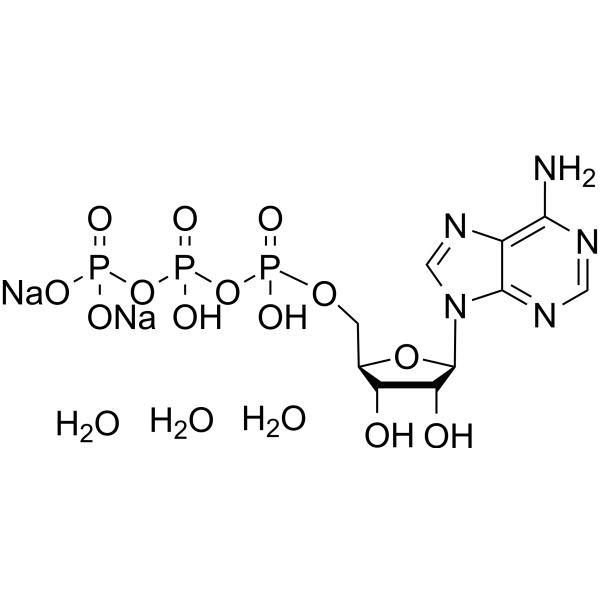
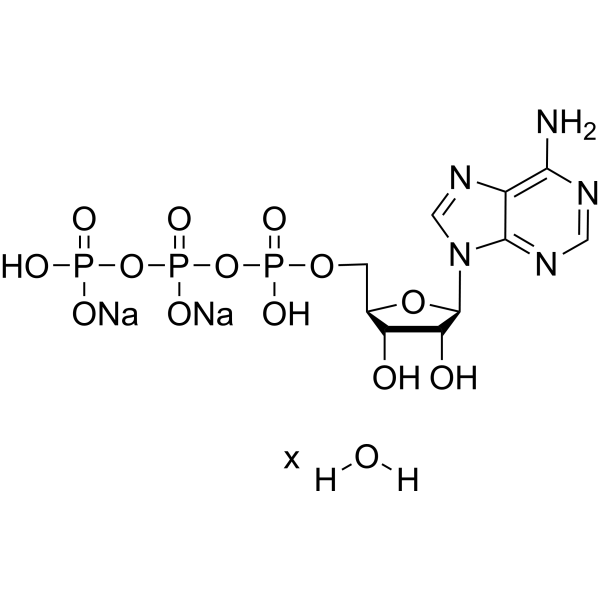
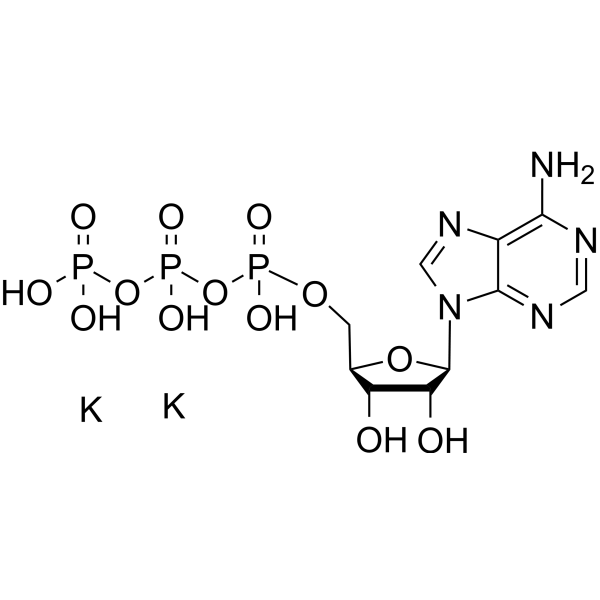
    ATP
    Maximum Cited Publications
    152 Publications Verification

    Adenosine 5'-triphosphate

    Endogenous Metabolite NOD-like Receptor (NLR) Interleukin Related Bacterial Infection Metabolic Disease Inflammation/Immunology
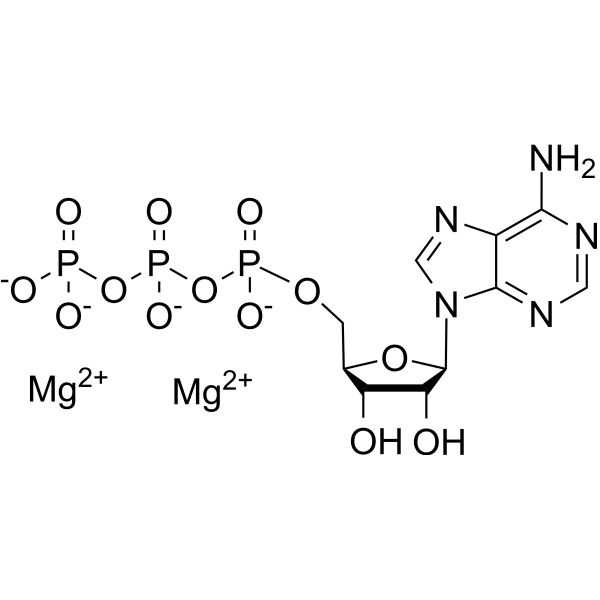
    ATP (Adenosine 5'-triphosphate) is a central component of energy storage and metabolism in vivo. ATP provides the metabolic energy to drive metabolic pumps and serves as a coenzyme in cells. ATP is an important endogenous signaling molecule in immunity and inflammation. ATP can activate the NLRP3 inflammasome and induce IL-1β and chemokines secretion. ATP has anti-bacterial infection effects and can protect mice against bacterial infection in mice .
    ATP
  • HY-N0822
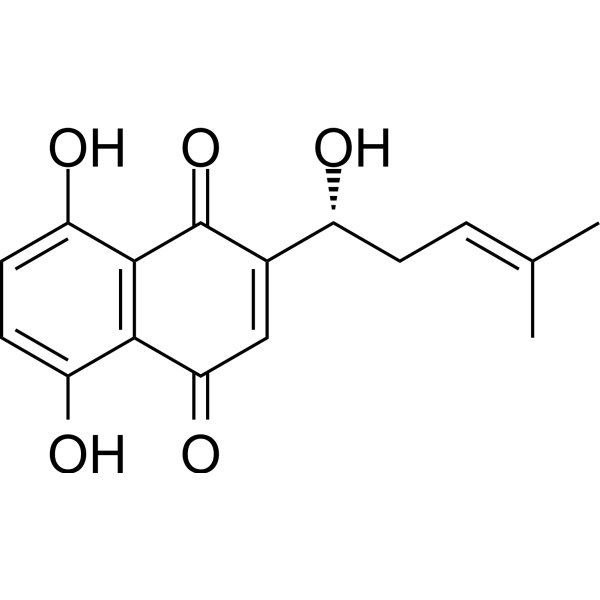
    Shikonin
    65+ Cited Publications

    C.I. 75535; Isoarnebin 4

    Exosomes Chloride Channel Pyruvate Kinase NF-κB TNF Receptor HIV AIM2 Cancer
    Shikonin is a major component of a Chinese herbal medicine named zicao. Shikonin is a potent TMEM16A chloride channel inhibitor with an IC50 of 6.5 μM . Shikonin is a specific pyruvate kinase M2 (PKM2) inhibitor and can also inhibit TNF-α and NF-κB pathway . Shikonin decreases exosome secretion through the inhibition of glycolysis . Shikonin inhibits AIM2 inflammasome activation .
    Shikonin
  • HY-116084
    Trimethylamine N-oxide
    10+ Cited Publications

    Drug Metabolite NOD-like Receptor (NLR) Reactive Oxygen Species (ROS) TGF-beta/Smad Endogenous Metabolite Cardiovascular Disease Inflammation/Immunology
    Trimethylamine N-oxide is a gut microbe-dependent metabolite of dietary choline and other trimethylamine-containing nutrients. Trimethylamine N-oxide induces inflammation by activating the ROS/NLRP3 inflammasome. Trimethylamine N-oxide also accelerates fibroblast-myofibroblast differentiation and induces cardiac fibrosis by activating the TGF-β/smad2 signaling pathway .
    Trimethylamine N-oxide
  • HY-B0116
    Stavudine
    4 Publications Verification

    d4T

    Reverse Transcriptase HIV Nucleoside Antimetabolite/Analog NOD-like Receptor (NLR) Autophagy Apoptosis Infection
    Stavudine (d4T) is an orally active nucleoside reverse transcriptase inhibitor (NRTI). Stavudine has activity against HIV-1 and HIV-2. Stavudine also inhibits the replication of mitochondrial DNA (mtDNA). Stavudine reduces NLRP3 inflammasome activation and modulates Amyloid-β autophagy. Stavudine induces apoptosis .
    Stavudine
  • HY-N0408
    Picroside II
    4 Publications Verification

    NF-κB Reactive Oxygen Species (ROS) Apoptosis Influenza Virus Infection Cardiovascular Disease Inflammation/Immunology Cancer
    Picroside II is an antioxidant with oral activity that can reduce the production of ROS and protect the blood-brain barrier (BBB) after CI/R injury, offering neuroprotective effects. Picroside II has antioxidant, immune-regulating, antiviral properties, and inhibits apoptosis. Picroside II alleviates the inflammatory response in sepsis by suppressing the activation of the NLRP3 inflammasome and NF-κB pathways .
    Picroside II
  • HY-132831
    Selnoflast
    1 Publications Verification

    Somalix; RO-7486967; IZD334

    NOD-like Receptor (NLR) Interleukin Related Neurological Disease Inflammation/Immunology
    Selnoflast (RO7486967), formerly somalix/RG6418/IZD334, is an orally active, potent, selective and reversible small molecule NLRP3 inflammasome inhibitor. Selnoflast is a potent inhibitor of IL-1β release stimulated by NLRP3 activation in human Alzheimer's disease (AD) monocyte-derived macrophages. Selnoflast is promising for research of AD and systemic inflammatory diseases, such as ulcerative colitis and chronic obstructive pulmonary disease .
    Selnoflast
  • HY-113224
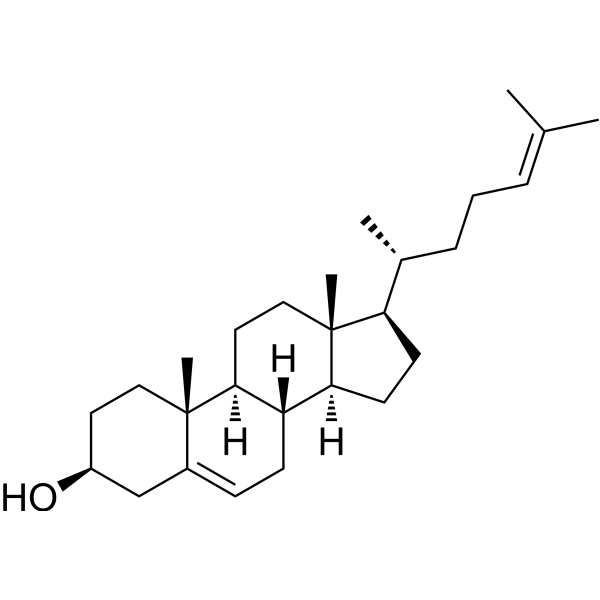
    Desmosterol
    5 Publications Verification

    Endogenous Metabolite LXR Fatty Acid Synthase (FASN) Interleukin Related Reactive Oxygen Species (ROS) NOD-like Receptor (NLR) Cardiovascular Disease Metabolic Disease Inflammation/Immunology
    Desmosterol is a cholesterol-like molecule. In the Bloch pathway of cholesterol biosynthesis, Desmosterol is a direct precursor of cholesterol. As an endogenous metabolite, Desmosterol is used to study cholesterol metabolism . Desmosterol is an LXR activator and SREBP inhibitor, which can suppress macrophage inflammasome activation and prevent vascular inflammation and atherosclerosis. A reduction in Desmosterol promotes the production of mitochondrial reactive oxygen species (ROS) in macrophages and pyrin domain-dependent inflammasome activation of NLRP3. Desmosterol holds potential for research in inflammation, metabolism, and cardiovascular diseases .
    Desmosterol
  • HY-103666
    CY-09
    45+ Cited Publications

    NOD-like Receptor (NLR) Inflammation/Immunology
    CY-09 is a selective and direct NLRP3 inhibitor. CY-09 directly binds to the ATP-binding motif of NLRP3 NACHT domain and inhibits NLRP3 ATPase activity, resulting in the suppression of NLRP3 inflammasome assembly and activation .
    CY-09
  • HY-100581
    CORM-3
    4 Publications Verification

    NF-κB NOD-like Receptor (NLR) Inflammation/Immunology
    CORM-3, a carbon monoxide-releasing molecule, attenuates NF-κB p65 nuclear translocation, reduces ROS generation and enhances intracellular glutathione and superoxide dismutase levels. CORM-3 reduces NLRP3 inflammasome activation .
    CORM-3
  • HY-108915
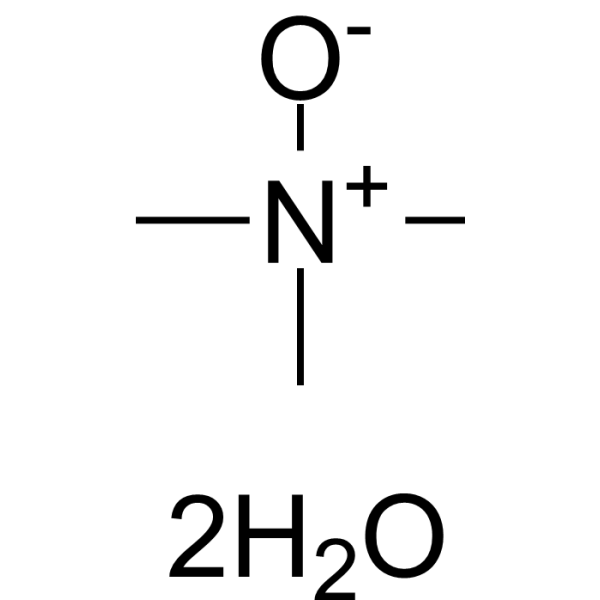
    Trimethylamine N-oxide dihydrate
    10+ Cited Publications

    NOD-like Receptor (NLR) Reactive Oxygen Species (ROS) TGF-beta/Smad Endogenous Metabolite Cardiovascular Disease Metabolic Disease Inflammation/Immunology
    Trimethylamine N-oxide dihydrate is a gut microbe-dependent metabolite of dietary choline and other trimethylamine-containing nutrients. Trimethylamine N-oxide dihydrate induces inflammation by activating the ROS/NLRP3 inflammasome. Trimethylamine N-oxide dihydrate also accelerates fibroblast-myofibroblast differentiation and induces cardiac fibrosis by activating the TGF-β/smad2 signaling pathway .
    Trimethylamine N-oxide dihydrate
  • HY-116084S
    Trimethylamine N-oxide-d9
    1 Publications Verification

    NOD-like Receptor (NLR) Reactive Oxygen Species (ROS) TGF-beta/Smad Endogenous Metabolite Cardiovascular Disease Inflammation/Immunology
    Trimethylamine N-oxide-d9 is the deuterium labeled Trimethylamine N-oxide. Trimethylamine N-oxide is a gut microbe-dependent metabolite of dietary choline and other trimethylamine-containing nutrients. Trimethylamine N-oxide induces inflammation by activating the ROS/NLRP3 inflammasome. Trimethylamine N-oxide also accelerates fibroblast-myofibroblast differentiation and induces cardiac fibrosis by activating the TGF-β/smad2 signaling pathway .
    Trimethylamine N-oxide-d9
  • HY-162877

    NOD-like Receptor (NLR) Interleukin Related Potassium Channel Inflammation/Immunology
    AZD4144 is an orally active NLRP3 inhibitor (EC50: 0.082 μM). AZD4144 effectively inhibits the release of IL-1β when NLRP3 is overactivated, exerting an anti-inflammatory effect. AZD4144 has low inhibitory effect on hERG and low cardiotoxicity. AZD4144 has the potential to study diseases and conditions associated with NLRP3 inflammasome activation .
    AZD4144
  • HY-16059

    (+)-Arglabin

    NOD-like Receptor (NLR) Farnesyl Transferase Autophagy Inflammation/Immunology Cancer
    Arglabin ((+)-Arglabin), a natural product isolated from Artemisia glabella, is a NLRP3 inflammasome inhibitor. Arglabin shows anti-inflammatory and antitumor activities . The antitumor activity of Arglabin proceeds through its inhibition of farnesyl transferase which leads to the activation of RAS proto-oncogene .
    Arglabin
  • HY-N0496
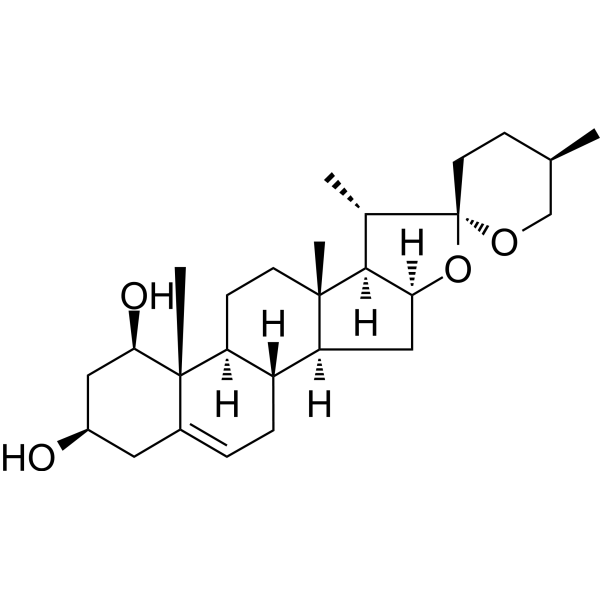
    Ruscogenin
    5+ Cited Publications

    NOD-like Receptor (NLR) Cardiovascular Disease
    Ruscogenin, an important steroid sapogenin derived from Ophiopogon japonicus, attenuates cerebral ischemia-induced blood-brain barrier dysfunction by suppressing TXNIP/NLRP3 inflammasome activation and the MAPK pathway. Ruscogenin exerts significant anti-inflammatory and anti-thrombotic activities. Ruscogenin has orally bioactivity .
    Ruscogenin
  • HY-N0633
    Muscone
    4 Publications Verification

    Environmental Pollutants TNF Receptor P-glycoprotein NF-κB NOD-like Receptor (NLR) Interleukin Related Cardiovascular Disease Inflammation/Immunology
    Muscone is the main active monomer of traditional Chinese medicine musk. Muscone inhibits NF-κB and NLRP3 inflammasome activation. Muscone remarkably decreases the levels of inflammatory cytokines (IL-1β, TNF-α and IL-6), and ultimately improves cardiac function and survival rate .
    Muscone
  • HY-N1986

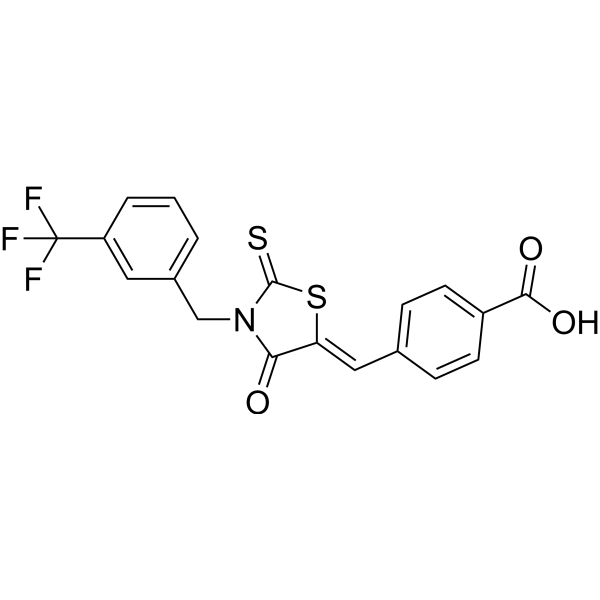
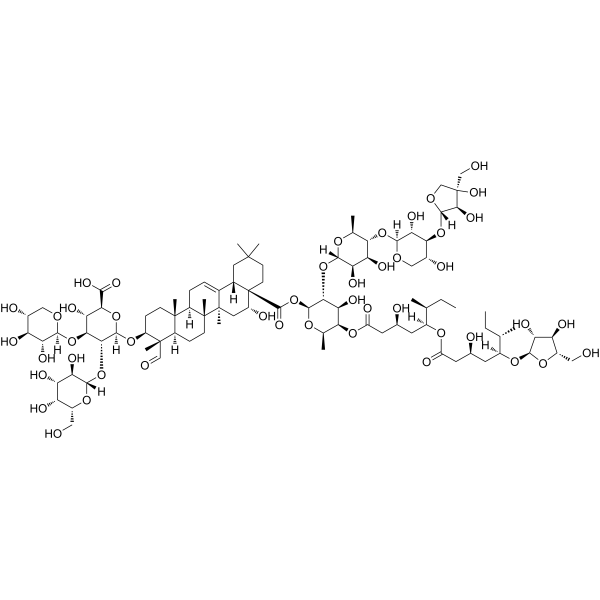
    HSP Apoptosis Inflammation/Immunology Cancer
    Cucurbitacin D is the active ingredient in Trichosanthes kirilowii and can disrupt the interaction between Hsp90 and two co-chaperones, Cdc37 and p23. Cucurbitacin D is an inflammasome activator. Cucurbitacin D induces cell cycle arrest and cell apoptosis, exhibiting anti-tumor and anti-inflammatory effects .
    Cucurbitacin D
  • HY-N0671
    Rhapontin
    2 Publications Verification

    Rhaponiticin

    Apoptosis Cardiovascular Disease Metabolic Disease Inflammation/Immunology Cancer
    Rhapontin (Rhaponiticin) is an orally aactive SIRT1 agonist and AMPK activator with anti-inflammatory and anti-fibrotic activities. Rhapontin inhibits NLRP3 inflammasome activation by activating SIRT1 and inhibits TGF-β/Smad signaling via the AMPK pathway. Rhapontin reduces intestinal and lung inflammation, inhibits fibroblast differentiation and extracellular matrix deposition, and enhances tight junction protein expression to repair epithelial barriers. Rhapontin can be used in the study of inflammatory bowel diseases (such as ulcerative colitis) and pulmonary fibrosis .
    Rhapontin
  • HY-B0004

    Adenosine Receptor Phosphodiesterase (PDE) Reactive Oxygen Species (ROS) Inflammation/Immunology
    Doxofylline is an orally active PDE IV inhibitor and A1AR antagonist. Doxofylline reduces inflammation in epithelial cells via inhibiting mitochondrial ROS production and amelioration of multiple cellular pathways (NLRP3-TXNIP inflammasome activation). Doxophylline can be used in studies of asthma, chronic obstructive pulmonary disease, and bronchospasm .
    Doxofylline
  • HY-N6712
    Thiolutin
    4 Publications Verification

    Acetopyrrothin

    Antibiotic Bacterial Deubiquitinase NOD-like Receptor (NLR) DNA/RNA Synthesis Pyroptosis HMG-CoA Reductase (HMGCR) Infection Cardiovascular Disease Cancer
    Thiolutin (Acetopyrrothin) is a sulfur-containing antibiotic, which is a potent inhibitor of bacterial and yeast RNA polymerases. Thiolutin can be produced by Streptomyces. Thiolutin inhibits AMSH (IC50 = 4 μM) and Rpn11 (IC50 = 0.53 μM). Thiolutin is a dual inhibitor of BRCC36 and the NLRP3 inflammasome, exhibiting anti-inflammatory effects. Thiolutin effectively suppresses the interaction between BRCC36 and HMGCR, leading to the inhibition of HCC growth. Thiolutin attenuates pyroptosis and NLRP3 inflammasome activation. Thiolutin markedly alleviates renal injury and inflammatory process in IgAN. Thiolutin is an anti-angiogenic compound which can ease Doxorubicin-induced cardiotoxicity (DOXIC) [1][2][3][4][5].
    Thiolutin
  • HY-N0699
    Daphnoretin
    3 Publications Verification

    Dephnoretin; Thymelol

    PKC Influenza Virus NOD-like Receptor (NLR) Apoptosis HBV JNK PI3K Akt CDK Caspase Bcl-2 Family Infection Inflammation/Immunology Cancer
    Daphnoretin (Dephnoretin; Thymelol) is a protein kinase C (PKC) activator that inhibits the expression of hepatitis B virus (HBV) surface antigen (HBsAg) and exhibits antiviral activity. Daphnoretin exerts its antitumor effects by inhibiting the activation of the PI3K/AKT signaling pathway and triggers the mitochondrial apoptosis pathway. Daphnoretin alleviates chondrocyte apoptosis and inflammatory responses by inhibiting endoplasmic reticulum stress and activation of the NLRP3 inflammasome. Daphnoretin regulates the differentiation and maturation of dendritic cells, inhibits their immunostimulatory function by downregulating the phosphorylation level of JNK, and thus exerts a protective effect in skin graft rejection .
    Daphnoretin
  • HY-N1939
    Icariside I
    3 Publications Verification

    Icarisid I

    Apoptosis Reactive Oxygen Species (ROS) NOD-like Receptor (NLR) STAT CDK Bcl-2 Family Aryl Hydrocarbon Receptor JAK Caspase IFNAR PD-1/PD-L1 Neurological Disease Metabolic Disease Inflammation/Immunology Cancer
    Icariside I (GH01) is an orally active metabolite of icalin. Icariside I improves estrogen deficiency-induced osteoporosis by simultaneously regulating osteoblast and osteoclast differentiation. Icariside I promotes ATP (HY-B2176) or Nigericin (HY-127019)-induced mtROS production and NLRP3 inflammasome activation and causes idiosyncratic hepatotoxicity. Icariside I does not alter the activation of NLRC4 and AIM2 inflammasomes. Icariside I inhibits breast cancer proliferation, apoptosis, invasion, and metastasis by targeting the IL-6/STAT3 pathway. Icariside I is a kynurenine-AhR pathway inhibitor that alleviates cancer by blocking tumor immune escape .
    Icariside I
  • HY-N0696
    Sipeimine
    4 Publications Verification

    Imperialine

    PI3K NF-κB Akt NOD-like Receptor (NLR) Pyroptosis Ferroptosis Inflammation/Immunology
    Sipeimine (Imperialine) is an inhibitor targeting the PI3K/AKT/NF-κB pathway and NLRP3 inflammasome, which can competitively bind to PI3K and p65. Sipeimine inhibits PI3K/AKT phosphorylation, blocks NF-κB nuclear translocation and NLRP3 inflammasome activation. Sipeimine exerts anti-inflammatory activities, inhibits pyroptosis and ferroptosis, and protects the extracellular matrix. Sipeimine can reduce cartilage degradation and synovial inflammation in osteoarthritis and improve PM2.5-induced lung injury. Sipeimine is mainly used in the study of anti-inflammatory and degenerative diseases .
    Sipeimine
  • HY-125944
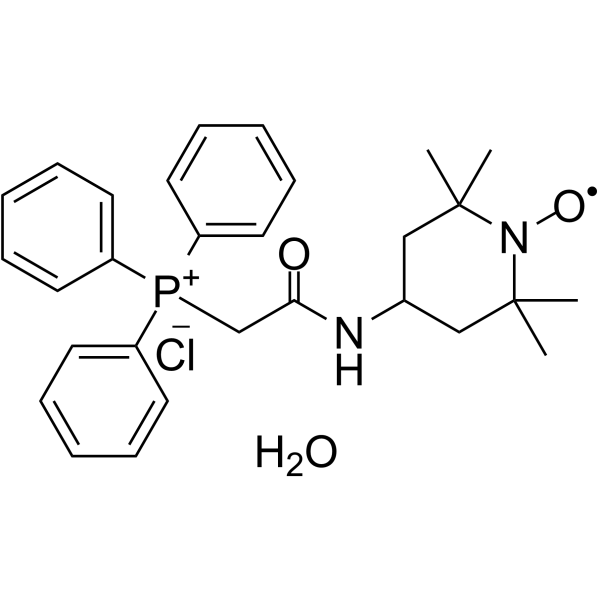
    MitoTEMPO hydrate
    Maximum Cited Publications
    164 Publications Verification

    Mitochondrial Metabolism PINK1/Parkin NOD-like Receptor (NLR) Autophagy Calcium Channel Apoptosis Cardiovascular Disease Neurological Disease Metabolic Disease Endocrinology
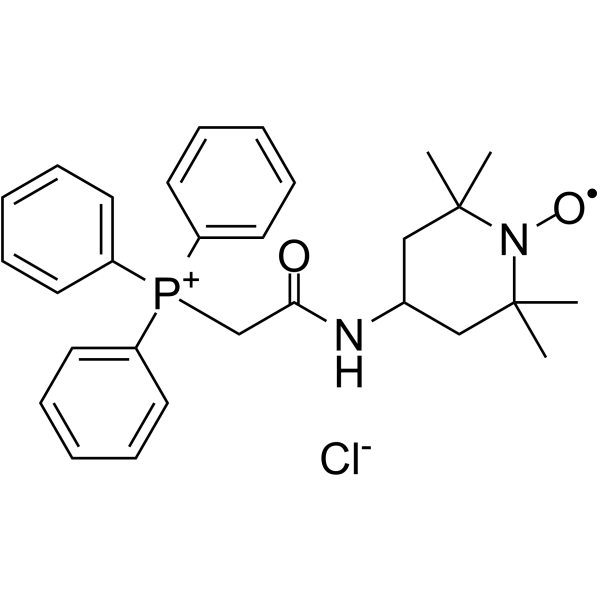
    MitoTEMPO hydrate is a mitochondria-targeted antioxidant . MitoTEMPO hydrate induces mitophagy by activating the PINK1/Parkin pathway, inhibits NLRP3 inflammasome activation, restores mitochondrial membrane potential, and improves renal function and podocyte injury. MitoTEMPO hydrate regulates Ca 2+ homeostasis, inhibits Bnip3 overexpression, shortens action potential duration, and exerts antiarrhythmic effects. MitoTEMPO hydrate reverses premature senescence, reduces trabecular bone loss, and decreases cell apoptosis. MitoTEMPO hydrate can be used in studies of chronic kidney disease, age-related cardiac dysfunction, postmenopausal osteoporosis, and ischemic stroke .
    MitoTEMPO hydrate
  • HY-N6051

    Fungal NOD-like Receptor (NLR) NF-κB Infection Inflammation/Immunology
    (-)-Maackiain is a pterocarpan phytoalexin produced from Sophora flavescens. (-)-Maackiain is toxic to several genera of fungal pathogens of legume and non legume hosts. (-)-Maackiain enhances the activation of NLRP3 inflammasome, inhibits the activation of NF-κB pathway, exhibiting thereby immunostimulatory and anti-inflammatory activities. (-)-Maackiain is orally active .
    (-​)​-Maackiain
  • HY-137888A

    oATP trisodium salt

    P2X Receptor NOD-like Receptor (NLR) Inflammation/Immunology
    Oxidized ATP (oATP) trisodium salt is a broad-spectrum P2 receptor inhibitor. Oxidized ATP trisodium salt irreversibly antagonizes P2X7R activation. Oxidized ATP trisodium salt inhibits c-reactive protein (CRP)-induced NLRP3 inflammasome activation. Oxidized ATP trisodium salt can be used for research of atherosclerosis .
    Oxidized ATP trisodium salt
  • HY-N2157
    Pteryxin
    1 Publications Verification

    (+)-Pteryxin

    Cholinesterase (ChE) NF-κB NOD-like Receptor (NLR) Keap1-Nrf2 Reactive Oxygen Species (ROS) Nuclear Factor of activated T Cells (NFAT) p38 MAPK Neurological Disease Metabolic Disease Inflammation/Immunology
    Pteryxin ((+)-Pteryxin) is an orally active multi-target inhibitor that targets NF-κB, MAPK, NLRP3 inflammasome, and Nrf2/ARE pathways. Pteryxin is also a BChE inhibitor (IC50=12.96 μg/mL) with a low inhibitory efficiency on AChE. Pteryxin inhibits the Ca 2+-calcineurin-NFATc1 pathway by blocking NF-κB/MAPK signaling, inhibiting NLRP3 inflammasome activation, and reducing ROS generation, and activates Nrf2-mediated antioxidant enzyme expression. Pteryxin has anti-inflammatory, antioxidant, and osteoclastogenesis inhibitory activities. Pteryxin can be used in the study of inflammatory diseases, osteoporosis, diabetes, and Alzheimer's disease .
    Pteryxin
  • HY-107541
    O-1602
    1 Publications Verification

    GPR55 Neurological Disease
    O-1602 is an agonist of GPR55 (G protein-coupled receptor 55). O-1602 reduces the number and activation of hippocampal microglia induced by METH (methamphetamine). O-1602 decreases the expression levels of NLRP3 inflammasome proteins, including NLRP3, ASC and Caspase-1 .
    O-1602
  • HY-150751C
    ODN TTAGGG sodium
    3 Publications Verification

    ODN A151 sodium

    AIM2 Toll-like Receptor (TLR) Inflammation/Immunology
    ODN TTAGGG sodium, inhibitory oligonucleotide (ODN), is a TLR9, AIM2 and cGAS antagonist. ODN TTAGGG sodium is immunosuppressive and inhibits AIM2 inflammasome activation, as well as cGAS activation, by competing with DNA. ODN TTAGGG sodium can be used in the study of lupus erythematosus and other related autoimmune diseases. ODN TTAGGG sequence: 5'-T-T-A-G-G-G-T-T-A-G-G-G-T-T-A-G-G-G-T-T-A-G-G-G-3' .
    ODN TTAGGG sodium
  • HY-N7400

    NOD-like Receptor (NLR) Caspase Autophagy Apoptosis AMPK mTOR Insecticide Inflammation/Immunology
    Phaseoloidin is an orally active multi-target inhibitor. Phaseoloidin inhibits the activation of the NLRP3 inflammasome and blocks the caspase-11-GSDMD pyroptosis axis. Phaseoloidin reduces the expression of collagen-degrading enzymes to maintain the integrity of cartilage matrix. Phaseoloidin activates the AMPK/mTOR pathway to enhance autophagy function and reverse apoptosis resistance. Phaseoloidin inhibits the growth and development of Manduca sexta and Spodoptera littoralis larvae, thereby helping Nicotiana attenuata defend against lepidopteran herbivorous insects. Phaseoloidin can be used in research related to acute gouty arthritis and pulmonary fibrosis .
    Phaseoloidin
  • HY-123879

    Interleukin Related Inflammation/Immunology
    BAA473 is a bile acid analog and is a potent activator of the pyrin inflammasome that induces the secretion of interleukin 18 (IL-18) through activation of the inflammasome in both myeloid and intestinal epithelial cells .
    BAA473
  • HY-N0218
    Benzoylmesaconine
    1 Publications Verification

    Mesaconine 14-benzoate

    NF-κB Interleukin Related Inflammation/Immunology
    Benzoylmesaconine is a monoester-type alkaloid and is the most abundant component of Wutou decoction, which is widely used in China for rheumatoid arthritis. Benzoylmesaconine exhibits potent anti-inflammatory properties by inhibiting NF-κB. Benzoylmesaconine can suppress NLRP3 inflammasome activation by inhibiting IL-1β secretion and GSDMD-N protein expression. Benzoylmesaconine reduces intracellular K + efflux and disrupts NLRP3 inflammasome assembly .
    Benzoylmesaconine
  • HY-P2776

    Endogenous Metabolite Metabolic Disease
    Hexokinase (ScHEX1) (EC 2.7.1.1) is a glycolytic enzyme hexokinase that is inhibited by n-acetylglucosamine. Inhibition of Hexokinase (ScHEX1) by n-acetylglucosamine leads to its separation from the mitochondrial outer membrane, resulting in activation of NLRP3 inflammasome .
    Hexokinase, microorganism
  • HY-N2485
    4'-Methoxyresveratrol
    1 Publications Verification

    4'-O-Methylresveratrol

    NF-κB NOD-like Receptor (NLR) Inflammation/Immunology
    4'-Methoxyresveratrol (4'-O-Methylresveratrol) is a polyphenol derived from Dipterocarpaceae, with antiandrogenic, antifungal and anti-inflammatory activities. 4'-Methoxyresveratrol alleviates AGE-induced inflammation through suppressing RAGE-mediated MAPK/NF-κB signaling pathway and NLRP3 inflammasome activation .
    4'-Methoxyresveratrol
  • HY-163358
    SLC3037
    1 Publications Verification

    NOD-like Receptor (NLR) NEKs Cardiovascular Disease Neurological Disease Inflammation/Immunology
    SLC3037 is a NLRP3 inhibitor which blocks NLRP3 from binding to NEK7 or oligomerization, inhibiting inflammasome caused by MSU and other inflammasome activators. SLC3037 can be used for research of gout, cardiovascular diseases, metabolic syndrome or neurodegenerative diseases .
    SLC3037
  • HY-120920

    Dopamine Receptor Inflammation/Immunology
    UNC9995 is a β-arrestin2-biased agonist of dopamine receptor Drd2. UNC9995 inhibits NLRP3 inflammasome activation by enhancing β-arrestin2-NLRP3 interaction, thus prevents neuronal degeneration. Futhermore, UNC9995 activates the Drd2/β-arrestin2 signaling to prevent inflammation-related genes transcription-induced by JAK/STAT3. UNC9995 improves depressive behavior in mouse model, and improves astrocytes dysfunctions .
    UNC9995
  • HY-139064

    Potassium Channel Neurological Disease Inflammation/Immunology
    NPBA, a potassium K2P channel TASK-3 (KCNK9) agonist, is a tandem pore domain weak inward rectifying K + channel (TWIK2) channel blocker. NPBA suppresses NLRP3 inflammasome activation in macrophages .
    NPBA
  • HY-149604
    NLRP3-IN-21
    1 Publications Verification

    NOD-like Receptor (NLR) Inflammation/Immunology
    NLRP3-IN-21 (compound L38) is a NLRP3 inflammasome inhibitor with inflammatory properties. NLRP3-IN-21 inhibits NLRP3 inflammasome activation and pyroptosis by suppressing gasdermin D cleavage, ASC oligomerization, and NLRP3 inflammasome assembly .
    NLRP3-IN-21
  • HY-N0671R
    Rhapontin (Standard)
    2 Publications Verification

    Rhaponiticin (Standard)

    Reference Standards Apoptosis Cardiovascular Disease Metabolic Disease Inflammation/Immunology Cancer
    Rhapontin (Standard) is the analytical standard of Rhapontin (HY-N0671). This product is intended for research and analytical applications. Rhapontin (Rhaponiticin) is an orally aactive SIRT1 agonist and AMPK activator with anti-inflammatory and anti-fibrotic activities. Rhapontin inhibits NLRP3 inflammasome activation by activating SIRT1 and inhibits TGF-β/Smad signaling via the AMPK pathway. Rhapontin reduces intestinal and lung inflammation, inhibits fibroblast differentiation and extracellular matrix deposition, and enhances tight junction protein expression to repair epithelial barriers. Rhapontin can be used in the study of inflammatory bowel diseases (such as ulcerative colitis) and pulmonary fibrosis .
    Rhapontin (Standard)
  • HY-144634
    DDO-7263
    1 Publications Verification

    Keap1-Nrf2 Neurological Disease Inflammation/Immunology
    DDO-7263, a 1,2,4-Oxadiazole derivative, is a potent Nrf2-ARE activator. DDO-7263 upregulates Nrf2 through binding to Rpn6 to block the assembly of 26S proteasome and the subsequent degradation of ubiquitinated Nrf2. DDO-7263 induces Nrf2 translocation into the nucleus. DDO-7263 inhibits of NLRP3 inflammasome activation. DDO-7263 exerts anti-inflammatory activity and has the potential for neurodegenerative diseases research, such as Parkinson's disease (PD) .
    DDO-7263
  • HY-130480

    AIM2 Inflammation/Immunology
    Fructose-arginine, an amino-sugar, is an AIM2 inflammasome activation inhibitor. Fructose-arginine attenuates the secretion of IL-1β, IL-18, and caspase-1, and Asc pyroptosome formation and Gsdmd cleavage resulting from AIM2 inflammasome activation .
    Fructose-arginine
  • HY-111662

    NOD-like Receptor (NLR) Inflammation/Immunology
    Fc 11a-2, a benzimidazole compound, is an orally active and potent NLRP3 inflammasome inhibitor. Fc 11a-2 restrains the formation of NLRP3 inflammasome by inhibiting activation of caspase-1 and thus the activation of IL-1b/IL-18. Fc 11a-2 prevents the development of Dextran sulfate sodium (DSS; HY-116282C)-induced murine experimental colitis .
    Fc 11a-2
  • HY-162150
    Azalamellarin N
    2 Publications Verification

    AZL-N

    Pyroptosis Inflammation/Immunology
    Azalamellarin N is an inhibitor of pyroptosis and has different inhibitory effects on different pyroptosis inducers. Azalamellarin N inhibits pyroptosis by targeting molecules that act upstream of NLRP3 inflammasome activation, rather than directly targeting components of the NLRP3 inflammasome. Inhibitory potency against different pyroptosis inducers: Nigericin (HY-127019) > R837 (HY-B0180) .
    Azalamellarin N
  • HY-117532

    PCB 118

    Pyroptosis Cancer
    PenCB (PCB 118) could induces pyroptosis by priming and activating NFκB-dependent NLRP3 inflammasome. PCB 118 induces oxidative stress and pyroptosis are dependent on Aryl hydrocarbon receptor (AhR) activation and subsequent cytochrome P450 1A1 upregulation .
    PenCB
  • HY-116084S1

    Isotope-Labeled Compounds NOD-like Receptor (NLR) Reactive Oxygen Species (ROS) TGF-beta/Smad Endogenous Metabolite Cardiovascular Disease Inflammation/Immunology
    Trimethylamine-N-oxide- 13C3 is the 13C-labeled Trimethylamine N-oxide. Trimethylamine N-oxide is a gut microbe-dependent metabolite of dietary choline and other trimethylamine-containing nutrients. Trimethylamine N-oxide induces inflammation by activating the ROS/NLRP3 inflammasome. Trimethylamine N-oxide also accelerates fibroblast-myofibroblast differentiation and induces cardiac fibrosis by activating the TGF-β/smad2 signaling pathway .
    Trimethylamine-N-oxide-13C3
  • HY-B0116A

    d4T sodium

    Reverse Transcriptase HIV Nucleoside Antimetabolite/Analog NOD-like Receptor (NLR) Autophagy Apoptosis Infection
    Stavudine (d4T) sodium is an orally active nucleoside reverse transcriptase inhibitor (NRTI). Stavudine sodium has activity against HIV-1 and HIV-2. Stavudine sodium also inhibits the replication of mitochondrial DNA (mtDNA). Stavudine sodium reduces NLRP3 inflammasome activation and modulates Amyloid-β autophagy. Stavudine sodium induces apoptosis .
    Stavudine sodium
  • HY-B0116R

    d4T (Standard)

    Reference Standards Reverse Transcriptase HIV Nucleoside Antimetabolite/Analog NOD-like Receptor (NLR) Autophagy Apoptosis Infection
    Stavudine (Standard) is the analytical standard of Stavudine. This product is intended for research and analytical applications. Stavudine (d4T) is an orally active nucleoside reverse transcriptase inhibitor (NRTI). Stavudine has activity against HIV-1 and HIV-2. Stavudine also inhibits the replication of mitochondrial DNA (mtDNA). Stavudine reduces NLRP3 inflammasome activation and modulates Amyloid-β autophagy. Stavudine induces apoptosis .
    Stavudine (Standard)
  • HY-175814

    NOD-like Receptor (NLR) Pyroptosis Interleukin Related Inflammation/Immunology
    NLRP3-IN-83 is a selective and orally active NLRP3 inflammasome activation inhibitor. NLRP3-IN-83 exhibits good inhibitory IL-1β activity with an IC50 of 1.4 μM by blocking NLRP3, independent of NF-κB signaling. NLRP3-IN-83 only slightly inhibits AIM2 inflammasome pathway, but has no effect on NLRC4 inflammasome. NLRP3-IN-83 prevent cell pyroptosis and exhibits significant anti-inflammatory efficacy in ulcerative colitis model. NLRP3-IN-83 can be used for the study of inflammatory bowel disease (IBD) .
    NLRP3-IN-83
  • HY-N6051R

    Reference Standards Fungal NOD-like Receptor (NLR) NF-κB Infection Inflammation/Immunology
    (-​)​-Maackiain (Standard) is the analytical standard of (-​)​-Maackiain. This product is intended for research and analytical applications. (-)-Maackiain is a pterocarpan phytoalexin produced from Sophora flavescens. (-)-Maackiain is toxic to several genera of fungal pathogens of legume and non legume hosts. (-)-Maackiain enhances the activation of NLRP3 inflammasome, inhibits the activation of NF-κB pathway, exhibiting thereby immunostimulatory and anti-inflammatory activities. (-)-Maackiain is orally active .
    (-)-Maackiain (Standard)
  • HY-177559

    NEKs Interleukin Related NOD-like Receptor (NLR) Inflammation/Immunology
    NEK7 degrader-2 (Compound 25) is a NEK7 degrader. NEK7 degrader-2 shows dose-dependent NEK7 degradation ability in human PBMC-derived macrophages. NEK7 degrader-2 reduce the release level of pro-inflammatory cytokines IL-1β induced by NLRP3 inflammasome activation. NEK7 degrader-2 can be used for the study of inflammatory diseases .
    NEK7 degrader-2
  • HY-172778

    NOD-like Receptor (NLR) URAT1 Metabolic Disease Inflammation/Immunology
    HNW005 is a dual inhibitor of NLRP3 inflammasome and urate transporter 1 (URAT1). It has a KD value of 204.6 nM and an IC50 of 1.7 μM for inhibiting NLRP3 inflammasome activation, and an IC50 of 6.4 μM for inhibiting uric acid transmembrane transport. When administered at a dose of 2 mg/kg in vivo, HNW005 can achieve a uric acid reduction rate of 64.8%. It can exert anti - inflammatory, analgesic, and uric acid - lowering activities by inhibiting the activation of NLRP3 inflammasome and uric acid transmembrane transport. HNW005 can be used in the research of gouty arthritis .
    HNW005

Inquiry Online

Your information is safe with us. * Required Fields.

Salutation


Country or Region *

Applicant Name *


Organization Name *

Department *


Email Address *


Product Name *

Cat. No.


Requested quantity *

Phone Number *


Remarks

Inquiry Online

Inquiry Information

Product Name:
Cat. No.:
Quantity:
MCE Japan Authorized Agent:

