
1. Search Result
Search Result
Results for "

joints

" in MedChemExpress (MCE) Product Catalog:

99

Inhibitors & Agonists

3

Screening Libraries

1

Fluorescent Dye

4

Biochemical Assay Reagents

9

Peptides

5

Inhibitory Antibodies

22

Natural
Products

7

Isotope-Labeled Compounds

4

Oligonucleotides

Cat. No. Product Name Target Research Areas Chemical Structure
  • HY-B0633A
    Hyaluronic acid
    15+ Cited Publications

    Hyaluronan; Hyaluronate

    Endogenous Metabolite Bacterial Akt PI3K Infection Neurological Disease Inflammation/Immunology Cancer
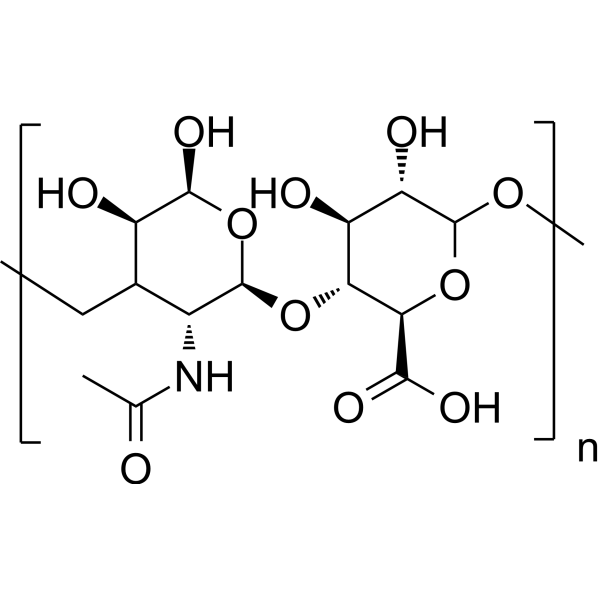
    Hyaluronic acid is a biopolymer composed of repeating units of disaccharides with various applications. Hyaluronic acid is a major component of the extracellular matrix (ECM). Hyaluronic acid is synthesized at the plasma membrane. Increased hyaluronic acid levels are associated with tumor cell growth, adhesion, migration, invasion and angiogenesis in digestive cancers. Hyaluronic acid participates in tissue remodeling and rapid cell proliferation in some physiological processes including embryonic morphogenesis and wound-healing. Hyaluronic acid activates the PI3K-Akt signaling. Hyaluronic acid acts as a regulator of cancer-associated lymphangiogenesis. Hyaluronic acid also enhances cell invasion and angiogenesis by promoting proteolytic MMP-9 binding to cell surface or stimulating MMP-9 binding to cell surface. Hyaluronic acid can be used as drug delivery for sodium butyrate to improve the anti-proliferative activity on breast cancer cell line. Hyaluronic acid can be studied in joint diseases, wound healing and cancer .
    Hyaluronic acid
  • HY-B0633
    Hyaluronic acid sodium
    15+ Cited Publications

    Sodium hyaluronate

    Endogenous Metabolite Bacterial PI3K Akt Inflammation/Immunology Cancer
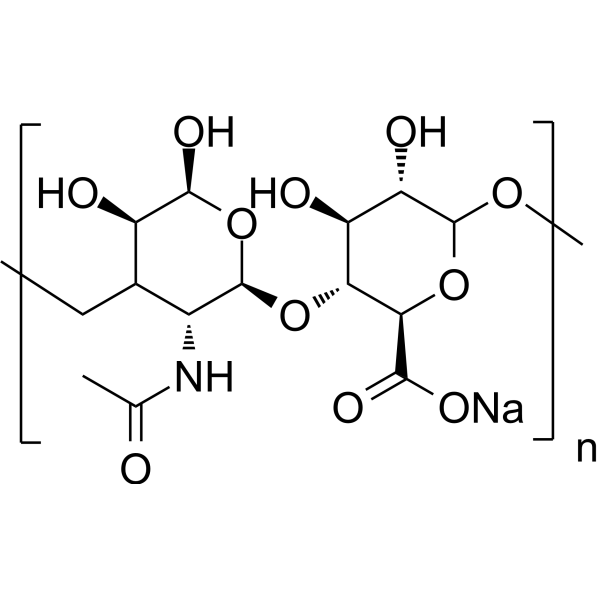
    Hyaluronic acid sodium (Sodium hyaluronate) is a biopolymer composed of repeating units of disaccharides with various applications. Hyaluronic acid sodium is a major component of the extracellular matrix (ECM). Hyaluronic acid sodium is synthesized at the plasma membrane. Increased hyaluronic acid sodium levels are associated with tumor cell growth, adhesion, migration, invasion and angiogenesis in digestive cancers. Hyaluronic acid sodium participates in tissue remodeling and rapid cell proliferation in some physiological processes including embryonic morphogenesis and wound-healing. Hyaluronic acid sodium activates the PI3K-Akt signaling. Hyaluronic acid sodium acts as a regulator of cancer-associated lymphangiogenesis. Hyaluronic acid sodium also enhances cell invasion and angiogenesis by promoting proteolytic MMP-9 binding to cell surface or stimulating MMP-9 binding to cell surface. Hyaluronic acid sodium can be used as drug delivery for sodium butyrate to improve the anti-proliferative activity on breast cancer cell line. Hyaluronic acid sodium can be studied in joint diseases, wound healing and cancer .
    Hyaluronic acid sodium
  • HY-108910
    Chymotrypsin
    2 Publications Verification

    EC 3.4.21.1; Chymotrypsin A

    Toll-like Receptor (TLR) NF-κB MMP Others Inflammation/Immunology
    Chymotrypsin (EC 3.4.21.1; Chymotrypsin A) is an orally effective inhibitor targeting molecules such as TLR4, NF-κB, MMP-1, TNF-α, IL-1β, and IL-6. Chymotrypsin downregulates the TLR4/NF-κB signaling pathway, inhibiting the release of inflammatory factors, reducing cell infiltration and tissue damage. It also reduces the expression of tumor cell adhesion molecules (such as CD44 and CD54) and can be specifically detected by fluorescent probes (such as NBD-3). Chymotrypsin has anti-inflammatory, hepatoprotective, joint damage-reducing, liver protection against lipotoxicity, and anti-tumor metastasis functions. It can be used in research on diseases such as rheumatoid arthritis, non-alcoholic fatty liver disease, and melanoma metastasis. Chymotrypsin can be used in studies of inflammation, edema, and expectoration .
    Chymotrypsin
  • HY-17591
    Penicillin G potassium
    Maximum Cited Publications
    25 Publications Verification

    Benzylpenicillin potassium

    Antibiotic Bacterial Infection
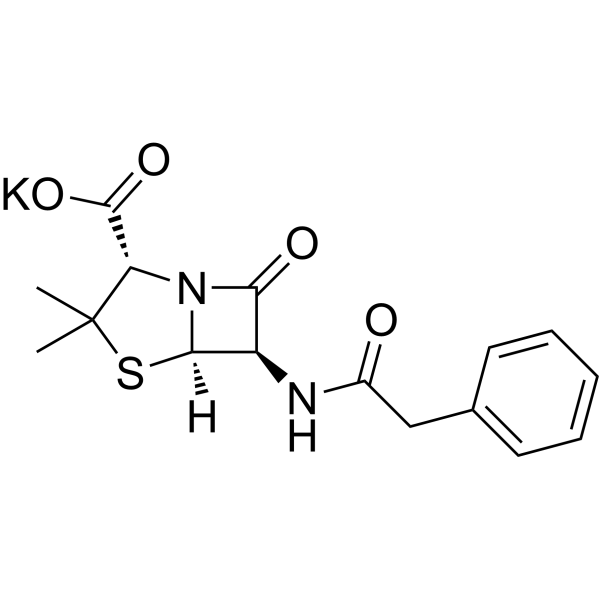
    Penicillin G potassium is a fast-acting penicillin family antibiotic. Penicillin G potassium can be used for the research of bacterial infections that affect the blood, heart, lungs, joints, and genital areas .
    Penicillin G potassium
  • HY-P10136
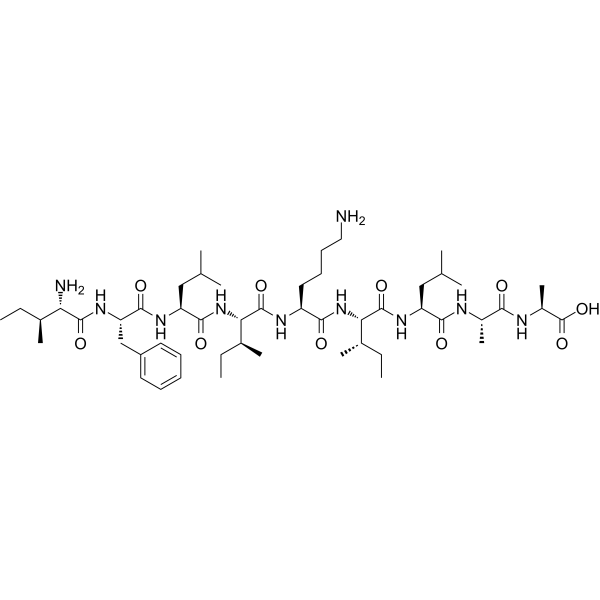
    IA9
    2 Publications Verification

    human TREM-2 182-190

    TREM receptor Inflammation/Immunology
    IA9 (human TREM-2 182-190) is a potent, CNS-penetrant TREM-2 inhibitor. IA9 can diminish the release of proinflammatory cytokines and suppress joint inflammation and damage in a Collagen (HY-P5003)-induced arthritis (CIA) mouse model. IA9 can be used for neuroinflammation PET imaging. IA9 can be used for Rheumatoid arthritis (RA) and neuroinflammation research .
    IA9
  • HY-B1456A
    Fenoprofen
    2 Publications Verification

    LILLY-53858

    COX Melanocortin Receptor ERK Inflammation/Immunology
    Fenoprofen (LILLY-53858) is a nonsteroidal anti-inflammatory agent (NSAID) and inhibits cyclooxygenase (COX). Fenoprofen is a melanocortin receptors (MCRs) positive allosteric modulator (PAM). Fenoprofen also increases ERK1/2 activation in HEK293T cells. Fenoprofen has anti-arthritic activities and can be used for the study of rheumatoid arthritis and osteoarthritis .
    Fenoprofen
  • HY-13681
    Methylprednisolone acetate
    1 Publications Verification

    Glucocorticoid Receptor Inflammation/Immunology
    Methylprednisolone acetate, a prednisolone derivative, is a corticosteroid?hormone. Methylprednisolone acetate can relieve pain and swelling that occurs with arthritis and other joint disorders in vivo .
    Methylprednisolone acetate
  • HY-114495
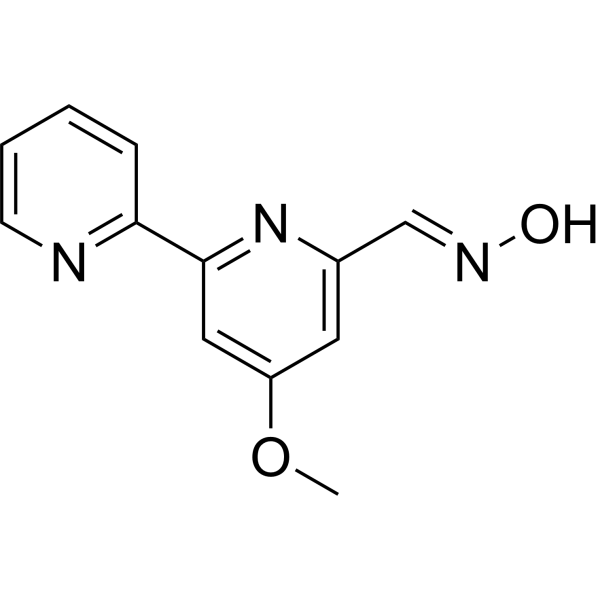
    Caerulomycin A
    3 Publications Verification

    Cerulomycin; Caerulomycin

    Fungal Antibiotic Infection Inflammation/Immunology
    Caerulomycin A is an orally active immunomodulator and antimicrobial agent. Caerulomycin A targets Smad3, STAT1 and GATA-3. Caerulomycin A downregulates GATA-3 expression, inhibits Th2 cell differentiation and Th2 cytokine production, reduces IgE levels, and alleviates pulmonary inflammatory responses and eosinophil infiltration. Caerulomycin A ameliorates collagen-induced arthritis symptoms, reduces joint inflammation and synovitis, and decreases the levels of proinflammatory cytokines in joints. Caerulomycin A inhibits the growth of some filamentous fungi, yeasts and specific bacteria. Caerulomycin A can be used in research related to arthritis and asthma .
    Caerulomycin A
  • HY-P991316

    DX-2400; DX-2410

    MMP NO Synthase Inflammation/Immunology Cancer
    KD014 (DX-2400) is a human monoclonal antibody that selectively targets MMP‑14. KD014 inhibits collagen degradation and regulates the polarization of macrophages toward an anti-inflammatory/anti-tumor phenotype. KD014 alleviates joint damage in rheumatoid arthritis and suppresses tumor growth and invasion. KD014 can be used in studies related to breast cancer and rheumatoid arthritis .
    KD014
  • HY-W003969

    Ascensil; 2-Amino-4-methylpyridine

    NO Synthase Inflammation/Immunology
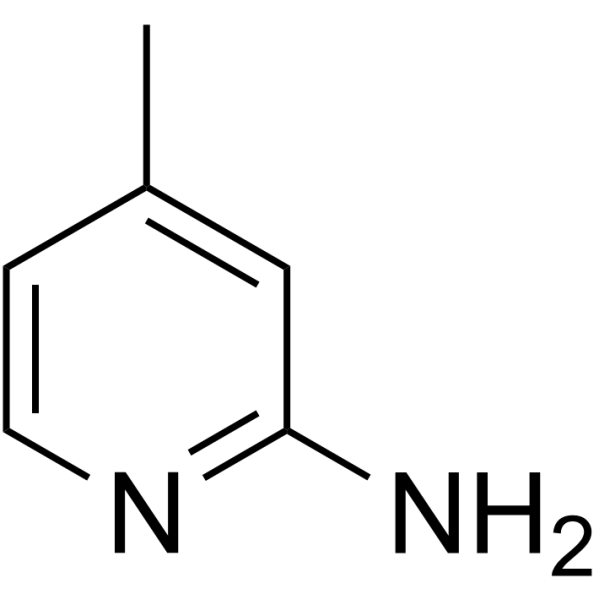
    Aminopicoline (Ascensil) is a potent and non-selective inhibitor of nitric oxide synthase (NOS) isoenzymes (iNOS, nNOS, eNOS). Aminopicoline competes with arginine at the substrate-binding site of nitric oxide synthase, reduces cellular nitric oxide production, inhibits the elevation of plasma nitrate, increases mean arterial pressure at high doses, and also serves as a basis for radiolabeled ligands to localize nitric oxide synthase binding sites. Aminopicoline can be used in the research of diseases associated with septic shock, joint inflammation, intestinal inflammation, and CNS inflammation .
    Aminopicoline
  • HY-114169
    WRG-28
    2 Publications Verification

    Discoidin Domain Receptor Inflammation/Immunology Cancer
    WRG-28 is a selective, extracellularly acting DDR2 allosteric inhibitor, with an IC50 of 230 nM. WRG-28 inhibits tumor invasion, migration and tumor-supporting effects of cancer-associated fibroblasts (CAFs). WRG-28 inhibits metastatic breast tumor cell colonization in the lungs. WRG-28 also shows good activity of relieving rheumatoid arthritis in CAIA model of mice .
    WRG-28
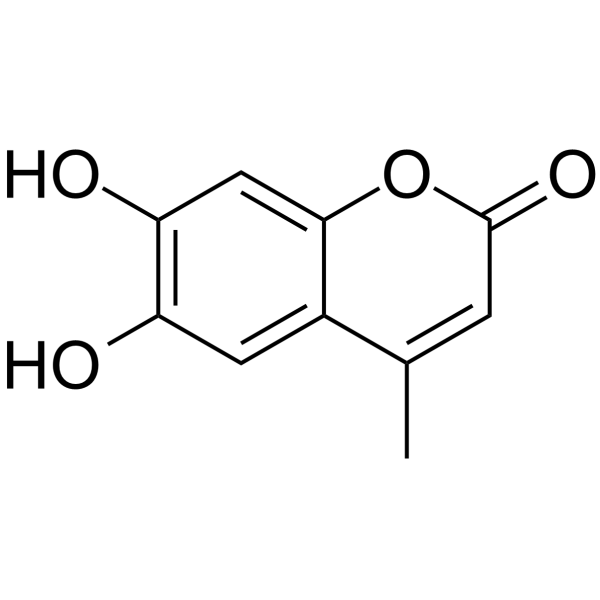
  • HY-N4288
    4-Methylesculetin
    3 Publications Verification

    Glutathione Peroxidase Cathepsin Phosphatase Inflammation/Immunology Cancer
    4-Methylesculetin is an orally active coumarin derivative, with potent anti-oxidant and anti-inflammatory activities. 4-Methylesculetin inhibits myeloperoxidase activity. 4-Methylesculetin protects bone resorption by reducing the elevated levels of bone-joint exoglycosidases, cathepsin-D and tartrate resistant acid phosphatases. 4-Methylesculetin ameliorats the upregulated non-enzymatic inflammatory markers like TNF-α, IL-1β, IL-6, COX-2 and PGE2, which is promising for research of inflammatory diseases .
    4-Methylesculetin
  • HY-N0723
    Neomangiferin
    1 Publications Verification

    Autophagy p38 MAPK TNF Receptor Interleukin Related PPAR Metabolic Disease Inflammation/Immunology
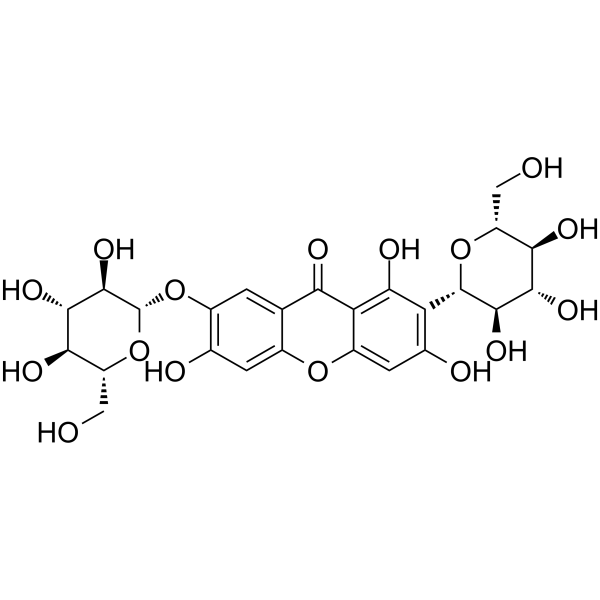
    Neomangiferin is an orally active natural flavonoid. Neomangiferin partially ameliorates non-alcoholic fatty liver disease (NAFLD) by regulating the expression of genes related to free fatty acid uptake and lipid oxidation. Neomangiferin exerts anti-colitis effects by inhibiting Th17/Treg cell differentiation. Neomangiferin exerts anti-aging and lifespan-extending effects by targeting upregulation of bas-1, which in turn activates the autophagy, IIS and MAPK pathways. Neomangiferin has the potential to prevent aseptic loosening of prostheses after total joint arthroplasty due to its significant anti-inflammatory and osteoclastogenesis-inhibiting effects .
    Neomangiferin
  • HY-108910A
    Chymotrypsin (MS grade)
    2 Publications Verification

    EC 3.4.21.1 (MS grade); Chymotrypsin A (MS grade)

    Toll-like Receptor (TLR) NF-κB MMP Others Inflammation/Immunology
    Chymotrypsin (EC 3.4.21.1; Chymotrypsin A) (MS grade) is an orally effective inhibitor targeting molecules such as TLR4, NF-κB, MMP-1, TNF-α, IL-1β, and IL-6. Chymotrypsin (MS grade) downregulates the TLR4/NF-κB signaling pathway, inhibits the release of inflammatory factors, reduces cell infiltration and tissue damage, and also reduces the expression of tumor cell adhesion molecules (such as CD44 and CD54). It can also be specifically detected by fluorescent probes (such as NBD-3). Chymotrypsin (MS grade) has anti-inflammatory, hepatoprotective, joint damage-reducing, liver protection against lipotoxicity, and anti-tumor metastasis functions, and can be used in the research of diseases such as rheumatoid arthritis, non-alcoholic fatty liver disease, and melanoma metastasis. Chymotrypsin (MS grade) can be used in studies of inflammation, edema, and expectoration .
    Chymotrypsin (MS grade)
  • HY-U00103

    Drug Derivative Inflammation/Immunology
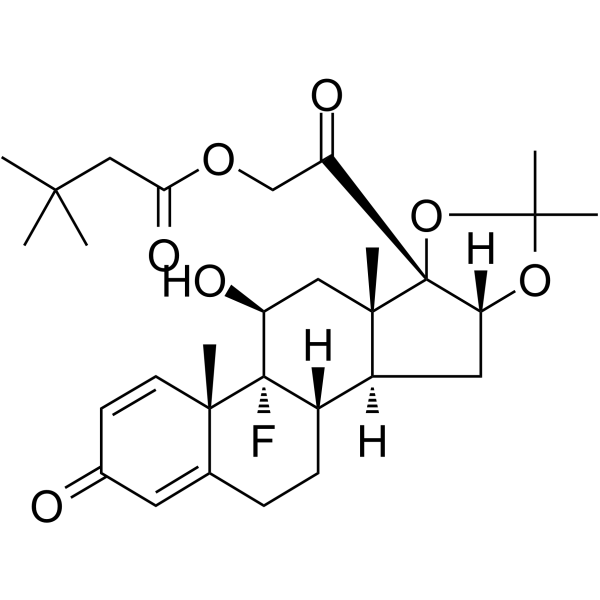
    Triamcinolone hexacetonide is a commonly used long-acting steroids in treatment of subacute and chronic inflammatory joint diseases.
    Triamcinolone hexacetonide
  • HY-N2016
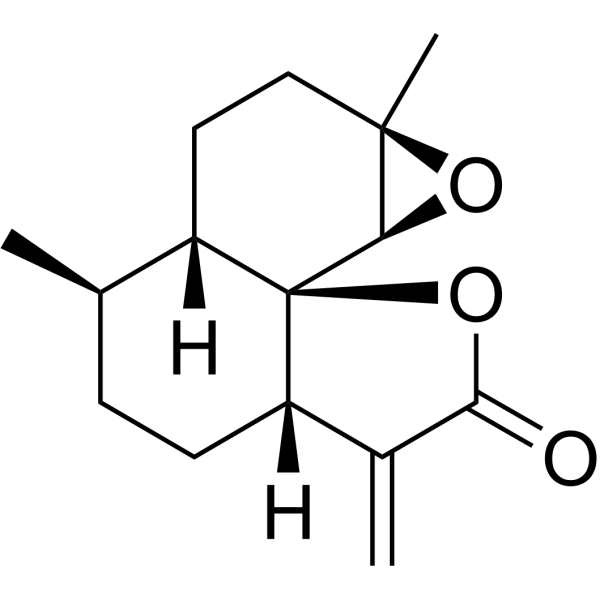
    Arteannuin B
    3 Publications Verification

    SARS-CoV Ferroptosis Infection
    Arteannuin B, No. 2000 can be jointly submitted with the blue material. Arteannuin B had anti-SARS-CoV-2 activity, EC50=10.28 μM .
    Arteannuin B
  • HY-B1695

    Nicotinic acid methyl ester

    Others Cardiovascular Disease Inflammation/Immunology
    Methyl nicotinate (Nicotinic acid methyl ester) is an orally active vasodilator. Methyl nicotinate has analgesic activity. Methyl nicotinate causes local skin erythema when applied topically to the skin. Methyl nicotinate is used as an active ingredient in over-the-counter topical preparations for the study of muscle and joint pain .
    Methyl nicotinate
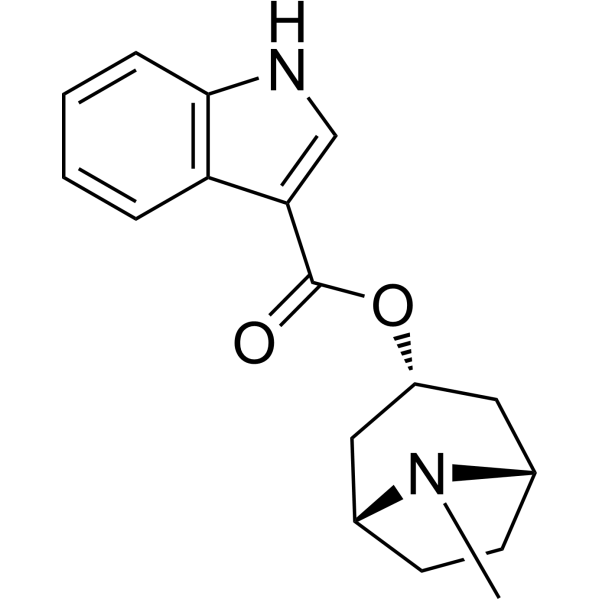
  • HY-B0072
    Tropisetron
    4 Publications Verification

    SDZ-ICS-930 free base

    5-HT Receptor nAChR p38 MAPK NF-κB AP-1 Nuclear Factor of activated T Cells (NFAT) JAK Neurological Disease Inflammation/Immunology Cancer
    Tropisetron is an orally active 5-HT3R antagonist (Ki = 5.3 nM) as well as being a potent and selective α7 nicotinic partial agonist (EC50 = 1.3 μM). Tropisetron prevents phosphorylation and activation of the p38 MAPK. Tropisetron inhibits both IL-2 gene transcription and IL-2 synthesis in stimulated T cells. Tropisetron inhibits the binding to DNA and the transcriptional activity of NFAT and AP-1. Tropisetron is anti-inflammatory and antiemetic. Tropisetron has antitumor and neuroprotective effects. Tropisetron can be studied in research for diseases including hemorrhagic cystitis, chronic joint inflammation, lung cancer and chronic cerebral hypoperfusion .
    Tropisetron
  • HY-144012

    16:0 PEG2000 PE ammonium; 1,2-Dipalmitoyl-sn-glycero-3-phosphoethanolamine-N-[methoxy(polyethylene glycol)-2000] ammonium

    Liposome Others
    DPPE-PEG2000 ammonium (16:0 PEG5000 PE) is a polymer-lipid conjugate and LipoParticle stabilizer with a PEG chain of 5,000 g/mol molecular weight attached to its polar head, and it can be internalized by biological membranes. DPPE-PEG2000 ammonium enables LipoParticle to maintain colloidal stability after 20-fold dilution in PBS or cell culture medium, and prevents aggregate formation during lyophilization and rehydration. DPPE-PEG2000 ammonium helps enhance the non-cytotoxic property of LipoParticle formulations against human osteoblasts. DPPE-PEG2000 ammonium serves as a PEG lipid functional end group for synthesizing liposomes (LPs), is used in the design of conjugated polymer nanoparticles, and applies to research related to bone and joint infections .
    DPPE-PEG2000 ammonium
  • HY-B0633I

    Endogenous Metabolite Bacterial PI3K Akt Inflammation/Immunology Cancer
    Hyaluronic acid sodium (MW 800kDa) is a biopolymer composed of repeating units of disaccharides with various applications. Hyaluronic acid sodium is a major component of the extracellular matrix (ECM). Hyaluronic acid sodium is synthesized at the plasma membrane. Increased hyaluronic acid sodium levels are associated with tumor cell growth, adhesion, migration, invasion and angiogenesis in digestive cancers. Hyaluronic acid sodium participates in tissue remodeling and rapid cell proliferation in some physiological processes including embryonic morphogenesis and wound-healing. Hyaluronic acid sodium activates the PI3K-Akt signaling. Hyaluronic acid sodium acts as a regulator of cancer-associated lymphangiogenesis. Hyaluronic acid sodium also enhances cell invasion and angiogenesis by promoting proteolytic MMP-9 binding to cell surface or stimulating MMP-9 binding to cell surface. Hyaluronic acid sodium can be used as drug delivery for sodium butyrate to improve the anti-proliferative activity on breast cancer cell line. Hyaluronic acid sodium can be studied in joint diseases, wound healing and cancer .
    Hyaluronic acid sodium (MW 800kDa)
  • HY-144012H

    16:0 PEG5000 PE; 1,2-Dipalmitoyl-sn-glycero-3-phosphoethanolamine-N-[methoxy(polyethylene glycol)-5000] ammonium

    Liposome Others
    DPPE-PEG5000 (16:0 PEG5000 PE) is a polymer-lipid conjugate and LipoParticle stabilizer with a PEG chain of 5,000 g/mol molecular weight attached to its polar head, and it can be internalized by biological membranes. DPPE-PEG5000 enables LipoParticle to maintain colloidal stability after 20-fold dilution in PBS or cell culture medium, and prevents aggregate formation during lyophilization and rehydration. DPPE-PEG5000 helps enhance the non-cytotoxic property of LipoParticle formulations against human osteoblasts. DPPE-PEG5000 serves as a PEG lipid functional end group for synthesizing liposomes (LPs), is used in the design of conjugated polymer nanoparticles, and applies to research related to bone and joint infections .
    DPPE-PEG5000
  • HY-120012
    Mizacorat
    5+ Cited Publications

    AZD9567

    Glucocorticoid Receptor Inflammation/Immunology Endocrinology
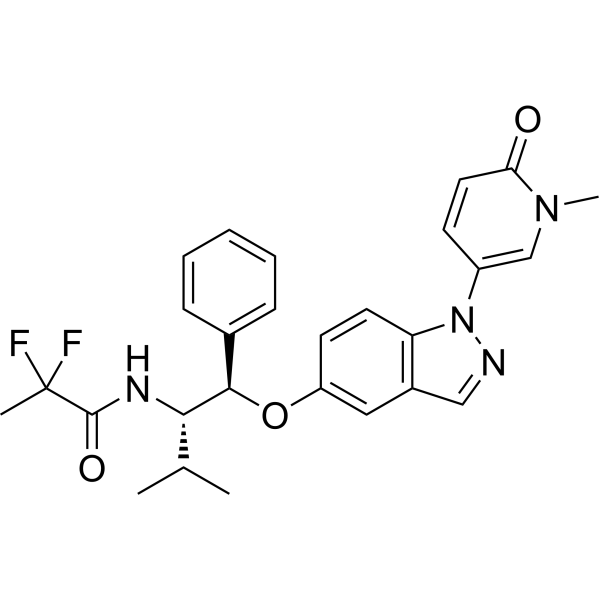
    Mizacorat (AZD9567; compound 15) is a potent, oral active, non-steroidal and selective glucocorticoid receptor modulator (SGRM), with an IC50 of 3.8 nM. Exhibits excellent efficacy in the streptococcal cell wall (SCW) reactivation model of joint inflammation .
    Mizacorat
  • HY-P10136A
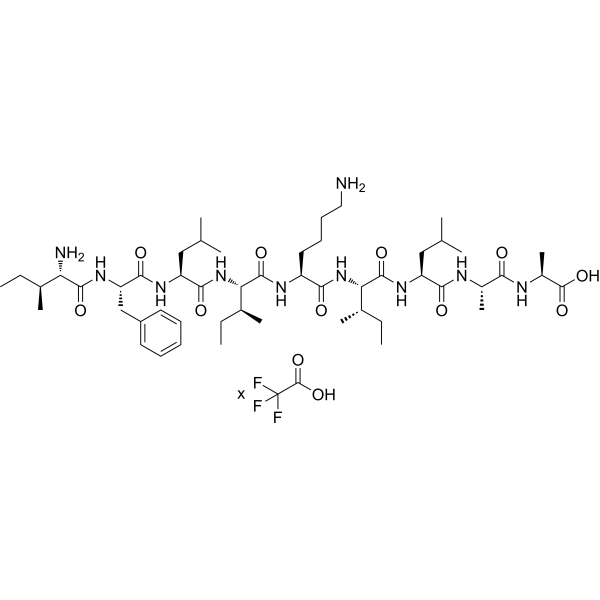
    IA9 TFA
    2 Publications Verification

    human TREM-2 182-190 TFA

    TREM receptor Inflammation/Immunology
    IA9 TFA (human TREM-2 182-190 TFA) is a potent, CNS-penetrant TREM-2 inhibitor. IA9 TFA can diminish the release of proinflammatory cytokines and suppress joint inflammation and damage in a Collagen (HY-P5003)-induced arthritis (CIA) mouse model. IA9 TFA can be used for neuroinflammation PET imaging. IA9 TFA can be used for Rheumatoid arthritis (RA) and neuroinflammation research .
    IA9 TFA
  • HY-160822

    PF-5212371

    ADAMTS MMP Inflammation/Immunology
    AGG-523 (PF-5212371) is an orally active, reversible, non-hydroxamate, zinc-binding selective inhibitor of ADAMTS4 and ADAMTS5 with IC50 of <0.03 and 0.04 μM. AGG-523 also inhibits MMP-2, -8, 12 activity AGG-523 attenuates release of aggrecanase-generated ARG-aggrecan fragments into synovial fluid, reduces surgery-induced ARG-aggrecan release in rat joint models, and inhibits aggrecanase activity to slow cartilage degradation. AGG-523 can be used for the research of osteoarthritis .
    AGG-523
  • HY-137341

    PROTACs YTHDF Cancer
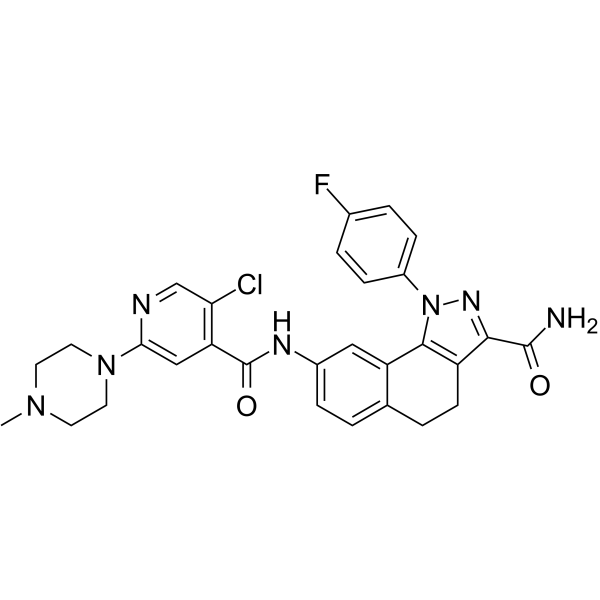
    SK-3-91 is a PROTAC-type multi-kinase degrader that can jointly induce the degradation of the largest number of unique kinases (more than 125 unique kinases). SK-3-91 induces protein degradation through the ubiquitin biotinylation (E-STUB) pathway. SK-3-91 degrades YTHDF2. SK-3-91 inhibits cell proliferation and induces morphological changes. (Pink: TAE648 ligand (HY-169396); Blue: E3 ligase ligand (HY-131717); Black: Linker (HY-140819). The E3 ligase ligand and linker can form a conjugate (HY-169397)) .
    SK-3-91
  • HY-B1173
    (+)-Camphor
    1 Publications Verification

    D-(+)-Camphor; (1R)-(+)-Camphor

    Environmental Pollutants Bacterial Neurological Disease Inflammation/Immunology Cancer
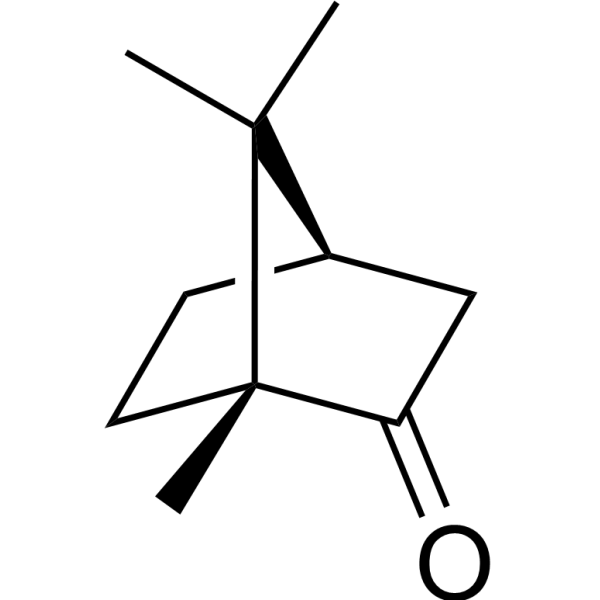
    (+)-Camphor (D-(+)-Camphor; (1R)-(+)-Camphor) is an isomer of Camphor. Camphor is an agonist of monoterpenoid transient receptor potential (TRP) channels (such as TRPV1, TRPV3, TRPM8) and an inhibitor of TRPA1 channels. Camphor's derivatives have multiple biological activities, including antibacterial, antiviral, antioxidant, analgesic and anticancer. Camphor can selectively activate cold-sensitive TRP channels and inhibit TRPA1-mediated nociceptive signals. Camphor stimulates the cold-sensing nerve endings in the skin and regulates the activity of ion channels to exert analgesic, anti-inflammatory and anti-itching effects. It also has anti-proliferative and anti-mutagenic activities on tumor cells, which may be related to inhibiting ribosome function or inducing cell apoptosis. Camphor can be absorbed through the skin and (+)-Camphor can be used in the study of muscle and joint pain and inflammation .
    (+)-Camphor
  • HY-169949

    MAP3K NF-κB MMP Leukotriene Receptor Inflammation/Immunology
    TAK-756 is a selective transforming growth factor β-activated kinase 1 (TAK1) inhibitor with a target pIC50 of 8.6. TAK-756 can inhibit TAK1 autophosphorylation and downstream NF-κB phosphorylation, suppress the production of inflammatory and catabolic factors such as MMP-3 and IL-6. TAK-756 exhibits anti-inflammatory effects in a rat joint inflammation model. TAK-756 can be used for the research of inflammatory joint disease, osteoarthritis .
    TAK-756
  • HY-107939

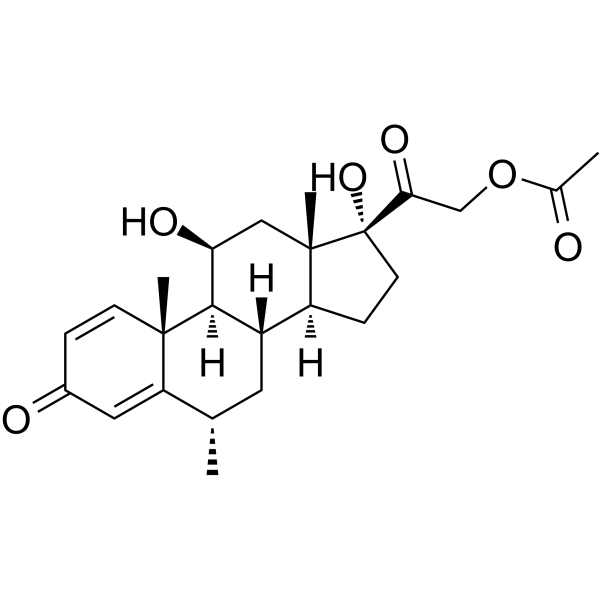
    Glucocorticoid Receptor Cytochrome P450 Neurological Disease Metabolic Disease Inflammation/Immunology
    Paramethasone Acetate is an orally active long-acting glucocorticoid. Paramethasone Acetate directly inhibits testicular aromatase, thereby reducing the synthesis of estradiol. Paramethasone Acetate suppresses the basal and midcycle luteinizing hormone surges in female animals and blocks estrogen synthesis. Paramethasone Acetate also decreases circulating levels of dihydrotestosterone, androstenedione and estradiol in male animals. Paramethasone Acetate inhibits cartilage degeneration and alleviates joint pathological damage in osteoarthritis models. Paramethasone Acetate can be used in research related to osteoarthritis and endocrinology .
    Paramethasone Acetate
  • HY-142026

    (+)-Vitisin A

    Caspase ERK NF-κB Influenza Virus PAK LDLR PPAR PCSK9 Androgen Receptor Keap1-Nrf2 Monoamine Oxidase Cholinesterase (ChE) IKK Wnt β-catenin Reactive Oxygen Species (ROS) Apoptosis Cuproptosis Infection Neurological Disease Metabolic Disease Inflammation/Immunology Cancer
    Vitisin A ((+)-Vitisin A) is an orally active natural product with multiple pharmacological activities including anti-inflammatory, anti-tumor, anti-oxidant, anti-pathogenic microorganism, hypoglycemic and lipid-regulating, anti-osteoporotic, neuroprotective and cardiovascular protective effects. Vitisin A exhibits inhibitory effects on human AChE and MAO-B with IC50 values of 1.29 µM and 4.94 µM, respectively. Vitisin A inhibits the ERK, MAPK, NF-κB, STAT1, HMGCR and TRAF6 pathways, downregulates the related phosphorylation and protein expression, while activates the Nrf2/HO-1 pathway and upregulates p21 expression. Vitisin A induces tumor cell apoptosis and cell cycle arrest, inhibits adipogenesis and lipid accumulation, while alleviates oxidative stress, suppresses inflammatory responses, blocks hepatic fibrosis, Cuproptosis and cholesterol synthesis, and increases the expression levels of central BDNF and TrkB. Vitisin A can be used in the research of tumors, infectious diseases, metabolic diseases, bone and joint diseases, liver diseases, skin injuries, as well as neurodegenerative and cognitive dysfunction-related diseases .
    Vitisin A
  • HY-N9794

    Others Inflammation/Immunology
    Isoboldine is a pyridine alkaloid. Isoboldine effectively alleviates inflammation and joint destruction in collagen-induced arthritis in mice .
    Isoboldine
  • HY-17591S

    Benzylpenicillin-d5 potassium

    Isotope-Labeled Compounds Bacterial Antibiotic Infection
    Penicillin G-d5 (potassium) is the deuterium labeled Penicillin G potassium. Penicillin G potassium is a fast-acting antibiotic; used to treat bacterial infections that affect the blood, heart, lungs, joints, and genital areas .
    Penicillin G-d5 potassium
  • HY-10794
    MF498
    1 Publications Verification

    Prostaglandin Receptor Metabolic Disease Inflammation/Immunology Cancer
    MF498 is a selective and orally active E prostanoid Receptor 4 (EP4) antagonist with a Ki value of 0.7 nM. MF498 can be used in the research of inflammation, such as rheumatoid and osteoarthritis .
    MF498
  • HY-119447

    COX Inflammation/Immunology
    Mavacoxib is a selective, oral long-acting cyclooxygenase-2 (COX-2) inhibitor and a long-acting non-steroidal anti-inflammatory drug (NSAID). Mavacoxib is used to treat pain and inflammation associated with degenerative joint disease in dogs .
    Mavacoxib
  • HY-107565

    Histamine Receptor Inflammation/Immunology
    2-Pyridylethylamine is a histamine-1 (H1R) receptor agonist. 2-Pyridylethylamine can reduce the joint injury induced by formalin in rats. 2-Pyridylethylamine can be used to study the spinal cord release of neuropeptide (NPY) .
    2-Pyridylethylamine hydrochloride
  • HY-17591R
    Penicillin G potassium (Standard)
    1 Publications Verification

    Benzylpenicillin potassium (Standard)

    Reference Standards Antibiotic Bacterial Infection
    Penicillin G (potassium) (Standard) is the analytical standard of Penicillin G (potassium). This product is intended for research and analytical applications. Penicillin G potassium is a fast-acting penicillin family antibiotic. Penicillin G potassium can be used for the research of bacterial infections that affect the blood, heart, lungs, joints, and genital areas .
    Penicillin G potassium (Standard)
  • HY-W440408

    Polyester short-cut fiber

    Environmental Pollutants Biochemical Assay Reagents Others
    Poly(oxyethyleneoxyterephthaloyl) is a commonly used waterproof polymer material. Poly(oxyethyleneoxyterephthaloyl) can be used in textile, electrical and other fields .
    Poly(oxyethyleneoxyterephthaloyl)
  • HY-117694

    CGRP Receptor Neurological Disease Inflammation/Immunology
    MK-8825 is an orally active, selective CGRP receptor antagonist with a Ki value of 47 pM for human CGRP receptors and 17 nM for rat CGRP receptors. MK-8825 blocks CGRP-stimulated cAMP responses and exhibits competitive-like antagonism. MK-8825 can be used in the research of migraine and temporomandibular joint disorders .
    MK-8825
  • HY-177435

    FAP Inflammation/Immunology
    FAPI-800CW is a near-infrared (NIR) fluorescent-labeled fibroblast activation protein (FAP) inhibitor. FAPI-800CW shows specific uptake in inflamed paws in collagen-induced arthritis (CIA) model mice. FAPI-800CW can be used for in vivo molecular imaging of FAP expression in inflammatory diseases such as rheumatoid arthritis (RA) to monitor joint inflammation and disease activity .
    FAPI-800CW
  • HY-B1079

    Drug Intermediate Inflammation/Immunology
    Suxibuzone is a compound used for the study of joint and muscle pain, and it is a prodrug of the non-steroidal anti-inflammatory drug Phenylbutazone.
    Suxibuzone
  • HY-128221

    SGK Inflammation/Immunology
    SGK1-IN-5 (Compound 1) is an inhibitor for serum and glucocorticoid regulated kinase SGK 1 with an IC50 of 3 nM. SGK1-IN-5 inhibits SGK-1 dependent phosphorylation of GSK3β in U2OS cells with an IC50 of 1.4 μM. SGK1-IN-5 can be used in research about osteoarthritis or rheumatism .
    SGK1-IN-5
  • HY-B1695S

    Isotope-Labeled Compounds Inflammation/Immunology
    Methyl nicotinate-d4 is the deuterium labeled Methyl nicotinate . Methyl nicotinate, the methyl ester of Niacin found in alcoholic beverages, that is used as an active ingredient as a rubefacient in over-the-counter topical preparations indicated for muscle and joint pain .
    Methyl nicotinate-d4
  • HY-B1695R

    Nicotinic acid methyl ester (Standard)

    Reference Standards Others Cardiovascular Disease Inflammation/Immunology
    Methyl nicotinate (Standard) is the analytical standard of Methyl nicotinate. This product is intended for research and analytical applications. Methyl nicotinate (Nicotinic acid methyl ester) is an orally active vasodilator. Methyl nicotinate has analgesic activity. Methyl nicotinate causes local skin erythema when applied topically to the skin. Methyl nicotinate is used as an active ingredient in over-the-counter topical preparations for the study of muscle and joint pain .
    Methyl nicotinate (Standard)
  • HY-19888

    P2X Receptor Interleukin Related Neurological Disease Inflammation/Immunology
    GSK-1482160 is an orally active and blood-brain barrier penetrant P2X7 receptor (P2X7R) negative allosteric modulator with pIC50s of 8.5 (human) and 6.5 (rat). GSK-1482160 reduces the efficacy of ATP at the P2X7 receptor without affecting its affinity, thereby inhibiting the release of IL-1β. GSK-1482160 is an effective radioligand and can be labeled with radioactive isotopes like 11C or 18F to image P2X7R. GSK-1482160 can be used for the studies of chronic joint pain and chronic constriction injury (CCI) .
    GSK-1482160
  • HY-P10364

    UBI(29-41)

    Bacterial Antibiotic Infection Inflammation/Immunology
    Ubiquicidin (29-41) (UBI (29-41)) is an Antimicrobial peptide and infection-localizing agent. Ubiquicidin (29-41) acts as an infection-specific imaging agent and infection-targeting agent. Ubiquicidin (29-41) serves as an antibiotic efficacy monitoring agent, and its aggregation level in infections induced by Staphylococcus aureus is higher than that in infections induced by Escherichia coli .
    Ubiquicidin(29-41)
  • HY-P99820

    NV-01

    TNF Receptor Inflammation/Immunology
    Ranevetmab (NV-01) is a caninised anti-NGF monoclonal antibody (mAb). Ranevetmab can alleviate pain, and is used for the research of degenerative joint disease (DJD) pain .
    Ranevetmab
  • HY-126252

    ROR Interleukin Related Inflammation/Immunology
    A-9758 is a RORγ ligand and a potent, selective RORγt inverse agonist (IC50=5 nM), and exhibits robust potency against IL-17A release. A-9758 is effective in suppressing both Th17 differentiation and Th17 effector function. A-9758 significantly attenuates IL-23 driven psoriasiform dermatitis and is effective in blocking skin and joint inflammation .
    A-9758
  • HY-P2642

    CXCR Inflammation/Immunology
    Peptide 78, a chemotactic cytokine, a 78 amino acid protein member of the IL-8 or C-X-C chemokine supergene family. ENA-78 plays an important role in the elicitation of predominantly neutrophils (PMNs) into the joints of rheumatoid arthritis (RA) .
    Peptide 78
  • HY-178465

    Prostaglandin Receptor Interleukin Related Neurological Disease Inflammation/Immunology
    EP4 receptor antagonist 8 is an orally active EP4 antagonist (human EP4 IC50 = 6.40 nM). EP4 receptor antagonist 8 significantly reduced paw and joint swelling, inflammatory cell infiltration, cartilage damage, pannus formation, and joint bone erosion in arthritis (AIA) mice in a dose-dependent manner. EP4 receptor antagonist 8 can be used for the study of inflammatory pain .
    EP4 receptor antagonist 8
  • HY-N1547

    Xanthine Oxidase Inflammation/Immunology
    Prudomestin, isolated from the heartwood of Prunus domestica, shows potent xanthine oxidase (XO) inhibitory activity (IC50≈6 µM) .
    Prudomestin
  • HY-N2016R

    Reference Standards SARS-CoV Ferroptosis Infection
    Arteannuin B, No. 2000 can be jointly submitted with the blue material. Arteannuin B had anti-SARS-CoV-2 activity, EC50=10.28 μM .
    Arteannuin B (Standard)

Inquiry Online

Your information is safe with us. * Required Fields.

Salutation


Country or Region *

Applicant Name *


Organization Name *

Department *


Email Address *


Product Name *

Cat. No.


Requested quantity *

Phone Number *


Remarks

Inquiry Online

Inquiry Information

Product Name:
Cat. No.:
Quantity:
MCE Japan Authorized Agent:

