

299 Results for "

lesion

" in MedChemExpress (MCE) Product Catalog:
Products (299)

299 Results for "lesion" in MCE Product Catalog:

143
143 Publications Verification
Cat. No.: HY-12008
CAS No.: 183319-69-9
Purity:  99.94%
Synonyms: CP-358774 hydrochloride; NSC 718781 hydrochloride; OSI-774 hydrochloride
Target:  

EGFR OAT ERK GSK-3 β-catenin

Research Areas:  

Endocrinology Cancer

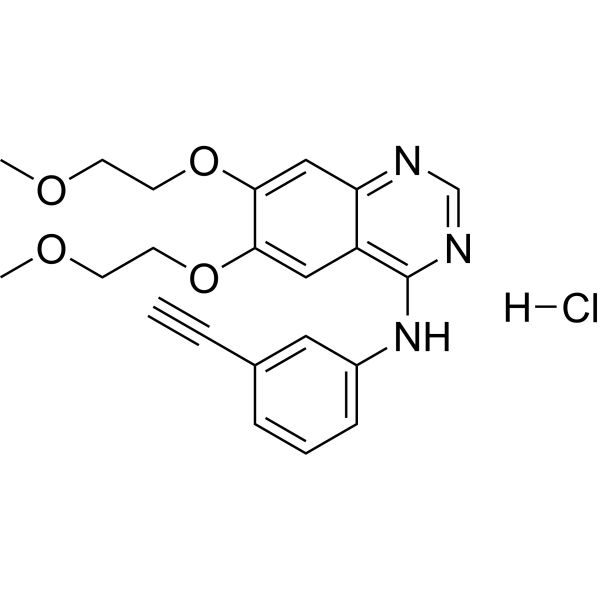
Erlotinib (CP-358774) Hydrochloride is a selective, orally active EGFR tyrosine kinase inhibitor. Erlotinib Hydrochloride also acts as a substrate and inhibitor of OATP2B1, with an IC50 of approximately 0.079 μM for inhibiting OATP2B1-mediated uptake of estrone 3-sulfate. Erlotinib Hydrochloride blocks EGFR phosphorylation, downstream signal transduction, as well as the growth and proliferation of cancer cells. Erlotinib Hydrochloride inhibits MMP-10-mediated renal injury, fibrotic lesions, the ERK1/2, GSK-3β and β-catenin signaling pathways, as well as the deposition of fibronectin, α-SMA, collagen and renal injury markers. Erlotinib Hydrochloride is metabolized via CYP3A to produce the active metabolite OSI-420. Erlotinib Hydrochloride can be used in research related to non-small cell lung cancer, gastric cancer, papillary renal cell carcinoma, EGFR inhibitor resistance and renal fibrosis .
loading...
    loading...
143
143 Publications Verification
Cat. No.: HY-50896
CAS No.: 183321-74-6
Synonyms: CP-358774; NSC 718781; OSI-774
Target:  

EGFR OAT ERK GSK-3 β-catenin

Research Areas:  

Endocrinology Cancer

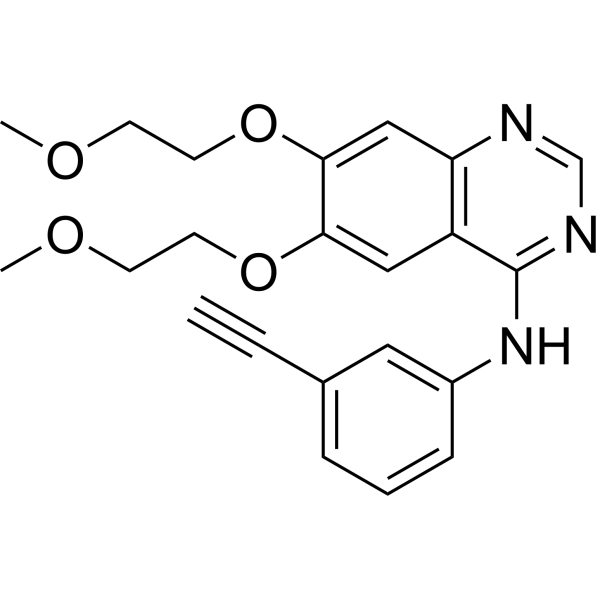
Erlotinib (CP-358774) is a selective, orally active EGFR tyrosine kinase inhibitor. Erlotinib also acts as a substrate and inhibitor of OATP2B1, with an IC50 of approximately 0.079 μM for inhibiting OATP2B1-mediated uptake of estrone 3-sulfate. Erlotinib blocks EGFR phosphorylation, downstream signal transduction, as well as the growth and proliferation of cancer cells. Erlotinib inhibits MMP-10-mediated renal injury, fibrotic lesions, the ERK1/2, GSK-3β and β-catenin signaling pathways, fibronectin, α-SMA, collagen deposition, and renal injury markers. Erlotinib is metabolized via CYP3A to produce the active metabolite OSI-420. Erlotinib can be used in research related to non-small cell lung cancer, gastric cancer, papillary renal cell carcinoma, pancreatic cancer, renal fibrosis, and other conditions .
loading...
    loading...
20
20 Cited Publications
Cat. No.: HY-W854659
CAS No.: 72984-36-2
Synonyms: Ce6 trisodium
Chlorin e6 Ce6 (trisodium) is a water-soluble derivative of chlorophyll, belonging to the chlorin class of photosensitizers with an absorption wavelength range of 600-670 nm. Chlorin e6 trisodium emits characteristic red fluorescence upon light excitation, enabling real-time identification of tumor boundaries and progression. Chlorin e6 trisodium can be used for the study of photodynamic therapy (PDT) of cancers (bladder cancer) and fluorescence diagnosis of neoplastic lesions .
loading...
    loading...
12
12 Cited Publications
Cat. No.: HY-D0714
CAS No.: 298-96-4
Synonyms: 2,3,5-Triphenyltetrazolium chloride; TPTZ; TTC
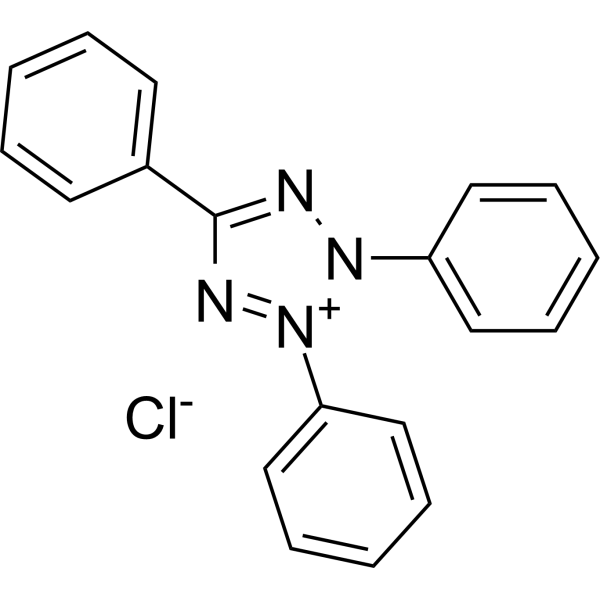
Tetrazolium Red (2,3,5-Triphenyltetrazolium chloride; TTC) is a not brain-penetrant, colorless, water-soluble dye that is reduced by mitochondrial enzymes to a deep red, water-insoluble compound (formazan) mainly in the mitochondria of living cells. Tetrazolium Red is used to observe the activity of dehydrogenase, and it turns colorless to red when exposed to hydrogen. Tetrazolium Red distinguishes between surviving and infarcted brain tissue after stroke. Tetrazolium Red has been used to stain heart tissue to measure the extent of acute lesions and also used to stain brain tissue to detect the size of the infarcted area. The absorption wavelength of Tetrazolium Red is 570 nm .
loading...
    loading...
11
11 Cited Publications
Cat. No.: HY-13535
CAS No.: 262438-43-7
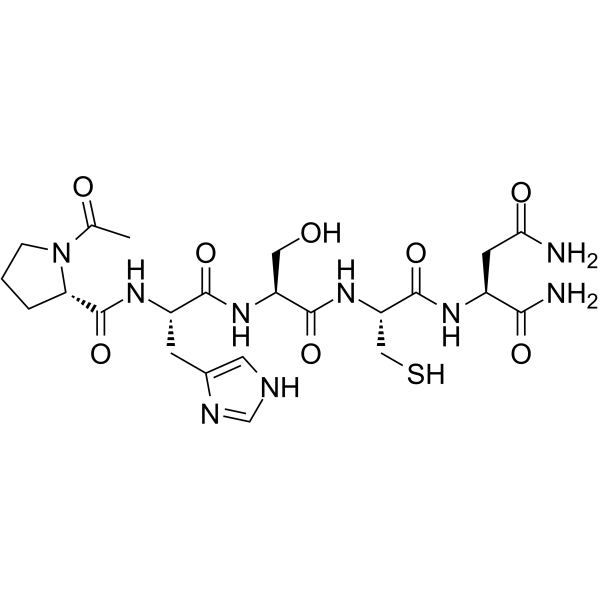
ATN-161 is an antagonist of α5β1 integrin and αvβ3 integrin, as well as an inhibitor of fibrosis, an inhibitor of oxidative stress, a tight junction stabilizer, a mitochondrial integrity protector, an angiogenesis inhibitor and an antiviral agent. ATN-161 inhibits NLRP3, MAPK, and ROS. ATN-161 protects mice from SARS-CoV-2 infection . ATN-161 reduces infarct volume, alleviates edema, decreases immune cell infiltration, reduces the area of choroidal neovascularization lesions, lowers tumor microvessel density and viral load. ATN-161 can be used in research related to ischemic stroke, choroidal neovascularization, breast cancer, coronavirus disease 2019 (COVID-19), and liver metastasis of colorectal cancer .
loading...
    loading...
9
9 Cited Publications
Cat. No.: HY-B1496
CAS No.: 13492-01-8
Synonyms: SKF 385 hemisulfate
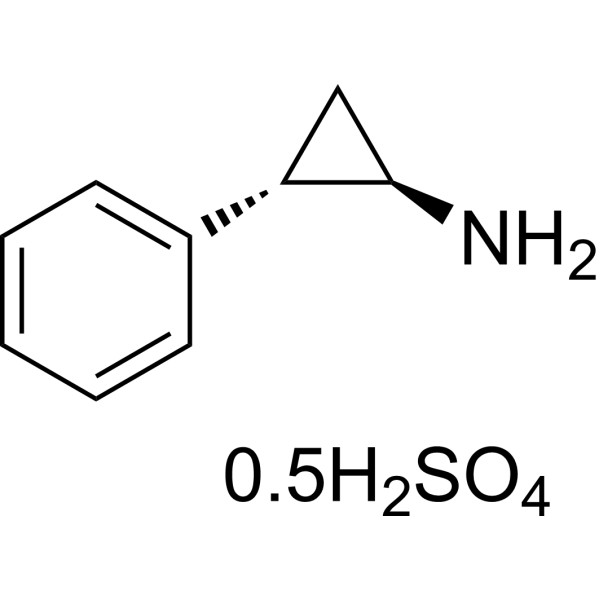
Tranylcypromine (SKF 385) hemisulfate is an irreversible, nonselective monoamine oxidase (MAO) inhibitor used in the treatment of depression. Tranylcypromine hemisulfate is also a lysine-specific demethylase 1 (LSD1) inhibitor, suppresses lesion growth and improves generalized hyperalgesia in mouse with induced endometriosis. Tranylcypromine has antidepressant effects .
loading...
    loading...
8
8 Cited Publications
Cat. No.: HY-13977A
CAS No.: 608512-97-6
Purity:  99.27%
Target:  

Apoptosis

Research Areas:  

Neurological Disease

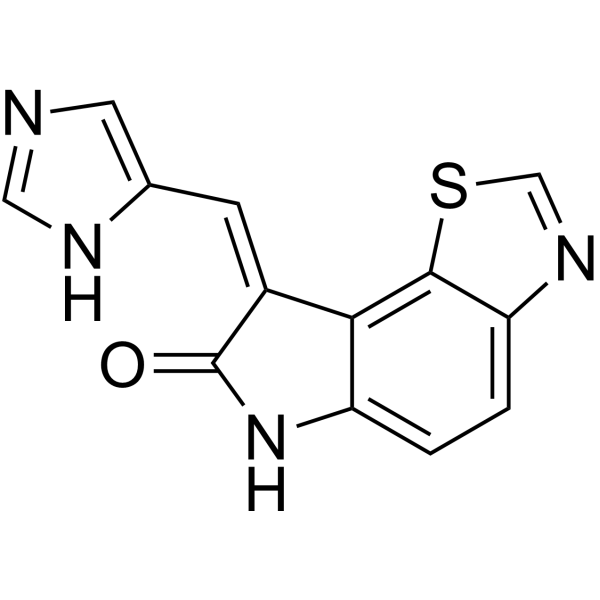
PKR-IN-C16 (Compound C16) is a specific double-stranded RNA-dependent protein kinase (PKR) inhibitor. PKR-IN-C16 shows promising neuroprotective properties and can rescue acute brain lesions .
loading...
    loading...
6
6 Cited Publications
Cat. No.: HY-B1745
CAS No.: 85-87-0
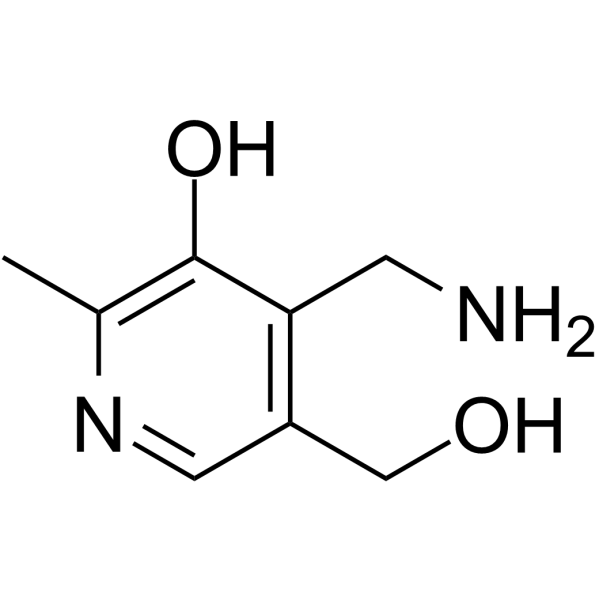
Pyridoxylamine is an advanced glycation end production (AGEs) and lipoxidation end products (ALEs) inhibitor, to protect against diabetes-induced retinal vascular lesions.
loading...
    loading...
6
6 Cited Publications
Cat. No.: HY-B1745A
CAS No.: 524-36-7
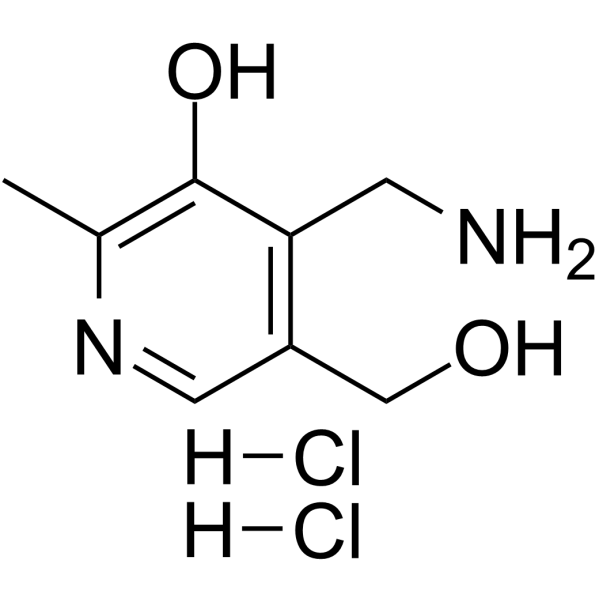
Pyridoxylamine dihydrochloride is an advanced glycation end production (AGEs) and lipoxidation end products (ALEs) inhibitor, to protect against diabetes-induced retinal vascular lesions .
loading...
    loading...
5
5 Cited Publications
Cat. No.: HY-N0351
CAS No.: 501-98-4
Synonyms: trans-4-Hydroxycinnamic acid
p-Coumaric acid (trans-4-Hydroxycinnamic acid) is an isomer of cinnamic acid with oral activity. p-Coumaric acid inhibits cell proliferation and promotes apoptosis. p-Coumaric acid has antibacterial, anti-inflammatory, antioxidant and anti-tumor activities .
loading...
    loading...
4
4 Cited Publications
Cat. No.: HY-150042
CAS No.: 2687970-96-1
Purity:  99.87%
TDI-011536 is a potent Lats kinase inhibitor, interrupts Hippo-Yap signaling and initiates the proliferation of lesioned heartmuscle cells. TDI-011536 can be used in studies of organ conservation and regeneration .
loading...
    loading...
4
4 Cited Publications
Cat. No.: HY-W011950
CAS No.: 52417-22-8
Target:  

DNA/RNA Synthesis

Research Areas:  

Others

Acridin-9-amine (9-Aminoacridine) hydrochloride hydrate is a mutagen and DNA modifier. Acridin-9-amine hydrochloride hydrate induces mutagenic lesions during DNA replication .
loading...
    loading...
4
4 Cited Publications
Cat. No.: HY-D0220
CAS No.: 92-31-9
Synonyms: Toluidine Blue O
Target:  

Fluorescent Dye

Research Areas:  

Cancer

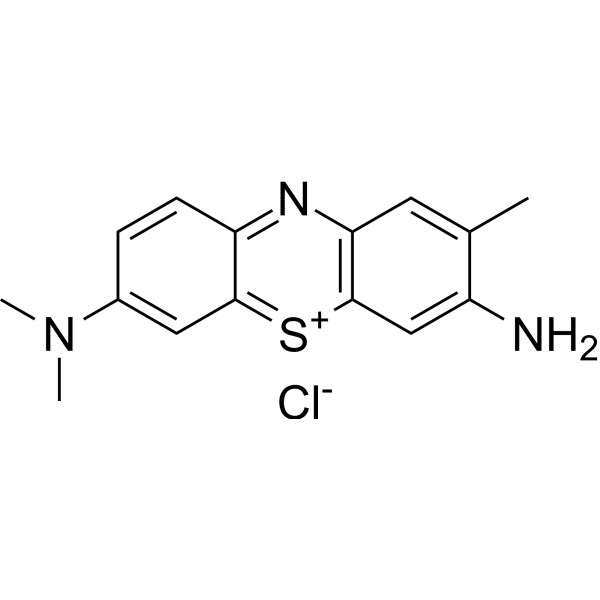
Toluidine Blue (Toluidine Blue O) is an alkaline quinonimine dye (vivo dye) with high affinity for acidic tissue components, staining nuclei blue and polysaccharides purple. Toluidine Blue shows heterostaining properties for mast cells, mucins and chondrocytes. Toluidine Blue can stain different components of plant tissues and cells in different colours. Toluidine Blue is also used as a diagnostic aid to identify malignant lesions, such as cancer .
loading...
    loading...
4
4 Cited Publications
Cat. No.: HY-D0220A
Synonyms: Toluidine Blue O (purity 36%)
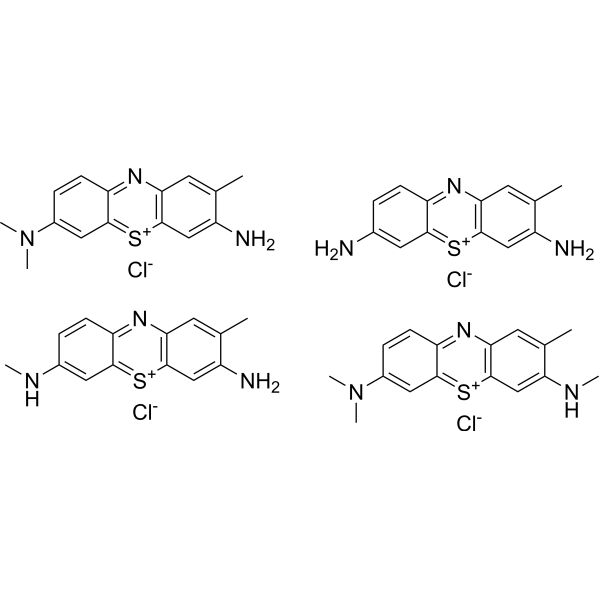
Toluidine Blue (Toluidine Blue O) purity 36% is an alkaline quinonimine dye (vivo dye) with high affinity for acidic tissue components, staining nuclei blue and polysaccharides purple. Toluidine Blue purity 36% shows heterostaining properties for mast cells, mucins and chondrocytes. Toluidine Blue purity 36% can stain different components of plant tissues and cells in different colours. Toluidine Blue purity 36% is also used as a diagnostic aid to identify malignant lesions, such as cancer .
loading...
    loading...
3
3 Cited Publications
Cat. No.: HY-125850
CAS No.: 15401-69-1
Purity:  99.28%
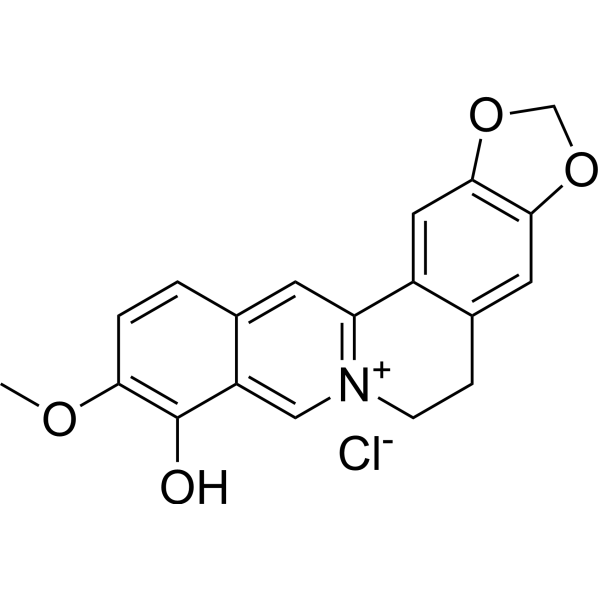
Berberrubine chloride is an orally active metabolite of berberine. Berberrubine chloride alleviates mucosal lesions and inflammation in mouse colitis models. Berberrubine chloride has anti-inflammatory, anti-tumor, and antiviral activities .
loading...
    loading...
3
3 Cited Publications
Cat. No.: HY-163731
CAS No.: 3077196-25-6
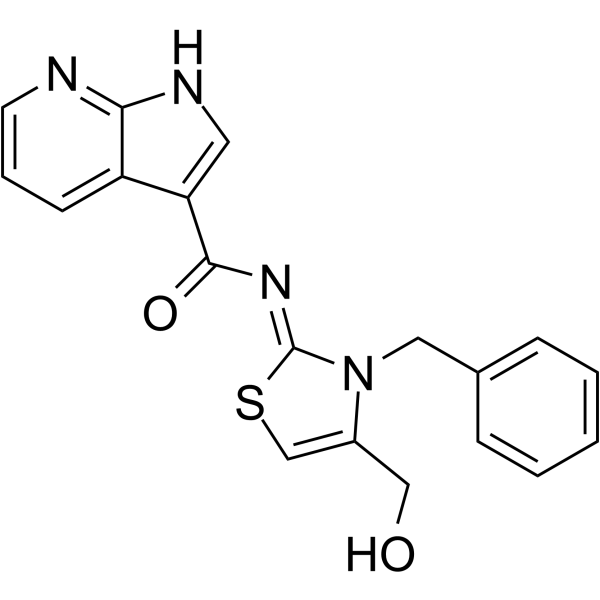
EGR-1-IN-1 is a EGR-1 inhibitor with an IC50 of 1.86 μM. EGR-1-IN-1 binds to the zinc finger DNA-binding domain of EGR-1 and promotes the dissociation of the EGR-1-DNA complex. EGR-1-IN-1 reduces the mRNA expression levels of EGR-1-regulated inflammatory genes induced by TNFα. EGR-1-IN-1 alleviates atopic dermatitis-like lesions in the ear skin of mice. EGR-1-IN-1 serves as a lead compound for the development of targeted compounds for inflammatory skin diseases. EGR-1-IN-1 can be used in studies related to atopic dermatitis .
loading...
    loading...
3
3 Cited Publications
Cat. No.: HY-B0337
CAS No.: 122-11-2
Synonyms: Sulphadimethoxine
Target:  

Bacterial Antibiotic

Research Areas:  

Infection

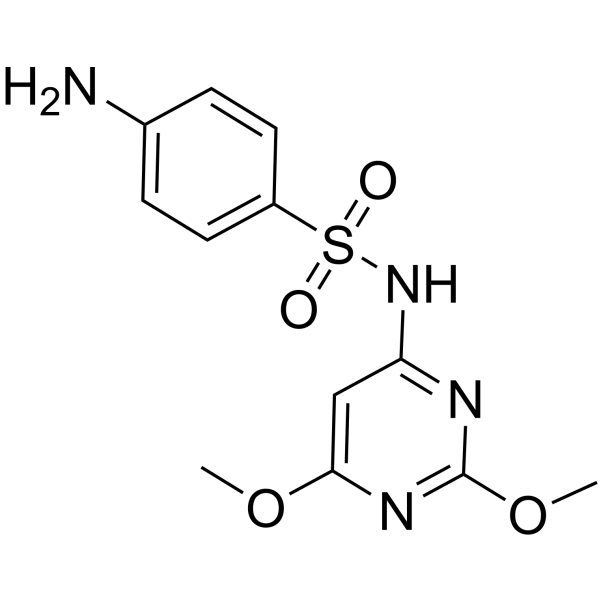
Sulfadimethoxine (Sulphadimethoxine) is an orally active sulfonamide antibiotic. Sulfadimethoxine reduces Eimeria-related mortality, weight loss, and lesions. Sulfadimethoxine can be used for the research of avian coccidiosis .
loading...
    loading...
3
3 Cited Publications
Cat. No.: HY-18664
CAS No.: 900305-37-5
Research Areas:  

Cancer

PFI-4 (compound 11), a chemical probe, is a potent and highly selective BRPF1 Bromodomain (BRPF1B) inhibitor, with an IC50 of 172 nM. PFI-4 can be used to explore the functional mechanisms of the HBO1/BRPF1 complex and to study bone loss and osteolytic malignant bone lesions .
loading...
    loading...
3
3 Cited Publications
Cat. No.: HY-B0337A
CAS No.: 1037-50-9
Synonyms: Sulphadimethoxine sodium
Target:  

Bacterial Antibiotic

Research Areas:  

Infection

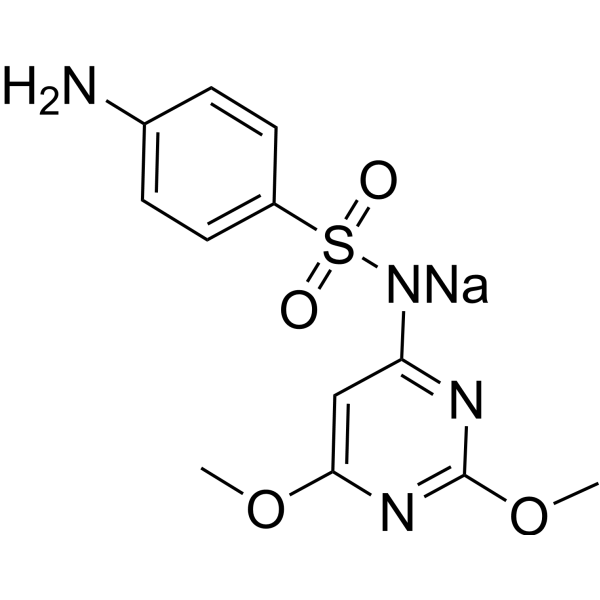
Sulfadimethoxine (Sulphadimethoxine) sodium is an orally active sulfonamide antibiotic. Sulfadimethoxine sodium reduces Eimeria-related mortality, weight loss, and lesions. Sulfadimethoxine sodium can be used for the research of avian coccidiosis .
loading...
    loading...
3
3 Cited Publications
Cat. No.: HY-19900
CAS No.: 1252679-52-9
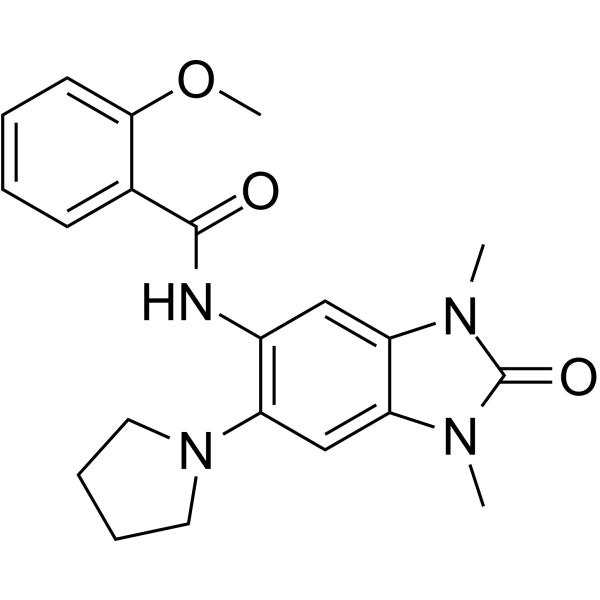
ITX5061 is an orally active type II non-competitive p38 MAPK inhibitor. ITX5061 increases HDL-C levels by inhibiting SR-BI activity. ITX5061 also moderately elevates ApoA-I levels. ITX5061 reduces early atherosclerotic lesions in the aortic arch of mice fed an atherogenic diet. ITX5061 can be used in the research of atherosclerosis .
loading...
    loading...

