1. Search Result
Search Result
Results for "

licorice

" in MedChemExpress (MCE) Product Catalog:

40

Inhibitors & Agonists

1

Screening Libraries

35

Natural
Products

Cat. No. Product Name Target Research Areas Chemical Structure
  • HY-N0765
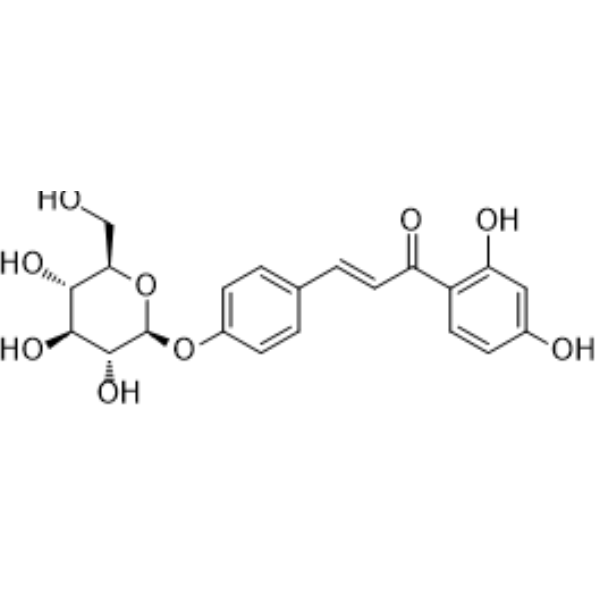
    Isoliquiritin
    2 Publications Verification

    Fungal Infection Neurological Disease Inflammation/Immunology
    Isoliquiritin, isolated from Licorice Root, inhibits angiogenesis and tube formation. Isoliquiritin also exhibits antidepressant-like, anti-oxidative, anti-Inflammatory effects and antifungal activity .
    Isoliquiritin
  • HY-N4193
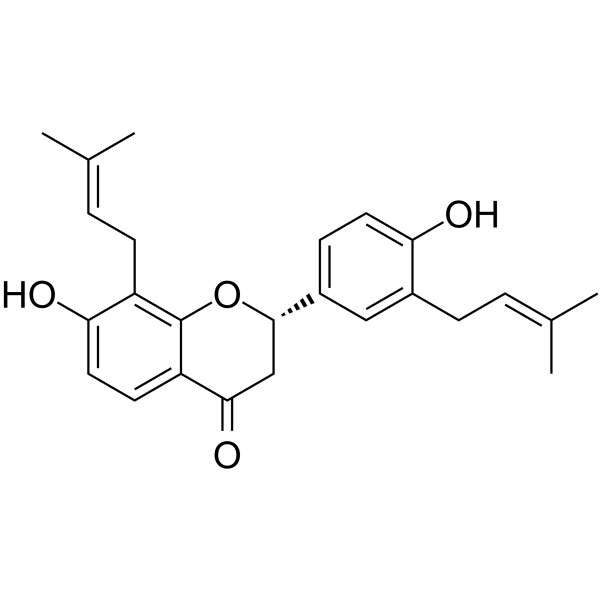
    Glabrol
    3 Publications Verification

    Acyltransferase Cardiovascular Disease
    Glabrol (Compound 1), One isoprenyl flavonoid was isolated from ethanol extract of licorice roots, is a potent and non-competitive Acyl-coenzyme A: cholesterol acyltransferase (ACAT) inhibitor with an IC50 value of 24.6 μM for rat liver microsomal ACAT activity .
    Glabrol
  • HY-N7056
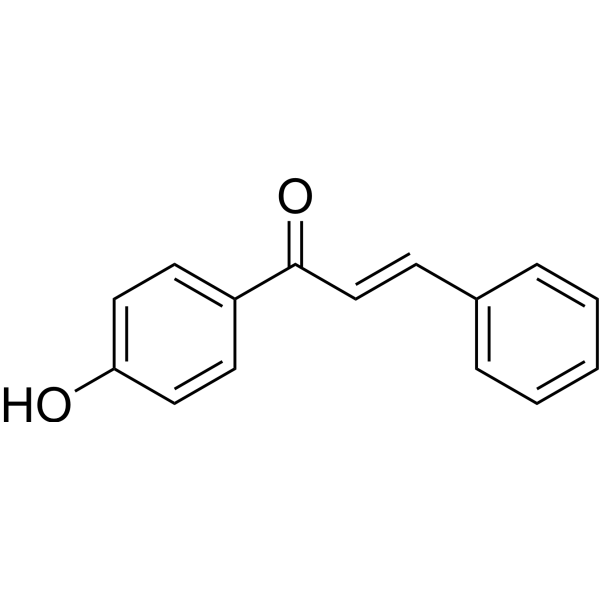
    4'-Hydroxychalcone
    3 Publications Verification

    Oxidative Phosphorylation Proteasome Inflammation/Immunology Cancer
    4'-Hydroxychalcone is a chalcone isolated from licorice root, with hepatoprotective activity. 4'-Hydroxychalcone inhibits TNFα-induced NF-κB activation via proteasome inhibition. 4'-Hydroxychalcone induces a rapid potassium release from mitochondrial vesicles and causes deterioration of respiratory control and oxidative phosphorylation of isolated rat liver mitochondria .
    4'-Hydroxychalcone
  • HY-N4113

    Keap1-Nrf2 AMPK Cancer
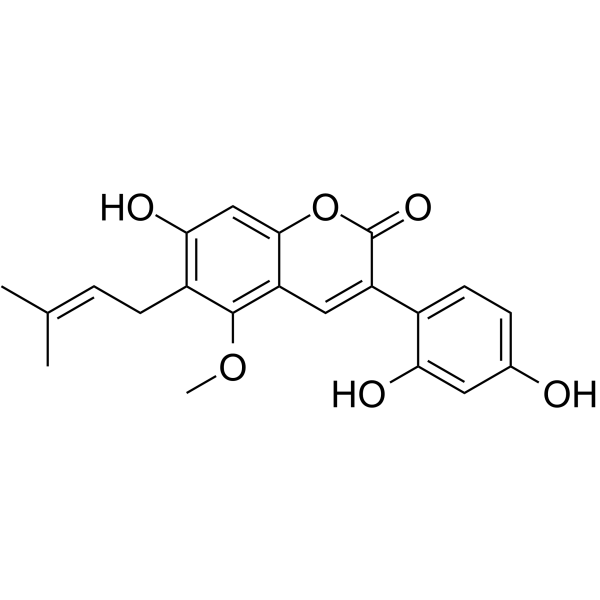
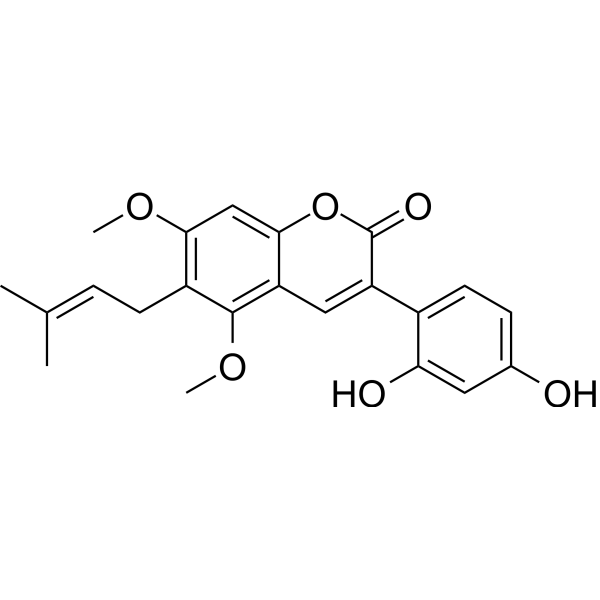
    Glycycoumarin is a potent antispasmodic agent. Glycycoumarin is a major bioactive coumarin of licorice and exhibits antispasmodic activity. Glycycoumarin also has hepatoprotective effect. Glycycoumarin can be used for the research of abdominal pain and liver diseases .
    Glycycoumarin
  • HY-N6980
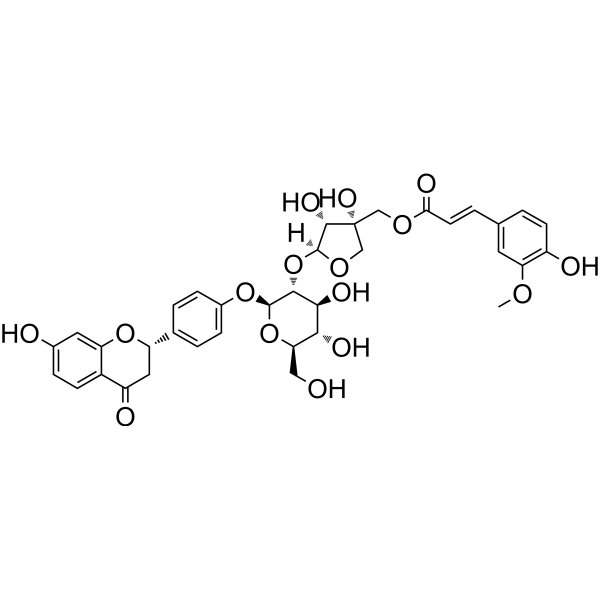
    Licorice glycoside C2
    1 Publications Verification

    Others Others
    Licorice glycoside C2 is an acylated flavonoid glycoside found in the underground part of Glycyrrhiza uralensis .
    Licorice glycoside C2
  • HY-W009731

    Environmental Pollutants Keap1-Nrf2 Metabolic Disease Cancer
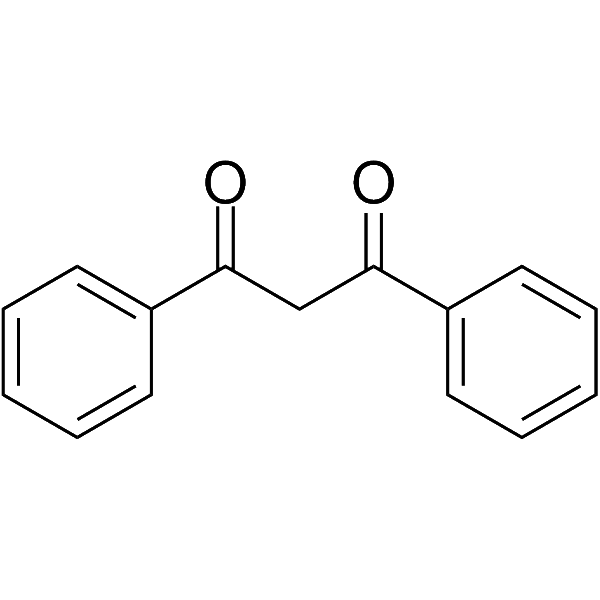
    Dibenzoylmethane, a minor ingredient in licorice, activates Nrf2 and prevents various cancers and oxidative damage. Dibenzoylmethane, an analog of curcumin, results in dissociation from Keap1 and nuclear translocation of Nrf2 .
    Dibenzoylmethane
  • HY-N6983

    TNF Receptor PI3K Akt mTOR Reactive Oxygen Species (ROS) Inflammation/Immunology Cancer
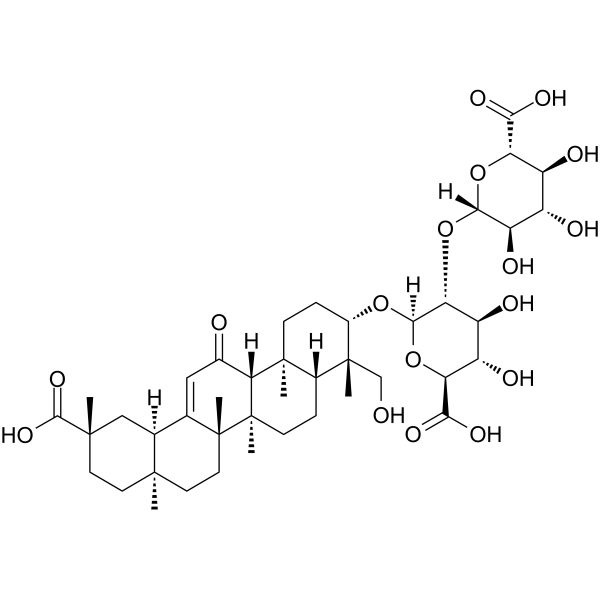
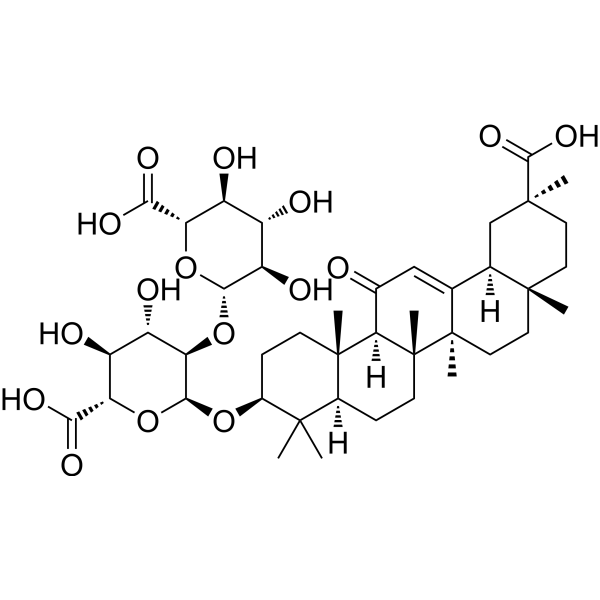
    Licoricesaponin G2 is an orally active component found in Licorice. Licoricesaponin G2 significantly ameliorates Bleomycin (HY-108345)-induced pulmonary fibrosis by inhibiting the TNF-α signaling pathway, reducing epithelial-mesenchymal transition, and decreasing extracellular matrix deposition. Licoricesaponin G2 inhibits cancer cells proliferation, migration, inhibits PI3K/AKT/mTOR signaling pathway and increases ROS production. Licoricesaponin G2 can be used for the research of lung cancer and pulmonary fibrosis .
    Licoricesaponin G2
  • HY-154795

    Caspase NOD-like Receptor (NLR) Inflammation/Immunology
    Magnesium isoglycyrrhizinate hydrate is the active component found in licorice plant (Glycyrrhiza glabra). Magnesium isoglycyrrhizinate hydrate exhibits anti-inflammatory activity through NLRP3 inflammasome pathway, and attenuates the chronic obstructive pulmonary disease in rats .
    Magnesium isoglycyrrhizinate hydrate
  • HY-N4194
    Glabrone
    1 Publications Verification

    PPAR Influenza Virus Infection Metabolic Disease
    Glabrone is an isoflavone found in Glycyrrhiza glabra roots. Glabrone exhibits significant PPAR-γ ligand binding activity. Glabrone is a specific UGT1A9 probe substrate, and its metabolites can block influenza virus release by inhibiting neuraminidase (NA). Glabrone can be used to screen for herb-drug interactions and for anti-influenza virus activity .
    Glabrone
  • HY-N2920

    11-Oxo-β-amyrin

    Cytochrome P450 Inflammation/Immunology Cancer
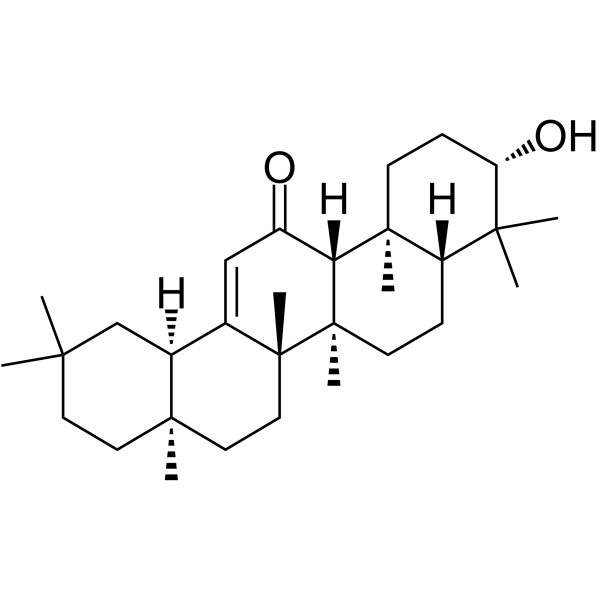
    β-Amyrenonol (11-Oxo-β-amyrin), an oleanolic-type triterpenoid in licorice roots, is a precursor of Glycyrrhetinic acid. β-Amyrenonol has anti-proliferative and anti-inflammatory activities, and β-Amyrenonol could function as the skeleton for the synthesis of many triterpenoids .
    β-Amyrenonol
  • HY-N6911

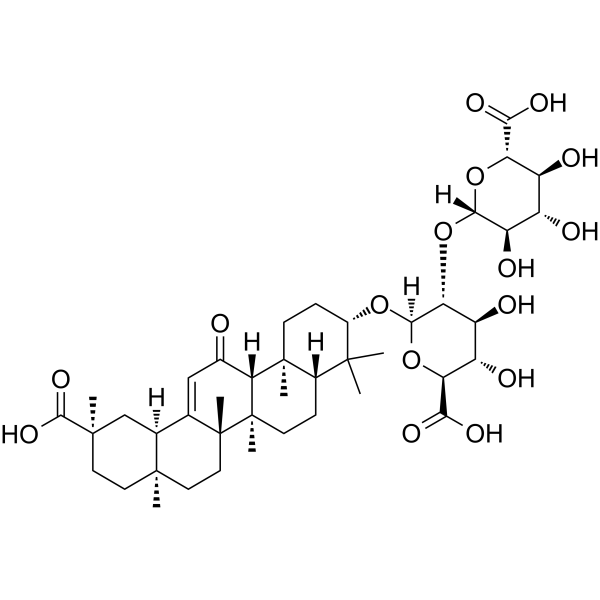
    (18β,20α)-Glycyrrhizic acid

    Others Metabolic Disease
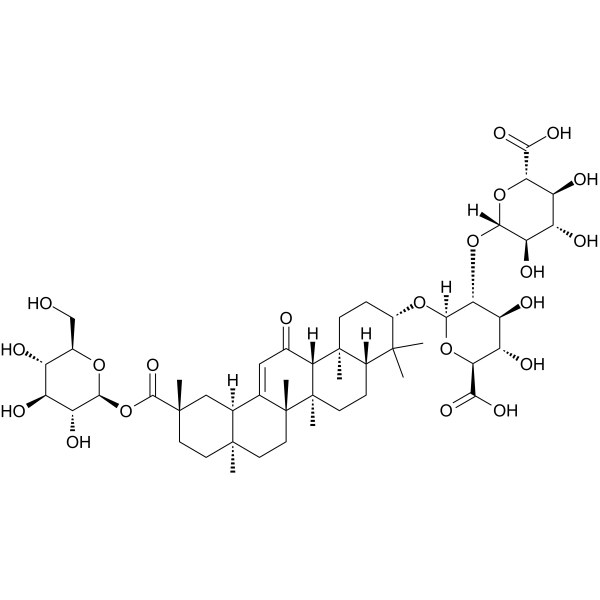
    Liquorice-saponin H2 ((18β,20α)-Glycyrrhizic acid) is a type of triterpenoid oligosaccharide glycoside found in the Glycyrrhiza genus. Liquorice-saponin H2 accumulates more in the roots of licorice plants under salt stress conditions, suggesting that it may play a role in plant stress resistance .
    Licorice-saponin H2
  • HY-N2417

    Bacterial Infection
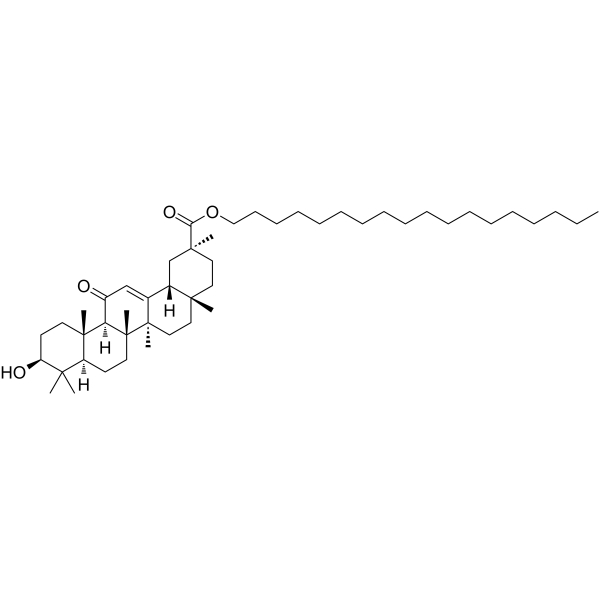
    Stearyl glycyrrhetinate, a major component in licorice extract, has a MIC against S. aureus strains of more than 256 mg/L. Stearyl glycyrrhetinate has antibacterial effects .
    Stearyl glycyrrhetinate
  • HY-N3960

    PPAR Bacterial Infection Metabolic Disease
    Glycyrin is a PPAR-γ ligand of licorice. Glycyrin can decrease the blood glucose levels of genetically diabetic mice. Glycyrin also shows antibacterial activity .
    Glycyrin
  • HY-N3386

    Bacterial Infection
    Licoricone is an flavonoid extracted from licorice, exhibits anti-helicobacter pylori activity against the CLAR and AMOX-resistant strain as well as four CLAR (AMOX)-sensitive strains .
    Licoricone
  • HY-N3388

    Stearoyl-CoA Desaturase (SCD) Infection Inflammation/Immunology Cancer
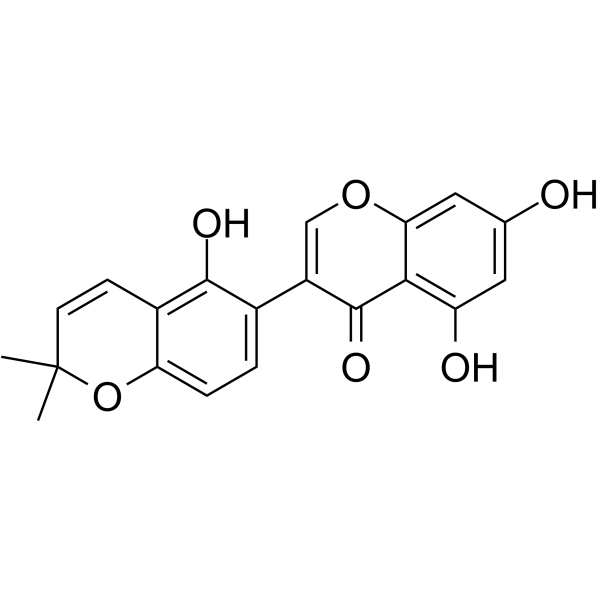
    Licoisoflavone B is an orally active flavonoid found in licorice. Licoisoflavone B alleviates psoriasis via SCD1-targeted lipid metabolism reprogramming and suppression of Th17/IL-17-mediated inflammation. Licoisoflavone B inhiibits superoxide anion generation and superoxide anion-induced lipid peroxidation. Licoisoflavone B binds tightly to Lassa virus nucleoprotein and can be used as a nucleoprotein antagonist of Lassa virus. Licoisoflavone B exhibits anti-mutagenic activity
    against carcinogenic mutagen, by preventing DNA damage. Licoisoflavone B can be used for the research of psoriasis, Lassa fever, inflammation and cancer .
    Licoisoflavone B
  • HY-N11111

    Others Others
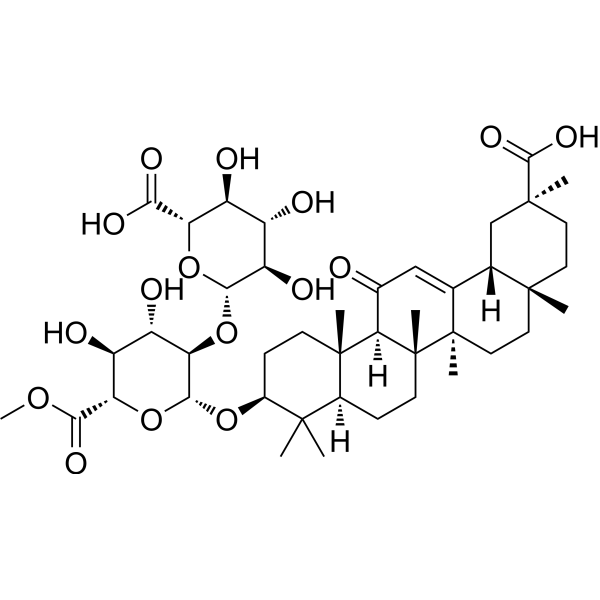
    Glycyrrhizin-6'-methylester is a natural product that can be isolated from licorice (Glycyrrhiza glabra) .
    Glycyrrhizin-6'-methylester
  • HY-142099

    Reactive Oxygen Species (ROS) Others
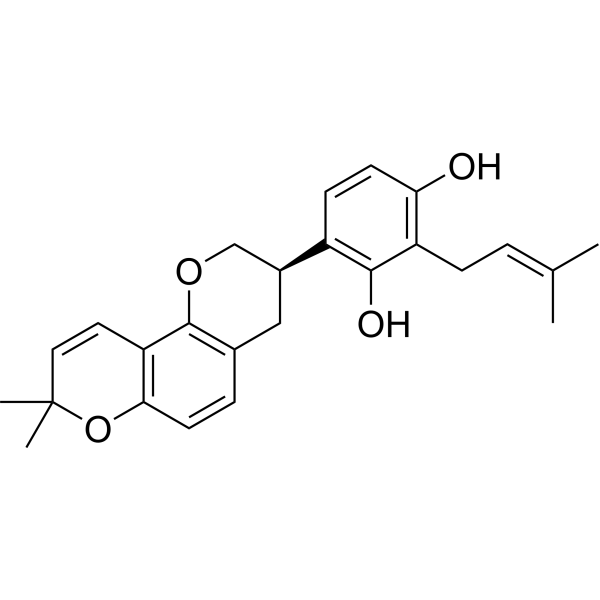
    Hispaglabridin A is an isoflavone derivative extracted from licorice roots. Hispaglabridin A is an antioxidant that is effective at inhibiting lipid peroxidation .
    Hispaglabridin A
  • HY-116992

    Demosan; TERSAN SP(R)

    Environmental Pollutants Bacterial Infection
    Chloroneb (Demosan) is a pesticide with fungicidal and plant-protective activities. Chloroneb can be used to detect organochlorine pesticide residues, showing good selectivity, stability and reproducibility. Chloroneb has been applied to the detection of licorice, cucumber, river water and soil samples with satisfactory results .
    Chloroneb
  • HY-142101

    Others Inflammation/Immunology
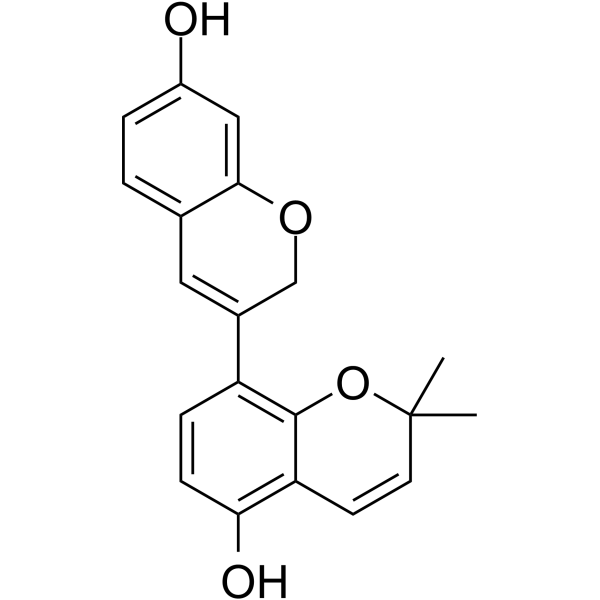
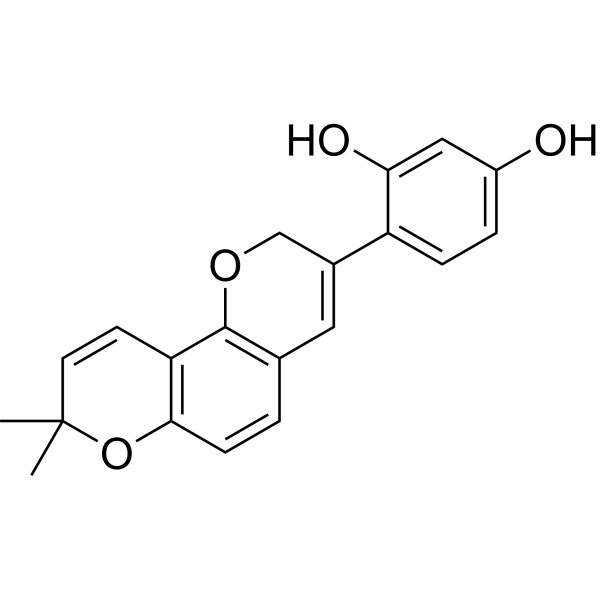
    3,4-Didehydroglabridin is a natural product that can be found in licorice. 3,4-Didehydroglabridin exhibits protective activities against carbon tetrachloride-induced HepG2 cells injury. 3,4-Didehydroglabridin has the potential for the research of liver injury .
    3,4-Didehydroglabridin
  • HY-N3943

    Tyrosinase Neurological Disease
    Glabrene, an isoflavene derived from licorice root, shows estrogen-like activity. Glabrene is a tyrosinase inhibitor with an IC50 of 3.5 μM .
    Glabrene
  • HY-N6982

    Others Metabolic Disease
    Licoricesaponin A3 is a terpenoid saponin identified from licorice .
    Licoricesaponin A3
  • HY-N3947

    Bacterial Infection
    Glepidotin B is a dihydroflavonol compound isolated from the extracts of American licorice, Glycyrrhiza lepidota (Leguminosae). Glepidotin B is an antimicrobial agent .
    Glepidotin B
  • HY-N11034

    Others Others
    24-Hydroxy-licorice-saponin A3 is an oleanane-type triterpene saponin (OTS). 24-Hydroxy-licorice-saponin A3 can be isolated from G. uralensis. .
    24-Hydroxy-licorice-saponin A3
  • HY-N11771

    Reactive Oxygen Species (ROS) Others
    Glyurallin B is a flavonoid, that can be isolated from licorice (Glycyrrhiza inflata and Glycyrrhiza uralensis). Glyurallin B shows ABTS + radical scavenging activity and the inhibitory activity on lipid peroxidation, with EC50 values of 11.9 ± 0.58 μM and 15.3 ± 1.26 μM, respectivley .
    Glyurallin B
  • HY-N6911B

    (18β,20α)-Glycyrrhizic acid ammonium

    Others Metabolic Disease
    Liquorice-saponin H2 ((18β,20α)-Glycyrrhizic acid) ammonium is a type of triterpenoid oligosaccharide glycoside found in the Glycyrrhiza genus. Liquorice-saponin H2 ammonium accumulates more in the roots of licorice plants under salt stress conditions, suggesting that it may play a role in plant stress resistance .
    Licorice-saponin H2 ammonium
  • HY-N9329

    Monoamine Oxidase Estrogen Receptor/ERR Metabolic Disease
    Glicoricone, a phenolic compound, is isolated from a species of licorice. Glicoricone is an inhibitor of monoamine oxidase (MAO), with an IC50 of 140 μM. Glicoricone binds to estrogen receptor (ER) and shows estrogen antagonist activity .
    Glicoricone
  • HY-N4113R

    Reference Standards Keap1-Nrf2 AMPK Cancer
    Glycycoumarin (Standard) is the analytical standard of Glycycoumarin. This product is intended for research and analytical applications. Glycycoumarin is a potent antispasmodic agent. Glycycoumarin is a major bioactive coumarin of licorice and exhibits antispasmodic activity. Glycycoumarin also has hepatoprotective effect. Glycycoumarin can be used for the research of abdominal pain and liver diseases .
    Glycycoumarin (Standard)
  • HY-N11975

    Others Others
    Glycyrrhizin-6′,6′′-dimethylester (compound 23) is a licorice saponin isolated from licorice root. Glycyrrhizin-6′,6′′-dimethylester can participate as an aglycone in the generation of methyl glucuronate, producing similar threshold sweetness, licorice, and bitterness .
    Glycyrrhizin-6′,6′′-dimethylester
  • HY-N11976

    Others Others
    Glycyrrhizin-6′′-methylester (compound 22) is a glycyrrhizin that can be isolated from licorice root. Glycyrrhizin-6′′-methylester can participate as an aglycone in the formation of methyl glucuronate, producing a sweet and licorice taste, but no bitterness. This reveals the importance of the free carboxyl group on the glycoside cone-bound glucuronic acid for natural sweetness and licorice taste .
    Glycyrrhizin-6′′-methylester
  • HY-N1471R

    Reference Standards Others Inflammation/Immunology
    Liquiritin apioside (Standard) is the analytical standard of Liquiritin apioside. This product is intended for research and analytical applications. Liquiritin apioside, a main flavonoid component of licorice, possesses antitussive effects .
    Liquiritin apioside (Standard)
  • HY-N0765R

    Reference Standards Fungal Infection Neurological Disease Inflammation/Immunology
    Isoliquiritin (Standard) is the analytical standard of Isoliquiritin. This product is intended for research and analytical applications. Isoliquiritin, isolated from Licorice Root, inhibits angiogenesis and tube formation. Isoliquiritin also exhibits antidepressant-like, anti-oxidative, anti-Inflammatory effects and antifungal activity .
    Isoliquiritin (Standard)
  • HY-W009731R

    Reference Standards Keap1-Nrf2 Metabolic Disease Cancer
    Dibenzoylmethane (Standard) is the analytical standard of Dibenzoylmethane. This product is intended for research and analytical applications. Dibenzoylmethane, a minor ingredient in licorice, activates Nrf2 and prevents various cancers and oxidative damage. Dibenzoylmethane, an analog of curcumin, results in dissociation from Keap1 and nuclear translocation of Nrf2 .
    Dibenzoylmethane (Standard)
  • HY-116992R

    Demosan (Standard); TERSAN SP(R) (Standard)

    Bacterial Reference Standards Infection
    Chloroneb (Standard) is the analytical standard of Chloroneb. This product is intended for research and analytical applications. Chloroneb (Demosan) is a pesticide with fungicidal and plant-protective activities. Chloroneb can be used to detect organochlorine pesticide residues, showing good selectivity, stability and reproducibility. Chloroneb has been applied to the detection of licorice, cucumber, river water and soil samples with satisfactory results .
    Chloroneb (Standard)
  • HY-N18824

    Bacterial Infection Inflammation/Immunology
    Licorice oils, derived from the roots and rhizomes of the licorice plant (Glycyrrhiza glabra), are rich in bioactive compounds like glycyrrhizin, flavonoids, and triterpenoid. Licorice oil has anti-inflammatory and antibacterial properties, which can effectively soothe irritated skin, reduce redness, control eczema, and fight acne.
    Licorice oil
  • HY-N15622

    Biochemical Assay Reagents Others
    Neouralenol is a free radical scavenger. Neouralenol can be isolated from licorice roots. Neouralenol scavenges hydroxyl radicals and hydroperoxyl radicals .
    Neouralenol
  • HY-N9767

    Others Others
    Gancaonin O is an active compound isolated from the genus Licorice .
    Gancaonin O
  • HY-W680956

    Others Others
    2,3-Dihydro-3-methylfuran is a melanin-like metabolite produced by the processing of licorice .
    2,3-Dihydro-3-methylfuran
  • HY-E71181

    Biochemical Assay Reagents Others
    11-oxo-β-Amyrin 30-oxidase (EC 1.14.13.173) is involved in the biosynthesis of the triterpenoid saponin glycyrrhizin in the plant Glycyrrhiza uralensis (licorice).
    11-oxo-β-Amyrin 30-oxidase
  • HY-N12571A

    Reactive Oxygen Species (ROS) Interleukin Related Prostaglandin Receptor Inflammation/Immunology
    (E/Z)-3-Hydroxylicochalcone A (Compound 1) is a flavonoid found in licorice (Glycyrrhiza inflata and
    Glycyrrhiza uralensis), with antioxidant and anti-inflammatory activity. (E/Z)-3-Hydroxylicochalcone A inhibits lipid peroxidation in rat liver microsomes. (E/Z)-3-Hydroxylicochalcone A inhibits LPS (HY-D1056)-induced ROS, NO, IL-6, and PGE2 production .
    (E/Z)-3-Hydroxylicochalcone A
  • HY-N7056R

    Reference Standards Proteasome Oxidative Phosphorylation Inflammation/Immunology Cancer
    4'-Hydroxychalcone (Standard) is the analytical standard of 4'-Hydroxychalcone (HY-N7056). This product is intended for research and analytical applications. 4'-Hydroxychalcone is a chalcone isolated from licorice root, with hepatoprotective activity. 4'-Hydroxychalcone inhibits TNFα-induced NF-κB activation via proteasome inhibition. 4'-Hydroxychalcone induces a rapid potassium release from mitochondrial vesicles and causes deterioration of respiratory control and oxidative phosphorylation of isolated rat liver mitochondria .
    4'-Hydroxychalcone (Standard)

Inquiry Online

Your information is safe with us. * Required Fields.

Salutation


Country or Region *

Applicant Name *


Organization Name *

Department *


Email Address *


Product Name *

Cat. No.


Requested quantity *

Phone Number *


Remarks

Inquiry Online

Inquiry Information

Product Name:
Cat. No.:
Quantity:
MCE Japan Authorized Agent:

