
224 Results for "

ocular

" in MedChemExpress (MCE) Product Catalog:
Products (224)

224 Results for "ocular" in MCE Product Catalog:

11
11 Publications Verification
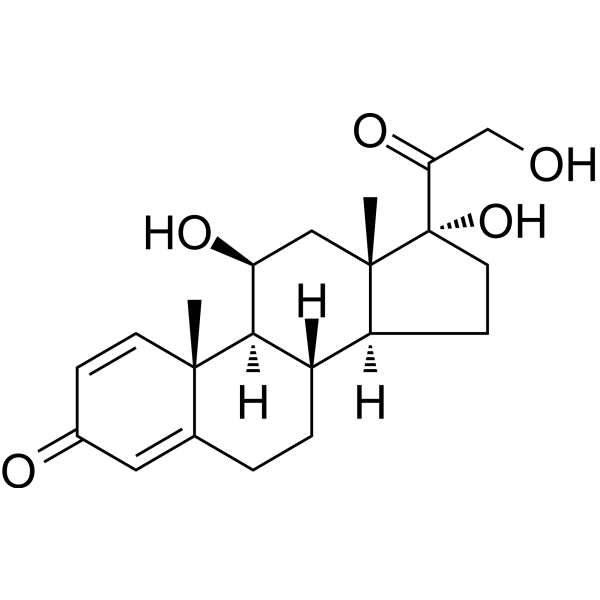
Cat. No.: HY-17463
CAS No.: 50-24-8
Prednisolone is a potent, orally active corticosteroid and a glucocorticoid. Prednisolone possesses about four times the anti-inflammatory activity of hydrocortisone while causing less salt and water retention. Prednisolone can be used for ocular, anti-inflammatory research .
loading...
    loading...
9
9 Cited Publications
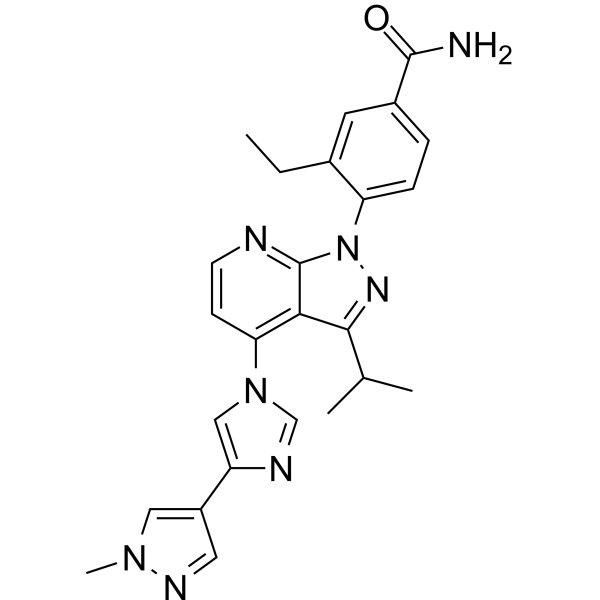
Cat. No.: HY-15785
CAS No.: 1260533-36-5
Purity:  98.79%
Synonyms: TAS-116
Target:  

HSP

Research Areas:  

Cancer

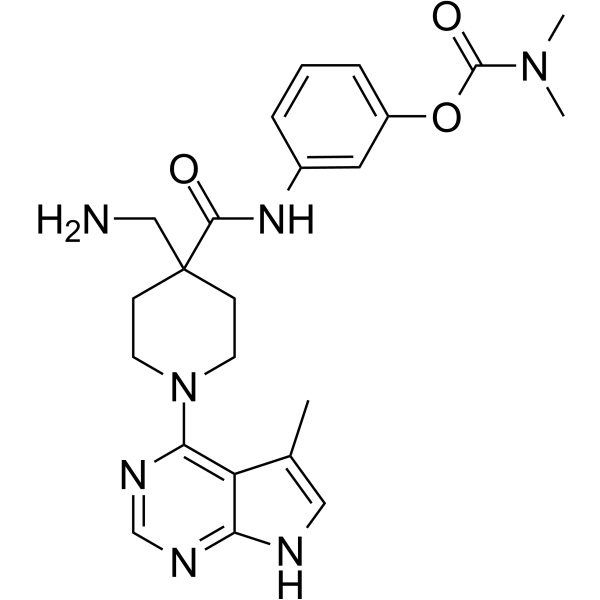
Pimitespib (TAS-116) is an oral bioavailable, ATP-competitive, highly specific HSP90α/HSP90β inhibitor (Kis of 34.7 nM and 21.3 nM, respectively) without inhibiting other HSP90 family proteins such as GRP94 . Pimitespib demonstrates less ocular toxicity .
loading...
    loading...
5
5 Cited Publications
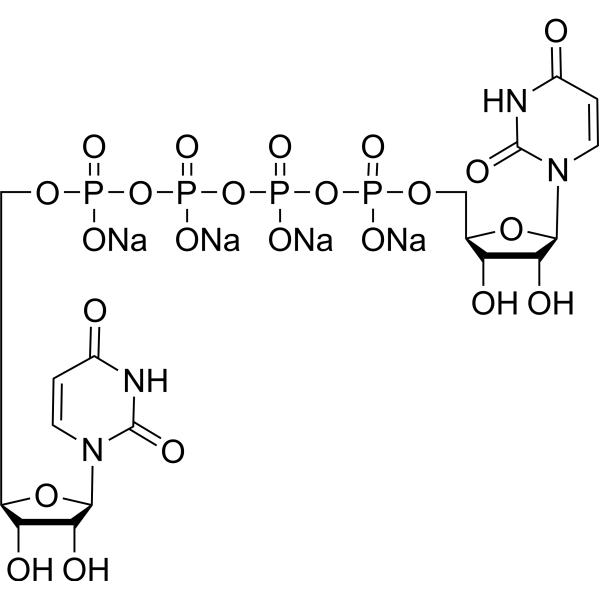
Cat. No.: HY-B0606
CAS No.: 211427-08-6
Synonyms: INS365
Target:  

P2Y Receptor

Research Areas:  

Inflammation/Immunology

Diquafosol tetrasodium is a P2Y2 receptor agonist that stimulates fluid and mucin secretion on the ocular surface, as a topical treatment of dry eye disease.
loading...
    loading...
4
4 Cited Publications
Cat. No.: HY-P3970A
Target:  

TGF-β Receptor

Research Areas:  

Inflammation/Immunology

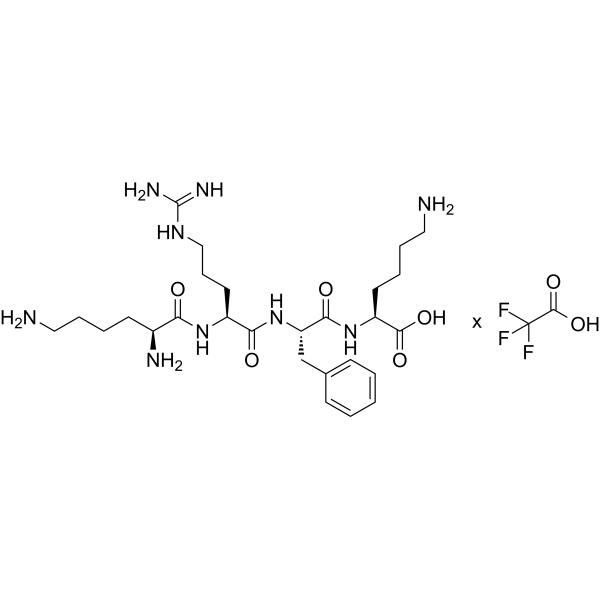
KRFK TFA, a peptide derived from TSP-1, can activate TGF-β. KRFK TFA promotes TGF-β-mediated signaling and its downstream role, independent of thrombospondin (TSP) receptors such as CD47 and CD36. KRFK TFA can be used for chronic ocular surface inflammatory disorders reseach .
loading...
    loading...
3
3 Cited Publications
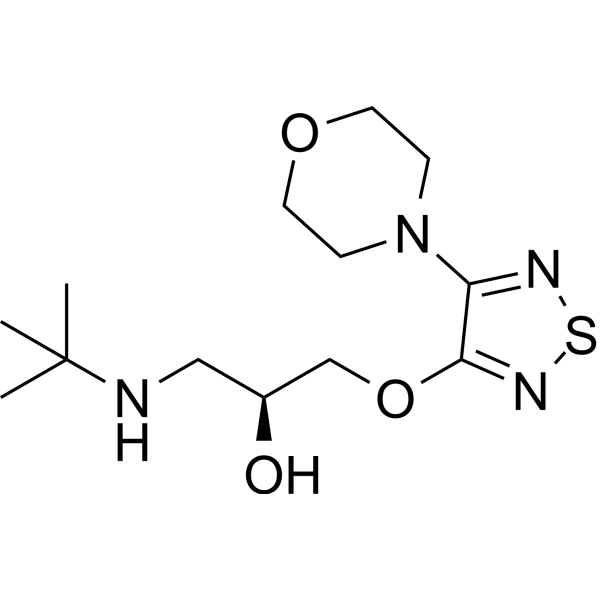
Cat. No.: HY-B0584
CAS No.: 157283-68-6
Synonyms: Fluprostenol isopropyl ester; AL6221; Flu-Ipr
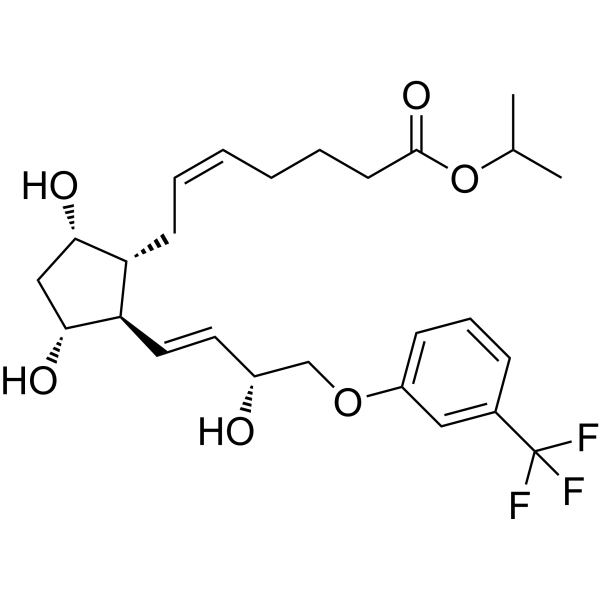
Travoprost (Fluprostenol isopropyl ester), an isopropyl ester proagent, is a high affinity, selective FP prostaglandin full receptor agonist. Travoprost has the ocular hypotensive efficacy and has the potential for glaucoma and ocular hypertension .
loading...
    loading...
3
3 Cited Publications
Cat. No.: HY-12659
CAS No.: 1192189-69-7
Purity:  99.54%
Target:  

LIM Kinase (LIMK) ROCK PKA

Research Areas:  

Endocrinology

LX7101 is a potent LIM-kinase, ROCK and PKA inhibitor with IC50s of 24 nM, 1.6 nM, 10 nM and <1 nM for LIMK1, LIMK2, ROCK2 and PKA, respectively. LX7101 proves significantly selective for LIMK2 with IC50 values of 4.3 nM and 32 nM for LIMK2 and LIMK1 at 2 μM ATP, respectively. LX7101 has the potential for ocular hypertension and associated glaucoma research .
loading...
    loading...
3
3 Cited Publications
Cat. No.: HY-B0576
CAS No.: 127-56-0
Synonyms: Sulphacetamide sodium
Research Areas:  

Infection Inflammation/Immunology

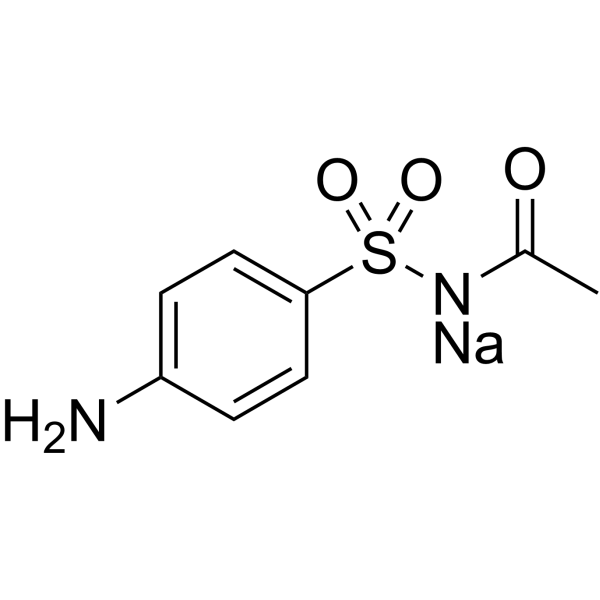
Sulfacetamide (Sulphacetamide) sodium is a sulfonamide antibiotic that can be used for the study of ocular infections. Sulfacetamide sodium has antifungal and antibacterial activities .
loading...
    loading...
3
3 Cited Publications
Cat. No.: HY-B0888
CAS No.: 6209-17-2
Synonyms: Sulphacetamide sodium monohydrate
Research Areas:  

Infection Inflammation/Immunology

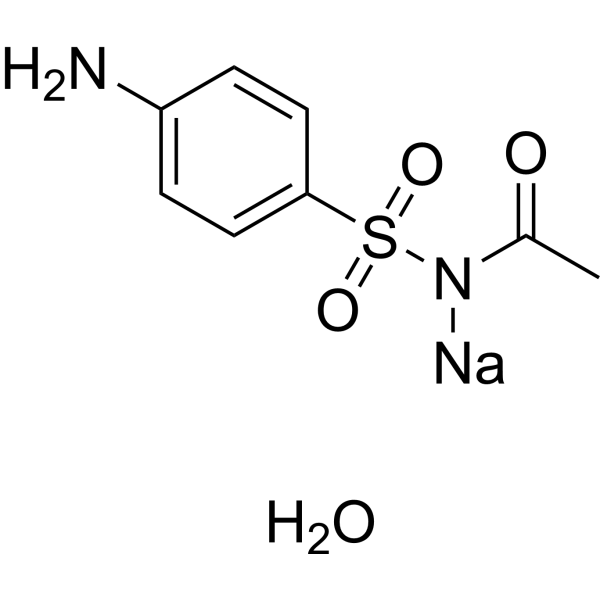
Sulfacetamide (Sulphacetamide) sodium monohydrate is a sulfonamide antibiotic that can be used for the study of ocular infections. Sulfacetamide sodium monohydrate has antifungal and antibacterial activities .
loading...
    loading...
3
3 Cited Publications
Cat. No.: HY-66012
CAS No.: 5875-06-9
Synonyms: Proxymetacaine hydrochloride
Target:  

Sodium Channel

Research Areas:  

Neurological Disease

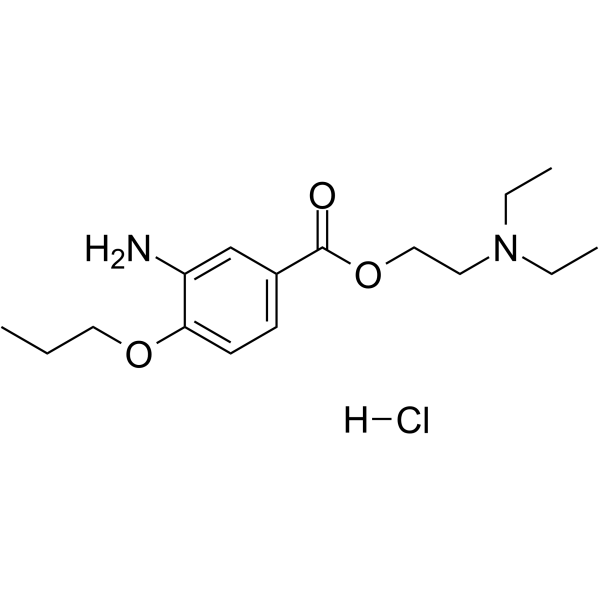
Proparacaine (Proxymetacaine) hydrochloride is a local anesthetic. Proparacaine hydrochloride blocks voltage-gated sodium channels on neuronal cell membranes, thereby inhibiting signal conduction and nociceptive signal transmission. Proparacaine hydrochloride blocks nociceptive signals in the eye and induces ocular muscle relaxation to reduce eye movement during surgery. Proparacaine hydrochloride is used in research related to cataracts .
loading...
    loading...
3
3 Cited Publications
Cat. No.: HY-N7123
CAS No.: 144-80-9
Synonyms: Sulphacetamide
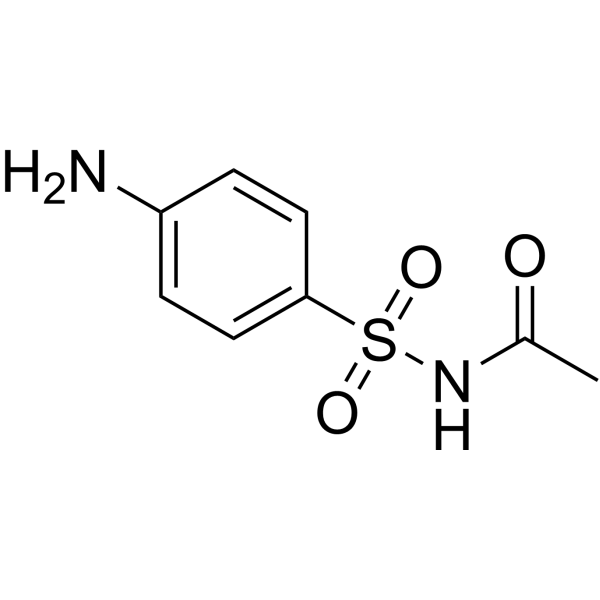
Sulfacetamide (Sulphacetamide) is a sulfonamide antibiotic. Sulfacetamide has antifungal and antibacterial activities. Sulfacetamide is employed as a topical formulation in various ophthalmic, dermatological, and hair solutions against bacterial infections, acne and scalp conditions. Sulfacetamide targets bacterial folic acid synthesis and is effective against various gram-positive and gram-negative bacteria. Sulfacetamide inhibits the synthesis of both dihydro-folic acid and para-aminobenzoic acid. Sulfacetamide can be used for the study of ocular infections .
loading...
    loading...
3
3 Cited Publications
Cat. No.: HY-B0580
CAS No.: 74103-06-3
Synonyms: RS37619
Target:  

COX Apoptosis

Research Areas:  

Inflammation/Immunology Cancer

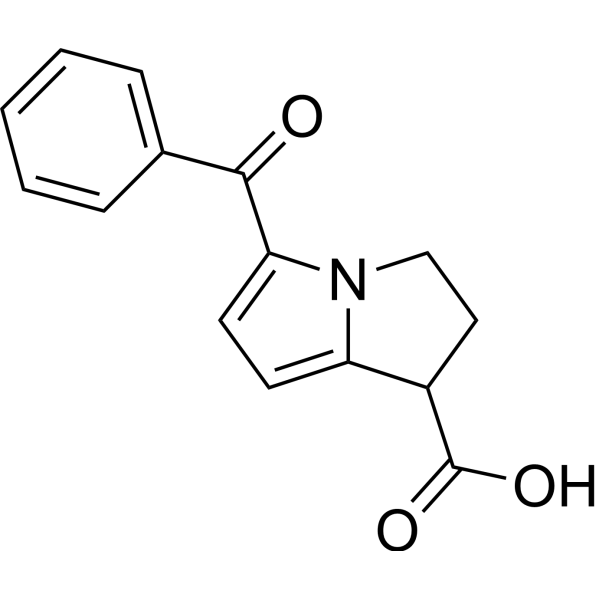
Ketorolac (RS37619) is a non-steroidal anti-inflammatory drug (NSAID), acting as a nonselective COX inhibitor, with IC50s of 20 nM for COX-1 and 120 nM for COX-2. Ketorolac tromethamine is used as 0.5% ophthalmic solution for the research of allergic conjunctivitis, cystoid macular edema, intraoperative miosis, and postoperative ocular inflammation and pain. Ketorolac tromethamine is also a DDX3 inhibitor that can be used for cancer research .
loading...
    loading...
2
2 Cited Publications
Cat. No.: HY-B0328
CAS No.: 124-94-7
Triamcinolone is a long-acting corticosteroid with anti-inflammatory, anti-oedematous, anti-proliferative, anti-angiogenetic, immunomodulatory and neuroprotective effects through binding to glucocorticoid receptors. Triamcinolone can relieve several dermatitis, immune diseases and ocular diseases .
loading...
    loading...
1
1 Cited Publications
Cat. No.: HY-NP0147
Synonyms: WGA (Fluorescein)
Wheat Germ Agglutinin (WGA) Fluorescein is a classic fluorescent label that specifically binds to sugar residues such as N-acetylglucosamine, N-acetylneuraminic acid and sialic acid. Wheat Germ Agglutinin Fluorescein performs regionally differential fluorescent staining of the ocular surface epithelial glycocalyx to assess its integrity, and causes no damage to the eye at safe concentrations. Wheat Germ Agglutinin Fluorescein is also used for staining structures including red blood cells, cultured cells, bacteria and pine wood nematodes, and facilitates the isolation of wheat-associated plant-growth-promoting rhizobacterial strains. Wheat Germ Agglutinin Fluorescein can be applied to the detection of ocular glycocalyx integrity and the research of related diseases such as pine wilt disease .
loading...
    loading...
1
1 Cited Publications
Cat. No.: HY-B1035
CAS No.: 27912-14-7
Synonyms: l-Bunolol hydrochloride
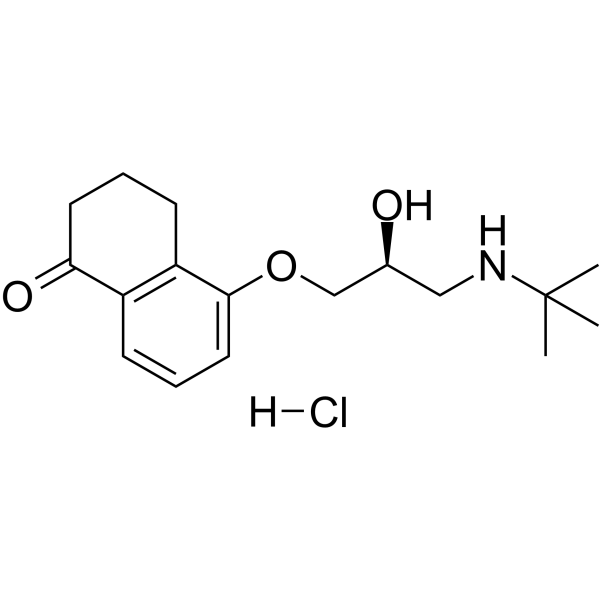
Levobunolol (l-Bunolol) hydrochloride is a non-selective β-adrenergic antagonist and vasodilator. By blocking calcium ion influx and reducing the sensitivity of vascular smooth muscle to calcium, Levobunolol hydrochloride effectively dilates the ciliary arteries and increases ocular blood flow, so it is widely used in research on glaucoma and ocular hypertension. Levobunolol hydrochloride inhibits the β-receptor signaling pathway and the expression of related proliferation markers (such as CK3, CK14, CK19, Ki67) in corneal cells. In rabbit models, Levobunolol hydrochloride not only does not inhibit corneal epithelial regeneration, but also accelerates the healing of mechanical injury without adverse effects. Levobunolol hydrochloride also inhibits histamine-induced vasoconstriction and intracellular calcium elevation, exhibiting unique vascular regulatory activity. Levobunolol hydrochloride protects ocular blood flow and promotes corneal repair .
loading...
    loading...
1
1 Cited Publications
Cat. No.: HY-119442
CAS No.: 143816-42-6
Target:  

Leukotriene Receptor

Research Areas:  

Cardiovascular Disease

Quininib is a cysteinyl leukotriene 1 and 2 receptor antagonist with IC50s of 1.2 and 52 μM for CysLT1R and CysLT2R, respectively. Quininib is a potent inhibitor of developmental angiogenesis in the zebrafish eye. Quininib can be used for the research of ocular neovascular pathologies and may complement current anti-VEGF biological agents .
loading...
    loading...
1
1 Cited Publications
Cat. No.: HY-W039865
CAS No.: 19879-84-6
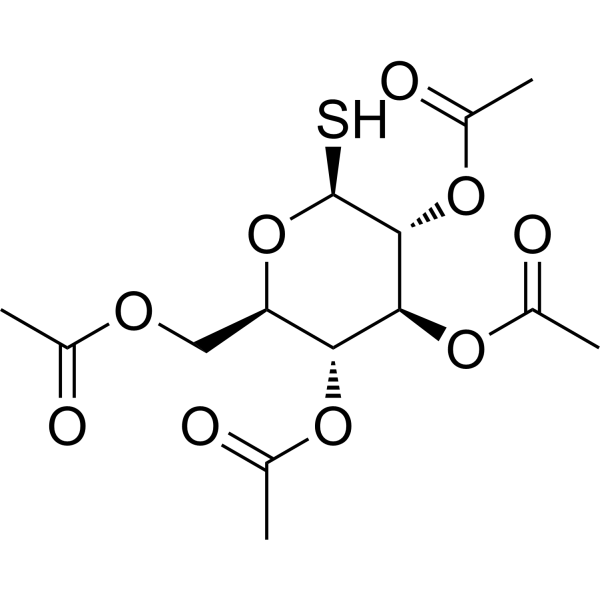
1-Thio-beta-D-glucose tetraacetate exhibits cytotoxicity in cells HeLa and human ocular lens epithelium CECH with IC50s of >250 and >200 μM. 1-Thio-beta-D-glucose tetraacetate reveals moderate anticancer property .
loading...
    loading...
1
1 Cited Publications
Cat. No.: HY-B1471
CAS No.: 3801-06-7
Target:  

Carbonic Anhydrase

Research Areas:  

Inflammation/Immunology

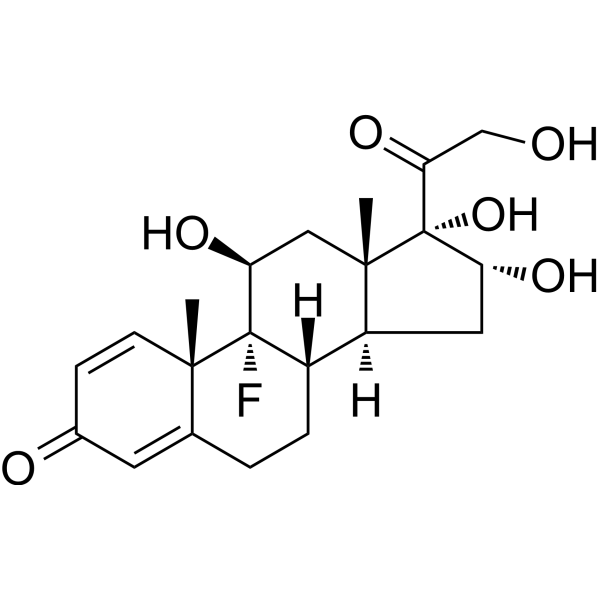
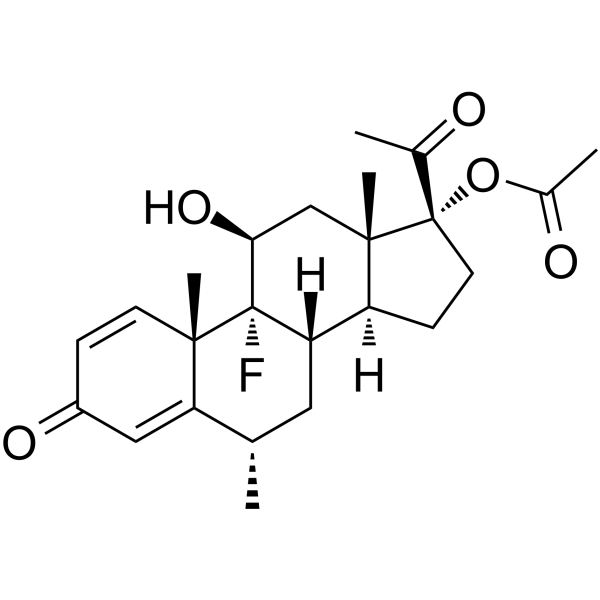
Fluorometholone acetate is a synthetic glucocorticoid corticosteroid and a corticosteroid ester. Fluorometholone acetate potently inhibits carbonic anhydrase (CA) with IC50s of 2.18 μM and 17.5 μM for hCA-I and hCA-II, respectively. Fluorometholone acetate has anti-inflammatory effect and has the potential for external ocular inflammation research .
loading...
    loading...
1
1 Cited Publications
Cat. No.: HY-P99905
CAS No.: 2375661-82-6
Synonyms: IBI302

Target:  

VEGFR

Efdamrofusp alfa is a bispecific fusion protein. Efdamrofusp alfa is capable of neutralizing both VEGF isoforms and C3b/C4b. Efdamrofusp alfa can be used for the research of neovascular age-related macular degeneration (nAMD) and other complement-related ocular conditions .
loading...
    loading...
1
1 Cited Publications
Cat. No.: HY-P2529
CAS No.: 940866-75-1
Target:  

Peptides

Research Areas:  

Others

Penetratin is a cell-penetrating peptides derived from a nonviral protein. Penetratin can powerfully enhance drug absorption. Penetratin can be used for drug delivery research in the treatment of various diseases .
loading...
    loading...
1
1 Cited Publications
Cat. No.: HY-B0580C
CAS No.: 167105-81-9
Synonyms: RS37619 hemicalcium
Target:  

COX Apoptosis

Research Areas:  

Inflammation/Immunology Cancer

Ketorolac (RS37619) hemicalcium is a non-steroidal anti-inflammatory drug (NSAID), acting as a nonselective COX inhibitor, with IC50s of 20 nM for COX-1 and 120 nM for COX-2. Ketorolac tromethamine is used as 0.5% ophthalmic solution for the research of allergic conjunctivitis, cystoid macular edema, intraoperative miosis, and postoperative ocular inflammation and pain. Ketorola chemicalcium is also a DDX3 inhibitor that can be used for cancer research .
loading...
    loading...

