814 Results for "

ovarian perfusion

" in MedChemExpress (MCE) Product Catalog:
Products (814)

814 Results for "ovarian perfusion" in MCE Product Catalog:

316
316 Publications Verification
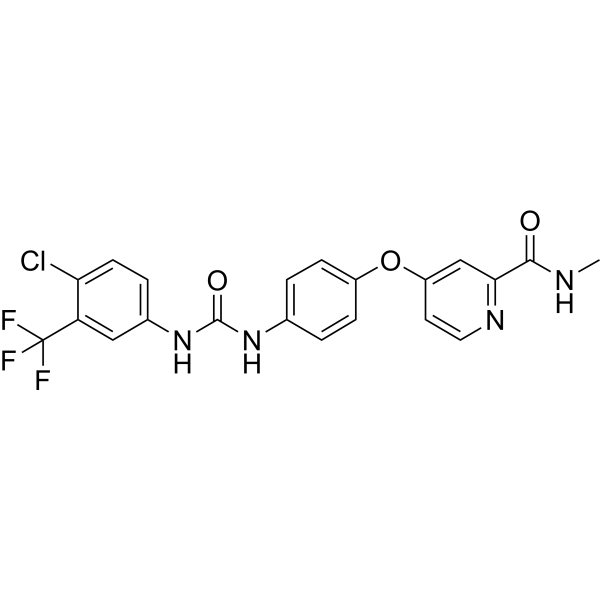
Cat. No.: HY-10201
CAS No.: 284461-73-0
Purity:  99.92%
Synonyms: Bay 43-9006
Sorafenib (Bay 43-9006) is a potent oral active multikinase inhibitor. Sorafenib blocks autophosphorylation and activity of receptor tyrosine kinases (VEGFR-2, VEGFR-3) and RAF family kinases, thereby suppressing the RAF/MEK/ERK and PI3K/Akt pathways, inhibiting STAT3 phosphorylation, and selectively inhibiting the MAPK pathway in cancer cells. Sorafenib induces cell cycle arrest, autophagy, apoptosis, and PARP cleavage, reduces Bcl-2, Bcl-XL, cyclin D1 levels, and activates Bak and Bax. Sorafenib inhibits tumor growth and metastasis in mouse and rat models. Sorafenib can be used for cancer research, such as colon, breast, non-small-cell lung cancer (NSCLC), ovarian, pancreatic, melanoma, colorectal and hepatocellular carcinoma .
loading...
    loading...
316
316 Publications Verification
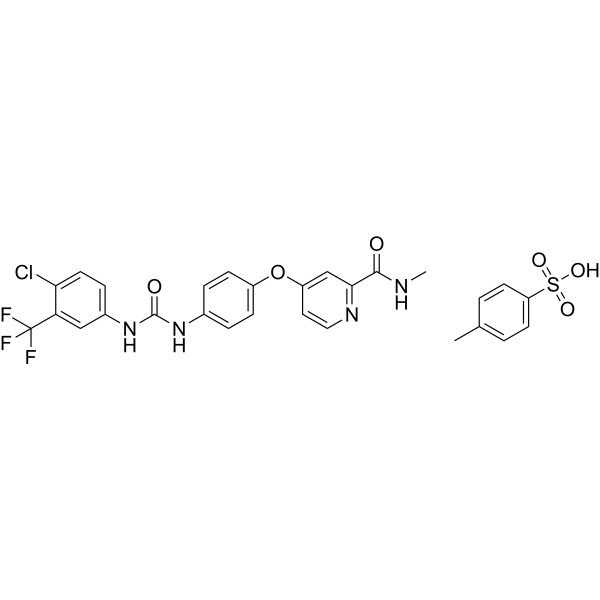
Cat. No.: HY-10201A
CAS No.: 475207-59-1
Purity:  99.75%
Synonyms: Bay 43-9006 tosylate
Sorafenib (Bay 43-9006) tosylate is a potent oral active multikinase inhibitor. Sorafenib blocks autophosphorylation and activity of receptor tyrosine kinases (VEGFR-2, VEGFR-3) and RAF family kinases, thereby suppressing the RAF/MEK/ERK and PI3K/Akt pathways, inhibiting STAT3 phosphorylation, and selectively inhibiting the MAPK pathway in cancer cells. Sorafenib tosylate induces cell cycle arrest, autophagy, apoptosis, and PARP cleavage, reduces Bcl-2, Bcl-XL, cyclin D1 levels, and activates Bak and Bax. Sorafenib tosylate inhibits tumor growth and metastasis in mouse and rat models. Sorafenib tosylate can be used for cancer research, such as colon, breast, non-small-cell lung cancer (NSCLC), ovarian, pancreatic, melanoma, colorectal and hepatocellular carcinoma .
loading...
    loading...
197
197 Cited Publications
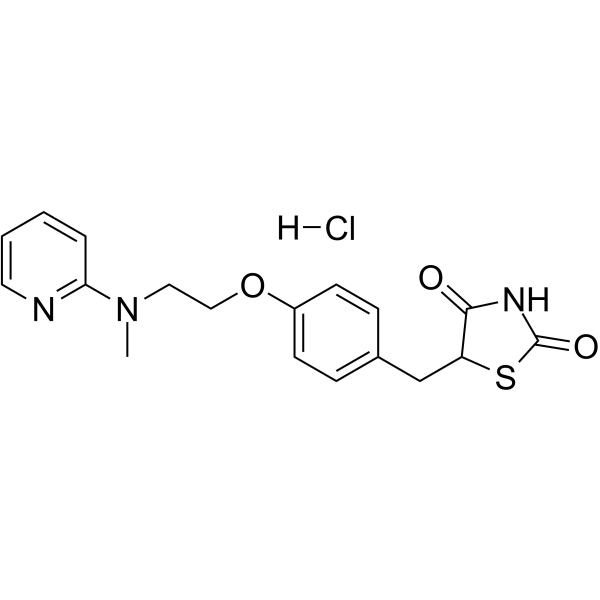
Cat. No.: HY-17386A
CAS No.: 302543-62-0
Synonyms: BRL 49653 hydrochloride
Rosiglitazone (BRL 49653) hydrochloride is an orally active selective PPARγ agonist (EC50: 60 nM, Kd: 40 nM). Rosiglitazone hydrochloride is a TRPC5 activator (EC50: 30 μM) and TRPM3 inhibitor. Rosiglitazone hydrochloride can be used in the research of obesity and diabetes, senescence, ovarian cancer .
loading...
    loading...
197
197 Cited Publications
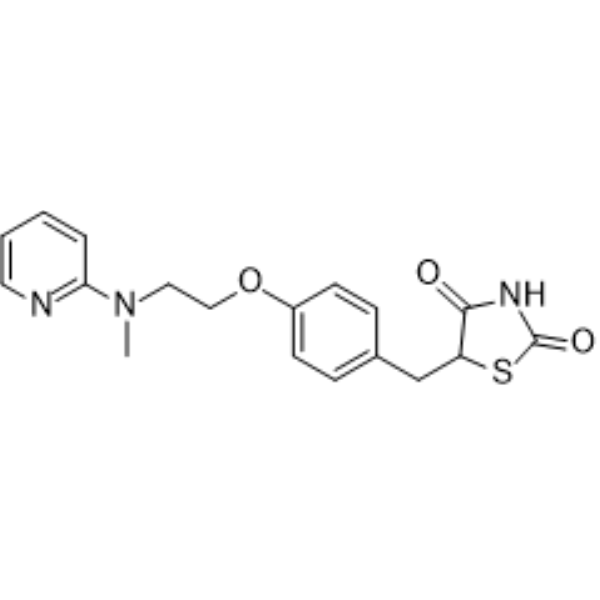
Cat. No.: HY-17386
CAS No.: 122320-73-4
Synonyms: BRL 49653
Rosiglitazone (BRL 49653) is an orally active selective PPARγ agonist (EC50: 60 nM, Kd: 40 nM), with blood-brain barrier permeability. Rosiglitazone is an TRPC5 activator (EC50: 30 μM) and TRPM3 inhibitor. Rosiglitazone can be used in the research of obesity and diabetes, senescence, ovarian cancer .
loading...
    loading...
194
194 Cited Publications
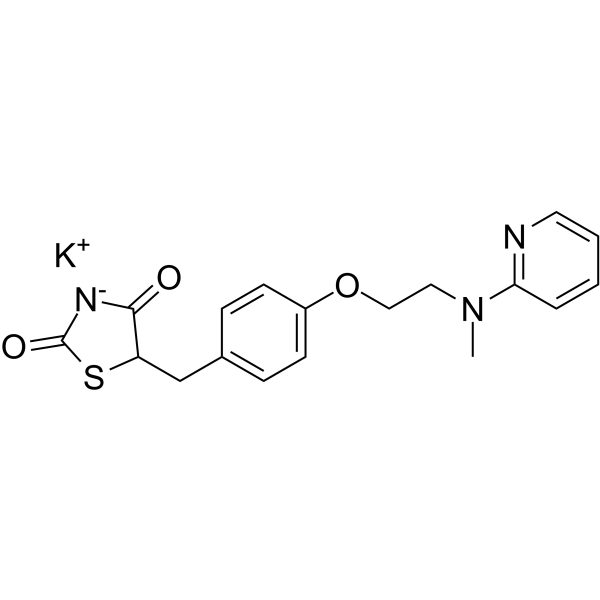
Cat. No.: HY-17386B
CAS No.: 316371-84-3
Synonyms: BRL 49653 potassium
Rosiglitazone (BRL 49653) potassium is an orally active selective PPARγ agonist (EC50: 60 nM, Kd: 40 nM). Rosiglitazone potassium is a TRPC5 activator (EC50: 30 μM) and TRPM3 inhibitor. Rosiglitazone potassium can be used in the research of obesity and diabetes, senescence, ovarian cancer .
loading...
    loading...
161
161 Cited Publications
Cat. No.: HY-10087A1
CAS No.: 1093851-28-5
Synonyms: ABT-263 dihydrochloride
Navitoclax dihydrochloride (ABT-263 dihydrochloride) is an orally active BH3 mimetic and an inhibitor of Bcl-2, Bcl-xL, and Bcl-w, with a Ki value of <1 nM for each target. Navitoclax dihydrochloride triggers endogenous Apoptosis and downregulates the expression of Survivin and TGFβ2. Navitoclax dihydrochloride alleviates fibrosis and induces thrombocytopenia. Navitoclax dihydrochloride exhibits anticancer activity against a variety of tumors and enhances the efficacy of chemotherapy and radiotherapy. Navitoclax dihydrochloride can be used in the research of acute lymphoblastic leukemia, ovarian cancer, and fibrotic diseases .
loading...
    loading...
77
77 Cited Publications
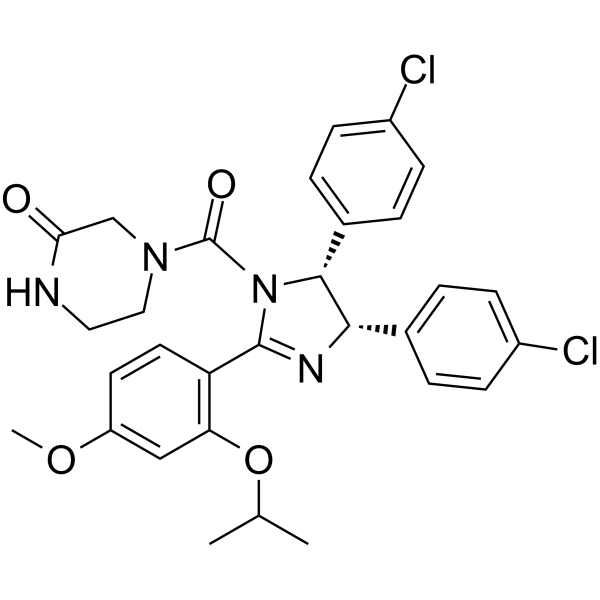
Cat. No.: HY-10029
CAS No.: 675576-98-4
Purity:  99.00%
Synonyms: Rebemadlin
Research Areas:  

Cancer

Nutlin-3a (Rebemadlin), an active enantiomer of Nutlin-3, is a potent murine double minute (MDM2) inhibitor (IC50=90 nM). Nutlin-3a inhibits MDM2-p53 interactions and stabilizes the p53 protein, and induces cell autophagy and apoptosis. Nutlin-3a has the potential for the study of TP53 wild-type ovarian carcinomas .
loading...
    loading...
73
73 Cited Publications
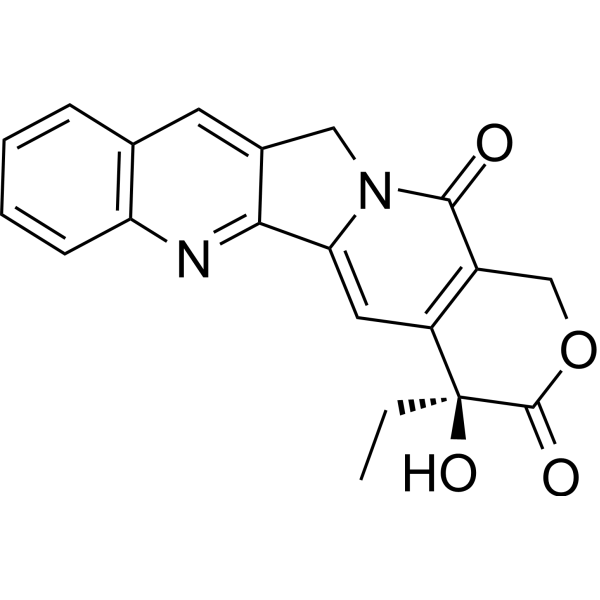
Cat. No.: HY-16560
CAS No.: 7689-03-4
Synonyms: Campathecin; (S)-(+)-Camptothecin; CPT
Camptothecin (CPT), a kind of alkaloid, is a DNA topoisomerase I (Topo I) inhibitor with an IC50 of 679 nM . Camptothecin (CPT) exhibits powerful antineoplastic activity against colorectal, breast, lung and ovarian cancers, modulates hypoxia-inducible factor-1α (HIF-1α) activity by changing microRNAs (miRNA) expression patterns in human cancer cells .
loading...
    loading...
72
72 Cited Publications
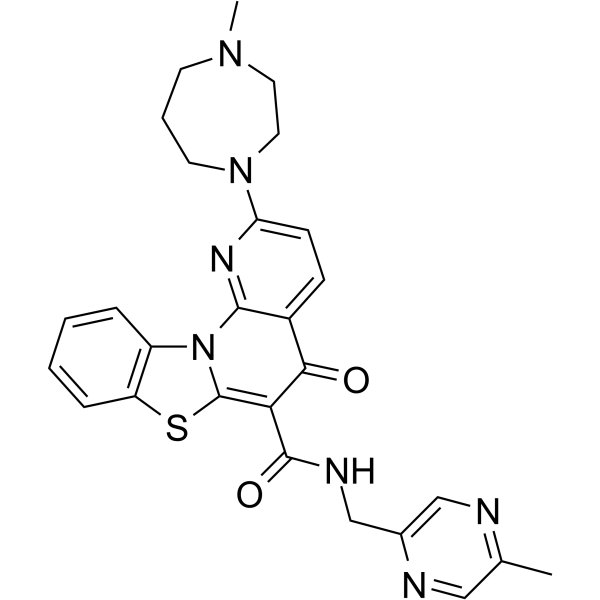
Cat. No.: HY-13323
CAS No.: 1138549-36-6
Purity:  99.49%
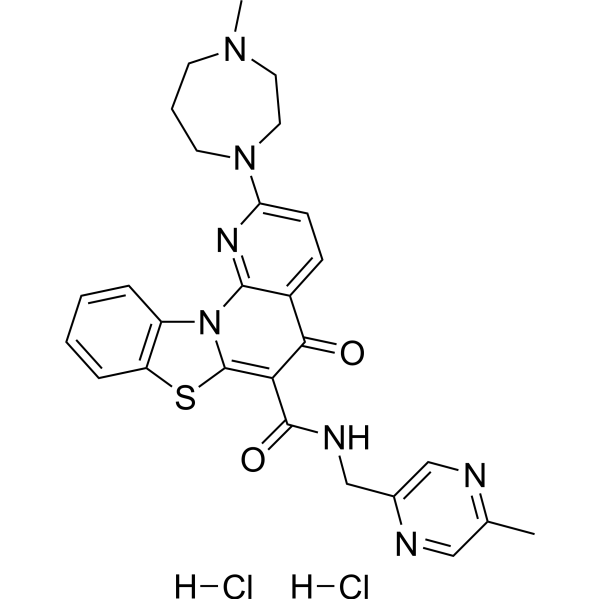
CX-5461 is a selective, orally active RNA polymerase I inhibitor. CX-5461 disrupts the formation of the SL1-rDNA complex, thereby blocking the transcription initiation of ribosomal RNA without altering the activity of RNA polymerase II, DNA replication, or protein translation processes. CX-5461 upregulates the expression of p21, MDM2, Sestrin1/2, and phosphorylated AMPKα, and reduces the level of phosphorylated Akt. CX-5461 induces G2/G2/M cell cycle arrest, Autophagy, Apoptosis, and cellular senescence, and activates CHK1, CHK2, and RPA. CX-5461 can be used in research related to osteosarcoma, cervical cancer, hematologic malignancies, high-grade serous ovarian cancer, and solid tumors .
loading...
    loading...
72
72 Cited Publications
Cat. No.: HY-13323A
Purity:  99.41%
CX-5461 dihydrochloride is a selective, orally active RNA polymerase I inhibitor. CX-5461 dihydrochloride disrupts the formation of the SL1-rDNA complex, thereby blocking the transcription initiation of ribosomal RNA without altering the activity of RNA polymerase II, DNA replication, or protein translation processes. CX-5461 dihydrochloride upregulates the expression of p21, MDM2, Sestrin1/2, and phosphorylated AMPKα, and reduces the level of phosphorylated Akt. CX-5461 dihydrochloride induces G2/G2/M cell cycle arrest, Autophagy, Apoptosis, and cellular senescence, and activates CHK1, CHK2, and RPA. CX-5461 dihydrochloride can be used in research related to osteosarcoma, cervical cancer, hematologic malignancies, high-grade serous ovarian cancer, and solid tumors .
loading...
    loading...
60
60 Cited Publications
Cat. No.: HY-100017
CAS No.: 1799753-84-6
Purity:  99.67%
Target:  

GLUT Disulfidptosis

Research Areas:  

Cancer

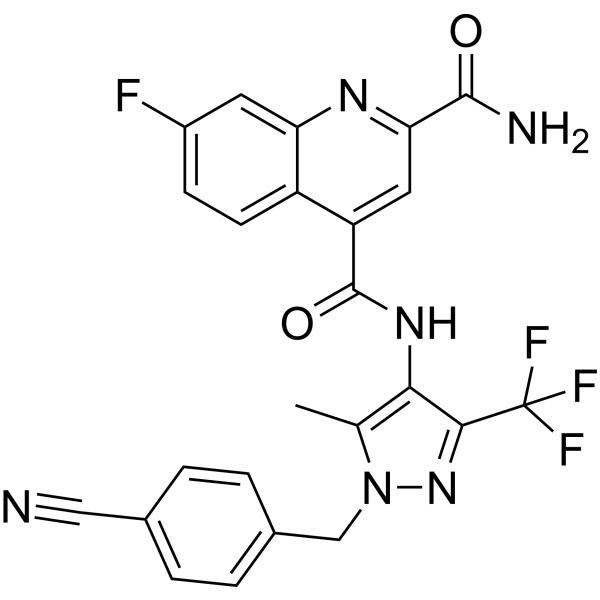
BAY-876, a chemical probe, is an orally active and selective glucose transporter 1 (GLUT1) inhibitor with an IC50 of 2 nM. BAY-876 is >130-fold more selective for GLUT1 than GLUT2, GLUT3, and GLUT4. BAY-876 is also a potent blocker of glycolytic metabolism and ovarian cancer growth. In addition, BAY-876 can induce the formation of disulfide bonds in actin cytoskeletal proteins, leading to the occurrence of cellular disulfidptosis .
loading...
    loading...
56
56 Cited Publications
Cat. No.: HY-13328
CAS No.: 1224844-38-5
Purity:  99.63%
Synonyms: INK-128; MLN0128; TAK-228
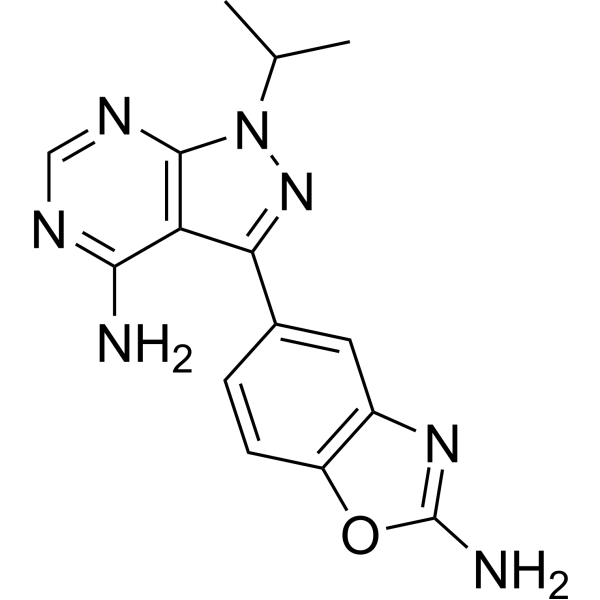
Sapanisertib (INK-128; MLN0128; TAK-228) is an orally active dual mTORC1/mTORC2 inhibitor. Sapanisertib directly and simultaneously inhibits mTORC1/2 activity through competitive binding with ATP, thereby comprehensively blocking downstream processes such as protein and lipid synthesis and cytoskeletal reorganization, consequently suppressing tumor cell proliferation and promoting apoptosis. Sapanisertib is applicable to research on melanoma, ovarian cancer, pulmonary fibrosis, and hematological malignancies .
loading...
    loading...
52
52 Cited Publications
Cat. No.: HY-15947
CAS No.: 1453848-26-4
Synonyms: GDC-0994
Research Areas:  

Cancer

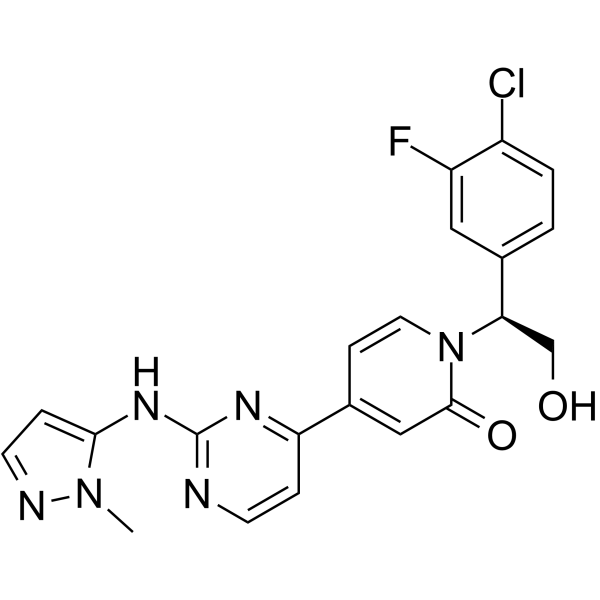
Ravoxertinib (GDC-0994) is an orally active ERK1/2 inhibitor. Ravoxertinib inhibits the ERK1/2 MAPK signaling pathway and reduces the expression levels of c-Myc, HK2 and LDHA. Ravoxertinib decreases mammosphere formation, and exerts additive and/or superadditive cytotoxicity when combined with Ipatasertib (HY-15186) in 3D tumor sphere models. Ravoxertinib can be used in research related to various cancers including breast cancer, melanoma, head and neck cancer, non-small cell lung cancer, ovarian cancer and Merkel cell carcinoma .
loading...
    loading...
52
52 Cited Publications
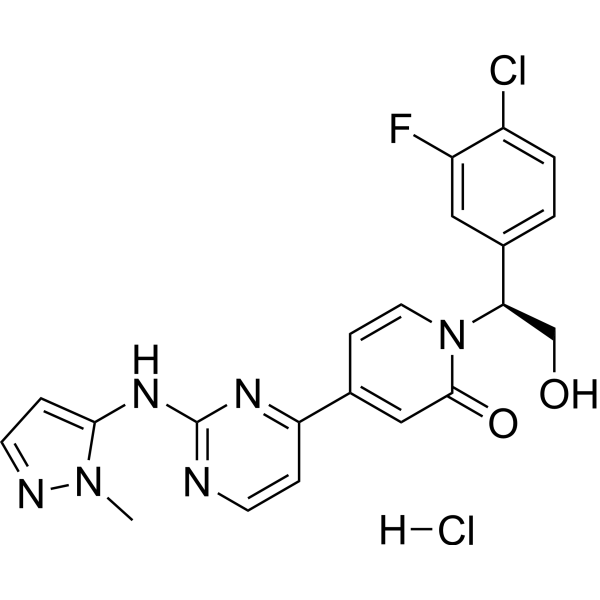
Cat. No.: HY-15947A
CAS No.: 2070009-58-2
Synonyms: GDC-0994 hydrochloride
Research Areas:  

Cancer

Ravoxertinib hydrochloride (GDC-0994 hydrochloride) is an orally active ERK1/2 inhibitor. Ravoxertinib hydrochloride inhibits the ERK1/2 MAPK signaling pathway and reduces the expression levels of c-Myc, HK2 and LDHA. Ravoxertinib hydrochloride decreases mammosphere formation, and exerts additive and/or superadditive cytotoxicity when combined with Ipatasertib (HY-15186) in 3D tumor sphere models. Ravoxertinib hydrochloride can be used in research related to various cancers including breast cancer, melanoma, head and neck cancer, non-small cell lung cancer, ovarian cancer and Merkel cell carcinoma .
loading...
    loading...
23
23 Cited Publications
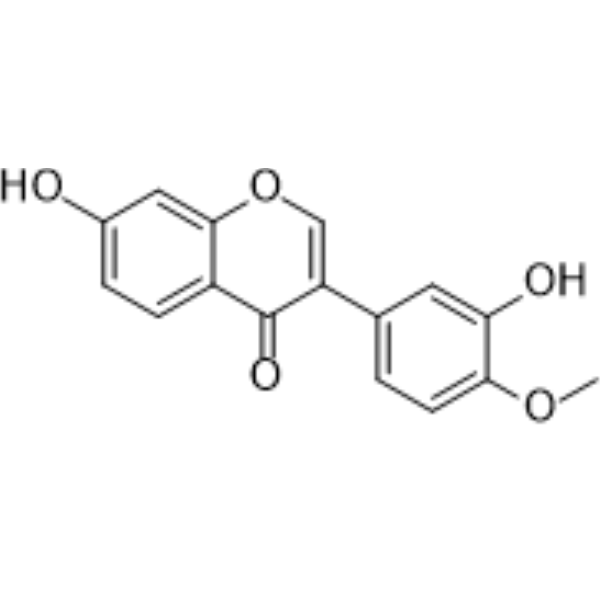
Cat. No.: HY-N0519
CAS No.: 20575-57-9
Synonyms: Cyclosin
Calycosin is a compound that can be isolated from Radix Astragali. Calycosin has strong antioxidant, anti-inflammatory and apoptosis-modulating effects. Calycosin can be used for the research of ovarian cancer and breast cancer .
loading...
    loading...
21
21 Cited Publications
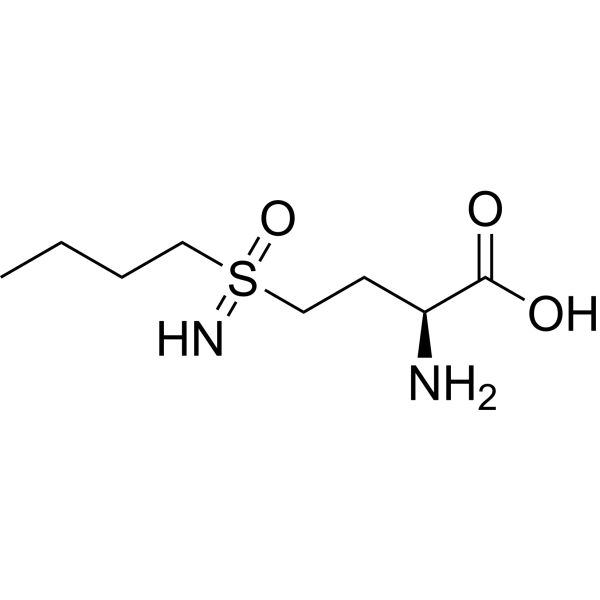
Cat. No.: HY-106376A
CAS No.: 83730-53-4
Purity:  99.35%
Synonyms: L-Buthionine sulfoximine; L-BSO
Target:  

Ferroptosis

Research Areas:  

Cancer

L-Buthionine-(S,R)-sulfoximine is a cell-permeable, potent, fast acting and irreversible inhibitor of g-glutamylcysteine synthetase and depletes cellular glutathione levels. The IC50 value of L-Buthionine-(S,R)-sulfoximine on melanoma, breast and ovarian tumor specimens are 1.9 μM, 8.6 μM, and 29 μM, respectively.
loading...
    loading...
21
21 Cited Publications
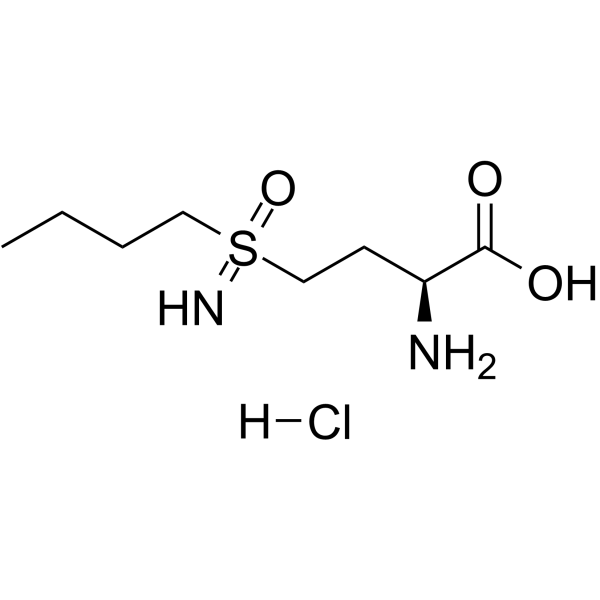
Cat. No.: HY-106376C
Purity:  ≥98.0%
Synonyms: L-Buthionine sulfoximine hydrochloride; L-BSO hydrochloride
Target:  

Ferroptosis

Research Areas:  

Metabolic Disease Cancer

L-Buthionine-(S,R)-sulfoximine hydrochloride is a cell-permeable, potent, fast acting, orally active and irreversible inhibitor of g-glutamylcysteine synthetase and depletes cellular glutathione levels. The IC50 value of L-Buthionine-(S,R)-sulfoximine on melanoma, breast and ovarian tumor specimens are 1.9 μM, 8.6 μM, and 29 μM, respectively .
loading...
    loading...
20
20 Cited Publications
Cat. No.: HY-76201
CAS No.: 149003-01-0
Synonyms: ICRF-187 hydrochloride; ADR-529 hydrochloride; NSC-169780 hydrochloride
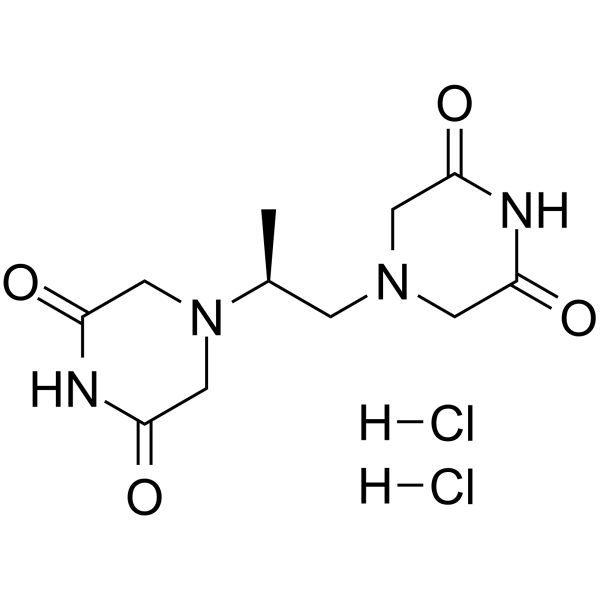
Dexrazoxane hydrochloride (ICRF-187 hydrochloride) is a heart protectant that can help preserve ovarian function and fertility. Dexrazoxane hydrochloride has antioxidant and anti-inflammatory properties, can cross the blood-brain barrier, improves motor function disorders, and offers neuroprotective effects, making it useful in the study of neurodegenerative diseases .
loading...
    loading...
17
17 Cited Publications
Cat. No.: HY-13241A
CAS No.: 862505-00-8
Synonyms: LY2228820
Target:  

p38 MAPK Autophagy

Research Areas:  

Cancer

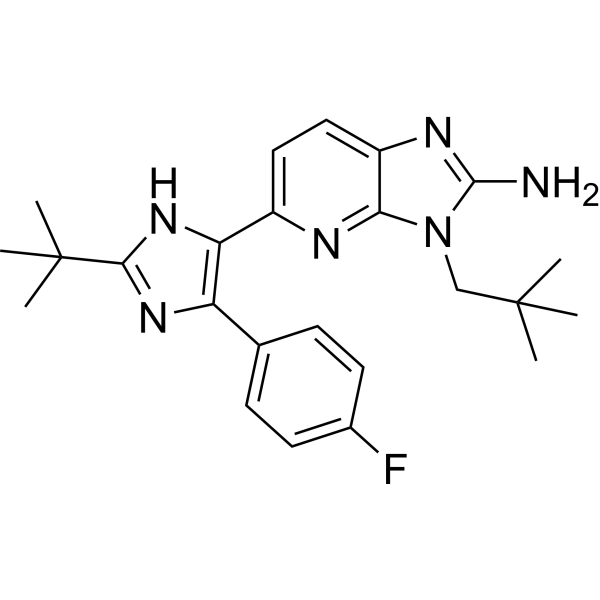
Ralimetinib is an ATP-competitive p38α and p38β MAPK inhibitor with an IC50 of 5.3 nmol/L against human p38α and an IC50 of 3.2 nmol/L against human p38β. Ralimetinib slows tumor growth in preclinical in vivo cancer models, exhibits oral bioavailability in mice, and achieves sustained target inhibition for 4 to 8 h. Ralimetinib is applicable for research on melanoma, non-small cell lung cancer, ovarian cancer, glioma, multiple myeloma, breast cancer, renal cancer, and head and neck squamous cell carcinoma .
loading...
    loading...
14
14 Cited Publications
Cat. No.: HY-B0425
CAS No.: 303-81-1
Synonyms: Albamycin; Cathomycin
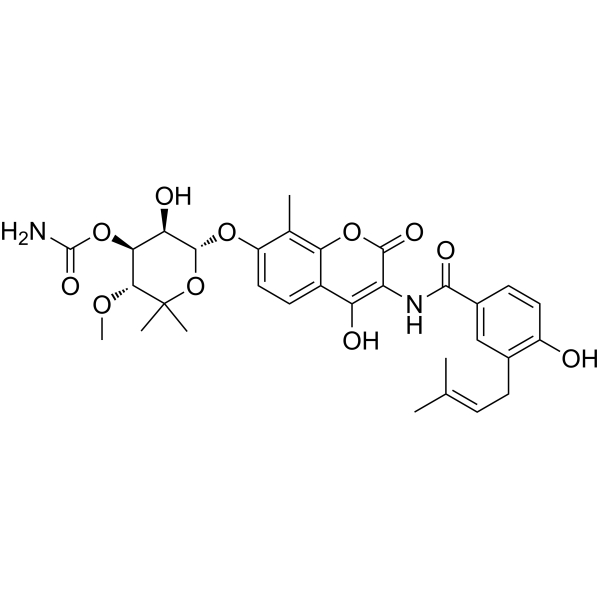
Novobiocin (Albamycin; Cathomycin) is an orally active antibiotic and Hsp-90 antagonist that also inhibits the Polθ helicase/ATPase domain with IC50 values of 24 μM and 15-17 μM, respectively. Novobiocin binds to Hsp90, GyrB, and POLθ, inhibiting their ATPase activity and ssDNA binding. Novobiocin inhibits molecular chaperone function and DNA repair, and induces apoptosis and genomic instability. Novobiocin exhibits bactericidal and antiparasitic activities. Novobiocin inhibits tumor growth in vivo. Novobiocin is used for research on equine piroplasmosis, ovarian cancer, breast cancer, anthrax, and melioidosis .
loading...
    loading...

