1. Search Result
Search Result
Results for "

pH indicator

" in MedChemExpress (MCE) Product Catalog:

66

Inhibitors & Agonists

40

Fluorescent Dye

22

Biochemical Assay Reagents

1

Natural
Products

2

Isotope-Labeled Compounds

Targets Recommended:
Cat. No. Product Name Target Research Areas Chemical Structure
  • HY-D0169
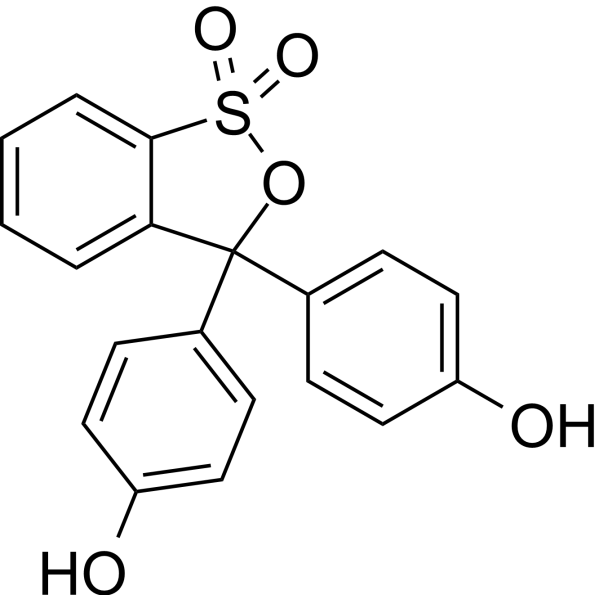
    Phenol Red
    1 Publications Verification

    pHenolsulfonepHthalein

    Environmental Pollutants Fluorescent Dye Others
    Phenol red (Phenolsulfonephthalein) is a pH indicator dye, relying on a distinct color change from pink to yellow in case of a positive reaction .
    Phenol Red
  • HY-101883

    Fluorescent Dye Others
    BCECF-AM is a cell membrane permeable compound widely used as a fluorescent indicator for intracellular pH. BCECF-AM could diffuse through the cell membrane and intracellular esterase cleave the ester bond releasing BCECF (HY-101882). BCECF allows measurements in the physiological pH range 6.0-8.0. Excitation ratio: 490/440 nm; Emission intensity: 535 nm.
    BCECF-AM
  • HY-B1571

    Environmental Pollutants Fluorescent Dye Others
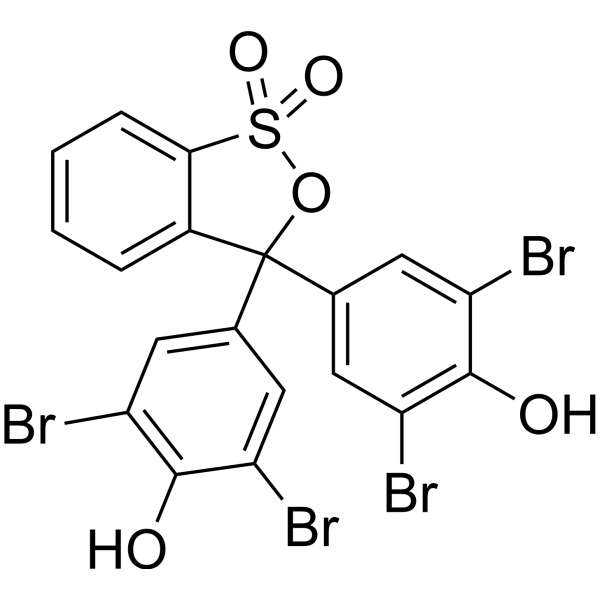
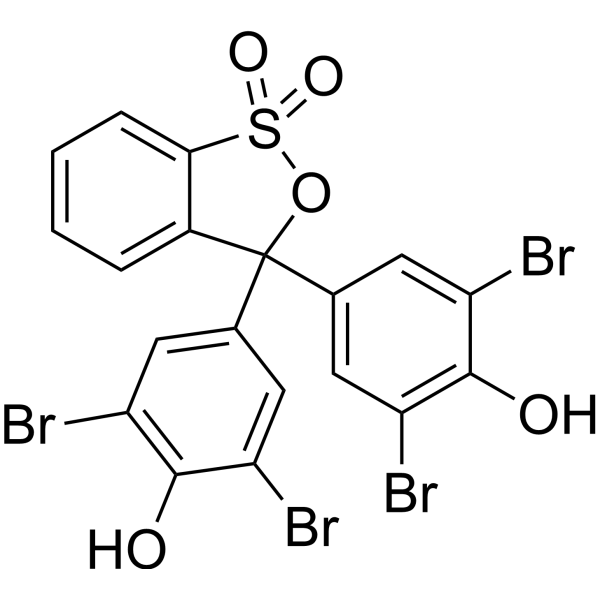
    Bromophenol blue is an acid phthalein dye, and it is used as a tracking dye for electrophoresis. Bromophenol blue is also used as a pH indicator, with a transition range of pH 3 to 4.6. Bromophenol blue is used as a sensor for the determination of several compounds including ammonia, drugs, proteins and amino acids. The binding of Bromophenol blue to proteins is accompanied by the appearance of a strong absorbance at 610 nm .
    Bromophenol blue
  • HY-D0166

    Fluorescent Dye Others
    Neutral Red, a nitrogenous pH-indicator with a pKi of 6.8, is an indicator for the internal acidification of thylakoids. Neutral Red stains lysosomes red .
    Neutral Red
  • HY-133527

    Oregon green 488 succinimidyl ester

    Fluorescent Dye Neurological Disease
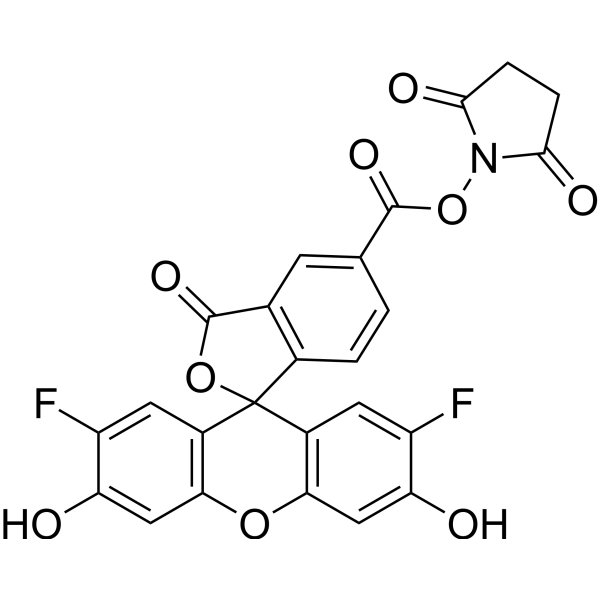
    OG 488, SE (Oregon green 488 succinimidyl ester), a fluorescent pH indicator, has many applications in biochemistry and neurosciences .
    OG 488, SE
  • HY-D0023
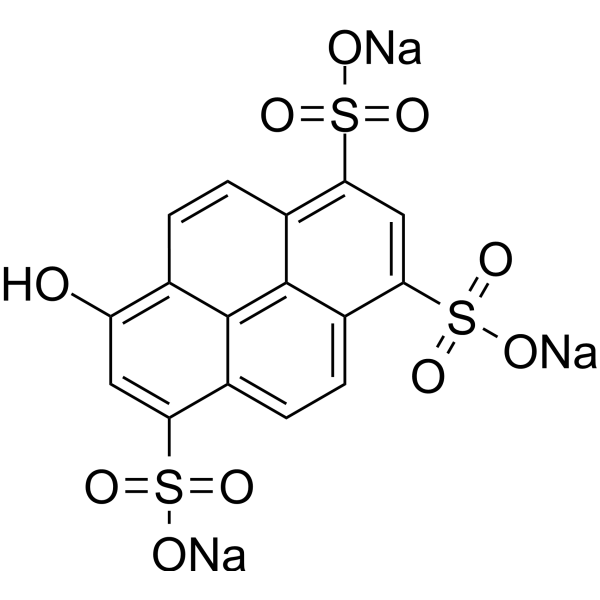
    Pyranine
    2 Publications Verification

    HPTS; Solvent Green 7

    Environmental Pollutants Fluorescent Dye Others
    Pyranine (HPTS; Solvent Green 7) is a cell-impermeant pH-sensitive fluorescent indicator. Pyranine acts as a class of fluorescent chemosensor for the Cu + ion. Pyranine is used as a coloring agent, biological stain, optical detecting reagent, and pH indicator (Ex/Em = 450/510 nm) .
    Pyranine
  • HY-B1422
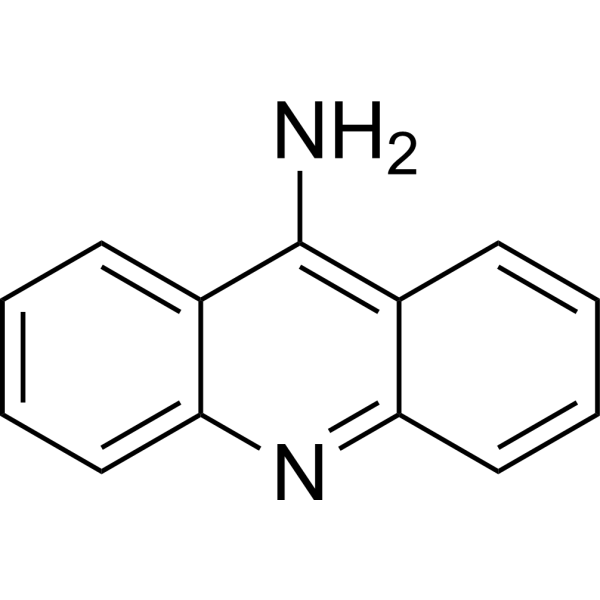
    9-Aminoacridine
    4 Publications Verification

    Aminacrine

    Bacterial HIV Infection
    9-Aminoacridine, a fluorescent probe, acts as an indicator of pH for quantitative determination of transmembrane pH gradients (inside acidic). 9-Aminoacridine is an antimicrobial. 9-Aminoacridine exerts its antimicrobial activity by interacting with specific bacterial DNA and disrupting the proton motive force in K. pneumoniae. 9-Aminoacridine is a HIV-1 inhibitor and inhibits HIV LTR transcription highly dependent on the presence and location of the amino moiety. 9-Aminoacridine inhibits virus replication in HIV-1 infected cell lines. 9-Aminoacridine is used as a Rifampin (RIF; HY-B0272) adjuvant for the multidrug-resistant K. pneumoniae infections .
    9-Aminoacridine
  • HY-D0012

    Environmental Pollutants Fluorescent Dye Others
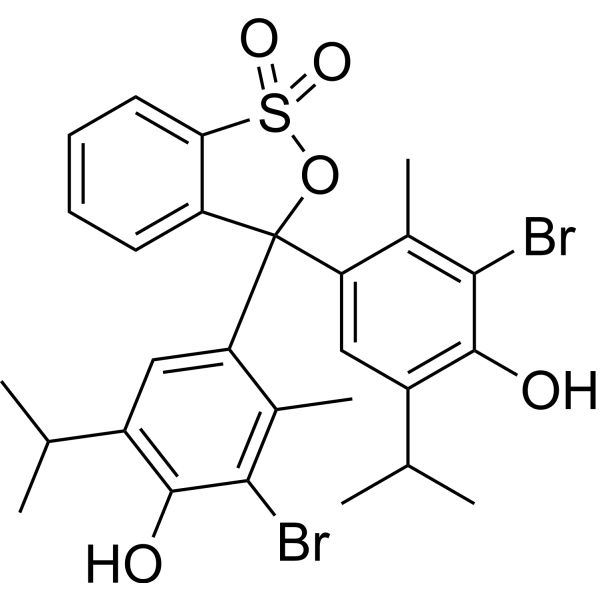
    Bromothymol Blue is a pH indicator.
    Bromothymol Blue
  • HY-W110798
    Bromophenol blue indicator (3.0-4.6)
    1 Publications Verification

    Environmental Pollutants Biochemical Assay Reagents Others
    Bromophenol blue indicator (3.0-4.6) is a synthetic dye commonly used as an acid-base indicator with a transition range of pH 3.0-4.6. Bromophenol blue indicator (3.0-4.6) is water soluble and changes color from yellow to blue as the pH of the solution changes from acidic to basic. Its unique chemical properties make it an important ingredient in a variety of scientific applications, especially in biochemistry and molecular biology. In addition, it can be used as a stain in microbiology and histology. However, Bromophenol blue indicator (3.0-4.6) has potential irritating and staining properties.
    Bromophenol blue indicator (3.0-4.6)
  • HY-118907

    Fluorescent Dye Others
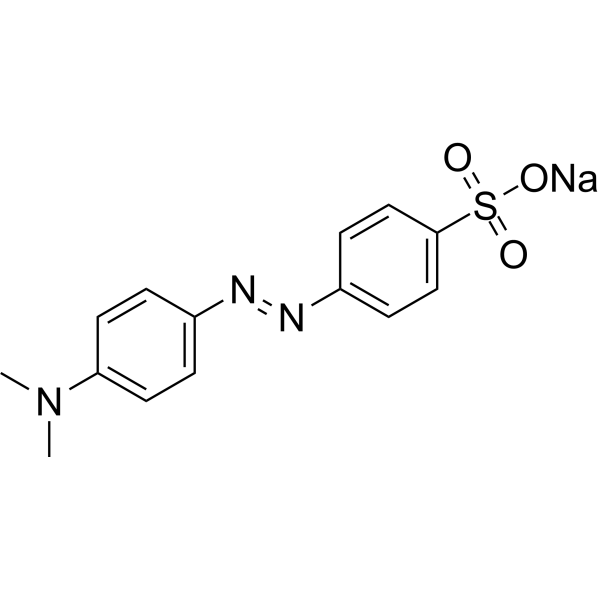
    Methyl Orange is a soluble azo dye commonly used as an acid-base indicator and for staining cells and tissue sections, as well as for dyeing textiles. Methyl Orange appears red at a pH of 3.1 and changes to bright yellow as the pH increases to 4.4. Methyl Orange (500 mg/L) exhibits cytotoxicity and can cause DNA damage .
    Methyl Orange
  • HY-W040144

    Fluorescent Dye Others
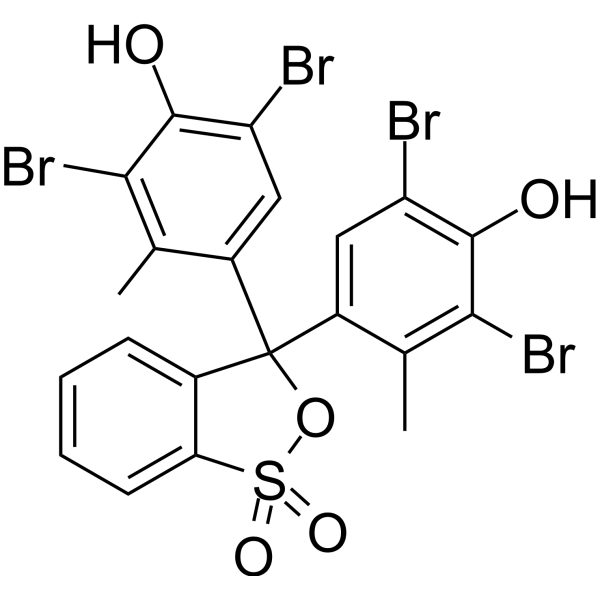
    Bromocresol green is a pH-sensitive triphenylmethane dye commonly used for the determination of protein and albumin in serum. Bromocresol green is a bio-based dye with a yellow-green to blue-green color. Bromocresol green turns yellow (λmax=435 nm, protonated form) when placed in acidic solution (e.g. pH=4.15), and turns blue in basic solution (λmax=615 nm, deprotonated form). Bromocresol green is widely used as a pH indicator in the field of biochemical analysis. In addition, Bromocresol green is also used to detect the concentration of molecules such as creatinine, and to judge the viability of cells .
    Bromocresol green
  • HY-Y0699

    Environmental Pollutants Fluorescent Dye Others
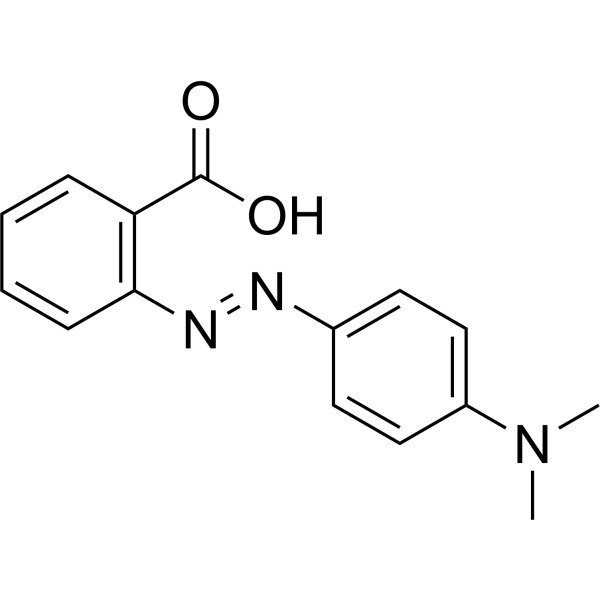
    Methyl red is a pH-sensitive acid-base indicator and colorimetric reagent with a pKa of 5.1. Methyl red achieves visual judgment of the titration endpoint through reversible structural changes of protonation (red, pH <4.4) and deprotonation (yellow, pH >6.2). Methyl red is widely used in acid-base titration in chemical analysis and buffer pH monitoring in biochemistry .
    Methyl red
  • HY-D0219

    ThymolsulpHonepHthalein

    Fluorescent Dye Others
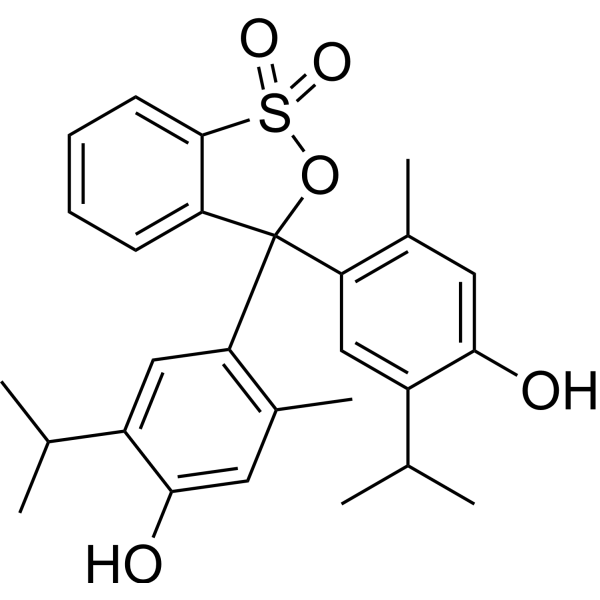
    Thymol blue is a reversible pH indicator that responds to the pH of the solution through structural changes of protonation and deprotonation. Thymol blue is red (HI - form) under acidic conditions and blue (I 2- form) under alkaline conditions. Quantitative detection is achieved through the absorption peak shift (435 nm/596 nm) of the UV-visible spectrum. Thymol blue selectively responds to pH changes, changing from red to yellow at pH 1.2-2.8 and from yellow to blue at pH 8.0-9.6. Thymol blue can be fixed in a silica gel matrix through sol-gel technology to form a solid-state sensor for in-situ pH measurement in the marine environment and acid-base monitoring in the biomedical field[1][2].
    Thymol blue
  • HY-D0169A
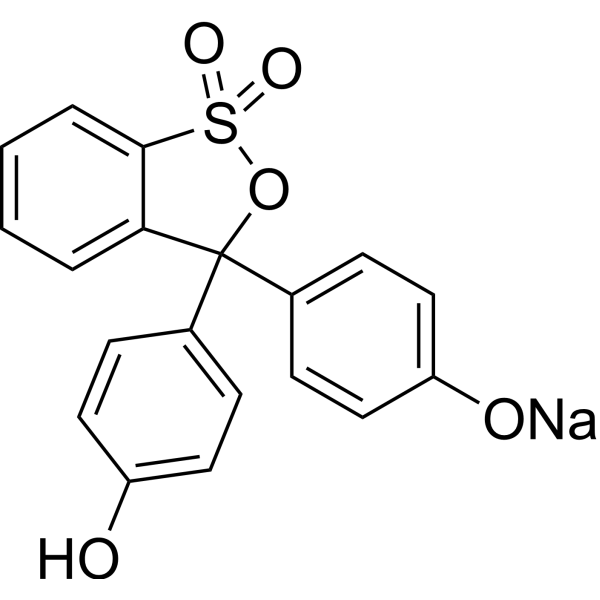
    Phenol Red sodium salt
    1 Publications Verification

    pHenolsulfonepHthalein sodium salt

    Fluorescent Dye Glutathione Peroxidase Others
    Phenol red (Phenolsulfonephthalein) sodium salt is a pH indicator dye. Phenol Red sodium salt is also an antagonist of rat P2X1R. Phenol Red sodium salt enhances the halogenating activity of myeloperoxidase. Phenol Red sodium salt shows a distinct color change from pink to yellow in a positive pH reaction .
    Phenol Red sodium salt
  • HY-D1445
    LysoSensor PDMPO
    1 Publications Verification

    Fluorescent Dye Metabolic Disease
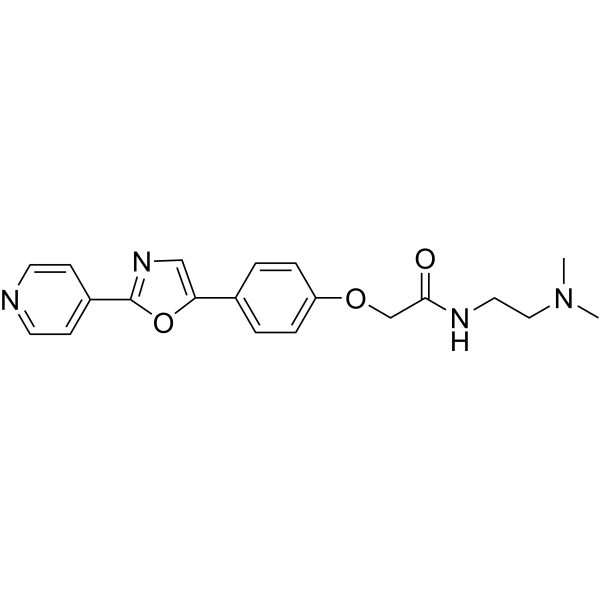
    PDMPO, a lysosome pH indicator, is an excellent fluorescent acidotropic reagent for fluorescence imaging. PDMPO is a potent tool with which to study acidic organelles of live cells. PDMPO exhibits pH-dependent dual-excitation and dual-emission spectral peaks. PDMPO produces a blue fluorescence in weakly acidic organelles and shifts to yellow in more acidic lysosomes. (Abs=329 nm; Em=440/540 nm) .
    LysoSensor PDMPO
  • HY-126774
    DAF-FM
    1 Publications Verification

    Fluorescent Dye Others
    DAF-FM is a cell-impermeant diaminofluorescein, which can be used as fluorescent indicator for nitric oxide (NO) with good pH tolerance .
    DAF-FM
  • HY-101883A
    BCECF Acetoxymethyl ester
    Maximum Cited Publications
    10 Publications Verification

    Fluorescent Dye Others
    BCECF Acetoxymethyl ester is a cell membrane permeable compound widely-used as a fluorescent indicator for intracellular pH. BCECF Acetoxymethyl ester could diffuse through the cell membrane and intracellular esterase cleave the ester bond releasing BCECF (HY-101882). BCECF allows measurements in the physiological pH range 6.0-8.0. Excitation ratio: 490/440 nm; Emission intensity: 535 nm .
    BCECF Acetoxymethyl ester
  • HY-D0077

    Oregon green 488

    Fluorescent Dye Others
    2',7'-Difluorofluorescein (Oregon green 488) is a fluorescein derivative and a pH-sensitive fluorescent probe (pKa ~4.7). Upon excitation at 488 nm, 2',7'-Difluorofluorescein exhibits pH-sensitive fluorescence intensity through the formation of dianions, while its pH sensitivity decreases under excitation at 450 nm, allowing its use in ratiometric pH analysis. 2',7'-Difluorofluorescein can be used for the quantitative analysis of pH values in the range of 2-7 in submicron aerosol particles. 2',7'-Difluorofluorescein undergoes buffer-mediated and buffer-free excited-state proton transfer between different protonated forms, and its cationic form undergoes rapid excited-state deprotonation. 2',7'-Difluorofluorescein is resistant to photodegradation, maintains stable absorption and fluorescence properties within the physiological pH range, and serves as a fluorescent protein label, a component of Ca 2+ indicators, a fluorescent imaging agent, and an anisotropy probe .
    2',7'-Difluorofluorescein
  • HY-W110794

    Environmental Pollutants Biochemical Assay Reagents Others
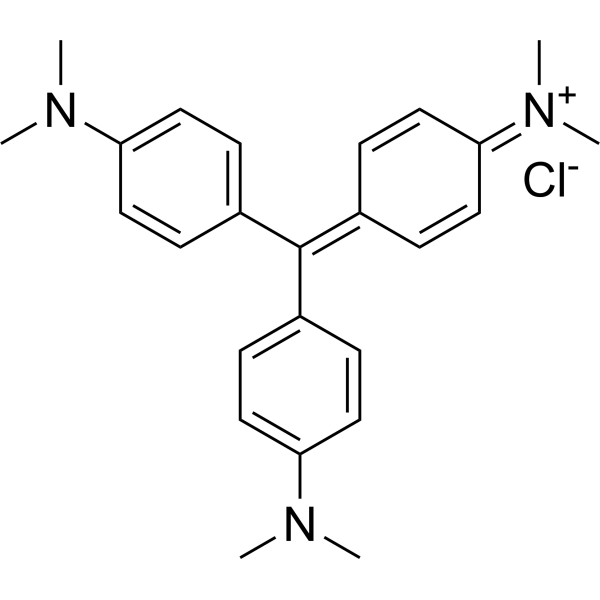
    Crystal violet, IND (0.0-2.0) is a specialized indicator suitable for strongly acidic systems, which reflects changes in pH within the range of 0.0-2.0 through color changes. Crystal violet, IND (0.0-2.0) is widely used in acid-base titration, chemical analysis, and industrial testing fields .
    Crystal violet, IND (0.0-2.0)
  • HY-D0202

    Fluorescent Dye Others
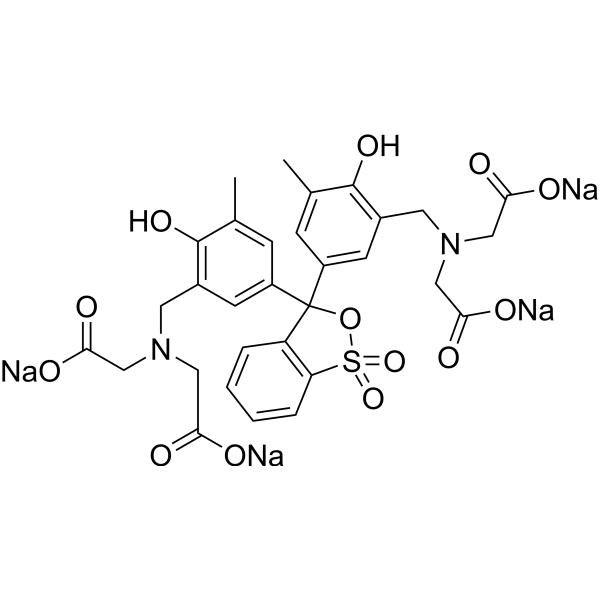
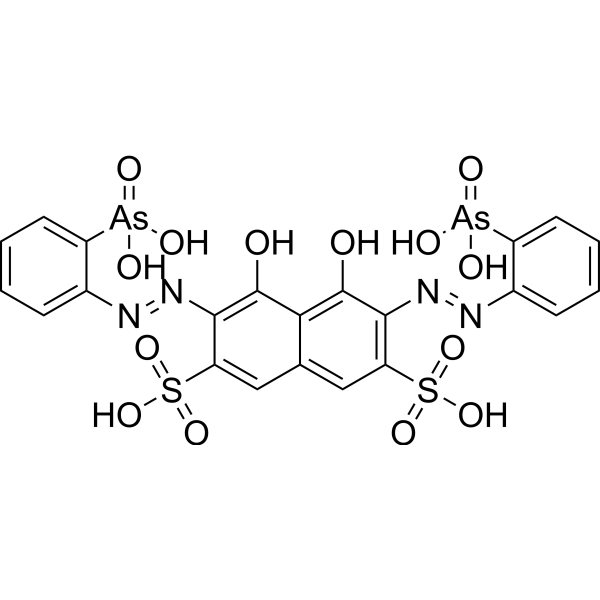
    Arsenazo III is an azo derivative of chromotropic acid, a metal chrome dye, a chelating agent, and a cation complexing agent. Arsenazo III forms stable 1:1 complexes with Ca 2+, Mg 2+, Sr 2+, Ba 2+, K +, and Na +, and its binding affinity for Ca 2+ depends on pH, alkali metal cation concentration, and buffer parameters. Arsenazo III serves as a colorimetric indicator for micromolar ionized Ca 2+ in cells .
    Arsenazo III
  • HY-W087928

    Biochemical Assay Reagents Others
    Bromocresol purple is a pH indicator, whose color changes from yellow to purple when the pH increases from 5.2 to 6.8. Bromocresol purple can be used for detecting yeast cells with plasma membrane damage and measuring serum albumin concentrations .
    Bromocresol purple
  • HY-125457

    p-NapHtolbenzein

    Biochemical Assay Reagents Others
    α-Naphtholbenzein (p-Naphtolbenzein) is a dye. α-Naphtholbenzein can be used as a pH indicator. α-Naphtholbenzein is commonly used in experiments such as acid-base neutralization reactions, titration, and pH measurement .
    α-Naphtholbenzein
  • HY-D0142

    Environmental Pollutants Fluorescent Dye Others
    Pyrene-1,3,6,8-tetrasulfonic acid tetrasodium is a fluorescent dye and pH indicator, also as a ligand of multifunctional metal-organic framework. Pyrene-1,3,6,8-tetrasulfonic acid tetrasodium has been used to detect CO2 release .
    Pyrene-1,3,6,8-tetrasulfonic acid tetrasodium
  • HY-W151206

    Fluorescent Dye Others
    Hydroxy naphthol blue disodium is an azo dye compound commonly used as an acid-base indicator (λmax = 650 nm). Within the pH range of 12 to 13, the indicator solution of Hydroxy naphthol blue disodium appears pale red in the presence of calcium ions and dark blue in the presence of disodium EDTA .
    Hydroxy naphthol blue disodium
  • HY-128369

    Metanil Yellow

    Environmental Pollutants Cytochrome P450 Others
    Acid Yellow 36 (Metanil Yellow) is an azo dye and a pH indicator. Acid Yellow 36 changes its color from red at pH 1.2 to yellow at pH 2.3. Acid Yellow 36 is used in the leather, paper and textile industries. Acid Yellow 36 acts as a bifunctional inducer of specific isozymes of P-450 and cytosolic enzymes .
    Acid Yellow 36
  • HY-D0265

    Environmental Pollutants Fluorescent Dye Others
    Thymolphthalein is an electrochemically active dye due to the presence of thymol fragments. Thymolphthalein is a Phthalein dye used as an acid-base indicator. It is colourless in acid pH and is blue in basic pH .
    Thymolphthalein
  • HY-D0228

    Azo Violet; Magneson I

    Fluorescent Dye Others
    4-(4-Nitrophenylazo)resorcinol (Azo Violet) is an azo purple dye used experimentally as a pH indicator, showing yellow when the pH value is lower than 11 and purple when the pH value is higher than 13. In slightly alkaline or alkaline environments, it also turns dark blue in the presence of magnesium salts. Azo Violet can also be used to test for the presence of ammonium ions. The color of the ammonium chloride or ammonium hydroxide solution will change depending on the concentration of azo violet used .
    4-(4-Nitrophenylazo)resorcinol
  • HY-D1677

    Fluorescent Dye Others
    5(6)-Carboxynaphthofluorescein is a pH-dependent fluorophore. 5(6)-Carboxynaphthofluorescein shows good sensitivity in an alkaline pH range and it can be exploited in the construction of fiber-optic pH sensors. 5(6)-Carboxynaphthofluorescein can be used as a fluorescent pH indicator (Ex/Em=593/668 nm) .
    5(6)-Carboxynaphthofluorescein
  • HY-D2482

    APG-1 AM

    Fluorescent Dye Neurological Disease
    Asante potassium green-1 AM (APG-1 AM) is a cell-permeable K +-sensitive fluorescent indicator and potassium ion indicator that exhibits minimal interference from Na + and pH at physiologically relevant intracellular levels. Asante potassium green-1 AM enables non-invasive monitoring and quantitative analysis of intracellular potassium ion concentration (ᵢ) . Its excitation/emission maxima are 525/545 nm, respectively.
    Asante potassium green-1 AM
  • HY-D1401

    Fluorescent Dye Others
    OG 488, acid, a fluorescent pH indicator, has many applications in biochemistry and neurosciences .
    OG 488, acid
  • HY-128545

    Nitrazine paper; pHenapHthazine

    Biochemical Assay Reagents Others
    Nitrazine yellow (Nitrazine paper; Phenaphthazine) is a pH indicator. The color of Nitrazine yellow changes from yellow to blue in the pH range from 6.0 to 7.0. Nitrazine yellow is a kind of biological materials or organic compounds that are widely used in life science research .
    Nitrazine yellow
  • HY-D0252

    Fluorescent Dye Others
    m-Cresol purple is a pH indicator dye with large cross section and halochromic property in neutral pH range .
    m-Cresol purple
  • HY-D1556

    1,2-dioleoyl-sn-glycero-3-pHospHoethanolamine-N-(carboxyfluorescein) ammonium

    Fluorescent Dye Cancer
    18:1 PE CF (1,2-dioleoyl-sn-glycero-3-phosphoethanolamine-N-(carboxyfluorescein) (ammonium)) is a pH-sensitive fluorescent indicator. 18:1 PE CF exhibits changes in fluorescence intensity in response to pH variations and reflects the electrostatic states of cationic liposomes and lipoplexes. 18:1 PE CF supports real-time visualization of pH distribution and membrane deformation in giant unilamellar vesicles and is suitable for steady-state fluorescence testing in large unilamellar vesicle membranes. 18:1 PE CF is capable of monitoring the surface electrical potential of cationic liposomes and lipoplexes and can effectively label lipid bilayers and nanomicelles. 18:1 PE CF can be used for the research of the investigation of lung cancer (Ex = 495 nm; Em = 520 nm) .
    18:1 PE CF
  • HY-D0219A

    Fluorescent Dye Others
    Thymol Blue sodium is an acid-base indicator used to indicate changes in pH. Thymol Blue sodium fades from red to yellow at pH 1.2 to 2.8 and from yellow to blue at pH 8.0 to 9.6. Quantitative detection is achieved through the absorption peak shift (435 nm/596 nm) of the UV-visible spectrum. Thymol blue sodium can be fixed in a silica gel matrix through sol-gel technology to form a solid-state sensor for in-situ pH measurement in the marine environment and acid-base monitoring in the biomedical field .
    Thymol Blue sodium
  • HY-118320

    Mordant orange 1

    Fluorescent Dye Others
    Alizarine Yellow R (Mordant orange 1), Salicylic acid derivative (HY-B0167), is an azo dye. Alizarine Yellow R is used as a pH indicator and a biological stain in chemical examinations and dyeing industries .
    Alizarine Yellow R
  • HY-W331502

    Fluorescent Dye Others
    Chlorophenol Red sodium is a pH indicator .
    Chlorophenol Red sodium
  • HY-D0012A

    Biochemical Assay Reagents Others
    Bromothymol Blue sodium salt is a pH indicator. Storage: protect from light.
    Bromothymol Blue sodium
  • HY-D0112

    Fluorescent Dye Others
    7-Hydroxycoumarin-4-acetic acid, a pH-indicator dye, is covalently bound to bovine serum albumin (BSA) at the positions of reactive amino groups (λmax=326 nm) .
    7-Hydroxycoumarin-4-acetic acid
  • HY-N8502

    Fluorescent Dye Cancer
    Urdamycin A (Compound 3b) is an angucycline antibiotic that can be isolated from Streptomyces fradiae. Urdamycin A is an orange indicator with a change of the color to ultramarine blue at pH 7.7. Urdamycin A has anticancer activity with IC50s of 2.4 and 0.55 μg/mL in proliferation and stem cell assays, respectively .
    Urdamycin A
  • HY-D0276

    Metacresol purple sodium

    Biochemical Assay Reagents Others
    m-Cresol purple sodium (Metacresol purple sodium) is a pH indicator. m-Cresol purple sodium solution from yellow to blue in the pH range from 7.5 to 9.0 .
    m-Cresol purple sodium
  • HY-D0140

    ETH 5294

    Fluorescent Dye Others
    Chromoionophore I (ETH 5294) is a hydrophobic pH indicator. Chromoionophore I is used as a transmissive or fluorescent probe molecule in many types of hydrophobic sensor membranes. Chromoionophore I is oil-soluble .
    Chromoionophore I
  • HY-W025785

    Solvent Yellow 2; Dimethyl yellow

    Biochemical Assay Reagents Cancer
    Methyl yellow (Solvent Yellow 2) is a pH indicator. Methyl yellow appears red at low pH, and becomes yellow above pH 4.0 .
    Methyl yellow
  • HY-D0015

    Fluorescent Dye Others
    Cresol red, 97% is an acidic phenolsulfonphthalein triphenylmethane dye. Cresol red, 97% generates reactive oxygen species and singlet oxygen under ultrasonic irradiation, interacts with bovine serum albumin, alters the structure of bovine serum albumin, and oxidizes the fluorescent amino acid residues of bovine serum albumin. Cresol red, 97% can be decolorized and biodegraded by *Absidia spinosa* M15, producing phenylacetic acid and benzoic acid metabolites. Cresol red, 97% serves as a pH indicator (orange at pH 1.8-yellow at pH 2.0, yellow at pH 7.0-purple at pH 8.8). Cresol red, 97% can be used to indicate pH, temperature and salinity .
    Cresol red, 97%
  • HY-Y0699R

    Fluorescent Dye Reference Standards Others
    Methyl red (Standard) is the analytical standard of Methyl red. This product is intended for research and analytical applications. Methyl red is an azo dye that acts as a pH indicator. Methyl red is red and yellow at pH 4.4 and 6.0 respectively .
    Methyl red (Standard)
  • HY-W110790

    Biochemical Assay Reagents Others
    Bromocresol purple sodium is a pH indicator, whose color changes from yellow to purple when the pH increases from 5.2 to 6.8. Bromocresol purple sodium can be used for detecting yeast cells with plasma membrane damage and measuring serum albumin concentrations .
    Bromocresol purple sodium
  • HY-W110789

    Biochemical Assay Reagents Others
    Ethyl Orange (sodium), indicator grade is an organic azo compound that can be used as a pH indicator from pH 3.0 to pH 4.8, changing color from red to orange.
    Ethyl Orange sodium, indicator grade
  • HY-W088071

    Biochemical Assay Reagents Others
    Litmus is a pH indicator, which is red at pH 4.5 and blue at pH 8.3.
    Litmus
  • HY-D0011
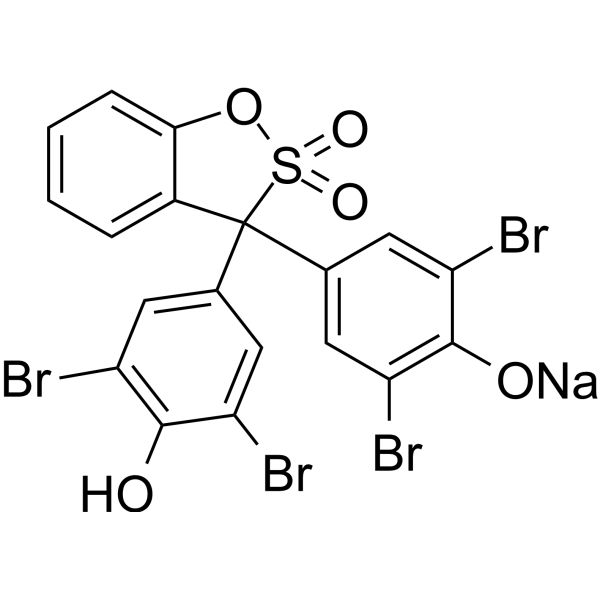
    Brom0phenol blue sodium
    1 Publications Verification

    Biochemical Assay Reagents Others
    Bromophenol blue sodium is a pH indicator. It changes from yellow at pH 3.0 to blue at pH 4.6. Bromophenol blue sodium is also used as a tracking dye to monitor the process of agarose gel electrophoresis and polyacrylamide gel electrophoresis .
    Brom0phenol blue sodium
  • HY-D0015A

    Fluorescent Dye Others
    Cresol Red sodium is a triarylmethane dye. Cresol Red sodium can be used for indicating pH, temperatures and salinities .
    Cresol Red sodium
  • HY-W087913

    Biochemical Assay Reagents Others
    alpha-Naphtholphthalein is an indicator that is light yellow at pH 6 and gradually shows a clear color change with increasing pH to light green-green-blue. alpha-Naphtholphthalein can be impregnated into cotton-blend fabrics and used to develop medical supplies for wound pH monitoring, such as medical gauze, hospital gowns and compression bandages .
    alpha-Naphtholphthalein

Inquiry Online

Your information is safe with us. * Required Fields.

Salutation


Country or Region *

Applicant Name *


Organization Name *

Department *


Email Address *


Product Name *

Cat. No.


Requested quantity *

Phone Number *


Remarks

Inquiry Online

Inquiry Information

Product Name:
Cat. No.:
Quantity:
MCE Japan Authorized Agent:

