1. Search Result
Search Result
Results for "

processes

" in MedChemExpress (MCE) Product Catalog:

2425

Inhibitors & Agonists

96

Screening Libraries

216

Fluorescent Dye

166

Biochemical Assay Reagents

92

Peptides

11

MCE Kits

17

Inhibitory Antibodies

236

Natural
Products

104

Isotope-Labeled Compounds

90

Click Chemistry

986

Oligonucleotides

5

GMP Molecules

Cat. No. Product Name Target Research Areas Chemical Structure
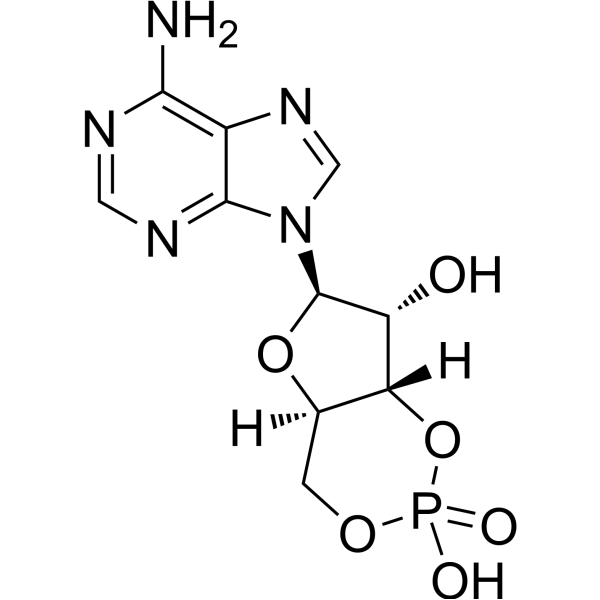
  • HY-B1511
    Cyclic AMP
    20+ Cited Publications

    Cyclic adenosine monophosphate; Adenosine cyclic 3', 5'-monophosphate; cAMP

    Endogenous Metabolite Neurological Disease Metabolic Disease Cancer
    Cyclic AMP (Cyclic adenosine monophosphate), adenosine triphosphate derivative, is an intracellular signaling molecule responsible for directing cellular responses to extracellular signals. Cyclic AMP is an important second messenger in many biological processes .
    Cyclic AMP
  • HY-Y0873I
    PEG6000
    3 Publications Verification

    Polyethylene glycol 6000

    Environmental Pollutants Biochemical Assay Reagents Others
    PEG6000 can be used as an excipient, such as Ointment base, lubricant, etc. Pharmaceutical excipients, or pharmaceutical auxiliaries, refer to other chemical substances used in the pharmaceutical process other than pharmaceutical ingredients. Pharmaceutical excipients generally refer to inactive ingredients in pharmaceutical preparations, which can improve the stability, solubility and processability of pharmaceutical preparations. Pharmaceutical excipients also affect the absorption, distribution, metabolism, and elimination (ADME) processes of co-administered drugs .
    PEG6000
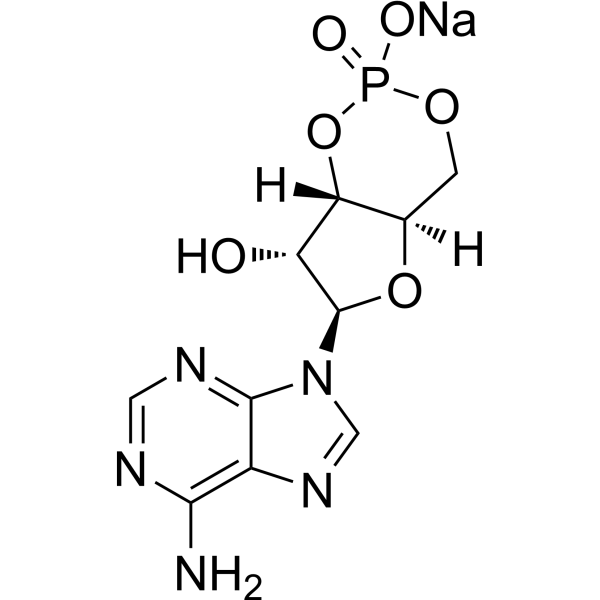
  • HY-B1511A
    Cyclic AMP sodium
    20+ Cited Publications

    Cyclic adenosine monophosphate sodium; Adenosine cyclic 3', 5'-monophosphate sodium; cAMP sodium

    Biochemical Assay Reagents Neurological Disease Metabolic Disease Cancer
    Cyclic AMP (Cyclic adenosine monophosphate) sodium, adenosine triphosphate derivative, is an intracellular signaling molecule responsible for directing cellular responses to extracellular signals. Cyclic AMP sodium is an important second messenger in many biological processes .
    Cyclic AMP sodium
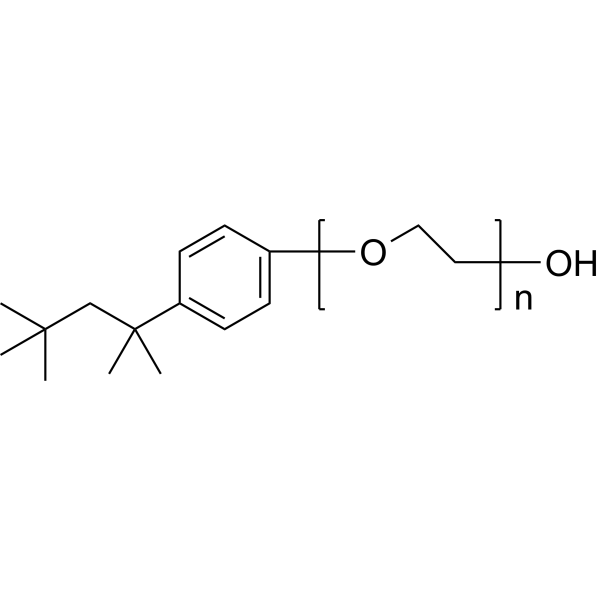
  • HY-Y1883

    Environmental Pollutants Biochemical Assay Reagents Apoptosis Infection Cancer
    Polyethylene glycol mono(4-tert-octylphenyl) ether surfactant is a non-denaturing detergent that solubilizes lipid membranes. Polyethylene glycol mono(4-tert-octylphenyl) ether surfactant is commonly used in laboratories and is applied to vaccines at different stages of the manufacturing process. Polyethylene glycol mono(4-tert-octylphenyl) ether surfactant is listed as an excipient in certain vaccines including split virus influenza vaccines. Polyethylene glycol mono(4-tert-octylphenyl) ether surfactant is a nonionic surfactant. Polyethylene glycol mono(4-tert-octylphenyl) ether surfactant induces Apoptosis in prostate and colon cancer cell lines and reduces the infectivity of classic enveloped viruses such as WNV .
    Polyethylene glycol mono(4-tert-octylphenyl) ether surfactant
  • HY-Y0316
    Sodium dodecyl sulfate
    5 Publications Verification

    Sodium lauryl sulfate; Laurylsulfuric acid sodium salt

    Environmental Pollutants Biochemical Assay Reagents Others
    Sodium dodecyl sulfate is an anionic surfactant commonly used as a detergent, emulsifier, and protein denaturant in various industrial processes, especially in the production of personal care products, cleaners, and laboratory reagents. Sodium dodecyl sulfate has unique chemical properties that make it an effective ingredient in many applications, helping to reduce surface tension and enhance cleaning power.
    Sodium dodecyl sulfate
  • HY-B2243
    Anhydrous sodium dihydrogen phosphate
    1 Publications Verification

    Sodium phosphate monobasic; Monosodium dihydrogen orthophosphate; Monosodium phosphate

    Environmental Pollutants Biochemical Assay Reagents Others
    Dihydrogen monosodium phosphate (Monosodium phosphate) is an inorganic salt compound commonly used in industry and laboratories. It can be used as a buffer, nutritional supplement, cleaning agent, etc., and plays a role in certain metal processing, pharmaceutical and chemical industries. In addition, Dihydrogen monosodium phosphate can also be used in the field of water treatment and environmental protection, for example as a purifying agent or precipitating agent for solutions.
    Anhydrous sodium dihydrogen phosphate
  • HY-Y1316
    Sodium benzoate
    2 Publications Verification

    Environmental Pollutants Biochemical Assay Reagents Apoptosis NF-κB Inflammation/Immunology Cancer
    Sodium benzoate is an orally active pharmaceutical excipient, such as an antibacterial agent, preservative, lubricant, etc. Pharmaceutical excipients, or pharmaceutical auxiliaries, refer to other chemical substances used in the pharmaceutical process other than pharmaceutical ingredients. Pharmaceutical excipients generally refer to inactive ingredients in pharmaceutical preparations, which can improve the stability, solubility and processability of pharmaceutical preparations. Pharmaceutical excipients also affect the absorption, distribution, metabolism, and elimination (ADME) processes of co-administered drugs.Sodium benzoate activates NF-κB and induces Apoptosis. Sodium benzoate induces immune suppression and produces reproductively toxic. Sodium benzoate can be used for colon cancer and immune disease research .
    Sodium benzoate
  • HY-Y0873H
    PEG4000
    3 Publications Verification

    Polyethylene glycol 4000

    Environmental Pollutants Biochemical Assay Reagents Others
    PEG4000 can be used as an excipient, such as Ointment base, lubricant, etc. Pharmaceutical excipients, or pharmaceutical auxiliaries, refer to other chemical substances used in the pharmaceutical process other than pharmaceutical ingredients. Pharmaceutical excipients generally refer to inactive ingredients in pharmaceutical preparations, which can improve the stability, solubility and processability of pharmaceutical preparations. Pharmaceutical excipients also affect the absorption, distribution, metabolism, and elimination (ADME) processes of co-administered drugs .
    PEG4000
  • HY-Y0873G

    Polyethylene glycol 1000

    Environmental Pollutants Biochemical Assay Reagents Others
    PEG1000 can be used as an excipient, such as Ointment base, lubricant, etc. Pharmaceutical excipients, or pharmaceutical auxiliaries, refer to other chemical substances used in the pharmaceutical process other than pharmaceutical ingredients. Pharmaceutical excipients generally refer to inactive ingredients in pharmaceutical preparations, which can improve the stability, solubility and processability of pharmaceutical preparations. Pharmaceutical excipients also affect the absorption, distribution, metabolism, and elimination (ADME) processes of co-administered drugs .
    PEG1000
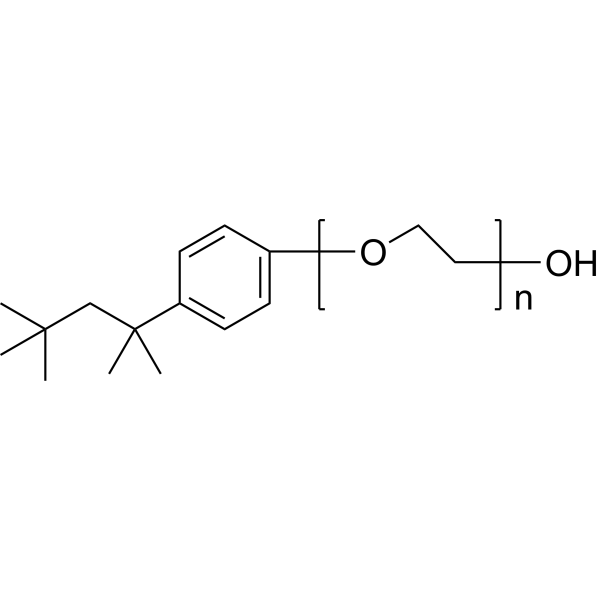
  • HY-Y1883A

    Environmental Pollutants Biochemical Assay Reagents Infection Cancer
    Polyethylene glycol mono(4-tert-octylphenyl) ether is a non-denaturing detergent that solubilizes lipid membranes. Polyethylene glycol mono(4-tert-octylphenyl) ether is commonly used in laboratories and is applied to vaccines at different stages of the manufacturing process. Polyethylene glycol mono(4-tert-octylphenyl) ether is listed as an excipient in certain vaccines including split virus influenza vaccines. Polyethylene glycol mono(4-tert-octylphenyl) ether is a nonionic surfactant. Polyethylene glycol mono(4-tert-octylphenyl) ether induces Apoptosis in prostate and colon cancer cell lines and reduces the infectivity of classic enveloped viruses such as WNV .
    Polyethylene glycol mono(4-tert-octylphenyl) ether
  • HY-113061
    Pseudouridine
    1 Publications Verification

    Endogenous Metabolite Nucleoside Antimetabolite/Analog DNA/RNA Synthesis Cancer
    Pseudouridine is an isomer of uridine and the most abundant modified nucleoside in non-coding RNA. It fine-tunes and stabilizes regional structures in rRNA and tRNA, maintaining their functions in mRNA decoding, ribosome assembly, processing, and translation. Pseudouridine-modified tRNA fragments can inhibit aberrant protein synthesis and hold promise for research on myelodysplastic syndrome (MDS)-related leukemia. .
    Pseudouridine
  • HY-D0367
    Fluorescent Brightener 28
    1 Publications Verification

    Calcofluor White M2R

    Fluorescent Dye Others
    Fluorescent brightener 28 is a fluorescent whitening agent commonly used in the padding process of the textile industry. Fluorescent brightener 28 is capable of staining polysaccharides such as cellulose, and when the plasma membrane ruptures, it also weakly stains the cytoplasm and strongly stains the cell nucleus. Additionally, Fluorescent brightener 28 can be utilized to detect intracellular chitin in living cells. Fluorescent Brightener 28 also is a visible light emitting diode (LED)-light sensitive photoinitiator for free radical photopolymerizations .
    Fluorescent Brightener 28
  • HY-32343
    Secalciferol
    5+ Cited Publications

    (24R)-24,25-Dihydroxyvitamin D3

    Endogenous Metabolite VD/VDR Metabolic Disease Inflammation/Immunology
    Secalciferol ((24R)-24,25-Dihydroxyvitamin D3) is the major active metabolite of Vitamin D. Secalciferol activates vitamin D receptor (VDR) with an EC50 value of 150 nM. Secalciferol is involved in a wide range of biological functions such as calcium homeostasis, cellular differentiation and proliferation processes, as well as other functions related to the immune system, which is promising for research of rickets, osteomalacia, hypercalcemia and autoimmune disorders .
    Secalciferol
  • HY-Y0873F

    Polyethylene glycol 600

    Environmental Pollutants Biochemical Assay Reagents Others
    PEG600 can be used as an excipient, such as ointment base, lubricant. Pharmaceutical excipients, or pharmaceutical auxiliaries, refer to other chemical substances used in the pharmaceutical process other than pharmaceutical ingredients. Pharmaceutical excipients generally refer to inactive ingredients in pharmaceutical preparations, which can improve the stability, solubility and processability of pharmaceutical preparations. Pharmaceutical excipients also affect the absorption, distribution, metabolism, and elimination (ADME) processes of co-administered drugs .
    PEG600
  • HY-W250795

    Maltodextrin; Dextrin maize starch

    Environmental Pollutants Biochemical Assay Reagents Others
    Maltodextrin, dextrose equivalent 16.5-19.5 can be used as an excipient. Pharmaceutical excipients, or pharmaceutical auxiliaries, refer to other chemical substances used in the pharmaceutical process other than pharmaceutical ingredients. Pharmaceutical excipients generally refer to inactive ingredients in pharmaceutical preparations, which can improve the stability, solubility and processability of pharmaceutical preparations. Pharmaceutical excipients also affect the absorption, distribution, metabolism, and elimination (ADME) processes of co-administered drugs .
    Maltodextrin, dextrose equivalent 16.5-19.5
  • HY-W051271

    Titanium dioxide

    Environmental Pollutants Reactive Oxygen Species (ROS) Photosensitizer Others
    Titanium(IV) oxide is a photosensitizer and photocatalyst. Titanium(IV) oxide can be used as a pharmaceutical excipient such as a flow aid, coating agent, sunscreen, colorant, etc. Pharmaceutical excipients or pharmaceutical excipients refer to other chemical substances used in the pharmaceutical process other than the drug ingredients. Pharmaceutical excipients generally refer to inactive ingredients in pharmaceutical preparations that can improve the stability, solubility and processability of pharmaceutical preparations. Pharmaceutical excipients also affect the absorption, distribution, metabolism and elimination (ADME) process of co-administered drugs. Titanium(IV) oxide can use light energy to generate electron-hole pairs to degrade pollutants. Photons excite electrons in TiO2 to generate active oxygen species (such as ·OH and ·O2 -), thereby oxidizing and mineralizing pollutants such as organic compounds and heavy metals. TiO2 can be used in the research of environmental remediation fields such as water treatment, air purification and self-cleaning materials .
    Titanium(IV) oxide
  • HY-Y0873E

    Polyethylene glycol 1500

    Environmental Pollutants Biochemical Assay Reagents Others
    PEG1500 can be used as an excipient, such as ointment base, lubricant. Pharmaceutical excipients, or pharmaceutical auxiliaries, refer to other chemical substances used in the pharmaceutical process other than pharmaceutical ingredients. Pharmaceutical excipients generally refer to inactive ingredients in pharmaceutical preparations, which can improve the stability, solubility and processability of pharmaceutical preparations. Pharmaceutical excipients also affect the absorption, distribution, metabolism, and elimination (ADME) processes of co-administered drugs .
    PEG1500
  • HY-Y1054

    Stearic Acid Magnesium(II) Salt

    Environmental Pollutants Biochemical Assay Reagents Others
    Magnesium stearate is a commonly used pharmaceutical lubricant. But Magnesium stearate leads to an adverse effect on bonding between particles. Magnesium stearate can be used as an excipient, such as lubricant. Pharmaceutical excipients, or pharmaceutical auxiliaries, refer to other chemical substances used in the pharmaceutical process other than pharmaceutical ingredients. Pharmaceutical excipients generally refer to inactive ingredients in pharmaceutical preparations, which can improve the stability, solubility and processability of pharmaceutical preparations. Pharmaceutical excipients also affect the absorption, distribution, metabolism, and elimination (ADME) processes of co-administered drugs .
    Magnesium stearate
  • HY-N11684

    Biochemical Assay Reagents Others
    Cocoa butter can be used as an excipient, such as lubricants, suppository bases. Pharmaceutical excipients, or pharmaceutical auxiliaries, refer to other chemical substances used in the pharmaceutical process other than pharmaceutical ingredients. Pharmaceutical excipients generally refer to inactive ingredients in pharmaceutical preparations, which can improve the stability, solubility and processability of pharmaceutical preparations. Pharmaceutical excipients also affect the absorption, distribution, metabolism, and elimination (ADME) processes of co-administered drugs .
    Cocoa butter
  • HY-W011426

    Propan-2-yl hexadecanoate

    Environmental Pollutants Biochemical Assay Reagents Liposome Others
    Isopropyl palmitate is an fatty acid ester. Isopropyl palmitate can be used for design and characterization of bioactive bilayer films. The bilayer membrane not only has the ability to scavenge free radicals and inhibit lipid peroxidation, but also can inhibit the growth of known foodborne pathogens. Isopropyl palmitate can be used as an excipient, such as lubricant, oily carrier, solvent, controlled-release transdermal film. Pharmaceutical excipients, or pharmaceutical auxiliaries, refer to other chemical substances used in the pharmaceutical process other than pharmaceutical ingredients. Pharmaceutical excipients generally refer to inactive ingredients in pharmaceutical preparations, which can improve the stability, solubility and processability of pharmaceutical preparations. Pharmaceutical excipients also affect the absorption, distribution, metabolism, and elimination (ADME) processes of co-administered drugs .
    Isopropyl palmitate
  • HY-W422419

    Cetostearyl alcohol

    Biochemical Assay Reagents Others
    Cetearyl alcohol can be used as an excipient. Pharmaceutical excipients, or pharmaceutical auxiliaries, refer to other chemical substances used in the pharmaceutical process other than pharmaceutical ingredients. Pharmaceutical excipients generally refer to inactive ingredients in pharmaceutical preparations, which can improve the stability, solubility and processability of pharmaceutical preparations. Pharmaceutical excipients also affect the absorption, distribution, metabolism, and elimination (ADME) processes of co-administered drugs .
    Cetearyl alcohol
  • HY-100876

    Apoptosis Cancer
    GGTI298 is a CAAZ peptidomimetic geranylgeranyltransferase I (GGTase I) inhibitor, strongly inhibiting the processing of geranylgeranylated Rap1A with little effect on processing of farnesylated Ha-Ras, with IC50 values of 3 and > 20 μM in vivo, respectively.
    GGTI298
  • HY-154631
    Peanut Oil
    1 Publications Verification

    Biochemical Assay Reagents Others
    Peanut Oil can be used as an excipient. Pharmaceutical excipients, or pharmaceutical auxiliaries, refer to other chemical substances used in the pharmaceutical process other than pharmaceutical ingredients. Pharmaceutical excipients generally refer to inactive ingredients in pharmaceutical preparations, which can improve the stability, solubility and processability of pharmaceutical preparations. Pharmaceutical excipients also affect the absorption, distribution, metabolism, and elimination (ADME) processes of co-administered drugs .
    Peanut Oil
  • HY-W392209A

    Environmental Pollutants Biochemical Assay Reagents Others
    Copovidone can be used as an excipient, such as Film formers, adhesives, etc. Pharmaceutical excipients, or pharmaceutical auxiliaries, refer to other chemical substances used in the pharmaceutical process other than pharmaceutical ingredients. Pharmaceutical excipients generally refer to inactive ingredients in pharmaceutical preparations, which can improve the stability, solubility and processability of pharmaceutical preparations. Pharmaceutical excipients also affect the absorption, distribution, metabolism, and elimination (ADME) processes of co-administered drugs .
    Copovidone (50% in ethanol)
  • HY-114174
    Fmoc-Ala-Glu-Asn-Lys-NH2
    3 Publications Verification

    Amyloid-β Neurological Disease
    Fmoc-Ala-Glu-Asn-Lys-NH2 is a selective asparagine endopeptidase (AEP) inhibitor peptide and suppresses amyloid precursor protein (APP) cleavage. AEP, a pH-controlled cysteine proteinase, is activated during ageing and mediates APP proteolytic processing .
    Fmoc-Ala-Glu-Asn-Lys-NH2
  • HY-154696

    Biochemical Assay Reagents Others
    Ferric oxide, yellow can be used as an excipient, such as colorant. Pharmaceutical excipients, or pharmaceutical auxiliaries, refer to other chemical substances used in the pharmaceutical process other than pharmaceutical ingredients. Pharmaceutical excipients generally refer to inactive ingredients in pharmaceutical preparations, which can improve the stability, solubility and processability of pharmaceutical preparations. Pharmaceutical excipients also affect the absorption, distribution, metabolism, and elimination (ADME) processes of co-administered drugs .
    Ferric oxide, yellow
  • HY-Y0708

    Calcium phosphate dihydrate

    Biochemical Assay Reagents Others
    Calcium hydrogen phosphate dihydrate (Calcium phosphate dihydrate) can be found quite frequently in urinary calculi stones. Calcium hydrogen phosphate dihydrate can be used as an excipient, such as diluent, adsorbent. Pharmaceutical excipients, or pharmaceutical auxiliaries, refer to other chemical substances used in the pharmaceutical process other than pharmaceutical ingredients. Pharmaceutical excipients generally refer to inactive ingredients in pharmaceutical preparations, which can improve the stability, solubility and processability of pharmaceutical preparations. Pharmaceutical excipients also affect the absorption, distribution, metabolism, and elimination (ADME) processes of co-administered drugs .
    Calcium hydrogen phosphate dihydrate
  • HY-P3412

    MAPKAPK2 (MK2) Inflammation/Immunology
    MMI-0100 is a cell-permeant peptide inhibitor of mitogen activated protein kinase activated protein kinase II (MK2). MMI-0100 reduces intimal hyperplasia ex vivo and in vivo. MMI-0100 suppresses IL-6 expression without effect on IL-8 expression. MMI-0100 suppresses fibrotic processes such as vein graft disease .
    MMI-0100
  • HY-W088069

    Biochemical Assay Reagents Others
    Dipotassium hydrogen phosphate trihydrate, which is commonly used as a buffer and source of phosphorus and potassium in various applications, such as fertilizers, food processing, and pharmaceuticals, in biochemistry and molecular biology, Dipotassium hydrogen phosphate trihydrate is used in the preparation of cell culture media And reagent buffer system, in addition, it has been used in analytical chemistry as a reagent for the determination of calcium and magnesium ions in water samples.
    Dipotassium hydrogen phosphate trihydrate
  • HY-117958
    HJC0197
    1 Publications Verification

    Ras Cardiovascular Disease Metabolic Disease Cancer
    HJC0197 is a potent Epac1 (exchange protein directly activated by cAMP 1) and Epac2 (IC50=5.9 μM for Epac2) antagonist. HJC0197 selectively blocks cAMP-induced Epac activation. HJC0197 inhibits Epac1-mediated Rap1-GDP exchange activity at 25 μM in the presence of equal concentration of cAMP .
    HJC0197
  • HY-107726
    BIBP3226 TFA
    1 Publications Verification

    Neuropeptide Y Receptor Neurological Disease
    BIBP3226 TFA is a potent and selective neuropeptide Y Y1 (NPY Y1) and neuropeptide FF (NPFF) receptor antagonist, with Kis of 1.1, 79, and 108 nM for rNPY Y1, hNPFF2, and rNPFF, respectively. BIBP3226 TFA displays anxiogenic-like effect .
    BIBP3226 TFA
  • HY-W250795B

    Biochemical Assay Reagents Others
    Maltodextrin, dextrose equivalent 5.0-8.0 can be used as an excipient. Pharmaceutical excipients, or pharmaceutical auxiliaries, refer to other chemical substances used in the pharmaceutical process other than pharmaceutical ingredients. Pharmaceutical excipients generally refer to inactive ingredients in pharmaceutical preparations, which can improve the stability, solubility and processability of pharmaceutical preparations. Pharmaceutical excipients also affect the absorption, distribution, metabolism, and elimination (ADME) processes of co-administered drugs .
    Maltodextrin, dextrose equivalent 5.0-8.0
  • HY-144312

    Galectin Metabolic Disease Cancer
    Thiobis-β-Galactose-propyne is an effective multivalent galectin-3 (Gal-3) inhibitor. Galectin-3 is involved in many metabolism processes related to cancer. Galectin-3-IN-1 is a click chemistry reagent. It contains an alkyne group that can undergo a copper-catalyzed azide-alkyne cycloaddition (CuAAc) reaction with molecules that have an azide group .
    Thiobis-β-Galactose-propyne
  • HY-154696A

    Biochemical Assay Reagents Others
    Ferric oxide, red can be used as an excipient, such as colorant. Pharmaceutical excipients, or pharmaceutical auxiliaries, refer to other chemical substances used in the pharmaceutical process other than pharmaceutical ingredients. Pharmaceutical excipients generally refer to inactive ingredients in pharmaceutical preparations, which can improve the stability, solubility and processability of pharmaceutical preparations. Pharmaceutical excipients also affect the absorption, distribution, metabolism, and elimination (ADME) processes of co-administered drugs .
    Ferric oxide, red
  • HY-154630

    Biochemical Assay Reagents Others
    Polyoxypropylene stearyl ether can be used as an excipient, such as surfactant, softener, lubricating, wetting, plasticizing, solubilizing and dispersing properties. Pharmaceutical excipients, or pharmaceutical auxiliaries, refer to other chemical substances used in the pharmaceutical process other than pharmaceutical ingredients. Pharmaceutical excipients generally refer to inactive ingredients in pharmaceutical preparations, which can improve the stability, solubility and processability of pharmaceutical preparations. Pharmaceutical excipients also affect the absorption, distribution, metabolism, and elimination (ADME) processes of co-administered drugs .
    Polyoxypropylene stearyl ether
  • HY-B1511R

    Cyclic adenosine monophosphate (Standard); Adenosine cyclic 3', 5'-monophosphate (Standard); cAMP (Standard)

    Endogenous Metabolite Reference Standards Cancer
    Cyclic AMP (Standard) is the analytical standard of Cyclic AMP. Cyclic AMP (Cyclic adenosine monophosphate), adenosine triphosphate derivative, is an intracellular signaling molecule responsible for directing cellular responses to extracellular signals. Cyclic AMP is an important second messenger in many biological processes .
    Cyclic AMP (Standard)
  • HY-W115716

    Span 85

    Environmental Pollutants Biochemical Assay Reagents Others
    Sorbitan trioleate is an orally active nonionic surfactant with low toxicity (LD≥200 mg/kg). Sorbitan trioleate can be used as an excipient, such as surfactant, emulsifier, lubricant, wetting agent, dispersant, thickener, defoamer. Pharmaceutical excipients, or pharmaceutical auxiliaries, refer to other chemical substances used in the pharmaceutical process other than pharmaceutical ingredients. Pharmaceutical excipients generally refer to inactive ingredients in pharmaceutical preparations, which can improve the stability, solubility and processability of pharmaceutical preparations. Pharmaceutical excipients also affect the absorption, distribution, metabolism, and elimination (ADME) processes of co-administered drugs .
    Sorbitan trioleate
  • HY-134098

    Adipic acid diisopropyl ester

    Environmental Pollutants TRP Channel Others
    Diisopropyl adipate is an alternative plasticizer and a TRPA1 activator. Diisopropyl adipate activates TRPA1 and enhances FITC-induced contact hypersensitivity (CHS).Diisopropyl adipate also serves as an ingredient in cosmetics and drug formulations topically applied to the skin. Diisopropyl adipate can be used as an excipient, such as emollients, plasticizers. Pharmaceutical excipients, or pharmaceutical auxiliaries, refer to other chemical substances used in the pharmaceutical process other than pharmaceutical ingredients. Pharmaceutical excipients generally refer to inactive ingredients in pharmaceutical preparations, which can improve the stability, solubility and processability of pharmaceutical preparations. Pharmaceutical excipients also affect the absorption, distribution, metabolism, and elimination (ADME) processes of co-administered drugs .
    Diisopropyl adipate
  • HY-W750459

    Fluorescent Dye Others
    Fluorescent brightener 28 (Technical Grade) is a fluorescent whitening agent commonly used in the padding process of the textile industry. Fluorescent brightener 28 is capable of staining polysaccharides such as cellulose, and when the plasma membrane ruptures, it also weakly stains the cytoplasm and strongly stains the cell nucleus. Additionally, Fluorescent brightener 28 can be utilized to detect intracellular chitin in living cells. Fluorescent Brightener 28 also is a visible light emitting diode (LED)-light sensitive photoinitiator for free radical photopolymerizations .
    Fluorescent brightener 28 (Technical Grade)
  • HY-142699

    Somatostatin Receptor Inflammation/Immunology
    SSTR4 agonist 2 is a potent agonist of somatostatin receptor subtype 4 (SSTR4). SSTR4 pathway inhibits nociceptive and inflammatory processes. SSTR4 agonist 2 has the potential for the research of medical disorders related to SSTR4 (extracted from patent WO2014184275A1, compound 107) .
    SSTR4 agonist 2
  • HY-W013482

    Benzyl Paraben

    Biochemical Assay Reagents Others
    Benzyl 4-hydroxybenzoate is a prominent material. Benzyl 4-hydroxybenzoate can be used as an excipient, such as bacteriostatic agent, preservative. Pharmaceutical excipients, or pharmaceutical auxiliaries, refer to other chemical substances used in the pharmaceutical process other than pharmaceutical ingredients. Pharmaceutical excipients generally refer to inactive ingredients in pharmaceutical preparations, which can improve the stability, solubility and processability of pharmaceutical preparations. Pharmaceutical excipients also affect the absorption, distribution, metabolism, and elimination (ADME) processes of co-administered drugs .
    Benzyl 4-hydroxybenzoate
  • HY-154739A

    Biochemical Assay Reagents Others
    Amorphous silica can be used as an excipient, such as viscosifier, suspending agent, tablet disintegrating agent, adsorbent dispersing agent as liquid in powders. Pharmaceutical excipients, or pharmaceutical auxiliaries, refer to other chemical substances used in the pharmaceutical process other than pharmaceutical ingredients. Pharmaceutical excipients generally refer to inactive ingredients in pharmaceutical preparations, which can improve the stability, solubility and processability of pharmaceutical preparations. Pharmaceutical excipients also affect the absorption, distribution, metabolism, and elimination (ADME) processes of co-administered drugs .
    Amorphous silica
  • HY-113061R

    Reference Standards Endogenous Metabolite Nucleoside Antimetabolite/Analog DNA/RNA Synthesis Others
    Pseudouridine (Standard) is the analytical standard of Pseudouridine. This product is intended for research and analytical applications. Pseudouridine is an isomer of the nucleoside uridine, and the most abundant modified nucleoside in non-coding RNAs. Pseudouridine in rRNA and tRNA can fine-tune and stabilize the regional structure and help maintain their functions in mRNA decoding, ribosome assembly, processing and translation [4].
    Pseudouridine (Standard)
  • HY-W094497B

    Sodium phosphate monobasic monohydrate, for molecular biology

    Biochemical Assay Reagents Others
    Sodium dihydrogen phosphate monohydrate, for molecular biology is an inorganic salt compound commonly used in industry and laboratories. It can be used as a buffer, and plays a role in certain metal processing, pharmaceutical and chemical industries.
    Sodium dihydrogen phosphate monohydrate, for molecular biology
  • HY-W011579

    Biochemical Assay Reagents Others
    4-Benzoyl-3-methyl-1-phenyl-5-pyrazolone, is a heterocyclic compound with a five-membered ring structure, which can be used as a starting material for organic synthesis, a reagent for organic transformation, and a biological probe for studying biological processes. 4-Benzoyl-3-methyl-1-phenyl-5-pyrazolone is a biomaterial or organic compound that can be used as a research-related biomaterial or organic compound in life sciences .
    4-Benzoyl-3-methyl-1-phenyl-5-pyrazolone
  • HY-176084

    Aldose Reductase Cancer
    RJG-2051 is a selective covalent aldo-keto reductase family 1 member C3 (AKR1C3) inhibitor with an IC50 value of 13 nM. RJG-2051 interferes with the metabolic process of substrates such as androgens, estrogens, and prostaglandins by AKR1C3. RJG-2051 is promising for research of cancers .
    RJG-2051
  • HY-65008

    Others Others
    N-Demethylricinine is a ricinine, can be interconverted with ricinine in senescent and green castor plant leaves. Ricinine, is a α-pyridone alkaloid biosynthetically related to the pyridine nucleotide cycle. The alkaloid catabolism of ricinine is associated with aging process .
    N-Demethylricinine
  • HY-W020027

    2-Methylacrylamide

    Environmental Pollutants Biochemical Assay Reagents Others
    Methacrylamide can be used as an excipient. Pharmaceutical excipients, or pharmaceutical auxiliaries, refer to other chemical substances used in the pharmaceutical process other than pharmaceutical ingredients. Pharmaceutical excipients generally refer to inactive ingredients in pharmaceutical preparations, which can improve the stability, solubility and processability of pharmaceutical preparations. Pharmaceutical excipients also affect the absorption, distribution, metabolism, and elimination (ADME) processes of co-administered drugs .
    Methacrylamide
  • HY-154636A

    Biochemical Assay Reagents Others
    Light Liquid Paraffin can be used as an excipient, such as excipient, lubricant. Pharmaceutical excipients, or pharmaceutical auxiliaries, refer to other chemical substances used in the pharmaceutical process other than pharmaceutical ingredients. Pharmaceutical excipients generally refer to inactive ingredients in pharmaceutical preparations, which can improve the stability, solubility and processability of pharmaceutical preparations. Pharmaceutical excipients also affect the absorption, distribution, metabolism, and elimination (ADME) processes of co-administered drugs .
    Light Liquid Paraffin
  • HY-W011889

    Biochemical Assay Reagents Others
    Actinoquinol is a UVB absorber that can be helpful for the human eye in the defence against photooxidative and other oxidative processes .
    Actinoquinol

Inquiry Online

Your information is safe with us. * Required Fields.

Salutation


Country or Region *

Applicant Name *


Organization Name *

Department *


Email Address *


Product Name *

Cat. No.


Requested quantity *

Phone Number *


Remarks

Inquiry Online

Inquiry Information

Product Name:
Cat. No.:
Quantity:
MCE Japan Authorized Agent:

