
240 Results for "

protein antigens

" in MedChemExpress (MCE) Product Catalog:
Products (240)

240 Results for "protein antigens" in MCE Product Catalog:

37
37 Publications Verification
Cat. No.: HY-19989A
CAS No.: 115103-85-0
Synonyms: L-660711 sodium
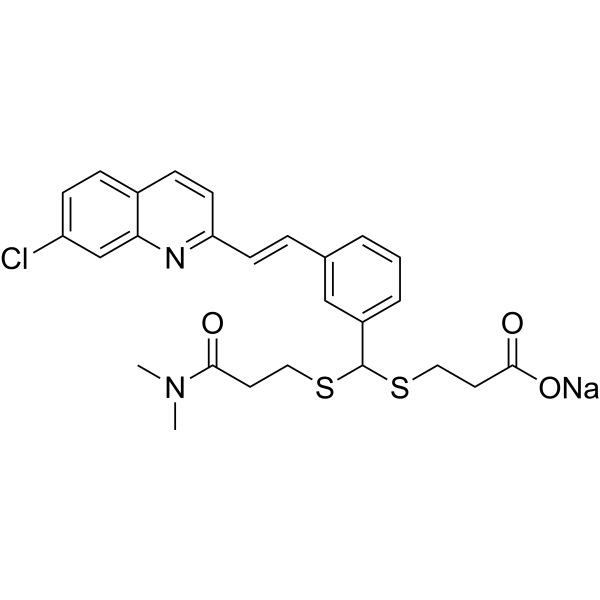
MK-571 (L-660711) sodium is an orally active, potent and selective competitive leukotriene D4 (LTD4) receptor antagonist, with Ki values of 0.22 and 2.1 nM in guinea pig and human lung membranes, respectively. MK-571 sodium is also a inhibitor of multidrug resistance-associated protein MRP4 (ABCC4) and ABCC1 (MRP1). MK-571 sodium inhibits constitutive and antigen-stimulated S1P (sphingosine-1-phosphate) release .
loading...
    loading...
9
9 Cited Publications
Cat. No.: HY-P99045
CAS No.: 1796566-95-4
Synonyms: HRS7; hRS7
Target:  

ADC Antibodies TROP2

연구분야:  

Cancer

Sacituzumab is a humanized IgG1 monoclonal antibody targeting Trophoblast cell surface antigen 2 (TROP2). Sacituzumab demonstrates a lack of antitumor effects alone and does not inhibit the function of TROP-2 during tumor metastasis, binding to the linear epitopes of TROP-2 protein. Sacituzumab can be used for the synthesis of antibody-drug conjugates (ADC) drug Sacituzumab govitecan (HY-132254). Sacituzumab govitecan can be used in the field of triple-negative breast cancer .
loading...
    loading...
5
5 Cited Publications
Cat. No.: HY-N0394
CAS No.: 56-89-3
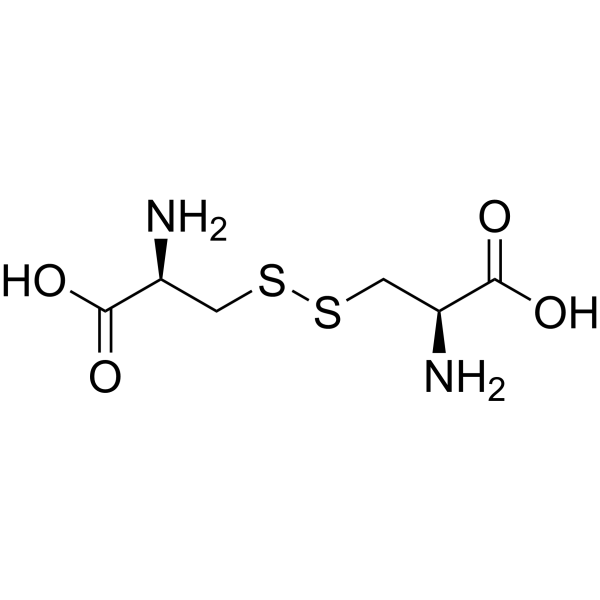
L-Cystine is an orally active extracellular form of L-Cysteine (HY-Y0337), occurring in proteins of plants and animals. L-Cystine elevates Nrf2 protein expression and activates Nrf2 transcription factor. L-cystine reduces ROS generation and protects against oxidant- or Doxorubicin (HY-15142A)-induced apoptosis. L-Cystine combined with L-theanine (HY-15121) enhances the production of antigen-specific IgG by increasing glutathione (GSH) levels and T helper 2 (Th2) mediated responses in mice. L-Cystine is promising for research of cystinuria and kidney stones
loading...
    loading...
5
5 Cited Publications
Cat. No.: HY-W009203
CAS No.: 30925-07-6
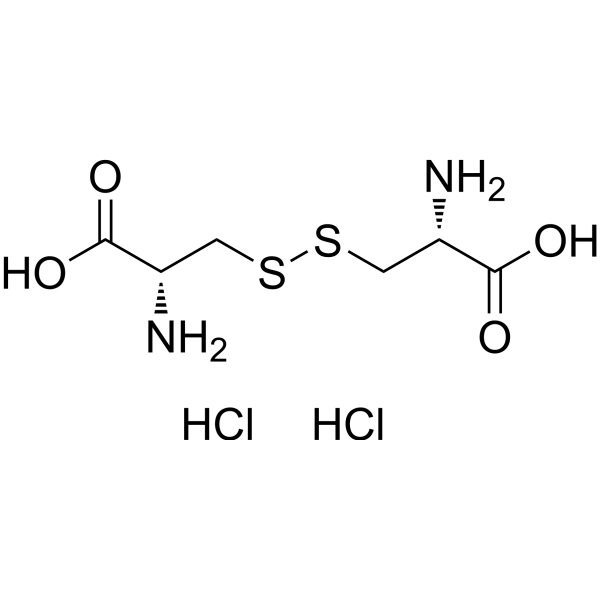
L-Cystine dihydrochloride is the dihydrochloride salt form of L-Cystine (HY-N0394). L-Cystine dihydrochloride elevates Nrf2 protein expression and activates Nrf2 transcription factor. L-cystine dihydrochloride reduces ROS generation and protects against oxidant- or Doxorubicin (HY-15142A)-induced apoptosis. L-Cystine dihydrochloride combined with L-theanine (HY-15121) enhances the production of antigen-specific IgG by increasing glutathione (GSH) levels and T helper 2 (Th2) mediated responses in mice. L-Cystine dihydrochloride is promising for research of cystinuria and kidney stones
loading...
    loading...
4
4 Cited Publications
Cat. No.: HY-123941
CAS No.: 2064175-32-0
Purity:  98.78%
Synonyms: dTAG-7
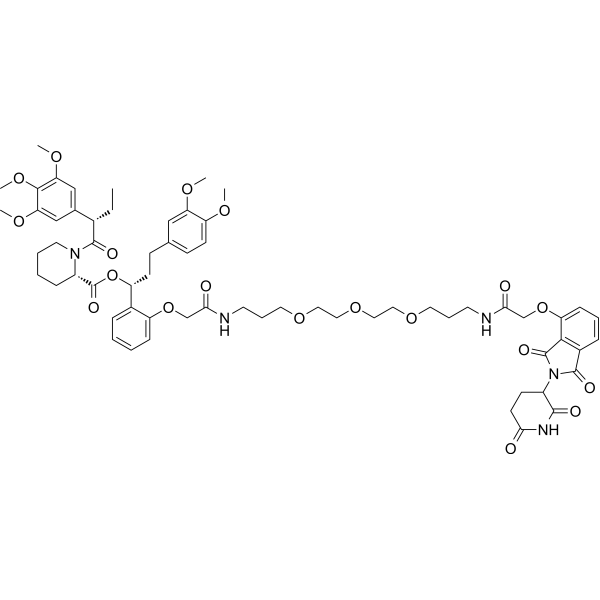
FKBP12 PROTAC dTAG-7 (dTAG-7) is a FKBP12 F36V PROTAC degrader. FKBP12 PROTAC dTAG-7 binds FKBP12 F36V and CRBN to form a complex, mediating degradation via the ubiquitin-proteasome system. FKBP12 PROTAC dTAG-7 mediates the degradation of FKBP12 F36V-tagged nuclear and cytoplasmic proteins, including BRD4, HDAC1, EZH2, MYC, PLK1, KRAS G12V, and antigen fusion proteins. FKBP12 PROTAC dTAG-7 enhances MHC class I antigen presentation. FKBP12 PROTAC dTAG-7 is applicable to leukemia-related research .
loading...
    loading...
4
4 Cited Publications
Cat. No.: HY-N0699
CAS No.: 2034-69-7
Synonyms: Dephnoretin; Thymelol
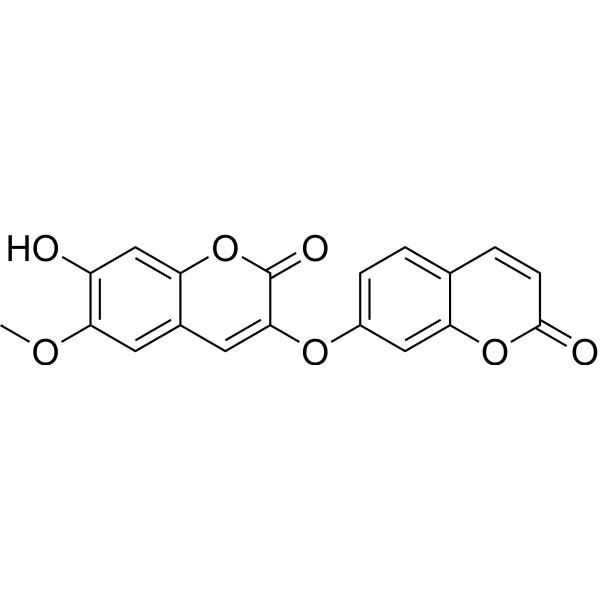
Daphnoretin (Dephnoretin; Thymelol) is a protein kinase C (PKC) activator that inhibits the expression of hepatitis B virus (HBV) surface antigen (HBsAg) and exhibits antiviral activity. Daphnoretin exerts its antitumor effects by inhibiting the activation of the PI3K/AKT signaling pathway and triggers the mitochondrial apoptosis pathway. Daphnoretin alleviates chondrocyte apoptosis and inflammatory responses by inhibiting endoplasmic reticulum stress and activation of the NLRP3 inflammasome. Daphnoretin regulates the differentiation and maturation of dendritic cells, inhibits their immunostimulatory function by downregulating the phosphorylation level of JNK, and thus exerts a protective effect in skin graft rejection .
loading...
    loading...
3
3 Cited Publications
Cat. No.: HY-P1876B
Target:  

DNA/RNA Synthesis

연구분야:  

Cancer

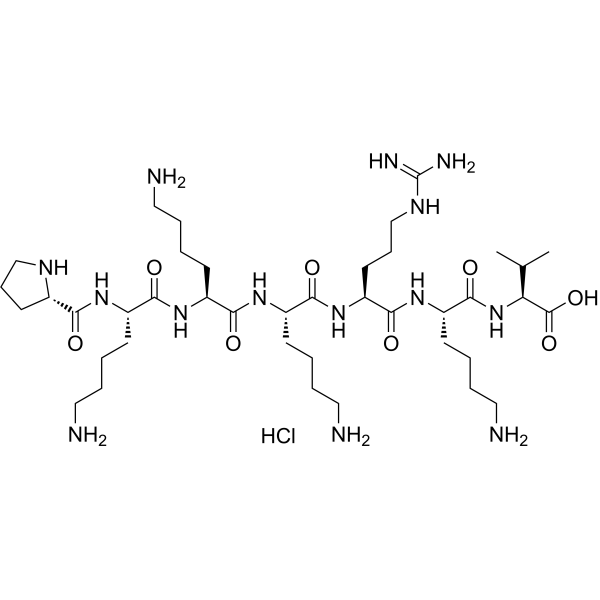
NLS (PKKKRKV) hydrochloride is the hydrochloride form of NLS (PKKKRKV) (HY-P1876). NLS (PKKKRKV) is a nuclear localization signal (NLS) derived from the simian virus 40 large tumor antigen (SV40 large T antigen), that mediates binding of the karyophilic protein to importin α. NLS (PKKKRKV) can function as a method to enhance nuclear entry in the field of gene transfer research .
loading...
    loading...
3
3 Cited Publications
Cat. No.: HY-P1876
CAS No.: 95088-49-6
Target:  

DNA/RNA Synthesis

연구분야:  

Cancer

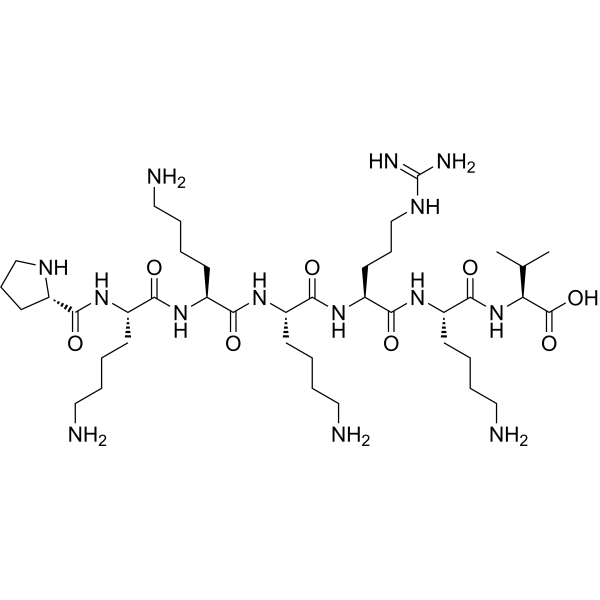
NLS (PKKKRKV) is a nuclear localization signal (NLS) derived from the SV40 large T antigen, which mediates the binding of karyophilic proteins to importin α. NLS (PKKKRKV) serves as a method to enhance nuclear entry in the field of gene transfer research .
loading...
    loading...
2
2 Cited Publications
Cat. No.: HY-124828
CAS No.: 958843-91-9
Purity:  98.66%
Target:  

HuR

연구분야:  

Cancer

CMLD-2, an inhibitor of HuR-ARE interaction, competitively binds HuR protein disrupting its interaction with adenine-uridine rich elements (ARE)-containing mRNAs (Ki=350 nM). CMLD-2 induces apoptosis exhibits antitumor activity in different cancer cells as colon, pancreatic, thyroid and lung cancer cell lines. Hu antigen R (HuR) is an RNA binding protein, can regulate target mRNAs stability and translation .
loading...
    loading...
2
2 Cited Publications
Cat. No.: HY-109520
CAS No.: 147245-92-9
Purity:  ≥98.0%
Target:  

MHC

연구분야:  

Inflammation/Immunology Cancer

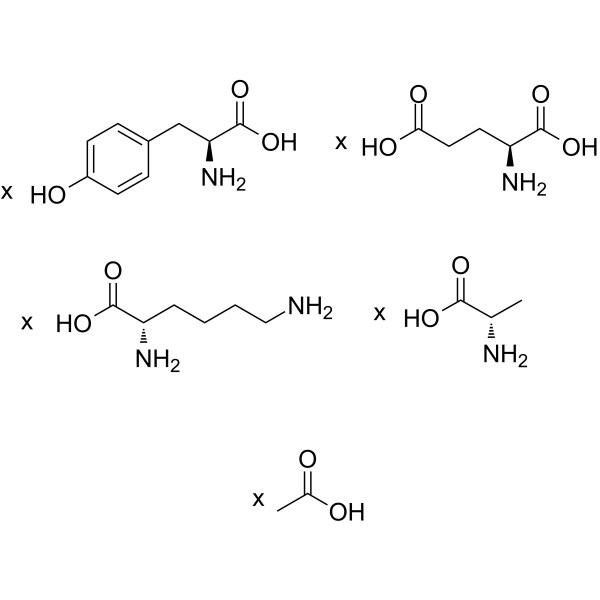
Glatiramer acetate, a synthetic analogue of myelin basic protein and an immunomodulating agent, inhibits Experimental autoimmune encephalomyelitis (EAE), and can be used for the research of multiple sclerosis. Glatiramer acetate exhibits strong and promiscuous binding to MHC molecules and consequent competition with various myelin antigens for their presentation to T cells. A further aspect of its action is potent induction of specific suppressor cells of the T helper 2 (Th2) type that migrate to the brain and lead to in situ bystander suppression .
loading...
    loading...
1
1 Cited Publications
Cat. No.: HY-161541
Estradiol/BSA is the antigen-adjuvant conjugate formed by the coupling of Estradiol (HY-B0141) with Bovine Serum Albumin (BSA). By coupling the antigen with a protein adjuvant, the production of antigen-specific antibodies in vaccine models can be enhanced. The conjugate does not affect protein folding or disrupt major epitopes, and it can enhance cross-presentation and the generation of antigen-specific T cells.
loading...
    loading...
1
1 Cited Publications
Cat. No.: HY-42360
CAS No.: 64987-85-5
Target:  

ADC Linkers

연구분야:  

Others

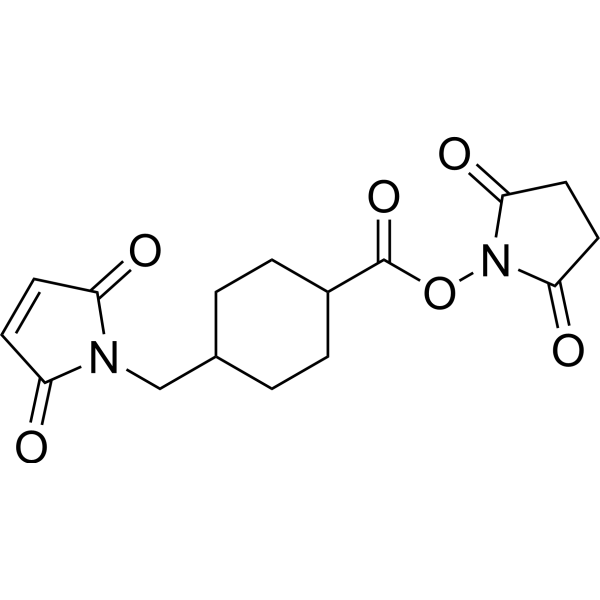
SMCC is a protein crosslinker. SMCC contains an amine-reactive N-hydroxysuccinimide ester and a sulfhydryl-reactive maleimide group that can be used in the conjugation of proteins. SMCC-conjugated antigen coupled spleen cells to induce antigen-specific immune responses .
loading...
    loading...
1
1 Cited Publications
Cat. No.: HY-K0221

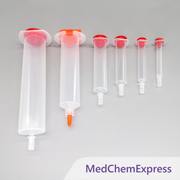
MCE Affinity Chromatography (AC) Columns are designed for purification of recombinant proteins with different tags, enzymes, antibodies, antigens and nucleic acids.

loading...
    loading...
1
1 Cited Publications
Cat. No.: HY-P85898
Synonyms: CD 74 antibody; CD74 antibody; CD74 antigen; invariant polypeptide of major histocompatibility complex; class II antigen-associated; antibody; CD74 antigen antibody; CD74 molecule antibody; CD74 molecule; major histocompatibility complex; class II invariant chain antibody; CLIP antibody; DHLAG antibody; Gamma chain of class II antigens antibody; HG2A_HUMAN antibody; HLA class II histocompatibility antigen gamma chain antibody; HLA DR antigens associated invariant chain antibody; HLA DR gamma antibody; HLA-DR antigens-associated invariant chain antibody; HLA-DR-gamma antibody; HLADG antibody; HLADR antigens associated invariant chain antibody; Ia antigen associated invariant chain antibody; Ia antigen-associated invariant chain antibody; Ia associated invariant chain antibody; Ia gamma antibody; Ii antibody; Invariant polypeptide of major histocompatibility complex class II antigen associated antibody; la-gamma antibody; Major histocompatibility complex class II invariant chain antibody; MHC HLA DR gamma chain antibody; MHC HLA-DR gamma chain antibody; p33 antibody; p35 antibody; protein 41 antibody;

Host:  

Mouse

Application:  

IHC-P, WB, ICC/IF, ELISA

Reactivity:  

Human

loading...
    loading...
1
1 Cited Publications
Cat. No.: HY-134601
CAS No.: 1215115-03-9
Purity:  98.91%
Target:  

HuR

연구분야:  

Cancer

KH-3 is a potent RNA-binding protein Hu antigen R (HuR) inhibitor with an IC50 value of 0.35 μM. KH-3 has anti-proliferative activity. KH-3 suppresses breast cancer cell invasion as well as delays the initiation of lung colonies by disrupting HuR-FOXQ1 mRNA interaction .
loading...
    loading...
1
1 Cited Publications
Cat. No.: HY-148775B
Purity:  ≥95.0%
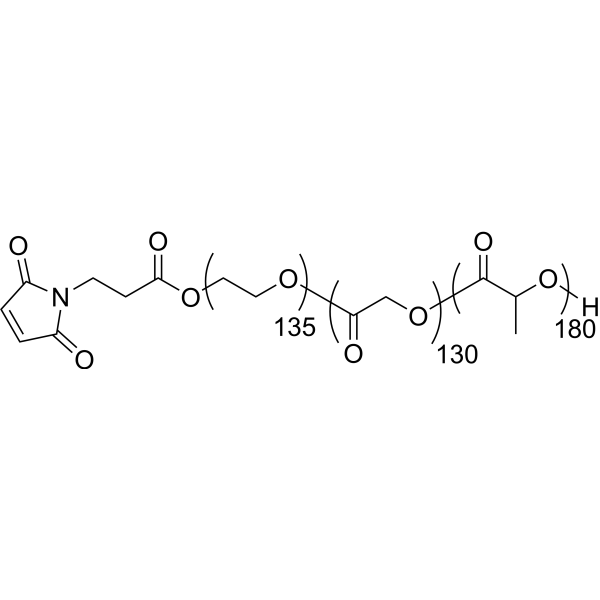
PLGA-PEG-MAL (20KDA-5.0KDA, LA:GA RATIO 40:60) is a biodegradable amphipathic polymeric nanocarrier of poly (lactic-co-glycolic acid)-block-poly (ethylene glycol) (PLGA-PEG-Mal) that allows covalent modification of functional molecules. PLGA-PEG-MAL (20KDA-5.0KDA, LA:GA RATIO 40:60) modified with Angiopep-2 can cross the blood-brain barrier and exhibits targeting selectivity for glioblastoma cells. PLGA-PEG-MAL (20KDA-5.0KDA, LA:GA RATIO 40:60) can capture tumor-derived protein antigens, and exerts immunomodulatory effects when conjugated with anti-OX40 antibody; when used in combination with A2-CL/Dbait nanoparticles and radiotherapy, it prolongs survival time and reduces tumor volume in glioblastoma mouse models. PLGA-PEG-MAL (20KDA-5.0KDA, LA:GA RATIO 40:60) can be used for studies related to bacterial wound infections and glioblastoma .
loading...
    loading...
1
1 Cited Publications
Cat. No.: HY-D1056F
Synonyms: Biotin-LPS, from Escherichia coli (O111:B4)
Biotin-Lipopolysaccharide, from E.coli O111:B4 (Biotin-LPS, from Escherichia coli (O111:B4)) is a biotin-conjugated Lipopolysaccharide (LPS) (HY-D1056A1) that can be coupled with streptavidin protein. Biotin-Lipopolysaccharide, from E.coli O111:B4 can be used to identify Lipopolysaccharide ligands. Lipopolysaccharides, from E. coli O111:B4 (LPS, from Escherichia coli (O111:B4)) are endotoxins and TLR4 activators extracted from Escherichia coli (E. coli O111:B4) and are classified as S (smooth) type LPS. Lipopolysaccharides, from E. coli O111:B4 possess the typical three-part structure: O-antigen, R3-type core oligosaccharide, and lipid A. Lipopolysaccharides, from E. coli O111:B4 activate TLR-4 in immune cells and can cause significant gastric diseases. Lipopolysaccharides, from E. coli O111:B4 can also induce M1-type polarization in mouse macrophages .
It is recommended to prepare a solution with concentration ≥2 mg/mL. Vortex thoroughly for more than 10 minutes. Due to the adsorption characteristics of LPS, silanized container or low adsorption centrifuge tubes should be used for aliquoting and storage, and mix thoroughly before use.
loading...
    loading...
Cat. No.: HY-161543
DHT/KLH is a conjugate of DHT (dihydrotestosterone) and keyhole limpet hemocyanin (KLH). By conjugating the antigen with a protein adjuvant, the production of antigen-specific antibodies in vaccine models can be enhanced. The conjugate does not affect protein folding or disrupt linear epitopes, and it can enhance cross-presentation and the generation of antigen-specific T cells.
loading...
    loading...
Cat. No.: HY-161553
Biotin/KLH is an antigen-adjuvant conjugate that consists of Biotin and Keyhole Limpet Hemocyanin (KLH). By conjugating the antigen with a protein adjuvant, the production of antigen-specific antibodies in vaccine models can be enhanced. The conjugate does not affect protein folding or disrupt major epitopes, and it can enhance cross-presentation and the generation of antigen-specific T cells.
loading...
    loading...
Cat. No.: HY-161533
Digoxin/BSA is an antigen-adjuvant conjugate of Digoxin (HY-B1049) and Bovine Serum Albumin (BSA). By conjugating the antigen with a protein adjuvant, the production of antigen-specific antibodies in vaccine models can be enhanced. The conjugate does not affect protein folding or disrupt major epitopes, and it can enhance cross-presentation and the generation of antigen-specific T cells.
loading...
    loading...

