
45 Results for "

pulmonary tumors

" in MedChemExpress (MCE) Product Catalog:
Products (45)

45 Results for "pulmonary tumors" in MCE Product Catalog:

57
57 Publications Verification
Cat. No.: HY-13328
CAS No.: 1224844-38-5
Purity:  99.63%
Synonyms: INK-128; MLN0128; TAK-228
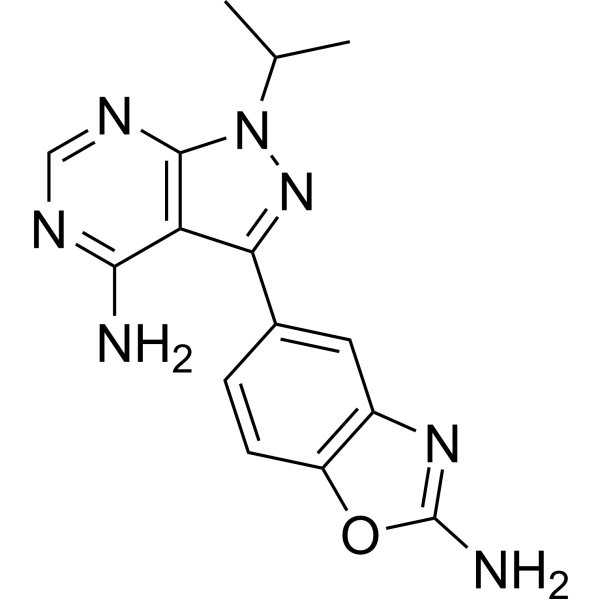
Sapanisertib (INK-128; MLN0128; TAK-228) is an orally active dual mTORC1/mTORC2 inhibitor. Sapanisertib directly and simultaneously inhibits mTORC1/2 activity through competitive binding with ATP, thereby comprehensively blocking downstream processes such as protein and lipid synthesis and cytoskeletal reorganization, consequently suppressing tumor cell proliferation and promoting apoptosis. Sapanisertib is applicable to research on melanoma, ovarian cancer, pulmonary fibrosis, and hematological malignancies .
loading...
    loading...
50
50 Cited Publications
Cat. No.: HY-100543
CAS No.: 72795-26-7
Purity:  99.60%
Synonyms: ICI-118551
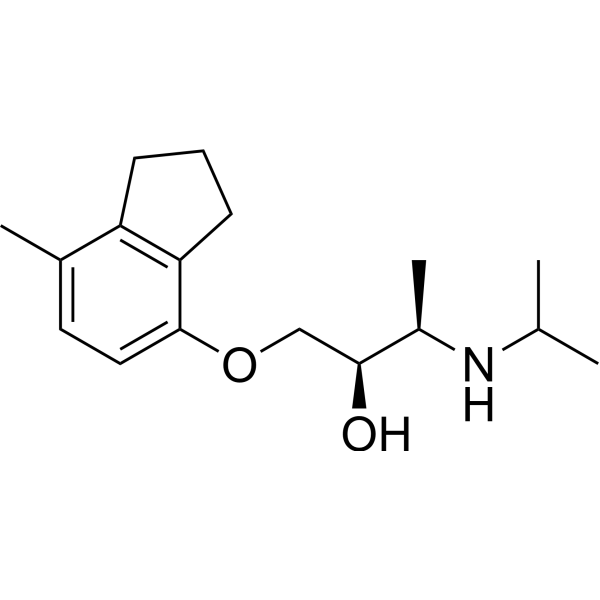
Zenidolol (ICI-118551) is a selective β2-adrenergic receptor antagonist with Ki values of Zenidolol for β2, β1 and β3 adrenergic receptors of 0.7, 49.5 and 611 nM, respectively. Zenidolol exerts antitumor effects via inducing apoptosis, inhibiting tumor sphere formation, and downregulating the HIF pathway by blocking β2-AR on tumor cells. Zenidolol exhibits a unique pulmonary vessel-specific vasodilatory effect in mouse models. Zenidolol can be used as an intraocular pressure-lowering agent in ophthalmic disease research .
loading...
    loading...
10
10 Cited Publications
Cat. No.: HY-129241
CAS No.: 330834-54-3
Purity:  99.33%
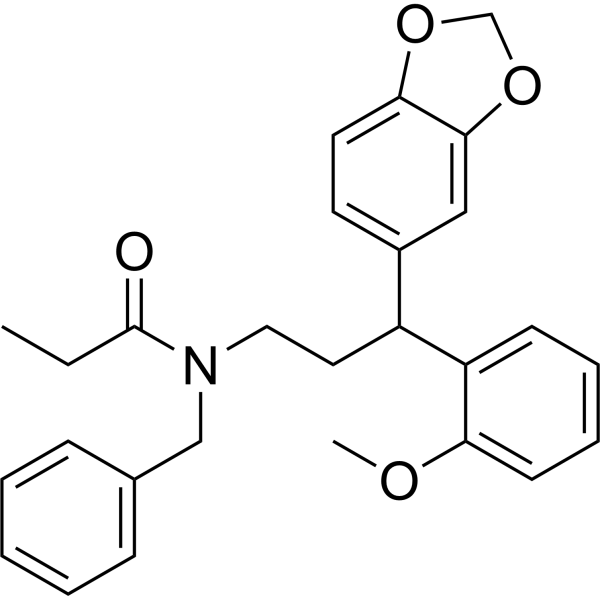
AGX51 is a pan-Id (inhibitors of DNA-binding/differentiation proteins) antagonist that disrupts ID-E protein interactions, thereby triggering ubiquitin-mediated proteasomal degradation of ID1, ID2, ID3 and ID4. AGX51 induces ROS production, G0/G1 cell cycle arrest, non-apoptotic cell death, and regulates EMT-related proteins. AGX51 reduces the proliferation, migration and myofibroblast differentiation of lung fibroblasts, alleviates pulmonary fibrosis, inhibits cancer cell viability and tumor growth, impairs neovascularization, and shows no obvious toxicity in mice. AGX51 can be used in research related to idiopathic pulmonary fibrosis, triple-negative breast cancer, breast cancer, pancreatic ductal adenocarcinoma, colorectal tumors, wet age-related macular degeneration and retinopathy of prematurity .
loading...
    loading...
4
4 Cited Publications
Cat. No.: HY-N2593
CAS No.: 32507-66-7
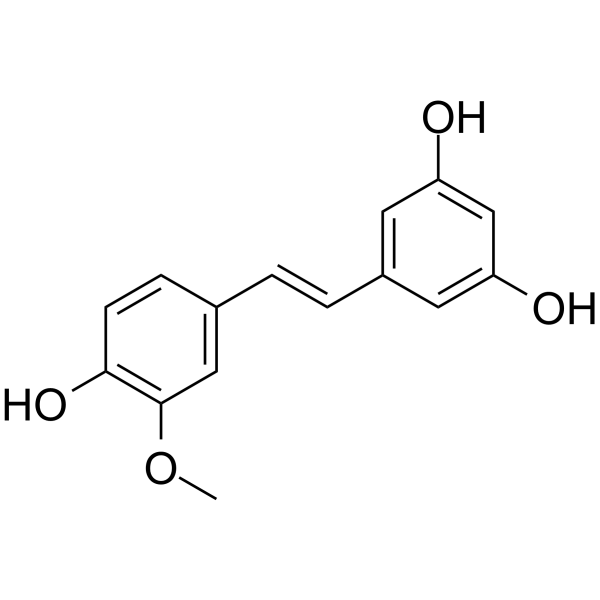
Isorhapontigenin is an orally active dietary polyphenol. Isorhapontigenin acts as a potent antioxidant that reduces the production of reactive oxygen species (ROS). Isorhapontigenin promotes the binding of JUN to the AP-1 site on the SESN2 promoter, induces SESN2 transcription, triggers MAPK8-dependent JUN activation, and upregulates the expression of PPAR-α, PGC-1α and CPT-1A to facilitate fatty acid oxidation. Isorhapontigenin induces autophagy, apoptosis and preadipocyte differentiation; it inhibits tumor growth, cell invasion, NF-κB transcriptional activity, the PI3K/Akt signaling pathway, STAT1 phosphorylation and MMP-2 expression. Isorhapontigenin alleviates oxidative stress, inflammatory cytokine release and triglyceride accumulation; it increases intracellular ATP levels and promotes Nrf2 nuclear translocation. Isorhapontigenin improves insulin sensitivity in adipose tissue and glucose tolerance, and reduces postprandial blood glucose, insulin and free fatty acid levels. Isorhapontigenin is applicable to research on bladder cancer, liver injury, chronic obstructive pulmonary disease, acute lung injury and type 2 diabetes .
loading...
    loading...
3
3 Cited Publications
Cat. No.: HY-150298
CAS No.: 2226636-04-8
Purity:  99.71%
Synonyms: CPI-818
Target:  

Itk

Research Areas:  

Inflammation/Immunology Cancer

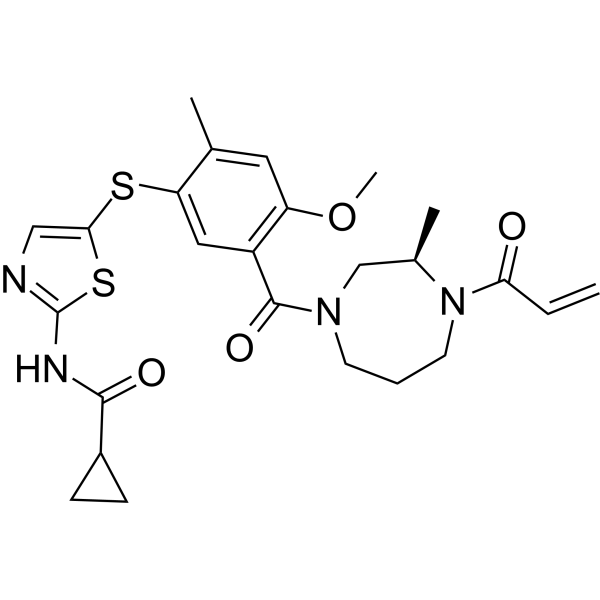
Soquelitinib (CPI-818) is an orally active and highly selective covalent interleukin-2-inducible kinase (ITK) inhibitor. Soquelitinib is active in six different models of T cell-mediated inflammatory and immune disease, including acute and chronic asthma, pulmonary fibrosis, systemic sclerosis (scleroderma), psoriasis, and acute graft versus host disease with Th2 cytokine product inhibition. Soquelitinib increases tumor infiltration of normal CD8 + cells that possess enhanced T effector function .
loading...
    loading...
2
2 Cited Publications
Cat. No.: HY-N6985
CAS No.: 27548-93-2
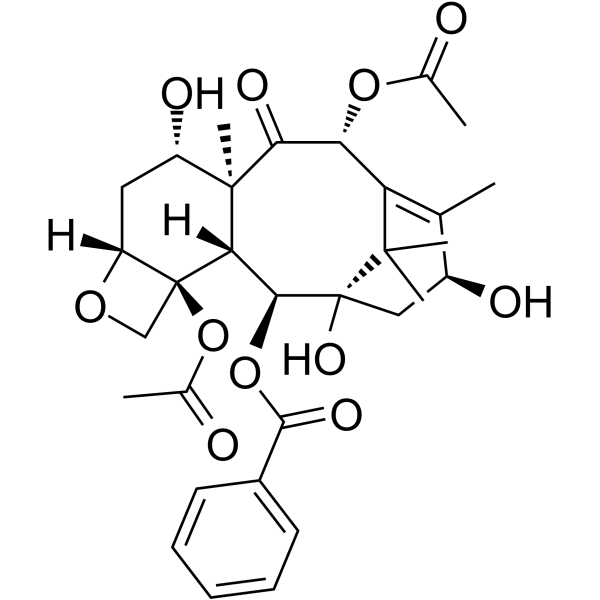
Baccatin III is an orally available, selective inhibitor of the TGF-β1 signaling pathway and myeloid-derived suppressor cell (MDSC) activation. Baccatin III targets the AKT/STAT6 and Smad2/3 pathways, blocking TGF-β1-induced fibroblast differentiation and MDSC-mediated immunosuppression. Baccatin III exerts anti-inflammatory and anti-fibrotic effects by inhibiting macrophage activation and extracellular matrix deposition, and shows potential in the treatment of pulmonary fibrosis and cancer in terms of regulating the tumor immune microenvironment .
loading...
    loading...
1
1 Cited Publications
Cat. No.: HY-130257
CAS No.: 2509359-75-3
Purity:  99.31%
Target:  

PROTACs APC Apoptosis

Research Areas:  

Cardiovascular Disease Cancer

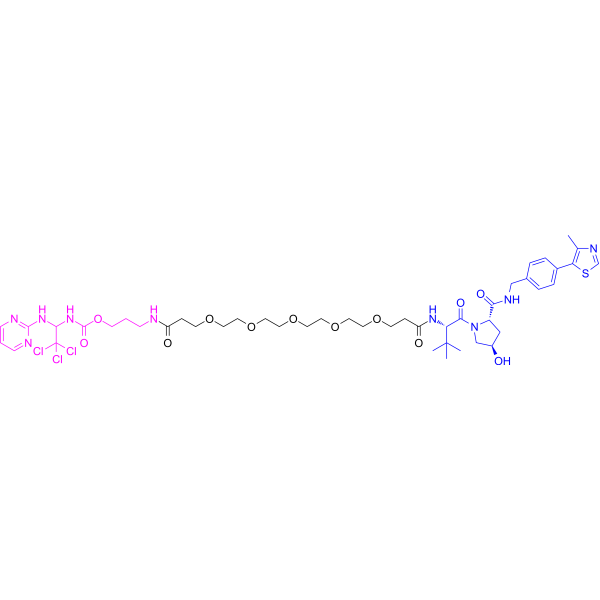
CP5V is a Cdc20 PROTAC degrader with a DC50 of 1.6 μM and a Kd value of 12.4 μM. CP5V couples Cdc20 with the VHL/VBC complex, triggering its ubiquitination and proteasomal degradation, thereby reducing the protein levels of Cdc20 and securin. CP5V induces mitotic arrest, inhibits cell proliferation, resensitizes Paclitaxel-resistant breast cancer cells, and suppresses breast tumor progression in xenograft models. CP5V inhibits excessive proliferation and induces apoptosis in pulmonary arterial hypertension smooth muscle cells and fibroblasts. CP5V can be used in studies related to breast cancer and pulmonary arterial hypertension .
loading...
    loading...
1
1 Cited Publications
Cat. No.: HY-Y0395
CAS No.: 25487-66-5
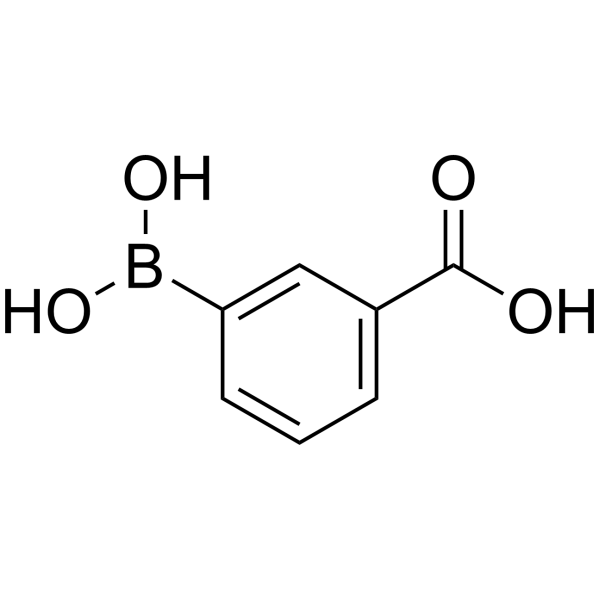
3-Carboxyphenylboronic acid is a biochemical reagent with multiple functions including nanoparticle enhancement, perovskite passivation, fluorescence quenching, and adhesion. 3-Carboxyphenylboronic acid improves tumor penetration and pulmonary retention of nanoparticles, and serves as a tumor-targeting ligand for carboxymethyl chitosan nanoparticles. 3-Carboxyphenylboronic acid optimizes film crystallization via coordinate chelation of free lead/iodide ions in perovskites. 3-Carboxyphenylboronic acid acts as an additive for n-i-p perovskite solar cells. Conjugation of 3-Carboxyphenylboronic acid with PPEG8 quenches the near-infrared fluorescence of single-walled carbon nanotubes, enabling aqueous dispersion of carbon nanotubes through binding to the diol structure of saccharides .
loading...
    loading...
Cat. No.: HY-124295
CAS No.: 1338320-94-7
Purity:  99.40%
Synonyms: ABT-301; MPT0E028; TMU-C-0012
Target:  

HDAC Akt Apoptosis

Research Areas:  

Inflammation/Immunology Cancer

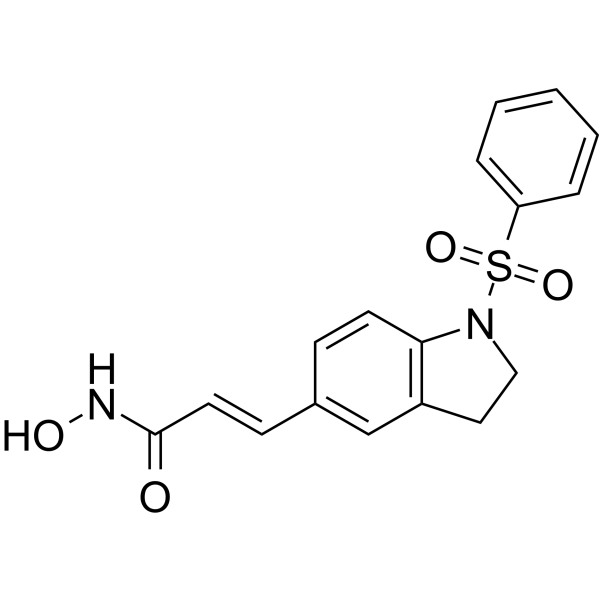
Imofinostat (ABT-301; MPT0E028) is an orally active and selective HDAC inhibitor with IC50s of 53.0 nM, 106.2 nM, 29.5 nM for HDAC1, HDAC2 and HDAC6, respectively. Imofinostat has a weak inhibitory effect on HDAC8 (IC50 of 2.5 ​​μM), but no inhibitory effect on HDAC4 (IC50>10 μM). Imofinostat reduces the viability of B-cell lymphomas by inducing apoptosis and possesses potent direct Akt targeting ability and reduces Akt phosphorylation in B-cell lymphoma. Imofinostat has a broad-spectrum antitumor activity, including colorectal cancer, B-cell lymphoma, non-small cell lung carcinoma (NSCLC), and pancreatic cancer, while also showing therapeutic potential in non-tumor diseases like emphysema and pulmonary fibrosis .
loading...
    loading...
Cat. No.: HY-15873A
CAS No.: 1217471-51-6
Purity:  98.03%
Research Areas:  

Cancer

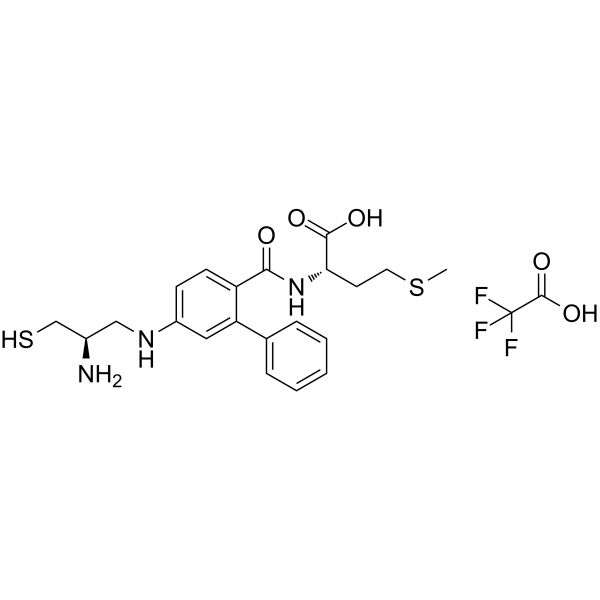
FTI 276 TFA is a farnesyltransferase (FTase) inhibitor with an IC50 of 0.5 nM, and it exhibits selectivity for FTase over geranylgeranyltransferase I (GGTase I). FTI 276 TFA blocks the farnesylation of H-Ras and K-Ras4B, causes inactive Ras-Raf complexes to accumulate in the cytoplasm, and inhibits constitutive MAPK activation. FTI 276 TFA reduces the number, incidence and volume of tumors, and restricts the growth of tumors expressing activated K-ras. FTI 276 TFA can be used in research related to pulmonary adenoma .
loading...
    loading...
Cat. No.: HY-40136
CAS No.: 618-27-9
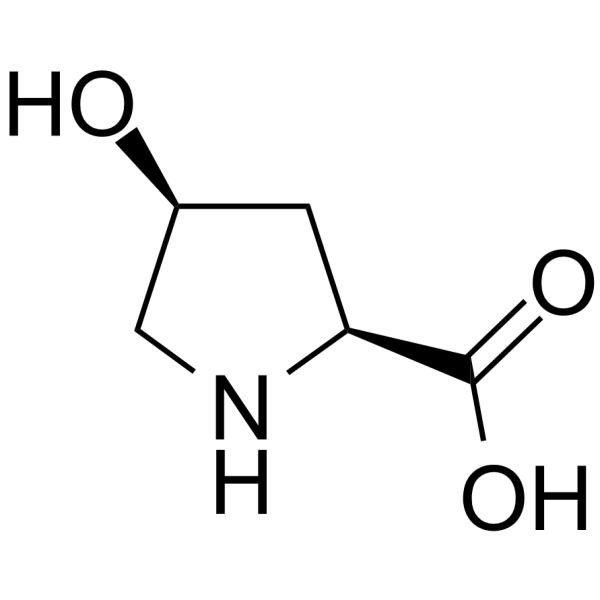
cis-4-Hydroxy-L-proline is an orally active proline analog and collagen production inhibitor. cis-4-Hydroxy-L-proline inhibits cell growth by preventing the deposition of triple helical collagen on the cell layer. cis-4-Hydroxy-L-proline inhibits N-nitrosomethylurea-induced breast tumor growth. cis-4-Hydroxy-L-proline improves lung compliance and reduces prostate weight. cis-4-Hydroxy-L-proline can be used in the study of hypoxic pulmonary hypertension .
loading...
    loading...
Cat. No.: HY-150229
CAS No.: 2803699-70-7
Purity:  98.84%
Target:  

Liposome

Research Areas:  

Cancer

306-N16B is a selective lung-targeted lipid nanoparticle that reversibly targets lung endothelial cells and specific immune cells through selective adsorption of a protein corona mediated by differences in tail structure (such as fibrinogen β/γ chain). 306-N16B binds to specific plasma proteins in the blood to form a protein corona, which guides the particles to be enriched in the lungs, releases mRNA and promotes target cell gene expression, exerts efficient lung cell transfection activity, and can precisely regulate gene delivery of different cell types in the lungs (such as endothelial cells and macrophages). 306-N16B can be used in gene therapy technologies for hereditary lung diseases including pulmonary lymphangioleiomyomatosis (LAM), restoring tumor suppressor function by delivering Tsc2 mRNA, and can also be used for lung-specific mRNA vaccines and gene editing therapies .
loading...
    loading...
Cat. No.: HY-164360
CAS No.: 3048440-55-4
Target:  

Integrin

Research Areas:  

Inflammation/Immunology Cancer

αVβ8-IN-1 is a αVβ8 integrin inhibitor. αVβ8-IN-1 has been shown to inhibit the growth of tumors such as EMT6, CT26, KPC, and TKCC-10. αVβ8-IN-1 can be used in research related to idiopathic pulmonary fibrosis (IPF), non-specific interstitial pneumonia (NSIP), and tumors .
loading...
    loading...
Cat. No.: HY-15472
CAS No.: 866206-54-4
Purity:  97.46%
PRX-08066 is a selective and orally active 5-hydroxytryptamine receptor 2B (5-HT2BR) antagonist with a Ki of 3.4 nM. PRX-08066 inhibits the MAPK pathway, 5-HT release and fibrotic factor (TGFβ1, CTGF and FGF2) expression. PRX-08066 inhibits the proliferation of KRJ-I cells and induces apoptosis (caspase-3 activation). PRX-08066 inhibits pulmonary vascular remodeling. PRX-08066 can be used of pulmonary Arterial Hypertension (PAH) and neuroendocrine tumor (NET) .
loading...
    loading...
Cat. No.: HY-161119
CAS No.: 73326-98-4
Drpitor1a is an orally active DRP1 GTPase inhibitor. Drpitor1a blocks mitochondrial fission, inhibits DRP1 GTPase activity, and reduces ROS levels. Drpitor1a induces mitochondrial fusion and mitochondria-dependent apoptosis by elevating Bak and Smac/Diablo and inhibiting Bcl-2. Drpitor1a inhibits proliferation in pulmonary arterial hypertension hPASMC and induces necrosis and autophagy mediators. Drpitor1a causes regression of non-small cell lung cancer tumors in mouse xenograft models and exhibits higher accumulation and efficacy in females. Drpitor1a can be used in research related to non-small cell lung cancer, myocardial ischemia-reperfusion injury, and pulmonary arterial hypertension .
loading...
    loading...
Cat. No.: HY-W011963
CAS No.: 1421-65-4
Synonyms: Levodopa methylester hydrochloride
Melevodopa (Levodopa methylester) hydrochloride is an orally active methylated prodrug of Levodopa (HY-N0304), a dopamine precursor. When used in combination with Carbidopa (HY-B0311) in an effervescent tablet formulation, Melevodopa hydrochloride inhibits motor fluctuations in Parkinson's disease. Melevodopa hydrochloride suppresses subcutaneous tumor growth, pulmonary metastasis proliferation, and primary mass invasiveness of melanoma. Melevodopa hydrochloride induces lipid peroxidation by increasing malondialdehyde levels in melanoma and improves the survival rate of melanoma-bearing mice. Melevodopa hydrochloride can be used in research related to Parkinson's disease (with motor fluctuations) and melanoma .
loading...
    loading...
Cat. No.: HY-N14001
CAS No.: 2227550-73-2
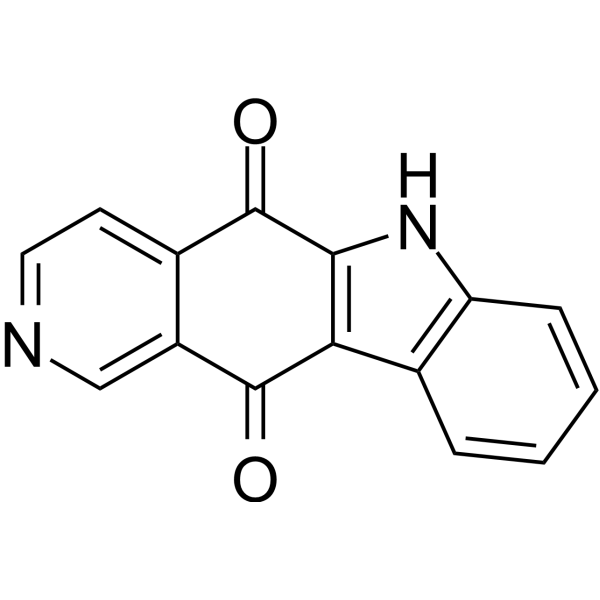
Naamidine J is an imidazole-type alkaloids discovered in a sponge. Naamidine J inhibits inflammation by binding to the protein CSE1L (KD = 5.41 μM). Namidine J significantly inhibits the expression of pro-inflammatory factors such as TNF-α, IL-1β, and IL-6, and upregulates anti-inflammatory factors such as CD206 and Arg-1. Namidine J inhibits PD-L1 and shows antitumor activity. Namidine J significantly reduces pulmonary tissue edema, inflammatory cell infiltration and cytokine storm in mice. Namidine J can be used for the research on the immune microenvironment of acute lung injury and tumors .
loading...
    loading...
Cat. No.: HY-P1435
CAS No.: 1435893-78-9
Target:  

NADPH Oxidase

Research Areas:  

Cardiovascular Disease Cancer

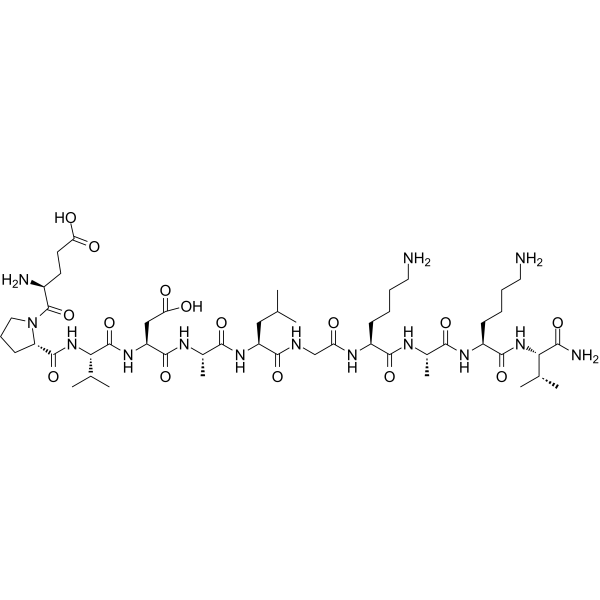
NoxA1ds is a potent and highly selective NADPH oxidase 1 (NOX1) inhibitor (IC50=20 nM). NoxA1ds inhibits NOX1-derived O 2- production in HT-29 human colon cancer cells. NoxA1ds attenuates VEGF-induced human pulmonary artery endothelial cell migration under hypoxic conditions in vitro. NoxA1ds can be used in the study of hypertension, atherosclerosis and tumors .
loading...
    loading...
Cat. No.: HY-N3463
CAS No.: 5835-26-7
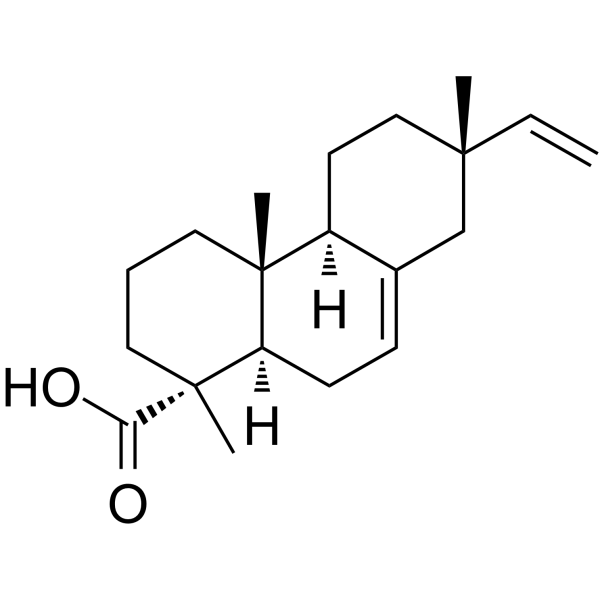
Isopimaric acid is a coniferous tree defense compound. Isopimaric acid binds to AKT and inhibits mTOR phosphorylation, thereby regulating the AKT/mTOR pathway. Isopimaric acid inhibits oxidative stress, inflammation, microglial migration, apoptosis, autophagic flux, ornithine decarboxylase activity, breast cancer proliferation and metastasis, and fungal spore germination. Isopimaric acid also induces M2 microglial polarization, mitochondrial damage, ROS accumulation, starvation-induced colon cancer cell apoptosis, and breast cancer cell cycle arrest. Isopimaric acid activates potassium channels, regulates sodium channels and calcium channels, reduces myocardial excitability, and improves arrhythmia. Isopimaric acid acts as an oxidative substrate for CYP6BW1/3, down-regulates PINK1/Parkin, and regulates calcium homeostasis, oxidative phosphorylation, EMT, and the Wnt pathway. Isopimaric acid exhibits activity against drug-resistant Staphylococcus aureus, repels feeding, and promotes the growth of rice seedlings. Isopimaric acid is suitable for research related to epilepsy, tumors, drug-resistant bacterial infections, atrial fibrillation, hypertension, hyperlipidemia, pulmonary tuberculosis, etc .
loading...
    loading...
Cat. No.: HY-153120A
CAS No.: 2361009-23-4
Purity:  98.13%
Target:  

PI3K mTOR

Research Areas:  

Cancer

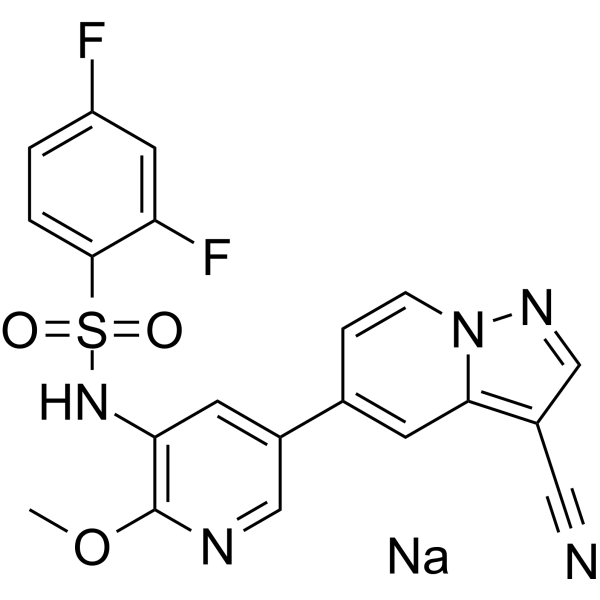
PI3K/mTOR Inhibitor-13 sodium is an orally active dual inhibitor of phosphoinositol 3-kinase (PI3K) and mTOR kinase. PI3K/mTOR Inhibitor-13 sodium has potential applications in sexual diseases, solid tumor and idiopathic pulmonary fibrosis (IPF) .
loading...
    loading...

