

1. Search Result
Search Result
Results for "

radiosensitization

" in MedChemExpress (MCE) Product Catalog:

71

Inhibitors & Agonists

1

Screening Libraries

1

Biochemical Assay Reagents

2

Peptides

3

Inhibitory Antibodies

8

Natural
Products

3

Isotope-Labeled Compounds

1

Click Chemistry

2

Oligonucleotides

Cat. No. Product Name Target Research Areas Chemical Structure
  • HY-B0332
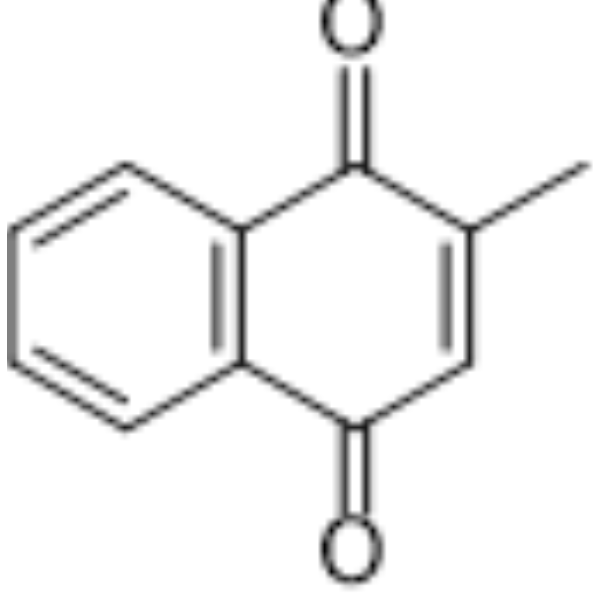
    Menadione
    Maximum Cited Publications
    27 Publications Verification

    Vitamin K3

    Environmental Pollutants Endogenous Metabolite Cancer
    Menadione is a naphthoquinone that is converted into active vitamin K2 in the body. Menadione is a potential anticancer agent and radiosensitizer .
    Menadione
  • HY-N0305

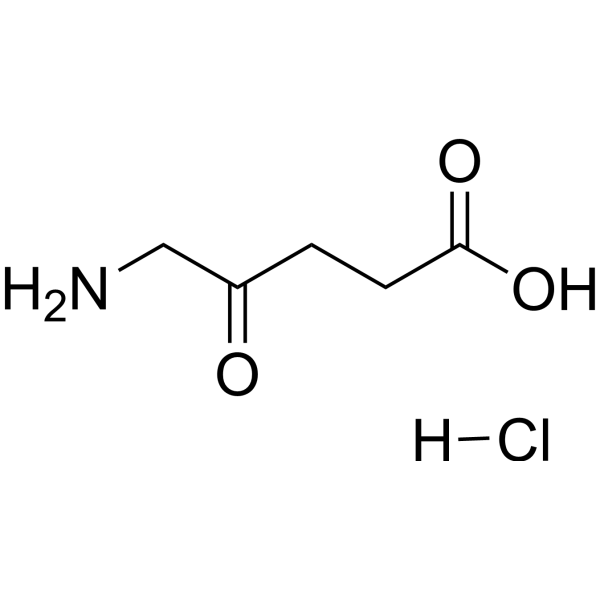
    5-ALA hydrochloride; δ-Aminolevulinic acid hydrochloride; 5-Amino-4-oxopentanoic acid hydrochloride

    Reactive Oxygen Species (ROS) Neurological Disease Metabolic Disease Inflammation/Immunology Cancer
    5-Aminolevulinic acid (5-ALA; δ-Aminolevulinic acid; 5-Amino-4-oxopentanoic acid) hydrochloride is an orally active heme precursor. 5-Aminolevulinic acid hydrochloride promotes aerobic energy metabolism and increases ATP levels by enhancing the activity of cytochrome c oxidase. 5-Aminolevulinic acid hydrochloride enhances LPS-induced proinflammatory cytokine production and gene activation, and restores the phagocytic activity and ROS generation capacity of neutrophils. 5-Aminolevulinic acid hydrochloride selectively accumulates protoporphyrin IX in tumor cells; as a photosensitizer and radiosensitizer, it induces ROS burst upon light or X-ray irradiation to inhibit tumor growth. 5-Aminolevulinic acid hydrochloride can be applied to the research of septic shock, melanoma, and cancer radiotherapy .
    5-Aminolevulinic acid hydrochloride
  • HY-B1640
    Ethacrynic acid
    5+ Cited Publications

    Etacrynic acid

    Wnt Glutathione S-transferase NF-κB Calcium Channel NO Synthase Cardiovascular Disease Inflammation/Immunology Cancer
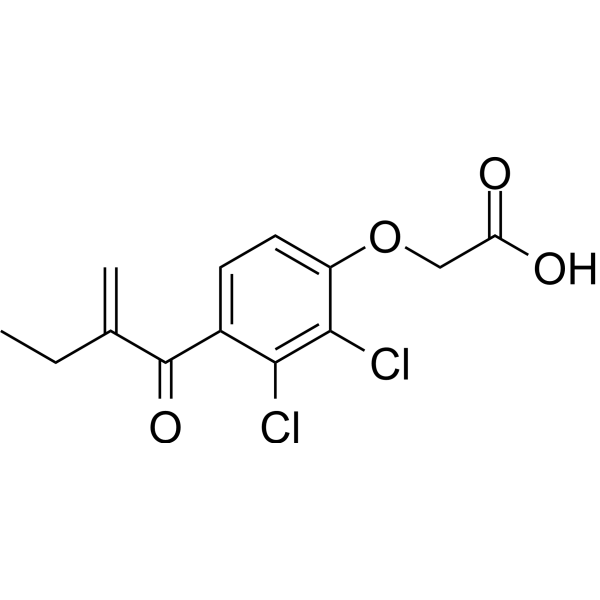
    Ethacrynic acid has anti-inflammatory and anticancer activity. Ethacrynic acid is an orally active diuretic. Ethacrynic acid is an inhibitor of glutathione S-transferase (GSTs) and Wnt signaling pathways. Ethacrynic acid is a radiosensitizer. Ethacrynic acid can inhibit airway smooth muscle (ASM) contraction in mice. Ethacrynic acid can increase the outflow of aqueous humor from the eye for the study of glaucoma .
    Ethacrynic acid
  • HY-164388
    Z-VAD
    15+ Cited Publications

    Caspase Apoptosis Autophagy Necroptosis Cardiovascular Disease Cancer
    Z-VAD is an irreversible, broad-spectrum pan-caspase inhibitor that can inhibit a variety of caspases including caspase-3, -6, -7, -8, -9, etc. (with a weaker inhibitory effect on caspase-2). Z-VAD can block apoptosis signaling pathways, induce autophagy and necrosis in tumor cells, and has anti-angiogenic activity. Z-VAD can enhance the sensitivity of breast cancer and lung cancer cells to radiotherapy in vitro and in vivo, and prolong the growth delay of tumor xenograft models. Z-VAD is well tolerated and is mainly used in research related to cancer radiosensitization and cell death pathway regulation .
    Z-VAD
  • HY-W000450
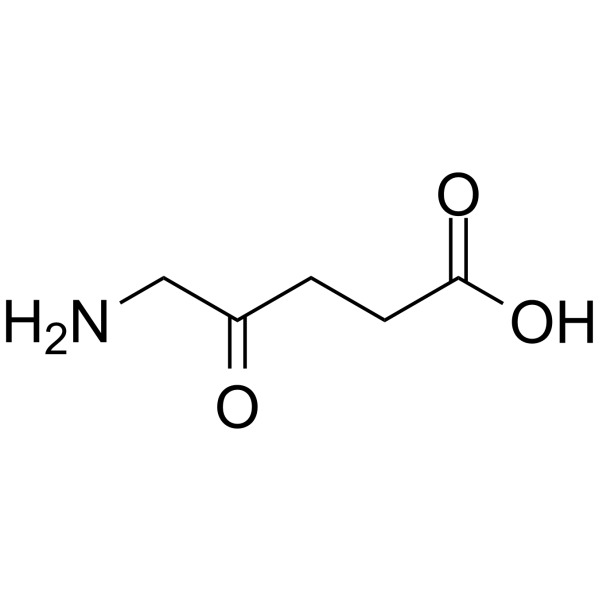
    5-Aminolevulinic acid
    15+ Cited Publications

    5-ALA; δ-Aminolevulinic acid; 5-Amino-4-oxopentanoic acid

    Reactive Oxygen Species (ROS) Cardiovascular Disease Cancer
    5-Aminolevulinic acid (5-ALA; δ-Aminolevulinic acid; 5-Amino-4-oxopentanoic acid) is an orally active heme precursor. 5-Aminolevulinic acid promotes aerobic energy metabolism and increases ATP levels by enhancing the activity of cytochrome c oxidase. 5-Aminolevulinic acid enhances LPS-induced proinflammatory cytokine production and gene activation, and restores the phagocytic activity and ROS generation capacity of neutrophils. 5-Aminolevulinic acid selectively accumulates protoporphyrin IX in tumor cells; as a photosensitizer and radiosensitizer, it induces ROS burst upon light or X-ray irradiation to inhibit tumor growth. 5-Aminolevulinic acid can be applied to the research of septic shock, melanoma, and cancer radiotherapy .
    5-Aminolevulinic acid
  • HY-10082
    Triapine
    5+ Cited Publications

    3-AP; PAN-811; OCX191

    DNA/RNA Synthesis Cancer
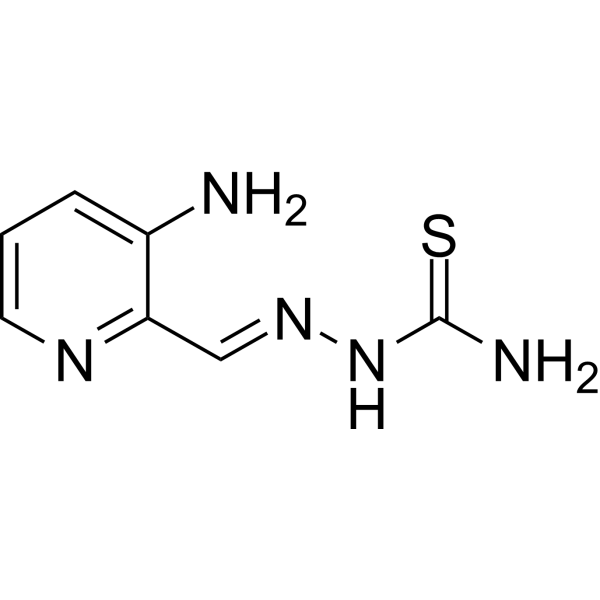
    Triapine (3-AP; PAN-811) is a potent inhibitor of the M2 subunit of ribonucleotide reductase (RR), and is a potent radiosensitizer.
    Triapine
  • HY-D0713
    7ACC2
    5+ Cited Publications

    Monocarboxylate Transporter Mitochondrial Metabolism Cancer
    7ACC2 is a potent monocarboxylate transporter (MCT) inhibitor with an IC50 of 11 nM for inhibition of [ 14C]-lactate influx. 7ACC2 is also a potent inhibitor of mitochondrial pyruvate transport. 7ACC2 is an anticancer agent through inhibition of lactate flux .
    7ACC2
  • HY-12025
    Serdemetan
    3 Publications Verification

    JNJ-26854165

    MDM-2/p53 E1/E2/E3 Enzyme Apoptosis Cancer
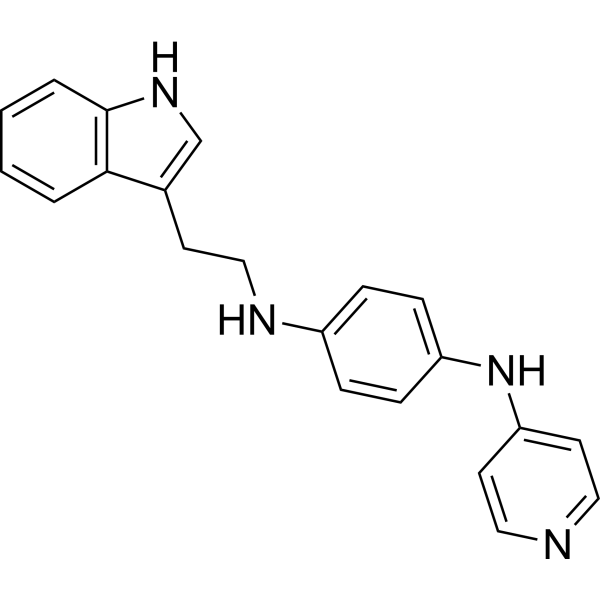
    Serdemetan (JNJ-26854165) is a potent anticancer agent with radiosensitizing activity. Serdemetan exhibits antiproliferative activity in various p53 wild-type tumor cells. Serdemetan also antagonizes the Mdm2-HIF1α axis leading to decreased levels of glycolytic enzymes .
    Serdemetan
  • HY-108692

    Apoptosis Endogenous Metabolite Cancer
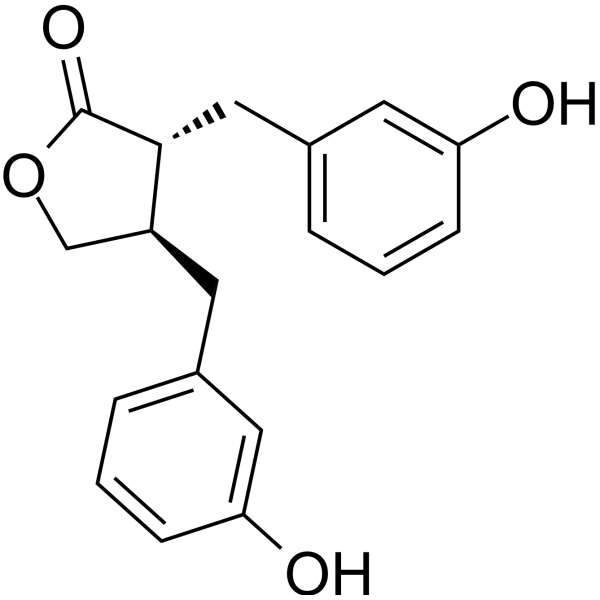
    Enterolactone is a bioactive phenolic metabolite known as a mammalian lignan derived from dietary lignans. Enterolactone has estrogenic properties and anti-breast cancer activity . Enterolactone is a radiosensitizer for human breast cancer cell lines through impaired DNA repair and increased apoptosis .
    Enterolactone
  • HY-P3229
    SN52
    2 Publications Verification

    NF-κB Cancer
    SN52 is a potent, competitive, and cell-permeable inhibitor of NF-κB2. SN52 is a variant of the SN50 peptide and inhibits the nuclear translocation of p52-RelB heterodimers. SN52 has a strong radiosensitization effect on prostate cancer cells. SN52 can be used for cancer research .
    SN52
  • HY-160799
    HA-9104
    1 Publications Verification

    E1/E2/E3 Enzyme Apoptosis Cancer
    HA-9104 is a potent and selective inhibitor of cullin-5 neddylation via virtually targeting the V30 pocket of UBE2F. HA-9104 binds to UBE2F, reduces its protein levels, and consequently inhibits cullin-5 neddylation. HA-9104 has potent growth suppression and radiosensitizing activities via targeting the UBE2F-CRL5 axis and causing DNA damage, leading to induction of apoptosis and G2/M arrest in lung and pancreatic cancer cells .
    HA-9104
  • HY-P99866

    MEHD-7945A; RG 7597

    EGFR Cancer
    Duligotuzumab is a humanized IgG-κ monoclonal antibody targeting EGFR and HER3. It blocks the binding of ligands to these two receptors, inhibits the downstream HER/ErbB, AKT and MAPK signaling pathways, induces antibody-dependent cell-mediated cytotoxicity, reduces the proliferation and migration abilities of cancer cells, promotes cell apoptosis, exerts a radiosensitizing effect, and reverses EGFR resistance in cancer cells. Duligotuzumab can be used in tumor-related research .
    Duligotuzumab
  • HY-112198

    ATM/ATR Cancer
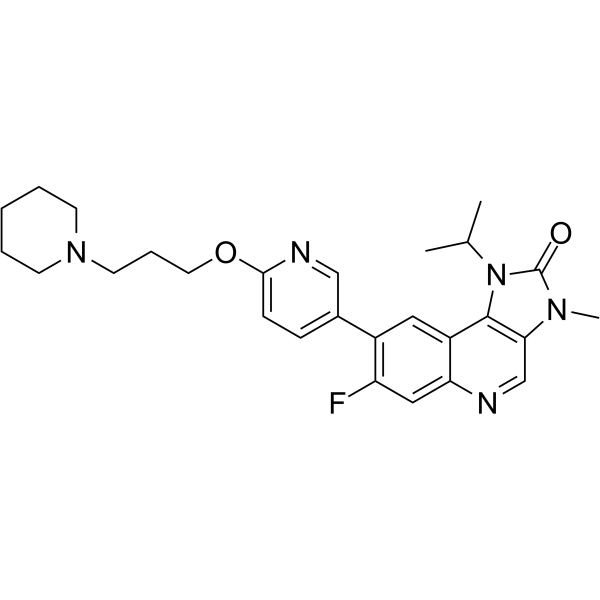
    AZ31 is a a potent, highly selective, and orally active ATM inhibitor with an IC50 of <1.2 nM for ATM enzyme, and an IC50 of 46 nM for ATM in cell. AZ31 shows excellent selectivity over ATR (>500-fold) and excellent PIKK-family selectivity and pan-kinase selectivity. AZ31 is a potent radiosensitizer in vitro, it can be used for the research of cancer .
    AZ31
  • HY-103241
    Ro 90-7501
    3 Publications Verification

    Amyloid-β ATM/ATR Phosphatase Apoptosis Neurological Disease Cancer
    Ro 90-7501 is an amyloid β42 (Aβ42) fibril assembly inhibitor that reduces 42-induced cytotoxicity (EC50 of 2 μM). Ro 90-7501 inhibits ATM phosphorylation and DNA repair. RO 90-7501 selectively enhances toll-like receptor 3 (TLR3) and RIG-I-like receptor (RLR) ligand-induced IFN-β gene expression and antiviral response . Ro 90-7501 also inhibits protein phosphatase 5 (PP5) in a TPR-dependent manner . Ro 90-7501 has significant radiosensitizing effects on cervical cancer cells .
    Ro 90-7501
  • HY-162002

    ATM/ATR Cancer
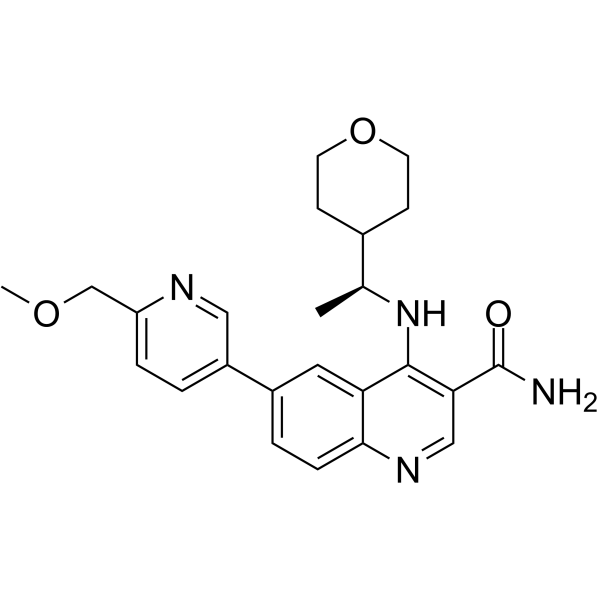
    WSD0628 is a brain penetrant and potent ATM inhibitor with profound radiosensitizing effect .
    WSD0628
  • HY-137552
    MKI-1
    1 Publications Verification

    MASTL Kinase Inhibitor-1

    MASTL Cancer
    MKI-1, an inhibitor of MASTL (microtubule-associated serine/threonine kinase-like) with an IC50 of 9.9 μM, exerts antitumor and radiosensitizer activities through PP2A activation in breast cancer .
    MKI-1
  • HY-46866

    Apoptosis Caspase PARP Metabolic Disease Inflammation/Immunology Cancer
    Isoegomaketone is an orally active apoptosis inducer and radiosensitizer. Isoegomaketone regulates multiple key signaling pathways such as PI3K/AKT/mTOR, NF-κB, MAPK, cleaves Caspase family proteins and PARP, and modulates Bax, AIF and endoplasmic reticulum stress proteins. Isoegomaketone also induces autophagy and keratinocyte proliferation, effectively reduces the levels of inflammatory factors and oxidative stress, inhibits adipocyte differentiation, and resensitizes TRAIL-resistant cancer cells. Isoegomaketone can be applied to research related to colorectal cancer, melanoma, lung cancer, prostate cancer, liver cancer, as well as rheumatoid arthritis and obesity .
    Isoegomaketone
  • HY-P99296

    CNTO 95; Anti-Human CD51 Recombinant Antibody

    Integrin Apoptosis Cancer
    Intetumumab (CNTO 95) is a human monoclonal antibody targeting αv integrin, with a Kd value of 1-24 nM. Through high-affinity binding to αv integrin, Intetumumab inhibits its interaction with extracellular matrix proteins (such as vitronectin and fibronectin), thereby blocking the downstream focal adhesion kinase signaling pathway. This further inhibits the adhesion, migration and invasion of tumor cells as well as the proliferation of vascular endothelial cells, promotes cell apoptosis, and exerts anti-tumor and anti-angiogenic effects. Intetumumab can be used in research related to head and neck cancer, non-small cell lung cancer and uterine serous papillary carcinoma .
    Intetumumab
  • HY-152147

    PROTACs HDAC Apoptosis DNA/RNA Synthesis Cancer
    SZUH280 is a potent and selective PROTAC HDAC8 degrader with a DC50 of 0.58 μM in A549 cells. SZUH280 induces cancer cell apoptosis. SZUH280 hampers DNA damage repair in cancer cells, promoting cellular radiosensitization .
    SZUH280
  • HY-123290

    Glutaminase Cancer
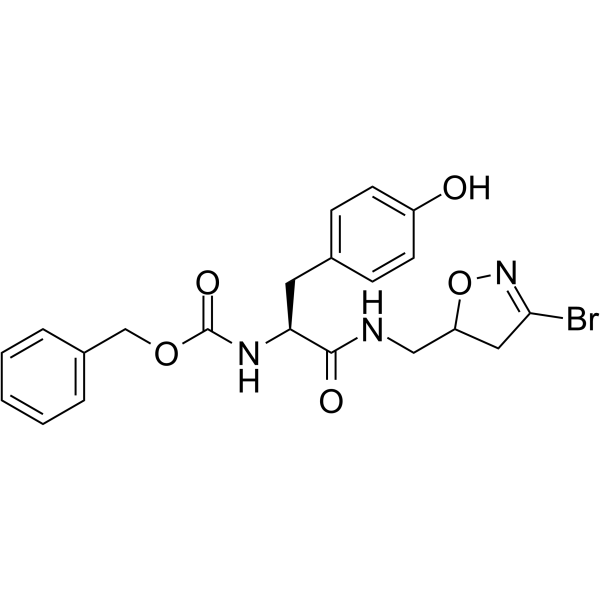
    KCC009, a transglutaminase 2 (TG2) inhibitor, induces p53-independent radiosensitization .
    KCC009
  • HY-112030

    Potassium tetrachloroplatinate(Ⅱ)

    Biochemical Assay Reagents Cancer
    Dipotassium tetrachloroplatinate (Potassium tetrachloroplatinate (Ⅱ)) is an important reagent for the preparation of other platinum coordination complexes. Dipotassium tetrachloroplatinate acts as a radiosensitizer to enhance the killing effect of hyperthermia. Dipotassium tetrachloroplatinate serves as a catalyst. Dipotassium tetrachloroplatinate exhibits antitumor activity .
    Dipotassium tetrachloroplatinate
  • HY-124813

    113B7

    FAK EGFR MMP NF-κB SDCBP Cancer
    PDZ1i (113B7) is a inhibitor of MDA-9/Syntenin, with selective binding to the PDZ1 domain. PDZ1i inhibits radiation-induced invasion of glioblastoma (GBM) cells, radiosensitizes GBM cells, and impairs GBM-related signaling pathways (including Src/EphA2, EGFRvIII/FAK, and NF-κB). PDZ1i reduces radiation-induced secretion of invasion-related proteases (MMP-2, MMP-9, ADAM9). PDZ1i shows anti-tumor effects in nude mice bearing intracranial U1242-luc xenografts or GBM xenografts. PDZ1i can be used for the study of glioblastoma (GBM), breast cancer and prostate cancer .
    PDZ1i
  • HY-P99148

    TNF Receptor Metabolic Disease Inflammation/Immunology
    Anti-Mouse TNF alpha Antibody (TN3-19.12) is an anti-mouse TNF alpha IgG antibody inhibitor derived from host Armenian Hamster. Anti-Mouse TNF alpha Antibody (TN3-19.12) neutralizes cytotoxic activity in supernatants obtained from LNC-8 cells. Anti-Mouse TNF alpha Antibody (TN3-19.12) reduces the symptoms and severity of EAE (experimental allergic encephalomyelitis) in LNC-8 cells xenograft mice models. Anti-Mouse TNF alpha Antibody (TN3-19.12) prevents diabetes in NOD mice. Anti-Mouse TNF alpha Antibody (TN3-19.12) shows apparent radiosensitizing effect in CD2F1 mice .
    Anti-Mouse/Rat/Rabbit TNF alpha Antibody (TN3-19.12)
  • HY-B0332R

    Vitamin K3 (Standard)

    Reference Standards Endogenous Metabolite Others
    Menadione (Standard) is the analytical standard of Menadione. This product is intended for research and analytical applications. Menadione is a naphthoquinone that is converted into active vitamin K2 in the body. Menadione is a potential anticancer agent and radiosensitizer .
    Menadione (Standard)
  • HY-134596

    E1/E2/E3 Enzyme Cancer
    SENP1-IN-3 is a specific deSUMOylation protease 1 (SENP1) inhibitor extracted from patent CN110627860, Compound 17. SENP1-IN-3 is developed for tumor radiosensitivity enhancement .
    SENP1-IN-3
  • HY-116972

    SR 2508

    Biochemical Assay Reagents Cancer
    Etanidazole (SR 2508), a 2-nitroimidazole compound, is a hypoxic radiosensitizer used in cancer diagnosis and chemotherapy research .
    Etanidazole
  • HY-164279

    DNA/RNA Synthesis Cancer
    YTR107 is a radiation sensitizer. YTR107 binds to nucleophosmin1 (NPM1) and inhibits pentamer formation. YTR107 inhibits recruitment of nucleophosmin to sites of DNA damage, suppresses repair of DNA double strand breaks, and enhances radiosensitization .
    YTR107
  • HY-154253

    5-AmdU; α-Azidothymidine

    Nucleoside Antimetabolite/Analog Cancer
    5-Azidomethyl-2'-deoxyuridine (5-AmdU) is a purine nucleoside analog. 5-Azidomethyl-2'-deoxyuridine demonstrates effective radiosensitization in EMT6 tumor cells. . 5-Azidomethyl-2'-deoxyuridine is a click chemistry reagent, it contains an Azide group and can undergo copper-catalyzed azide-alkyne cycloaddition reaction (CuAAc) with molecules containing Alkyne groups. It can also undergo strain-promoted alkyne-azide cycloaddition (SPAAC) reactions with molecules containing DBCO or BCN groups.
    5-Azidomethyl-2'-deoxyuridine
  • HY-134594
    SENP1-IN-1
    1 Publications Verification

    E1/E2/E3 Enzyme Cancer
    SENP1-IN-1 is a specific deSUMOylation protease 1 (SENP1) inhibitor extracted from patent CN110627860, Compound 29. SENP1-IN-1 is developed for tumor radiosensitivity enhancement .
    SENP1-IN-1
  • HY-16055

    AR-67; DB 67

    Topoisomerase Cancer
    Silatecan (AR-67; DB 67) is a Camptothecin (HY-16560) analogue with improved stability and lipophilicity. Silatecan is an inhibitor for topoisomerase I, that inhibits the DNA replication and transcription, and exhibits antitumor and radiosensitizing activities
    Silatecan
  • HY-162477

    Cathepsin Apoptosis Cancer
    TS-24 is an inhibitor for cathepsin S, with an IC50 of 4.3 μM. TS-24 exhibits radiosensitizing activity in wild type breast cancer susceptibility gene 1 (BRCA1) and in TNBC xenograft mice model, through induction of apoptosis .
    TS-24
  • HY-143230

    OGX-011

    Apoptosis Cancer
    Custirsen (OGX-011) is an antisense oligonucleotide that targets clusterin mRNA. Custirsen induces apoptosis by activating Bax, triggering mitochondrial translocation and cytochrome c release. Custirsen acts as a chemosensitizer, radiosensitizer and hormone sensitizer. Custirsen can be used in research related to prostate cancer, non-small cell lung cancer and metastatic breast cancer .
    Custirsen
  • HY-162002A

    ATM/ATR Cancer
    (S)-WSD0628 (Compound 28) is the S-isomer of WSD0628 (HY-162002). (S)-WSD0628 is the inhibitor for ATM that inhibits the phosphorylation of ATM in MCF-7 cell with IC50 <100 nM. (S)-WSD0628 exhibits radiosensitizing activity. (S)-WSD0628 can cross blood-brain barrier .
    (S)-WSD0628
  • HY-13742

    IPdR

    HSV Cancer
    Ropidoxuridine (IPdR) is a novel orally available, halogenated thymidine analog and is a potential radiosensitizer for use in human tumors.
    Ropidoxuridine
  • HY-W076740

    8-Bromo-9H-purin-6-amine

    DNA/RNA Synthesis Biochemical Assay Reagents Others
    8-Bromoadenine (8-Bromo-9H-purin-6-amine) is a DNA radiosensitizer that inhibits DNA single-strand break repair in cells. 8-Bromoadenine is a brominated derivative of adenine, and radioactive adenine can be prepared by replacing bromine with deuterium .
    8-Bromoadenine
  • HY-108692R

    Reference Standards Apoptosis Endogenous Metabolite Cancer
    Enterolactone (Standard) is the analytical standard of Enterolactone. This product is intended for research and analytical applications. Enterolactone is a bioactive phenolic metabolite known as a mammalian lignan derived from dietary lignans. Enterolactone has estrogenic properties and anti-breast cancer activity . Enterolactone is a radiosensitizer for human breast cancer cell lines through impaired DNA repair and increased apoptosis .
    Enterolactone (Standard)
  • HY-N4164

    Fungal Apoptosis Infection Cancer
    Schinifoline is a 4-quinolinone found in Zanthoxylum schinifolium. Schinifoline can inhibit cancer cells proliferation, cause G2/M phase arrest and induce apoptosis. Schinifoline can improve radiosensitizing effect of cancer cells. Schinifoline shows anti-fungal activity. Schinifoline can be used for the researches of cancer and infection, such as lung cancer and C. albicans infection .
    Schinifoline
  • HY-134597

    E1/E2/E3 Enzyme Cancer
    SENP1-IN-4 is a specific deSUMOylation protease 1 (SENP1) inhibitor extracted from patent CN110627860, Compound 21. SENP1-IN-4 is developed for tumor radiosensitivity enhancement .
    SENP1-IN-4
  • HY-178503

    Apoptosis Cancer
    dA-NHbenzylSCF 3 is a radiosensitizer. dA-NHbenzylSCF 3 has low toxicity to cancer cells and normal cells, but can significantly enhance cancer cell death in the presence of ionizing radiation (IR). dA-NHbenzylSCF 3 promotes cell apoptosis by capturing electrons and inducing DNA double strand breaks (DSBs). dA-NHbenzylSCF 3 is often used in the research of cancer, such as prostate cancer and breast cancer .
    dA-NHbenzylSCF 3
  • HY-176217

    Biochemical Assay Reagents DNA/RNA Synthesis Cancer
    dA-NHbenzylOCF3 is a DNA-targeted radiosensitizer that enhances the sensitivity of tumor cells to X-rays through the dissociative electron attachment (DEA) mechanism. dA-NHbenzylOCF3 has low toxicity to normal cells and is mainly localized in the cytoplasm and nucleus after entering the cell. dA-NHbenzylOCF3 exerts radiosensitization effects by inducing cell cycle arrest in the radiosensitive G2/M phase. dA-NHbenzylOCF3 can be used for radiosensitization studies of malignant tumors such as prostate cancer and breast cancer .
    dA-NHbenzylOCF3
  • HY-105061

    Ro 7-0582; SR 1354

    Bacterial Parasite Infection Cancer
    Misonidazole (Ro 7-0582; SR 1354) is a hypoxic tumor cell radiosensitizer . Misonidazole also has antimicrobial effects .
    Misonidazole
  • HY-105211

    Biochemical Assay Reagents Cancer
    KU-2285 is an orally active fluorinated 2-nitroimidazole hypoxic cell radiosensitizer. KU-2285 has higher lipophilicity, superior sensitizing activity to Etanidazole (HY-116972), and lower neurotoxicity. KU-2285 can be used in research related to tumor diagnosis .
    KU-2285
  • HY-134595

    E1/E2/E3 Enzyme Cancer
    SENP1-IN-2 is a specific deSUMOylation protease 1 (SENP1) inhibitor extracted from patent CN110627860, Compound 30. SENP1-IN-2 is developed for tumor radiosensitivity enhancement .
    SENP1-IN-2
  • HY-123019

    Nucleoside Antimetabolite/Analog Cancer
    RA-263, a 2-nitroimidazole nucleoside, is an effective radiosensitizer .
    RA-263
  • HY-123292

    Biochemical Assay Reagents Cancer
    RSU 1164 is a radiosensitizer and chemopotentiator. RSU 1164 has anticancer effects .
    RSU 1164
  • HY-117630

    Drug Intermediate Cancer
    RB-6145 is an orally active pro-drug of the hypoxic cell radiosensitizer RSU 1069. RB-6145 acts a hypoxic cell radiosensitizer and cytotoxin but reduces systemic toxicity in mice .
    RB-6145
  • HY-163687

    BS-7723 free base

    Biochemical Assay Reagents Cancer
    Tropirine (BS-7723 free base) is a radiosensitizer. Tropirine can be used in cancer research .
    Tropirine
  • HY-119859

    Biochemical Assay Reagents Cancer
    Cytochlor is an analog of Cytidine (HY-B0158), which can be used as a radiosensitizer and exhibits antitumor activity .
    Cytochlor
  • HY-16459

    Sodium glycididazole

    Apoptosis Cancer
    Glycididazole sodium (Sodium glycididazole) is a radiosensitizer. Glycididazole sodium increases the sensitivity of nasopharyngeal carcinoma cells to radiation, through increaased DNA damage and enhanced apoptosis in NPC cells
    Glycididazole sodium
  • HY-10082B

    3-AP hydrochloride; PAN-811 hydrochloride; OCX191 hydrochloride

    DNA/RNA Synthesis Cancer
    Triapine (hydrochloride) is the hydrochloride form of Triapine (HY-10082). Triapine (3-AP; PAN-811) is a potent inhibitor of the M2 subunit of ribonucleotide reductase (RR), and is a potent radiosensitizer .
    Triapine hydrochloride

Inquiry Online

Your information is safe with us. * Required Fields.

Salutation


Country or Region *

Applicant Name *


Organization Name *

Department *


Email Address *


Product Name *

Cat. No.


Requested quantity *

Phone Number *


Remarks

Inquiry Online

Inquiry Information

Product Name:
Cat. No.:
Quantity:
MCE Japan Authorized Agent:

