

1. Search Result
Search Result
Results for "

risk

" in MedChemExpress (MCE) Product Catalog:

222

Inhibitors & Agonists

27

Screening Libraries

2

Fluorescent Dye

8

Biochemical Assay Reagents

3

Peptides

1

MCE Kits

8

Inhibitory Antibodies

27

Natural
Products

23

Isotope-Labeled Compounds

6

Oligonucleotides

Cat. No. Product Name Target Research Areas Chemical Structure
  • HY-16637
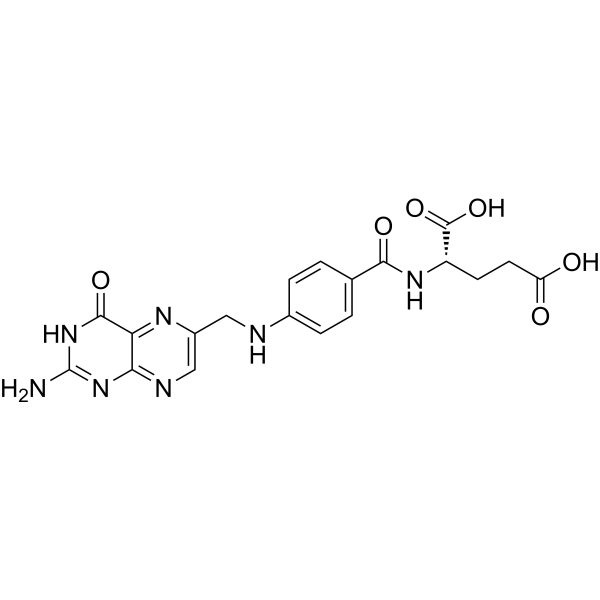
    Folic acid
    Maximum Cited Publications
    25 Publications Verification

    Vitamin B9; Vitamin M

    Environmental Pollutants Endogenous Metabolite DNA/RNA Synthesis Cardiovascular Disease Infection Neurological Disease Cancer
    Folic acid (Vitamin B9) is a orally active essential nutrient from the B complex group of vitamins. Folic acid shows antidepressant-like effect. Folic acid sodium reduces the risk of neonatal neural tube defects. Folic acid can be used to the research of megaloblastic and macrocytic anemias due to folic deficiency .
    Folic acid
  • HY-N3025
    Zinc sulfate heptahydrate
    1 Publications Verification

    Environmental Pollutants Biochemical Assay Reagents Metabolic Disease
    Zinc sulfate heptahydrate is a hydrate that is the heptahydrate form of zinc sulfate. Zinc sulfate heptahydrate is a dietary supplement used for zinc deficiency and to prevent the condition in those at high risk .
    Zinc sulfate heptahydrate
  • HY-113221

    Proteasome Endogenous Metabolite Apoptosis Metabolic Disease Cancer
    Isovalerylcarnitine is a metabolite of leucine. Isovalerylcarnitine can specifically activate calpain in human neutrophils. Isovalerylcarnitine inhibits tumor cell proliferation and induces apoptosis. Elevated circulating levels of Isovalerylcarnitine are negatively correlated with reduced lung cancer risk .
    Isovalerylcarnitine
  • HY-N0511
    Aristolochic acid B
    1 Publications Verification

    Aristolochic acid II

    DNA Alkylator/Crosslinker Cancer
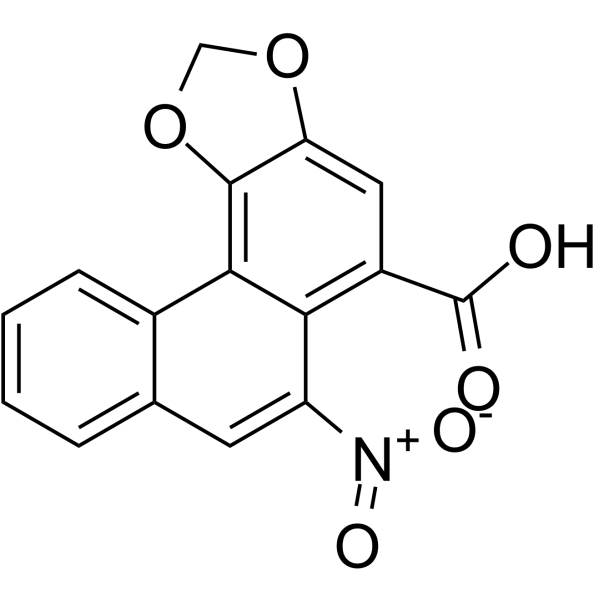
    Aristolochic acid B (Aristolochic Acid II) is an orally active major component of aristolochic acid (AA). Aristolochic acid B can be isolated from plants of the genus Aristolochica. Aristolochic acid B forms DNA adducts. Aristolochic acid B is mutagenic. Aristolochic acid B exhibits a greater carcinogenic risk in vivo than Aristolochic acid I (HY-N0510) .
    Aristolochic acid B
  • HY-N6071
    Secoisolariciresinol
    1 Publications Verification

    (-)-Secoisolariciresinol

    Drug Intermediate Cardiovascular Disease Inflammation/Immunology Cancer
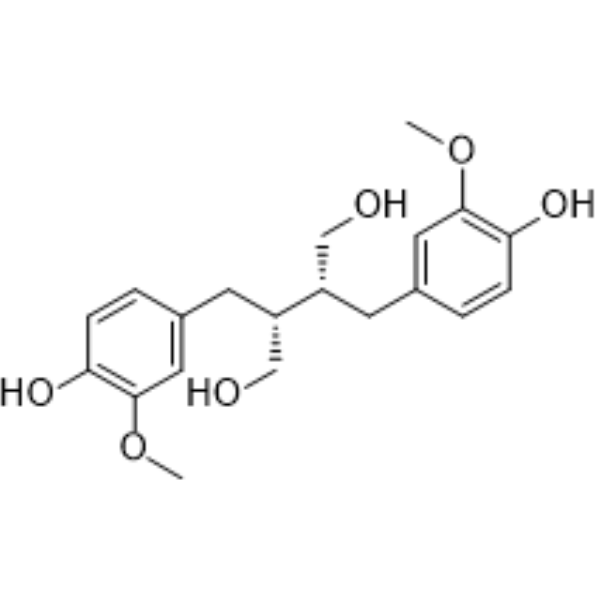
    Secoisolariciresinol ((-)-Secoisolariciresinol) is a plant lignan and a precursor of enterolignans. Secoisolariciresinol can be converted into enterodiol and enterolactone by intestinal microflora. Secoisolariciresinol may reduce the risk of cancer and cardiovascular diseases .
    Secoisolariciresinol
  • HY-P99209

    MEDI-524

    RSV Infection
    Motavizumab (MEDI-524) is an anti-human RSV (respiratory syncytial virus) monoclonal antibody. Motavizumab can be used in respiratory syncytial virus infection in high-risk infants research .
    Motavizumab
  • HY-B0835

    Environmental Pollutants Reactive Oxygen Species (ROS) Cholinesterase (ChE) Caspase Apoptosis Cardiovascular Disease Neurological Disease Inflammation/Immunology
    Fenobucarb is a carbamate insecticide. Fenobucarb induces zebrafish developmental neurotoxicity through pathways involved in inflammation, oxidative stress, degeneration and apoptosis. Fenobucarb is a possible risk factor to cardiovascular and cerebrovascular systems in animals .
    Fenobucarb
  • HY-112075

    Potassium Channel Calcium Channel Cardiovascular Disease
    Lidoflazine is a high affinity blocker of the HERG (human ether-a-go-go-related gene) K + channel. Lidoflazine is an antianginal calcium channel blocker that carries a significant risk of QT interval prolongation and ventricular arrhythmia .
    Lidoflazine
  • HY-B1834

    Progesterone Receptor Glucocorticoid Receptor Infection Neurological Disease Inflammation/Immunology Cancer
    Megestrol is an orally active glucocorticoid and progesterone receptor agonist. Megestrol can alleviate anorexia, cachexia or unexplained significant weight loss associated with acquired immunodeficiency syndrome (AIDS). Megestrol may cause manifestations similar to those of glucocorticoids and increase the risk of mental disorders .
    Megestrol
  • HY-145295
    Flupyradifurone
    2 Publications Verification

    Environmental Pollutants nAChR Infection
    Flupyradifurone is a systemic nAChR agonist that interferes with signal transduction in the central nervous system of sucking pests. Flupyradifurone can be used as a butenolide insecticide .
    Flupyradifurone
  • HY-101453

    P-glycoprotein Cancer
    Ceefourin 1 is a potent and highly selective multidrug resistance protein 4 (MRP4) inhibitor. Ceefourin 1 inhibits transport of a broad range of MRP4 substrates, yet is highly selective for MRP4 over other ABC transporters. Ceefourin 1 is a benzothiazol and primarily as a chemosensitizer for high-risk neuroblastoma .
    Ceefourin 1
  • HY-118530
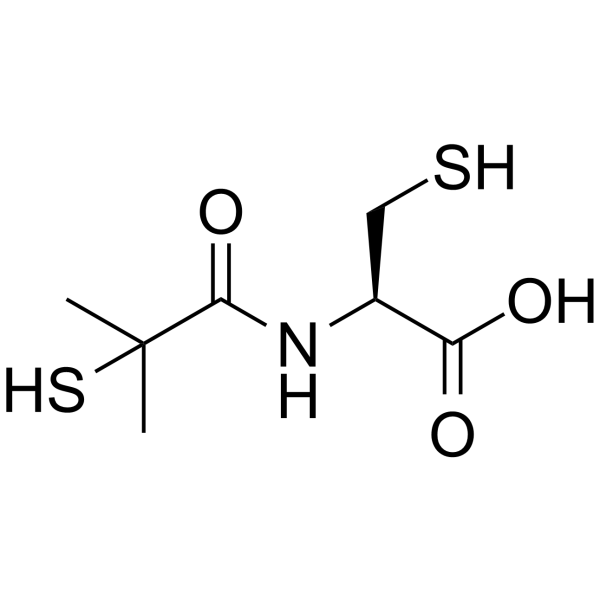
    Bucillamine
    2 Publications Verification

    SA96; Thiobutarit

    VEGFR Cardiovascular Disease Inflammation/Immunology
    Bucillamine (SA96) is an orally active and potent sulfhydryl donor and antioxidant. Bucillamine is also an antirheumatic agent with antiangiogenic properties. Bucillamine can protect against Ischemia/reperfusion (I/R) injury in high-risk organ transplants. Bucillamine inhibits the production of VEGF. Bucillamine can be used for the research of choroidal neovascularization (CNV) and rheumatoid arthritis (RA) .
    Bucillamine
  • HY-W099479

    Ethyl butylacetylaminopropionate; IR-3535

    Environmental Pollutants Apoptosis Reactive Oxygen Species (ROS) Parasite SOD Infection Inflammation/Immunology
    Insect repellent M 3535 (Ethyl butylacetylaminopropionate) is a broad-spectrum, mild insect repellent based on the structure of β-alanine. Insect repellent M 3535 exerts repellent effects by interfering with the olfaction of mosquitoes, but it poses risks of developmental and cardiac toxicity to aquatic organisms such as zebrafish embryos in aquatic environments, and can activate oxidative stress responses .
    Insect repellent M 3535
  • HY-106673
    Hydrocortisone buteprate
    1 Publications Verification

    Hydrocortisone probutate; HBP

    Glucocorticoid Receptor Inflammation/Immunology
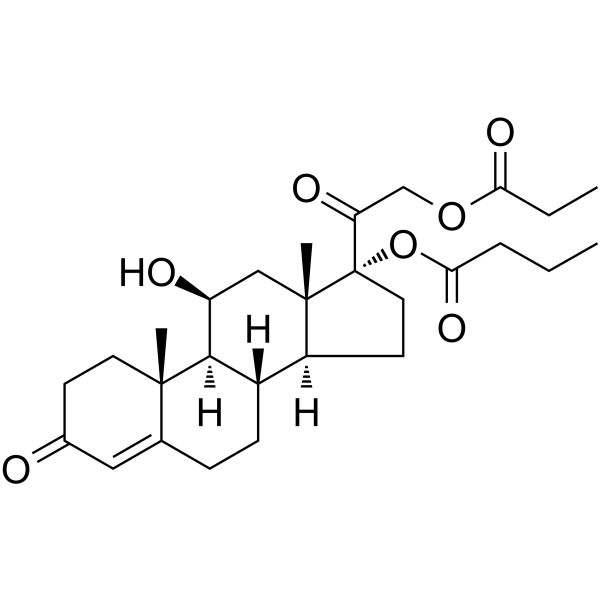
    Hydrocortisone buteprate (Hydrocortisone probutate) is a medium potent, non-halogenated double-ester of hydrocortisone with a favorable benefit/risk ratio for the treatment of inflammatory skin disorders. Hydrocortisone buteprate (Hydrocortisone probutate) is available as a 0.1% cream or ointment formulation .
    Hydrocortisone buteprate
  • HY-P99794

    BAY 1213790

    Factor Xa Cardiovascular Disease
    Osocimab (BAY 1213790), an anti-FXIa antibody (Ki=2.4 nM; EC50=0.2 nM). FXI inhibition may reduce the risk of thrombosis. Osocimab inhibits thrombin generation, and prolongs activated partial thromboplastin time. Osocimab exhibits anticoagulant effects .
    Osocimab
  • HY-W009722

    Ditiocarb sodium trihydrate

    HIV Biochemical Assay Reagents Infection
    Sodium diethylcarbamodithioate (Ditiocarb sodium) trihydrate is a copper reagent. The reaction with Cu 2+ solution resulted in the formation of a complex, which increased the copper displacement precipitation rate. Sodium diethylcarbamodithioate trihydrate can reduce HIV infection and can be used in adjuvant immune research of high-risk breast cancer .
    Sodium diethylcarbamodithioate trihydrate
  • HY-131981
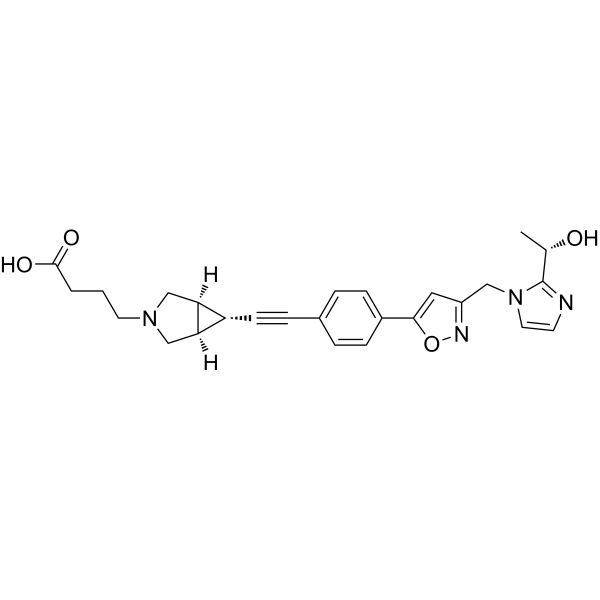
    TP0586532
    2 Publications Verification

    Bacterial Infection Cardiovascular Disease
    TP0586532 is a non-hydroxamate LpxC inhibitor (IC50=0.101 μM). TP0586532 as a compound with a low cardiovascular risk that is effective against K. pneumoniae, including resistant strains . TP0586532 is a click chemistry reagent, it contains an Alkyne group and can undergo copper-catalyzed azide-alkyne cycloaddition (CuAAc) with molecules containing Azide groups.
    TP0586532
  • HY-103372
    GSK264220A
    1 Publications Verification

    Lipase Cardiovascular Disease
    GSK264220A is a potent endothelial lipase inhibitor with IC50 of 16 nM. GSK264220A has the potential to decrease the risk of cardiovascular disease .
    GSK264220A
  • HY-N4271

    Others Cardiovascular Disease
    Protogracillin is a steroidal saponin isolated from Dioscorea zingiberensis Wright (DZW). Steroidal saponins from DZW rhizomes have the potential to reduce the risk of cardiovascular diseases by anti-thrombotic action .
    Protogracillin
  • HY-176515

    Ciprofol Glucuronide

    Drug Metabolite Neurological Disease
    Cipepofol glucuronide (Ciprofol Glucuronide) (M4) is a glucuronide metabolite of Ciprofol (HY-116152). Cipepofol glucuronide has no significant inhibitory activity toward P450s and UDP-glucuronosyltransferases (UGTs), and it has a lower risk of acting as a perpetrator for drug-drug interactions (DDIs). Cipepofol glucuronide can be used for anesthesia research .
    Cipepofol glucuronide
  • HY-W019334

    3,4-DMPP

    Insecticide Others
    3,4-Dimethylpyrazole phosphate is a nitrification inhibitor. 3,4-Dimethylpyrazole phosphate decreases gross soil autotrophic nitrification rates and reduces gross mineralization rates through feedback regulation. 3,4-Dimethylpyrazole phosphate can also reduce the risk of nitrate leaching and N losses due to denitrification and do not increase NH3 volatilization .
    3,4-Dimethylpyrazole phosphate
  • HY-160952

    CPX 351; Daunorubicin-Cytarabine Liposome

    Liposome Drug Derivative Cardiovascular Disease Cancer
    Cytarabine-daunorubicin (CPX 351) is a Liposomal formulation prepared from Cytarabine (HY-13605) and Daunorubicin (HY-13062A) at a fixed synergistic molar ratio of 5:1. Cytarabine-daunorubicin improves secondary acute myeloid leukemia. Cytarabine-daunorubicin can be used in research related to secondary acute myeloid leukemia, high-risk myelodysplastic syndrome, and chronic myelomonocytic leukemia .
    Cytarabine-daunorubicin
  • HY-145542

    Endogenous Metabolite Proteasome Apoptosis Metabolic Disease Cancer
    Isovalerylcarnitine chloride is a metabolite of leucine. Isovalerylcarnitine chloride can specifically activate calpain in human neutrophils. Isovalerylcarnitine chloride inhibits tumor cell proliferation and induces apoptosis. Elevated circulating levels of Isovalerylcarnitine chloride are negatively correlated with reduced lung cancer risk .
    Isovalerylcarnitine chloride
  • HY-16637A

    Vitamin B9 sodium; Vitamin M sodium

    DNA/RNA Synthesis Endogenous Metabolite Neurological Disease
    Folic acid (Vitamin B9) sodium is a orally active essential nutrient from the B complex group of vitamins. Folic acid sodium shows antidepressant-like effect. Folic acid sodium reduces the risk of neonatal neural tube defects. Folic acid sodium can be used to the research of megaloblastic and macrocytic anemias due to folic deficiency .
    Folic acid sodium
  • HY-164221A

    ALN-HSD sodium

    17β-HSD Metabolic Disease
    Rapirosiran sodium is a N-acetylgalactosamine-conjugated small-interfering RNA targeting liver-expressed hydroxysteroid 17-beta dehydrogenase 13 (HSD17B13) mRNA. Loss-of-function variants in the HSD17B13 associated with reduced risk of chronic liver disease. Rapirosiran sodium can be used for the study of Non-alcoholic steatohepatitis.
    Rapirosiran sodium
  • HY-135604

    DBUP

    Drug Metabolite Metabolic Disease
    Dibutyl phosphate (DBUP) is a urinary metabolite of organophosphate esters (OPEs). Dibutyl phosphate is positively correlated with an increased risk of sarcopenia .
    Dibutyl phosphate
  • HY-W014226

    Drug Intermediate Ser/Thr Protease Others
    4,4'-Dihydroxybenzophenone is a type of phenolic ultraviolet absorber and a drug intermediate for synthesis of various anticancer active compounds (such as Sivifene (HY-14801)). 4,4'-Dihydroxybenzophenone binds to the active site of trypsin with binding constants (KA = 7.59 x 10 5 L/moL) and leads to abnormal structure of trypsin, suggesting that long-term intake may affect the digestive function of the human body. 4,4’-dihydroxybenzophenone has a relatively low toxicity to Chlorella vulgaris and a moderate toxicity to Daphnia magna .
    4,4'-Dihydroxybenzophenone
  • HY-13641

    Myelobromol; DBM

    DNA Alkylator/Crosslinker Cancer
    Mitobronitol (Myelobromol; DBM) is a brominated analog of mannitol, also known as an anticancer agent that is classified as an alkylating agent. Mitobronitol has potential for myelosuppression associated with significantly decreased risk for several complications of allogeneic bone marrow transplantation in accelerated chronic granulocytic leukemia .
    Mitobronitol
  • HY-B1130

    COX Inflammation/Immunology
    Isoxicam is an orally active nonsteroidal anti-inflammatory compound and a COX-1/COX-2 inhibitor. Isoxicam exhibits potent anti-inflammatory activity in rat models of inflammation and significantly lower ulcerogenic risk. Isoxicam can be used for the study of inflammatory diseases and rheumatic disorders .
    Isoxicam
  • HY-14728

    R1439; RO0728804

    PPAR Metabolic Disease
    Aleglitazar (R1439) is a potent dual PPARα/γ agonist, with IC50s of 38 nM and 19 nM for human PPARa and PPARγ, respectively. Aleglitazar can be used for the research of type II diabetes .
    Aleglitazar
  • HY-14838A

    BIA 5-453 hydrochloride

    Dopamine β-hydroxylase Cardiovascular Disease
    Etamicastat hydrochloride (BIA 5-453 hydrochloride) is a potent and reversible dopamine-β-hydroxylase (DBH) inhibitor with an IC50 value of 107 nM . Etamicastat can be used in the research of cardiovascular diseases .
    Etamicastat hydrochloride
  • HY-B1699
    Metrizoic acid
    1 Publications Verification

    Metrizoate

    Biochemical Assay Reagents Others
    Metrizoic acid (Metrizoate) is an ionic contrast medium. Metrizoic acid (Metrizoate) shows high osmolality and has a risk of inducing allergic reactions .
    Metrizoic acid
  • HY-124766

    Aldehyde Dehydrogenase (ALDH) Cancer
    ABD-3001 is an inhibitor of ALDH1. ABD-3001 can be studied in research on refractory/relapsed acute myeloid leukemia and high-risk myelodysplastic syndrome .
    ABD-3001
  • HY-W004460

    Environmental Pollutants Biochemical Assay Reagents Cancer
    9,10-Dimethylanthracene is a polycyclic aromatic hydrocarbon that acts as a DNA-damaging agent. 9,10-Dimethylanthracene is promising for research of carcinogenic risks of environmental pollutants .
    9,10-Dimethylanthracene
  • HY-126363

    Diethyldithiocarbamic acid

    HIV Infection Cancer
    Ditiocarb (Diethyldithiocarbamic acid) is an accelerator of the rate of copper cementation. Ditiocarb (Diethyldithiocarbamic acid) reduces the incidence of HIV infection, and also enhances adjuvant immunoresearch of high risk breast cancer .
    Ditiocarb
  • HY-144291

    Dopamine Receptor Neurological Disease
    LY3154885 is an orally active dopamine D1 receptor positive allosteric modulator (PAM). LY3154885 has an improved agent-agent interactions (DDI) risk profile .
    LY3154885
  • HY-106844

    Phosphodiesterase (PDE) Cardiovascular Disease
    EMD 53998 is a cardiotonic agent that increases myocardial contractility as an inhibitor for phosphodiesterase III (PDE III) and a calcium sensitizer. EMD 53998 increases myocardial contractility, reduces energy consumption and the risk of inducing arrhythmias .
    EMD 53998
  • HY-W585872

    BBOEP

    Biochemical Assay Reagents Others
    Bis(2-butoxyethyl) phosphate (BBOEP) is a metabolite of the flame retardant tris(2-butoxyethyl) phosphate (TBOEP). Bis(2-butoxyethyl) phosphate (BBOEP) can be used in biomonitoring studies and risk assessments .
    Bis(2-butoxyethyl) phosphate
  • HY-14753

    Cannabinoid Receptor Cardiovascular Disease Metabolic Disease
    Rosonabant is a selective antagonist for cannabinoid receptor (CB1 receptor), which reduces body weight and improves improves the risk of obesity-related cardiovascular metabolic diseases. Rosonabant exhibits adverse side effect, such as nausea and mental disorder .
    Rosonabant
  • HY-164221

    ALN-HSD; ALN-288996; AD-288996

    17β-HSD Metabolic Disease
    Rapirosiran is a N-acetylgalactosamine-conjugated small-interfering RNA targeting liver-expressed hydroxysteroid 17-beta dehydrogenase 13 (HSD17B13) mRNA. Loss-of-function variants in the HSD17B13 associated with reduced risk of chronic liver disease. Rapirosiran can be used for the study of Non-alcoholic steatohepatitis.
    Rapirosiran
  • HY-133787

    Drug Metabolite Infection
    Levofloxacin N-oxide is a minor metabolite of Levofloxacin (HY-B0330). Levofloxacin N-oxide does not exhibit significantly genotoxic risks. Levofloxacin is an orally active antibiotic and is active against both Gram-positive and Gram-negative bacteria .
    Levofloxacin N-oxide
  • HY-144658

    Factor Xa Cardiovascular Disease
    FXIa-IN-8 is a potent and selective FXIa inhibitor with an IC50 of 14.2 nM. FXIa-IN-8 shows antithrombotic activity without increasing the bleeding risk and obvious toxicitysup>[1].
    FXIa-IN-8
  • HY-169001

    5-HT Receptor Neurological Disease
    5-HT2A/5-HT2C inverse agonist 1 is a potent and dual 5-HT2A and 5-HT2C receptor inverse agonist with a hERG inhibitions, thus avoiding cardiovascular risks. 5-HT2A/5-HT2C inverse agonist 1 shows significant antipsychotic efficacy in the MK-801 (HY-15084B)-induced mouse model. 5-HT2A/5-HT2C inverse agonist 1 is promising for research of psychosis .
    5-HT2A/5-HT2C inverse agonist 1
  • HY-14838

    BIA 5-453

    Dopamine β-hydroxylase Cardiovascular Disease
    Etamicastat (BIA 5-453) is a potent and reversible dopamine-β-hydroxylase (DBH) inhibitor with an IC50 value of 107 nM . Etamicastat can be used in the research of cardiovascular diseases .
    Etamicastat
  • HY-173322

    LPL Receptor Cardiovascular Disease
    Lp(a)-IN-8 (compound 15) is an Lp(a) inhibitor. Lp(a) is a causal risk factor for atherosclerotic cardiovascular disease (ASCVD) .
    Lp(a)-IN-8
  • HY-W653780

    DMTP; O,O-Dimethyl phosphorothionate

    Endogenous Metabolite Others
    Dimethyl phosphorothioate (DMTP; O,O-Dimethyl phosphorothionate) is a metabolite of organophosphate pesticides. Dimethyl phosphorothioate can be used as a biomonitoring indicator for assessing pesticide exposure levels of organophosphate pesticides and identifying high-risk groups .
    Dimethyl phosphorothioate
  • HY-W709553
    Glyceryl Triformate
    1 Publications Verification

    Triglyceride

    Endogenous Metabolite Cardiovascular Disease Inflammation/Immunology
    Glyceryl Triformate (Triglyceride) is the major form of storage and transport of fatty acids within cells and in the plasma. Glyceryl Triformate forms lipoproteins with cholesterol ester, and participates in the blood circulation. Glyceryl Triformate can lead to hypertriglyceridemia (HTG), which increases the risk of atherosclerotic cardiovascular disease (ASCVD) and pancreatitis .
    Glyceryl Triformate
  • HY-112575

    NO Synthase Infection Cardiovascular Disease Inflammation/Immunology
    Tiazotic acid is a metabolic agent that has immunomodulatory, anti-inflammatory, antioxidant, anti-ischemic, cardio- and endothelioprotective, antiplatelet, hepatoprotective activities. Tiazotic acid increases the levels of eNOS. Tiazotic acid also reduces the level of D-dimer in the blood, which reduces the risks of heart attacks and strokes in post-COVID syndrome .
    Tiazotic acid
  • HY-W741940

    Others Cardiovascular Disease Cancer
    Evomonoside is a type of cardiac glycoside compound. Evomonoside exhibits significant in vitro anticancer activity, especially having nanomolar inhibitory concentrations against gastric cancer cell lines. Evomonoside has typical cardiac toxicity risks, including arrhythmias and conduction abnormalities. Evomonoside can be used for research on gastric cancer .
    Evomonoside
  • HY-145295R

    Reference Standards nAChR Infection
    Flupyradifurone (Standard) is the analytical standard of Flupyradifurone. This product is intended for research and analytical applications. Flupyradifurone is a systemic nAChR agonist that interferes with signal transduction in the central nervous system of sucking pests. Flupyradifurone can be used as a butenolide insecticide .
    Flupyradifurone (Standard)

Inquiry Online

Your information is safe with us. * Required Fields.

Salutation


Country or Region *

Applicant Name *


Organization Name *

Department *


Email Address *


Product Name *

Cat. No.


Requested quantity *

Phone Number *


Remarks

Inquiry Online

Inquiry Information

Product Name:
Cat. No.:
Quantity:
MCE Japan Authorized Agent:

