521 Results for "

sensory evaluation

" in MedChemExpress (MCE) Product Catalog:
Products (521)

521 Results for "sensory evaluation" in MCE Product Catalog:

65
65 Publications Verification
Cat. No.: HY-15640
CAS No.: 138977-28-3
Purity:  98.14%
Target:  

TRP Channel Apoptosis

Research Areas:  

Cancer

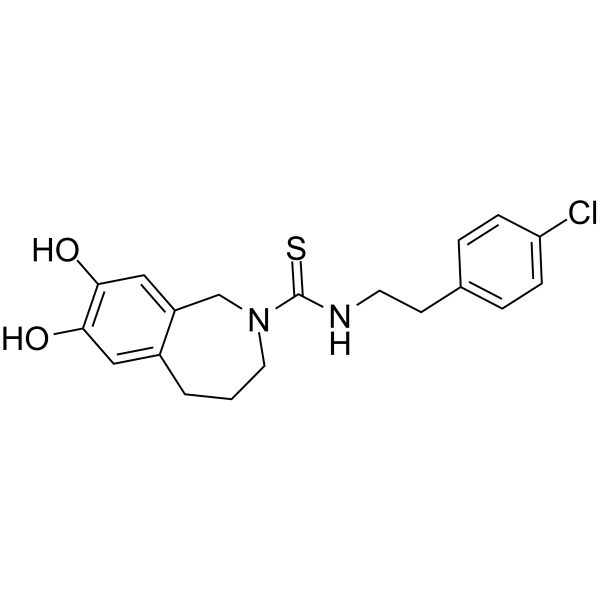
Capsazepine is a synthetic analogue of the sensory neurone excitotoxin, and an antagonist of TRPV1 receptor with an IC50 of 562 nM.
loading...
    loading...
28
28 Cited Publications
Cat. No.: HY-W011777
CAS No.: 886-86-2
Synonyms: MS-222
Research Areas:  

Neurological Disease

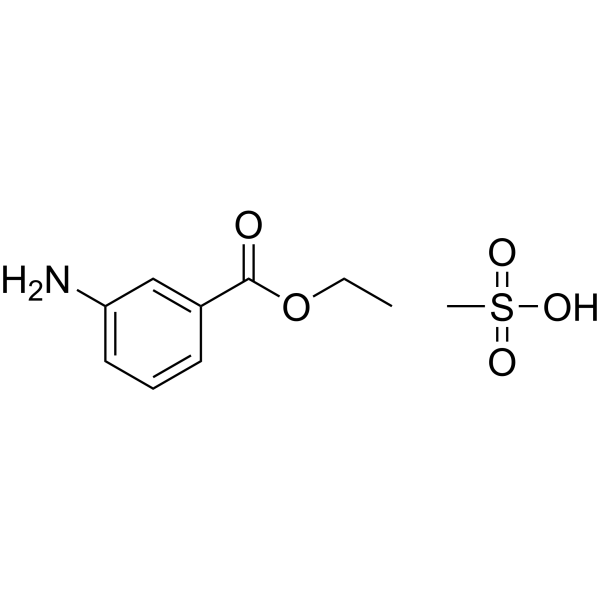
Tricaine methanesulfonate (MS-222) is common used to immobilize fish for marking or transport and to suppress sensory systems during invasive procedures .
loading...
    loading...
25
25 Cited Publications
Cat. No.: HY-18938
CAS No.: 1448428-04-3
Synonyms: GS-4997
Target:  

MAP3K Apoptosis

Research Areas:  

Cancer

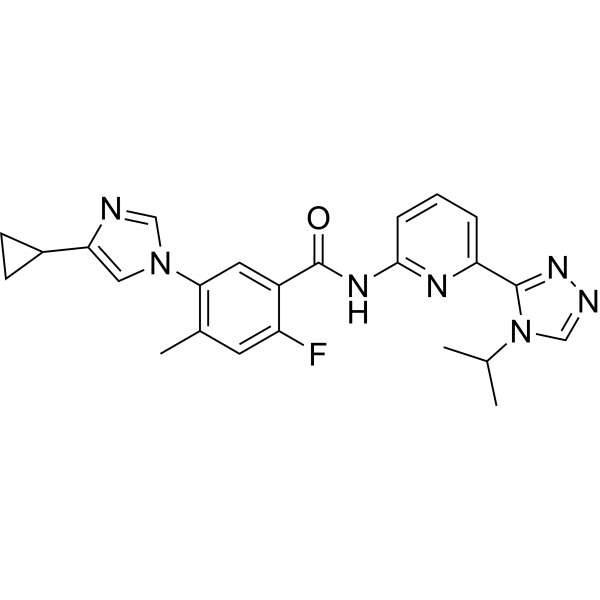
Selonsertib (GS-4997), an orally bioavailable, selective apoptosis signal-regulating kinase 1 (ASK1) inhibitor with a pIC50 of 8.3, has been evaluated as an experimental treatment for diabetic nephropathy and kidney fibrosis.
loading...
    loading...
21
21 Cited Publications
Cat. No.: HY-D0085
CAS No.: 53213-94-8
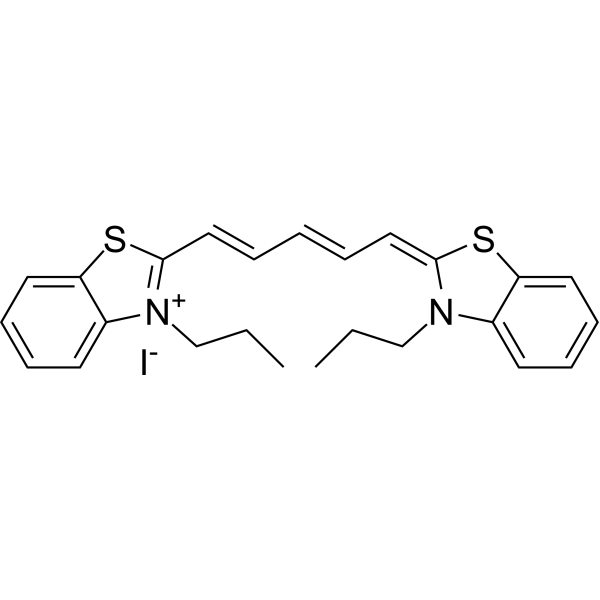
DiSC3(5) is a fluorescent probe commonly used as a tracer dye to evaluate mitochondrial membrane potential. The excitation/emission wavelength of DiSC3(5) is up to 622/670 nm. DiSC3(5) can inhibit the respiratory system associated with mitochondrial NAD, and the IC50 value is 8 μM. DiSC3(5) in the presence of Na +/K +-ATPase inhibitor ouabain 2 can induce membrane hyperpolarization of Ehrlich ascites tumor cells .
loading...
    loading...
15
15 Cited Publications
Cat. No.: HY-D0040
CAS No.: 1461-15-0
Synonyms: Fluorexon
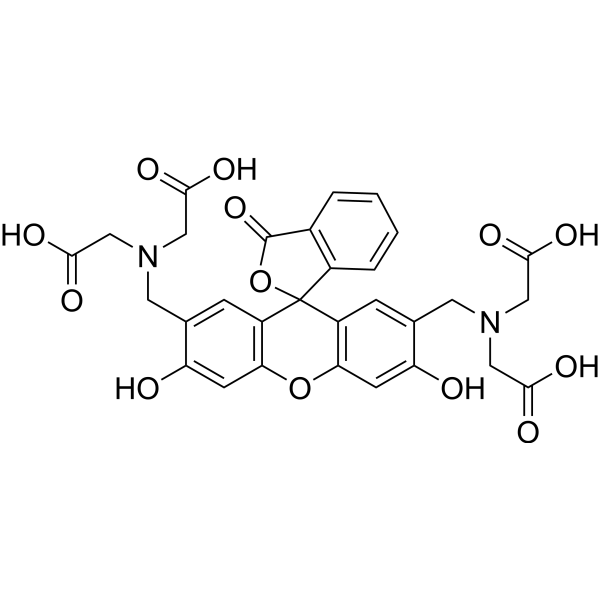
Calcein is a fluorescent dye and self-quenching probe, used as an indicator of lipid vesicle leakage, and also as a complexometric indicator for titration of calcium ions with EDTA, and for fluorometric determination of calcium. Calcein cannot directly cross the intact cell membrane of a living cell, unlike Calcein-AM (HY-D0041) which is cell-permeable. Calcein can also be used as a model drug for evaluating efficiency and bioavailability of drug delivery systems .
loading...
    loading...
14
14 Cited Publications
Cat. No.: HY-N2333
CAS No.: 57444-62-9
Synonyms: (+)-Resiniferatoxin
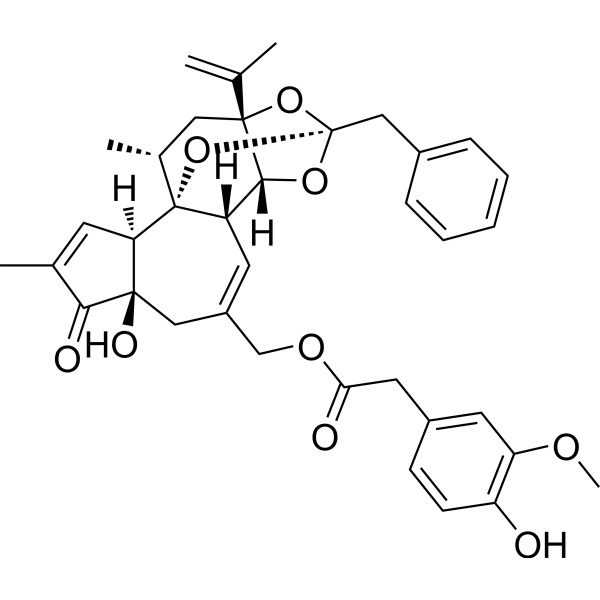
Resiniferatoxin ((+)-Resiniferatoxin), is a selective agonist of transient receptor potential vanilloid 1 (TRPV1) receptor agonist. Resiniferatoxin can be isolated from the Euphorbia resinifera plant. Resiniferatoxin eliminates TRPV1+ primary sensory afferents and blunt cardiac sympathetic afferent reflex for a relatively long period .
loading...
    loading...
14
14 Cited Publications
Cat. No.: HY-15902
CAS No.: 30931-67-0
Purity:  99.86%
Synonyms: AzBTS-(NH4)2
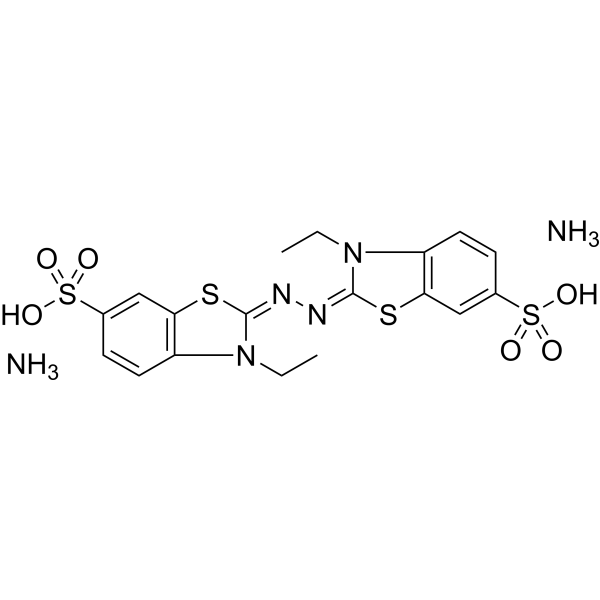
ABTS diammonium salt (AzBTS-(NH4)2) is a substrate for horseradish peroxidase (HRP) conjugate. ABTS diammonium salt can be used to evaluate antioxidant capacity .
loading...
    loading...
13
13 Cited Publications
Cat. No.: HY-K1089

MCE Cell Senescence β-Galactosidase Staining Kit can be used to evaluate the senescence of cells or tissues.

loading...
    loading...
6
6 Cited Publications
Cat. No.: HY-Y0271
CAS No.: 57-13-6
Synonyms: Carbonyl diamide
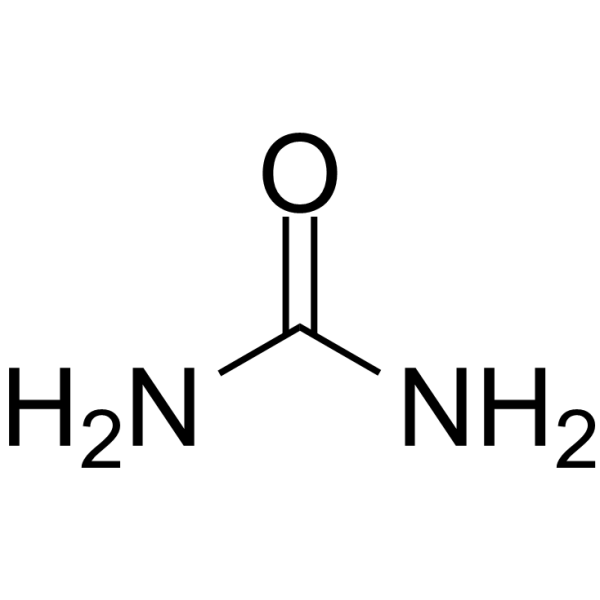
Urea is a powerful protein denaturant via both direct and indirect mechanisms . A potent emollient and keratolytic agent . Used as a diuretic agent. Blood urea nitrogen (BUN) has been utilized to evaluate renal function . Widely used in fertilizers as a source of nitrogen and is an important raw material for the chemical industry.
loading...
    loading...
6
6 Cited Publications
Cat. No.: HY-B0504
CAS No.: 60-27-5
Synonyms: NSC13123
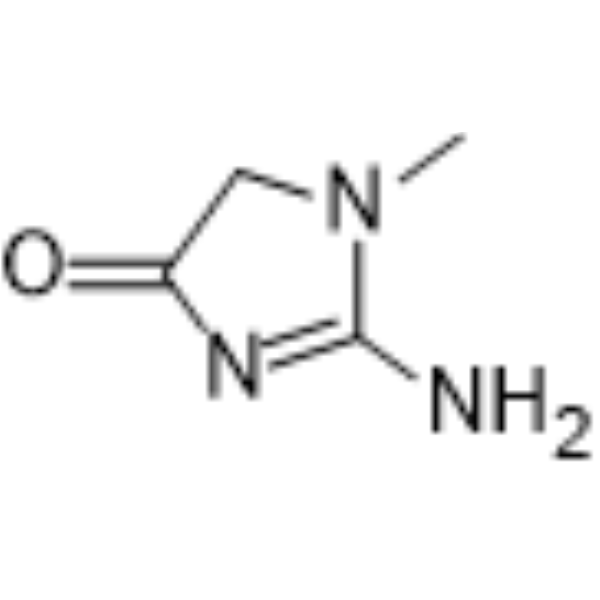
Creatinine (NSC13123) is an orally active, blood-brain barrier-permeable modulator of GABAA and NMDA receptors, with activities of antioxidation and metabolic regulation. Creatinine is generated via non-enzymatic conversion of creatine and phosphocreatine in muscle. Creatinine serum levels correlate with muscle mass, glomerular filtration rate, and extrarenal clearance, serving as an evaluation biomarker for renal function, muscle mass, and clinical outcomes, and used for perioperative renal risk assessment. In addition, Creatinine can induce specific Cryptococcus species to produce creatinine deiminase and act as their nitrogen source, while it can be secreted via renal tubules. Creatinine is widely used in research related to various diseases such as neurodegenerative diseases, psychiatric disorders, acute kidney injury, chronic kidney disease, and renal failure .
loading...
    loading...
5
5 Cited Publications
Cat. No.: HY-121636
CAS No.: 810668-37-2
Purity:  99.90%
Synonyms: RvD2
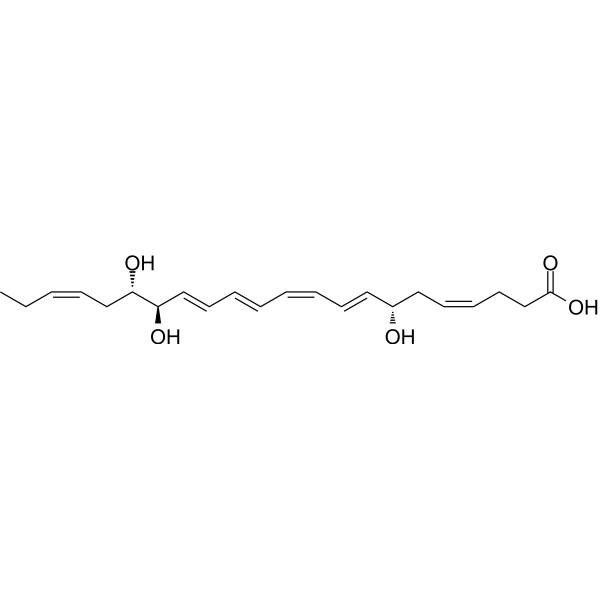
Resolvin D2 is a metabolite of docosahexaenoic acid (DHA), with anti-inflammatory, anti-infective activities. Resolvin D2 is a potent regulator of leukocytes and controls microbial sepsis. Resolvin D2 is a remarkably potent inhibitor of TRPV1 (IC50 = 0.1 nM) and TRPA1 (IC50 = 2 nM) in primary sensory neurons .
loading...
    loading...
5
5 Cited Publications
Cat. No.: HY-B0504S
CAS No.: 143827-20-7
Synonyms: NSC13123-d3
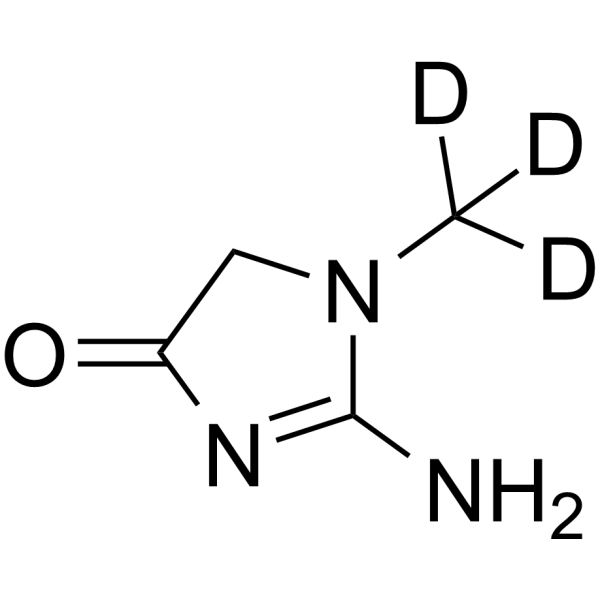
Creatinine-d3 is a deuterium labeled Creatinine. Creatinine (NSC13123) is an orally active, blood-brain barrier-permeable modulator of GABAA and NMDA receptors, with activities of antioxidation and metabolic regulation. Creatinine is generated via non-enzymatic conversion of creatine and phosphocreatine in muscle. Creatinine serum levels correlate with muscle mass, glomerular filtration rate, and extrarenal clearance, serving as an evaluation biomarker for renal function, muscle mass, and clinical outcomes, and used for perioperative renal risk assessment. In addition, Creatinine can induce specific Cryptococcus species to produce creatinine deiminase and act as their nitrogen source, while it can be secreted via renal tubules. Creatinine is widely used in research related to various diseases such as neurodegenerative diseases, psychiatric disorders, acute kidney injury, chronic kidney disease, and renal failure .
loading...
    loading...
4
4 Cited Publications
Cat. No.: HY-K1011A

MCE 3-Color Prestained Protein Marker (10-180 kDa) consists of 10 prestained recombinant proteins with an apparent molecular weight range of 10–180 kDa. This marker enables real-time monitoring of protein migration during SDS-PAGE and facilitates evaluation of protein transfer efficiency. The 250 μL is defined as the base specification. All larger sizes correspond to incremental volumes of this base.

loading...
    loading...
4
4 Cited Publications
Cat. No.: HY-124329
CAS No.: 82436-77-9
Purity:  99.84%
Research Areas:  

Cancer

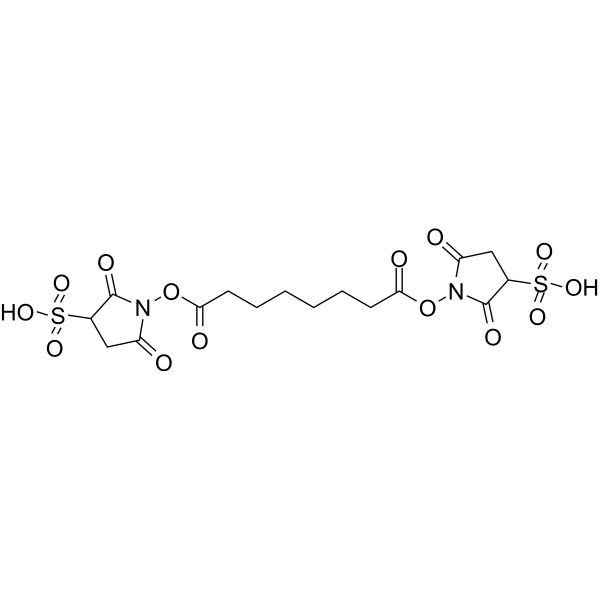
BS3 Crosslinker is a cell-impermeable NHS ester crosslinker. BS3 Crosslinker "covalently locks" two spatially adjacent proteins on the surface of living cells into a covalent complex, and the dimerization/oligomerization status is determined by observing molecular weight shifts via Western blot. BS3 Crosslinker can crosslink EGFR and c-MET to assist in detecting and evaluating their dimerization status. It can be used in research related to oral cancer and glioblastoma .
loading...
    loading...
4
4 Cited Publications
Cat. No.: HY-124329A
CAS No.: 127634-19-9
Purity:  ≥98.0%
Research Areas:  

Cancer

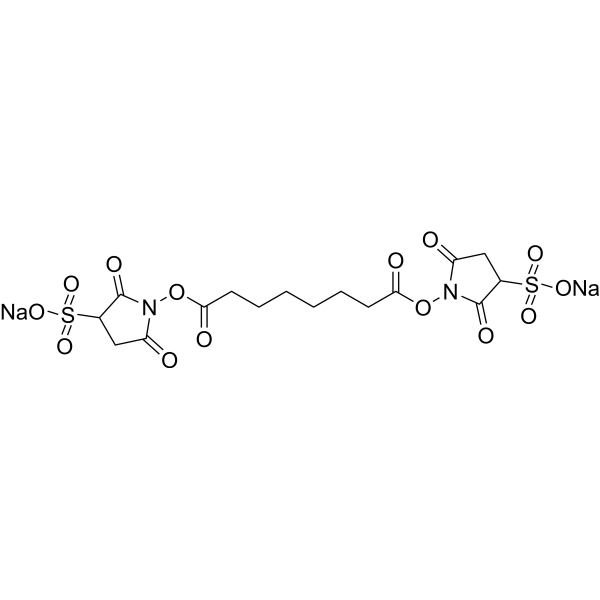
BS3 Crosslinker disodium is a cell-impermeable NHS ester crosslinker. BS3 Crosslinker disodium "covalently locks" two spatially adjacent proteins on the surface of living cells into a covalent complex, and the dimerization/oligomerization status is determined by observing molecular weight shifts via Western blot. BS3 Crosslinker disodium can crosslink EGFR and c-MET to assist in detecting and evaluating their dimerization status. It can be used in research related to oral cancer and glioblastoma .
loading...
    loading...
3
3 Cited Publications
Cat. No.: HY-110220
CAS No.: 1031496-06-6
Purity:  99.94%
Target:  

TRP Channel

Research Areas:  

Neurological Disease

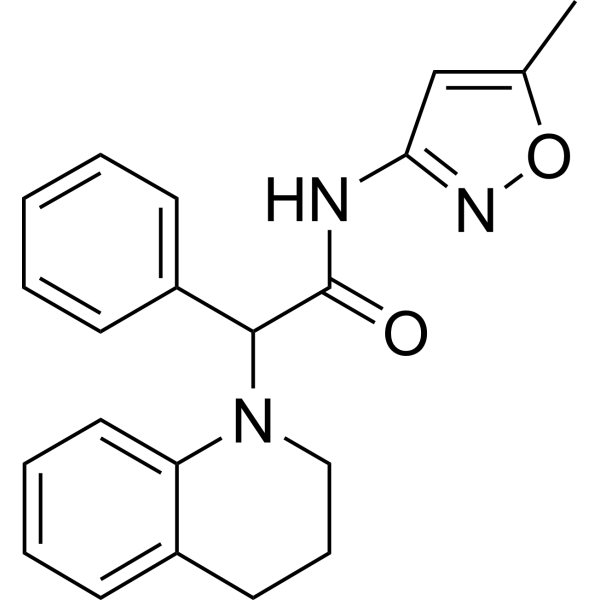
CIM0216, a synthetic TRPM3 ligand, acts as a potent and selective agonist of TRPM3. CIM0216 exhibits selectivity for TRPM3 over TRPM1, TRPM2 and TRPM4-8. CIM0216 acts in a TRPM3-dependent manner to induce pain and evoke neuropeptide release from sensory nerve terminals in vitro. CIM0216 is a powerful tool for studies of the physiological functions of TRPM3, and can be used for neurogenic inflammation research .
loading...
    loading...
3
3 Cited Publications
Cat. No.: HY-14805
CAS No.: 869572-92-9
Purity:  99.88%
Synonyms: ST-246
Research Areas:  

Infection

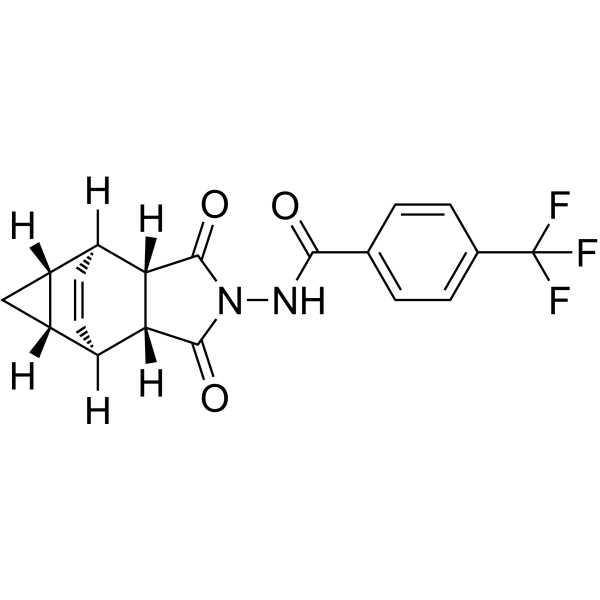
Tecovirimat (ST-246) is an orally bioavailable and selective compound against orthopoxviruses including vaccinia, monkeypox, camelpox, cowpox, ectromelia (mousepox), smallpox and variola viruses. Tecovirimat is evaluated against vaccinia, cowpox virus, ectromelia virus with EC50 values of 0.01 μM, 0.48 μM and 0.05 μM, respectively. Tecovirimat targets the orthopoxvirus protein VP37 which is necessary for membrane envelopment of intracellular mature virus particles to form enveloped virus. Tecovirimat exerts antiviral activity on the target of the cowpox virus V061 gene, which is homologous to vaccinia virus F13L, encoding a major envelope protein (p37) required for production of extracellular virus .
loading...
    loading...
3
3 Cited Publications
Cat. No.: HY-14805A
CAS No.: 1162664-19-8
Purity:  99.97%
Synonyms: ST-246 monohydrate
Research Areas:  

Infection

Tecovirimat (ST-246) monohydrate is the monohydrate form of Tecovirimat (HY-14805). Tecovirimat monohydrate is an orally bioavailable and selective compound against orthopoxviruses [including vaccinia, monkeypox, camelpox, cowpox, ectromelia (mousepox), smallpox and variola viruses]. Tecovirimat monohydrate is evaluated against vaccinia, cowpox virus, ectromelia virus with EC50 values of 0.01 μM, 0.48 μM and 0.05 μM, respectively. Tecovirimat monohydrate targets the orthopoxvirus protein VP37 which is necessary for membrane envelopment of intracellular mature virus particles to form enveloped virus. Tecovirimat monohydrate exerts antiviral activity on the target of the cowpox virus V061 gene, which is homologous to vaccinia virus F13L, encoding a major envelope protein (p37) required for production of extracellular virus. Tecovirimat monohydrate could be used in the study for orthopoxvirus-induced diseases .
loading...
    loading...
2
2 Cited Publications
Cat. No.: HY-W014666
CAS No.: 59-00-7
Xanthurenic acid is a putative endogenous Group II metabotropic glutamate receptor agonist, on sensory transmission in the thalamus.
loading...
    loading...
2
2 Cited Publications
Cat. No.: HY-B1007
CAS No.: 149-16-6
Target:  

Sodium Channel

Research Areas:  

Neurological Disease

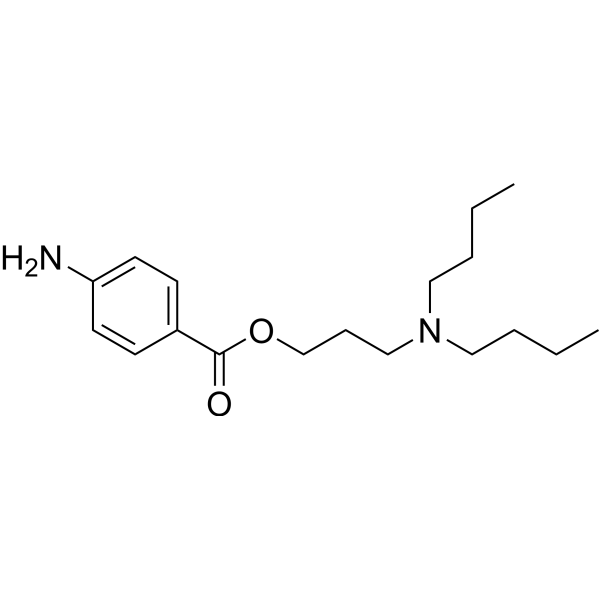
Butacaine is a reversible nerve conduction blocker. Butacaine acts on the nervous system and nerve fibers, can cause both sensory and motor paralysis. Butacaine inhibits the NavBh currents. Butacaine can form inclusion complexes with α-cyclodextrin (α-CD) and β-cyclodextrin (β-CD). Butacaine is commonly used as a negative control for other local anesthetics .
loading...
    loading...

