1. Search Result
Search Result
Results for "

substrate-competitive

" in MedChemExpress (MCE) Product Catalog:

35

Inhibitors & Agonists

1

Biochemical Assay Reagents

1

Peptides

2

Natural
Products

Cat. No. Product Name Target Research Areas Chemical Structure
  • HY-100201
    A-196
    Maximum Cited Publications
    11 Publications Verification

    Histone Methyltransferase Cancer
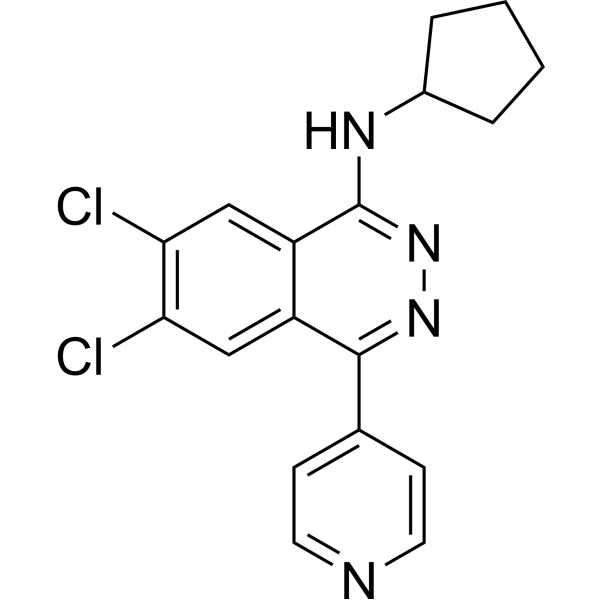
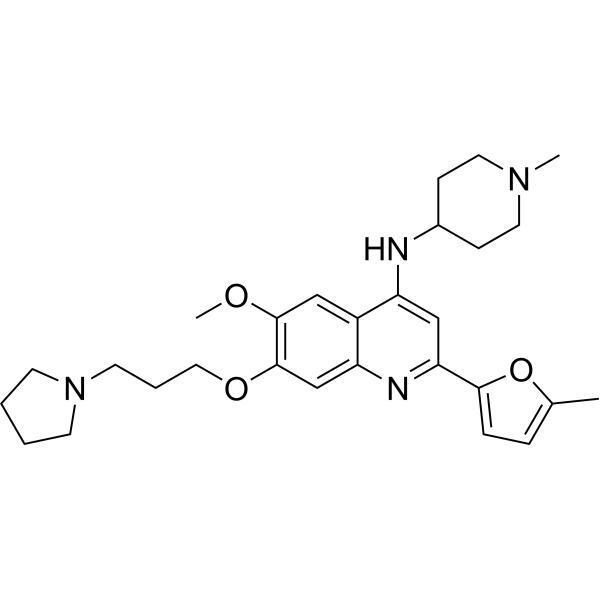
    A-196 is a potent and selective inhibitor of SUV420H1 and SUV420H2 with IC50 values of 25 nM and 144 nM, respectively. A-196 inhibits SUV4-20 biochemically in a substrate-competitive manner. A-196 represents a first-in-class chemical probe of SUV4-20 to investigate the role of histone methyltransferases in genomic integrity .
    A-196
  • HY-12335
    UNC0379
    5+ Cited Publications

    Histone Methyltransferase Inflammation/Immunology Cancer
    UNC0379 is a selective, substrate-competitive inhibitor of lysine methyltransferase SETD8 (KMT5A) with an IC50 of 7.3 μM, KD value of 18.3 μM. UNC0379 can be used in the research of inflammation and cancers, such as pulmonary fibrosis, ovarian cancer, neuroblastoma .
    UNC0379
  • HY-101925
    CM-272
    3 Publications Verification

    Histone Methyltransferase DNA Methyltransferase Apoptosis Cancer
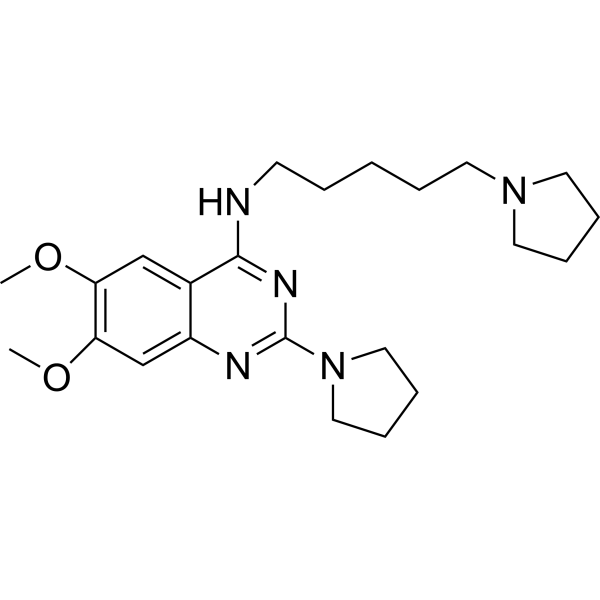
    CM-272 is a first-in-class, potent, selective, substrate-competitive and reversible dual G9a/DNA methyltransferases (DNMTs) inhibitor with antitumor activities. CM-272 inhibits G9a, DNMT1, DNMT3A, DNMT3B and GLP with IC50s of 8 nM, 382 nM, 85 nM, 1200 nM and 2 nM, respectively. CM-272 inhibits cell proliferation and promotes apoptosis, inducing IFN-stimulated genes and immunogenic cell death .
    CM-272
  • HY-107597
    Halicin
    2 Publications Verification

    SU3327

    JNK Metabolic Disease Inflammation/Immunology
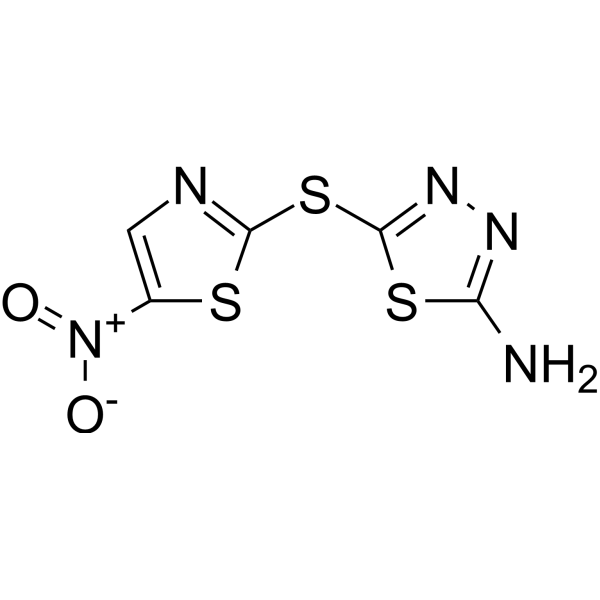
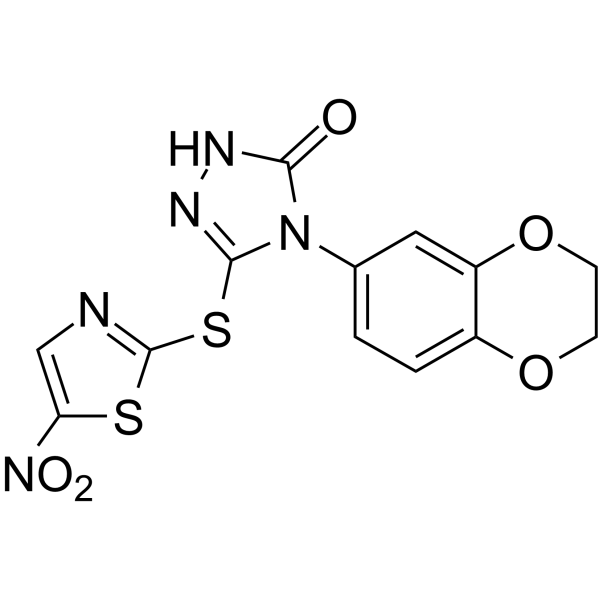
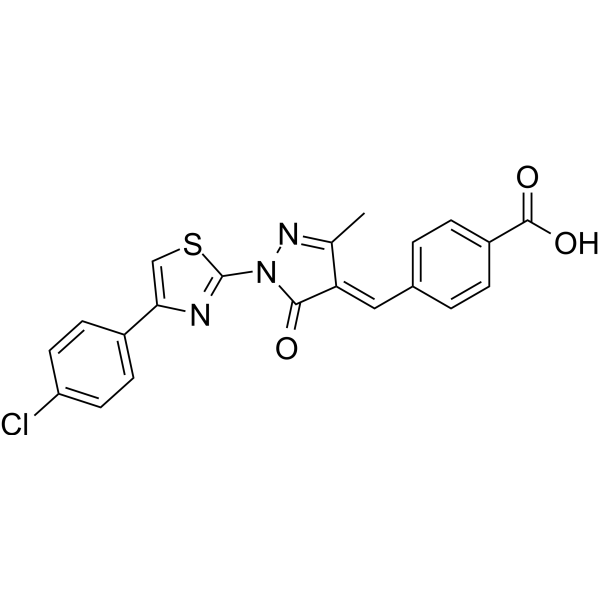
    Halicin (SU3327) is a potent, selective and substrate-competitive JNK inhibitor with an IC50 of 0.7 μM. Halicin also inhibits protein-protein interactions between JNK and JNK Interacting Protein (JIP) with an IC50 of 239 nM. Halicin shows less active against p38α and Akt kinase .
    Halicin
  • HY-N4183
    Licoflavone C
    1 Publications Verification

    Apoptosis Caspase Estrogen Receptor/ERR Cardiovascular Disease Infection
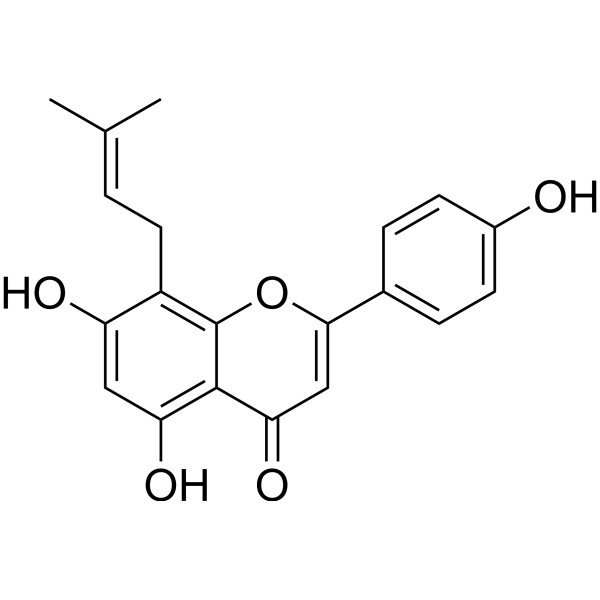
    Licoflavone C is a broad-spectrum antiviral inhibitor with estrogen-like properties. Licoflavone C binds to viral endonuclease (CEN) and inhibits the replication of various bunyaviruses including severe fever with thrombocytopenia syndrome virus (SFTSV) and lymphocytic choriomeningitis virus in a non-substrate competitive manner. The IC50 values of Licoflavone C against SFTSV CEN and SFTSV CEN are 35.5 μM and 135.8 μM, respectively, and its Kd value against SFTSV CEN is 9.53 μM. After viral entry into cells, Licoflavone C reduces viral loads in mouse tissues in a dose-dependent manner, and exhibits extremely low cytotoxicity and genotoxicity. Licoflavone C induces apoptosis by increasing caspase 3/7 activity, blocks the cell cycle, and alleviates chemotherapy-induced chromosomal damage. Licoflavone C is applicable to the research on severe fever with thrombocytopenia syndrome and related viral infection mechanisms .
    Licoflavone C
  • HY-15779A
    K145 hydrochloride
    5+ Cited Publications

    SphK Apoptosis Cancer
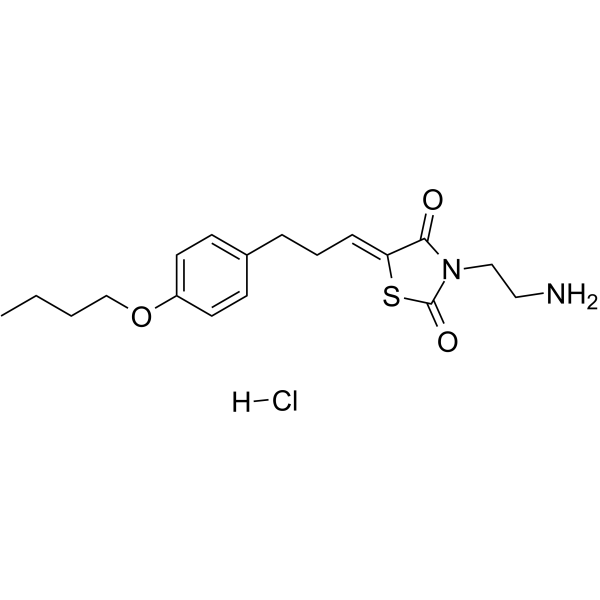
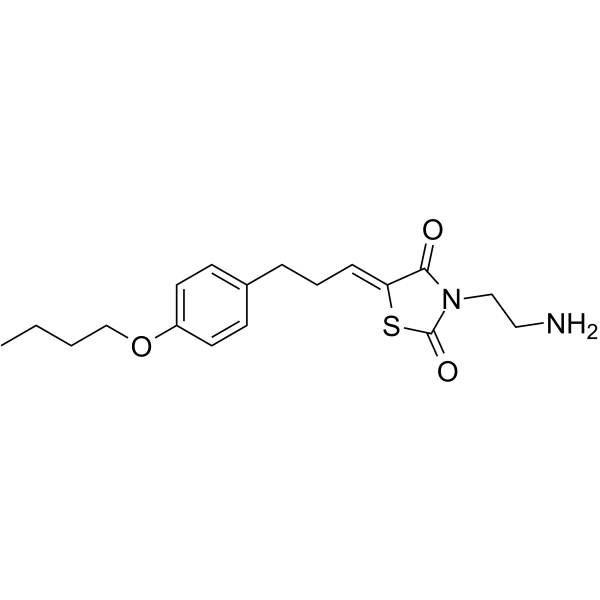
    K145 hydrochloride is a selective, substrate-competitive and orally active SphK2 inhibitor with an IC50 of 4.3 μM and a Ki of 6.4 μM. K145 hydrochloride is inactive against SphK1 and other protein kinases. K145 hydrochloride induces cell apoptosis and has potently antitumor activity .
    K145 hydrochloride
  • HY-10366
    BI-78D3
    1 Publications Verification

    JNK Metabolic Disease Cancer
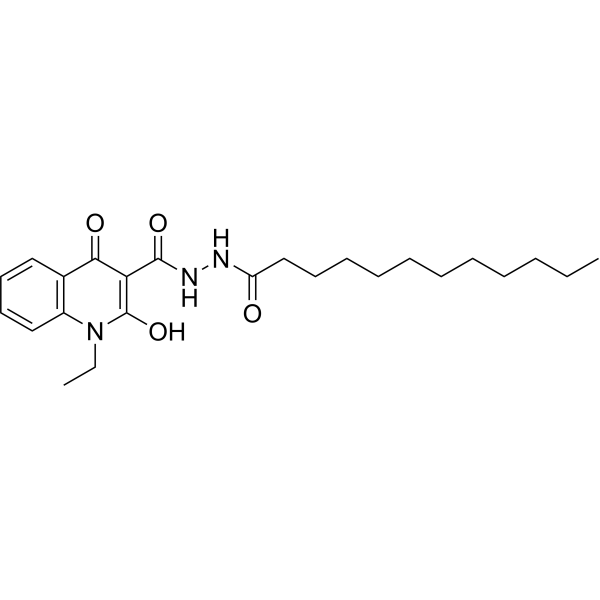
    BI-78D3 functions as a substrate competitive inhibitor of JNK, inhibit the JNK kinase activity (IC50=280 nM).
    BI-78D3
  • HY-118563

    ICMT Apoptosis Ras Cancer
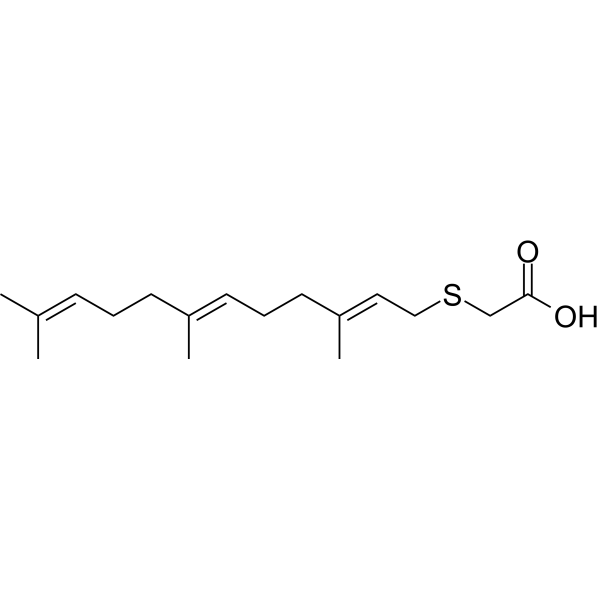
    Farnesylthioacetic acid is a competitive, non-substrate inhibitor of Prenylcysteine α-carboxyl methyltransferase. It acts as a non-substrate competitive inhibitor of Arabidopsis thaliana Prenylcysteine α-carboxyl methyltransferase and blocks methyltransferase activity. Farnesylthioacetic acid does not inhibit protein farnesyltransferase activity in Arabidopsis. It induces Apoptosis. Farnesylthioacetic acid regulates the subcellular localization of Ras protein, reducing the proportion of cytoplasmic Ras protein without disrupting membrane binding. It enhances ABA-induced seed dormancy, delays seed germination, and promotes maximum stomatal closure at lower exogenous ABA concentrations. Farnesylthioacetic acid can be used in studies related to promyelocytic leukemia .
    Farnesylthioacetic acid
  • HY-112080

    Histone Methyltransferase Cancer
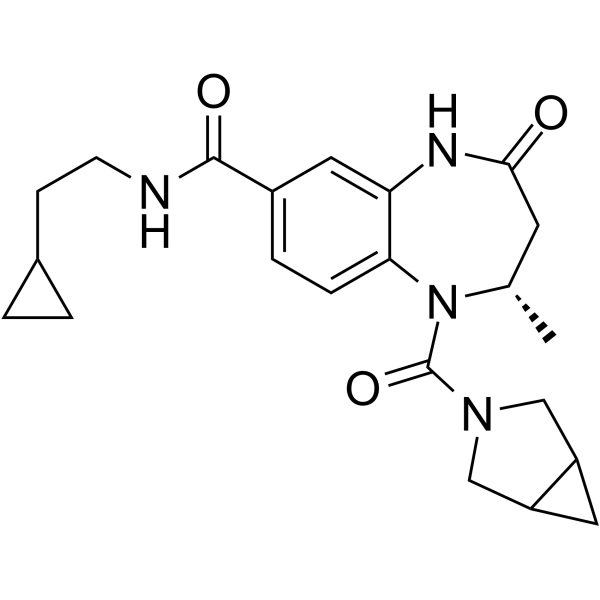
    BAY-6035, a chemical probe, is a potent, selective and substrate-competitive inhibitor of SMYD3. BAY-6035 inhibits methylation of MEKK2 peptide with an IC50 of 88 nM .
    BAY-6035
  • HY-153089
    GSK3-IN-3
    4 Publications Verification

    GSK-3 Mitophagy Neurological Disease
    GSK3-IN-3 is a mitophagy inducer, inducing Parkin-dependent mitophagy. GSK3-IN-3 is also a GSK-3 inhibitor with an IC50 value of 3.01 μM. GSK3-IN-3 is non-ATP nor substrate competitive and is neuroprotective against 6-OHDA .
    GSK3-IN-3
  • HY-114209
    MRK-740
    2 Publications Verification

    Histone Methyltransferase Cancer
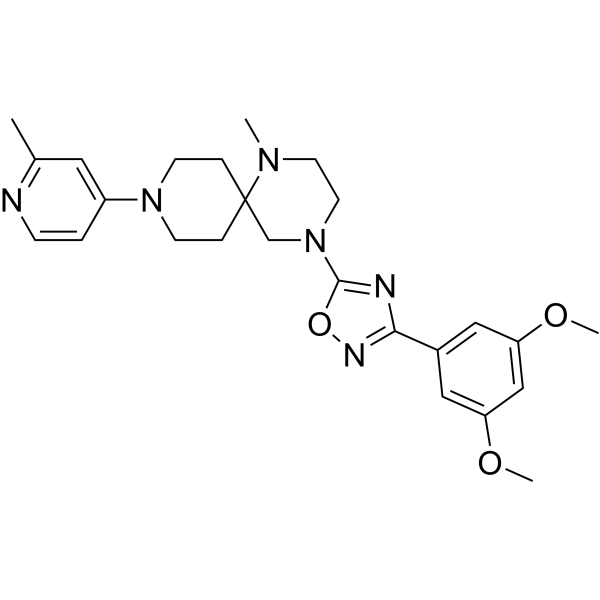
    MRK-740, a chemical probe, is a potent, selective and substrate-competitive PRDM9 histone methyltransferase inhibitor with an IC50 of 80?nM. MRK-740 is more selective for PRDM9 than other histone methyltransferases and other non-epigenetic targets. MRK-740 reduces PRDM9-dependent trimethylation of H3K4 (IC50?=?0.8?μM) .
    MRK-740
  • HY-112081

    DNA/RNA Synthesis Cancer
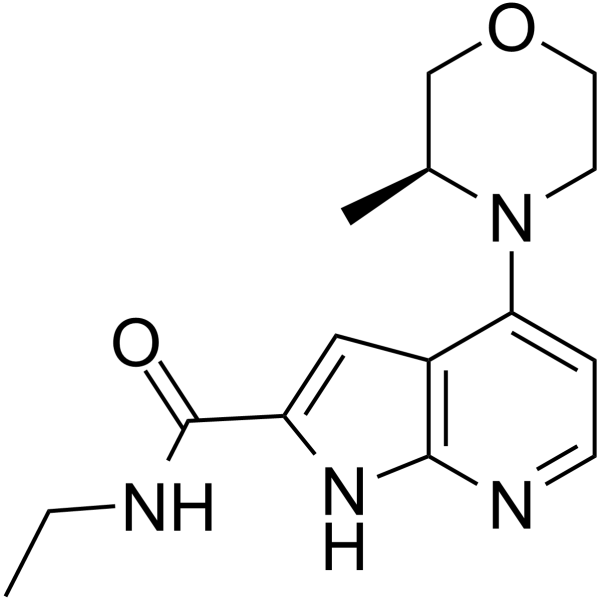
    BAY-707, a chemical probe, is a substrate-competitive, highly potent and selective inhibitor of MTH1(NUDT1) with an IC50 of 2.3 nM. BAY-707 has a good pharmacokinetic (PK) profile to other MTH1 compounds and is well-tolerated in mice, but shows a clear lack of in vitro or in vivo anticancer efficacy .
    BAY-707
  • HY-P1173

    Myristoylated L 803; GSK-3β Inhibitor XIII

    GSK-3 Amyloid-β Neurological Disease
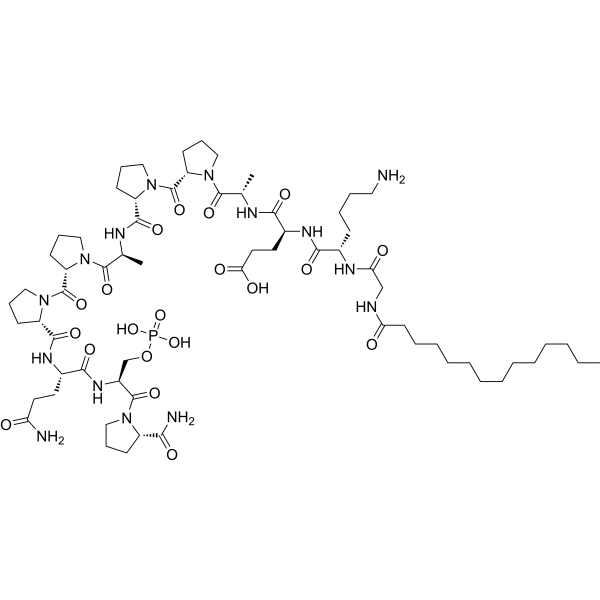
    L803-mts (Myristoylated L 803) is a selective and substrate-competitive GSK-3 peptide inhibitor (IC50: 40 μM). L803-mts also reduces Aβ deposits and ameliorates cognitive deficits in 5XFAD mice. L803-mts shows antidepressive effect in the forced swimming test .
    L803-mts
  • HY-122661

    MPH

    PARP Apoptosis Cancer
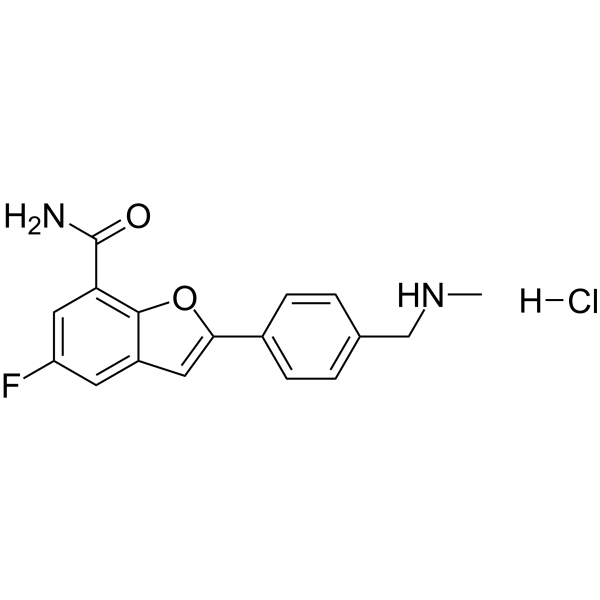
    Mefuparib hydrochloride (MPH) is an orally active, substrate-competitive and selective PARP1/2 inhibitor with IC50s of 3.2 nM and 1.9 nM, respectively. Mefuparib hydrochloride induces apoptosis and possesses prominent anticancer activity in vitro and in vivo .
    Mefuparib hydrochloride
  • HY-134828
    AZ506
    2 Publications Verification

    Histone Methyltransferase Cancer
    AZ506 is a potent SMYD2 inhibitor with an IC50 of 17 nM. AZ506 inhibits SMYD2 methyltransferase activity in cells, leading to a decrease in the SMYD2-mediated methylation signal .
    AZ506
  • HY-15779

    SphK Apoptosis Cancer
    K145 is a selective, substrate-competitive and orally active SphK2 inhibitor with an IC50 of 4.3 µM and a Ki of 6.4 µM. K145 is inactive against SphK1 and other protein kinases. K145 induces cell apoptosis and has potently antitumor activity .
    K145
  • HY-152214

    Sirtuin Cancer
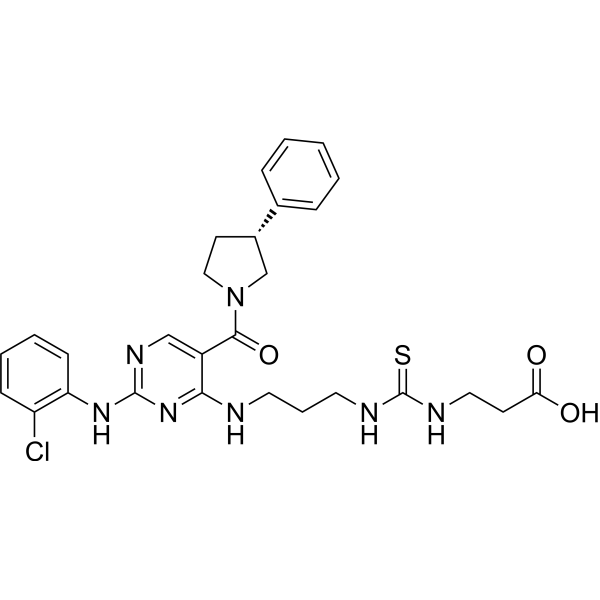
    SIRT5 inhibitor 5 is a potent SIRT5 inhibitor with an IC50 value of 0.21 µM. SIRT5 inhibitor 5 does not occupy the NNAD + -binding pocket and acts as a substrate-competitive inhibitor .
    SIRT5 inhibitor 5
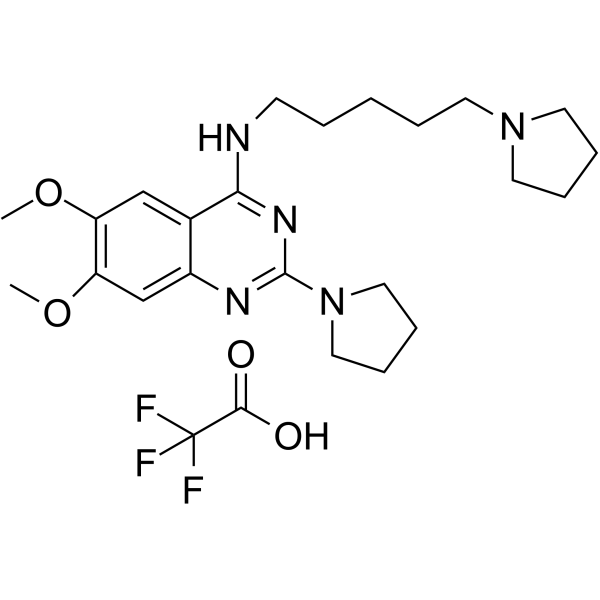
  • HY-12335A

    Histone Methyltransferase Inflammation/Immunology Cancer
    UNC0379 TFA is a selective, substrate-competitive inhibitor of lysine methyltransferase SETD8 (KMT5A) with an IC50 of 7.3 μM, KD value of 18.3 μM. UNC0379 TFA can be used in the research of inflammation and cancers, such as pulmonary fibrosis, ovarian cancer, neuroblastoma .
    UNC0379 TFA
  • HY-149426

    Sirtuin Inflammation/Immunology
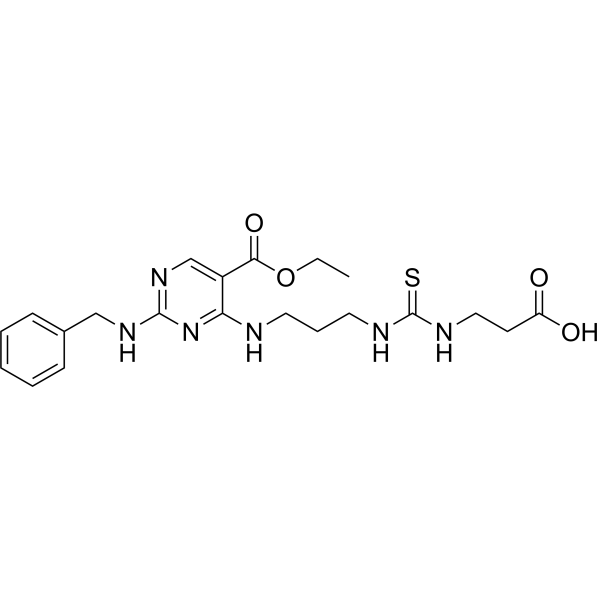
    SIRT5 inhibitor 7 (compound 58) is a substrate-competitive and selective SIRT5 inhibitor with anti-inflammatory activity. SIRT5 inhibitor 7 has renal protective effects and regulates protein succinylation and the release of pro-inflammatory cytokines. SIRT5 inhibitor 7 has in vivo activity in AKI mouse models of lipopolysaccharide (LPS) and cecal ligation/perforation (CLP)-induced sepsis-related acute kidney injury .
    SIRT5 inhibitor 7
  • HY-112081A

    DNA/RNA Synthesis Others
    BAY-707 acetate is a highly potent and selective substrate-competitive inhibitor of MTH1 with superior cellular target engagement and pharmacokinetic properties.
    BAY-707 acetate
  • HY-149425

    Sirtuin Inflammation/Immunology Cancer
    SIRT5 Inhibitor 6 is a potent, substrate-competitive and selective SIRT5 inhibitor with an IC50 of 3.0 μM. SIRT5 Inhibitor6 has a therapeutic potential against septic AKI in vivo .
    SIRT5 inhibitor 6
  • HY-110196

    Histone Methyltransferase Others
    (S)-PFI-2 hydrochloride is an inhibitor of lysine methyltransferase SETD7 and is approximately 500-fold more active than its enantiomer (R)-PFI-2. (R)-PFI-2 is a cofactor-dependent and substrate-competitive inhibitor. (R)-PFI-2 can occupy the substrate peptide binding groove of SETD7 (including the catalytic lysine binding channel) and interact with the cofactor The donor methyl group is in direct contact. However, (S)-PFI-2 was not observed to have the same interaction as (R)-PFI-2 .
    (S)-PFI-2 hydrochloride
  • HY-131812

    2'-Deoxyadenosine 5'-O-thiophosphate

    Nucleoside Antimetabolite/Analog Others
    5'-dAMPS is an analogue of 5'-dAMP and thus a potential substrate, competitive inhibitor or regulator of enzymes that interact with dAMP .
    5'-dAMPS
  • HY-131815

    Nucleoside Antimetabolite/Analog Others
    5'-dIMPS is an analogue of 5'-dIMP and a potential substrate, competitive inhibitor or regulator of enzymes that interact with 5'-dIMP .
    5'-dIMPS
  • HY-131814

    Nucleoside Antimetabolite/Analog Others
    5'-dGMPS is an analogue of 5'-dGMP and a potential substrate, competitive inhibitor or regulator of enzymes that interact with 5'-dGMP .
    5'-dGMPS
  • HY-131813

    2'-Deoxycytidine-5'-O-monophosphorothioate

    Drug Derivative Others
    5'-dCMPS is an analogue of 5'-dCMP and a potential substrate, competitive inhibitor or regulator of enzymes that interact with 5'-dCMP .
    5'-dCMPS
  • HY-131817

    DNA/RNA Synthesis Others
    5'-GMPS is an analogue of 5'-GMP and a substrate, competitive inhibitor or regulator of enzymes that interact with 5'-GMP. 5'-GMPS is suitable as a primer of RNA synthesis by T7 RNA polymerase .
    5'-GMPS
  • HY-134246

    5'-dTuMP

    Nucleoside Antimetabolite/Analog Others
    7-CH-5'-dAMP (5'-dTuMP) is an adenylate derivative that acts as a potential substrate, competitive inhibitor, or modulator of enzymes that interact with 2-deoxyadenosine-5-monophosphate .
    7-CH-5'-dAMP
  • HY-134280

    Nicotinamide 8-Br-hypoxanthine dinucleotide

    Drug Derivative Others
    8-Br-NHD+ (Nicotinamide 8-Br-hypoxanthine dinucleotide) is a derivative of NAD+ (nicotinamide adenine dinucleotide) that acts as a potential substrate, competitive inhibitor or modulator of enzymes that interact with β-NAD+. 8-Br-NHD+ can be used to synthesize a cyclic ADP nucleotide (cADPR) analog .
    8-Br-NHD+
  • HY-N15587

    Gostatine

    Aminotransferases (Transaminases) Metabolic Disease
    Gostatin is an inhibitor of aspartate aminotransferase (GOT). Gostatin is found in Streptomyces sumanensis nov. sp. NK-23. Gostatin has a strong inhibitory effect on pig heart GOT, a weak inhibitory effect on wheat germ GOT and GPT, and no significant effect on glutamate dehydrogenase and glutamine synthetase. The inhibitory mechanism of gostatin is similar to substrate competitive inhibition, and aspartate has a protective effect on its inhibitory effect. Gostatin can be used to study the catalytic mechanism of GOT and its role in nitrogen metabolism .
    Gostatin
  • HY-107597R

    SU3327 (Standard)

    Reference Standards JNK Metabolic Disease Inflammation/Immunology
    Halicin (Standard) is the analytical standard of Halicin (HY-107597). This product is intended for research and analytical applications. Halicin (SU3327) is a potent, selective and substrate-competitive JNK inhibitor with an IC50 of 0.7 μM. Halicin also inhibits protein-protein interactions between JNK and JNK Interacting Protein (JIP) with an IC50 of 239 nM. Halicin shows less active against p38α and Akt Kinase .
    Halicin (Standard)
  • HY-101925R

    Reference Standards Histone Methyltransferase DNA Methyltransferase Apoptosis Cancer
    CM-272 (Standard) is the analytical standard of CM-272 (HY-101925). This product is intended for research and analytical applications. CM-272 is a first-in-class, potent, selective, substrate-competitive and reversible dual G9a/DNA methyltransferases (DNMTs) inhibitor with antitumor activities. CM-272 inhibits G9a, DNMT1, DNMT3A, DNMT3B and GLP with IC50s of 8 nM, 382 nM, 85 nM, 1200 nM and 2 nM, respectively. CM-272 inhibits cell proliferation and promotes apoptosis, inducing IFN-stimulated genes and immunogenic cell death .
    CM-272 (Standard)
  • HY-100201R

    Histone Methyltransferase Reference Standards Cancer
    A-196 (Standard) is the analytical standard of A-196 (HY-100201). This product is intended for research and analytical applications. A-196 is a potent and selective inhibitor of SUV420H1 and SUV420H2 with IC50 values of 25 nM and 144 nM, respectively. A-196 inhibits SUV4-20 biochemically in a substrate-competitive manner. A-196 represents a first-in-class chemical probe of SUV4-20 to investigate the role of histone methyltransferases in genomic integrity .
    A-196 (Standard)
  • HY-W657887

    Histone Methyltransferase GSK-3 Tau Protein Amyloid-β Glucocorticoid Receptor Androgen Receptor Adrenergic Receptor Neurological Disease
    GSK-3β/G9a-IN-1 (Compound T2) is an orally active, selective, blood-brain-barrier permeable, competitive G9a (substrate-competitive, IC50: 1.1 μM) and GSK-3β (ATP competitive, IC50: 0.8 μM) inhibitor. GSK-3β/G9a-IN-1 is a potent H3K9me2 inhibitor that reshapes chromatin landscape. GSK-3β/G9a-IN-1 lowers tau phosphorylation, reduces aggregation. GSK-3β/G9a-IN-1 displays inhibition toward glucocorticoid receptor, androgen receptor, and alpha-2A adrenergic receptor. GSK-3β/G9a-IN-1 also upregulates SAGA complex members such as Eny2 and Sgf29. GSK-3β/G9a-IN-1 markedly improves memory, restores social behaviors, and increases synaptic complexity in late-onset Alzheimer’s disease .
    GSK-3β/G9a-IN-1
  • HY-10366R

    Reference Standards JNK Metabolic Disease Cancer
    BI-78D3 (Standard) is the analytical standard of BI-78D3 (HY-10366). This product is intended for research and analytical applications. BI-78D3 functions as a substrate competitive inhibitor of JNK, inhibit the JNK kinase activity (IC50=280 nM).
    BI-78D3 (Standard)

Inquiry Online

Your information is safe with us. * Required Fields.

Salutation


Country or Region *

Applicant Name *


Organization Name *

Department *


Email Address *


Product Name *

Cat. No.


Requested quantity *

Phone Number *


Remarks

Inquiry Online

Inquiry Information

Product Name:
Cat. No.:
Quantity:
MCE Japan Authorized Agent:

