256 Results for "

suppressor

" in MedChemExpress (MCE) Product Catalog:
Products (256)

256 Results for "suppressor" in MCE Product Catalog:

33
33 Publications Verification
Cat. No.: HY-136057
CAS No.: 150651-39-1
Purity:  99.96%
Research Areas:  

Cancer

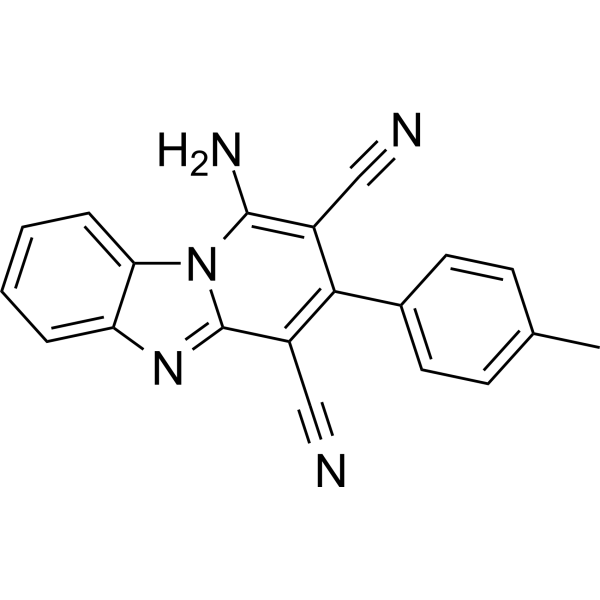
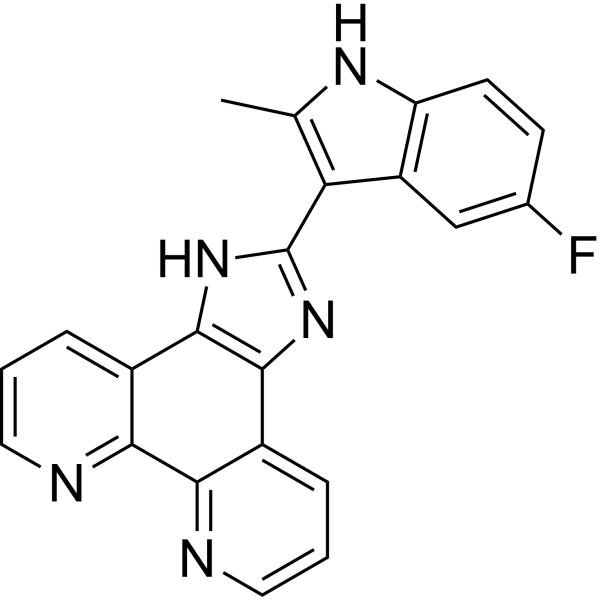
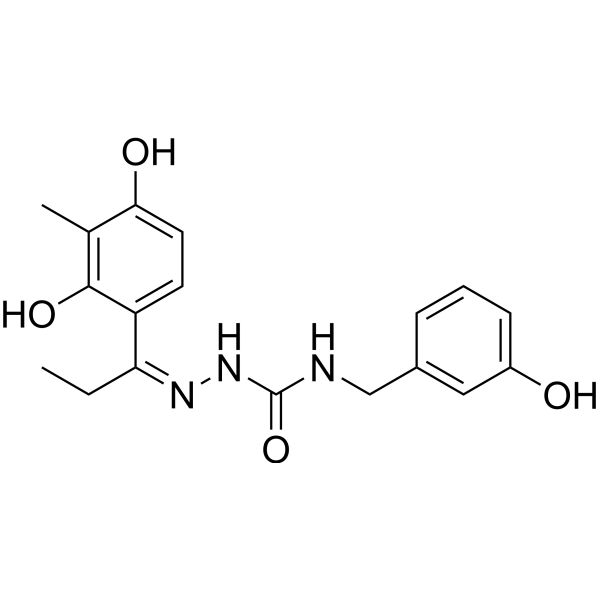
iFSP1 is a potent, selective and glutathione-independent inhibitor of ferroptosis suppressor protein 1 (FSP1) (AIFM2) with an EC50 of 103 nM. iFSP1 selectively induces ferroptosis in GPX4-knockout cells which overexpressed FSP1. iFSP1 is able to sensitize a variety of human cancer cell lines to the ferroptosis inducer, such as (1S,3R)-RSL3 (HY-100218A) .
loading...
    loading...
32
32 Cited Publications
Cat. No.: HY-B0660
CAS No.: 10417-94-4
Synonyms: EPA; Timnodonic acid
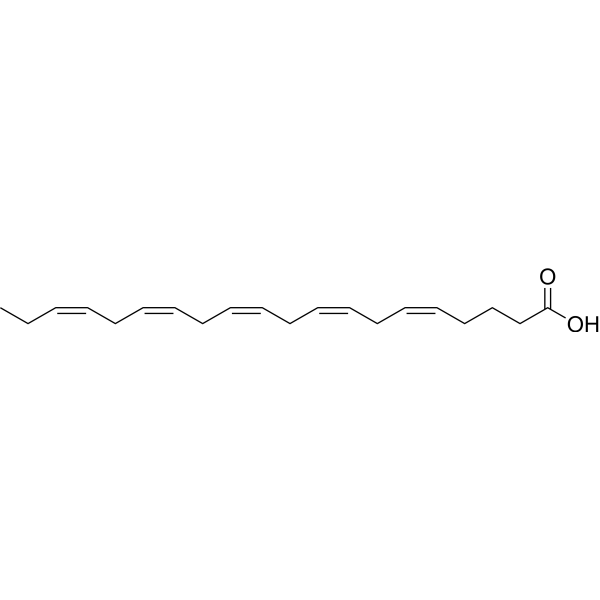
Eicosapentaenoic Acid (EPA) is an orally active Omega-3 long-chain polyunsaturated fatty acid (ω-3 LC-PUFA). Eicosapentaenoic Acid exhibits a DNA demethylating action that promotes the re-expression of the tumor suppressor gene CCAAT/enhancer-binding protein δ (C/EBPδ). Eicosapentaenoic Acid activates RAS/ERK/C/EBPβ pathway through H-Ras intron 1 CpG island demethylation in U937 leukemia cells. Eicosapentaenoic Acid can promote relaxation of vascular smooth muscle cells and vasodilation .
loading...
    loading...
32
32 Cited Publications
Cat. No.: HY-W011269
CAS No.: 73167-03-0
Synonyms: EPA sodium; Timnodonic acid sodium
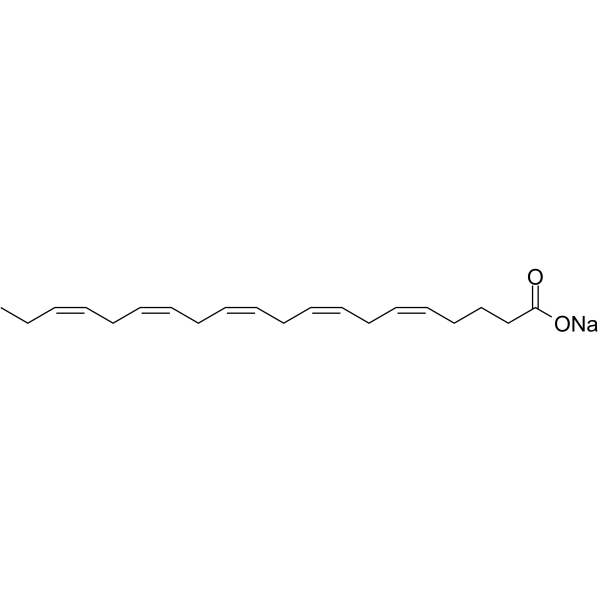
Eicosapentaenoic Acid (EPA)sodium is an orally active Omega-3 long-chain polyunsaturated fatty acid (ω-3 LC-PUFA). Eicosapentaenoic Acid sodium exhibits a DNA demethylating action that promotes the re-expression of the tumor suppressor gene CCAAT/enhancer-binding protein δ (C/EBPδ). Eicosapentaenoic Acid sodium activates RAS/ERK/C/EBPβ pathway through H-Ras intron 1 CpG island demethylation in U937 leukemia cells. Eicosapentaenoic Acid sodium can promote relaxation of vascular smooth muscle cells and vasodilation .
loading...
    loading...
31
31 Cited Publications
Cat. No.: HY-113134
CAS No.: 2140-46-7
Purity:  99.98%
Synonyms: 25-OHC
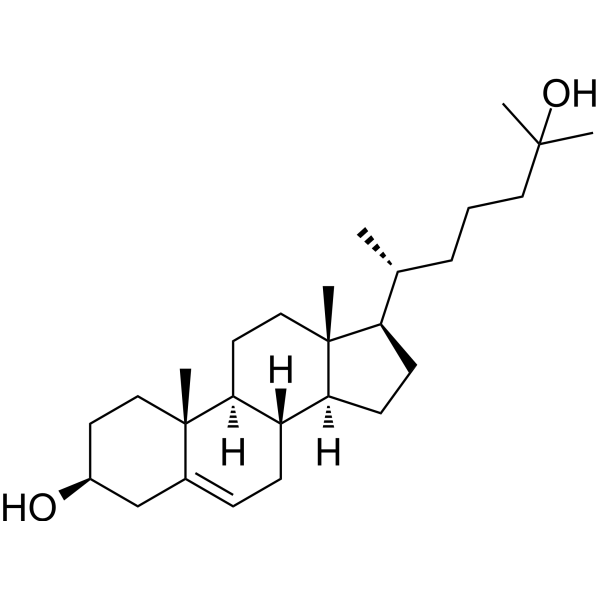
25-Hydroxycholesterol (25-OHC) is a metabolite of cholesterol that is produced and secreted by macrophages in response to Toll-like receptor (TLR) activation. 25-hydroxycholesterol is a potent (EC50≈65 nM) and selective suppressor of IgA production by B cells.
loading...
    loading...
21
21 Cited Publications
Cat. No.: HY-16291
CAS No.: 916151-99-0
Synonyms: LOR-253; LT-253
Target:  

c-Myc KLF Apoptosis

Research Areas:  

Inflammation/Immunology Cancer

APTO-253 (LOR-253) is a small molecule that inhibits c-Myc expression, stabilizes G-quadruplex DNA, and induces cell cycle arrest and apoptosis in acute myeloid leukemia cells. APTO-253 mediates anticancer activity through induction of the Krüppel-like factor 4 (KLF4) tumor suppressor . APTO-253 has antiarthritic activity .
loading...
    loading...
14
14 Cited Publications
Cat. No.: HY-13642
CAS No.: 48208-26-0
Purity:  99.93%
Synonyms: N-Phthalyl-L-tryptophan
Target:  

DNA Methyltransferase

Research Areas:  

Inflammation/Immunology Cancer

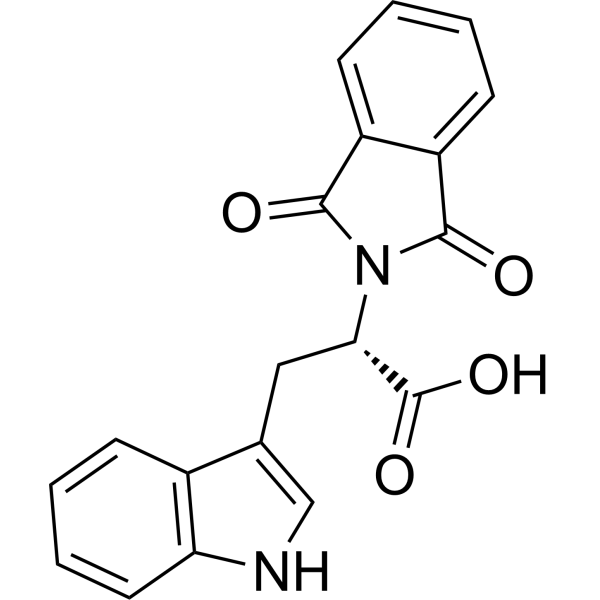
RG108 (N-Phthalyl-L-tryptophan) is a non-nucleoside DNA methyltransferases (DNMTs) inhibitor (IC50=115 nM) that blocks the DNMTs active site. RG108 (N-Phthalyl-L-tryptophan) causes demethylation and reactivation of tumor suppressor genes, but it does not affect the methylation of centromeric satellite sequences .
loading...
    loading...
10
10 Cited Publications
Cat. No.: HY-119339
CAS No.: 1648843-04-2
Purity:  99.67%
Target:  

CXCR

SX-682 is an orally bioavailable, potent allosteric inhibitor of CXCR1 and CXCR2. SX-682 can block tumor myeloid-derived suppressor cells (MDSCs) recruitment and enhance T cell activation and antitumor immunity .
loading...
    loading...
7
7 Cited Publications
Cat. No.: HY-A0084
CAS No.: 614-39-1
Synonyms: Procaine amide hydrochloride; SP 100 hydrochloride
Research Areas:  

Cancer

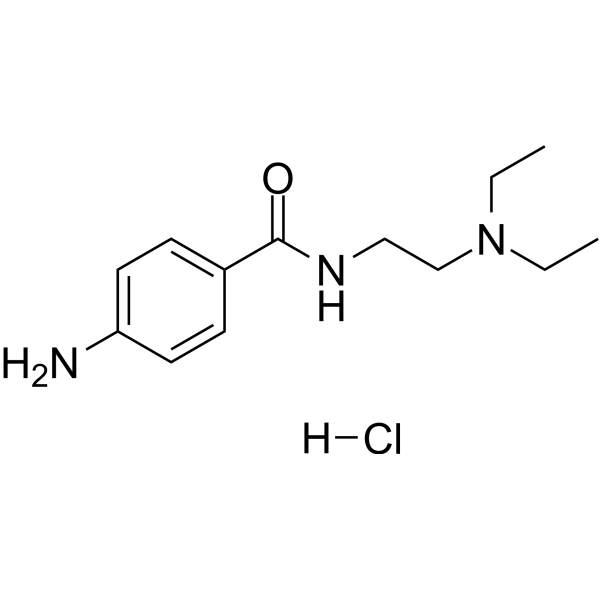
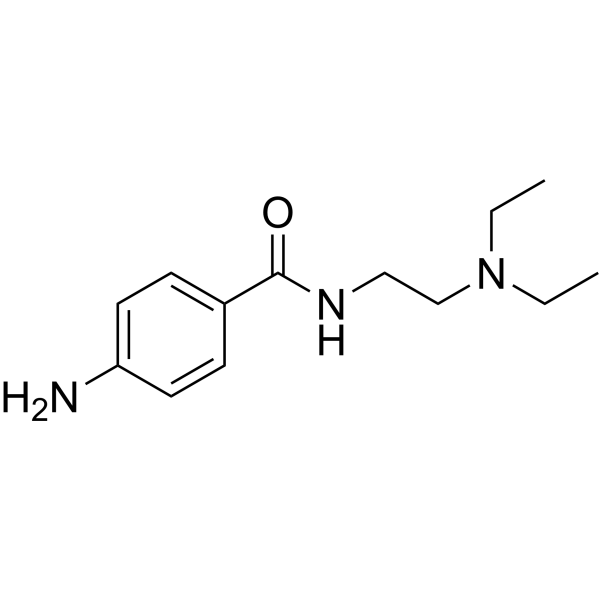
Procainamide hydrochloride (Procaine amide hydrochloride) is a specific and potent inhibitor of DNA methyltransferase 1 (DNMT1), which reactivates the expression of tumor suppressor factors by demethylating tumor suppressor genes. Procainamide hydrochloride induces vacuolization in various cell types and reduces cell proliferation and migration. Procainamide hydrochloride relaxes airway smooth muscle by activating potassium channels. Procainamide hydrochloride can be used in cancer and arrhythmia research .
loading...
    loading...
7
7 Cited Publications
Cat. No.: HY-A0084A
CAS No.: 51-06-9
Synonyms: Procaine amide; SP 100
Procainamide (Procaine amide) is a specific and potent inhibitor of DNA methyltransferase 1 (DNMT1), which reactivates the expression of tumor suppressor factors by demethylating tumor suppressor genes. Procainamide induces vacuolization in various cell types and reduces cell proliferation and migration. Procainamide relaxes airway smooth muscle by activating potassium channels. Procainamide can be used in cancer and arrhythmia research .
loading...
    loading...
7
7 Cited Publications
Cat. No.: HY-147082
CAS No.: 2351906-74-4
Purity:  98.95%
Research Areas:  

Cancer

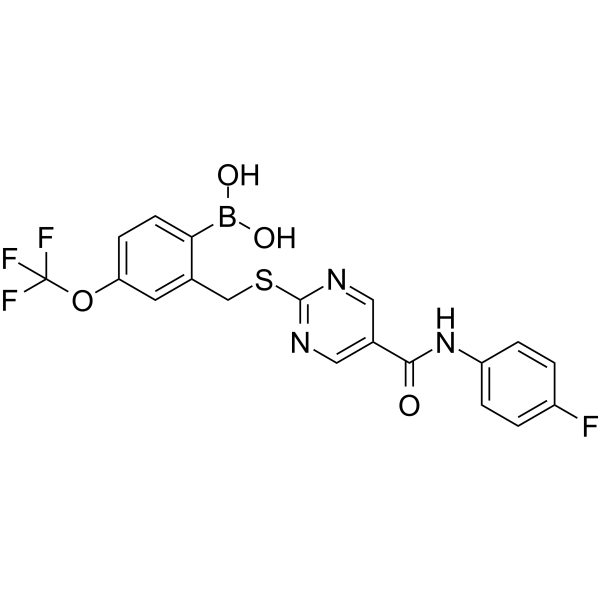
GA-017 is a potent and selective LATS1 and LATS2 (large tumor suppressor kinase 1/2) inhibitor, with IC50 values of 4.10 and 3.92 nM, respectively. GA-017 is an activator of cell proliferation. GA-017 promotes YAP/TAZ activation and nuclear translocation. GA-017 promotes cell growth under 3D culture conditions. GA-017 enhances the ex vivo formation of mouse intestinal organoids .
loading...
    loading...
6
6 Cited Publications
Cat. No.: HY-103397
CAS No.: 52934-83-5
Purity:  98.03%
Research Areas:  

Infection Cancer

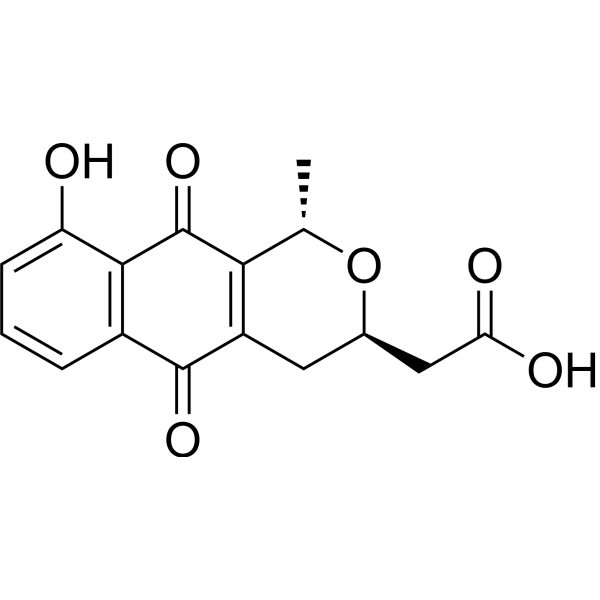
Nanaomycin A is a selective DNMT3B inhibitor with an IC50 of 500 nM. Nanaomycin A inhibits the in vitro growth of human Plasmodium falciparum with an IC80 of 33.1 nM .
loading...
    loading...
6
6 Cited Publications
Cat. No.: HY-10206
CAS No.: 850879-09-3
Purity:  99.40%
Synonyms: MP470; HPK 56
Research Areas:  

Cancer

Amuvatinib (MP470) is an orally bioavailable multi-targeted tyrosine kinase inhibitor with potent activity against mutant c-Kit, PDGFRα, Flt3, c-Met and c-Ret. Amuvatinib (MP470) is also a DNA repair suppressor through suppression of DNA repair protein RAD51, thereby disrupting DNA damage repair . Antineoplastic activity .
loading...
    loading...
4
loading...
    loading...
3
3 Cited Publications
Cat. No.: HY-156633
CAS No.: 2636846-41-6
Purity:  99.78%
Synonyms: PC14586
Target:  

MDM-2/p53

Research Areas:  

Cancer

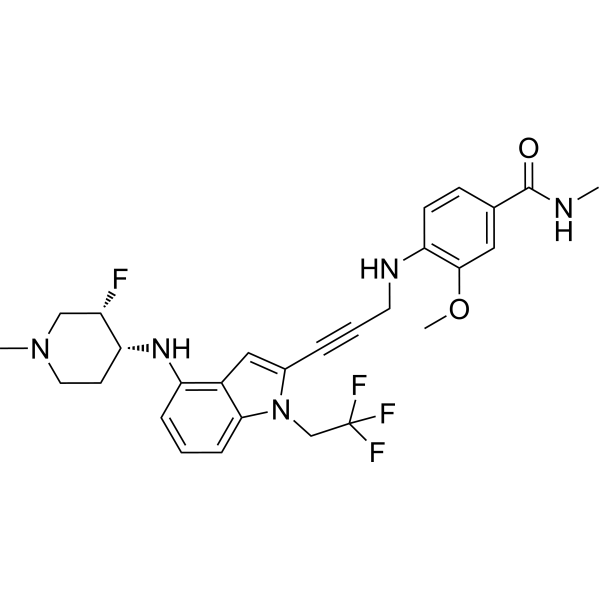
Rezatapopt (PC14586) is an orally active antineoplastic agent. Rezatapopt binds to a pocket created by the TP53 Y220C mutation. Rezatapopt restores p53 tumor suppressor functions by stabilization of the p53 protein structure. Rezatapopt demonstrates tumor inhibition and regression in mouse models with established human tumor xenografts harboring the TP53 Y220C mutation .
loading...
    loading...
3
3 Cited Publications
Cat. No.: HY-139361
CAS No.: 2451481-08-4
Purity:  99.82%
Synonyms: PIN1-3
Target:  

PIN1

Research Areas:  

Cancer

Sulfopin (PIN1-3) is a highly selective covalent inhibitor of Pin1 with an apparent Ki of 17 nM. Sulfopin blocks Myc-driven tumors in vivo. The peptidyl-prolyl isomerase, Pin1, is exploited in cancer to activate oncogenes and inactivate tumor suppressors .
loading...
    loading...
3
3 Cited Publications
Cat. No.: HY-B0464A
CAS No.: 86-54-4
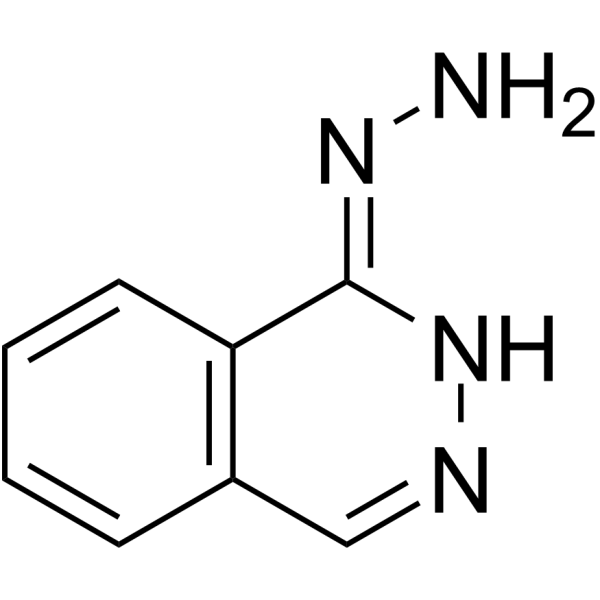
Hydralazine is an orally active, blood-brain barrier-permeable DNA methyltransferase inhibitor with vasodilatory, arterial smooth muscle relaxant and hypotensive activities. Hydralazine reactivates silenced tumor suppressor genes via mediating DNA demethylation, while exerting neuroprotective and anti-inflammatory properties. Hydralazine inhibits NOS-2 (iNOS) and COX-2, and reduces the production of NO and PGEE2; meanwhile, Hydralazine scavenges reactive oxygen species and inhibits macrophage activation. Hydralazine alleviates motor dysfunction, neuropathic inflammatory pain, and formalin-induced somatic and emotional pain responses. In addition, Hydralazine directly induces DNA strand breaks and sister chromatid exchange, exhibiting certain mutagenic characteristics. Hydralazine has been widely used in studies on hypertension, various cancers (such as cervical cancer, leukemia), spinal cord injury and the mechanisms of inflammatory pain .
loading...
    loading...
3
3 Cited Publications
Cat. No.: HY-B1336
CAS No.: 67-45-8
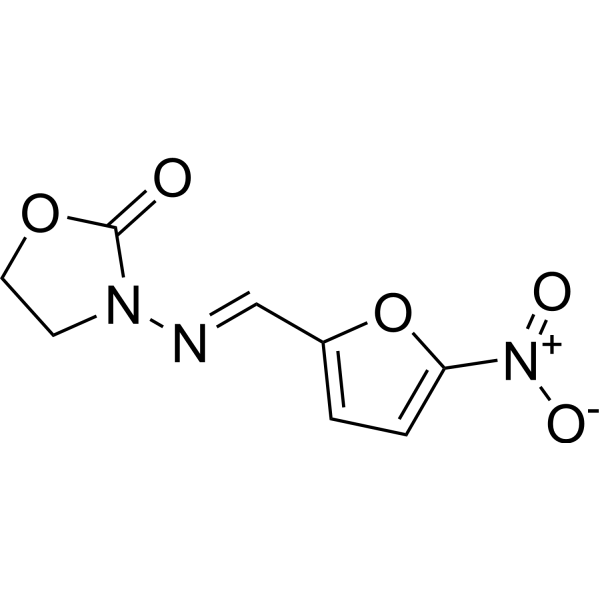
Furazolidone is a monoamine oxidase (MAO) inhibitor with antiproliferative, apoptosis-inducing and differentiation-promoting activities. Furazolidone may inhibit leukemia fusion protein-mediated bone marrow transformation by upregulating the stability of the tumor suppressor protein p53. Furazolidone exhibits anti-leukemic activity in acute myeloid leukemia (AML) cell lines and can be used for anti-AML research [2].
loading...
    loading...
3
3 Cited Publications
Cat. No.: HY-112126
CAS No.: 1800465-47-7
Purity:  98.76%
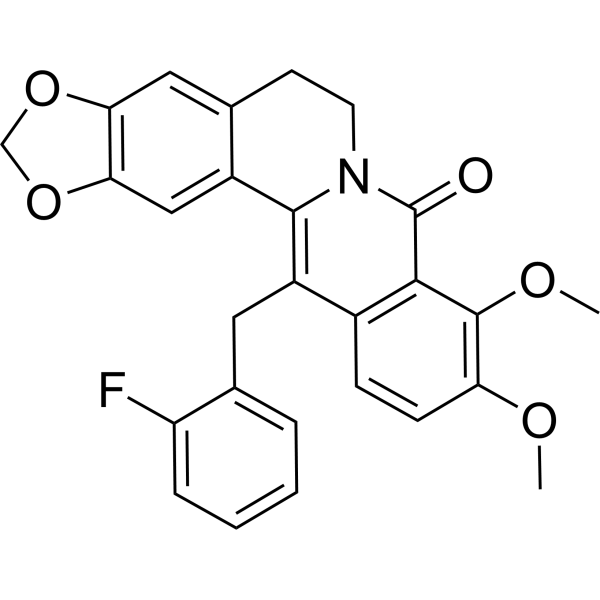
KRN5, a derivative of KRN2, is an oral active Nuclear factor of activated T cells 5 (NFAT5) suppressor, with an IC50 of 750 nM. KRN5 has potential to treat NFAT5-mediated Chronic Arthritis .
loading...
    loading...
3
3 Cited Publications
Cat. No.: HY-B0464
CAS No.: 304-20-1
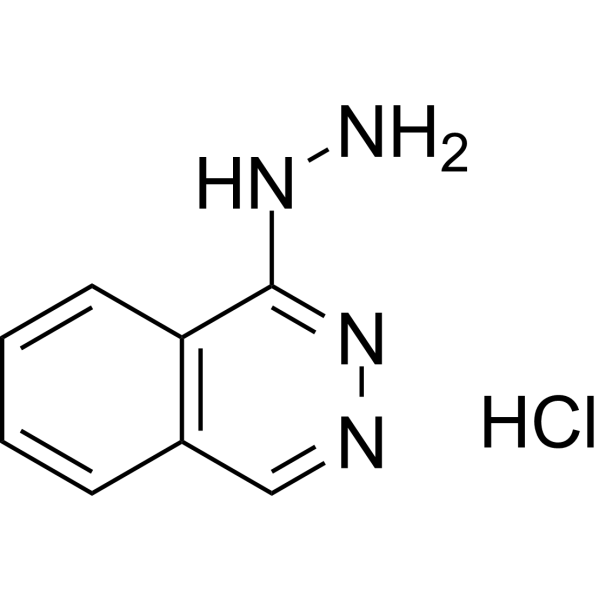
Hydralazine hydrochloride is an orally active, blood-brain barrier-permeable DNA methyltransferase inhibitor with vasodilatory, arterial smooth muscle relaxant and hypotensive activities. Hydralazine hydrochloride reactivates silenced tumor suppressor genes via mediating DNA demethylation, while exerting neuroprotective and anti-inflammatory properties. Hydralazine hydrochloride inhibits NOS-2 (iNOS) and COX-2, and reduces the production of NO and PGEE2; meanwhile, Hydralazine hydrochloride scavenges reactive oxygen species and inhibits macrophage activation. Hydralazine hydrochloride alleviates motor dysfunction, neuropathic inflammatory pain, and formalin-induced somatic and emotional pain responses. In addition, Hydralazine hydrochloride directly induces DNA strand breaks and sister chromatid exchange, exhibiting certain mutagenic characteristics. Hydralazine hydrochloride has been widely used in studies on hypertension, various cancers (such as cervical cancer, leukemia), spinal cord injury and the mechanisms of inflammatory pain .
loading...
    loading...
2
2 Cited Publications
Cat. No.: HY-109520
CAS No.: 147245-92-9
Purity:  ≥98.0%
Target:  

MHC

Research Areas:  

Inflammation/Immunology Cancer

Glatiramer acetate, a synthetic analogue of myelin basic protein and an immunomodulating agent, inhibits Experimental autoimmune encephalomyelitis (EAE), and can be used for the research of multiple sclerosis. Glatiramer acetate exhibits strong and promiscuous binding to MHC molecules and consequent competition with various myelin antigens for their presentation to T cells. A further aspect of its action is potent induction of specific suppressor cells of the T helper 2 (Th2) type that migrate to the brain and lead to in situ bystander suppression .
loading...
    loading...

