1. Search Result
Search Result
Results for "

transactivation

" in MedChemExpress (MCE) Product Catalog:

44

Inhibitors & Agonists

2

Natural
Products

1

Oligonucleotides

Cat. No. Product Name Target Research Areas Chemical Structure
  • HY-10074
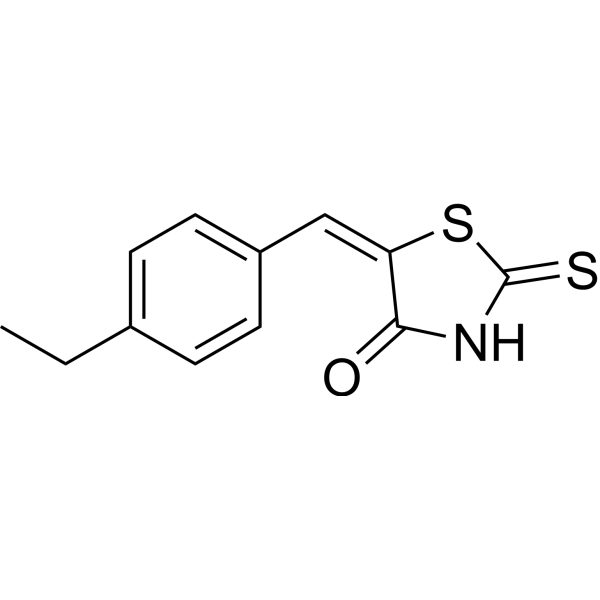
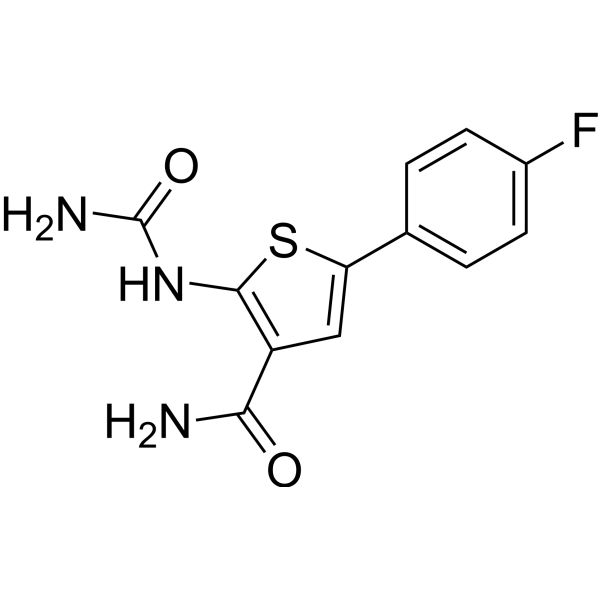
    TPCA-1
    40+ Cited Publications

    IKK STAT Apoptosis Inflammation/Immunology Cancer
    TPCA-1 is a potent and selective inhibitor of IKK-2 with IC50 of 17.9 nM. TPCA-1 is an effective inhibitor of STAT3 phosphorylation, DNA binding, and transactivation.
    TPCA-1
  • HY-108470
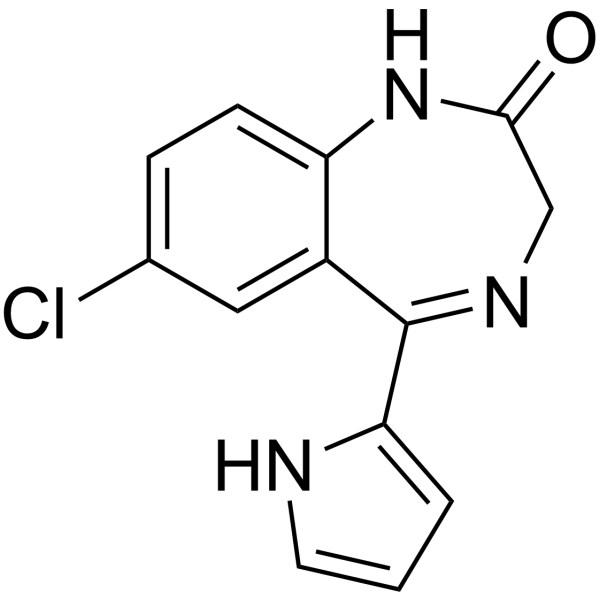
    Ro5-3335
    10+ Cited Publications

    RUNX Cancer
    Ro5-3335, a benzodiazepine, acts as an inhibitor of core binding factor (CBF) leukemia. Ro5-3335 is a RUNX1-CBFβ interaction inhibitor that represses RUNX1/CBFB-dependent transactivation .
    Ro5-3335
  • HY-110267
    DY268
    3 Publications Verification

    FXR Metabolic Disease
    DY268 is a farnesoid X receptor (FXR) antagonist (IC50=7.5 nM). It inhibits FXR transactivation in a cell-based assay with an IC50 value of 468 nM. DY268 can be used in the study of drug-induced liver injury (DILI) .
    DY268
  • HY-124629
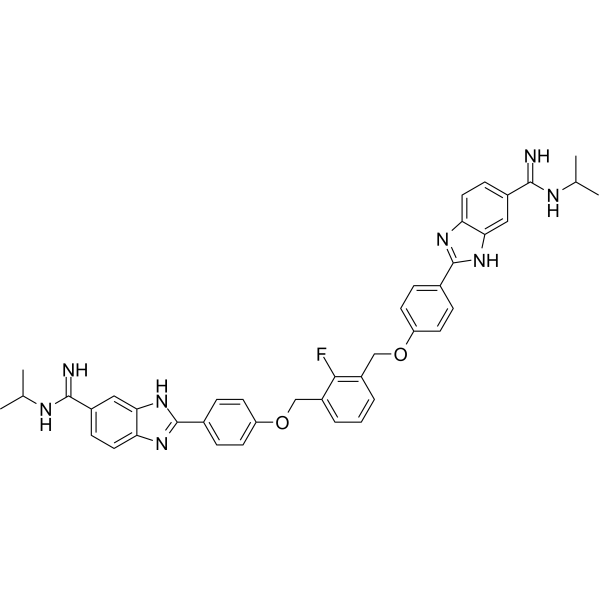
    DB2313
    5+ Cited Publications

    Apoptosis Cancer
    DB2313 is a potent inhibitor of transcription factor PU.1. DB2313 inhibits PU.1-dependent reporter gene transactivation with an IC50 of 5 μM. DB2313 disrupts the interaction of PU.1 with target gene promoters. DB2313 induces apoptosis in acute myeloid leukemia (AML) cells and has anticancer effects .
    DB2313
  • HY-12702
    10058-F4
    Maximum Cited Publications
    55 Publications Verification

    c-Myc Autophagy Cancer
    10058-F4 is a c-Myc inhibitor that prevents c-Myc-Max dimerization and transactivation of c-Myc target gene expression.
    10058-F4
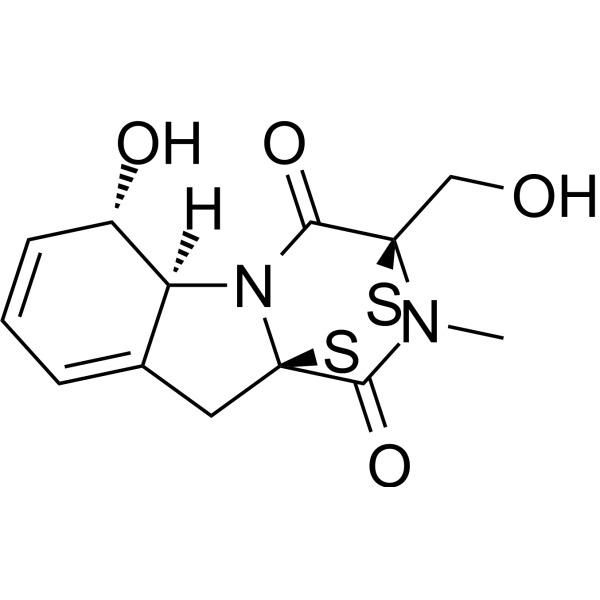
  • HY-N6727
    Gliotoxin
    2 Publications Verification

    Aspergillin

    Apoptosis PKA NF-κB Bacterial Fungal Antibiotic Infection Inflammation/Immunology Cancer
    Gliotoxin is a secondary metabolite, the most abundant mycotoxin secreted by A. fumigatus, inhibits the phagocytosis of macrophages and the immune functions of other immune cells . Gliotoxin inhibits inducible NF-κB activity by preventing IκB degradation, which consequently induces host-cell apoptosis . Gliotoxin activates PKA and increases intracellular cAMP concentration; modulates actin cytoskeleton rearrangement to facilitate A. fumigatus internalization into lung epithelial cells . Gliotoxin is a potent NOTCH2 transactivation inhibitor, can effectively induce apoptosis of chronic lymphocytic leukemia (CLL) cells .
    Gliotoxin
  • HY-100348

    Androgen Receptor PPAR Apoptosis Cancer
    EPI-001, a selective inhibitor of Androgen Receptor (AR), targets transactivation unit 5 (Tau-5) of the AR. EPI-001 can inhibit transactivation of the AR amino-terminal domain (NTD), with an IC50 of ~6 μM. EPI-001 is also a selective modulator of PPARγ. EPI-001 is active against castration-resistant prostate cancer .
    EPI-001
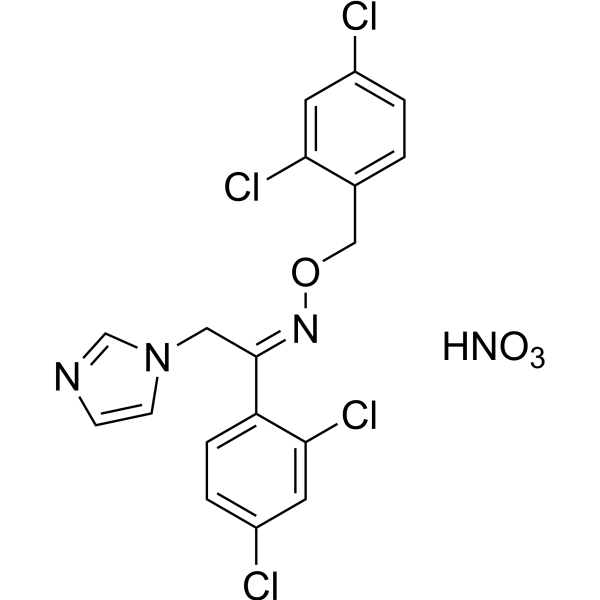
  • HY-B1324
    Oxiconazole nitrate
    2 Publications Verification

    Ro 13-8996

    Fungal Cytochrome P450 Antibiotic Infection Cancer
    Oxiconazole (Ro 13-8996) nitrate is a broad spectrum anti-fungal agent which can inhibit the growth of Candida, Aspergillus and Trichophyton. Oxiconazole nitrate is also a highly efficacious activator of CYP3A4 transactivation, which could be antagonized by Rifampicin (HY-B0272) in a competitive manner. Oxiconazole nitrate exhibits inhibitory effect against colorectal cancer (CRC) via peroxiredoxin-2 (PRDX2)-mediated autophagy arrest .
    Oxiconazole nitrate
  • HY-120852
    JG26
    1 Publications Verification

    Angiotensin-converting Enzyme (ACE) MMP EGFR ERK SARS-CoV Infection Cardiovascular Disease Cancer
    JG26 is an ADAM inhibitor with IC50 values of 12 nM, 1.9 nM, and 150 nM for ADAM8, ADAM17, and ADAM10, respectively. JG26 inhibits MMP-12 with an IC50 value of 9.4 nM. JG26 inhibits AngII (HY-13948)-induced EGFR transactivation and ERK activation. JG26 increases the expression of ACE2, inhibits the cleavage of CD23, reduces the infection of SARS-CoV-2. JG26 inhibits colorectal cancer metastasis. JG26 can be used for research on Hodgkin lymphoma and vascular diseases .
    JG26
  • HY-10678
    BMS-687453
    3 Publications Verification

    PPAR Cardiovascular Disease
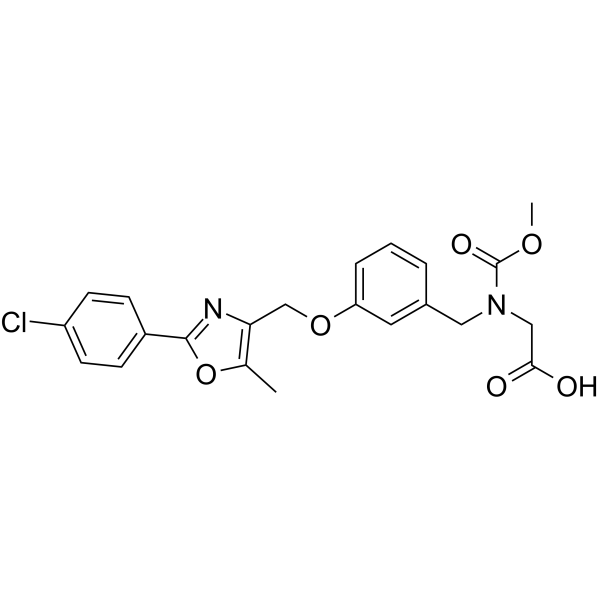
    BMS-687453 is a potent and selective PPARα agonist, with an EC50 and IC50 of 10 nM and 260 nM for human PPARα and 4100 nM and >15000 nM for PPARγ in PPAR-GAL4 transactivation assays.
    BMS-687453
  • HY-108639
    MIRA-1
    2 Publications Verification

    NSC 19630

    MDM-2/p53 Apoptosis Cancer
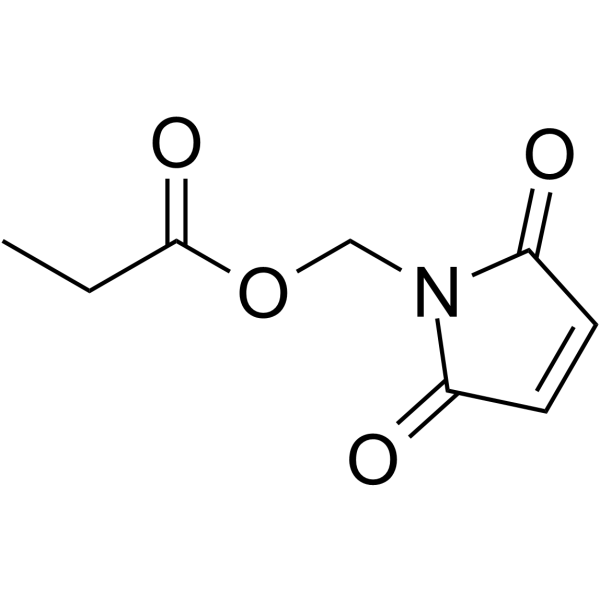
    MIRA-1 is a maleimide analogue. MIRA-1 can induce apoptosis in mutant p53 cells via restoration of p53-dependent transcriptional transactivation. MIRA-1 has anticancer activity .
    MIRA-1
  • HY-126428
    ZL0580
    1 Publications Verification

    HIV Epigenetic Reader Domain Infection Inflammation/Immunology
    ZL0580, a structurally close analog of ZL0590, induces epigenetic suppression of HIV via selectively binding to BD1 domain of BRD4. ZL0580 induces HIV suppression by inhibiting Tat transactivation and transcription elongation as well as by inducing repressive chromatin structure at the HIV promoter .
    ZL0580
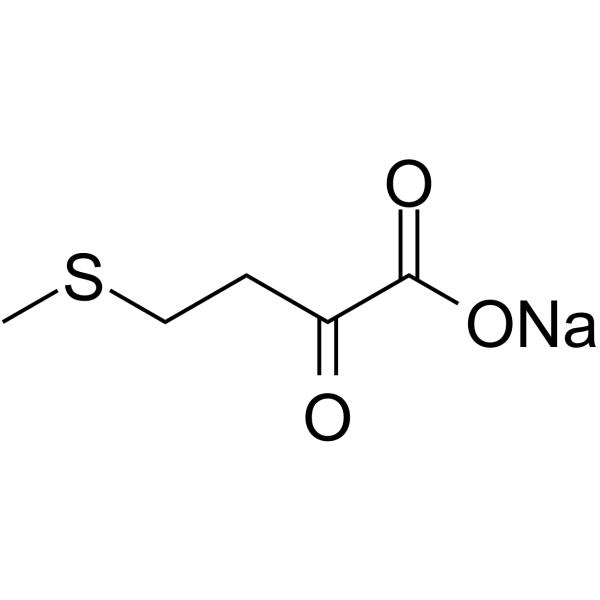
  • HY-135046
    MTOB sodium
    2 Publications Verification

    DNA/RNA Synthesis Neurological Disease Inflammation/Immunology Cancer
    MTOB sodium is a potent C-terminal binding protein (CtBP) inhibitor. MTOB sodium attenuates repetitive head injury-elicited neurologic dysfunction and neuroinflammation via inhibition of the transactivation activity of CtBP1 and CtBP2. MTOB sodium antagonizes the transcriptional regulatory activity of CtBP1 and CtBP2 by eviction from their target promoters in breast cancer cell lines .
    MTOB sodium
  • HY-18102
    GLPG0492
    5+ Cited Publications

    Androgen Receptor Neurological Disease
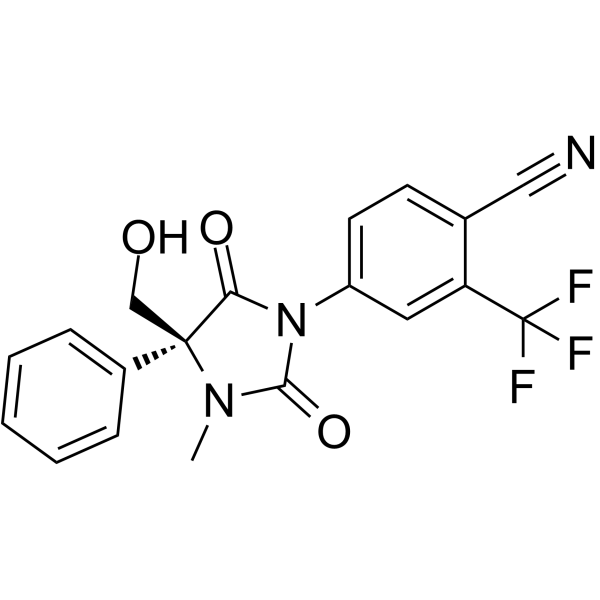
    GLPG0492 is an orally active, non-steroidal selective androgen receptor modulator. GLPG0492 exerts functional transactivation by binding to the ligand-binding domain of the receptor, exhibiting preferential partial agonist activity in muscle and bone tissues with low activity in reproductive tissues. GLPG0492 effectively counteracts muscle atrophy-related pathways, significantly enhances muscle strength, maintains motor ability, reduces fibrosis and improves electrophysiological parameters. GLPG0492 prevents immobilization-induced muscle atrophy and regulates muscle mass homeostasis, serving as a valuable tool compound for studies on Duchenne muscular dystrophy, muscle loss and various types of disuse musculoskeletal atrophy .
    GLPG0492
  • HY-115539

    Wnt β-catenin Histone Acetyltransferase Cancer
    Windorphen is a Wnt/β-catenin signal inhibitor that specifically targets the function of the c-terminal transactivation domain of β-catenin-1 but not β-catenin-2. Windorphen selectively targets p300, disrupting the association of the mammalian β-catenin with p300 but not CBP .
    Windorphen
  • HY-123352

    (+)-ZK 216348

    Glucocorticoid Receptor Inflammation/Immunology Endocrinology
    ZK 216348 ((+)-ZK 216348) is a nonsteroidal selective glucocorticoid receptor agonist with an IC50 of 20.3 nM. ZK 216348 also binds to Progesterone and mineralocorticoid receptors with IC50s of 20.4 nM and 79.9 nM, respectively. ZK 216348 has antiinflammatory activity similar to Prednisolone and induces less transactivation-mediated side effects .
    ZK 216348
  • HY-101259
    BMS-195614
    3 Publications Verification

    BMS 614

    RAR/RXR Bcl-2 Family NF-κB PPAR VEGFR Interleukin Related Cardiovascular Disease Inflammation/Immunology Endocrinology
    BMS-195614 (BMS 614) is an orally active neutral RARα-selective antagonist with a Ki of 2.5 nM. BMS-195614 restores the expression of Bcl2. BMS-195614 inhibits the transactivation of NF-κB, AP-1 and PPAR. BMS-195614 downregulates the expression of IL-6 and VEGF. BMS-195614 reduces blue light-induced phototoxicity and inhibits cell migration. BMS-195614 modulates inflammation and angiogenesis .
    BMS-195614
  • HY-164373

    Androgen Receptor Apoptosis Cancer
    SC428 is an androgen receptor (AR) inhibitor that targets the N-terminal domain. SC428 potently decrease the transactivation of (AR)-V7, (AR)v567es, as well as full-length ( AR ) (AR-FL) and its LBD mutants, substantially. SC428 inhibits androgen-stimulated (AR)-FL nuclear translocation, chromatin binding, and (AR) -regulated gene transcription. SC428 inhibits the proliferation of tumor cells in vitro. SC428 inhibits tumor cell growth by inducing apoptosis in mice transplanted with 22RV1 .
    SC428
  • HY-160053

    PDGFR Cancer
    Gint4.T aptamer sodium is a nuclease-resistant RNA aptamer-based antagonist targeting platelet-derived growth factor receptor beta (PDGFRβ) (Kd: 9.6 nM). Gint4.T aptamer sodium inhibits PDGFRβ heterodimerization and EGFR transactivation. It can significantly inhibit cell migration and proliferation, induce differentiation and prevent tumor growth in vivo. Gint4.T aptamer sodium specifically inhibits PDGFRβ-mediated tropism of mesenchymal stem cells (MSCs) toward the tumor microenvironment .
    Gint4.T aptamer sodium
  • HY-16138

    CG-200745

    HDAC MDM-2/p53 Apoptosis Cancer
    Ivaltinostat (CG-200745) is an orally active, potent pan-HDAC inhibitor which has the hydroxamic acid moiety to bind zinc at the bottom of catalytic pocket. Ivaltinostat inhibits deacetylation of histone H3 and tubulin. Ivaltinostat induces the accumulation of p53, promotes p53-dependent transactivation, and enhances the expression of MDM2 and p21 (Waf1/Cip1) proteins. Ivaltinostat enhances the sensitivity of Gemcitabine-resistant cells to Gemcitabine (HY-16138) and 5-Fluorouracil (5-FU; HY-90006). Ivaltinostat induces apoptosis and has anti-tumour effects .
    Ivaltinostat
  • HY-16138A

    CG-200745 formic

    HDAC MDM-2/p53 Apoptosis Inflammation/Immunology Endocrinology Cancer
    Ivaltinostat (CG-200745) formic is an orally active, potent pan-HDAC inhibitor which has the hydroxamic acid moiety to bind zinc at the bottom of catalytic pocket. Ivaltinostat formic inhibits deacetylation of histone H3 and tubulin. Ivaltinostat formic induces the accumulation of p53, promotes p53-dependent transactivation, and enhances the expression of MDM2 and p21 (Waf1/Cip1) proteins. Ivaltinostat formic enhances the sensitivity of Gemcitabine-resistant cells to Gemcitabine (HY-16138) and 5-Fluorouracil (5-FU; HY-90006). Ivaltinostat formic induces apoptosis and has anti-tumour effects .
    Ivaltinostat formic
  • HY-171048

    Androgen Receptor Endocrinology Cancer
    GTx-027 is an orally active and non-steroidal selective androgen receptor modulator (SARM). GTx-027 shows androgen receptor (AR) transactivation effects with the EC50 of 1.8 nM. GTx-027 acts selectively increase muscle weight (anabolic) without affecting secondary sexual organs (androgenic). GTx-027 has the protential for the study of breast cancer and stress urinary incontinence (SUI) .
    GTx-027
  • HY-125265

    Glucocorticoid Receptor Metabolic Disease
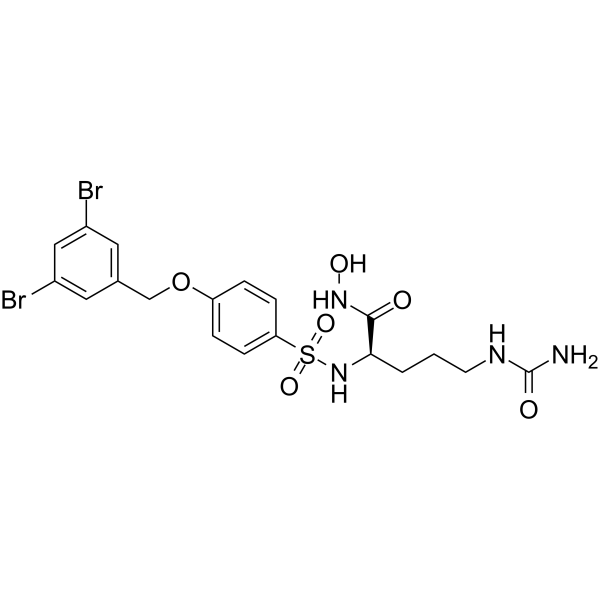
    JTP-117968, a novel selective glucocorticoid receptor modulator (a non-steroidal SGRM, IC50 of 6.8 nM), exhibits improved transrepression/transactivation dissociation .
    JTP-117968
  • HY-N2273

    LXR Metabolic Disease
    Gymnestrogenin is a pentahydroxytriterpene from the leaves of Gymnema sylvestre R.Br . Gymnestrogenin is a LXR antagonist with IC50s of 2.5 and 1.4 μM for LXRα and LXRβ transactivation, respectively. Gymnestrogenin reduces the transcriptional activity of LXR even on its own promoter, thus reducing the mRNA expression .
    Gymnestrogenin
  • HY-B1324A

    Ro 13-8996 free base

    Fungal Cytochrome P450 Antibiotic Infection Cancer
    Oxiconazole (Ro 13-8996) is a broad spectrum anti-fungal agent which can inhibit the growth of Candida, Aspergillus and Trichophyton. Oxiconazole is also a highly efficacious activator of CYP3A4 transactivation, which could be antagonized by Rifampicin (HY-B0272) in a competitive manner. Oxiconazole exhibits inhibitory effect against colorectal cancer (CRC) via peroxiredoxin-2 (PRDX2)-mediated autophagy arrest .
    Oxiconazole
  • HY-123185

    Cathepsin Caspase SARS-CoV Interleukin Related NF-κB Infection
    (Rac)-Z-FA-FMK is the racemate of Z-FA-FMK. (Rac)-Z-FA-FMK is an inhibitor of cathepsin B with a Ki of 1.5 μM. (Rac)-Z-FA-FMK inhibits caspase-2, -3, -6, -7, and -9 with IC50s of 6.147, 15.41, 32.45, 9.077, and 110.7 μM. (Rac)-Z-FA-FMK inhibits the main protease of SARS-CoV-2 replication with an IC50 of 11.39 μM. (Rac)-Z-FA-FMK inhibits the increased IL-1β level induced by LPS and NF-κB transactivation in macrophages .
    (Rac)-Z-FA-FMK
  • HY-121444

    NSC339585

    Apoptosis c-Myc Cancer
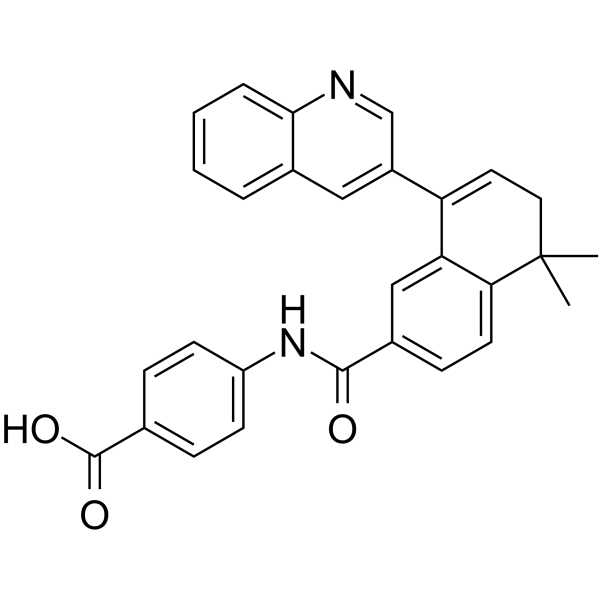
    MYRA-A is a potent apoptosis inducer in a Myc-dependent manner. MYRA-A inhibits Myc transactivation and interferes with the DNA-binding activity of Myc family proteins. MYRA-A inhibits cell viability .
    MYRA-A
  • HY-139118

    c-Myc Apoptosis Cancer
    NSC308848 is a potent apoptosis inducer in a Myc-dependent manner. NSC308848 inhibits Myc transactivation and interferes with the DNA-binding activity of Myc family proteins .
    NSC308848
  • HY-100348R

    Reference Standards Androgen Receptor PPAR Apoptosis Cancer
    EPI-001 (Standard) is the analytical standard of EPI-001. This product is intended for research and analytical applications. EPI-001, a selective inhibitor of Androgen Receptor (AR), targets transactivation unit 5 (Tau-5) of the AR. EPI-001 can inhibit transactivation of the AR amino-terminal domain (NTD), with an IC50 of ~6 μM. EPI-001 is also a selective modulator of PPARγ. EPI-001 is active against castration-resistant prostate cancer .
    EPI-001 (Standard)
  • HY-164259

    HIF/HIF Prolyl-Hydroxylase Cancer
    AJM 290 is a Trx-1 inhibitor. AJM 290 is an inhibitor of the HIF-1α COOH-terminal transactivation domain, and blocks HIF-1 binding to DNA .
    AJM 290
  • HY-W777072

    HIV Others
    4-isocyanato TEMPO is a spin labeling reagent used to label the 2’-position in RNA. It has been used to study HIV-1 transactivation response RNA and hammerhead ribosome dynamics by electron paramagnetic resonance (EPR) spectroscopy.
    4-Isocyanato-TEMPO,Technical grade
  • HY-111231

    Androgen Receptor Cancer
    CH4933468 is a thiohydantoin derivative, shows androgen receptor (AR) pure antagonist activity in vitro. CH4933468 inhibits AR-mediated transactivation and proliferation of LNCaP and LNCaP-BC2 cells. CH4933468 can be used for castration-resistant prostate cancer (CRPC) research .
    CH4933468
  • HY-172792

    PPAR Metabolic Disease
    PPAR agonist 6 (compound 5a) is an agonist of PPAR with EC50 values of 3.6 μM, 2.6 μM, and 2.7 μM for PPARα, PPARβ/δ, and PPARγ, respectively. PPAR agonist 6 represses the transactivation of the TNFα-dependent NF-κB-driven reporter in L929 cells .
    PPAR agonist 6
  • HY-123352A

    Glucocorticoid Receptor Inflammation/Immunology Endocrinology
    (-)-ZK 216348 is the enantiomer of (+)-ZK 216348 (HY-123352). (+)-ZK 216348 is a nonsteroidal selective glucocorticoid receptor agonist with an IC50 of 20.3 nM. ZK 216348 also binds to Progesterone and mineralocorticoid receptors with IC50s of 20.4 nM and 79.9 nM, respectively. ZK 216348 has antiinflammatory activity similar to Prednisolone and induces less transactivation-mediated side effects .
    (-)-ZK 216348
  • HY-146564

    NF-κB Inflammation/Immunology
    R-HP210 acts on the NF-κB mediated tethered transrepression function (IC50=3.80 μM). R-HP210 represses the LPS-induced transcription of a variety of proinflammatory genes such as IL-1β, IL-6 and COX-2. R-HP210 does not induce the transactivation functions of Glucocorticoids (GCs) .
    R-HP210
  • HY-121542

    PPAR Metabolic Disease
    PPARδ agonist 10 (compound 7) is an orally active, selective, and partial agonist of PPARδ, with EC50 values of 0.053 μM and 0.30 µM for hPPARδ(LBD)-GAL4 and mPPARδ, respectively. PPARδ agonist 10 is a partial PPARδ agonist in transactivation assay but a full agonist on free fatty acids (FFA) oxidation in muscle cells both in vitro and in vivo. PPARδ agonist 10 can be used for dyslipidemia research .
    PPARδ agonist 10
  • HY-B1324R

    Ro 13-8996 (Standard)

    Reference Standards Fungal Cytochrome P450 Antibiotic Infection Cancer
    Oxiconazole nitrate (Standard) is the analytical standard of Oxiconazole nitrate. This product is intended for research and analytical applications. Oxiconazole (Ro 13-8996) nitrate is a broad spectrum anti-fungal agent which can inhibit the growth of Candida, Aspergillus and Trichophyton. Oxiconazole nitrate is also a highly efficacious activator of CYP3A4 transactivation, which could be antagonized by Rifampicin (HY-B0272) in a competitive manner. Oxiconazole nitrate exhibits inhibitory effect against colorectal cancer (CRC) via peroxiredoxin-2 (PRDX2)-mediated autophagy arrest .
    Oxiconazole nitrate (Standard)
  • HY-10074R

    IKK Reference Standards STAT Apoptosis Inflammation/Immunology Cancer
    TPCA-1 (Standard) is the analytical standard of TPCA-1 (HY-10074). This product is intended for research and analytical applications. TPCA-1 is a potent and selective inhibitor of IKK-2 with IC50 of 17.9 nM. TPCA-1 is an effective inhibitor of STAT3 phosphorylation, DNA binding, and transactivation.
    TPCA-1 (Standard)
  • HY-10678R

    Reference Standards PPAR Cardiovascular Disease
    BMS-687453 (Standard) is the analytical standard of BMS-687453 (HY-10678). This product is intended for research and analytical applications. BMS-687453 is a potent and selective PPARα agonist, with an EC50 and IC50 of 10 nM and 260 nM for human PPARα and 4100 nM and >15000 nM for PPARγ in PPAR-GAL4 transactivation assays.
    BMS-687453 (Standard)
  • HY-108639R

    NSC 19630 (Standard)

    Reference Standards MDM-2/p53 Apoptosis Cancer
    MIRA-1 (Standard) is the analytical standard of MIRA-1 (HY-108639). This product is intended for research and analytical applications. MIRA-1 is a maleimide analogue. MIRA-1 can induce apoptosis in mutant p53 cells via restoration of p53-dependent transcriptional transactivation. MIRA-1 has anticancer activity .
    MIRA-1 (Standard)
  • HY-108470R

    RUNX Reference Standards Cancer
    Ro5-3335 (Standard) is the analytical standard of Ro5-3335 (HY-108470). This product is intended for research and analytical applications. Ro5-3335, a benzodiazepine, acts as an inhibitor of core binding factor (CBF) leukemia. Ro5-3335 is a RUNX1-CBFβ interaction inhibitor that represses RUNX1/CBFB-dependent transactivation .
    Ro5-3335 (Standard)
  • HY-183667

    Androgen Receptor Kallikrein Cancer
    JNJ-pan-AR is an orally active androgen receptor (AR) inhibitor with an IC50 of 19 nM and a Ki of 8.4 nM against human wild-type AR. JNJ-pan-AR abolishes androgen-induced KLK2 and KLK3 mRNA expression and reduces androgen-dependent colony formation in prostate cancer cells. JNJ-pan-AR blocks AR nuclear translocation, inhibits PSA protein expression, and represses the growth of AR-dependent tumor cells and ARF877L-driven tumor xenografts. JNJ-pan-AR blocks transactivation and signaling of wild-type AR and various mutant AR variants. JNJ-pan-AR is applicable for research on castration-resistant prostate cancer .
    JNJ-pan-AR
  • HY-165413

    HIF/HIF Prolyl-Hydroxylase VEGFR Cancer
    KST012174 hydrochloride is a potent HIF-1α-p300/CBP interaction inhibitor with an IC50 of 107 μM. KST012174 hydrochloride completely blocks the binding of HIF-1α to p300 protein at a concentration of 100 μM, without affecting the expression stability of HIF-1α protein itself. By directly interfering with the binding between the C-terminal transactivation domain (C-TAD) of HIF-1α and the CH1 domain of p300, KST012174 inhibits the transcriptional activation function of HIF-1α, thereby significantly downregulating the mRNA expression level of its downstream target gene VEGF and exerting core activity in inhibiting tumor angiogenesis. KST012174 hydrochloride is applicable for research on cancer occurrence and development as well as hypoxia pathway-targeted strategies .
    KST012174 hydrochloride
  • HY-179528

    Nuclear Hormone Receptor 4A/NR4A Ferroptosis Glutathione Peroxidase Reactive Oxygen Species (ROS) Transferrin Receptor Apoptosis Bcl-2 Family Caspase Endocrinology Cancer
    DIM-3,5-Cl2 is an inverse NR4A1/NR4A2 agonist with KD values of 7.7 μM and 12.0 μM for NR4A1 and NR4A2, respectively. DIM-3,5-Cl2 acts as an inverse agonist to downregulate pro-oncogenic and proendometriotic gene products, and as an agonist to enhance NR4A1/2/Sp1/Sp4-mediated CD71 transactivation. DIM-3,5-Cl2 induces ferroptosis via ROS formation, lipoperoxidation, MDA production, and reduced GPX4, SLC7A11 expression. DIM-3,5-Cl2 induces apoptosis via PARP and caspase-3 cleavage, reduced BCL-2 expression, and inhibits cancer cell viability. DIM-3,5-Cl2 can be used for the research of triple negative breast cancer, endometriosis, and colorectal cancer .
    DIM-3,5-Cl2

Inquiry Online

Your information is safe with us. * Required Fields.

Salutation


Country or Region *

Applicant Name *


Organization Name *

Department *


Email Address *


Product Name *

Cat. No.


Requested quantity *

Phone Number *


Remarks

Inquiry Online

Inquiry Information

Product Name:
Cat. No.:
Quantity:
MCE Japan Authorized Agent:

