1. Search Result
Search Result
Pathways Recommended: Cell Cycle/DNA Damage
Results for "

tricarboxylic acid cycle

" in MedChemExpress (MCE) Product Catalog:

62

阻害剤およびアゴニスト

6

スクリーニングライブラリ

7

生化学アッセイ試薬

20

天然物

8

同位体標識化合物

1

オリゴヌクレオチド

製品番号 製品名 Target 研究分野 構造式
  • HY-44134
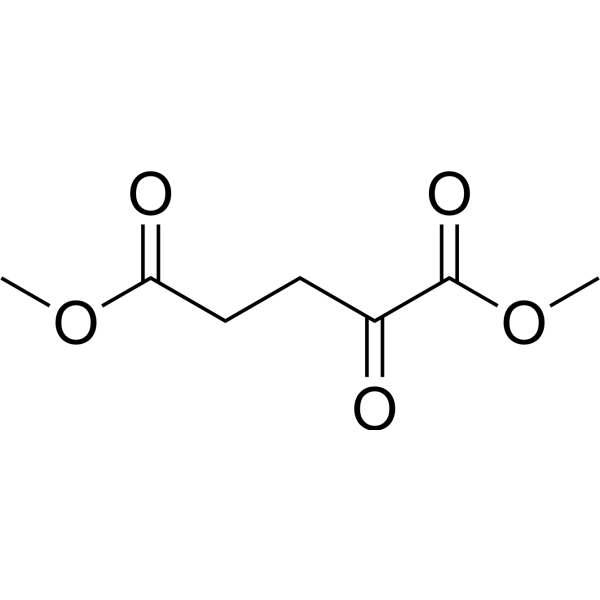
    Dimethyl 2-oxoglutarate
    1 Publications Verification

    Dimethyl α-ketoglutarate

    Endogenous Metabolite Drug Derivative Autophagy Mitochondrial Metabolism Reactive Oxygen Species (ROS) Cardiovascular Disease Neurological Disease Metabolic Disease
    Dimethyl 2-oxoglutarate (Dimethyl α-ketoglutarate) is a cell-permeable derivative of 2-oxoglutarate and tricarboxylic acid cycle metabolite with antioxidant properties. Dimethyl 2-oxoglutarate inhibits Autophagy. Dimethyl 2-oxoglutarate prevents mitochondrial damage and reduces ROS production. Dimethyl 2-oxoglutarate alleviates Carbon tetrachloride (HY-Y0298)-induced liver fibrosis. Dimethyl-2-oxoglutaric acid can be used in the research of diseases such as Alzheimer's disease, diabetes, and cardiomyopathy .
    Dimethyl 2-oxoglutarate
  • HY-N0420
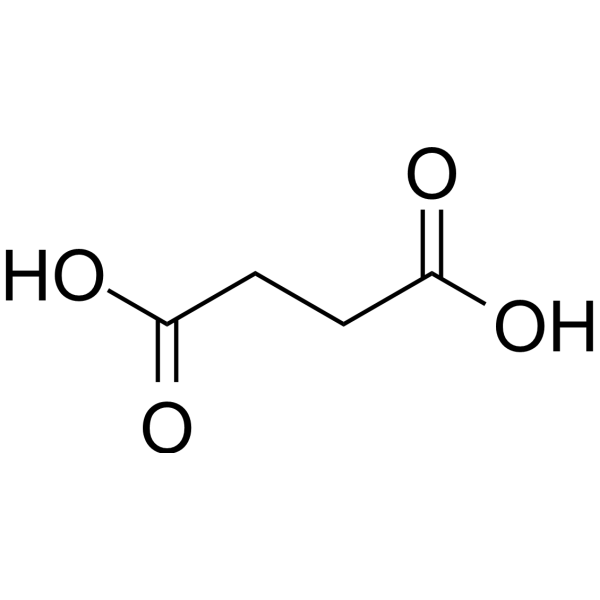
    Succinic acid
    5+ Cited Publications

    Wormwood acid

    Environmental Pollutants Endogenous Metabolite Neurological Disease
    Succinic acid is an anti-anxiety agent with oral activity. Disodium succinate is the salt form of Succinic acid. Succinic acid is an intermediate product of the tricarboxylic acid cycle. Succinic acid is an important platform chemical. Succinic acid can be used as surfactant, additive, ion chelating agent, flavoring agent and other applications in chemical, pharmaceutical and food fields .
    Succinic acid
  • HY-F0001
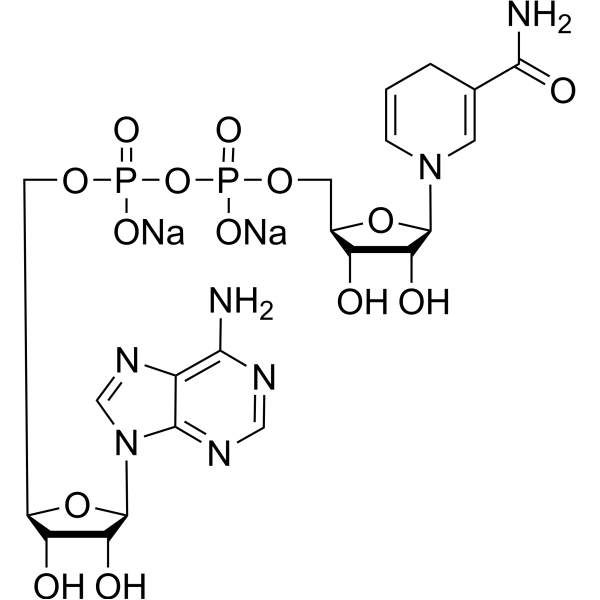
    NADH disodium salt
    5+ Cited Publications

    Disodium NADH

    Endogenous Metabolite Metabolic Disease
    NADH disodium salt (Disodium NADH) is an orally active reduced coenzyme. NADH disodium salt is a donor of ADP-ribose units in ADP-ribosylaton reactions and a precursor of cyclic ADP-ribose. NADH disodium salt plays a role as a regenerative electron donor in cellular energy metabolism, including glycolysis, β-oxidation and the tricarboxylic acid (TCA) cycle .
    NADH disodium salt
  • HY-W015410
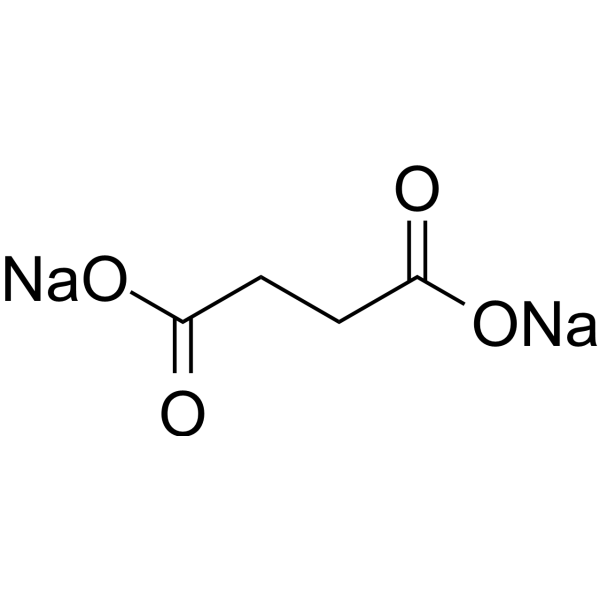
    Disodium succinate
    Maximum Cited Publications
    10 Publications Verification

    Endogenous Metabolite Inflammation/Immunology
    Disodium succinate is an anti-anxiety agent with oral activity. Disodium succinate is the salt form of Succinic acid. Disodium succinate is an intermediate product of the tricarboxylic acid cycle. Disodium succinate is an important platform chemical. Disodium succinate can be used as surfactant, additive, ion chelating agent, flavoring agent and other applications in chemical, pharmaceutical and food fields .
    Disodium succinate
  • HY-137808
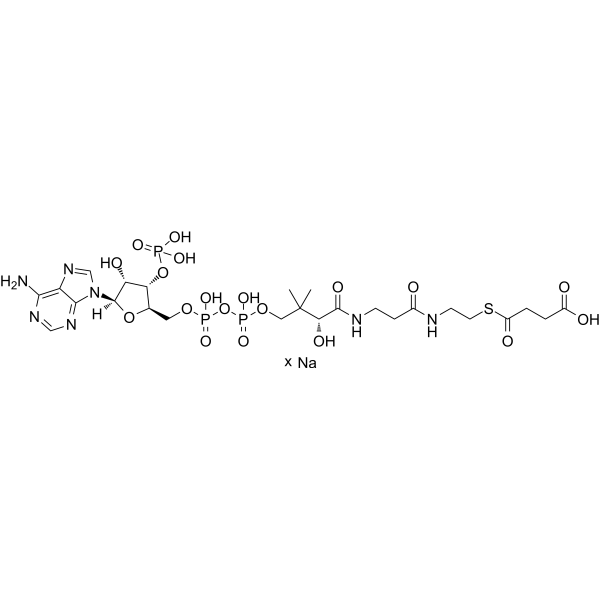
    Succinyl-Coenzyme A sodium
    3 Publications Verification

    Succinyl-CoA sodium

    Endogenous Metabolite Neurological Disease Metabolic Disease
    Succinyl CoA (Succinyl-coenzyme A) sodium is a pivotal intermediate metabolite in the tricarboxylic acid cycle and a key coenzyme A metabolite. Succinyl CoA sodium is biosynthesized from α-ketoglutarate or propionyl-CoA. Succinyl CoA sodium acts as a critical precursor and substrate for heme biosynthesis and gluconeogenesis. Succinyl CoA sodium insufficiency caused by cobalamin deficiency is directly linked to growth retardation, impaired heme synthesis, tissue glycine accumulation and neurological abnormalities. Succinyl CoA sodium can be used in research on metabolic, neurological, and hematological abnormalities (such as porphyria) caused by nutritional vitamin B12 deficiency (leading to a lack of Succinyl-Coenzyme A synthesis) .
    Succinyl-Coenzyme A sodium
  • HY-Y0836
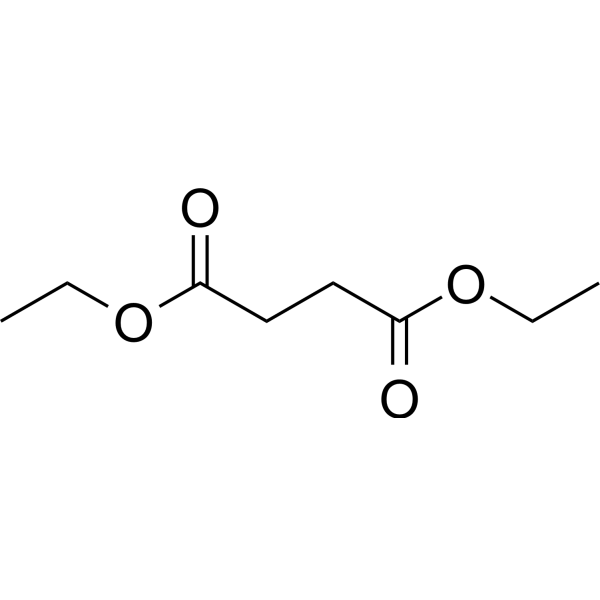
    Diethyl succinate
    3 Publications Verification

    Diethyl Butanedioate

    Environmental Pollutants Biochemical Assay Reagents Reactive Oxygen Species (ROS) Metabolic Disease Inflammation/Immunology
    Diethyl succinate (Diethyl Butanedioate) can be utilized at physiological pH, allowing it to penetrate biological membranes and integrate into the cells of tissue cultures, where it is metabolized via the tricarboxylic acid cycle. Diethyl succinate modulates the polarization and activation of microglial cells by reducing mitochondrial fission and the levels of reactive oxygen species (ROS), thereby exerting an inflammatory protective effect in primary microglial cells. Furthermore, Diethyl succinate is non-toxic and can be used in flavorings and seasonings .
    Diethyl succinate
  • HY-W723152

    Drug Intermediate Inflammation/Immunology
    Poly(D,L-lactide-co-glycolide) is a biodegradable polymer copolymer. Poly(D,L-lactide-co-glycolide) undergoes degradation through ester bond hydrolysis into lactic acid and glycolic acid. These two products can be naturally eliminated through metabolism in the body (such as the tricarboxylic acid cycle), without the risk of long-term accumulation. Poly(D,L-lactide-co-glycolide) can be used in medical sutures, implants, and drug delivery systems .
    Poly(D,L-lactide-co-glycolide)
  • HY-Y0808
    Dimethyl succinate
    1 Publications Verification

    Environmental Pollutants Apoptosis Neurological Disease Metabolic Disease
    Dimethyl succinate is an orally active cell permeable succinate analogue. Dimethyl succinate can disrupt the TCA cycle by elevating intracellular succinate levels, leading to reduced protein synthesis and impairs myogenic differentiation. Dimethyl succinate can induce apoptosis. Dimethyl succinate can decrease maximal cellular respiration and reserve capacity. Dimethyl succinate can rescue synapse loss in AD. Dimethyl succinate can be used for the researches of metabolic and neurological disease [1][2].
    Dimethyl succinate
  • HY-113004

    Endogenous Metabolite Metabolic Disease
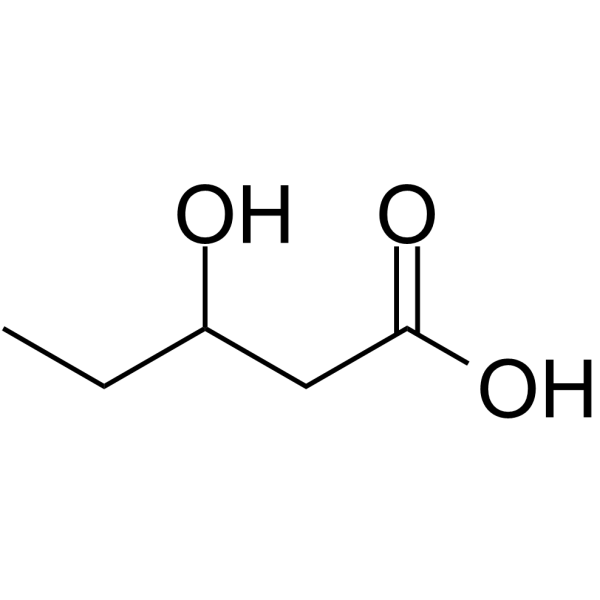
    3-Hydroxyvaleric acid is a five-carbon ketone body byproduct that can undergo an anaplerotic reaction to replenish the intermediates of the tricarboxylic acid cycle. 3-Hydroxyvaleric acid is one of the important monomers for the synthesis of polyhydroxyalkanoates (PHA). PHA is a type of biodegradable plastic that is widely used in environmentally friendly packaging, disposable products, and medical materials .
    3-Hydroxyvaleric acid
  • HY-W615108B

    NMNH disodium

    Endogenous Metabolite Cancer
    β-Nicotinamide mononucleotide, reduced form (NMNH) disodium is an orally active reduced version of β-Nicotinamide mononucleotide (HY-F0004). β-Nicotinamide mononucleotide, reduced form disodium can significantly increase the levels of NAD + and NADH, inhibit glycolysis, the tricarboxylic acid cycle, and cell growth, with its effects being dependent on nicotinamide mononucleotide adenylyltransferase (NMNAT) .
    β-Nicotinamide mononucleotide, reduced form disodium
  • HY-B1876

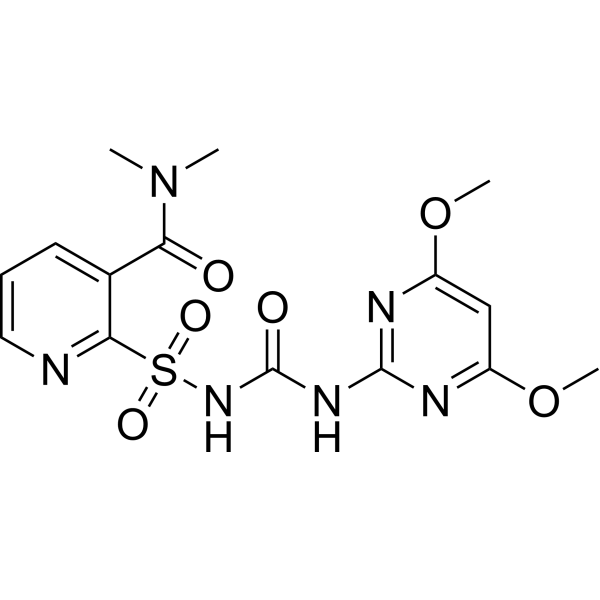
    Environmental Pollutants Acetolactate Synthase (ALS) Others
    Nicosulfuron is efficient, harmless, antifungal and selective herbicide belonging to the sulfonylurea family. Nicosulfuron is also a photosynthetic system inhibitor and inhibits acetolactate synthase (ALS) enzyme activity. Nicosulfuron degradation by Plectosphaerella cucumerina AR1 is glucose concentration dependent in planktonic lifestyle. Nicosulfuron enhances the glycolysis pathway and tricarboxylic acid cycle to improve the adaptability of sweet maize. Nicosulfuron reduces the synthesis of branched-chain amino acids (BCAAs), which is proming for maize cultivation .
    Nicosulfuron
  • HY-163771

    Pyruvate Carboxylase (PC) Metabolic Disease
    Pyruvate Carboxylase-IN-5 (compound 6m) is a pyruvate carboxylase inhibitor with high selectivity and permeability. Pyruvate carboxylase is a mitochondrial enzyme that catalyzes the carboxylation of pyruvate to oxaloacetate, a process that plays an important role in maintaining steady-state levels of Krebs cycle intermediates, which are precursors for the synthesis of biomacromolecules such as amino acids, fatty acids, and glucose .
    Pyruvate Carboxylase-IN-5
  • HY-N0420S1

    Wormwood acid-d4

    Endogenous Metabolite Metabolic Disease
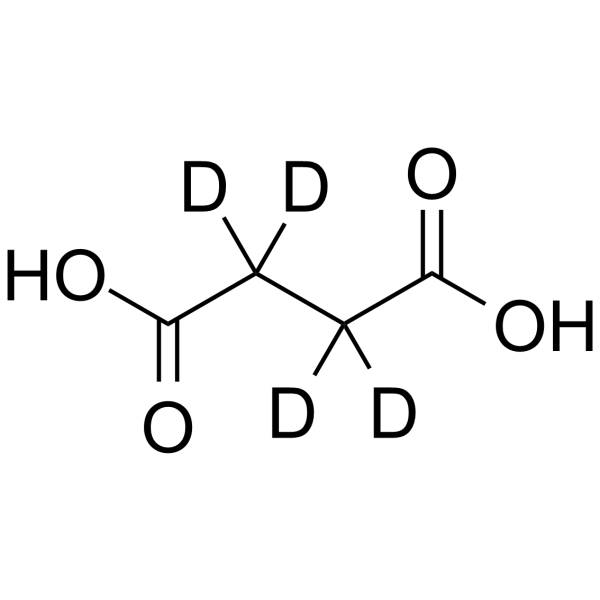
    Succinic-2,2,3,3-d4 acid is the deuterium labeled Succinic acid. Succinic acid is an intermediate product of the tricarboxylic acid cycle, as well as one of fermentation products of anaerobic metabolism.
    Succinic acid-d4
  • HY-P3016A

    EC 2.6.1.1, porcine heart; GOT, porcine heart; AST, porcine heart

    Aminotransferases (Transaminases) Cardiovascular Disease
    Aspartate aminotransferase (EC 2.6.1.1), porcine heart is a metabolic regulator with the highest activity in the heart, liver and skeletal muscle. Aspartate aminotransferase, porcine heart comprises two isozymes: the cytoplasmic form (AST1) and the mitochondrial form (AST2). By catalyzing reversible transamination reactions between oxaloacetate, L-glutamate and other substances, it is deeply involved in key physiological processes such as amino acid metabolism, the tricarboxylic acid cycle and neurotransmitter synthesis. Aspartate aminotransferase, porcine heart also provides substrate support for the synthesis of urea and purines/pyrimidines. Aspartate aminotransferase, porcine heart is a serum marker reflecting cardiac and hepatic injury, and its abnormal levels are also closely associated with myocardial infarction, cardiovascular diseases and various cancers .
    Aspartate aminotransferase, porcine heart
  • HY-N0420S2

    Wormwood acid-13C4

    Endogenous Metabolite Neurological Disease
    Succinic acid- 13C4 is the 13C labeled Succinic acid . Succinic acid is a potent and orally active anxiolytic agent. Succinic acid is an intermediate product of the tricarboxylic acid cycle. Succinic acid can be used as a precursor of many industrially important chemicals in food, chemical and pharmaceutical industries .
    Succinic acid-13C4
  • HY-B0831
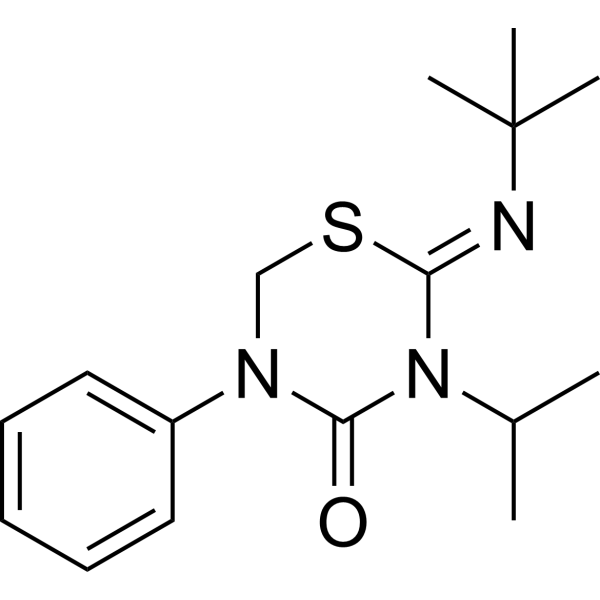
    Buprofezin
    2 Publications Verification

    Environmental Pollutants Reactive Oxygen Species (ROS) Oxidative Phosphorylation Others
    Buprofezin is a broad-spectrum insecticide and chitin synthesis inhibitor that targets developmental stage coleopteran pests.Buprofezin promotes the conversion of energy metabolism from the aerobic tricarboxylic acid (TCA) cycle and oxidative phosphorylation to anaerobic glycolysis. Buprofezin also promotes the production of reactive oxygen species (ROS) by inhibiting cytochrome c oxidase .
    Buprofezin
  • HY-F0001R
    NADH disodium salt (Standard)
    1 Publications Verification

    Disodium NADH (Standard)

    Reference Standards Endogenous Metabolite Metabolic Disease
    NADH (disodium salt) (Standard) is the analytical standard of NADH (disodium salt). This product is intended for research and analytical applications. NADH disodium salt (Disodium NADH) is an orally active reduced coenzyme. NADH disodium salt is a donor of ADP-ribose units in ADP-ribosylaton reactions and a precursor of cyclic ADP-ribose. NADH disodium salt plays a role as a regenerative electron donor in cellular energy metabolism, including glycolysis, β-oxidation and the tricarboxylic acid (TCA) cycle .
    NADH disodium salt (Standard)
  • HY-P2989

    Endogenous Metabolite Metabolic Disease Cancer
    Pyruvate carboxylase is a key mitochondrial anaplerotic enzyme that catalyzes the conversion of pyruvate to oxaloacetate. Pyruvate carboxylase not only maintains tricarboxylic acid cycle activity and redox homeostasis, but also drives hepatic gluconeogenesis and fatty acid synthesis. The activity of Pyruvate carboxylase is upregulated in insulin-resistant states, exacerbating hepatic glucose production. Pyruvate carboxylase also shows significantly enhanced expression in early-stage non-small cell lung cancer (NSCLC). Pyruvate carboxylase promotes tumor proliferation by supporting nucleotide and lipid synthesis, and its functional deficiency cannot be compensated by glutaminolysis. Pyruvate carboxylase can be used in the research of prediabetes type 2 and NSCLC .
    Pyruvate carboxylase
  • HY-P3016

    EC 2.6.1.1; GOT; AST

    Aminotransferases (Transaminases) Cardiovascular Disease
    Aspartate aminotransferase (EC 2.6.1.1), Genetically engineered bacteria is a metabolic regulator with the highest activity in the heart, liver and skeletal muscle. Aspartate aminotransferase, Genetically engineered bacteria comprises two isozymes: the cytoplasmic form (AST1) and the mitochondrial form (AST2). By catalyzing reversible transamination reactions between oxaloacetate, L-glutamate and other substances, it is deeply involved in key physiological processes such as amino acid metabolism, the tricarboxylic acid cycle and neurotransmitter synthesis. Aspartate aminotransferase, Genetically engineered bacteria also provides substrate support for the synthesis of urea and purines/pyrimidines. Aspartate aminotransferase, Genetically engineered bacteria is a serum marker reflecting cardiac and hepatic injury, and its abnormal levels are also closely associated with myocardial infarction, cardiovascular diseases and various cancers .
    Aspartate aminotransferase, Genetically engineered bacteria
  • HY-N0420S

    Wormwood acid-d6

    Endogenous Metabolite Metabolic Disease
    Succinic acid-d6 is the deuterium labeled Succinic acid. Succinic acid is an intermediate product of the tricarboxylic acid cycle, as well as one of fermentation products of anaerobic metabolism.
    Succinic acid-d6
  • HY-114333

    1-Octyl 2-oxopentanedioate

    HIF/HIF Prolyl-Hydroxylase Metabolic Disease Cancer
    Octyl-α-ketoglutarate (1-Octyl 2-oxopentanedioate) is a stable, cell-permeable form of α-ketoglutarate which accumulates rapidly in HEK293 cells with a dysfunctional tricarboxylic acid (TCA) cycle, stimulating prolyl hydroxylase (PHD) activity. In addition, Octyl-α-ketoglutarate competitively blocks succinate- or fumarate-mediated inhibition of PHD .
    Octyl-α-ketoglutarate
  • HY-W094516
    Disodium succinate hexahydrate
    4 Publications Verification

    Wormwood acid disodium hexahydrate

    Endogenous Metabolite Neurological Disease Inflammation/Immunology
    Disodium succinate hexahydrate (Wormwood acid disodium hexahydrate) is an anti-anxiety agent with oral activity. Disodium succinate hexahydrate is an intermediate product of the tricarboxylic acid cycle. Disodium succinate hexahydrate is an important platform chemical. Disodium succinate hexahydrate can be used as surfactant, additive, ion chelating agent, flavoring agent and other applications in chemical, pharmaceutical and food fields .
    Disodium succinate hexahydrate
  • HY-N0420R
    Succinic acid (Standard)
    5+ Cited Publications

    Wormwood acid (Standard)

    Reference Standards Endogenous Metabolite Neurological Disease
    Succinic acid (Standard) is the analytical standard of Succinic acid. This product is intended for research and analytical applications. Succinic acid is an anti-anxiety agent with oral activity. Disodium succinate is the salt form of Succinic acid. Succinic acid is an intermediate product of the tricarboxylic acid cycle. Succinic acid is an important platform chemical. Succinic acid can be used as surfactant, additive, ion chelating agent, flavoring agent and other applications in chemical, pharmaceutical and food fields .
    Succinic acid (Standard)
  • HY-148285

    Succinyl-coenzyme A; S-(Hydrogen succinyl)coenzyme A

    Endogenous Metabolite Metabolic Disease
    Succinyl CoA (Succinyl-coenzyme A) is a pivotal intermediate metabolite in the tricarboxylic acid cycle and a key coenzyme A metabolite. Succinyl CoA is biosynthesized from α-ketoglutarate or propionyl-CoA. Succinyl CoA acts as a critical precursor and substrate for heme biosynthesis and gluconeogenesis. Succinyl CoA insufficiency caused by cobalamin deficiency is directly linked to growth retardation, impaired heme synthesis, tissue glycine accumulation and neurological abnormalities. Succinyl CoA can be used in research on metabolic, neurological, and hematological abnormalities (such as porphyria) caused by nutritional vitamin B12 deficiency (leading to a lack of Succinyl-Coenzyme A synthesis) .
    Succinyl CoA
  • HY-157395
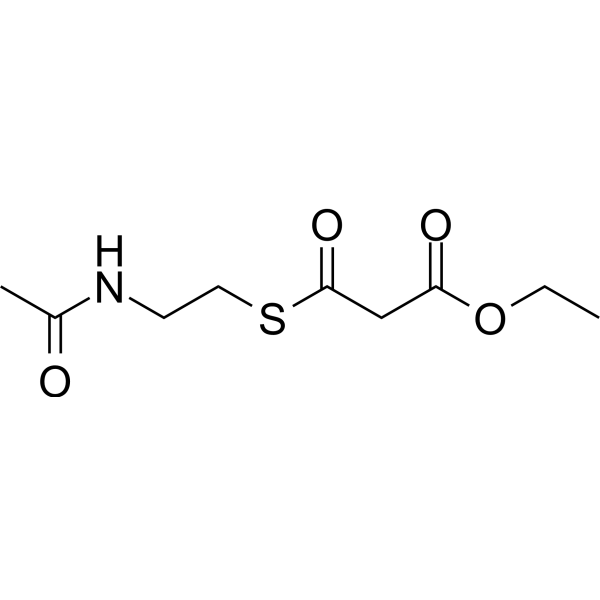
    malonyl-NAC
    2 Publications Verification

    Pyruvate Kinase Cancer
    malonyl-NAC increases cellular propylation, resulting in reduced endogenous GAPDH activity. malonyl-NAC increases GAPDH malonylation in cells and inhibits pyruvate kinase activity. In addition, malonyl-NAC limits the metabolism and proliferation of a highly glycolytic kidney cancer cell line harboring a tricarboxylic acid cycle mutation .
    malonyl-NAC
  • HY-W016103

    Bacterial Drug Intermediate Infection
    1-Hydroxy-2-naphthoic acid is a ubiquitous bicyclic intermediate metabolite in the microbial degradation process of polycyclic aromatic hydrocarbons (PAHs). 1-Hydroxy-2-naphthoic acid can be converted into 1,2-naphthalenediol, which enters the naphthalene degradation pathway and participates in the tricarboxylic acid (TCA) cycle to achieve complete mineralization .
    1-Hydroxy-2-naphthoic acid
  • HY-P2892

    Endogenous Metabolite Metabolic Disease
    Fumarase catalyses the conversion of l-malic acid to fumaric acid. Fumarase participates in the tricarboxylic acid cycle in mitochondria. Fumarase participates in the cellular response to DNA double strand breaks .
    Fumarase
  • HY-162142

    Bacterial Succinate Dehydrogenase Reactive Oxygen Species (ROS) Infection
    BB2-50F is an antimicrobial agent and succinate dehydrogenase and F1Fo-ATP synthase inhibitor. BB2-50F induces ROS. BB2-50F inhibits succinate oxidation and reduces tricarboxylic acid (TCA) cycle activity. BB2-50F inhibits the growth of Mycobacterium tuberculosis H37Rv and its auxotrophic, attenuated derivative mc2 6230 (ΔRD1, ΔpanCD) with an MIC of 8 μM .
    BB2-50F
  • HY-161767

    Molecular Glues Oxidative Phosphorylation Ras Cancer
    JWJ-01-306 is a CRBN-recruiting ZBTB11 Molecular Glues degrader. JWJ-01-306 degrades ZBTB11 and reprograms cellular metabolism, thereby reducing the level of Oxidative Phosphorylation and the activity of the tricarboxylic acid cycle. JWJ-01-306 enhances the response of organoids to K-Ras inhibition. JWJ-01-306 inhibits the proliferation of pancreatic ductal adenocarcinoma cells and melanoma cells. JWJ-01-306 can be used in studies related to pancreatic ductal adenocarcinoma and melanoma .
    JWJ-01-306
  • HY-P2993

    ICDH; IDH

    Isocitrate Dehydrogenase (IDH) Metabolic Disease Cancer
    Isocitrate dehydrogenase, Porcine heart (ICDH) is a citric acid or tricarboxylic acid cycle enzyme, is often used in biochemical studies. Isocitrate dehydrogenase catalyzes the oxidative decarboxylation of isocitrate to α-ketoglutarate and reduces NAD(P) + to NAD(P)H, it plays important roles in cellular metabolism .
    Isocitrate dehydrogenase, Porcine heart
  • HY-E70121

    Endogenous Metabolite Mitochondrial Metabolism Neurological Disease Metabolic Disease Inflammation/Immunology
    Succinyl-CoA synthetase is a mitochondrial matrix enzyme and catalyst. Succinyl-CoA synthetase supports TCA, ketone and heme metabolism and is activated by mitochondrial phosphate. Succinyl-CoA synthetase distributes broadly across mammalian tissues with distinct substrate-related biochemical features. Succinyl-CoA synthetase gains structural stability after phosphorylation and relies on SUCLG1-encoded subunit for activity. Succinyl-CoA synthetase malfunction links to metabolic and neurological disorders. Succinyl-CoA synthetase serves as a research tool for mitochondrial hepatoencephalomyopathy .
    Succinyl-CoA synthetase
  • HY-W015410S2

    Endogenous Metabolite Metabolic Disease
    Disodium succinate-d4 is the deuterium labeled Disodium succinate . Disodium succinate is the disodium salt of Succinic acid. Succinic acid is an intermediate product of the tricarboxylic acid cycle, as well as one of fermentation products of anaerobic metabolism .
    Disodium succinate-d4
  • HY-W339545A

    Biochemical Assay Reagents Others
    α-Ketoglutaric acid disodium hydrate, an important dicarboxylic acid, is an intermediate in the tricarboxylic acid cycle (TCC) and amino acid metabolism. α-Ketoglutaric acid disodium hydrate can be used as building block chemical for the chemical synthesis of heterocycles, dietary supplement, component of infusion solutions and wound healing compounds, or as main component of new elastomers with a wide range of interesting mechanical and chemical properties .
    α-Ketoglutaric acid disodium hydrate
  • HY-157538

    PDHK Cardiovascular Disease
    PDK4-IN-2 (compound 8) is a pyruvate dehydrogenase kinase 4 (PDK4) inhibitor with an IC50 of 46 µM. PDK4-IN-2 improves ejection fraction of failing hearts by regulating bioenergetics via activation of the tricarboxylic acid cycle .
    PDK4-IN-2
  • HY-W015410S

    Endogenous Metabolite Metabolic Disease
    Disodium succinate- 13C2 is the 13C labeled Disodium succinate . Disodium succinate is the disodium salt of Succinic acid. Succinic acid is an intermediate product of the tricarboxylic acid cycle, as well as one of fermentation products of anaerobic metabolism .
    Disodium succinate-13C2
  • HY-N0420S3

    Wormwood acid-13C2

    Endogenous Metabolite Neurological Disease
    Butanedioic acid- 13C2 is the 13C labeled Succinic acid[1]. Succinic acid is a potent and orally active anxiolytic agent. Succinic acid is an intermediate product of the tricarboxylic acid cycle. Succinic acid can be used as a precursor of many industrially important chemicals in food, chemical and pharmaceutical industries[2][3].
    Succinic acid-13C2-1
  • HY-W802699

    Biochemical Assay Reagents Others
    α-Ketoglutaric acid disodium dihydrate, an important dicarboxylic acid, is an intermediate in the tricarboxylic acid cycle (TCC) and amino acid metabolism. α-Ketoglutaric acid disodium dihydrate can be used as building block chemical for the chemical synthesis of heterocycles, dietary supplement, component of infusion solutions and wound healing compounds, or as main component of new elastomers with a wide range of interesting mechanical and chemical properties .
    α-Ketoglutaric acid disodium dihydrate
  • HY-B0831S

    Oxidative Phosphorylation Reactive Oxygen Species (ROS) Metabolic Disease
    Buprofezin-d6 is the deuterium labeled Buprofezin. Buprofezin is a broad-spectrum insecticide and chitin synthesis inhibitor that targets developmental stage coleopteran pests.Buprofezin promotes the conversion of energy metabolism from the aerobic tricarboxylic acid (TCA) cycle and oxidative phosphorylation to anaerobic glycolysis. Buprofezin also promotes the production of reactive oxygen species (ROS) by inhibiting cytochrome c oxidase .
    Buprofezin-d6
  • HY-W250154

    Endogenous Metabolite Metabolic Disease
    β-Nicotinamide adenine dinucleotide reduced dipotassium is an orally active reduced coenzyme. β-Nicotinamide adenine dinucleotide reduced dipotassium is a donor of ADP-ribose units in ADP-ribosylaton reactions and a precursor of cyclic ADP-ribose. β-Nicotinamide adenine dinucleotide reduced dipotassium plays a role as a regenerative electron donor in cellular energy metabolism, including glycolysis, β-oxidation and the tricarboxylic acid (TCA) cycle .
    β-Nicotinamide adenine dinucleotide reduced dipotassium
  • HY-P3016B

    EC 2.6.1.1, Human liver; GOT, Human liver; AST, Human liver

    Aminotransferases (Transaminases) Cardiovascular Disease
    Aspartate aminotransferase (EC 2.6.1.1), Human liver is a metabolic regulator with the highest activity in the heart, liver and skeletal muscle. Aspartate aminotransferase, Human liver comprises two isozymes: the cytoplasmic form (AST1) and the mitochondrial form (AST2). By catalyzing reversible transamination reactions between oxaloacetate, L-glutamate and other substances, it is deeply involved in key physiological processes such as amino acid metabolism, the tricarboxylic acid cycle and neurotransmitter synthesis. Aspartate aminotransferase, Human liver also provides substrate support for the synthesis of urea and purines/pyrimidines. Aspartate aminotransferase, Human liver is a serum marker reflecting cardiac and hepatic injury, and its abnormal levels are also closely associated with myocardial infarction, cardiovascular diseases and various cancers .
    Aspartate aminotransferase, Human liver
  • HY-W754527

    Allithiamin

    Drug Derivative Metabolic Disease
    Allithiamine is a thiamin derivative with absorption characteristics similar to fat-soluble vitamins. Allithiamine acts as a cofactor precursor for thiamin pyrophosphate (TPP), which participates in carbohydrate metabolism by supporting the pyruvate dehydrogenase (PDH) complex to facilitate pyruvate entry into the tricarboxylic acid (TCA) cycle as acetyl CoA. Allithiamine can be used for researching thiamin metabolism .
    Allithiamine
  • HY-170838

    PDHK Cancer
    PDHK1-IN-1 (compound 17) is a selective inhibitor of PDHK1 (IC50=1.5 μM) with anticancer activity. PDHK1 negatively regulates the pyruvate dehydrogenase complex (PDC), limiting the tricarboxylic acid (TCA) cycle and oxidative phosphorylation. Overexpression of PDHK1 can shift the metabolism towards an increased glycolysis dependence (Warburg effect). PDHK1-IN-1 can inhibit the phosphorylation of the PDC E1α Ser232 recognition site of PDHK1 and the phosphorylation of Ser293 .
    PDHK1-IN-1
  • HY-P2993A

    ICDH, Microorganism; IDH, Microorganism

    Isocitrate Dehydrogenase (IDH) Metabolic Disease
    Isocitrate dehydrogenase, Microorganism (IDH) (EC 1.1.1.42) is a citric acid or tricarboxylic acid cycle enzyme, is often used in biochemical studies. Isocitrate dehydrogenase catalyzes the oxidative decarboxylation of isocitrate to α-ketoglutarate and reduces NAD(P) + to NAD(P)H, it plays important roles in cellular metabolism .
    Isocitrate dehydrogenase, Microorganism
  • HY-124408

    Fungal Infection
    Mepronil, a compound belonging to the carboxyamine group of fungicides, has a particularly strong bactericidal effect on basidiomycete fungi. Mepronil acts as a single point inhibitor of the succinate ubiquinone reductase or succinate dehydrogenase complex. Mepronil can be used in the study of cross resistance and biological infection .
    Mepronil
  • HY-124408R

    Reference Standards Fungal Infection
    Mepronil (Standard) is the analytical standard of Mepronil. This product is intended for research and analytical applications. Mepronil, a compound belonging to the carboxyamine group of fungicides, has a particularly strong bactericidal effect on basidiomycete fungi. Mepronil acts as a single point inhibitor of the succinate ubiquinone reductase or succinate dehydrogenase complex. Mepronil can be used in the study of cross resistance and biological infection .
    Mepronil (Standard)
  • HY-N0420A

    Wormwood acid tromethamine

    Endogenous Metabolite Neurological Disease
    Succinic acid tromethamine is a potent and orally active anxiolytic agent. Succinic acid tromethamine is an intermediate product of the tricarboxylic acid cycle. Succinic acid tromethamine can be used as a precursor of many industrially important chemicals in food, chemical and pharmaceutical industries .
    Succinic acid tromethamine
  • HY-W693142

    Orphan GPCR Apoptosis Cardiovascular Disease
    Succinate calcium is a key intermediate product of the citric acid cycle (tricarboxylic acid cycle). Succinate calcium can act as a specific ligand for the G protein-coupled receptor GPR91. Succinate calcium can increase the amplitude of calcium transient in cardiac muscle cells and accelerate the decay rate of calcium transient. Succinate calcium can induce myocardial apoptosis .
    Succinate calcium
  • HY-N0420S4

    Wormwood acid-13C2

    Endogenous Metabolite Neurological Disease
    Succinic acid- 13C2 is the 13C labeled Succinic acid[1]. Succinic acid is a potent and orally active anxiolytic agent. Succinic acid is an intermediate product of the tricarboxylic acid cycle. Succinic acid can be used as a precursor of many industrially important chemicals in food, chemical and pharmaceutical industries[2][3].
    Succinic acid-13C2-2
  • HY-F0001A

    Disodium NADH hydrate

    Endogenous Metabolite Metabolic Disease
    NADH disodium salt (Disodium NADH) hydrate is an orally active reduced coenzyme. NADH disodium salt hydrate is a donor of ADP-ribose units in ADP-ribosylaton reactions and a precursor of cyclic ADP-ribose. NADH disodium salt hydrate plays a role as a regenerative electron donor in cellular energy metabolism, including glycolysis, β-oxidation and the tricarboxylic acid (TCA) cycle .
    NADH disodium hydrate
  • HY-B0831R

    Oxidative Phosphorylation Reference Standards Reactive Oxygen Species (ROS) Others
    Buprofezin (Standard) is the analytical standard of Buprofezin. This product is intended for research and analytical applications. Buprofezin is a broad-spectrum insecticide and chitin synthesis inhibitor that targets developmental stage coleopteran pests.Buprofezin promotes the conversion of energy metabolism from the aerobic tricarboxylic acid (TCA) cycle and oxidative phosphorylation to anaerobic glycolysis. Buprofezin also promotes the production of reactive oxygen species (ROS) by inhibiting cytochrome c oxidase .
    Buprofezin (Standard)

オンラインお問い合わせ

入力情報は安全に管理されます. 必須入力項目.

タイトル


国或いは地域 *

お名前 *


組纖名 *

デパートメント *


メールアドレス *


製品名 *

製品番号


カスタマ需要量 *

電話番号 *


必ず会社名を記載ください。個人への返信は行いません。

備考

バルクお問い合わせ

Inquiry Information

製品名:
製品番号:
数量:
MCE 日本正規代理店:

