
82 Results for "

tuber

" in MedChemExpress (MCE) Product Catalog:
Products (82)

82 Results for "tuber" in MCE Product Catalog:

2
2 Cited Publications
Cat. No.: HY-N0515
CAS No.: 945619-74-9
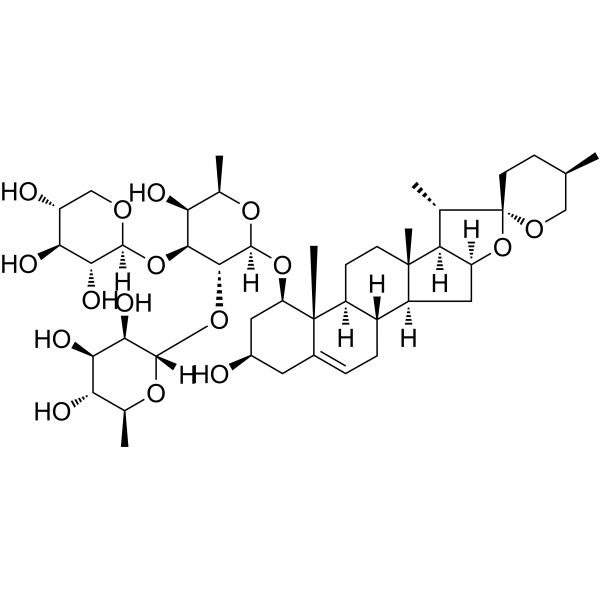
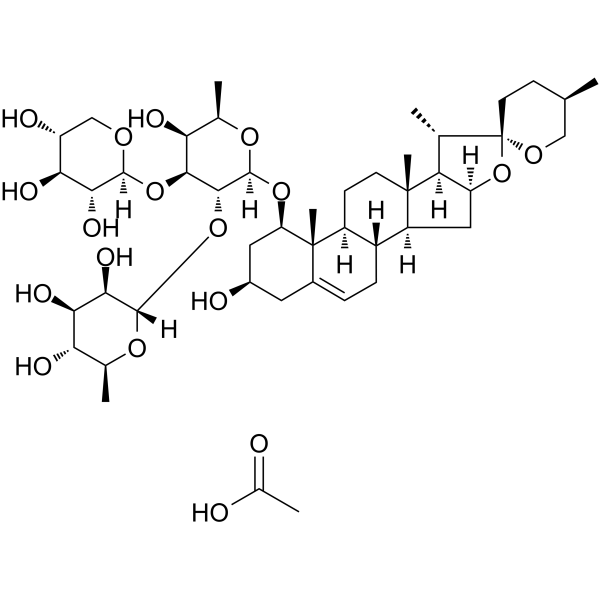
Ophiopogonin D can be isolated from the tubers of Ophiopogon japonicus, is a rare naturally occurring C29 steroidal glycoside. Ophiopogonin D is a CYP2J3 inducer that significantly inhibits Ang II induced NF-κB nuclear translocation, IκBα down-regulation, intracellular Ca 2+ overload and activation of pro-inflammatory cytokines by increasing the expression of CYP2J2/EETs and PPARα in human umbilical vein endothelial cells (HUVECs). Ophiopogonin D can inhibit isteoclastic differentiation in RAW264.7 cells. Ophiopogonin D has protective effect as an antioxidant in H2O2-induced endothelial injury. Ophiopogonin D blocks ERK signaling cascades. Ophiopogonin D alleviates high-fat diet-induced metabolic syndrome and changes the structure of gut microbiota in mice. Ophiopogonin D has been used against inflammatory, metabolic and cardiovascular diseases .
loading...
    loading...
2
2 Cited Publications
Cat. No.: HY-N0924
CAS No.: 4312-32-7
Synonyms: Tetrahydrocoptisine
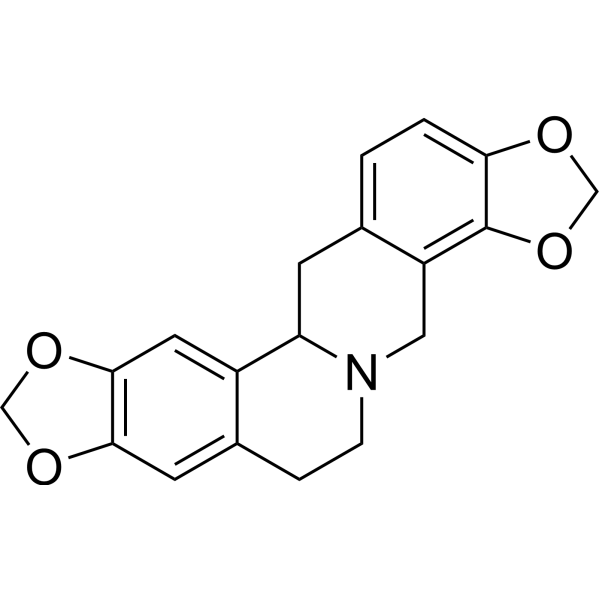
(±)-Stylopine (Tetrahydrocoptisine) is an alkaloid compound. (±)-Stylopine can be isolated from the tubers of the plant Corydalis. (±)-Stylopine inhibits TNF-α, IL-6, and NO production, and attenuates phosphorylation of p38 MAPK, ERK1/2. (±)-Stylopine inhibits NF-κB expression. (±)-Stylopine exhibits anti-inflammatory activity. (±)-Stylopine has protective effects against foot edema, gastric ulcers, anxiety, depression, and acute lung injury .
loading...
    loading...
2
2 Cited Publications
Cat. No.: HY-N0924A
CAS No.: 96087-21-7
Synonyms: Tetrahydrocoptisine hydrochloride
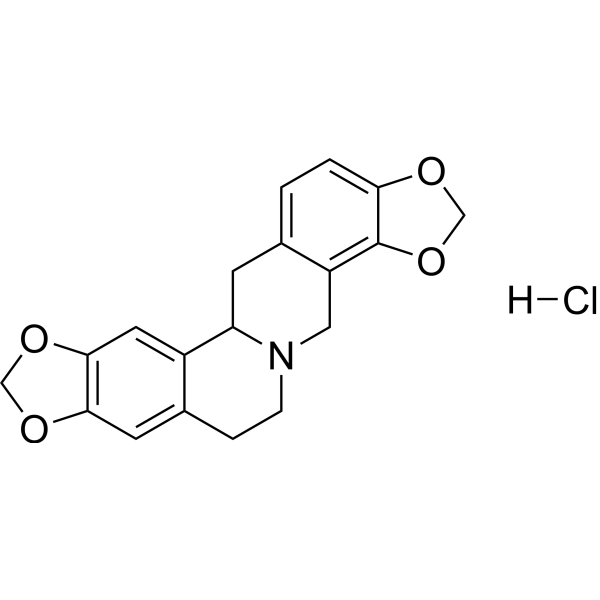
(±)-Stylopine (Tetrahydrocoptisine) hydrochloride is an alkaloid compound originally isolated from Corydalis tubers that exhibits anti-inflammatory and anti-parasitic activities .
loading...
    loading...
1
1 Cited Publications
Cat. No.: HY-N6061
CAS No.: 65586-25-6
Ophiopogonin C, isolated from the tubers of Ophiopogon japonicus, is a rare naturally occurring C29 steroidal glycoside. Ophiopogonin C shows cytotoxic activity against two human tumor cell lines MG-63 and SNU387 with IC50s of 19.76 μM and 15.51 μM, respectively .
loading...
    loading...
Cat. No.: HY-113449
CAS No.: 727-81-1
Purity:  ≥99.0%
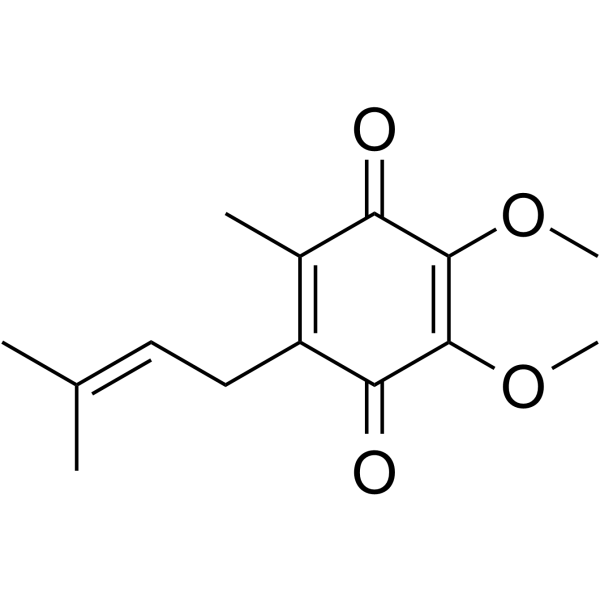
Ubiquinone-1 is an intermediate in the synthesis of Coenzyme Q. Ubiquinone-1 can be reduced by NADPH oxidase, hepatoma cells, Ascorbic acid (HY-B0166) .
loading...
    loading...
Cat. No.: HY-N6570
CAS No.: 30489-27-1
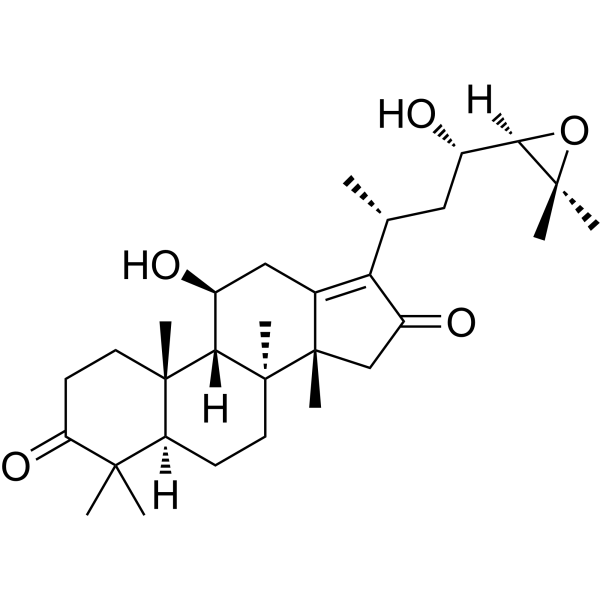
Alisol C is a triterpenoid that can be found in the tuber of Alisma orientale (Sam.) Juzep .
loading...
    loading...
Cat. No.: HY-N11630
CAS No.: 97134-11-7
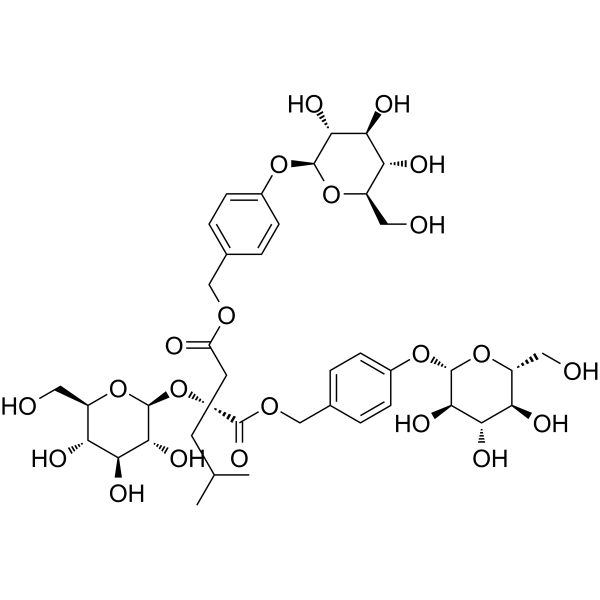
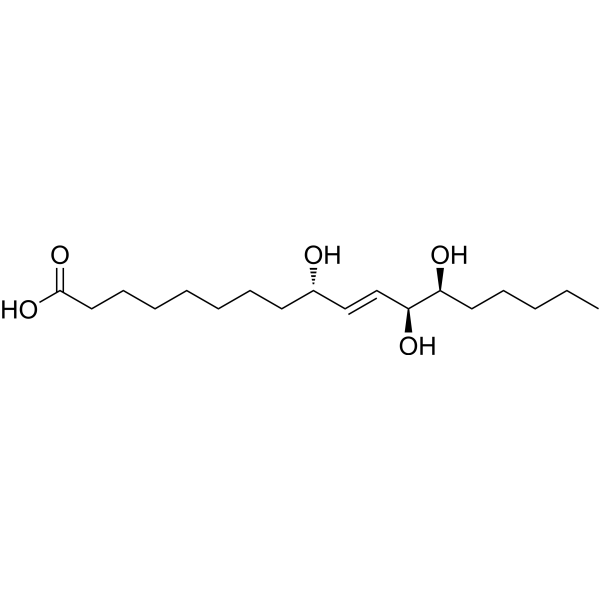
Pinellic acid is an orally active adjuvant for intranasal influenza vaccines. Pinellic acid can be extracted from the tubers of Pinellia ternata Breitenbach. When administered intranasally in combination with influenza HA vaccine, Pinellic acid slightly increases the titers of antiviral IgG antibodies in bronchoalveolar lavage fluid and serum. Pinellic acid shows no hemolytic activity. Pinellic acid can be used in studies related to influenza virus infection .
loading...
    loading...
Cat. No.: HY-N0654
CAS No.: 27313-86-6
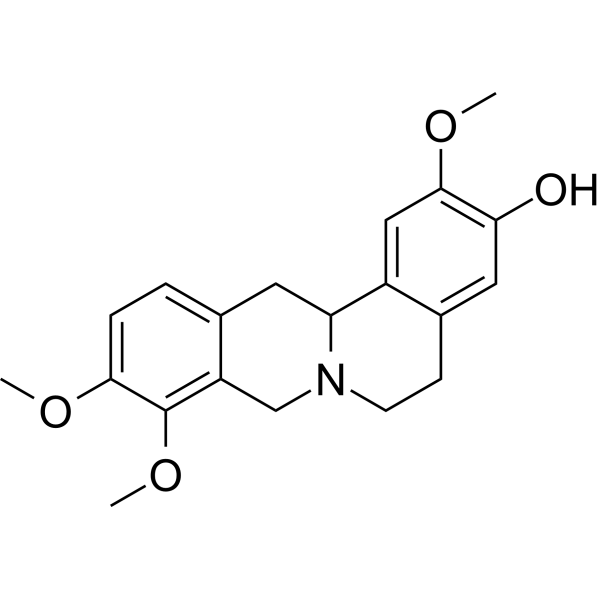
Corypalmine is an alkaloid identified in the dried tubers of Corydalis Decumbens Pers, with an oral bioavailability of 4.6% in mice. Corypalmine exhibits poor gastrointestinal absorption properties, which correlate with its high hydrophilicity and low permeability .
loading...
    loading...
Cat. No.: HY-W115789
CAS No.: 1344-09-8
Sodium silicate is a water-soluble silicate. Sodium silicate is widely used as a binder, particularly in the production of detergents, soaps, and cleaners. Sodium silicate promotes the deposition of suberin polyphenols and lignin at wound sites of potato tubers, accelerates callus structure formation, enhances ROS production, and induces the synthesis of total phenols and flavonoids. Sodium silicate reduces the weight loss rate and disease index of wounded potato tubers during storage .
loading...
    loading...
Cat. No.: HY-N4271
CAS No.: 54848-30-5
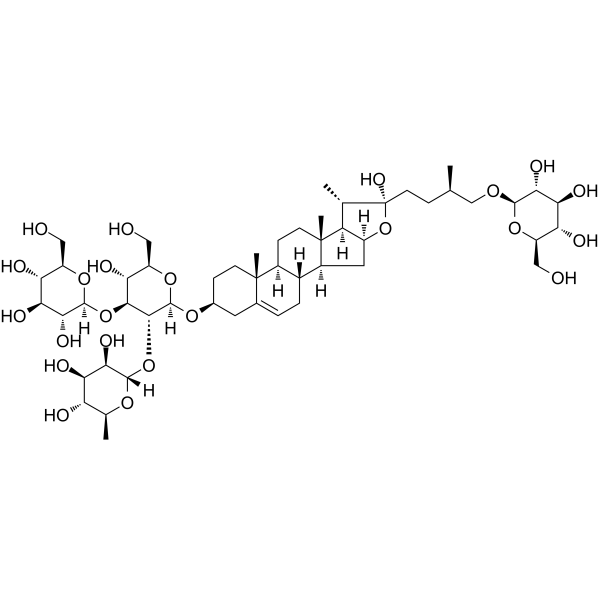
Protogracillin is a steroidal furostanol saponin. Protogracillin can be isolated from the rhizomes and tubers of Dioscorea zingiberensis C.H. Wright. Protogracillin is hydrolyzable to Prosapogenin A (HY-N6940). Protogracillin exhibits antithrombotic activity. Protogracillin can be used in research related to cardiovascular diseases .
loading...
    loading...
Cat. No.: HY-N1033
CAS No.: 140631-27-2
Research Areas:  

Infection

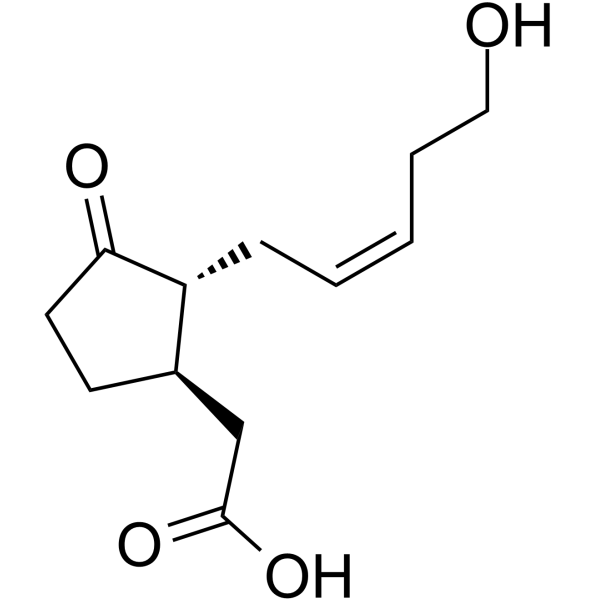
12-Hydroxyjasmonic acid is a metabolite of Jasmonic acid (HY-122464A) and an inducer of defense responses. 12-Hydroxyjasmonic acid can be isolated from potato leaflets. During the response of sugar beet plants to Cercospora beticola infection, 12-Hydroxyjasmonic acid is released through deglycosylation of its glucoside form and participates in the Jasmonic acid-mediated defense signaling pathway. 12-Hydroxyjasmonic acid mediates changes in source-sink relationships during pathogen infection, prioritizing the activation of defense processes over growth processes. 12-Hydroxyjasmonic acid serves as a substrate for salicylic acid Glycosyltransferases in tobacco and rice. 12-Hydroxyjasmonic acid can induce leaflet closure in Samanea saman. 12-Hydroxyjasmonic acid acts as a potato tuber-inducing substance. 12-Hydroxyjasmonic acid does not induce protoplast shrinkage in extensor motor cells of Samanea saman. 12-Hydroxyjasmonic acid can be used in studies related to brown spot disease .
loading...
    loading...
Cat. No.: HY-N9142
CAS No.: 130155-33-8
Synonyms: Ergosterol 3-O-β-D-glucopyranoside
Category:  

Microorganisms Steroids

Target:  

Others

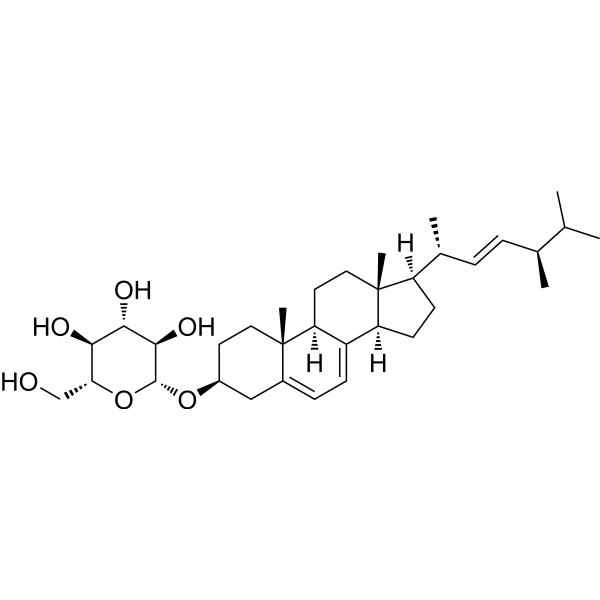
Ergosterol glucoside is a steroid that can be isolated from Tuber spp. truffles .
loading...
    loading...
Cat. No.: HY-121935
CAS No.: 117-18-0
Purity:  99.96%
Research Areas:  

Infection

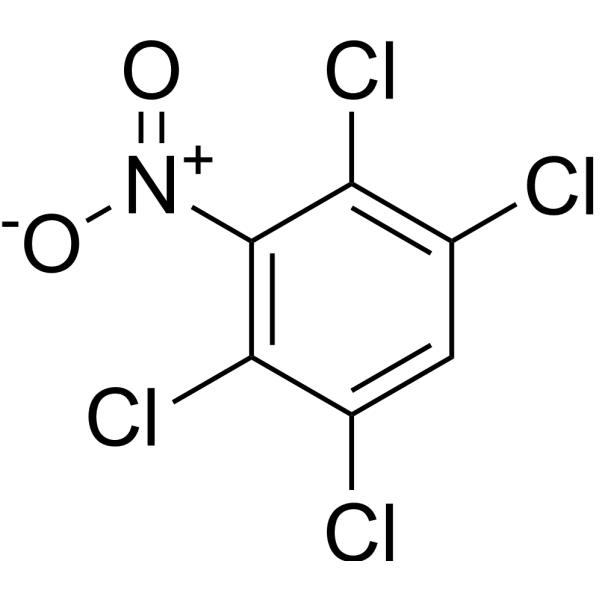
Tecnazene is a dinitroaromatic fungicide and plant growth regulator. Tecnazene binds irreversibly to human skin tissues and exhibits acute toxicity in Rattus norvegicus (brown rat). Tecnazene exerts sprouting-inhibiting and antifungal activities by inhibiting the sprouting of potato tuber buds and blocking the growth and reproduction of fungi that cause dry rot. Tecnazene has significant antifungal and sprouting-inhibiting activities, and shows high toxicity to aquatic organisms such as freshwater fish and crustaceans. Tecnazene is used for sprouting inhibition and dry rot control during potato storage .
loading...
    loading...
Cat. No.: HY-N6822
CAS No.: 31795-12-7
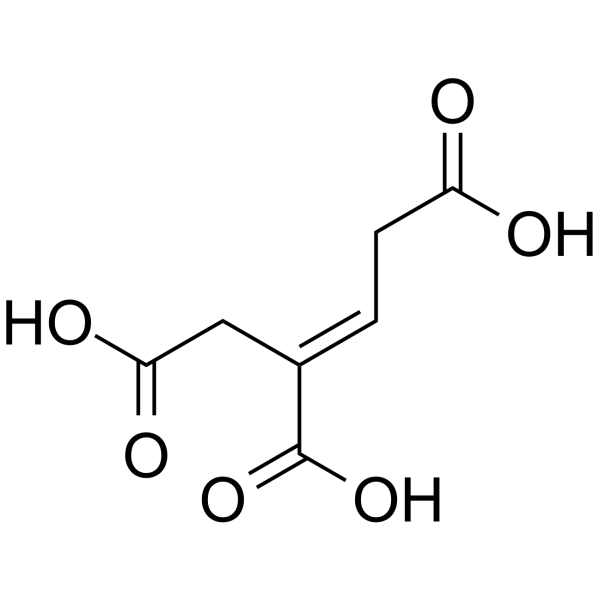
Triglochinic acid is a monomeric compound isolated from tubers of Pinellia pedatisecta Schott .
loading...
    loading...
Cat. No.: HY-N11985
CAS No.: 477336-77-9
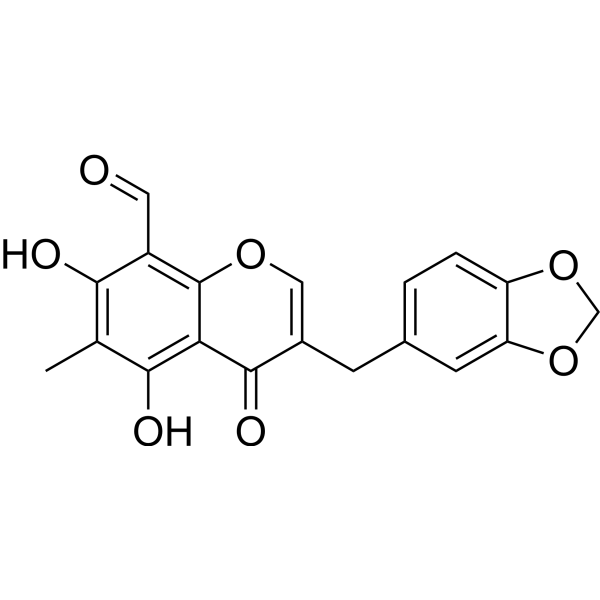
Ophiopogonone C (compound 3) is an isoflavone compound isolated from the ethanol extract of Ophiopogon japonicus tubers .
loading...
    loading...
Cat. No.: HY-N6894A
CAS No.: 30044-78-1
Synonyms: Isocoptisine chloride
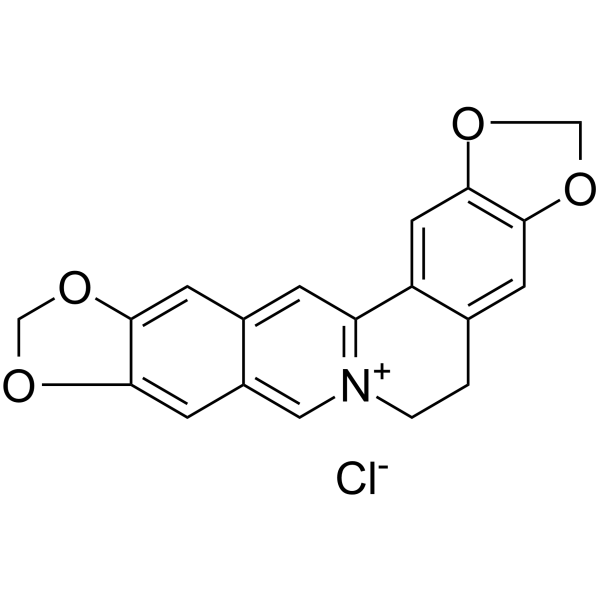
Pseudocoptisine (Isocoptisine) chloride is a quaternary alkaloid with benzylisoquinoline skeleton, was isolated from Corydalis Tuber. Pseudocoptisine chloride inhibits acetylcholinesterase (AChE) activity with an IC50 of 12.8 μM. Anti-inflammatory and anti-amnestic effects .
loading...
    loading...
Cat. No.: HY-E70425
CAS No.: 9030-05-1
Target:  

Glycosyltransferase

Research Areas:  

Metabolic Disease

Sucrose synthase belongs to glycosyltransferases and is a reversible catalyst present in plants, which catalyzes the conversion of sucrose into fructose and UDP-G or ADP-G. Sucrose synthase localizes to the cytoplasm, plasma membrane, cell wall, vacuole and mitochondria of plants. Sucrose synthase regulates sugar metabolism, supports the development of taproots, fruits, seeds and vascular tissues, drives the synthesis of starch, cellulose and callose, and enhances nitrogen fixation capacity. Sucrose synthase mediates signal transduction in plant meristems. Sucrose synthase is associated with plant growth, anaerobic stress tolerance, as well as shoot apical meristem and leaf morphology; overexpression of this enzyme promotes plant growth, increases xylem size, and elevates cellulose and starch contents .
loading...
    loading...
Cat. No.: HY-N0515R
CAS No.: 945619-74-9
Ophiopogonin D (Standard) is the analytical standard of Ophiopogonin D. This product is intended for research and analytical applications. Ophiopogonin D can be isolated from the tubers of Ophiopogon japonicus, is a rare naturally occurring C29 steroidal glycoside. Ophiopogonin D is a CYP2J3 inducer that significantly inhibits Ang II induced NF-κB nuclear translocation, IκBα down-regulation, intracellular Ca2+ overload and activation of pro-inflammatory cytokines by increasing the expression of CYP2J2/EETs and PPARα in human umbilical vein endothelial cells (HUVECs). Ophiopogonin D can inhibit isteoclastic differentiation in RAW264.7 cells. Ophiopogonin D has protective effect as an antioxidant in H2O2-induced endothelial injury. Ophiopogonin D blocks ERK signaling cascades. Ophiopogonin D alleviates high-fat diet-induced metabolic syndrome and changes the structure of gut microbiota in mice. Ophiopogonin D has been used against inflammatory, metabolic and cardiovascular diseases .
loading...
    loading...
Cat. No.: HY-N11086
CAS No.: 859341-34-7
Tris(dihydrocaffeoyl)spermidine is an active compound. Tris(dihydrocaffeoyl)spermidine can be isolated from potato (Solanum tuberosum) tubers. Tris(dihydrocaffeoyl)spermidine can be used for the research of metabolism .
loading...
    loading...
Cat. No.: HY-W142437
CAS No.: 571-58-4
1,4-Dimethylnaphthalen is a non-competitive potato tuber sprouting inhibitor. 1,4-Dimethylnaphthalen blocks cell cycle progression (G1/S arrest) by inducing PP2A phosphatase and oxygen metabolism-related genes. 1,4-Dimethylnaphthalen is promising for research of fungistatic activity during potato storage and sprout control under abiotic stress .
loading...
    loading...

