
1. Search Result
Search Result
Results for "

tyrosinase and melanogenesis

" in MedChemExpress (MCE) Product Catalog:

30

Inhibitors & Agonists

1

Fluorescent Dyes

2

Peptides

18

Natural
Products

Targets Recommended:
Cat. No. Product Name Target Research Areas Chemical Structure
  • HY-I0400
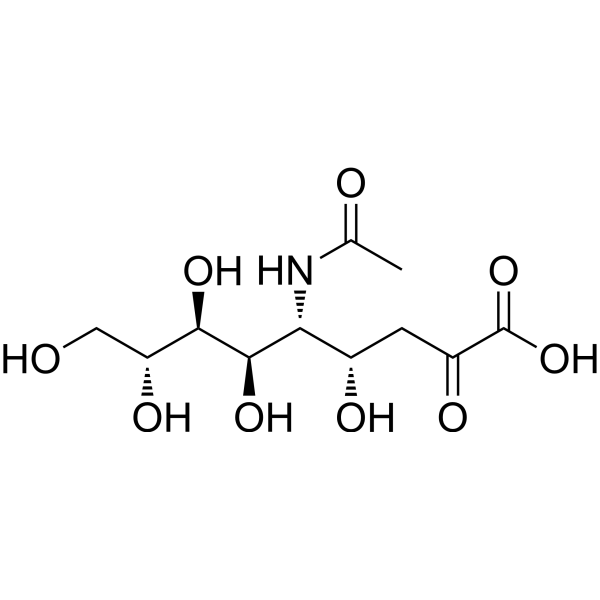
    N-Acetylneuraminic acid
    5 Publications Verification

    NANA; Lactaminic acid

    Tyrosinase Ras Influenza Virus Endogenous Metabolite Cardiovascular Disease Inflammation/Immunology Cancer
    N-Acetylneuraminic acid (NANA; Lactaminic acid), a nonphenolic structure, is the predominant form of sialic from Collocalia esculenta. N-Acetylneuraminic acid plays a biological role in myocardial injury, melanoma and viral or bacterial infection. N-Acetylneuraminic acid inhibits melanogenesis by reducing tyrosinase activity and triggers myocardial injury in vitro and in vivo by activation of the Rho/Rho-associated signaling pathway through binding to RhoA and Cdc42. N-Acetylneuraminic acid may prevent high fat diet (HFD)-induced inflammation and oxidative stress, thereby prevents hyperlipidemia-associated inflammation and oxidative stress. N-Acetylneuraminic acid is promising for research in the field of melanoma, coronary artery, obesity-related diseases and hyperlipidemia .
    N-Acetylneuraminic acid
  • HY-D0168

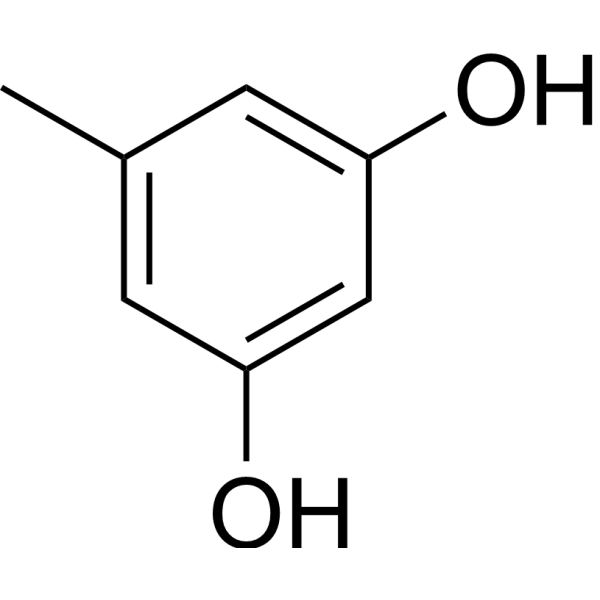
    3,5-Dihydroxytoluene

    Fluorescent Dye Tyrosinase p38 MAPK ERK Metabolic Disease Cancer
    Orcinol (3,5-Dihydroxytoluene) is an organic compound used in biological dyeing and proteomics research. Orcinol inhibits melanogenesis in B16F10 cells by upregulating the MAPK/ERK signaling pathway, and suppresses the expression of MITF, tyrosinase (TYR), TRP1, and DCT. Orcinol exhibits certain DPPH radical scavenging activity. In addition, Orcinol can alter nitrogen balance in animals. Orcinol holds promise for research in cancer and metabolic diseases .
    Orcinol
  • HY-N1775

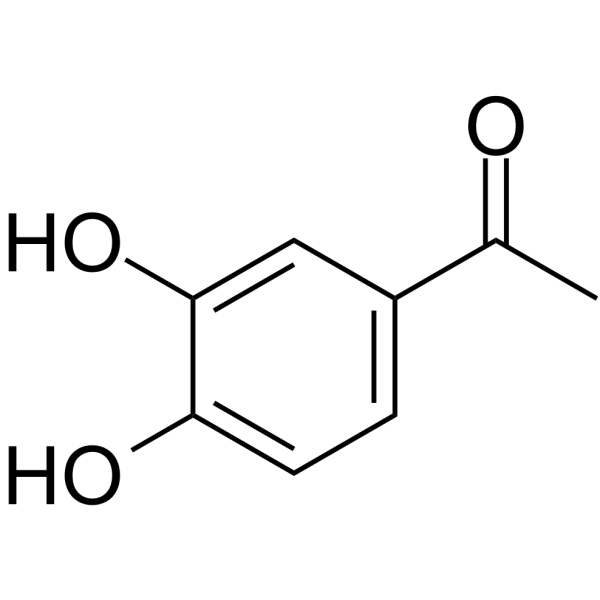
    3,4-DHAP

    Tyrosinase Reactive Oxygen Species (ROS) Keap1-Nrf2 PARP Autophagy Apoptosis Cardiovascular Disease Neurological Disease Metabolic Disease Inflammation/Immunology Cancer
    3',4'-Dihydroxyacetophenone (3,4-DHAP) is a phenolic compound with oral bioavailability, possessing potent antioxidant, anti-inflammatory, anticancer and cardiovascular protective activities. 3',4'-Dihydroxyacetophenone inhibits mushroom Tyrosinase activity with an IC50 of 10 μM, thereby suppressing melanogenesis . 3',4'-Dihydroxyacetophenone inhibits platelet aggregation in platelet-rich plasma. 3',4'-Dihydroxyacetophenone reduces ROS levels in human umbilical vein endothelial cells treated with high glucose, upregulates the expression of Nrf2, HO-1 and PARP-1 in cells, and promotes the nuclear translocation of Nrf2 . 3',4'-Dihydroxyacetophenone induces autophagy and apoptosis. 3',4'-Dihydroxyacetophenone inhibits seed germination/growth in most plants. 3',4'-Dihydroxyacetophenone can be used in the research of cancer, neurodegenerative diseases, non-alcoholic steatohepatitis, diabetes, obesity, skin pigmentation disorders, and cardiovascular and cerebrovascular diseases .
    3',4'-Dihydroxyacetophenone
  • HY-134046

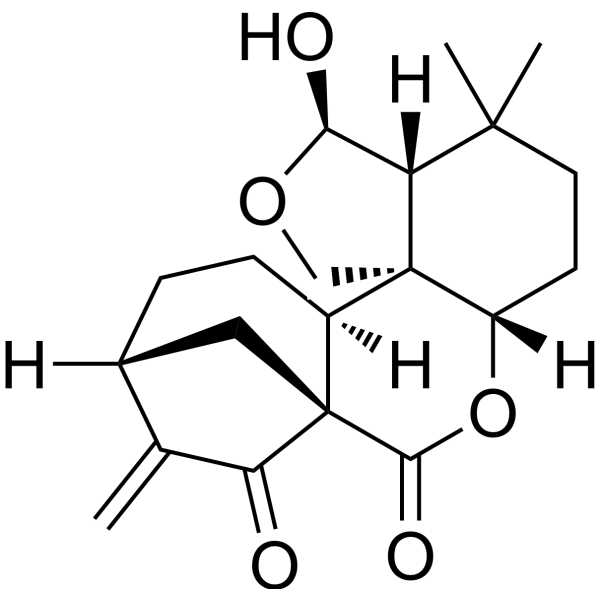
    Isodocarpin

    Melanocortin Receptor Metabolic Disease
    (-)-Isodocarpin (Isodocarpin), a diterpenoid, is a potent melanogenesis inhibitor with an IC50 of 0.19 μM in B16 4A5 cells. (-)-Isodocarpin inhibits the expression of tyrosinase, tyrosine-related protein (TRP)-1, and TRP-2 mRNA .
    (-)-Isodocarpin
  • HY-N6829

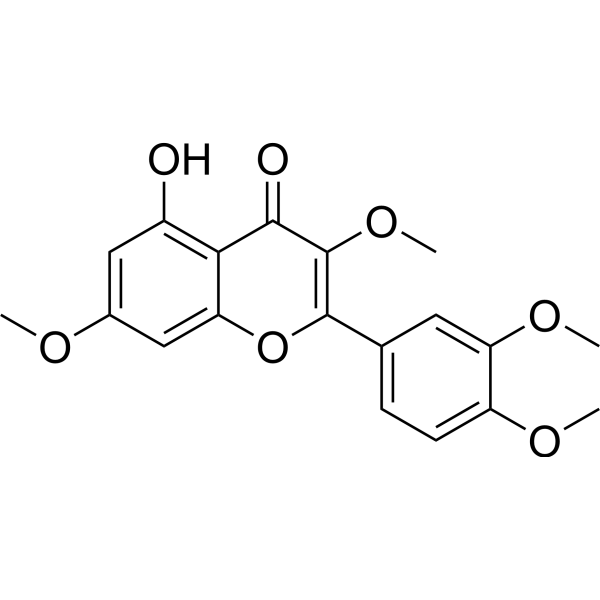
    Quercetin-​3,​3',​4',​7-​tetramethylether

    Tyrosinase Fungal SARS-CoV Apoptosis Reactive Oxygen Species (ROS) Infection Neurological Disease Metabolic Disease Inflammation/Immunology
    Retusin (Quercetin-3,3',4',7-tetramethylether) is a tyrosinase inhibitor, with IC50 values of 50.9 μM and 51.8 μM against mushroom and intracellular tyrosinase, respectively. Retusin also acts as a free radical scavenger, melanogenesis inhibitor, anti-apoptosis agent, neuroprotective agent, antiemetic, antifungal agent, and antiviral agent. Retusin scavenges ABTS• + and DPPH• free radicals. Retusin can be used in studies related to hyperpigmentation, vomiting, Aspergillus niger infection, and COVID-19 infection .
    Retusin
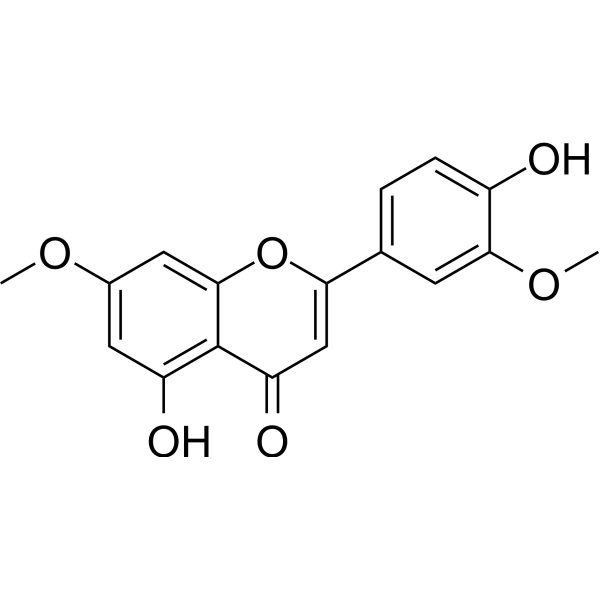
  • HY-N1098

    Tyrosinase p38 MAPK NF-κB Bacterial Infection Metabolic Disease Inflammation/Immunology
    Velutin is a flavonoid. Velutin can be extracted from mistletoe. Velutin inhibits mushroom Tyrosinase activity with an IC50 of 910.1 μM. Velutin inhibits p38 phosphorylation, the NF-κB pathway and the MAPK pathway. Velutin prevents articular cartilage degeneration and subchondral bone loss. Velutin slows down the progression of intervertebral disc degeneration. Velutin exhibits inhibitory effects on melanogenesis, skin whitening, anti-inflammatory, anti-allergic, anti-oxidant and antibacterial activities. Velutin can be used in studies related to pigmented diseases, osteoarthritis and intervertebral disc degeneration .
    Velutin
  • HY-N10423

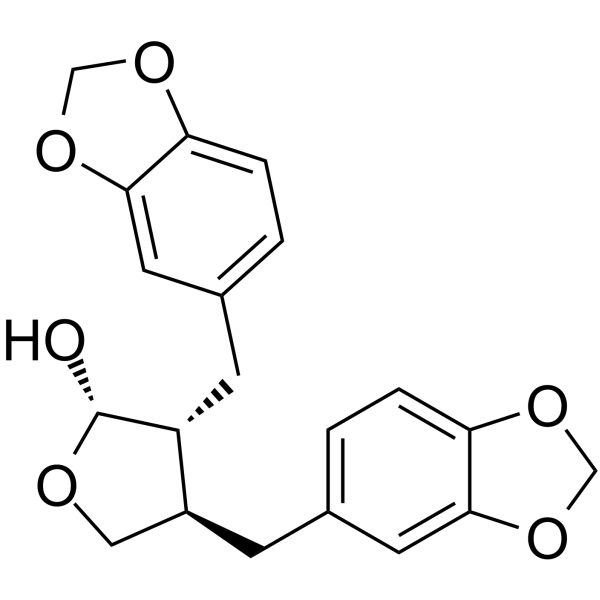
    (-)-Cubebin

    Cholinesterase (ChE) Bacterial Fungal Parasite p38 MAPK Infection Neurological Disease Metabolic Disease Inflammation/Immunology Cancer
    Cubebin ((-)-Cubebin), a dibenzyl butyrolactone lignan, is an orally active AChE inhibitor. Cubebin binds to active sites of NF-κB, TNF-α, and TGF-β1 via hydrogen and hydrophobic interactions, obstructing critical residues to inhibit pro-inflammatory or renal fibrosis-related activity. Cubebin enhances p38 MAPK phosphorylation to increase tyrosinase gene expression, stimulating melanogenesis via elevated tyrosinase activity, expression, and mRNA levels. Cubebin reduces oxidative stress via enhanced endogenous antioxidant enzyme activity and inhibited lipid peroxidation, regulates lipid metabolism, improves glycemic control, and exerts renoprotective effects via reduced renal dysfunction markers and improved renal architecture. Cubebin shows antimicrobial activity. Cubebin exerts larvicidal activity against Angiostrongylus cantonensis larvae, with no cytotoxicity toward monkey or human cell lines or Caenorhabditis elegans. Cubebin can be used for the research of diabetic nephropathy, melanoma, colon adenocarcinoma, neuroangiostrongyliasis, Alzheimer’s disease (AD) and depression .
    Cubebin
  • HY-N3425

    AMPK Others
    Kazinol U inhibits melanogenesis through the inhibition of tyrosinase-related proteins via AMPK activation .
    Kazinol U
  • HY-P0096

    Tyrosinase Sirtuin Inflammation/Immunology Endocrinology
    Decapeptide-12, a small oligopeptide, is a tyrosinase inhibitor that interacts with C-terminal residue of tyrosinase (Kd: 61.1 μM). Decapeptide-12 is a competitive inhibitor of mushroom tyrosinase (IC50: 40 μM). Decapeptide-12 also increases transcription of SIRT. Decapeptide-12 reduces melanin content in melanocytes. Decapeptide-12 is used for the research of melanogenesis, senescence, inflammation .
    Decapeptide-12
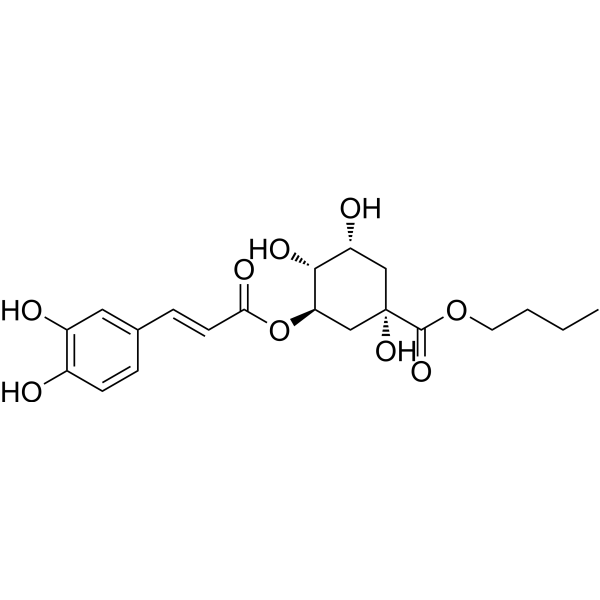
  • HY-N10016

    Tyrosinase Cancer
    Chlorogenic acid butyl ester, a caffeoylquinic acid, is a potent melanogenesis inhibitor. Chlorogenic acid butyl ester inhibits the expression of microphtalmia-associated transcription factor (MITF), tyrosinase, tyrosinerelated protein 1 (TRP-1), and TRP-2. Chlorogenic acid butyl ester also shows antioxidant activity .
    Chlorogenic acid butyl ester
  • HY-I0400R

    NANA (Standard); Lactaminic acid (Standard)

    Reference Standards Tyrosinase Ras Influenza Virus Endogenous Metabolite Cardiovascular Disease Inflammation/Immunology Cancer
    N-Acetylneuraminic acid (Standard) is the analytical standard of N-Acetylneuraminic acid. This product is intended for research and analytical applications. N-Acetylneuraminic acid (NANA; Lactaminic acid), a nonphenolic structure, is the predominant form of sialic from Collocalia esculenta. N-Acetylneuraminic acid plays a biological role in myocardial injury, melanoma and viral or bacterial infection. N-Acetylneuraminic acid inhibits melanogenesis by reducing tyrosinase activity and triggers myocardial injury in vitro and in vivo by activation of the Rho/Rho-associated signaling pathway through binding to RhoA and Cdc42. N-Acetylneuraminic acid may prevent high fat diet (HFD)-induced inflammation and oxidative stress, thereby prevents hyperlipidemia-associated inflammation and oxidative stress. N-Acetylneuraminic acid is promising for research in the field of melanoma, coronary artery, obesity-related diseases and hyperlipidemia .
    N-Acetylneuraminic acid (Standard)
  • HY-143459

    Tyrosinase Cancer
    Tyrosinase-IN-5 (compound 16c) is a potent inhibitor of tyrosinase with an IC50 of 0.02 μM. Tyrosinase-IN-5 efficiently suppresses the melanogenesis without significant toxicity on cells .
    Tyrosinase-IN-5
  • HY-N5118

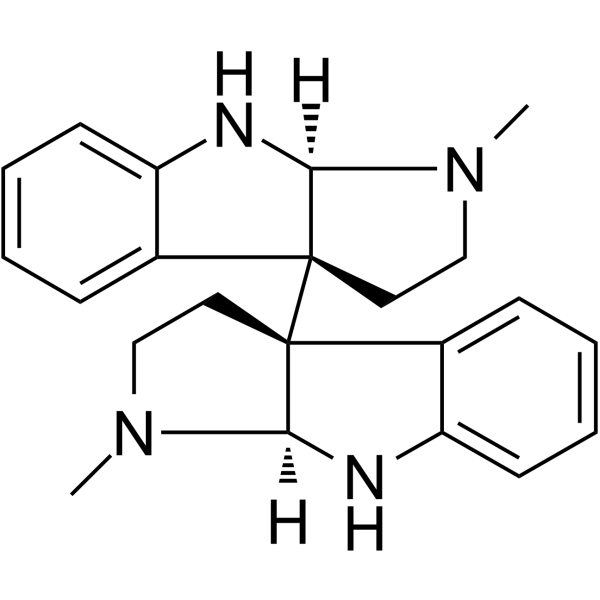
    (-)-Chimonanthine

    Tyrosinase Cancer
    Chimonanthine is an alkaloid of Chimonanthus praecox, inhibits tyrosinase and tyrosine-related protein-1 mRNA expression, amd inhibits melanogenesis .
    Chimonanthine
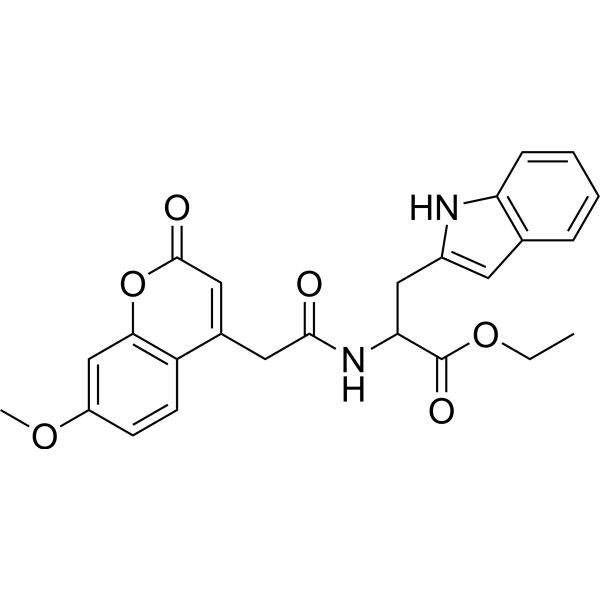
  • HY-161846

    Tyrosinase Neurological Disease
    Tyrosinase-IN-31 (compound 2-06) is a central-targeting tyrosinase inhibitor (tyrosinase: monophenolase IC50=70.44 μM, diphenolase IC50=1.89 μM). Tyrosinase-IN-31 can inhibit the tyrosinase and melanogenesis. Tyrosinase-IN-31 can penetrate the BBB and enter the central nervous system (CNS). Tyrosinase-IN-31 shows neuroprotective effects and Parkinsonism behavior improving function .
    Tyrosinase-IN-31
  • HY-117761

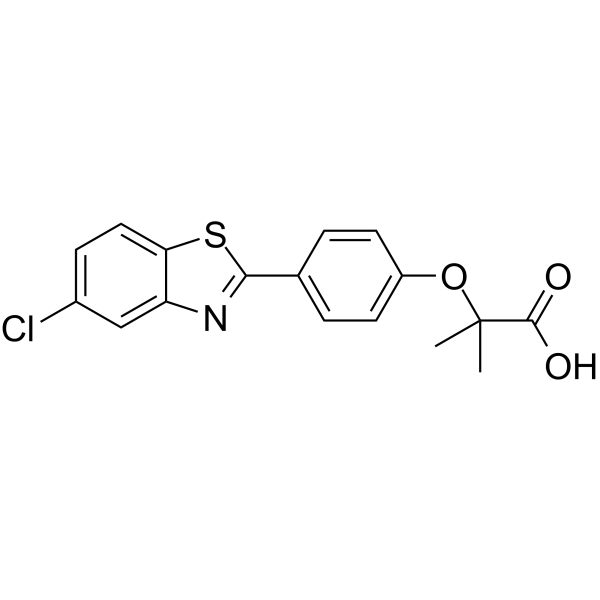
    PPAR Metabolic Disease Cancer
    MHY908 is a potent dual agonist of PPARα and PPARγ . MHY908 also inhibits melanogenesis through inhibition of mushroom tyrosinase activity .
    MHY908
  • HY-W012092

    Tyrosinase Reactive Oxygen Species (ROS) Metabolic Disease Inflammation/Immunology
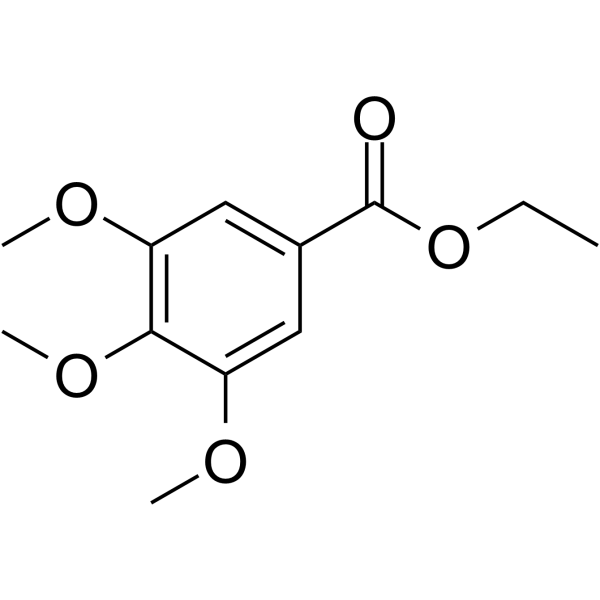
    Ethyl 3,4,5-trimethoxybenzoate is a melanogenesis inhibitor. Ethyl 3,4,5-trimethoxybenzoate does not directly target tyrosinase activity, but inhibits melanin synthesis in a dose-dependent manner by downregulating α-MSH (HY-P0252)-induced tyrosinase protein expression and scavenging ROS. Ethyl 3,4,5-trimethoxybenzoate scavenges DPPH free radicals. Ethyl 3,4,5-trimethoxybenzoate can be used in the research of hyperpigmentation .
    Ethyl 3,4,5-trimethoxybenzoate
  • HY-N15572

    SOD Inflammation/Immunology
    1,2,4,6-Tetra-O-galloyl-β-D-glucose is an antioxidant found in Eucalyptus globulus. 1,2,4,6-Tetra-O-galloyl-β-D-glucose has significant superoxide dismutase (SOD)-like antioxidant activity (EC50: 1.55 μM). 1,2,4,6-Tetra-O-galloyl-β-D-glucose can inhibit tyrosinase (IC50: 0.59 mM) and hyaluronidase (IC50: 0.68 mM). 1,2,4,6-Tetra-O-galloyl-β-D-glucose can be used in food antioxidants, cosmetics anti-melanogenesis and anti-allergy/anti-inflammatory research .
    1,2,4,6-Tetra-O-galloyl-β-D-glucose
  • HY-158021

    Tyrosinase Cancer
    Tyrosinase-IN-26 (compound 13) is a uncompetitive tyrosinase inhibitor with the an IC50 value of 68.86 µM. Tyrosinase-IN-26 can suppresses melanogenesis .
    Tyrosinase-IN-26
  • HY-161969

    Tyrosinase Cancer
    Tyrosinase-IN-34 (compound 5a) is a human tyrosinase inhibitor (IC50: 3.5 μM) with the potential to control melanogenesis and pigmentation .
    Tyrosinase-IN-34
  • HY-157123

    Tyrosinase Metabolic Disease
    Tyrosinase-IN-18 (compound 6) is a potent tyrosinase inhibitor. Tyrosinase-IN-18 inhibits melanogenesis in B16F10 mammalian cells. Tyrosinase-IN-18 has strong antioxidant activities against ROS, ABTS +, and DPPH radicals .
    Tyrosinase-IN-18
  • HY-149698

    Tyrosinase Cancer
    Tyrosinase-IN-17 (Compound 5b) is a lipophilic, skin-permeable, and non-cytotoxic Tyrosinase inhibitor (pIC50=4.99). Tyrosinase-IN-17 can be used for research on melanin-related diseases, such as melanoma, melanogenesis, etc .
    Tyrosinase-IN-17
  • HY-157010

    Tyrosinase PKA Others
    AP736 is a potent tyrosinase inhibitor (IC50 = 0.9 μM) with anti-melanogenesis activity in normal human melanocytes (IC50 = 0.11 μM). AP736 suppresses the expression of tyrosinase and TRP-1/2 by inhibiting the cAMP-PKA-CREB signalling axis, leading to reduced microphthalmia-associated transcription factor (MITF) transcripts and proteins. AP736 can be used for melanogenesis and hyperpigmentation research .
    AP736
  • HY-P4497

    ERK Cancer
    Prolylserine, a dipeptide, is an inhibitor of melanogenesis production in Mel-Ab cells. Prolylserine decreases expression of microphthalmia-associated transcription factor (MITF) and tyrosinase, induces phorphosylation of ERK, but not cAMP response element binding protein (CREB) .
    Prolylserine
  • HY-N0113A

    Ordenina sulfate; Peyocactine sulfate

    Antibiotic Others
    Hordenine sulfate (Ordenina sulfate) is an active compound extracted from malted barley that has melanin-inhibiting activity. Hordenine sulfate significantly reduced melanin content and reduced intracellular cAMP levels. Hordenine sulfate inhibits the expression of proteins related to melanogenesis, including microblind transcription factor (MITF), tyrosinase, tyrosinase-related protein (TRP)-1, and TRP-2. Therefore, Hordenine sulfate can be used as an active ingredient to inhibit pigmentation .
    Hordenine sulfate
  • HY-126618

    Tyrosinase Cancer
    Aspochalasin I exhibits cytotoxicity against cancer cells NCIH460, MCF-7 and SF-268, with IC50s of 22.1, 33.4 and 19.9 μM. Aspochalasin I inhibits melanogenesis (IC50 of 22.4 μM) through inhibition of tyrosinase, and can thus be used as whitening agent .
    Aspochalasin I
  • HY-N6829R

    Quercetin-​3,​3',​4',​7-​tetramethylether (Standard)

    Reference Standards Tyrosinase Fungal SARS-CoV Apoptosis Reactive Oxygen Species (ROS) Infection Neurological Disease Metabolic Disease Inflammation/Immunology
    Retusin (Quercetin-3,3',4',7-tetramethylether) (Standard) is the analytical standard of Retusin. This product is intended for research and analytical applications. Retusin is a tyrosinase inhibitor, with IC50 values of 50.9 μM and 51.8 μM against mushroom and intracellular tyrosinase, respectively. Retusin also acts as a free radical scavenger, melanogenesis inhibitor, anti-apoptosis agent, neuroprotective agent, antiemetic, antifungal agent, and antiviral agent. Retusin scavenges ABTS• + and DPPH• free radicals. Retusin can be used in studies related to hyperpigmentation, vomiting, Aspergillus niger infection, and COVID-19 infection.
    Retusin (Standard)
  • HY-105284R

    CP-70429 (Standard)

    Beta-lactamase Reference Standards Bacterial Antibiotic Infection
    N-Acetylneuraminic acid (Standard) is the analytical standard of N-Acetylneuraminic acid. This product is intended for research and analytical applications. N-Acetylneuraminic acid (NANA; Lactaminic acid), a nonphenolic structure, is the predominant form of sialic from Collocalia esculenta. N-Acetylneuraminic acid plays a biological role in myocardial injury, melanoma and viral or bacterial infection. N-Acetylneuraminic acid inhibits melanogenesis by reducing tyrosinase activity and triggers myocardial injury in vitro and in vivo by activation of the Rho/Rho-associated signaling pathway through binding to RhoA and Cdc42. N-Acetylneuraminic acid may prevent high fat diet (HFD)-induced inflammation and oxidative stress, thereby prevents hyperlipidemia-associated inflammation and oxidative stress. N-Acetylneuraminic acid is promising for research in the field of melanoma, coronary artery, obesity-related diseases and hyperlipidemia .
    Sulopenem (Standard)
  • HY-N3810

    Tyrosinase Others
    ent-11α-Hydroxy-15-oxokaur-16-en-19-oic acid is an anti-melanin synthesis tyrosinase inhibitor, which can be isolated from Pteris fern. ent-11α-Hydroxy-15-oxokaur-16-en-19-oic acid regulates the melanogenesis transcription factor microphthalmia-associated transcription factor (MITF). The 11α-OH, 15-oxo and 16-en moieties of ent-11α-Hydroxy-15-oxokaur-16-en-19-oic acid are key fragments that inhibit melanin synthesis. The 19-COOH moiety has been implicated in the inhibition of cytotoxicity associated with 11α-OH KA and related compounds .
    ent-11α-Hydroxy-15-oxokaur-16-en-19-oic acid
  • HY-182989

    Tyrosinase Metabolic Disease Inflammation/Immunology
    Tyrosinase-IN-50 (Compound 14) is a Tyrosinase inhibitor (IC50 is 0.06 μM or 0.16 μM). Tyrosinase-IN-50 inhibits melanogenesis in multiple cell types. Tyrosinase-IN-50 can be used for the research of hyperpigmentation-related diseases and inflammatory diseases .
    Tyrosinase-IN-50
  • HY-W012092R

    Reference Standards Tyrosinase Reactive Oxygen Species (ROS) Metabolic Disease Inflammation/Immunology
    Ethyl 3,4,5-trimethoxybenzoate is a natural compound isolated from the roots of Rauvolfia yunnanensis Tsiang. Ethyl 3,4,5-trimethoxybenzoate is a melanogenesis inhibitor. Ethyl 3,4,5-trimethoxybenzoate does not directly target tyrosinase activity, but inhibits melanin synthesis in a dose-dependent manner by downregulating α-MSH (HY-P0252)-induced tyrosinase protein expression and scavenging ROS. Ethyl 3,4,5-trimethoxybenzoate scavenges DPPH free radicals. Ethyl 3,4,5-trimethoxybenzoate can be used in the research of hyperpigmentation.
    Ethyl 3,4,5-trimethoxybenzoate (Standard)

Inquiry Online

Your information is safe with us. * Required Fields.

Salutation


Country or Region *

Applicant Name *


Organization Name *

Department *


Email Address *


Product Name *

Cat. No.


Requested quantity *

Phone Number *


Remarks

Inquiry Online

Inquiry Information

Product Name:
Cat. No.:
Quantity:
MCE Japan Authorized Agent:

