Search Result
Results for "
uncompetitive
" in MedChemExpress (MCE) Product Catalog:
3
Isotope-Labeled Compounds
| Cat. No. |
Product Name |
Target |
Research Areas |
Chemical Structure |
-
- HY-N0736
-
-
-
- HY-B0421
-
-
-
- HY-N0110
-
-
-
- HY-15610
-
|
RG 7421; MEK inhibitor 1
|
MEK
Apoptosis
|
Cancer
|
|
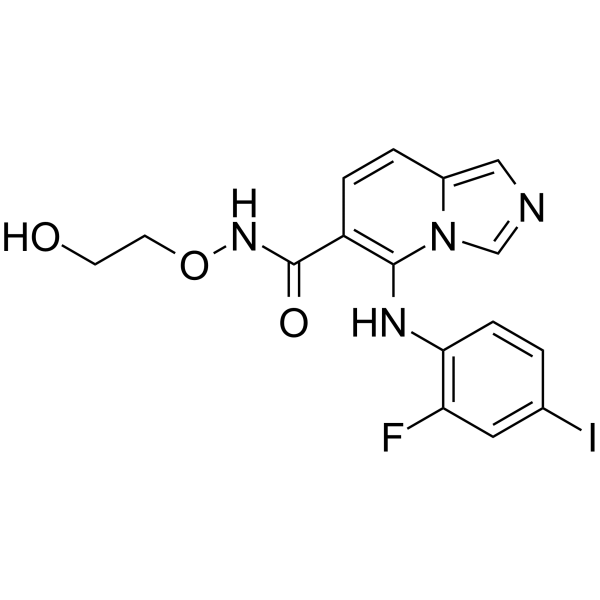
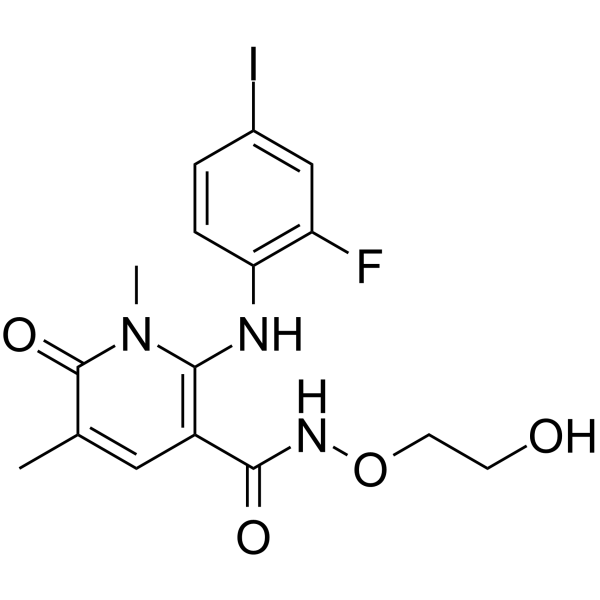
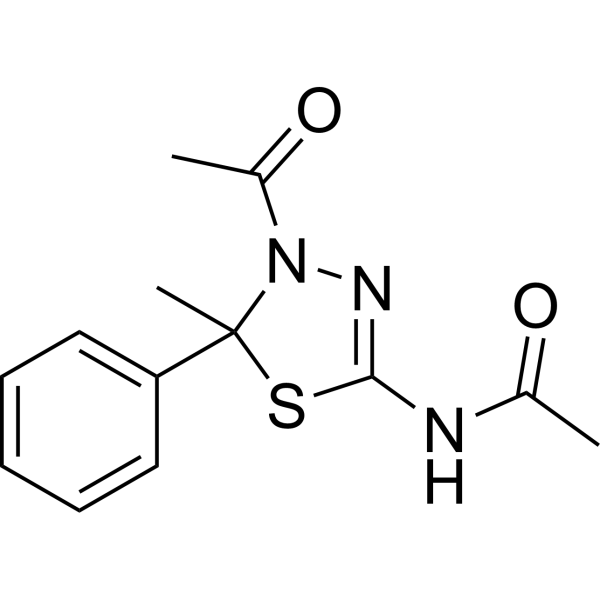
GDC-0623 (RG 7421) is a potent, ATP-uncompetitive inhibitor of MEK1 (Ki=0.13 nM, +ATP), and displays 6-fold weaker potency against HCT116 (KRAS (G13D), EC50=42 nM) versus A375 (BRAF V600E, EC50=7 nM).
|
-
-
- HY-128717A
-
|
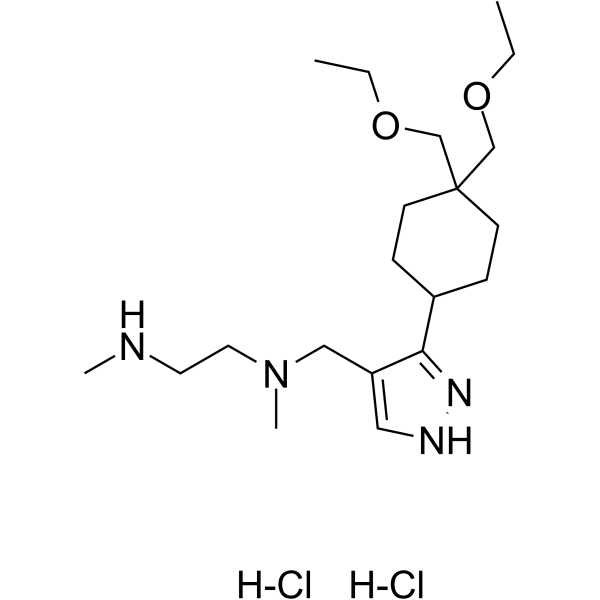
EPZ019997 dihydrochloride
|
Histone Methyltransferase
|
Cancer
|
|
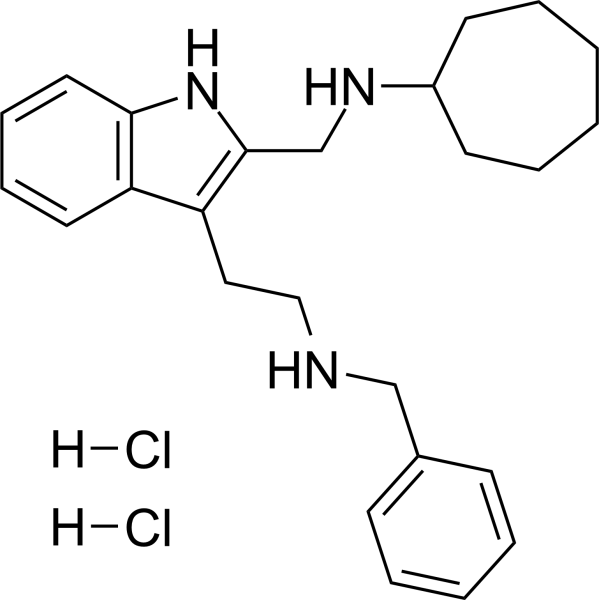
GSK3368715 dihydrochloride (EPZ019997 dihydrochloride) is an orally active, reversible, and S-adenosyl-L-methionine (SAM) uncompetitive type I protein arginine methyltransferases (PRMTs) inhibitor (IC50=3.1 nM (PRMT1), 48 nM (PRMT3), 1148 nM (PRMT4), 5.7 nM (PRMT6), 1.7 nM (PRMT8)). GSK3368715 dihydrochloride (EPZ019997 dihydrochloride) produces a shift in arginine methylation states, alters exon usage, and has strong anti-cancer activity .
|
-
-
- HY-12058
-
|
ARRY-424704; ARRY-704
|
MEK
|
Cancer
|
|
AZD8330 (ARRY-424704) is a potent, uncompetitive MEK1/MEK2 inhibitor, with an IC50 of 7 nM.
|
-
-
- HY-128717
-
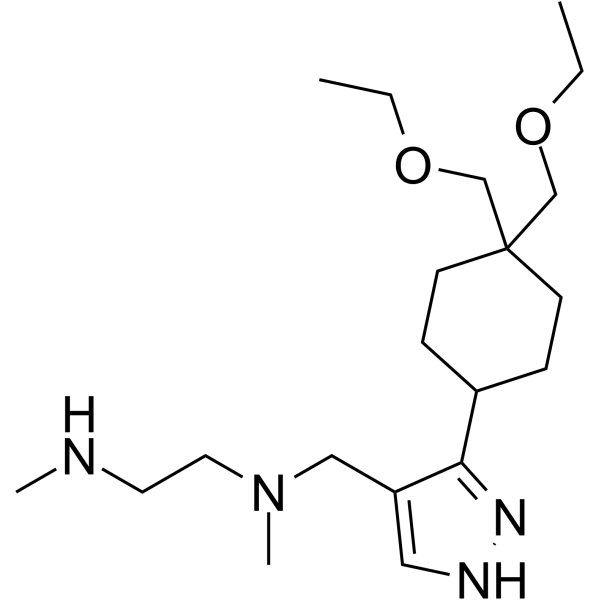
GSK3368715
Maximum Cited Publications
18 Publications Verification
EPZ019997
|
Histone Methyltransferase
|
Cancer
|
|
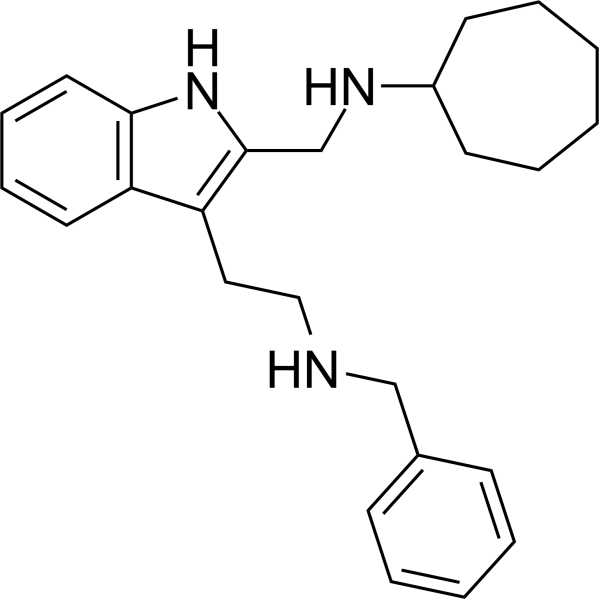
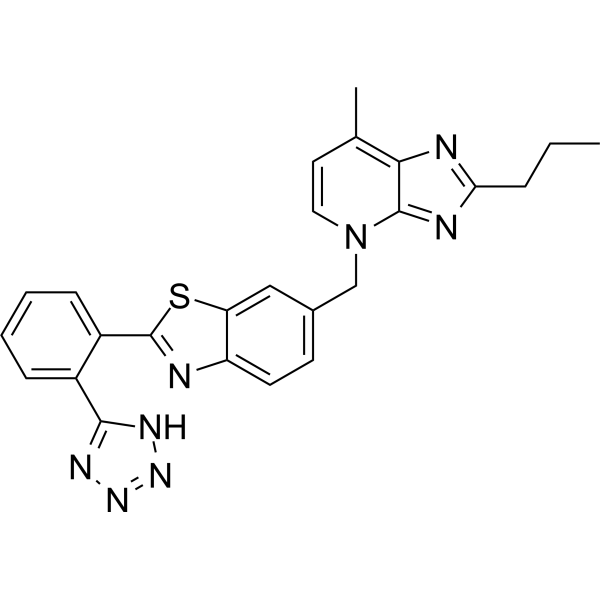
GSK3368715 (EPZ019997) is an orally active, reversible, and S-adenosyl-L-methionine (SAM) uncompetitive type I protein arginine methyltransferases (PRMTs) inhibitor (IC50=3.1 nM (PRMT1), 48 nM (PRMT3), 1148 nM (PRMT4), 5.7 nM (PRMT6), 1.7 nM (PRMT8)). GSK3368715 (EPZ019997) produces a shift in arginine methylation states, alters exon usage, and has strong anti-cancer activity .
|
-
-
- HY-W013571
-
|
Cuminic acid; p-Isopropyl benzoic acid
|
Fungal
|
Infection
|
|
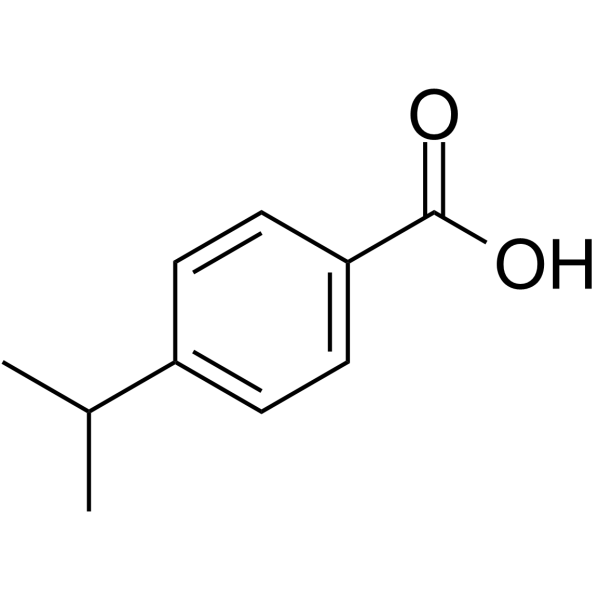
4-Isopropylbenzoic acid (Cuminic acid; p-Isopropyl benzoic acid) an aromatic monoterpenoid, is isolated from the stem bark of Bridelia retusa. 4-Isopropylbenzoic acid exhibits antifungal activities. 4-Isopropylbenzoic acid is also a reversible and uncompetitive inhibitor of mushroom tyrosinase .
|
-
-
- HY-151813
-
|
|
Fluorescent Dye
|
Cancer
|
|
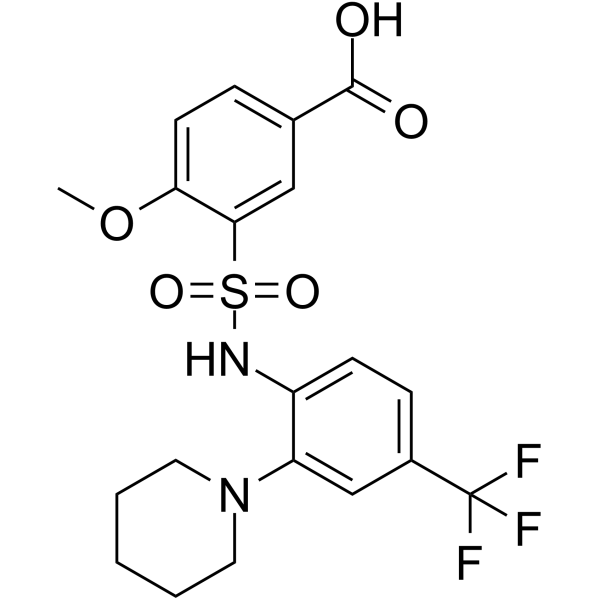
NNMT-IN-4 (compound 38) is a selective, uncompetitive and membrane permeability nicotinamide N-methyltransferase (NNMT) inhibitor with IC50 values of 42 and 38 nM in vitro biochemical and cell-based assays, respectively. NNMT-IN-4 shows favorable PK/PD and safety profiles as well as excellent oral bioavailability and pharmaceutical properties. NNMT-IN-4 can be used as a vivo chemical probe of NNMT .
|
-
-
- HY-150621
-
|
|
β-catenin
Wnt
|
Cancer
|
|
AS1134900 is a highly selective uncompetitive allosteric inhibitor of NADP +-dependent malic enzyme 1 (ME1) with an IC50 of 0.73 μM. AS1134900 can be used in the study of cancer .
|
-
-
- HY-147216
-
|
|
Lactate Dehydrogenase
|
Cancer
|
|
AXKO-0046, indole derivative, is an uncompetitive Lactate dehydrogenase B (LDHB) selective inhibitor.AXKO-0046 has LDHB inhibitory activity with an EC50 value of 42 nM.AXKO-0046 can be used for the research of cancer metabolism .
|
-
-
- HY-B0421S
-
|
Mycophenolate-d3
|
Bacterial
Apoptosis
Fungal
Antibiotic
Endogenous Metabolite
Isotope-Labeled Compounds
Flavivirus
|
Others
|
|
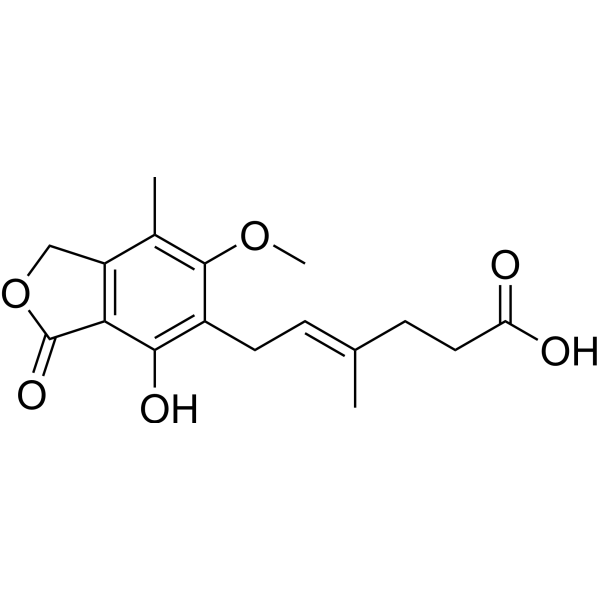
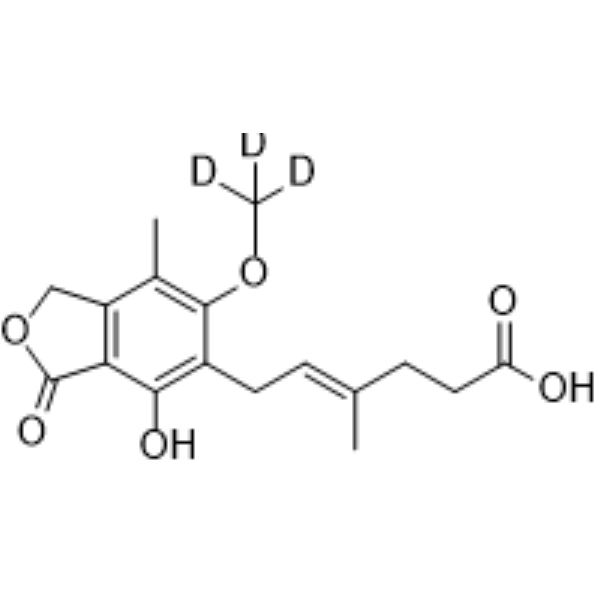
Mycophenolic acid-d3 (Mycophenolate-d3) is deuterium labeled Mycophenolic acid (HY-B0421). Mycophenolic acid is a potent uncompetitive inosine monophosphate dehydrogenase (IMPDH) inhibitor with an EC50 of 0.24 μM. Mycophenolic acid demonstrates antiviral effects against a wide range of RNA viruses including influenza. Mycophenolic acid is an immunosuppressive agent. Antiangiogenic and antitumor effects.
|
-
-
- HY-N0110A
-
-
-
- HY-15587
-
|
|
DNA/RNA Synthesis
|
Cancer
|
|
L82 is a selective and uncompetitive DNA ligase 1 (DNA Lig1) inhibitor (hLig1 IC50=12 μM). L82 shows anti-proliferative activity to breast cancer cells .
|
-
-
- HY-107385
-
|
ONO-9302; SKF105657
|
5 alpha Reductase
|
Cancer
|
|
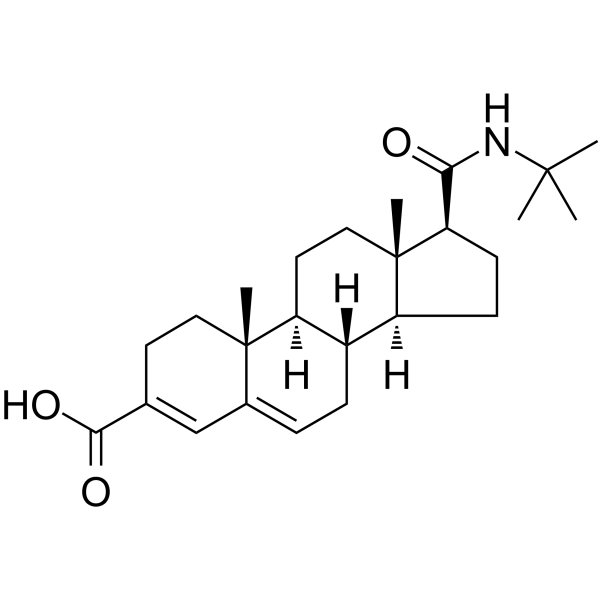
Epristeride (ONO-9302) is a selective, specific and orally active uncompetitive inhibitor of human steroid 5 alpha-reductase isoform 2. Epristeride has inhibitory effects for SR isoenzymes types 2 with Ki value of 0.7-2 nM. Epristeride can be used for the research of prostatic hyperplasia and acne .
|
-
-
- HY-N0430
-
|
Coptisin
|
Indoleamine 2,3-Dioxygenase (IDO)
NF-κB
p38 MAPK
PI3K
Akt
Apoptosis
Reactive Oxygen Species (ROS)
Mitochondrial Metabolism
DNA/RNA Synthesis
ROCK
LDLR
|
Cardiovascular Disease
Neurological Disease
Metabolic Disease
Inflammation/Immunology
Cancer
|
|
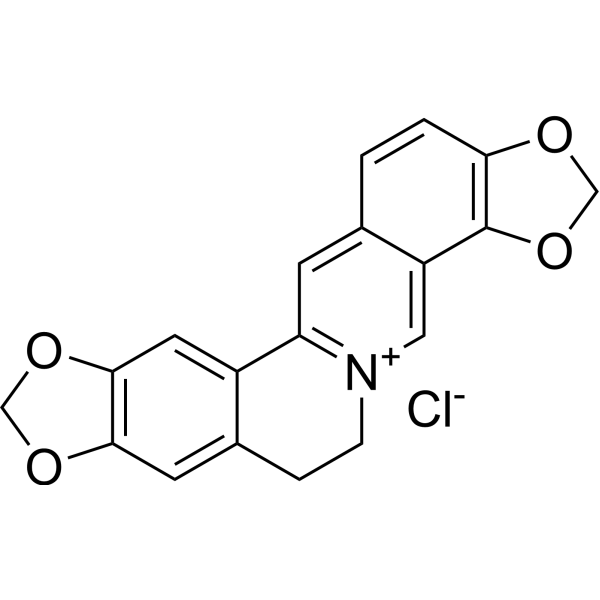
Coptisine is an orally active and brain-penetrant alkaloid found in Coptis chinensis. Coptisine is a reversible, uncompetitive IDO inhibitor with a Ki of 5.8 μM and an IC50 of 6.3 μM. Coptisine suppresses neuroinflammation, reduces Aβ plaque burden and shows neuroprotective activity. Coptisine shows anti-inflammation activity by blocking NF-κB, MAPK, and PI3K/Akt activation. Coptisine inhibits cancer cells proliferation, induces DNA damage, G2/M phase cell cycle arrest, apoptosis, ROS production and mitochondrial dysfunction. Coptisine inhibits Rho/ROCK pathway activation, reduces arrhythmia, limits cardiac injury marker release, reduces infarct size, and preserves cardiac function in rat myocardial ischemia/reperfusion models. Coptisine downregulates HMGCR and upregulates LDLR and CYP7A1 to modulate cholesterol metabolism, reduces abnormal serum lipid levels, and promotes fecal bile acid excretion. Coptisine can be used for the research of cancer, hypercholesterolemia, Alzheimer’s disease, inflammatory disorders and cardiovascular disease .
|
-
-
- HY-N0430A
-
|
|
Indoleamine 2,3-Dioxygenase (IDO)
NF-κB
p38 MAPK
PI3K
Akt
Apoptosis
Reactive Oxygen Species (ROS)
Mitochondrial Metabolism
DNA/RNA Synthesis
ROCK
LDLR
|
Cardiovascular Disease
Neurological Disease
Metabolic Disease
Inflammation/Immunology
Cancer
|
|
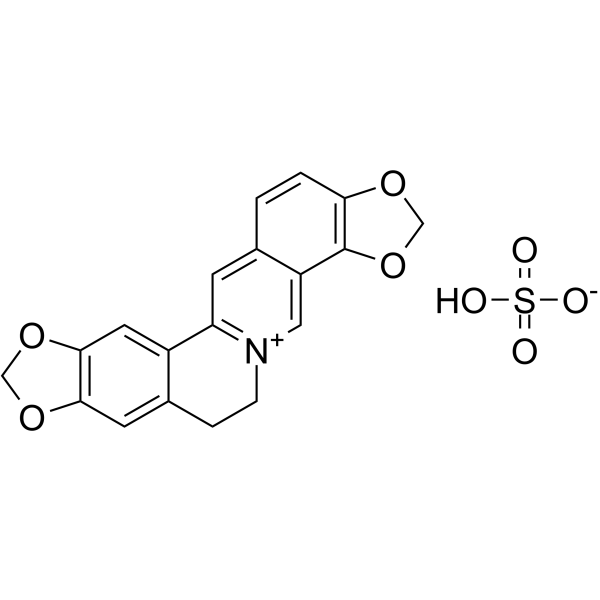
Coptisine Sulfate is an orally active and brain-penetrant alkaloid found in Coptis chinensis. Coptisine Sulfate is a reversible, uncompetitive IDO inhibitor with a Ki of 5.8 μM and an IC50 of 6.3 μM. Coptisine Sulfate suppresses neuroinflammation, reduces Aβ plaque burden and shows neuroprotective activity. Coptisine Sulfate shows anti-inflammation activity by blocking NF-κB, MAPK, and PI3K/Akt activation. Coptisine Sulfate inhibits cancer cells proliferation, induces DNA damage, G2/M phase cell cycle arrest, apoptosis, ROS production and mitochondrial dysfunction. Coptisine Sulfate inhibits Rho/ROCK pathway activation, reduces arrhythmia, limits cardiac injury marker release, reduces infarct size, and preserves cardiac function in rat myocardial ischemia/reperfusion models. Coptisine Sulfate downregulates HMGCR and upregulates LDLR and CYP7A1 to modulate cholesterol metabolism, reduces abnormal serum lipid levels, and promotes fecal bile acid excretion. Coptisine Sulfate be used for the research of cancer, hypercholesterolemia, Alzheimer’s disease, inflammatory disorders and cardiovascular disease .
|
-
-
- HY-B0421A
-
-
-
- HY-148161
-
|
|
DNA/RNA Synthesis
|
Cancer
|
|
L82-G17 is an uncompetitive DNA ligase I (Lig I)-selective inhibitor. L82-G17 inhibits the third step of the ligation reaction, phosphodiester bond formation. L82-G17can be used as a probe of the catalytic activity .
|
-
-
- HY-N2511
-
|
|
Cholinesterase (ChE)
Phosphatase
|
Infection
Neurological Disease
|
|
Trimyristin is an orally active compound. Trimyristin can be isolated from the seeds of nutmeg (Myristica fragrans). Trimyristin inhibits the activities of acetylcholinesterase (AChE), ACP and ALP, with IC50 values of 0.11, 0.16 and 0.18 mM, respectively. Trimyristin exerts competitive-noncompetitive inhibition on acetylcholinesterase, uncompetitive inhibition on ACP, and competitive/noncompetitive inhibition on ALP. Trimyristin restores the downregulated acetylcholinesterase concentration in the cerebral cortex of rats exposed to sodium arsenite. Trimyristin can be used in studies related to fascioliasis and neurotoxicity .
|
-
-
- HY-103081
-
|
|
β-glucuronidase
Bacterial
|
Infection
Cancer
|
|
β-Glucuronidase-IN-1 is a potent, selective, uncompetitive, and orally active E. coli bacterial β-glucuronidase inhibitor, exhibiting an IC50 and a Ki of 283 nM and 164 nM, respectively .
|
-
-
- HY-12989
-
-
-
- HY-147216A
-
|
|
Lactate Dehydrogenase
|
Metabolic Disease
Inflammation/Immunology
Cancer
|
|
AXKO-0046 dihydrochloride, indole derivative, is an uncompetitive Lactate dehydrogenase B (LDHB) selective inhibitor. AXKO-0046 dihydrochloride has LDHB inhibitory activity with an EC50 value of 42 nM. AXKO-0046 dihydrochloride can be used for the research of cancer metabolism .
|
-
-
- HY-112711
-
|
|
Atg4
Autophagy
|
Cancer
|
|
LV-320 is a potent and uncompetitive ATG4B inhibitor with an IC50 of 24.5 μM and a Kd of 16 μM. LV-320 inhibits ATG4B enzymatic activity, blocks autophagic flux in cells, and is stable, non-toxic and active in vivo .
|
-
-
- HY-147328
-
|
|
Apoptosis
|
Cancer
|
|
LCS3 is a reversible and uncompetitive glutathione disulfide reductase (GSR) and thioredoxin reductase 1 (TXNRD1) inhibitor (IC50=3.3 µM and 3.8 µM, respectively). LCS3 shows anti-tumor activity, and induces apoptosis. LCS3 can be used in lung adenocarcinoma (LUAD) research .
|
-
-
- HY-N0110B
-
-
-
- HY-19966
-
|
|
Kinesin
Apoptosis
|
Cancer
|
|
K858 Racemic is an ATP-uncompetitive inhibitor of kinesin Eg5 with an IC50 of 1.3 μM.
|
-
-
- HY-B0365AS
-
|
|
Cytochrome P450
iGluR
Autophagy
|
Neurological Disease
|
|
Memantine-d6 (hydrochloride) is the deuterium labeled Memantine hydrochloride. Memantine (hydrochloride) (D-145 (hydrochloride)) is a moderate affinity, uncompetitive NMDA receptor antagonist, inhibit CYP2B6 and CYP2D6 with Kis of 0.51 nM and 94.9 μM, respectively .
|
-
-
- HY-150504
-
|
|
Aminopeptidase
|
Inflammation/Immunology
|
|
ERAP2-IN-1 (compound 61) is an uncompetitive ERAP2 inhibitor. ERAP2-IN-1 specifically inhibits the ERAP2 peptide hydrolysis activity, inhibiting Arg-AMC hydrolysis with an IC50 of 27 μM and model peptide hydrolysis with an IC50 of 44 μM .
|
-
-
- HY-B0421R
-
-
-
- HY-106408
-
|
Salfaprodil free base; Neu2000
|
iGluR
|
Neurological Disease
|
|
Nelonemdaz (Salfaprodil free base) is an NR2B-selective and uncompetitive antagonist of N-methyl-D-aspartate (NMDA). Nelonemdaz is also a free radical scavenger. Nelonemdaz has excellent neuroprotection against NMDA- and free radical-induced cell death .
|
-
-
- HY-125969
-
|
|
Histone Acetyltransferase
Fungal
|
Infection
|
|
Rtt109 inhibitor 1 (Compound 1) is an inhibitor for histone acetyltransferase Rtt109 through a tight binding, uncompetitive system. Rtt109 inhibitor 1 exhibits antifungal activity through acetylation at H3K56 site .
|
-
-
- HY-N1882
-
|
|
Cytochrome P450
|
Metabolic Disease
|
|
4,5-Dimethoxycanthin-6-one is a potent and uncompetitive inhibitor of CYP1A2-mediated phenacetin O-deethylation with an IC50 value of 1.7μM and a Ki value of 2.6 μM. 4,5-Dimethoxycanthin-6-one, as an alkaloid, is isolated from the wood of Picrasma quassioides BENNET (Simaroubaceae) .
|
-
-
- HY-118994
-
|
|
Phospholipase
|
Neurological Disease
|
|
ARN19874 is a selective, reversible uncompetitive N-acylphosphatidylethanolamine phospholipase D (NAPE-PLD) activity inhibitor with an IC50 of ~34 μM .
|
-
-
- HY-116866
-
|
|
Lipoxygenase
Fungal
|
Infection
Inflammation/Immunology
|
|
Sclerotiorin is a reversible and uncompetitive inhibitor against soybean lipoxygenase-1 (LOX-1) (IC50: 4.2 μM). Sclerotiorin also shows antioxidant activity by scavenging free radical (ED50: 0.12 μM), and nonenzymatic lipid peroxidation inhibition activity. Sclerotiorin has antifungal activity, and also inhibits platelet aggregation. Sclerotiorin can be purified from the fermented broth of Penicillium frequentans .
|
-
-
- HY-155238
-
|
|
GABA Receptor
|
Neurological Disease
|
|
E2730 is a noncompetitive but selective inhibitor of gamma-aminobutyric acid (GABA) transporter 1 (GAT1) with orally available and antiepileptic activity. E2730-mediated GAT1 inhibition is positively correlated with environmental GABA levels and selectively inhibits GAT1-mediated GABA uptake. E2730 (5-50 mg/kg; po) in rat amygdala ignition model, and in mouse cornea ignition (5-50 mg/kg), drug resistance 6Hz-44mA has demonstrated in vivo efficacy in models of psychomotor epilepsy (5-50 mg/kg), fragile X syndrome (2.5-300 mg/kg), and Dravet syndrome (10 mg/kg, 20 mg/kg) .
|
-
-
- HY-107695
-
|
FPL 12924AA
|
iGluR
Sodium Channel
|
Neurological Disease
|
|
Remacemide hydrochloride (FPL 12924AA), a moderate inhibitor of the Na + channel, is a weak uncompetitive NMDA receptor antagonist with IC50s of 68 μM and 76 μM for MK-801 binding and NMDA currents, respectively . Remacemide hydrochloride is an anticonvulsant agent .
|
-
-
- HY-106408A
-
|
Salfaprodil; Neu2000 potassium
|
iGluR
|
Neurological Disease
|
|
Nelonemdaz (Salfaprodil) potassium is an NR2B-selective and uncompetitive antagonist of N-methyl-D-aspartate (NMDA). Nelonemdaz potassium is also a free radical scavenger. Nelonemdaz potassium has excellent neuroprotection against NMDA- and free radical-induced cell death .
|
-
-
- HY-16946
-
|
|
Acetyl-CoA Carboxylase
|
Metabolic Disease
|
|
CP-610431 is a reversible, ATP-uncompetitive, isozyme-nonselective acetyl-CoA carboxylase (ACC) inhibitor. CP-610431 inhibits ACC1 and ACC2 with IC50s of ~50 nM. CP-610431 can be used for the research of metabolic syndrome .
|
-
-
- HY-N7389B
-
|
|
Endogenous Metabolite
|
Metabolic Disease
|
|
GDP-α-D-mannose disodium is the donor substrate for mannosyltransferases and the precursor of GDP-β-L-fucose. GDP-α-D-mannose disodium gives a competitive inhibition with respect to GTP (Ki 14.7 μM) and an uncompetitive inhibition with respect to mannose-1-P (Ki 115 μM) .
|
-
-
- HY-B0421S2
-
|
Mycophenolate-13C17
|
Isotope-Labeled Compounds
Flavivirus
|
Cancer
|
|
Mycophenolic acid-13C17 (Mycophenolate-13C17) is the 13C labeled Mycophenolic acid (HY-B0421). Mycophenolic acid is a potent uncompetitive inosine monophosphate dehydrogenase (IMPDH) inhibitor with an EC50 of 0.24 μM. Mycophenolic acid demonstrates antiviral effects against a wide range of RNA viruses including influenza. Mycophenolic acid is an immunosuppressive agent. Antiangiogenic and antitumor effects.
|
-
-
- HY-N0736R
-
|
|
Indoleamine 2,3-Dioxygenase (IDO)
Reference Standards
Bacterial
Influenza Virus
|
Infection
Metabolic Disease
Cancer
|
|
Coptisine (chloride) (Standard) is the analytical standard of Coptisine (chloride). This product is intended for research and analytical applications. Coptisine chloride is an alkaloid from Chinese goldthread, and acts as an efficient uncompetitive IDO inhibitor with a Ki value of 5.8 μM and an IC50 value of 6.3 μM. Coptisine chloride is a potent H1N1 neuraminidase (NA-1) inhibitor with an IC50 of 104.6 μg/mL and can be used for influenza A (H1N1) infection.
|
-
-
- HY-N0110R
-
-
-
- HY-113568
-
-
-
- HY-162474
-
-
-
- HY-141555
-
|
|
Phosphodiesterase (PDE)
Tyrosinase
|
Others
|
|
5,5′-(1,3-Propanediyl)bis-1,3,4-oxadiazole-2(3H)-thione is a weak inhibitor for snake venom and human recombinant phosphodiesterase 1 with IC50 of 429 and 467 μM. 5,5′-(1,3-Propanediyl)bis-1,3,4-oxadiazole-2(3H)-thione inhibits mushroom tyrosinase weakly, with Ki of 1.9 μM .
|
-
-
- HY-161761
-
|
|
Bacterial
|
Infection
|
|
Urease-IN-15 (compound 5g) is an uncompetitive inhibitor of urease in manner with the IC50 of 3.80 µM .
|
-
-
- HY-158021
-
|
|
Tyrosinase
|
Cancer
|
|
Tyrosinase-IN-26 (compound 13) is a uncompetitive tyrosinase inhibitor with the an IC50 value of 68.86 µM. Tyrosinase-IN-26 can suppresses melanogenesis .
|
-
-
- HY-151338
-
|
|
Cholinesterase (ChE)
|
Neurological Disease
|
|
AChE-IN-25 is a potent, selective and uncompetitive acetylcholinesterase (AChE) inhibitor (IC50=2.95 µM). AChE-IN-25 can be used in Alzheimer's disease research .
|
-
-
- HY-147661
-
|
|
Antifolate
|
Infection
|
|
DHFR-IN-2 (compound 4e) is a potent and uncompetitive inhibitor for MtDHFR (dihydrofolate reductase from M. tuberculosis), with an IC50 of 7 μM. DHFR-IN-2 can be used for tuberculosis (TB) research .
|
-
- HY-W013571R
-
|
Cuminic acid (Standard); p-Isopropyl benzoic acid (Standard)
|
Reference Standards
Fungal
|
Infection
|
|
4-Isopropylbenzoic acid (Cuminic acid; p-Isopropyl benzoic acid) an aromatic monoterpenoid, is isolated from the stem bark of Bridelia retusa. 4-Isopropylbenzoic acid exhibits antifungal activities. 4-Isopropylbenzoic acid is also a reversible and uncompetitive inhibitor of mushroom tyrosinase .
|
-
- HY-146588
-
|
|
iGluR
|
Neurological Disease
|
|
NMDA receptor antagonist 4 (IIc) is a uncompetitive, voltage-dependent, orally active NMDAR blocker, with an IC50 of 1.93 μM. NMDA receptor antagonist 4 shows a positive predicted blood-brain-barrier (BBB) permeability, and can be studied in Alzheimer's disease .
|
-
- HY-146668
-
|
|
Cholinesterase (ChE)
|
Neurological Disease
|
|
AChE/BChE-IN-8 (Compound 5a) is an uncompetitive AChE and mixed BChE inhibitor with Ki values of 0.788 μM and 2.364 μM against Electrophorus electricus AChE (EeAChE) and equine BChE (eqBChE), respectively. AChE/BChE-IN-8 can cross the BBB and has low cytotoxicity .
|
-
- HY-179285
-
|
|
Phosphatase
|
Metabolic Disease
|
|
PTP1B-IN-32 (Compound 5G) is an uncompetitive PTP1B inhibitor, with a Ki value of 0.72 μM. PTP1B-IN-32 enhances insulin sensitivity. PTP1B-IN-32 can be used in the research of diabetes .
|
-
- HY-B0421AR
-
|
Mycophenolate sodium (Standard)
|
Dengue Virus
Reference Standards
Apoptosis
Bacterial
Fungal
Antibiotic
Endogenous Metabolite
Flavivirus
|
Infection
Inflammation/Immunology
Cancer
|
|
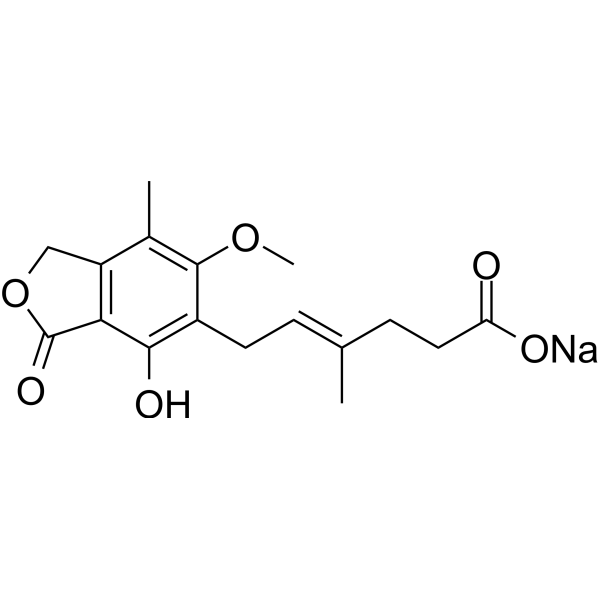
Mycophenolic acid (sodium) (Standard) is the analytical standard of Mycophenolic acid (sodium). This product is intended for research and analytical applications. Mycophenolic acid sodium is a potent uncompetitive inosine monophosphate dehydrogenase (IMPDH) inhibitor with an EC50 of 0.24 μM. Mycophenolic acid sodium demonstrates antiviral effects against a wide range of RNA viruses including influenza. Mycophenolic acid sodium is an immunosuppressive agent. Antiangiogenic and antitumor effects .
|
-
- HY-144778
-
|
|
Indoleamine 2,3-Dioxygenase (IDO)
Apoptosis
Bcl-2 Family
|
Cancer
|
|
IDO1/TDO-IN-1 (30) is a potent dual IDO1 (uncompetitive, Ki of 0.23 μM) and TDO (competitive, Ki of 0.73 μM) inhibitor. IDO1/TDO-IN-1 (30) significantly promotes cell apoptosis through the potential mitochondria-mediated Bcl-2/Bax pathway .
|
-
- HY-179154
-
|
|
Glycosidase
Cytochrome P450
|
Metabolic Disease
|
|
α-Glucosidase-IN-101 (Compound 13j) is an uncompetitive α-glucosidase inhibitor, with an IC50 of 120 nM. α-Glucosidase-IN-101 properly inhibits CYP1A2, CYP2C19, and CYP2C9 isoforms of cytochrome P450. α-Glucosidase-IN-101 can be used in the research of diabetes .
|
-
- HY-107385R
-
|
ONO-9302 (Standard); SKF105657 (Standard)
|
Reference Standards
5 alpha Reductase
|
Cancer
|
|
Epristeride (Standard) is the analytical standard of Epristeride. This product is intended for research and analytical applications. Epristeride (ONO-9302) is a selective, specific and orally active uncompetitive inhibitor of human steroid 5 alpha-reductase isoform 2. Epristeride has inhibitory effects for SR isoenzymes types 2 with Ki value of 0.7-2 nM. Epristeride can be used for the research of prostatic hyperplasia and acne .
|
-
- HY-123914
-
|
|
Bacterial
|
Infection
|
|
P516-0475 is an uncompetitive inhibitor against endopeptidase PepO. P516-0475 is also an agonist of the Rgg2/3 system with antibacterial activity. P516-0475 induces expression of Rgg2/3-regulated genes in the presence of short hydrophobic pheromone (SHP) for activity and leads to positive modulation of lysozyme resistance .
|
-
- HY-176270
-
|
|
17β-HSD
|
Neurological Disease
Cancer
|
|
ESC1002755 is a 17β-HSD10 inhibitor with an IC50 of 19 nM. ESC1002755 has significant enzyme specificity with non-/uncompetitive inhibition against the cofactor NADH. ESC1002755 shows minimal cytotoxicity towards the HEK293 at 50 μM. ESC1002755 is promising for Alzheimer’s disease and hormone-dependent cancers (such as prostate, bone and colorectal cancer) research .
|
-
- HY-128717B
-
|
EPZ019997 trihydrochloride
|
Histone Methyltransferase
|
Cancer
|
|
GSK3368715 trihydrochloride (EPZ019997) is an orally active, reversible, and S-adenosyl-L-methionine (SAM) uncompetitive type I protein arginine methyltransferases (PRMTs) inhibitor (IC50=3.1 nM (PRMT1), 48 nM (PRMT3), 1148 nM (PRMT4), 5.7 nM (PRMT6), 1.7 nM (PRMT8)). GSK3368715 trihydrochloride (EPZ019997) produces a shift in arginine methylation states, alters exon usage, and has strong anti-cancer activity .
|
-
- HY-175492
-
|
|
DNA/RNA Synthesis
|
Cancer
|
|
6PGD-IN-2 is an uncompetitive 6-phosphogluconate dehydrogenase (6PGD) inhibitor with an IC50 of 5.1 μM. 6PGD-IN-2 disrupts 6PGD oligomerization in a substrate-dependent manner. 6PGD-IN-2 results in a decrease of NADPH and Ru-5-P production as well as DNA synthesis in A549 cells. 6PGD-IN-2 can used for the studies of non-small cell carcinoma and liver cancer .
|
-
- HY-170608
-
|
|
Bacterial
|
Infection
|
|
Urease-IN-18 (compound 13a) is an uncompetitive urease inhibitor with an IC50 value of 1.6 μM. Urease helps maintain an alkaline environment favorable for the survival and proliferation of specific pathogens within the host .
|
-
- HY-181543
-
|
|
CD38
|
Neurological Disease
|
|
CVN14 is a potent, selective and brain-penetrant CD38 inhibitor with human IC50 19 nM, mouse IC50 2.4 nM. CVN14 binds uncompetitively to form a complex with CD38 and ADPR, and inhibits CD38 enzymatic activity. CVN14 can be used for the research of neurodegenerative diseases .
|
-
- HY-106408AR
-
|
Salfaprodil (Standard); Neu2000 potassium (Standard)
|
Reference Standards
iGluR
|
Neurological Disease
|
|
Nelonemdaz potassium (Standard) is the analytical standard of Nelonemdaz potassium (HY-106408A). This product is intended for research and analytical applications. Nelonemdaz (Salfaprodil) potassium is an NR2B-selective and uncompetitive antagonist of N-methyl-D-aspartate (NMDA). Nelonemdaz potassium is also a free radical scavenger. Nelonemdaz potassium has excellent neuroprotection against NMDA- and free radical-induced cell death .
|
-
- HY-182379
-
|
|
Phosphatase
|
Metabolic Disease
|
|
SBI-0802767 is an orally active, uncompetitive and highly selective inhibitor of protein tyrosine phosphatase (LMPTP) with an IC50 of 0.239 μM. SBI-0802767 exhibits >1000-fold selectivity over other protein tyrosine phosphatases and enhances insulin signaling in hepatocytes. SBI-0802767 is used in studies of obesity-related type 2 diabetes and insulin resistance .
|
-
- HY-106408R
-
|
Salfaprodil free base (Standard); Neu2000 (Standard)
|
Reference Standards
iGluR
|
Neurological Disease
|
|
Nelonemdaz (Standard) is the analytical standard of Nelonemdaz (HY-106408). This product is intended for research and analytical applications. Nelonemdaz (Salfaprodil free base) is an NR2B-selective and uncompetitive antagonist of N-methyl-D-aspartate (NMDA). Nelonemdaz is also a free radical scavenger. Nelonemdaz has excellent neuroprotection against NMDA- and free radical-induced cell death .
|
-
- HY-124253
-
|
|
p97
|
Cancer
|
|
SMDC818909 is an indole amide-derived uncompetitive inhibitor targeting p97 AAA+ ATPase, with an IC50 of 3.5 μM and a Ka of 9.1 μM. SMDC818909 binds to the D2 ATPase domain of p97, preferentially associates with the ADP-bound conformation of p97, allosterically blocks the ATP hydrolysis cycle of p97, and inhibits its mediated intracellular protein homeostasis regulatory function. SMDC818909 is applied to the research and development of p97-targeted antitumor drugs, as well as studies on cancer-related proteotoxic stress mechanisms .
|
-
| Cat. No. |
Product Name |
Category |
Target |
Chemical Structure |
-
- HY-N0736
-
-
-
- HY-B0421
-
-
-
- HY-N0110
-
-
-
- HY-W013571
-
-
-
- HY-N0110A
-
-
-
- HY-N0430
-
|
Coptisin
|
Alkaloids
Structural Classification
Classification of Application Fields
Coptis chinensis Franch.
Ranunculaceae
Metabolic Disease
Quinoline Alkaloids
Plants
Disease Research Fields
Source Classification
|
Indoleamine 2,3-Dioxygenase (IDO)
NF-κB
p38 MAPK
PI3K
Akt
Apoptosis
Reactive Oxygen Species (ROS)
Mitochondrial Metabolism
DNA/RNA Synthesis
ROCK
LDLR
|
|
Coptisine is an orally active and brain-penetrant alkaloid found in Coptis chinensis. Coptisine is a reversible, uncompetitive IDO inhibitor with a Ki of 5.8 μM and an IC50 of 6.3 μM. Coptisine suppresses neuroinflammation, reduces Aβ plaque burden and shows neuroprotective activity. Coptisine shows anti-inflammation activity by blocking NF-κB, MAPK, and PI3K/Akt activation. Coptisine inhibits cancer cells proliferation, induces DNA damage, G2/M phase cell cycle arrest, apoptosis, ROS production and mitochondrial dysfunction. Coptisine inhibits Rho/ROCK pathway activation, reduces arrhythmia, limits cardiac injury marker release, reduces infarct size, and preserves cardiac function in rat myocardial ischemia/reperfusion models. Coptisine downregulates HMGCR and upregulates LDLR and CYP7A1 to modulate cholesterol metabolism, reduces abnormal serum lipid levels, and promotes fecal bile acid excretion. Coptisine can be used for the research of cancer, hypercholesterolemia, Alzheimer’s disease, inflammatory disorders and cardiovascular disease .
|
-
-
- HY-N0430A
-
|
|
Alkaloids
Structural Classification
Chelidonium majus
Classification of Application Fields
Metabolic Disease
Quinoline Alkaloids
Plants
Disease Research Fields
Papaveraceae
Source Classification
|
Indoleamine 2,3-Dioxygenase (IDO)
NF-κB
p38 MAPK
PI3K
Akt
Apoptosis
Reactive Oxygen Species (ROS)
Mitochondrial Metabolism
DNA/RNA Synthesis
ROCK
LDLR
|
|
Coptisine Sulfate is an orally active and brain-penetrant alkaloid found in Coptis chinensis. Coptisine Sulfate is a reversible, uncompetitive IDO inhibitor with a Ki of 5.8 μM and an IC50 of 6.3 μM. Coptisine Sulfate suppresses neuroinflammation, reduces Aβ plaque burden and shows neuroprotective activity. Coptisine Sulfate shows anti-inflammation activity by blocking NF-κB, MAPK, and PI3K/Akt activation. Coptisine Sulfate inhibits cancer cells proliferation, induces DNA damage, G2/M phase cell cycle arrest, apoptosis, ROS production and mitochondrial dysfunction. Coptisine Sulfate inhibits Rho/ROCK pathway activation, reduces arrhythmia, limits cardiac injury marker release, reduces infarct size, and preserves cardiac function in rat myocardial ischemia/reperfusion models. Coptisine Sulfate downregulates HMGCR and upregulates LDLR and CYP7A1 to modulate cholesterol metabolism, reduces abnormal serum lipid levels, and promotes fecal bile acid excretion. Coptisine Sulfate be used for the research of cancer, hypercholesterolemia, Alzheimer’s disease, inflammatory disorders and cardiovascular disease .
|
-
-
- HY-B0421A
-
-
-
- HY-N2511
-
-
-
- HY-N0110B
-
-
-
- HY-B0421R
-
-
-
- HY-N1882
-
-
-
- HY-116866
-
|
|
Structural Classification
Natural Products
Microorganisms
Source Classification
|
Lipoxygenase
Fungal
|
|
Sclerotiorin is a reversible and uncompetitive inhibitor against soybean lipoxygenase-1 (LOX-1) (IC50: 4.2 μM). Sclerotiorin also shows antioxidant activity by scavenging free radical (ED50: 0.12 μM), and nonenzymatic lipid peroxidation inhibition activity. Sclerotiorin has antifungal activity, and also inhibits platelet aggregation. Sclerotiorin can be purified from the fermented broth of Penicillium frequentans .
|
-
-
- HY-N7389B
-
-
-
- HY-N0736R
-
-
-
- HY-N0110R
-
-
-
- HY-W013571R
-
-
-
- HY-B0421AR
-
-
| Cat. No. |
Product Name |
Chemical Structure |
-
- HY-B0421S
-
|
|
|
Mycophenolic acid-d3 (Mycophenolate-d3) is deuterium labeled Mycophenolic acid (HY-B0421). Mycophenolic acid is a potent uncompetitive inosine monophosphate dehydrogenase (IMPDH) inhibitor with an EC50 of 0.24 μM. Mycophenolic acid demonstrates antiviral effects against a wide range of RNA viruses including influenza. Mycophenolic acid is an immunosuppressive agent. Antiangiogenic and antitumor effects.
|
-
-
- HY-B0365AS
-
|
|
|
Memantine-d6 (hydrochloride) is the deuterium labeled Memantine hydrochloride. Memantine (hydrochloride) (D-145 (hydrochloride)) is a moderate affinity, uncompetitive NMDA receptor antagonist, inhibit CYP2B6 and CYP2D6 with Kis of 0.51 nM and 94.9 μM, respectively .
|
-
-
- HY-B0421S2
-
|
|
|
Mycophenolic acid-13C17 (Mycophenolate-13C17) is the 13C labeled Mycophenolic acid (HY-B0421). Mycophenolic acid is a potent uncompetitive inosine monophosphate dehydrogenase (IMPDH) inhibitor with an EC50 of 0.24 μM. Mycophenolic acid demonstrates antiviral effects against a wide range of RNA viruses including influenza. Mycophenolic acid is an immunosuppressive agent. Antiangiogenic and antitumor effects.
|
-
Your information is safe with us. * Required Fields.
Inquiry Information
- Product Name:
- Cat. No.:
- Quantity:
- MCE Japan Authorized Agent:

