
82 Results for "

urinary bladder

" in MedChemExpress (MCE) Product Catalog:
Products (82)

82 Results for "urinary bladder" in MCE Product Catalog:

8
8 Publications Verification
Cat. No.: HY-A0033
CAS No.: 133099-04-4
Synonyms: UK-88525
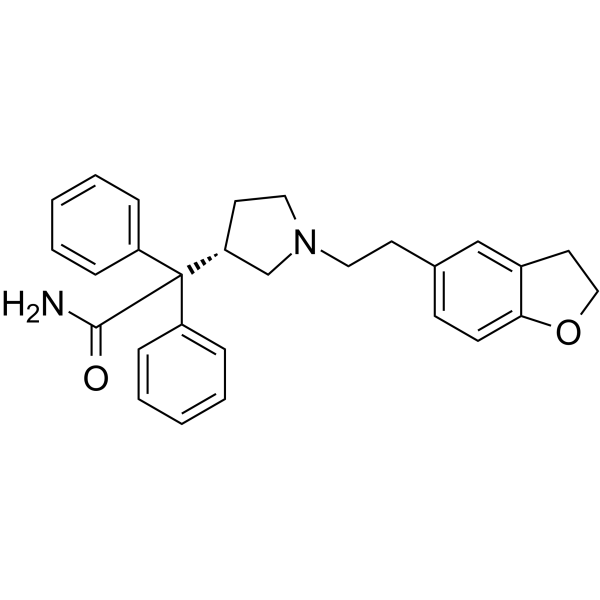
Darifenacin (UK-88525) is a selective and orally active M3 muscarinic receptor (M3R) antagonist with a pKi of 8.9. Darifenacin binds >20-fold more specifically to M3R than to other muscarinic receptors. Darifenacin can be used in the study of urinary incontinence and other symptoms of overactive bladder. Darifenacin inhibits tumor growth in colorectal cancer cells and has anti-tumor effects .
loading...
    loading...
8
8 Publications Verification
Cat. No.: HY-A0012
CAS No.: 133099-07-7
Synonyms: UK-88525 hydrobromide
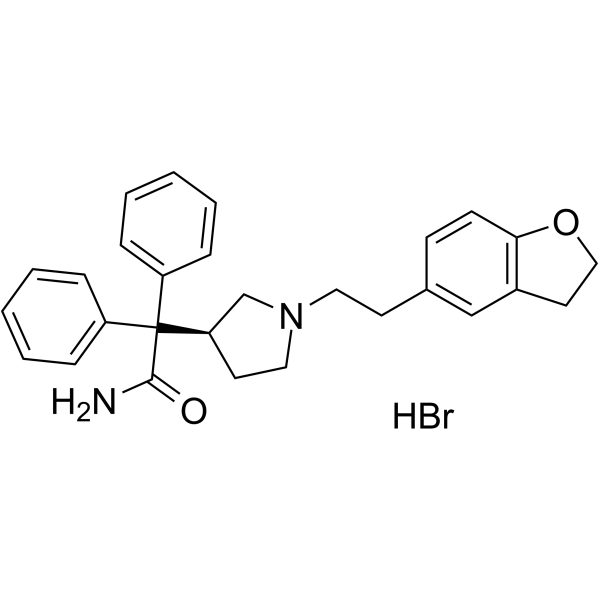
Darifenacin (UK-88525) hydrobromide is a selective and orally active M3 muscarinic receptor (M3R) antagonist with a pKi of 8.9. Darifenacin hydrobromide binds >20-fold more specifically to M3R than to other muscarinic receptors. Darifenacin hydrobromide can be used in the study of urinary incontinence and other symptoms of overactive bladder. Darifenacin hydrobromide inhibits tumor growth in colorectal cancer cells and has anti-tumor effects .
loading...
    loading...
4
4 Cited Publications
Cat. No.: HY-15574
CAS No.: 152811-62-6
Purity:  99.09%
Synonyms: SB-207266
Target:  

5-HT Receptor

Research Areas:  

Cardiovascular Disease

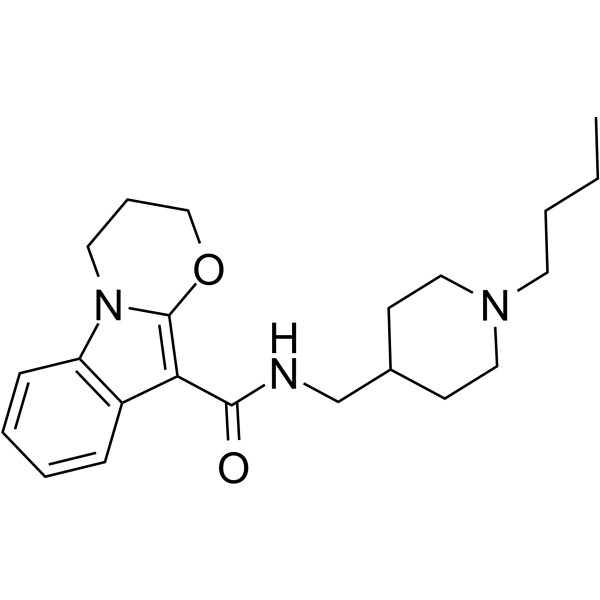
Piboserod is an orally available selective antagonist of the 5-HT4 receptor, with a Ki value of approximately 0.1 nM for human 5-HT4 receptors. Piboserod can competitively bind to the 5-HT4 receptor and block the activation of the 5-HT4 receptor. Piboserod can inhibit the enhancing effect of 5-HT on the nerve-mediated contraction response of the human bladder detrusor muscle. Piboserod is mainly used in the research of urinary system diseases (such as overactive bladder) and cardiovascular diseases (such as chronic heart failure) .
loading...
    loading...
2
2 Cited Publications
Cat. No.: HY-B0985
CAS No.: 136-40-3
Target:  

TRP Channel

Research Areas:  

Neurological Disease

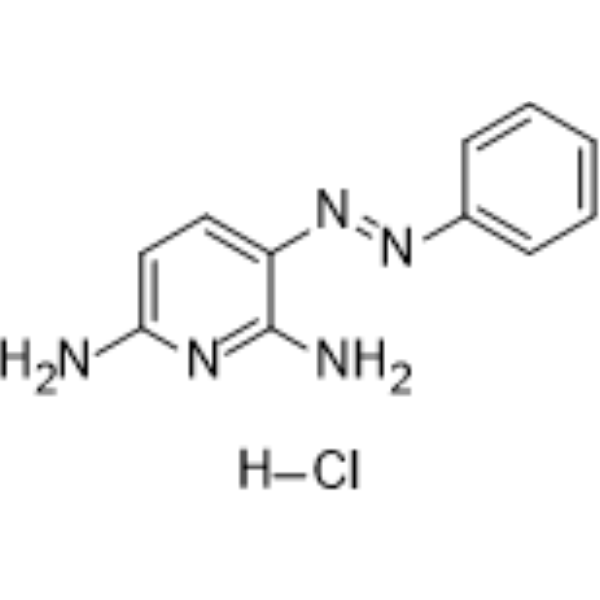
Phenazopyridine hydrochlorideis a competitive SARM1 inhibitor, with IC50 145 μM. Phenazopyridine hydrochlorideis a TRPM8 antagonist. Phenazopyridine hydrochloride has a local anesthetic/analgesic effect. Phenazopyridine hydrochlorideis used to relieve painful symptoms of conditions such as cystitis and urethritis. Phenazopyridine hydrochloridecan promote neuronal differentiation and can also be used in the study of traumatic brain injury, peripheral neuropathy and neurodegenerative diseases .
loading...
    loading...
2
2 Cited Publications
Cat. No.: HY-P0004
CAS No.: 50-57-7
Synonyms: Lysine vasopressin; [Lys8]-Vasopressin
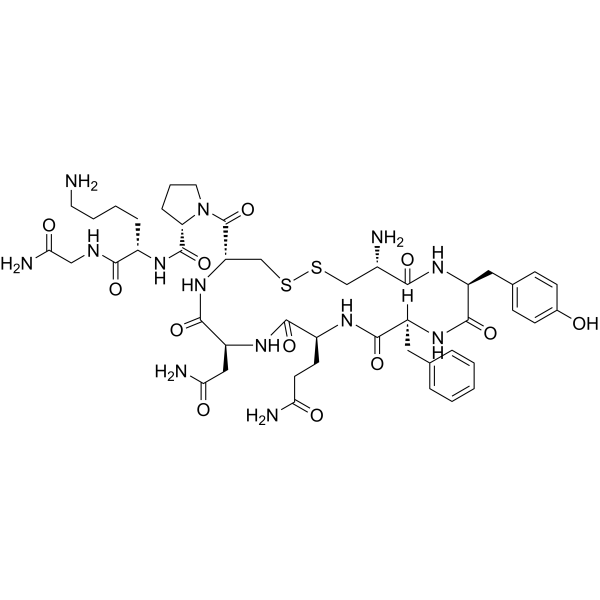
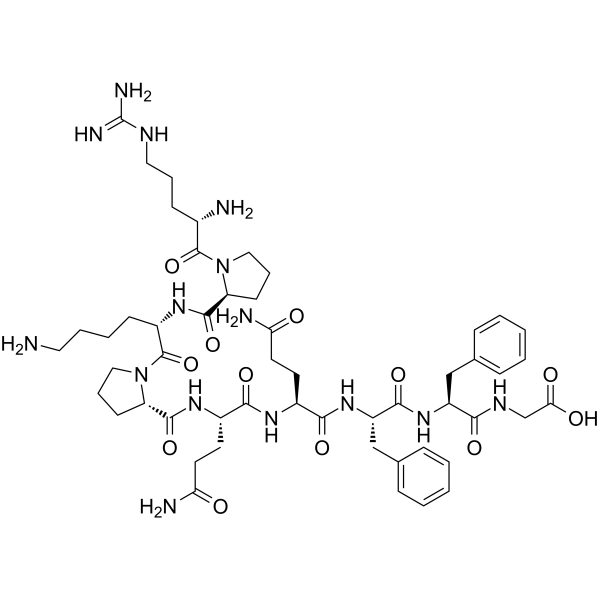
Lysipressin (Lysine vasopressin ; [Lys8]-Vasopressin ) is a neurohypophyseal nonapeptide with dual cardiovascular regulatory activities of peripheral pressor action and central hypotensive action, and it also regulates pain perception in the body. Lysipressin is an Oxytocin Receptor agonist, with a Ki value of 10.2 nM for porcine OT receptor. Lysipressin stimulates contraction of rabbit bladder smooth muscle via V1-vasopressin receptor. The central hypotensive effect of Lysipressin depends on the sympathetic tone pathway. Lysipressin dose-dependently prolongs tail-flick latency in rats, producing a stable central antinociceptive effect. Lysipressin can be used in studies related to cardiovascular regulation, hypertension and pain .
loading...
    loading...
2
2 Cited Publications
Cat. No.: HY-B0985A
CAS No.: 94-78-0
Target:  

TRP Channel

Research Areas:  

Neurological Disease

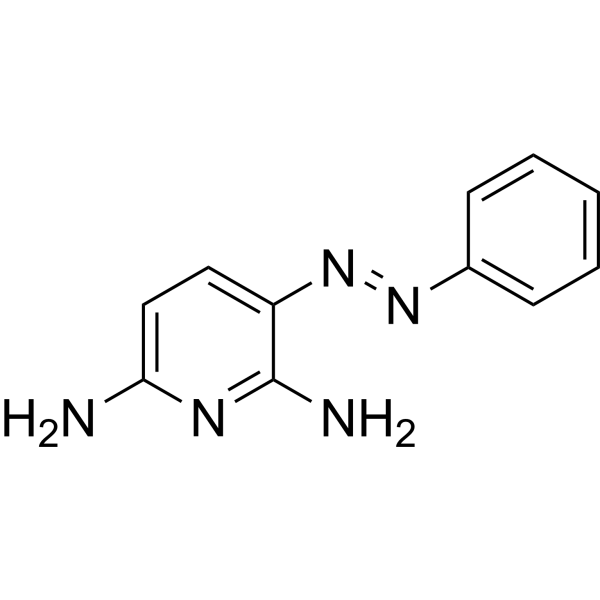
Phenazopyridine is a competitive SARM1 inhibitor, with IC50 145 μM. Phenazopyridine is a TRPM8 antagonist. Phenazopyridine has a local anesthetic/analgesic effect. Phenazopyridine is used to relieve painful symptoms of conditions such as cystitis and urethritis. Phenazopyridine can promote neuronal differentiation and can also be used in the study of traumatic brain injury, peripheral neuropathy and neurodegenerative diseases .
loading...
    loading...
2
2 Cited Publications
Cat. No.: HY-P0004A
CAS No.: 83968-49-4
Synonyms: Lysine vasopressin acetate; [Lys8]-Vasopressin acetate
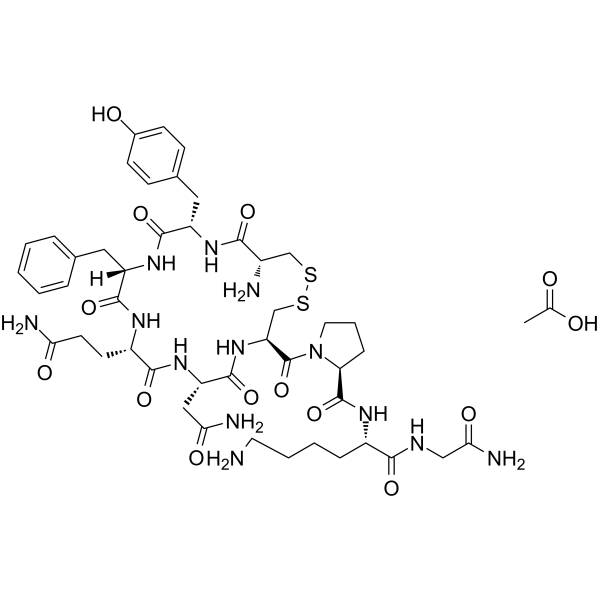
Lysipressin acetate (Lysine vasopressin acetate; [Lys8]-Vasopressin acetate) is a neurohypophyseal nonapeptide with dual cardiovascular regulatory activities of peripheral pressor action and central hypotensive action, and it also regulates pain perception in the body. Lysipressin acetate is an Oxytocin Receptor agonist, with a Ki value of 10.2 nM for porcine OT receptor. Lysipressin acetate stimulates contraction of rabbit bladder smooth muscle via V1-vasopressin receptor. The central hypotensive effect of Lysipressin acetate depends on the sympathetic tone pathway. Lysipressin acetate dose-dependently prolongs tail-flick latency in rats, producing a stable central antinociceptive effect. Lysipressin acetate can be used in studies related to cardiovascular regulation, hypertension and pain .
loading...
    loading...
1
1 Cited Publications
Cat. No.: HY-19933
CAS No.: 1190389-15-1
Synonyms: MK-4618
Target:  

Adrenergic Receptor

Research Areas:  

Others

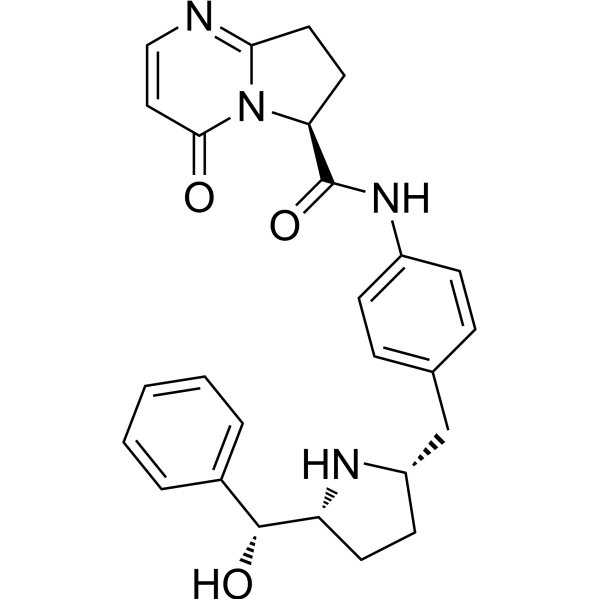
Vibegron (MK-4618) is a potent, highly selective and orally active β3-adrenoceptor agonist (EC50=1.1 nM). Vibegron can be used for severe urgency urinary incontinence related to overactive bladder .
loading...
    loading...
1
1 Cited Publications
Cat. No.: HY-Y1117
CAS No.: 108-78-1
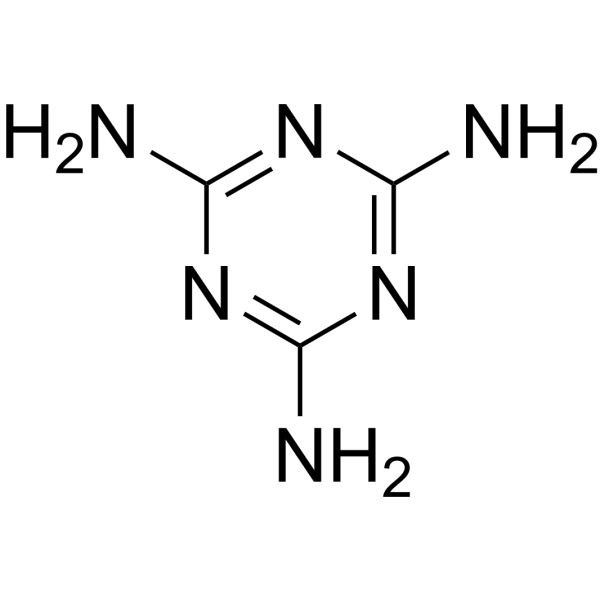
Melamine is an orally active inducer of Apoptosis. Melamine induces animal disease models. Melamine affects the activity of Sertoli cell and can be used for research on male reproductive function. Melamine also has neurotoxicity and nephrotoxicity. Melamine induces cognitive impairment and acute kidney injury models. Melamine can also be used to induce bladder cancer and urinary stone models .
loading...
    loading...
Cat. No.: HY-B0461
CAS No.: 10405-02-4
Target:  

mAChR

Research Areas:  

Neurological Disease

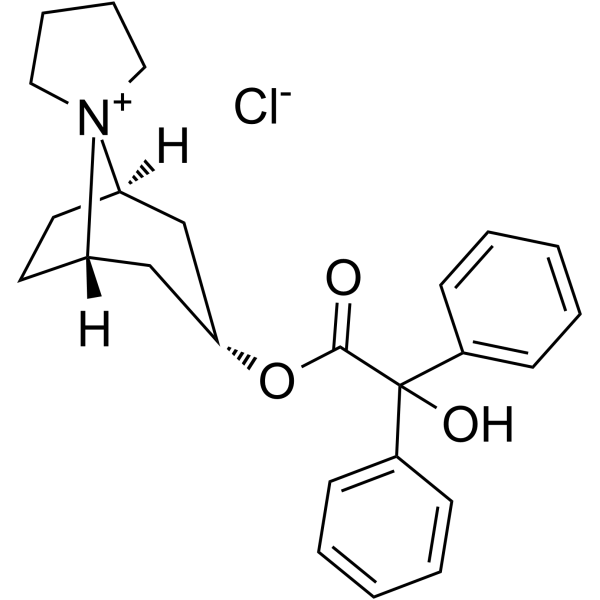
Trospium chloride is an orally active, specific and competitive antagonist of muscarinic cholinergic receptors (mAChRs), with antimuscarinic activity. Trospium chloride binds to muscarinic receptors M1, M2 and M3 with high affinity, but not nicotinic, cholinergic receptors .
loading...
    loading...
Cat. No.: HY-W755252
CAS No.: 3817-11-6
Synonyms: BBN
Research Areas:  

Cancer

N-Butyl-N-(4-hydroxybutyl)nitrosamine is a potent mutagen that can cause high-level of mutagenesis specifically in the epithelial cells (urothelial) of the urinary bladder. N-Butyl-N-(4-hydroxybutyl)nitrosamine is used to induce bladder cancer in rodents .
loading...
    loading...
Cat. No.: HY-B0267A
CAS No.: 1508-65-2
Target:  

mAChR Potassium Channel

Research Areas:  

Neurological Disease Cancer

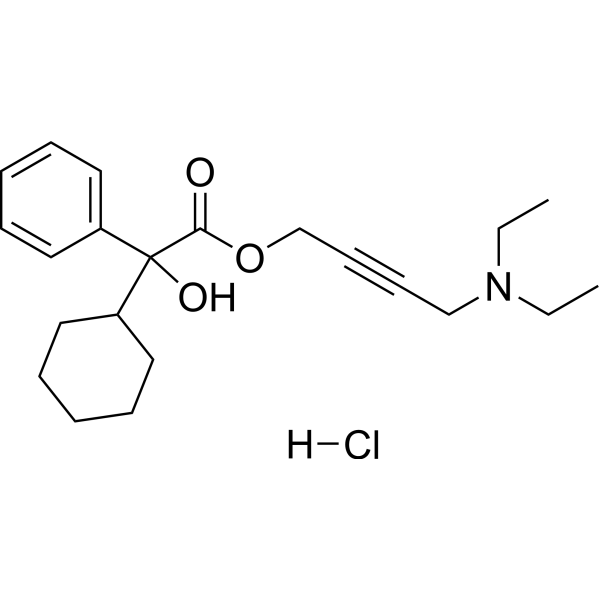
Oxybutynin chloride is an oral active and competitive mAChR antagonist with Kis of 14.3 and 5.55 nM for specific [ 3H]NMS binding in the mouse bladder and cerebral cortex, respectively. Oxybutynin chloride inhibits vascular Kv channels in a manner independent of anticholinergic effect, with an IC50 value of 11.51 μM. Oxybutynin chloride reduces muscle spasm in the bladder and urinary tract, can be used in study of overactive bladder syndrome (OAB) . Oxybutynin (chloride) is a click chemistry reagent, it contains an Alkyne group and can undergo copper-catalyzed azide-alkyne cycloaddition (CuAAc) with molecules containing Azide groups.
loading...
    loading...
Cat. No.: HY-B0549A
CAS No.: 3717-88-2
Synonyms: Rec-7-0040; DW61
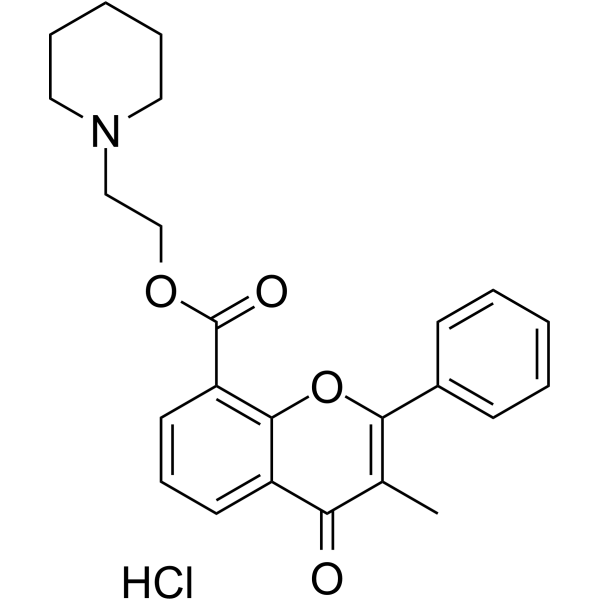
Flavoxate hydrochloride (Rec-7-0040; DW61) is an orally active L-type Ca 2+ channel inhibitor and antispasmodic. Flavoxate hydrochloride inhibits cyclic adenosine monophosphate production by blocking voltage-dependent inward Ba 2+ currents, regulating the brainstem micturition center, and stimulating G protein-coupled receptors. Consequently, Flavoxate hydrochloride induces relaxation of bladder smooth muscle and inhibits isovolumetric rhythmic contractions. Flavoxate hydrochloride effectively increases bladder capacity and alleviates symptoms of urgent urination frequency and pollakiuria caused by overactive bladder. Flavoxate hydrochloride can be used in research on overactive bladder and related voiding dysfunctions .
loading...
    loading...
Cat. No.: HY-90010
CAS No.: 124937-52-6
Synonyms: Kabi-2234; PNU-200583E
Target:  

mAChR Cytochrome P450

Research Areas:  

Neurological Disease Cancer

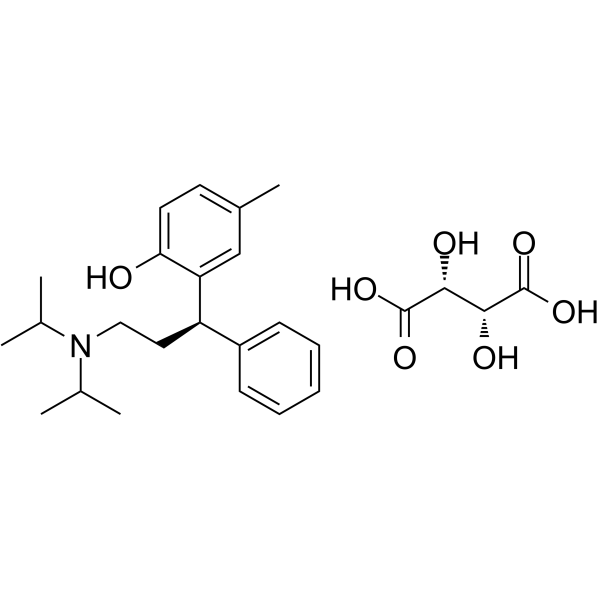
Tolterodine tartrate (Kabi-2234) is a mAChR inhibitor and substrate for cytochrome P450 enzymes. Tolterodine tartrate competitively binds acetylcholine, reduces sympathetic excitation, and inhibits involuntary bladder muscle contraction. Tolterodine tartrate restores the Nrf2/NF-κB signaling pathway, mediates protection against inflammatory response and ferroptosis. Tolterodine tartrate ameliorates LPS (HY-D1056)-induced reactive oxygen species production and lipid oxidation. Tolterodine tartrate can be used for the research of urinary tract infections and overactive bladder .
loading...
    loading...
Cat. No.: HY-154659
CAS No.: 9003-97-8
Research Areas:  

Others

Polycarbophil is an orally active hydrophilic polymer. Polycarbophil achieves bioadhesion through hydrogen bonding between carboxyl groups and mucosal surfaces, and prolongs compound retention time and regulates compound release through swelling properties. Polycarbophil relieves constipation and diarrhea .
loading...
    loading...
Cat. No.: HY-A0024
CAS No.: 124937-51-5
Synonyms: (R)-(+)-Tolterodine; (+)-Tolterodine; (R)-Tolterodine; PNU-200583
Target:  

mAChR Cytochrome P450

Research Areas:  

Neurological Disease Cancer

Tolterodine ((R)-(+)-Tolterodine) is a mAChR inhibitor and substrate for cytochrome P450 enzymes. Tolterodine competitively binds acetylcholine, reduces sympathetic excitation, and inhibits involuntary bladder muscle contraction. Tolterodine restores the Nrf2/NF-κB signaling pathway, mediates protection against inflammatory response and ferroptosis. Tolterodine ameliorates LPS (HY-D1056)-induced reactive oxygen species production and lipid oxidation. Tolterodine can be used for the research of urinary tract infections and overactive bladder .
loading...
    loading...
Cat. No.: HY-116408A
CAS No.: 54556-98-8
Purity:  99.89%
Target:  

mAChR Calcium Channel

Research Areas:  

Neurological Disease Cancer

Propiverine hydrochloride is a bladder spasmolytic with calcium antagonistic and anticholinergic properties. Propiverine hydrochloride can be used for the research of overactive blaqdder and urinary incontinence .
loading...
    loading...
Cat. No.: HY-119577
CAS No.: 15876-67-2
Purity:  ≥99.0%
Synonyms: Distigmine dibromide
Target:  

Cholinesterase (ChE)

Research Areas:  

Neurological Disease

Ubretid is a potent inhibitor of plasma cholinesterase. Ubretid therefore delays the hydrolysis of suxamethonium and prolongs its action, similar to the effects shown by other anticholinesterase agents, such as pyridostigmine and donepezil. Ubretid has the potential for the research of urinary retention prolongs the effect of suxamethonium. Ubretid is commonly prescribed for the research of myasthenia gravis and for difficulty in emptying the bladder .
loading...
    loading...
Cat. No.: HY-B0662
CAS No.: 170105-16-5
Synonyms: KRP-197; ONO-8025
Imidafenacin (KRP-197; ONO-8025) is an orally active inhibitor of muscarinic (mAChR) M1 and M3 receptors. Imidafenacin potently inhibits bladder contraction in vivo and exerts an antidiuretic effect by enhancing the signaling pathway of vasopressin (antidiuretic hormone). Imidafenacin can be used in research related to overactive bladder .
loading...
    loading...
Cat. No.: HY-W010031
CAS No.: 708-79-2
1-Methyluric acid acts on the urinary bladder mucosa and increases the blood glucose, insulin, triglyceride, and cholesterol levels.
loading...
    loading...

