Infection
-
Infection Related Products (18883)
Related Products (18883)

-
Antibodies (22)
-
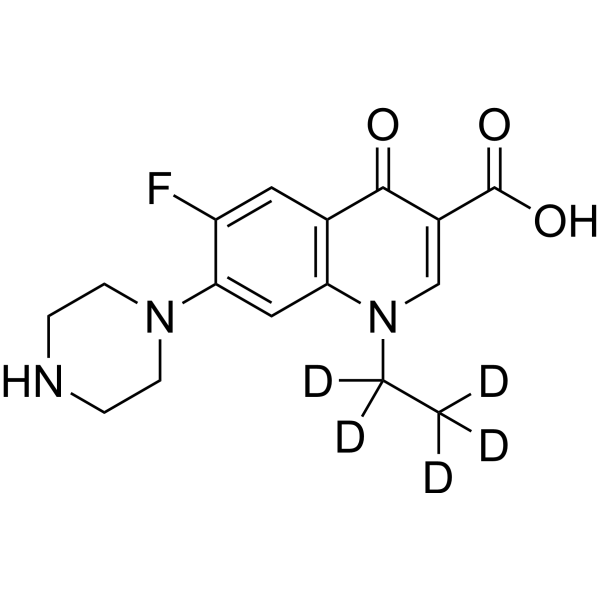
Norfloxacin-d5
 0 Images
Norfloxacin-d5 is the deuterium labeled Norfloxacin. Norfloxacin is a broad-spectrum antibiotic that is active against both Gram-positive and Gram-negative bacteria, which functions by inhibiting DNA gyrase.
-
Phospholipase C
 0 Images
Phospholipase C (PLCs) is a class of phospholipases. Phospholipase C participates in cellular signaling and regulation by virtue of its ability to hydrolyze membrane phospholipids into di-acyl-glycerol (DAG) and inositol triphosphate (IP3), which further causes the activation of other signaling pathways involved in various processes, including immune response.
-
Brazilein
 0 Images
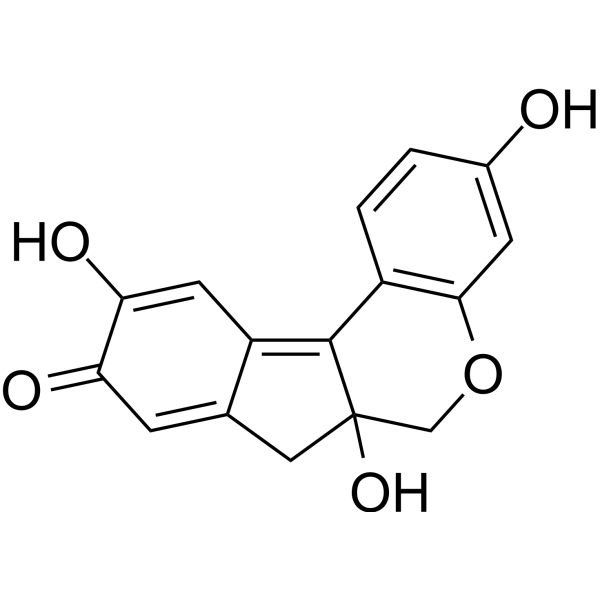
Brazilein is a compound with anti-inflammatory and neuroprotective activities, with an IC50 of 500 μM against guinea pig Na+,K+-ATPase. Brazilein reduces iNOS mRNA expression, thereby inhibiting nitric oxide production in immune cells. Brazilein suppresses inflammatory responses by reducing the mRNA expression of TNF-α and IL-6, but has no effect on IL-1β expression. Brazilein reduces the cerebral infarction volume and improves the neurological function scores of rats with cerebral ischemia-reperfusion injury. Brazilein induces apoptosis of splenic lymphocytes in mice. Brazilein inhibits humoral immune responses in mice, and causes thymus and spleen atrophy as well as body weight loss in mice. Brazilein also possesses antimalarial and antibacterial activities. Brazilein is also a red dye. Brazilein can be used in studies related to the infection, nervous system, cardiovascular system and inflammatory diseases.
-
Tecovirimat monohydrate
 0 ImagesSynonyms: ST-246 monohydrate
Tecovirimat (ST-246) monohydrate is the monohydrate form of Tecovirimat (HY-14805). Tecovirimat monohydrate is an orally bioavailable and selective compound against orthopoxviruses [including vaccinia, monkeypox, camelpox, cowpox, ectromelia (mousepox), smallpox and variola viruses]. Tecovirimat monohydrate is evaluated against vaccinia, cowpox virus, ectromelia virus with EC50 values of 0.01 μM, 0.48 μM and 0.05 μM, respectively. Tecovirimat monohydrate targets the orthopoxvirus protein VP37 which is necessary for membrane envelopment of intracellular mature virus particles to form enveloped virus. Tecovirimat monohydrate exerts antiviral activity on the target of the cowpox virus V061 gene, which is homologous to vaccinia virus F13L, encoding a major envelope protein (p37) required for production of extracellular virus. Tecovirimat monohydrate could be used in the study for orthopoxvirus-induced diseases.
-
Qstatin
 0 Images
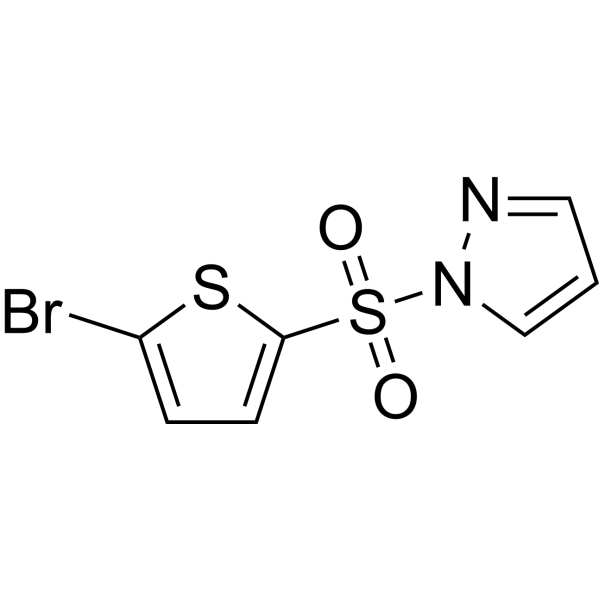
QStatin is a potent and selective inhibitor of SmcR (V. harveyi LuxR homologue) with an EC50 of 208.9 nM, binding tightly to SmcR and changes the flexibility of the protein, thereby altering its transcription regulatory activity. QStatin shows pan-QS (Vibrio quorum sensing) inhibitor activity in diverse Vibrio species and attenuates their virulence in an aquatic host. QStatin may be a sustainable antivibriosis agent useful in aquacultures.
-
Cefmenoxime hydrochloride
 0 ImagesSynonyms: SCE-1365 hydrochloride
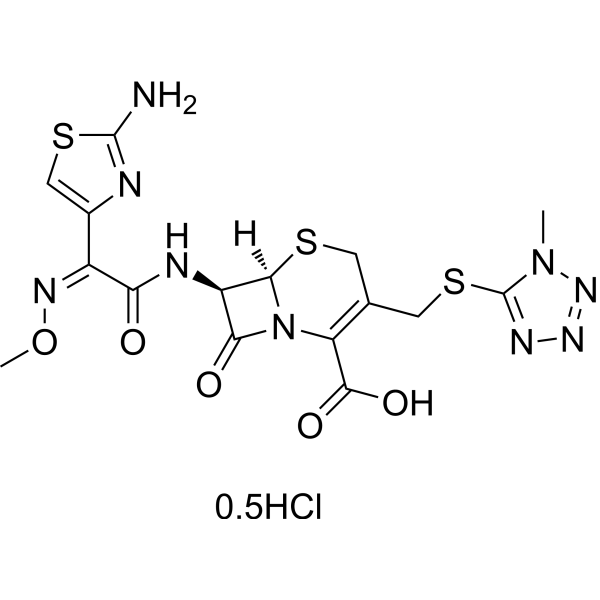
Cefmenoxime (SCE-1365) hydrochloride is a new semisynthetic cephalosporin antibiotic. Cefmenoxime has antibacterial activity against a wide variety of gram-positive and gram-negative bacteria.
-
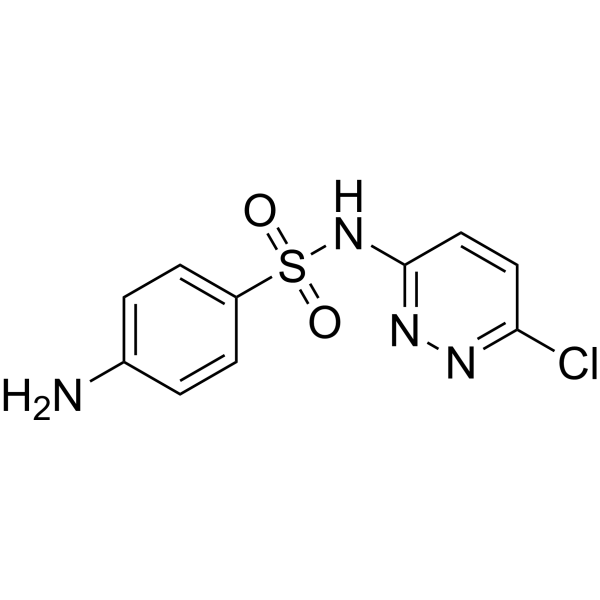
Sulfachloropyridazine
 0 Images
Sulfachloropyridazine is a broad spectrum sulfonamide that can be used against both gram-positive and gram-negative aerobic bacteria as well as Chlamydia. Sulfachloropyridazine is also considered as a common pollutant in surface and groundwater. Sulfachloropyridazine via electro-Fenton is a model for sulfonamide antibiotics that are widespread in waters.
-
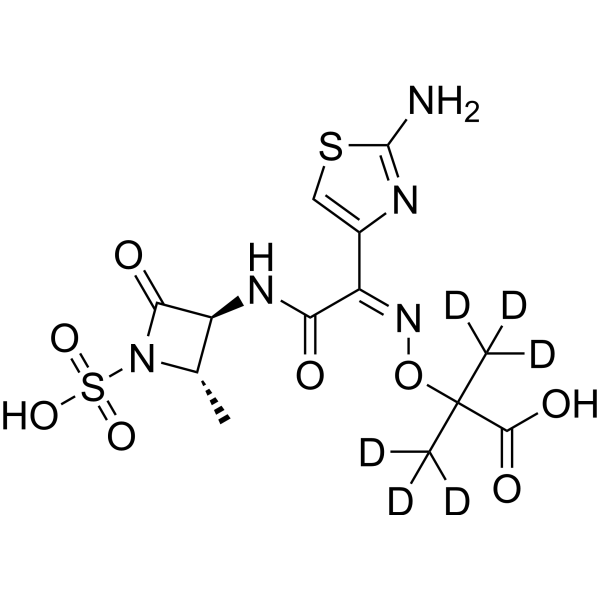
Aztreonam-d6
 0 ImagesSynonyms: SQ-26,776-d6
Aztreonam-d6 is deuterium labeled Aztreonam. Aztreonam (SQ-26,776) is a synthetic monocyclic beta-lactam antibiotic, which has a very high affinity for penicillin-binding protein 3 (PBP-3).
-
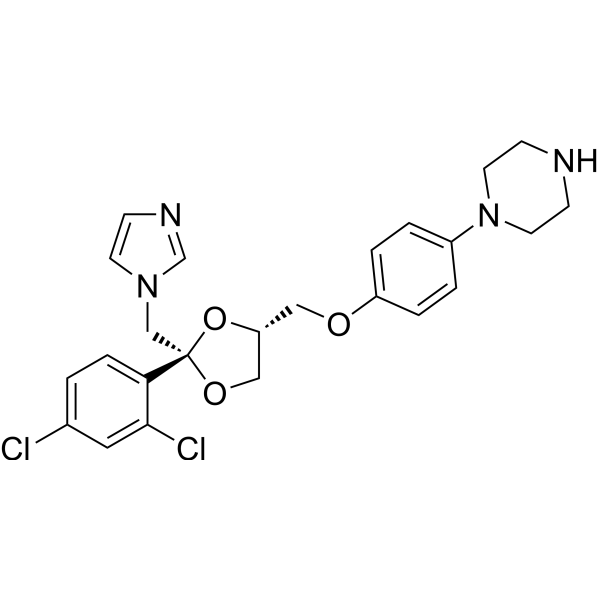
Deacylketoconazole
 0 ImagesSynonyms: N-Deacetylketoconazole; R-39519
Deacylketoconazole (N-Deacetylketoconazole; R-39519) is an orally active metabolite of Ketoconazole (HY-B0105). Deacylketoconazole exhibits antifungal and antibacterial activity. Deacylketoconazole is cytotoxic in rats hepatocyte.
-
Antimalarial agent 39
 0 ImagesCat. No.: HY-W131282CAS No.: 5407-57-8
Antimalarial agent 39 (compound 1) is an intermediate in the synthesis of antimalarial agents.
-
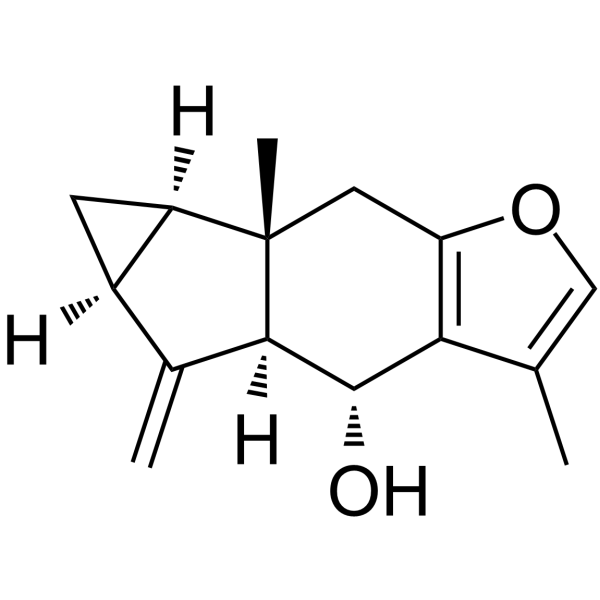
Lindenenol
 0 Images
Lindenenol is isolated from Radix linderae, with antioxidant and antibacterial activities.
-
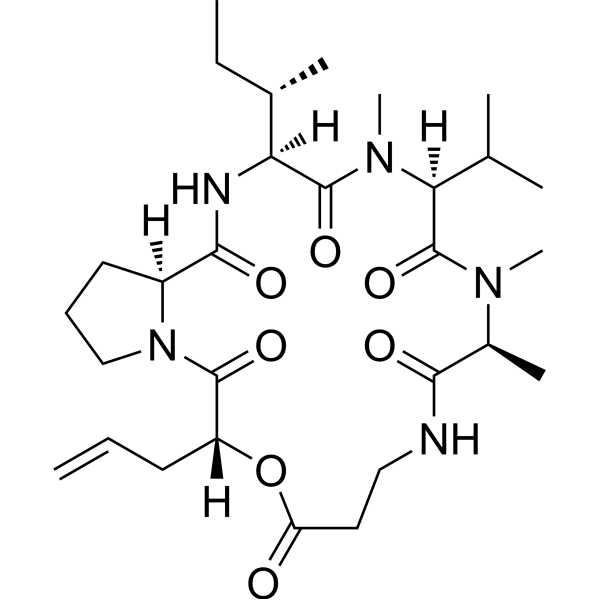
Destruxin A
 0 Images
Destruxin A is a fungal cyclopeptide with insecticidal and antiviral activities. Destruxin A has a certain inhibitory effect on leukemia cells in vitro. Destruxin A can also specifically inhibit the innate immune response of Drosophila melanogaster, making the flies more susceptible to bacterial infections.
-
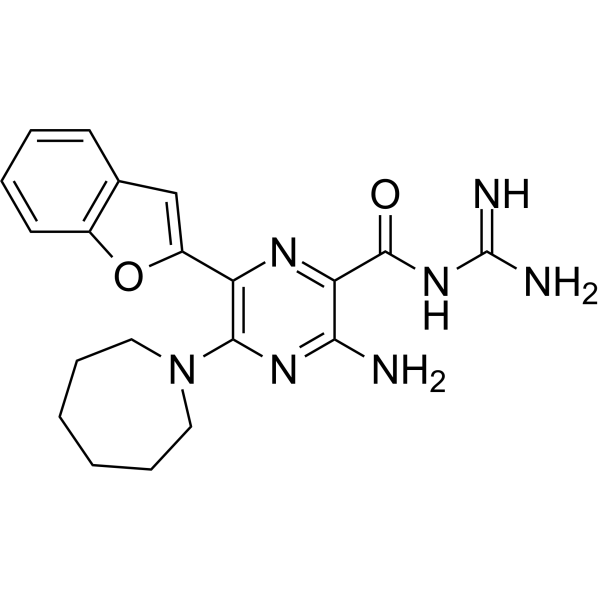
BB2-50F
 0 Images
BB2-50F is an antimicrobial agent and succinate dehydrogenase and F1Fo-ATP synthase inhibitor. BB2-50F induces ROS. BB2-50F inhibits succinate oxidation and reduces tricarboxylic acid (TCA) cycle activity. BB2-50F inhibits the growth of Mycobacterium tuberculosis H37Rv and its auxotrophic, attenuated derivative mc2 6230 (ΔRD1, ΔpanCD) with an MIC of 8 μM.
-
Anti-Mouse/Rat/Monkey/Human ICOS/CD278 Antibody (C398.4A)
 0 ImagesCat. No.: HY-P990236Purity: 98.81%
Anti-Mouse/Rat/Monkey/Human ICOS/CD278 Antibody (C398.4A) is an anti-mouse/rat/monkey/human ICOS/CD278 IgG monoclonal antibody. Anti-Mouse/Rat/Monkey/Human ICOS/CD278 Antibody (C398.4A) has limited effectiveness in improving T cell function and immune activation. Anti-Mouse/Rat/Monkey/Human ICOS/CD278 Antibody (C398.4A) can be used for researches on cancer and infection conditions such as gliomas and hepatitis B virus infection .
-
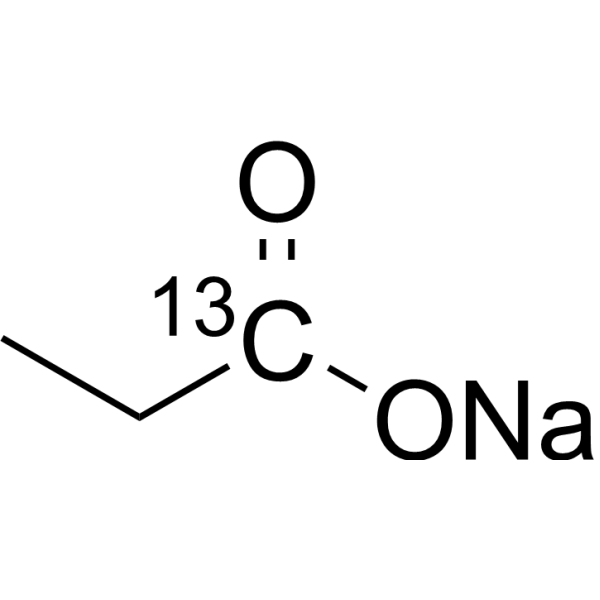
Sodium propionate-13C
 0 Images
Sodium propionate-13C is the 13C labeled Propionate sodium (HY-B1773A). Sodium propionate is an orally active short-chain fatty acid. Sodium propionate can be produced by intestinal bacteria from the metabolism of dietary fiber. Sodium propionate increases PPAR-γ, inhibits NF-κB activation, and reduces COX-2 expression and NO production. Sodium propionate also induces Apoptosis and Autophagy. Sodium propionate reduces HSV-1-induced keratitis. Sodium propionate has anticancer effects against glioblastoma. Sodium propionate exhibits neuroprotective, antioxidant, and anti-inflammatory activities. Sodium propionate can be used in the research of spinal cord injury and Alzheimer's disease.
-
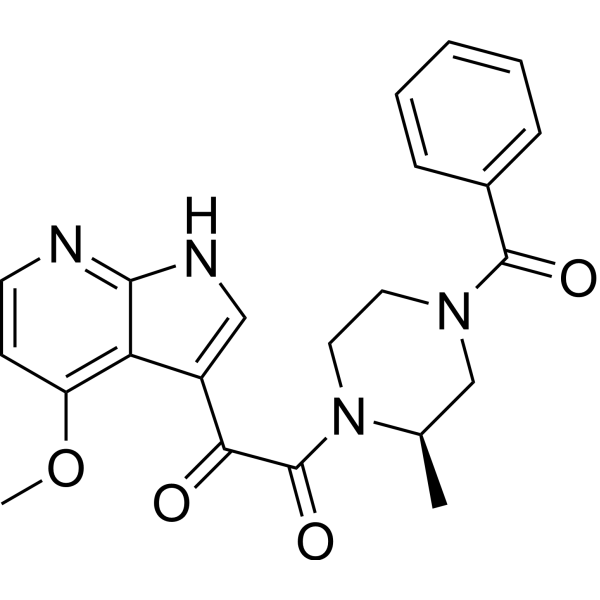
BMS-378806
 0 ImagesSynonyms: BMS-806
BMS-378806 is a potent HIV-1 attachment inhibitor that interferes with CD4-gp120 interactions. BMS-378806 selectively inhibits the binding of HIV-1 gp120 to the CD4 receptor with EC50 of 0.85-26.5 nM in virus.
-
Moringa Extract
 0 ImagesCat. No.: HY-N13254
Moringa Extract is the extract of Moringa with antioxidative and antibacterial activity. Moringa Extract increases Nrf2 and NQO1 expression, scavenges radicals, reduces oxidative stress, inhibits growth of Staphylococcus aureus and Escherichia coli. Moringa Extract can be used for the research of dietary supplements, cosmetics, and natural water purification.