



Sodium 4-phenylbutyrate
Based on 27 publication(s) in Google Scholar
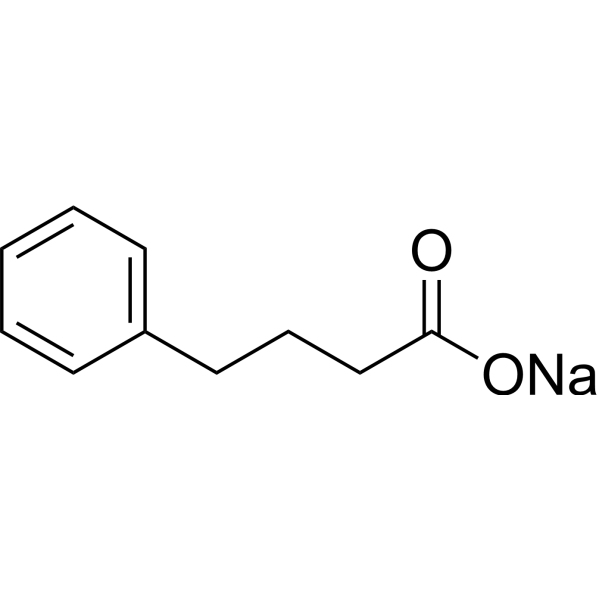
Sodium 4-phenylbutyrate (4-PBA sodium) is an inhibitor of HDAC and endoplasmic reticulum (ER) stress, used in cancer and infection research.
For research use only. We do not sell to patients.
- Purity : 99.96%
- CAS No.: 1716-12-7
- Formula: C10H11NaO2
- Molecular Weight:186.18
-
Storage:
4°C, sealed storage, away from moisture
* In solvent : -80°C, 6 months; -20°C, 1 month (sealed storage, away from moisture)

To place orders, for customer services and technical support, please contact: MedChemExpress USA
Tel: 609-228-6898 E-mail: [email protected] [email protected]


-
 Biological Activity
-
Chemical Information
-
Solvent & Solubility
- Protocols
- Purity & Documentation
- References
-
 Help & FAQs


-
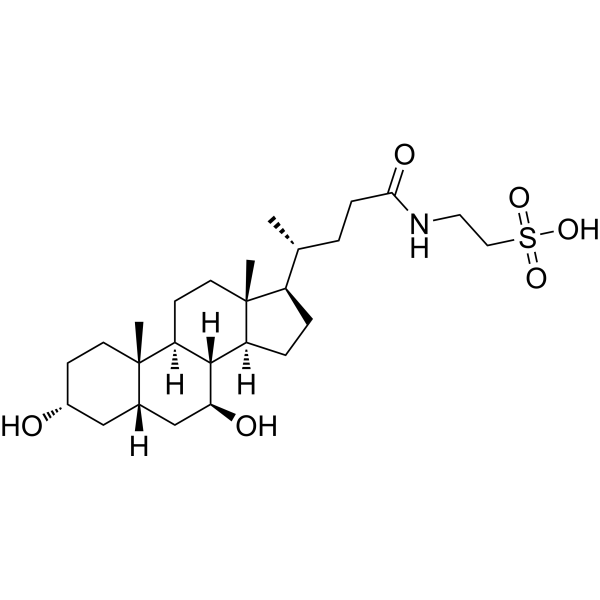
HY-19696
TauroursodeoxycholateEndoplasmic Reticulum Stress Inhibitor -
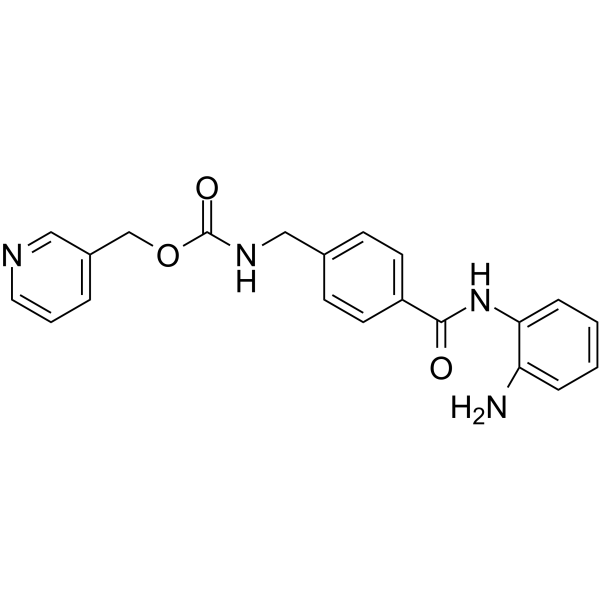
HY-12163
EntinostatHDAC Class I Inhibitor -
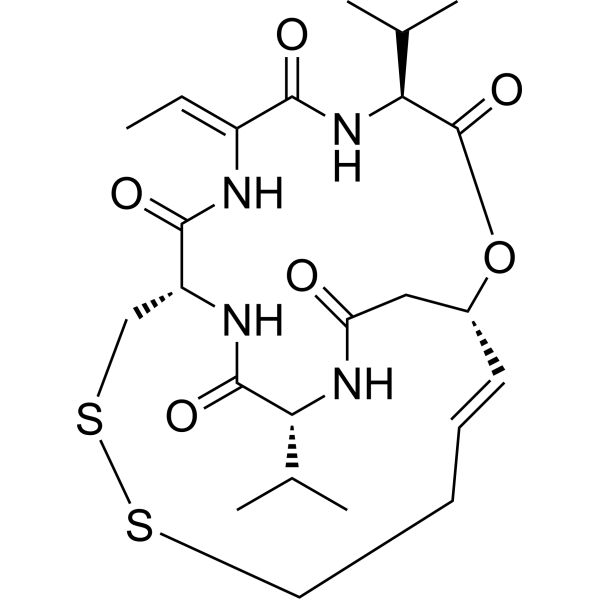
HY-15149
RomidepsinHDAC Inhibitor -
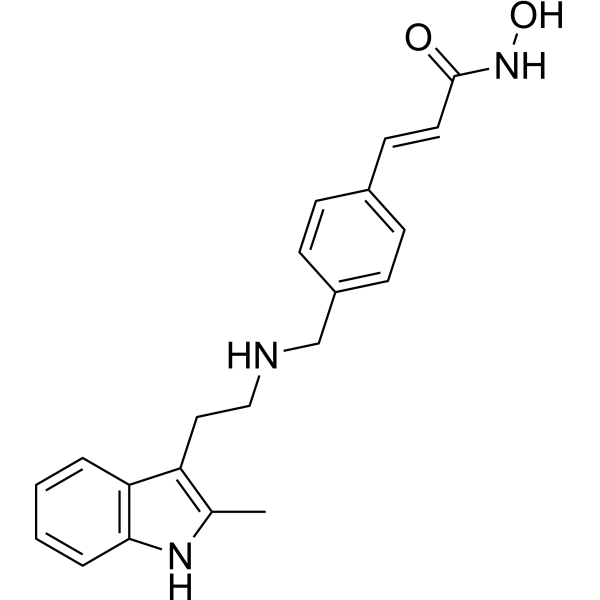
HY-10224
PanobinostatHDAC Inhibitor -
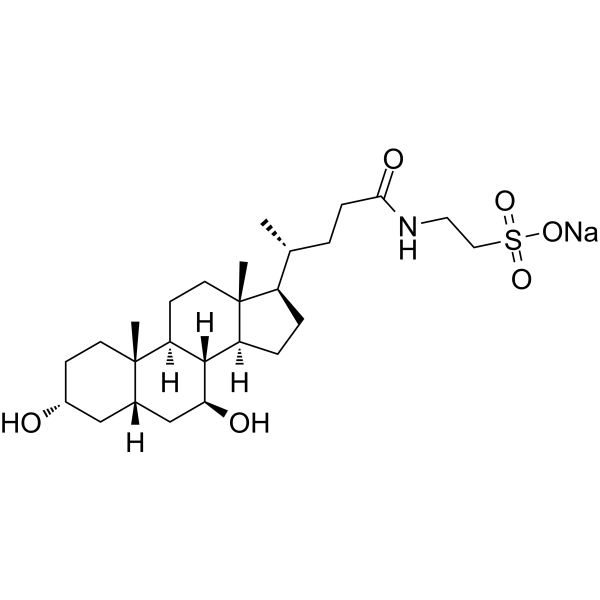
HY-19696A
Tauroursodeoxycholate sodiumEndoplasmic Reticulum Stress Inhibitor -
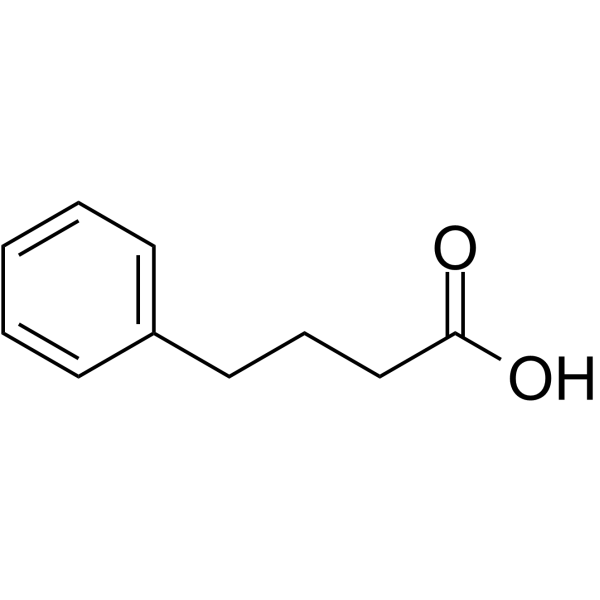
HY-A0281
4-Phenylbutyric acidHDAC Inhibitor -
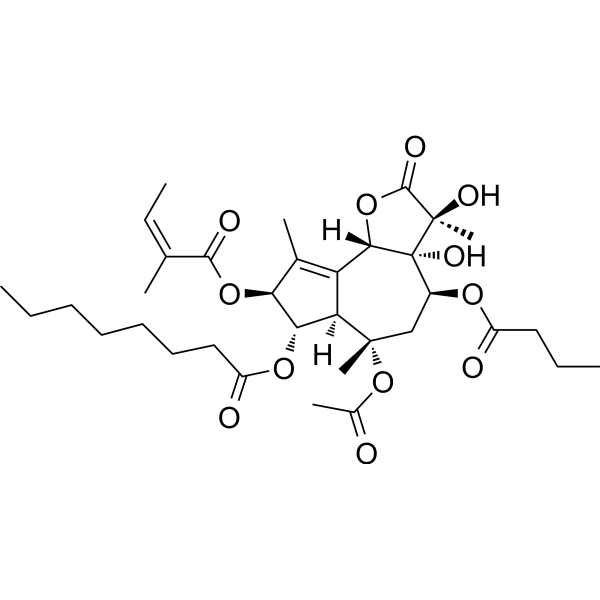
HY-13433
ThapsigarginER Stress Inducer -
HY-A0098
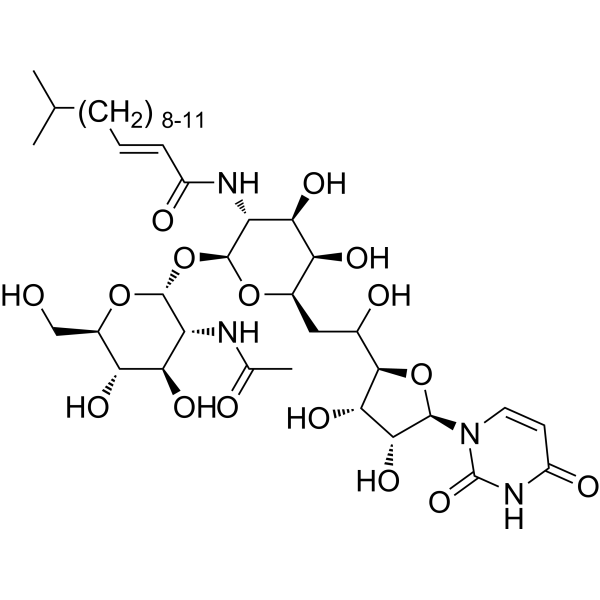
TunicamycinER Stress Inducer -
HY-13259
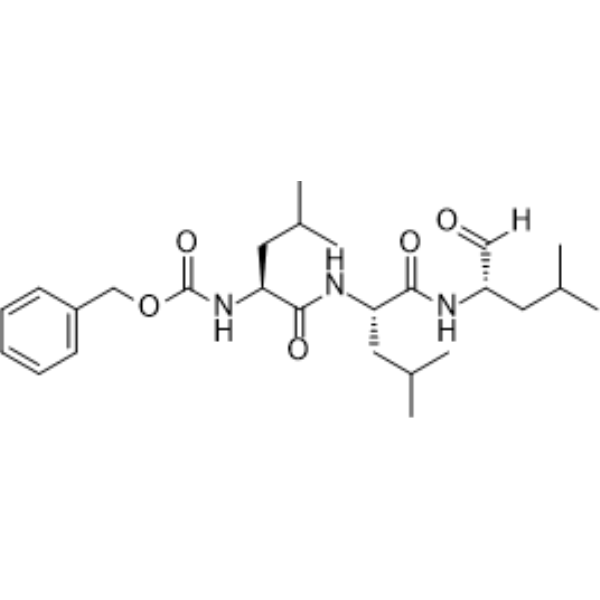
MG-132Proteasome Inhibitor -
HY-B0215
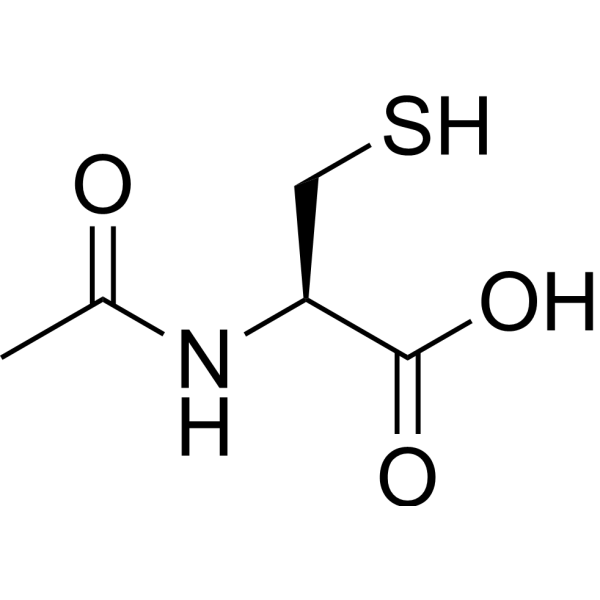
AcetylcysteineMucolytic Agent -
HY-10221
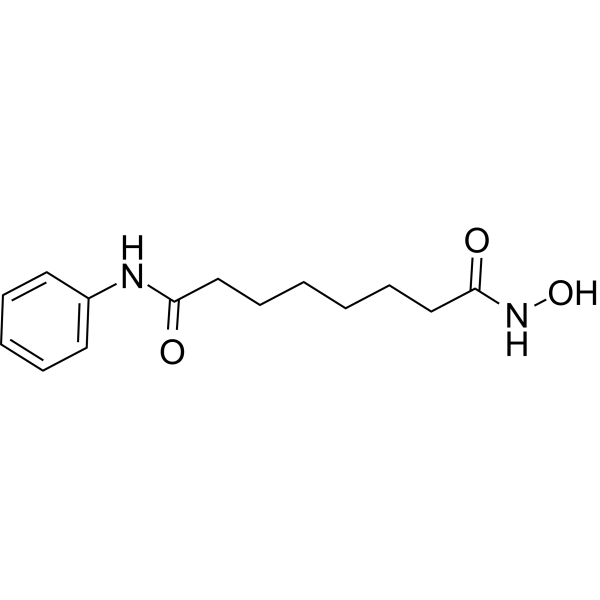
VorinostatHDAC Inhibitor -
HY-10585
Valproic acidHDAC Inhibitor
Publications Citing Use of MedChemExpress (MCE) Sodium 4-phenylbutyrate
More- Autophagy. 2022 Oct;18(10):2350-2367. [Abstract]
- Cell Death Dis. 2018 Nov 16;9(12):1143. [Abstract]
- Phytomedicine. 2026 May 26. [Abstract]
- PNAS. 2023 Jan 23;120(5):e2217532120.
- Arterioscler Thromb Vasc Biol. 2022 Mar;42(3):305-325. [Abstract]
- J Invest Dermatol. 2025 Mar;145(3):631-644.e22. [Abstract]
- Ecotoxicol Environ Saf. 2022 May 1;236:113508. [Abstract]
- Int Immunopharmacol. 2025 Oct 30:164:115386. [Abstract]
- Int Immunopharmacol. 2021 Dec;101(Pt A):108281. [Abstract]
- Mol Neurobiol. 2025 May 26. [Abstract]
- Am J Physiol Cell Physiol. 2025 Mar 1;328(3):C1076-C1089. [Abstract]
- Front Pharmacol. 2021 May 24:12:685895. [Abstract]
- Chem Biol Interact. 2023 Jul 1:379:110523. [Abstract]
- J Mol Med (Berl). 2019 Aug;97(8):1183-1193. [Abstract]
- Biosci Rep. 2019 Aug 7;39(8):BSR20190578. [Abstract]
- Cell Stress Chaperones. 2022 May;27(3):273-283. [Abstract]
- Nutr Metab. 2020 Jan 30;17:11. [Abstract]
- Vet Res. 2023 Mar 22;54(1):27. [Abstract]
- Front Oncol. 2021 Oct 27;11:722624. [Abstract]
- Food Chem Toxicol. 2020 Jun:140:111329. [Abstract]
- Exp Eye Res. 2026 Mar:264:110820. [Abstract]
- Toxicol Res (Camb). 2021 Jan 5;10(1):18-28. [Abstract]
- Vet Microbiol. 2025 Aug:307:110559. [Abstract]
- FEBS Open Bio. 2020 Oct;10(10):2122-2136. [Abstract]
- Lett Drug Des Discover. 2019 Nov.
- Int J Clin Exp Med. 2019;12(5):5184-5190.
- Res Sq. 2024 Aug 21.


Biological Activity
Description
IC50 & Target
[1]|
HDAC |
In Vitro
Sodium 4-phenylbutyrate (Sodium phenylbutyrate) is an inhibitor of HDAC, inhibits the growth of NSCLC Cell Lines at 2 mM. Sodium 4-phenylbutyrate in combination with ciglitizone results in enhanced growth arrest of cancer cells[1].
Sodium 4-phenylbutyrate (Sodium phenylbutyrate; 0-5 mM) inhibits ASFV infection in a dose-dependent manner. Sodium 4-phenylbutyrate also inhibits the ASFV late protein synthesis and disrupts the virus-induced H3K9/K14 hypoacetylation status. Sodium 4-phenylbutyrate and Enrofloxacin act synergistically to abolish ASFV replication[2].
Addition of Bafilomycin A1 results in accumulation of LC3II, whereas Benzenebutyric acid (4-PBA) substantially reduces this accumulation. LPS decreases the level of p62, whereas Benzenebutyric acid reverses this decrease upon LPS stimulation for 48 h. The percentage of cells with LPS-induced AVOs is increased at 48 h, whereas Benzenebutyric acid significantly reduces this percentage. Specifically, the percentage of cells with AVOs decreases from 61.6% to 53.1% upon Benzenebutyric acid treatment, supporting that Benzenebutyric acid inhibits LPS-induced autophagy. As a positive control for autophagy inhibition, bafilomycin A1 is used. The percentage of cells with LPS-induced AVOs is reduced by bafilomycin A1 treatment. The decreased OC area and fusion index observed after Benzenebutyric acid treatment are not observed with knockdown of ATG7. Inhibition of NF-κB using BAY 11-7082 and JSH23 reduce the LC3 II level upon LPS stimulation and completely abolish the inhibitory effect of Benzenebutyric acid on LPS-induced effects[3].
MedChemExpress (MCE) has not independently confirmed the accuracy of these methods. They are for reference only. Further protocols information, click here.
In Vivo
MedChemExpress (MCE) has not independently confirmed the accuracy of these methods. They are for reference only.
Clinical Trial
| NCT Number | Sponsor | Condition | Start Date |
Phase

|
|---|---|---|---|---|
| NCT01329991 | Plexxikon| | 2011-05 | PHASE1 |


Chemical Information
-
CAS No. 1716-12-7
-
Appearance Solid
-
Molecular Weight 186.18
-
Formula C10H11NaO2
-
Color White to off-white
-
SMILES
O=C(O[Na])CCCC1=CC=CC=C1
-
Synonyms
4-PBA sodium; 4-Phenylbutyric acid sodium; Benzenebutyric acid sodium
-
Shipping
Room temperature in continental US; may vary elsewhere.
-
Storage
4°C, sealed storage, away from moisture
* In solvent : -80°C, 6 months; -20°C, 1 month (sealed storage, away from moisture)


Publications (27)
-
Journal Impact Factor
-
Most Recent
-
Autophagy
Protein disulfide isomerases (PDIs) negatively regulate ebolavirus structural glycoprotein expression in the endoplasmic reticulum (ER) via the autophagy-lysosomal pathway. [Abstract]2022 Oct;18(10):2350-2367. PMID: 35130104 -
Cell Death Dis
NMT1 inhibition modulates breast cancer progression through stress-triggered JNK pathway. [Abstract]2018 Nov 16;9(12):1143. PMID: 30446635 -
Phytomedicine
β-mangostin triggers ER stress-mediated mitochondrial dysfunction to induce apoptosis in colorectal cancer. [Abstract]2026 May 26. PMID: 42275878 -
-
Arterioscler Thromb Vasc Biol
Endothelial Intracellular ANG (Angiogenin) Protects Against Atherosclerosis by Decreasing Endoplasmic Reticulum Stress. [Abstract]2022 Mar;42(3):305-325. PMID: 35045729 -
J Invest Dermatol
Development of a Cellular Assay as a Personalized Model for Testing Chronic Wound Therapeutics. [Abstract]2025 Mar;145(3):631-644.e22. PMID: 38960086 -
Ecotoxicol Environ Saf
Perfluorooctanoic acid exposure increases both proliferation and apoptosis of human placental trophoblast cells mediated by ER stress-induced ROS or UPR pathways. [Abstract]2022 May 1;236:113508. PMID: 35427876 -
Int Immunopharmacol
Targeting PARK7: Sodium 4-Phenylbutyrate shields endothelial cells from oxidative stress and GSDME-mediated Pyroptosis in acute lung injury. [Abstract]2025 Oct 30:164:115386. PMID: 40834532 -
Int Immunopharmacol
Deficiency of β-arrestin2 alleviates apoptosis through GRP78-ATF6-CHOP signaling pathway in primary Sjögren's syndrome. [Abstract]2021 Dec;101(Pt A):108281. PMID: 34710848 -
Mol Neurobiol
PDZD8 Dysregulation Mediates RVLM Neuronal Hyperexcitation Via Activation of Ca2+-Calpain-2 Signaling in Stress-Induced Hypertension. [Abstract]2025 May 26. PMID: 40418411 -
Am J Physiol Cell Physiol
2025 Mar 1;328(3):C1076-C1089. PMID: 39982446 -
Front Pharmacol
CHOP Regulates Endoplasmic Reticulum Stress-Mediated Hepatoxicity Induced by Monocrotaline. [Abstract]2021 May 24:12:685895. PMID: 34108882 -
Chem Biol Interact
Hexavalent chromium disrupts the skin barrier by targeting ROS-mediated mitochondrial pathway apoptosis in keratinocytes. [Abstract]2023 Jul 1:379:110523. PMID: 37146930 -
J Mol Med (Berl)
2019 Aug;97(8):1183-1193. PMID: 31201471 -
Biosci Rep
Tension induces intervertebral disc degeneration via endoplasmic reticulum stress-mediated autophagy. [Abstract]2019 Aug 7;39(8):BSR20190578. PMID: 31285389 -
Cell Stress Chaperones
Role of endoplasmic reticulum stress in apoptosis induced by HK2 inhibitor and its potential as a new drug combination strategy. [Abstract]2022 May;27(3):273-283. PMID: 35355227 -
Nutr Metab
Oleic acid ameliorates palmitic acid induced hepatocellular lipotoxicity by inhibition of ER stress and pyroptosis. [Abstract]2020 Jan 30;17:11. PMID: 32021639 -
Vet Res
The novel Nsp9-interacting host factor H2BE promotes PEDV replication by inhibiting endoplasmic reticulum stress-mediated apoptosis. [Abstract]2023 Mar 22;54(1):27. PMID: 36949543 -
Front Oncol
Knockdown of Oligosaccharyltransferase Subunit Ribophorin 1 Induces Endoplasmic-Reticulum-Stress-Dependent Cell Apoptosis in Breast Cancer. [Abstract]2021 Oct 27;11:722624. PMID: 34778038 -
Food Chem Toxicol
Impaired ferritinophagy flux induced by high fat diet mediates hepatic insulin resistance via endoplasmic reticulum stress. [Abstract]2020 Jun:140:111329. PMID: 32283200 -
Exp Eye Res
2026 Mar:264:110820. PMID: 41435751 -
Toxicol Res (Camb)
The relationship between endoplasmic reticulum stress and autophagy in apoptosis of BEAS-2B cells induced by cigarette smoke condensate. [Abstract]2021 Jan 5;10(1):18-28. PMID: 33613969 -
Vet Microbiol
PERK-mediated eIF2α phosphorylation suppresses porcine epidemic diarrhea virus replication by attenuating global protein synthesis and inducing IFN-Ⅰ production. [Abstract]2025 Aug:307:110559. PMID: 40494050 -
FEBS Open Bio
T-type calcium channel blockade induces apoptosis in C2C12 myotubes and skeletal muscle via endoplasmic reticulum stress activation. [Abstract]2020 Oct;10(10):2122-2136. PMID: 32865339 -
-
-


Solvent & Solubility
In Vitro:
H2O : 100 mg/mL (537.11 mM; Need ultrasonic)
Please refer to the solubility information to select the appropriate solvent. Once prepared, please aliquot and store the solution to prevent product inactivation from repeated freeze-thaw cycles.
Storage method and period of stock solution: -80°C, 6 months; -20°C, 1 month (sealed storage, away from moisture). When stored at -80°C, please use it within 6 months. When stored at -20°C, please use it within 1 month.
* Note: If you choose water as the stock solution, please dilute it to the working solution, then filter and sterilize it with a 0.22 μm filter before use.
Please refer to the solubility information to select the appropriate solvent. Once prepared, please aliquot and store the solution to prevent product inactivation from repeated freeze-thaw cycles.
Storage method and period of stock solution: -80°C, 6 months; -20°C, 1 month (sealed storage, away from moisture). When stored at -80°C, please use it within 6 months. When stored at -20°C, please use it within 1 month.
* Note: If you choose water as the stock solution, please dilute it to the working solution, then filter and sterilize it with a 0.22 μm filter before use.
Concentration (start) × Volume (start) = Concentration (final) × Volume (final)
In Vivo:
For the following dissolution methods, please prepare the working solution directly:
It is recommended to prepare fresh solutions and use them promptly within a short period of time.
The percentages shown for the solvents indicate their volumetric ratio in the final prepared solution. If precipitation or phase separation occurs during preparation, heat and/or sonication can be used to aid dissolution.
Add each solvent one by one: PBS
Solubility: 100 mg/mL (537.11 mM); Clear solution; Need ultrasonic

Protocols
-
Research Protocol for Infectious Diseases
Infectious-disease experiments test how pathogens interact with host barriers, innate immune receptors, inflammatory signaling, pathogen replication, and tissue injury; pattern-recognition receptors such as TLRs, RIG-I-like receptors, NOD-like receptors, and inflammasomes detect microbial molecules and activate NF-κB, interferon, and cytokine responses. The central hypothesis is that infection severity reflects the balance between pathogen burden and host response: protective inflammation restricts pathogen growth, whereas excessive or mislocalized inflammation contributes to tissue damage and disease phenotype. Unresolved questions include which host pathways are protective versus pathogenic, why some infection models fail to translate to human disease, and which combined readouts best predict clinically relevant infection outcomes.


Purity & Documentation
-
Data Sheet (278 KB)
-
SDS (393 KB)
- English - EN (393 KB)
- Français - FR (393 KB)
- Deutsch - DE (393 KB)
- Norwegian - NO (393 KB)
- Español - ES (393 KB)
- Swedish - SV (393 KB)
- Italian - IT (393 KB)
- Korean - KR (393 KB)
- Portuguese - PT (393 KB)
-
Handling Instructions (2659 KB)
References
[1]. Chang TH, et al. Enhanced growth inhibition by combination differentiation therapy with ligands of peroxisome proliferator-activated receptor-gamma and inhibitors of histone deacetylase in adenocarcinoma of the lung. Clin Cancer Res. 2002 Apr;8(4):1206-12. [Content Brief]
[2]. Frouco G, et, al. Sodium phenylbutyrate abrogates African swine fever virus replication by disrupting the virus-induced hypoacetylation status of histone H3K9/K14. Virus Res. 2017 Oct 15;242:24-29. [Content Brief]
[3]. Park HJ, et al. 4-Phenylbutyric acid protects against lipopolysaccharide-induced bone loss by modulating autophagy in osteoclasts. Biochem Pharmacol. 2018 May;151:9-17. [Content Brief]


Complete Stock Solution Preparation Table
Please refer to the solubility information to select the appropriate solvent. Once prepared, please aliquot and store the solution to prevent product inactivation from repeated freeze-thaw cycles.
Storage method and period of stock solution: -80°C, 6 months; -20°C, 1 month (sealed storage, away from moisture). When stored at -80°C, please use it within 6 months. When stored at -20°C, please use it within 1 month.
| Optional Solvent | Concentration Solvent Mass | 1 mg | 5 mg | 10 mg | 25 mg |
|---|---|---|---|---|---|
| H2O | 1 mM | 5.3711 mL | 26.8557 mL | 53.7115 mL | 134.2787 mL |
| 5 mM | 1.0742 mL | 5.3711 mL | 10.7423 mL | 26.8557 mL | |
| 10 mM | 0.5371 mL | 2.6856 mL | 5.3711 mL | 13.4279 mL | |
| 15 mM | 0.3581 mL | 1.7904 mL | 3.5808 mL | 8.9519 mL | |
| 20 mM | 0.2686 mL | 1.3428 mL | 2.6856 mL | 6.7139 mL | |
| 25 mM | 0.2148 mL | 1.0742 mL | 2.1485 mL | 5.3711 mL | |
| 30 mM | 0.1790 mL | 0.8952 mL | 1.7904 mL | 4.4760 mL | |
| 40 mM | 0.1343 mL | 0.6714 mL | 1.3428 mL | 3.3570 mL | |
| 50 mM | 0.1074 mL | 0.5371 mL | 1.0742 mL | 2.6856 mL | |
| 60 mM | 0.0895 mL | 0.4476 mL | 0.8952 mL | 2.2380 mL | |
| 80 mM | 0.0671 mL | 0.3357 mL | 0.6714 mL | 1.6785 mL | |
| 100 mM | 0.0537 mL | 0.2686 mL | 0.5371 mL | 1.3428 mL |
* Note: If you choose water as the stock solution, please dilute it to the working solution, then filter and sterilize it with a 0.22 μm filter before use.


Sodium 4-phenylbutyrate Related Classifications
HY-15654 Related Classifications
 Powered by Bioz