



Akt
PKB; Protein kinase B
Akt/PKB (Protein kinase B), a serine/threonine protein kinase with antiapoptotic activity, is one of the major downstream targets of PtdIns(3,4,5)P3 signaling pathway. It contains a pleckstrin homology domain (PH domain) that specifically binds PtdIns(3,4,5)P3 on the plasma membrane. Akt phosphorylation and activation are directly determined by the level of PtdIns(3,4,5)P3 on the plasma membrane, which is regulated by PI3K.
Akt consists of three isoforms: PKBα/Akt1, PKBβ/Akt2 and PKBγ/Akt3. Akt isoforms have an N-terminal PH (pleckstrin homology) domain and a kinase domain, which are separated by a 39-amino-acid hinge region. Catalytically active Akt regulates the function of numerous substrates involved in cell survival, growth, proliferation, metabolism and protein synthesis.
Akt is a crucial mediator of cell survival and its deactivation is implicated in various stress-induced pathological cell death and degenerative diseases.
Akt Isoform Specific Products
All Product Categories
-
Akt Inhibitors
(984)
View all products
-
Akt Agonists
(7)
View all products
-
Akt Activators
(296)
View all products
-
Akt Modulators
(25)
View all products
-
Akt Chemical
(1)
View all products
-
Akt Inducers
(9)
View all products
-
Akt Degraders
(11)
View all products
-
Akt Control
(1)
View all products
-
Akt Substrate
(1)
View all products
-
Akt Ligands
(6)
View all products
-
AKT Serine/Threonine Kinase 2 (AKT2) Proteins
(5)
View all products
-
AKT Serine/Threonine Kinase 3 (AKT3) Proteins
(6)
View all products
-
Akt Related Products (1450)
Related Products (1450)

-
Recombinant Proteins (11)
-
Antibodies (11)
-
Akt Isoform Comparison
-
Propylparaben sodium (Standard)
 0 ImagesCat. No.: HY-N2026ARCAS No.: 35285-69-9Synonyms: Propyl parahydroxybenzoate sodium (Standard); Propyl 4-hydroxybenzoate sodium (Standard)Propylparaben (Propyl parahydroxybenzoate) sodium (Standard) is the analytical standard of Propylparaben sodium (HY-N2026A). Propylparaben (Propyl parahydroxybenzoate) sodium is an antibacterial preservative that can be produced by plants and bacteria. Propylparaben sodium is an orally active weak estrogen receptor agonist. Propylparaben sodium regulates the PI3K-AKT and JNK signaling pathways, and induces oxidative stress. Propylparaben sodium is commonly used in cosmetics, pharmaceuticals and foods, and can be used in studies related to ovarian aging and myocardial ischemia-reperfusion injury.
-
PROTAC PI3K/110β degrader-1
 0 ImagesCat. No.: HY-176421CAS No.: 3070438-85-3PROTAC PI3K/110β degrader-1 is a VHL-recruiting PROTAC degrader targeting PI3K/110β, with DC50 values of 0.416 μM (MCF-7) and 19.66 μM (A549), respectively. PROTAC PI3K/110β degrader-1 recruits VHL to induce proteasomal degradation of PI3K/110β. It activates endoplasmic reticulum stress (ERS)-mediated mitochondrial apoptosis via the PERK/ATF4/CHOP unfolded protein response (UPR) pathway, downregulates p-AKT and Bcl-2, upregulates Bax, cleaved-caspase-9 and cleaved-caspase-3, inhibits the expression and activity of P-gp, and exerts synergistic anti-tumor effects with Doxorubicin (Adriamycin, ADM) (HY-15142A) and Cisplatin (DDP) (HY-17394). PROTAC PI3K/110β degrader-1 can be used in research related to multidrug-resistant cancers.
-
Anticancer agent 331
 0 ImagesCat. No.: HY-184487Anticancer agent 331 is an anticancer agent with favorable cell permeability and limited blood-brain barrier penetration. Anticancer agent 331 forms stable long-acting complexes with TNF-α, PI3K p110α, AKT1 and mTOR, and exerts cytotoxic effects on cancer cells. Anticancer agent 331 can be used in the research of colorectal cancer.
-
KD36
 0 ImagesCat. No.: HY-179702KD36 is a selective KRAS-G12C inhibitor with an IC50 value of 0.92 μM. KD36 can inhibit the phosphorylation of ERK and AKT, induce the accumulation of reactive oxygen species (ROS), reduce mitochondrial membrane potential, thereby leading to apoptosis of KRAS-G12C mutant cells. KD36 can be used in the research of non-small cell lung cancer (NSCLC).
-
Ephemeranthol A
 0 ImagesCat. No.: HY-N17888CAS No.: 135545-86-7Ephemeranthol A is a phenanthrene compound with anticancer and anti-inflammatory activities. Ephemeranthol A exerts significant anti-inflammatory effects in macrophages by inhibiting the NF-κB and MAPK signaling pathways. Ephemeranthol A induces apoptosis and inhibits metastasis of lung cancer cells by suppressing the FAK/Akt signaling and EMT processes. Ephemeranthol A can be used for the research of acute and chronic inflammatory diseases and non-small cell lung cancer.
-
IPL344
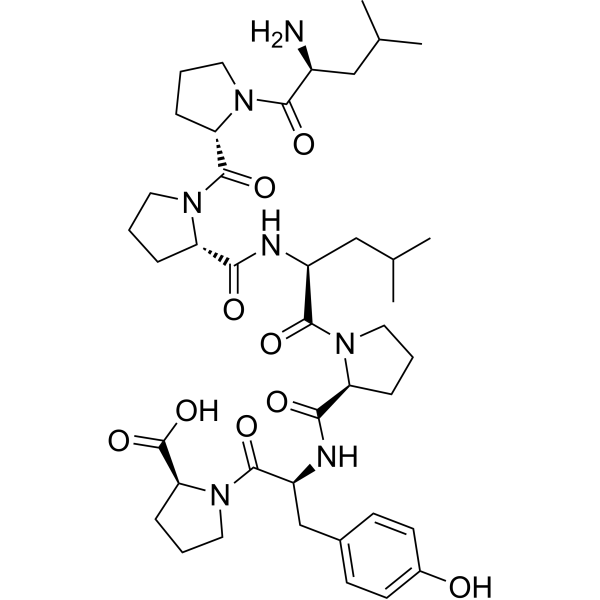 0 ImagesCat. No.: HY-P5741CAS No.: 877120-59-7IPL344 protects cells of various types from pro-apoptotic pressures and activates the Akt signaling system. IPL344 can be used for research of amyotrophic lateral sclerosis (ALS).
-
MRS2768
 0 ImagesCat. No.: HY-108649CAS No.: 1047980-83-5MRS2768 is a potent, selective, and metabolically stable P2Y2 receptor agonist with an EC50 of 1.89 μM for the human P2Y2 receptor. MRS2768 activates Gq/PLC/PKC signaling, leading to downstream phosphorylation of Akt, eNOS, and ERK, with effects varying by cell type. MRS2768 inhibits ENaC via Gq/PKC/Src/Akt to promote natriuresis and lower blood pressure in the kidney. MRS2768 activates eNOS to increase NO secretion in endothelial cells. MRS2768 drives proliferation via PI3K/Akt in fibroblasts and cancer cells. MRS2768 exerts anti-apoptotic effects through PKC/Src/Akt in cardiomyocytes. MRS2768 can be applied to investigate P2Y2-dependent pathological processes, including acute kidney injury, chronic kidney disease and renal fibrosis, DOCA-salt induced hypertension, myocardial infarction, pulmonary arterial hypertension, pancreatic cancer, cardiac fibrosis, dry eye disease, as well as shear stress-mediated vascular remodeling and atherosclerosis.
-
PI3Kα-IN-28
 0 ImagesCat. No.: HY-178984CAS No.: 3095278-75-1PI3Kα-IN-28 (Compound 23) is an efficient dual targeted PI3K/BRD4 inhibitor. PI3Kα-IN-28 can inhibit the proliferation of various cells, such as KYSE180 and KYSE450 cells. PI3Kα-IN-28 can concentration dependently inhibit migration and colony formation, induce G0/G1 phase arrest, significantly inhibit DNA synthesis, and significantly increase the proportion of senescent cells. PI3Kα-IN-28 can inhibit the expression of p-AKT and c-Myc and activate the AMPK-p27 pathway. PI3Kα-IN-28 can be used for research on cancers such as esophageal cancer.
-
Kirenol (Standard)
 0 ImagesKirenol (Standard) is the analytical standard of Kirenol (HY-N0559). This product is intended for research and analytical applications. Kirenol is a diterpenoid compound, an orally active apoptosis inducer and signaling pathway regulator, with a Kd value of 5.47 μM against the target CK2. Kirenol promotes the cleavage of Bid into tBid, regulates the protein levels/phosphorylation of Bax, Bcl-2, p53 and p21, and induces caspase-independent apoptosis, S-phase cell cycle arrest, ROS accumulation and cytotoxicity in cancer cells. Kirenol activates the CK2/AKT and AMPK-mTOR-ULK1 pathways, inhibits the signaling of NF-κB, TGF-β/Smads and NLRP3 inflammasome, and regulates the GSK3β, BMP and Wnt/β-catenin pathways. Kirenol induces autophagy, mitophagy and osteoblast differentiation, promotes mitochondrial fusion, and exerts antioxidant, anti-inflammatory, antifibrotic, renoprotective, cardioprotective, neuroprotective and analgesic effects. Kirenol is applicable to research related to chronic myeloid leukemia, ischemic stroke, diabetic nephropathy, heart failure, acute lung injury and osteoporosis.
-
Cyclocommunol
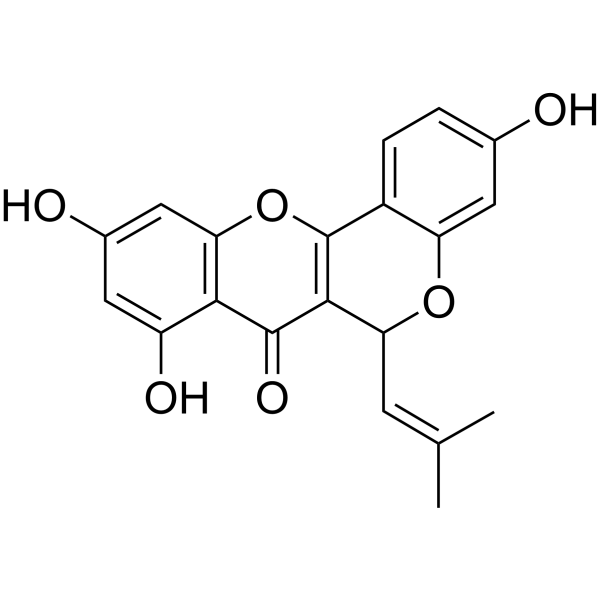 0 ImagesCat. No.: HY-N3665CAS No.: 145643-96-5Cyclocommunol is a GST inhibitor with an IC50 of 3.0 μM. Cyclocommunol downregulates the expression of the anti-apoptotic (apoptosis) protein Mcl-1, reduces the levels of phosphorylated Akt and mTOR, and induces caspase-dependent apoptosis, reactive oxygen species (ROS) production and autophagy. Cyclocommunol can be used in research related to oral squamous cell carcinoma, breast cancer, lung cancer, norovirus-induced gastroenteritis and bacterial infections.
-
Paris saponin VII (Standard)
 0 ImagesCat. No.: HY-N3584RCAS No.: 68124-04-9Synonyms: Chonglou Saponin VII (Standard)Paris saponin VII (Standard) is the analytical standard of Paris saponin VII. This product is intended for research and analytical applications. Paris saponin VII (Chonglou Saponin VII) is a steroidal saponin isolated from the roots and rhizomes of Trillium tschonoskii. Paris saponin VII-induced apoptosis in K562/ADR cells is associated with Akt/MAPK and the inhibition of P-gp. Paris saponin VII attenuates mitochondrial membrane potential, increases the expression of apoptosis-related proteins, such as Bax and cytochrome c, and decreases the protein expression levels of Bcl-2, caspase-9, caspase-3, PARP-1, and p-Akt. Paris saponin VII induces a robust autophagy in K562/ADR cells and provides a biochemical basis in the treatment of leukemia.
-
Eudebeiolide B
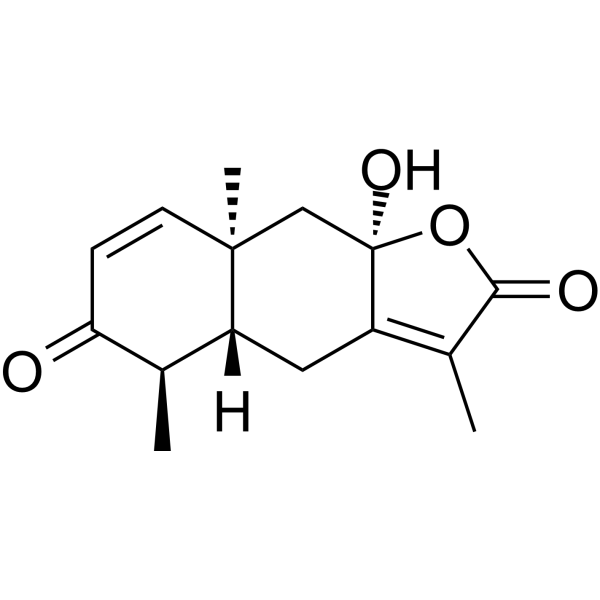 0 ImagesCat. No.: HY-N11775CAS No.: 1934299-51-0Synonyms: Plebeiolide D
-
9(R)-PAHSA
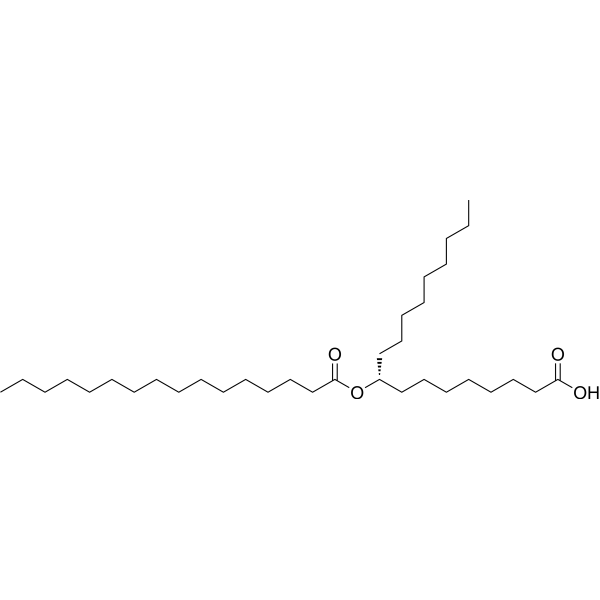 0 ImagesCat. No.: HY-124281CAS No.: 2097130-84-09(R)-PAHSA is a R-enantiomer of 9-PAHSA. 9-PAHSA is an orally available anti-inflammatory lipid that lowers blood sugar and reduces inflammation.
-
MCC1019
 0 ImagesCat. No.: HY-W162436CAS No.: 29115-34-2MCC1019 is a selective PLK1 PBD inhibitor with an IC50 of 16.4 μmol/L. MCC1019 inactivates the AKT signaling pathway in cancer cells, and induces Apoptosis, Necroptosis and Autophagy. MCC1019 exhibits anticancer activity against lung cancer and prostate cancer.
-
Levomilnacipran-d5 hydrochloride
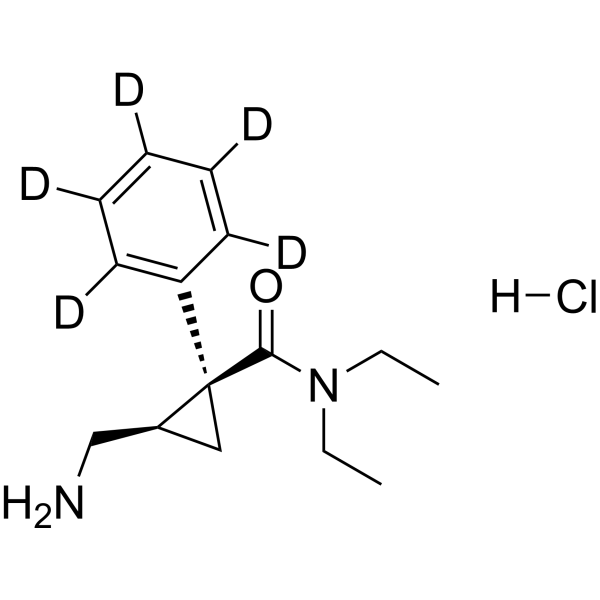 0 ImagesCat. No.: HY-B0168BSSynonyms: (1S,2R)-Milnacipran-d5 hydrochloride; F-2695-d5 hydrochlorideLevomilnacipran-d5 ((1S,2R)-Milnacipran-d5) hydrochloride is deuterium labeled Levomilnacipran hydrochloride (HY-B0168B). Levomilnacipran ((1S,2R)-Milnacipran) hydrochloride is the enantiomer of Milnacipran (HY-B0168) and a strong substrate of P-gp that can cross the blood-brain barrier. Levomilnacipran hydrochloride is a serotonin and norepinephrine reuptake inhibitor, with IC50 values of 10.5 nM and 19.0 nM, and Ki values of 92.2 nM and 1.2 nM for human norepinephrine transporter (NET) and serotonin transporter (SERT), respectively. Levomilnacipran hydrochloride has antidepressant and anxiolytic activities. Levomilnacipran hydrochloride can be used for the research of depression.
-
MA191
 0 ImagesCat. No.: HY-175273MA191 is a FLT3 PROTAC degrader. MA191 targets and degrades mutant FLT3-ITD protein by recruiting the VHL E3 ligase in a manner dependent on ubiquitination and BIM, thereby blocking aberrant downstream MAPK/STAT5 signaling pathways and inducing apoptosis. MA191 can be used in research related to acute myeloid leukemia.

-
Benazepril hydrochloride (Standard)
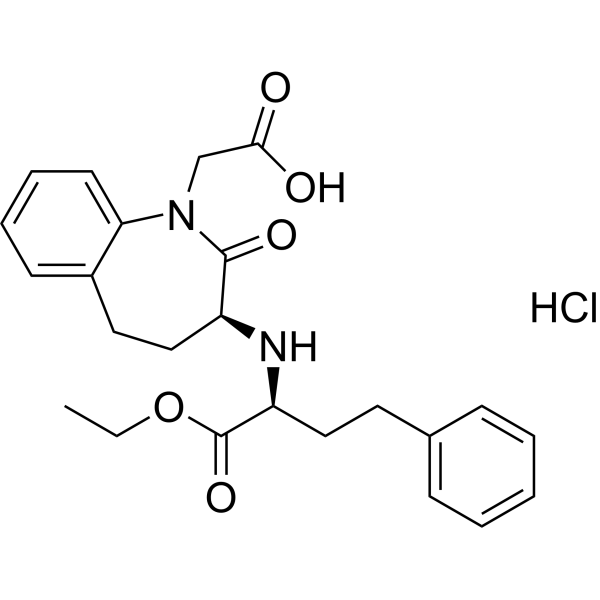 0 ImagesSynonyms: CGS14824A (Standard)Benazepril hydrochloride (Standard) is the analytical standard of Benazepril hydrochloride. This product is intended for research and analytical applications. Benazepril hydrochloride is an orally active angiotensin-converting enzyme (ACE) inhibitor to reduce angiotensin-II production. Benazepril hydrochloride inhibits oxidative stress and inhibits apoptosis by the PI3K/Akt signaling pathway. In addition, Benazepril hydrochloride improves diabetic nephropathy and decreases proteinuria. Benazepril hydrochloride can be used in the study of hypertension, heart failure and diabetic nephropathy.
-
Antiangiogenic agent 4
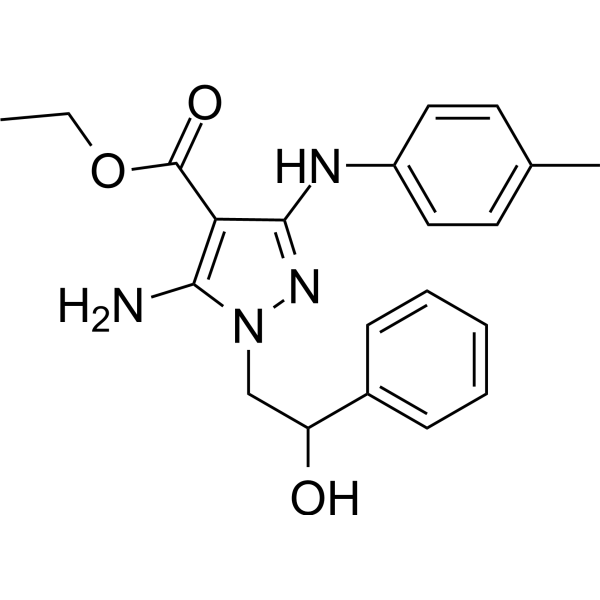 0 ImagesCat. No.: HY-155174CAS No.: 2974488-31-6
-
Autophagy-IN/Ferroptosis inducer-modulator-1
 0 ImagesCat. No.: HY-187191Autophagy-IN/Ferroptosis inducer-modulator-1 is a dual-functional molecule that acts as an Autophagy inhibitor and a Ferroptosis inducer. Autophagy-IN/Ferroptosis inducer-modulator-1 downregulates GPX4 expression, elevates ROS levels and reduces mitochondrial membrane potential. Autophagy-IN/Ferroptosis inducer-modulator-1 arrests the cell cycle of non-small cell lung cancer (NSCLC) cells, induces mild apoptosis and inhibits autophagy. Autophagy inhibition induced by Autophagy-IN/Ferroptosis inducer-modulator-1 acts upstream of ferroptosis to produce a synergistic effect. Autophagy-IN/Ferroptosis inducer-modulator-1 exhibits anti-tumor activity against both human tumor cells and zebrafish xenograft models. Autophagy-IN/Ferroptosis inducer-modulator-1 can be used for research related to non-small cell lung cancer.




