



Akt Modulator
- 1
- 2
-
Sincalide
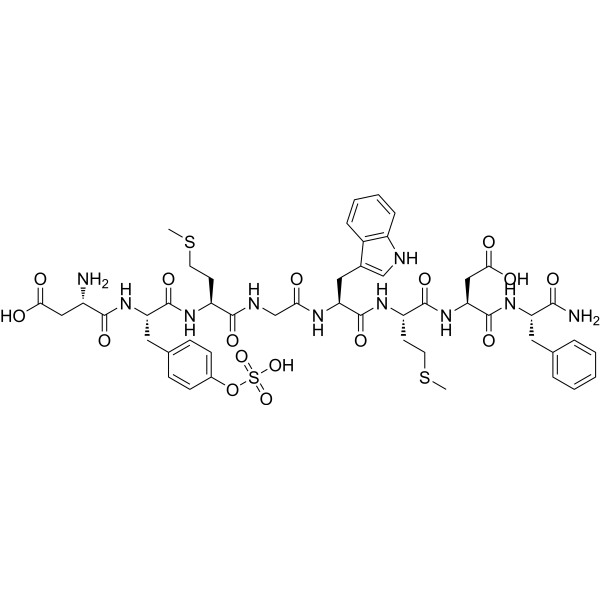 0 ImagesSynonyms: Cholecystokinin octapeptide; CCK-8; SQ19844
Sincalide (Cholecystokinin octapeptide, CCK-8) is a rapid-acting amino acid polypeptide hormone analogue of cholecystokinin (CCK) for intravenous use in postevacuation cholecystography. Sincalide is a major bioactive segment of CCK that retains most of the biological activities of CCK. Sincalide can promote gallbladder contraction by injection and helps diagnose gallbladder and pancreas disorders. Sincalide can increase bile secretion, cause the gallbladder to contract and relax the sphincter of Oddi, resulting in bile drainage into the duodenum. Sincalide is a major bioactive segment of CCK that retains most of the biological activities of CCK.
-
Dihydrocapsaicin
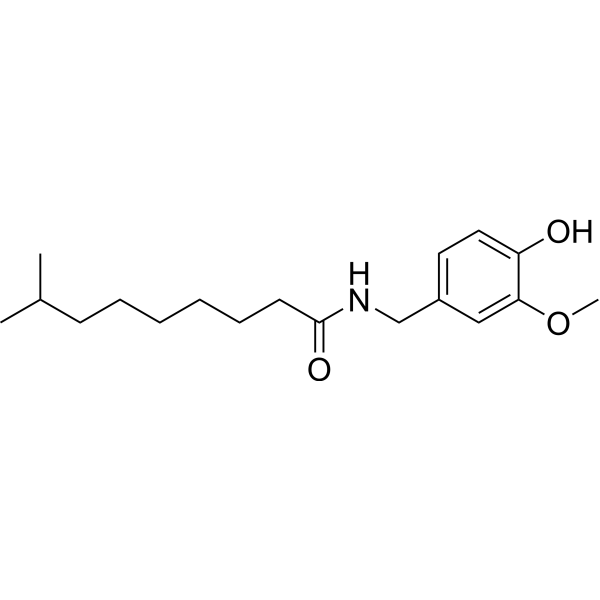 0 Images
Dihydrocapsaicin, a capsaicin, is a potent and selective TRPV1 (transient receptor potential vanilloid channel 1) agonist. Dihydrocapsaicin reduces AIF, Bax, and Caspase-3 expressions, and increased Bcl-2, Bcl-xL and p-Akt levels. Dihydrocapsaicin enhances the hypothermia-induced neuroprotection following ischemic stroke via PI3K/Akt regulation in rat.
-
8-Gingerol
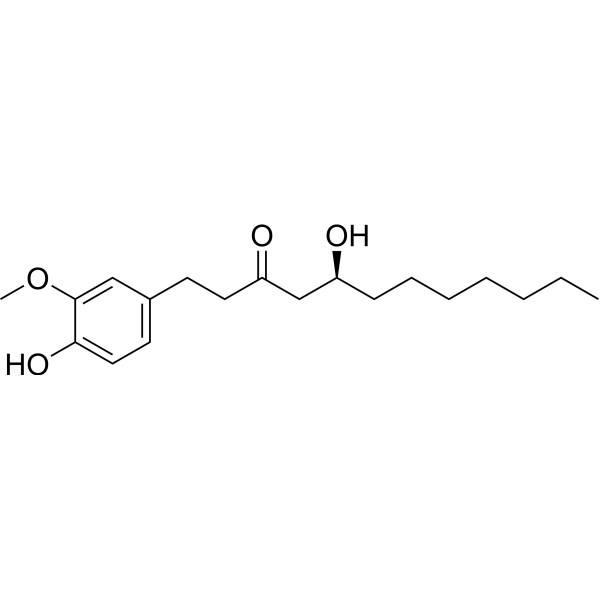 0 Images
8-Gingerol can be found in the rhizome of ginger (Z. officinale) and has oral bioactivity. It activates TRPV1, with an EC50 value of 5.0 µM. 8-Gingerol inhibits COX-2 and also suppresses the growth of H. pylori in vitro. Additionally, 8-Gingerol exhibits anticancer, antioxidant, and anti-inflammatory properties by inhibiting the epidermal growth factor receptor (EGFR) and modulating its downstream STAT3/ERK pathway to suppress the proliferation, migration, and invasion of colorectal cancer cells. 8-Gingerol also exerts immunosuppressive effects by inhibiting oxidative stress, inducing cell cycle arrest, promoting apoptosis, and regulating autophagy. Furthermore, 8-Gingerol has cardioprotective effects. 8-Gingerol is promising for research in the fields of cancer, infection, immunosuppression, and cardiovascular diseases.
-
Hederacolchiside A1
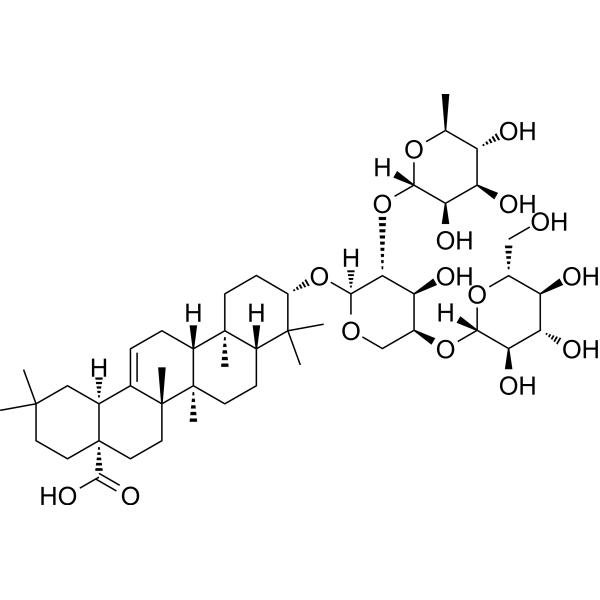 0 Images
Hederacolchiside A1, isolated from Pulsatilla chinensis, suppresses proliferation of tumor cells by inducing apoptosis through modulating PI3K/Akt/mTOR signaling pathway. Hederacolchiside A1 has antischistosomal activity, affecting parasite viability both in vivo and in vitro.
-
C-Reactive Protein (CRP) (174-185)
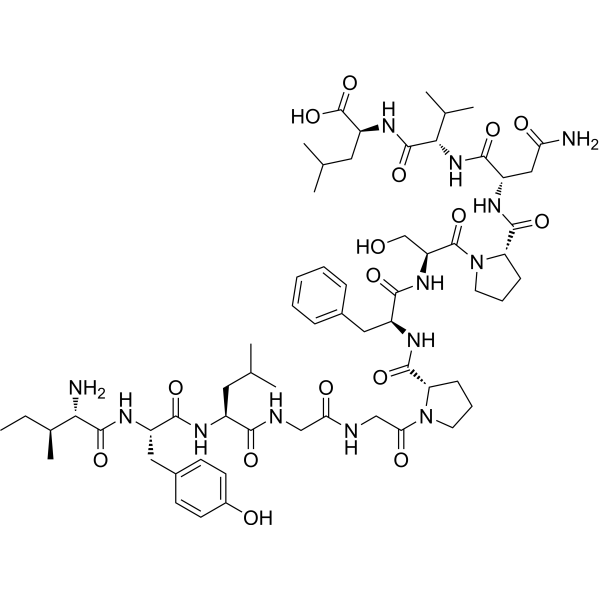 0 Images
C-Reactive Protein (CRP) is an anti-pneumococcal plasma protein that can serve as an inflammatory marker. C-Reactive protein can protect mice from pneumococcal infection by activating complement. C-Reactive protein can inhibit the activation of caspase-3/9 through the CD64/AKT/mTOR pathway, thereby promoting chemotherapy resistance in mice with tongue squamous cell carcinoma.
-
Sincalide ammonium
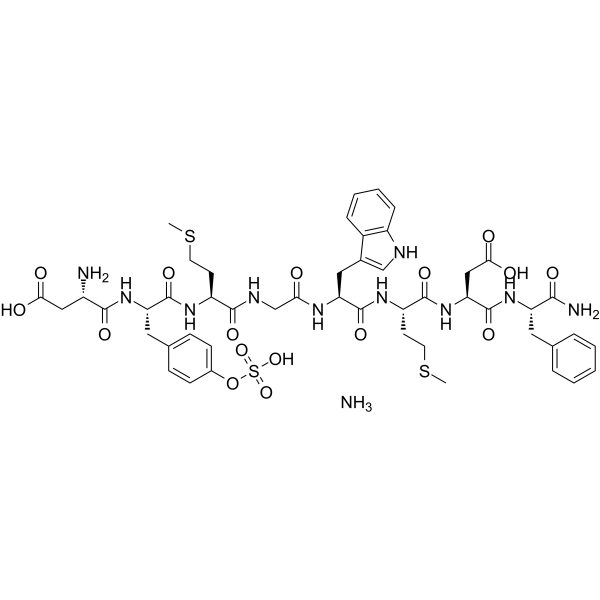 0 ImagesSynonyms: Cholecystokinin octapeptide ammonium; CCK-8 ammonium; SQ19844 ammonium
Sincalide ammonium (Cholecystokinin octapeptide ammonium, CCK-8 ammonium) is a rapid-acting amino acid polypeptide hormone analogue of cholecystokinin (CCK) for intravenous use in postevacuation cholecystography. Sincalide ammonium is a major bioactive segment of CCK that retains most of the biological activities of CCK. CCK‐8 can promote gallbladder contraction by injection and helps diagnose gallbladder and pancreas disorders. Sincalide ammonium can increase bile secretion, cause the gallbladder to contract and relax the sphincter of Oddi, resulting in bile drainage into the duodenum. Sincalide ammonium is a major bioactive segment of CCK that retains most of the biological activities of CCK.
-
BEPP hydrochloride
 0 Images
BEPP hydrochloride is a double-stranded RNA-dependent protein kinase (PKR) modulator. BEPP hydrochloride enhances the phosphorylation levels of PKR and eIF2α, activates caspase-3, upregulates the pro-apoptotic protein BAX, and downregulates the anti-apoptotic protein Bcl-2. BEPP hydrochloride inhibits vaccinia virus replication and exhibits selective cytotoxicity in cells expressing PKR. BEPP hydrochloride can be used in research related to cancer and viral infections.
-
Isopimaric acid
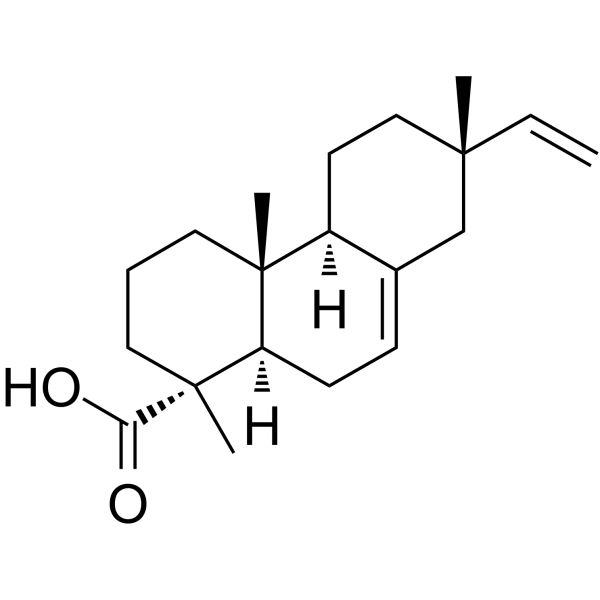 0 Images
Isopimaric acid is a coniferous tree defense compound. Isopimaric acid binds to AKT and inhibits mTOR phosphorylation, thereby regulating the AKT/mTOR pathway. Isopimaric acid inhibits oxidative stress, inflammation, microglial migration, apoptosis, autophagic flux, ornithine decarboxylase activity, breast cancer proliferation and metastasis, and fungal spore germination. Isopimaric acid also induces M2 microglial polarization, mitochondrial damage, ROS accumulation, starvation-induced colon cancer cell apoptosis, and breast cancer cell cycle arrest. Isopimaric acid activates potassium channels, regulates sodium channels and calcium channels, reduces myocardial excitability, and improves arrhythmia. Isopimaric acid acts as an oxidative substrate for CYP6BW1/3, down-regulates PINK1/Parkin, and regulates calcium homeostasis, oxidative phosphorylation, EMT, and the Wnt pathway. Isopimaric acid exhibits activity against drug-resistant Staphylococcus aureus, repels feeding, and promotes the growth of rice seedlings. Isopimaric acid is suitable for research related to epilepsy, tumors, drug-resistant bacterial infections, atrial fibrillation, hypertension, hyperlipidemia, pulmonary tuberculosis, etc.
-
Bellidifolin
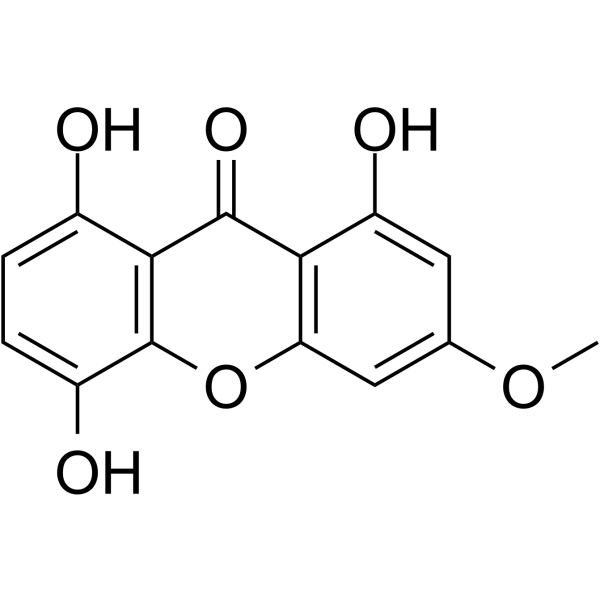 0 Images
Bellidifolin is an orally active compound with antiproliferative, anti-inflammatory and antioxidant properties. Bellidifolin modulates key signaling pathways including STAT3, PI3K-Akt, mTOR and BRD4, and inhibits the viral protein R (Vpr). Bellidifolin induces cell cycle arrest and apoptosis, exerts significant antifibrotic effects, and protects the heart, liver and nervous system. Bellidifolin is applicable to the research of various diseases such as lung cancer, non-alcoholic fatty liver disease, myocardial hypertrophy and ischemic cranial nerve injury.

-
Anticancer agent 273
 0 ImagesCat. No.: HY-172784
Anticancer agent 273 (Compound 9q) is a potent anticancer agent found in matrine. Anticancer agent 273 inhibits the proliferation of cancer cells (e.g., HeLa cells with an IC50 value of 4.48 μM). Anticancer agent 273 exerts anticancer effects by modulating the expression of PI3K/AKT and activating transcription factor 4 (ATF4), which promotes endoplasmic reticulum stress and induces apoptosis. Anticancer agent 273 is promising for research of cancers, such as cervical cancer.
-
Antiangiogenic agent 4
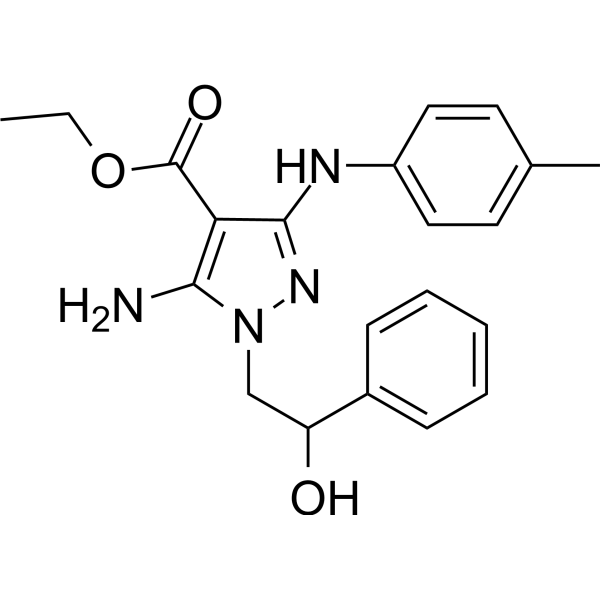 0 ImagesCat. No.: HY-155174CAS No.: 2974488-31-6
-
CDC20/HSP90-IN-1
 0 ImagesCat. No.: HY-179012
CDC20/HSP90-IN-1 (Compound 2b) is a Cdc20/Hsp90 inhibitor with a Kd of 16.2 μM for Cdc20 and a Kd of 0.241 μM for Hsp90α. CDC20/HSP90-IN-1 exerts potent antitumor activity through reducing p53-mediated Cdc20, upregulating Bim, downregulating Cyclin B1 expression, and disturbing B-Raf and AKT pathways via destroying Hsp90 chaperone function. CDC20/HSP90-IN-1 overcomes Vemurafenib (HY-12057)-induced resistant melanoma.
-
SHIP1-IN-1
 0 Images
SHIP1-IN-1 is an orally active, blood-brain barrier-permeable SHIP1 ligand. SHIP1-IN-1 exhibits IC50 values of 384 μM and 177 μM against human SHIP1, and an IC50 value of 379 μM against murine SHIP1. SHIP1-IN-1 alters the binding state of SHIP1 to phosphatidylinositol membranes, and regulates phosphoinositide pools and phosphorylated AKT levels. SHIP1-IN-1 enhances the uptake of myelin/membrane fragments and amyloid proteins by microglia, alters gene expression and reduces IL-1β levels. SHIP1-IN-1 can be used in studies related to Alzheimer's disease.
-
Dihydrocapsaicin (Standard)
 0 Images
Dihydrocapsaicin (Standard) is the analytical standard of Dihydrocapsaicin. This product is intended for research and analytical applications. Dihydrocapsaicin, a capsaicin, is a potent and selective TRPV1 (transient receptor potential vanilloid channel 1) agonist. Dihydrocapsaicin reduces AIF, Bax, and Caspase-3 expressions, and increased Bcl-2, Bcl-xL and p-Akt levels. Dihydrocapsaicin enhances the hypothermia-induced neuroprotection following ischemic stroke via PI3K/Akt regulation in rat.
-
Nic-15
 0 ImagesCat. No.: HY-159577CAS No.: 2896739-91-4
Nic-15 (compound 4n) is an anti-constrictive agent used to antagonize the hypovascularity of pancreatic tumors. The hypovascularity allows cancer cells to adapt to the nutrient-deficient tumor microenvironment and develop drug resistance. Nic-15 can regulate the PI3K/Akt/mTOR pathway and alleviate ER stress induced by Gemcitabine (HY-17026). Nic-15 can significantly inhibit the migration and colony formation of MIA PaCa-2 and PANC-1 pancreatic cancer cells. The combination of Nic-15 and Gemcitabine can effectively solve the problem of pancreatic tumor resistance. In an in vivo xenograft model, Nic-15 can significantly enhance the efficacy of Gemcitabine.
-
Asperosaponin V
 0 ImagesCat. No.: HY-N16118CAS No.: 120481-38-1
Asperosaponin V is an indirect modulator of bone metabolism-related targets (e.g., PI3K/AKT, BMP-2/p38, and ERK 1/2 pathways). Asperosaponin V promotes marrow stromal cell proliferation and induces osteoblast differentiation. Asperosaponin V is promising for research of osteoporosis and fracture healing.
-
Chalcomoracin
 0 ImagesCat. No.: HY-N20674CAS No.: 76472-89-4
Chalcomoracin is an orally active anticancer agent. Chalcomoracin exhibits anticancer, antibacterial, and α-glucosidase inhibitory activities, with an IC50 of 14.23 µM against yeast α-glucosidase and an IC50 of 5.5 μM against FabI of Staphylococcus aureus. Chalcomoracin reduces the phosphorylation levels of ERK, JNK, and P38; enhances the phosphorylation level of ERK1/2; regulates the MAPK, mTOR, AKT, and p53 signaling pathways; upregulates the expression of Chop, Bip, PINK1, GRP78, and GADD153; and downregulates the expression of Alix. Chalcomoracin induces apoptosis (apoptosis), endoplasmic reticulum stress (endoplasmic reticulum stress), paraptosis (paraptosis), ROS production, mitophagy (mitophagy), and autophagy (autophagy); it inhibits cancer cell viability, colony-forming ability, migration, invasion, proliferation, tumorigenesis, fatty acid synthesis, S. aureus growth, vitreous-stimulated retinal cell activity, and cell cycle progression at the G0/G1 phase. Chalcomoracin can be used in research related to hepatocellular carcinoma, non-small cell lung cancer, triple-negative breast cancer, prostate cancer, proliferative vitreoretinopathy, pancreatic cancer, diabetes, and bacterial infections.
-
Anticancer agent 235
 0 ImagesCat. No.: HY-N13063CAS No.: 2411108-21-7
Anticancer agent 235 (Compound 49) is a modulator for PI3K/AKT/mTOR pathway, that promotes the generation of ROS, reduces the mitochondrial membrane potential, and thereby inhibits the proliferation of cancer cells HCT116, Caco-2, AGS and SMMC-772 with IC50 of 0.35-26.9 μM. Anticancer agent 235 arrests the cell cycle at G2/M phase, and induces apoptosis in HCT116.
-
DA5-CH
 0 ImagesCat. No.: HY-P12141CAS No.: 2227651-65-0Synonyms: KP405
DA5-CH (KP405) is a blood-brain barrier-permeable GLP-1/GIP receptor agonist. DA5-CH activates GLP-1 and GIP receptors, inhibits the NF-κB inflammatory pathway, reduces α-synuclein (α-synuclein) levels, restores the expression of tyrosine hydroxylase and neurotrophic factors, improves motor function, decreases amyloid plaques and phosphorylated tau protein levels in the hippocampus, restores synaptic plasticity, regulates the PI3K/AKT/GSK3β and CREB signaling pathways, and alleviates mitochondrial stress. DA5-CH can be used for research on Parkinson's disease and Alzheimer's disease.
- 1
- 2



