



Apoptosis
Apoptosis
Apoptosis is a distinctive form of cell death exhibiting specific morphological and biochemical characteristics, including cell membrane blebbing, chromatin condensation, genomic DNA fragmentation, and exposure of specific phagocytosis signaling molecules on the cell surface. Cells undergoing apoptosis differ from those dying through necrosis. Necrotic cells are usually recognized by the immune system as a danger signal and, thus, resulting in inflammation; in contrast, apoptotic death is quiet and orderly.
There are two major pathways of apoptotic cell death induction: The intrinsic pathway, also called the Bcl-2-regulated or mitochondrial pathway, is activated by various developmental cues or cytotoxic insults, such as viral infection, DNA damage and growth-factor deprivation, and is strictly controlled by the BCL-2 family of proteins. The extrinsic or death-receptor pathway is triggered by ligation of death receptors (members of the tumor necrosis factor (TNF) receptor family, such as Fas or TNF receptor-1 (TNFR1)) that contain an intracellular death domain, which can recruit and activate caspase-8 through the adaptor protein Fas-associated death domain (FADD; also known as MORT1) at the cell surface. This recruitment causes subsequent activation of downstream (effector) caspases, such as caspase-3, -6 or -7, without any involvement of the BCL-2 family.
Studies suggest that alterations in cell survival contribute to the pathogenesis of a number of human diseases, including cancer, viral infections, autoimmune diseases, neurodegenerative disorders, and AIDS (acquired immunodeficiency syndrome). Treatments designed to specifically alter the apoptotic threshold may have the potential to change the natural progression of some of these diseases.
All Product Categories
-
Apoptosis Inhibitors
(897)
View all products
-
Apoptosis Agonists
(7)
View all products
-
Apoptosis Antagonists
(9)
View all products
-
Apoptosis Activators
(362)
View all products
-
Apoptosis Modulators
(60)
View all products
-
Apoptosis Inducers
(7872)
View all products
-
Apoptosis Degrader
(1)
View all products
-
Apoptosis Controls
(33)
View all products
-
Apoptosis Related Products (9802)
Related Products (9802)

-
Antibodies (120)
-
Benzarone
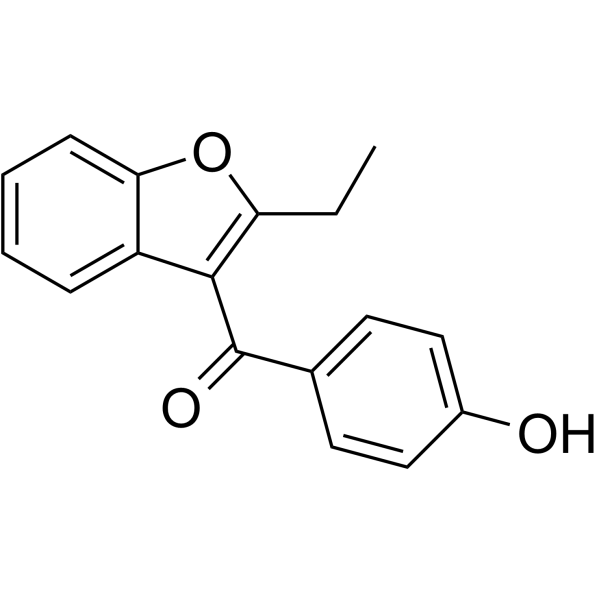 0 ImagesBenzarone is an oral inhibitor of human urate transporter 1 (hURAT1) with an IC50 value of 2.8 μM, and it also acts as an uncoupler of oxidative phosphorylation. Benzarone can cause liver damage and promote cell apoptosis and necrosis. Benzarone can be used to lower serum uric acid levels and for research in vascular diseases.
-
Macitentan-d4
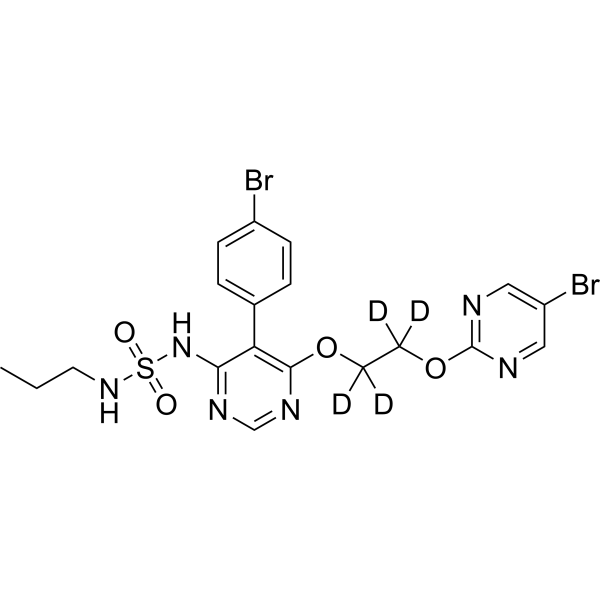 0 ImagesSynonyms: ACT-064992-d4Macitentan-d4 is a deuterium labeled Sulfamethoxazole. Macitentan is an orally active, non-peptide dual ETA and ETB (endothelin) receptor antagonist. Macitentan has the potential for idiopathic pulmonary fibrosis (IPF) and pulmonary arterial hypertension (PAH).
-
L-Theanine (Standard)
 0 ImagesSynonyms: L-Glutamic Acid γ-ethyl amide (Standard); Nγ-Ethyl-L-glutamine (Standard)L-Theanine (Standard) is the analytical standard of L-Theanine. This product is intended for research and analytical applications. L-Theanine (L-Glutamic Acid γ-ethyl amide) is a non-protein amino acid contained in green tea leaves, which blocks the binding of L-glutamic acid to glutamate receptors in the brain, and with neuroprotective, anticancer and anti-oxidative activities. L-Theanine can pass through the blood–brain barrier and is orally active.
-
Kv2.1-IN-1
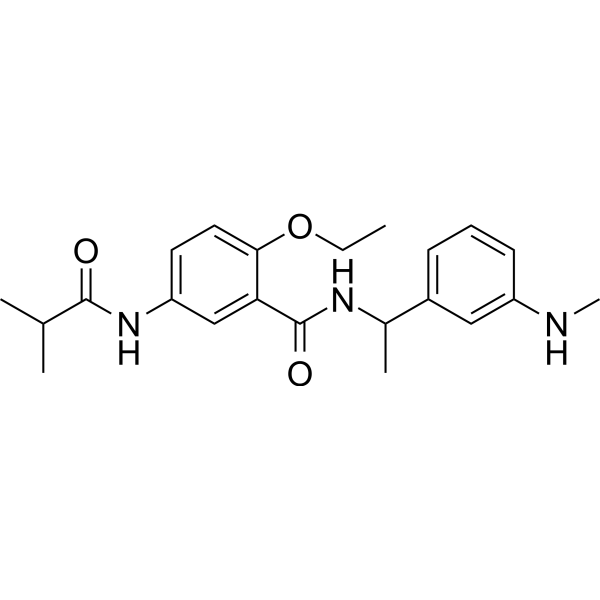 0 ImagesKv2.1-IN-1 is an orally active and blood-brain barrier penetrant Kv2.1 inhibitor with an IC50 of 0.07 μM. Kv2.1-IN-1 exhibits a selectivity >130 fold over other K+, Na+, and Ca2+ ion channels. Kv2.1-IN-1 decreases the apoptosis of HEK293 cells induced by H2O2. Kv2.1-IN-1 produces significant neuroprotection efficacy in middle cerebral artery occlusion (MCAO) rat. Kv2.1-IN-1 can be used for the study of ischemic stroke.
-
CAY10404
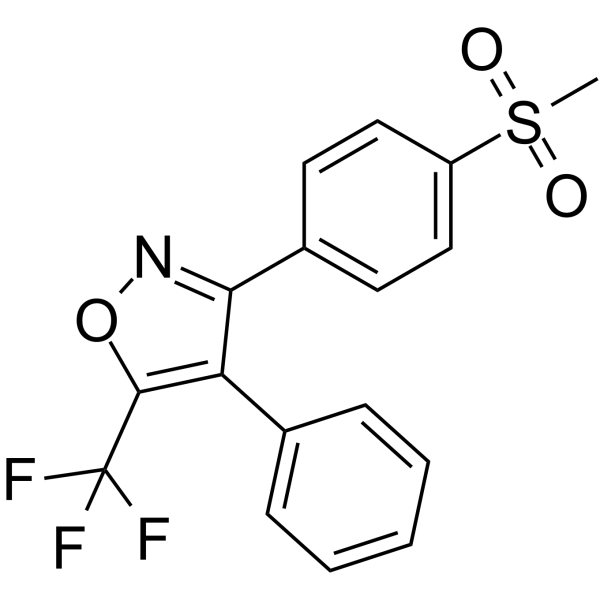 0 ImagesCAY10404 is a potent and selective cyclooxygenase-2 (COX-2) inhibitor with an IC50 of 1 nM and a selectivity index (SI; COX-1 IC50/COX-2 IC50) of >500000. CAY10404 is a potent PKB/Akt and MAPK signaling pathways inhibitor and induces apoptosis in non-small cell lung cancer (NSCLC) cells. CAY10404, a diarylisoxazole, has good analgesic, anti-inflammatory, and anti-cancer activities.
-
(Z)-Indirubin
 0 ImagesSynonyms: (Z)-Couroupitine B; (Z)-Indigo red; (Z)-Indigopurpurin(Z)-Indirubin is an isomer of Indirubin (HY-N0117). Indirubin is a bis-indole alkaloid and has emarkable anticancer activity against chronic myelocytic leukemia.
-
Thiamine-13C3 hydrochloride
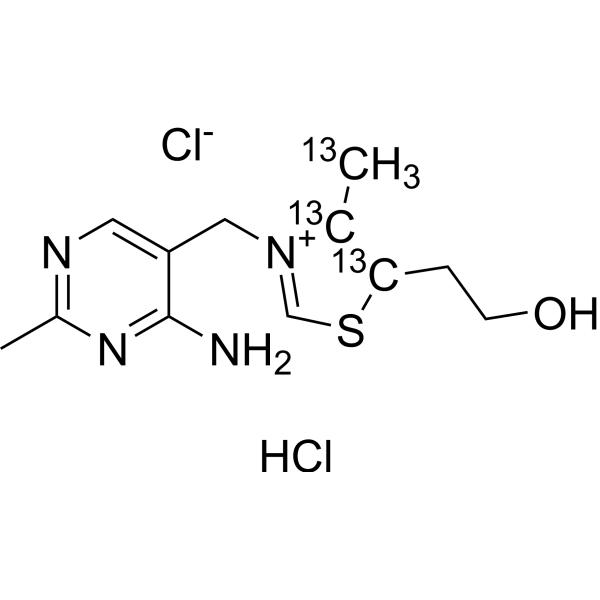 0 ImagesCat. No.: HY-N0680S3Purity: 99.9%Synonyms: Thiamine chloride-13C3 hydrochloride; Vitamin B1-13C3 hydrochlorideThiamine-13C3 (hydrochloride) is the 13C-labeled Thiamine (hydrochloride). Thiamine hydrochloride (Thiamine chloride hydrochloride) is an essential micronutrient needed as a cofactor for many central metabolic enzymes.
-
Pheniramine maleate
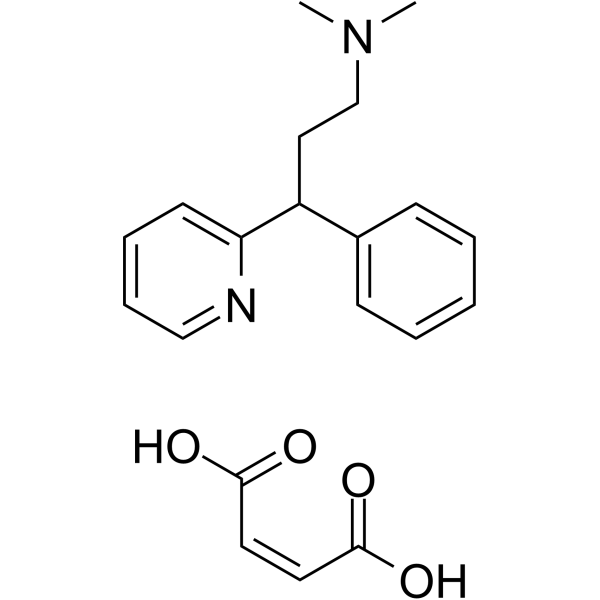 0 ImagesSynonyms: Prophenpyridamine maleate; Tripoton maleatePheniramine (Prophenpyridamine; Tripoton) maleate is a first-generation histamine H1 receptor antagonist, acts on the central nervous system (CNS) with sedative and hypnotic effect. Pheniramine maleate displays antitumor effect and induces leukemia cells apoptosis. Pheniramine maleate is also a safe and effective local agent that can suppress or relieve pain, with antipruritic effects.
-
Damnacanthal
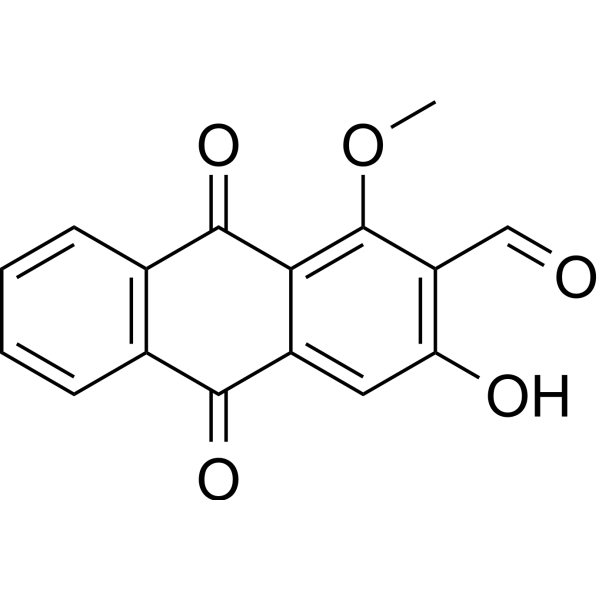 0 ImagesDamnacanthal is an anthraquinone isolated from the root of Morinda citrifolia. Damnacanthal is a highly potent, selective inhibitor of p56lck tyrosine kinase activity. Natural Damnacanthal inhibits p56 lck autophosphorylation and phosphorylation of exogenous substrates with IC50s of 46 nM and 220 nM, respectively. Damnacanthal is a potent inducer of apoptosis with anticancer activity. Damnacanthal also has antinociceptive, anti-inflammatory effects in mice and anti-fungal activity against Candida albicans.
-
Myrislignan
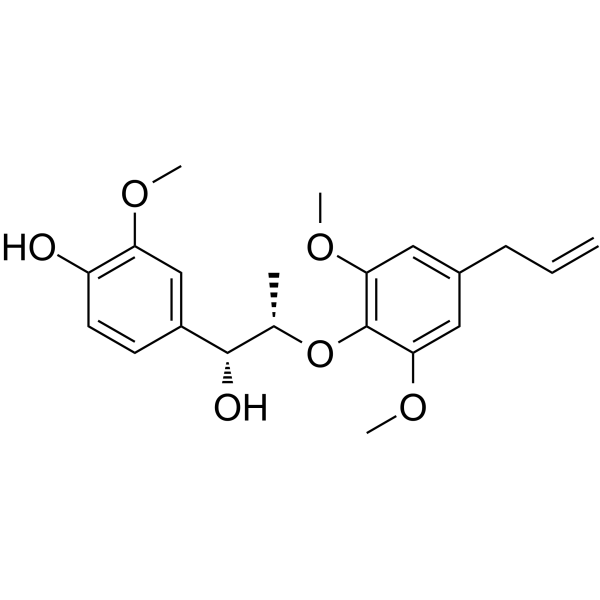 0 ImagesMyrislignan is a PI3K/AKT/NF-κB inhibitor that can cross the blood-brain barrier. Myrislignan exerts anticancer activity by inducing apoptosis and ferroptosis. Myrislignan inhibits the replication and invasion of Toxoplasma gondii; it induces reactive oxygen species (ROS) imbalance, autophagy, and the death of Toxoplasma gondii tachyzoites. Myrislignan inhibits mitochondrial function and ERK1/2 phosphorylation to improve ovariectomy-induced osteoporosis. Myrislignan can be used in studies related to gastric cancer, glioblastoma, osteoporosis, and toxoplasmosis.
-
TPP-resveratrol
 0 ImagesCat. No.: HY-159734Purity: 99.76%TPP-resveratrol is a conjugate of Resveratrol (HY-16561) and triphenylphosphine (TPP) with anticancer activity. TPP-resveratrol increases the potency of Resveratrol through mitochondrial-targeted delivery and induces mitochondria-mediated apoptosis.
-
Thienopyridone
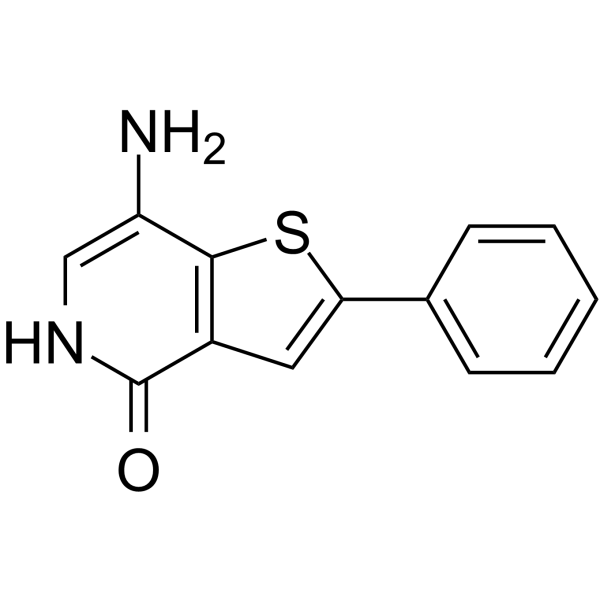 0 ImagesCat. No.: HY-128153CAS No.: 1018454-97-1Thienopyridone is a potent and selective phosphatase of regenerating liver (PRL) phosphatase inhibitor with IC50s of 173 nM, 277 nM and 128 nM for PRL-1, PRL-2, and PRL-3, respectively. Thienopyridone shows minimal effects on other phosphatases. Thienopyridone induces p130Cas cleavage and apoptosis and has anticancer effects.
-
Hsp90-Cdc37-IN-3
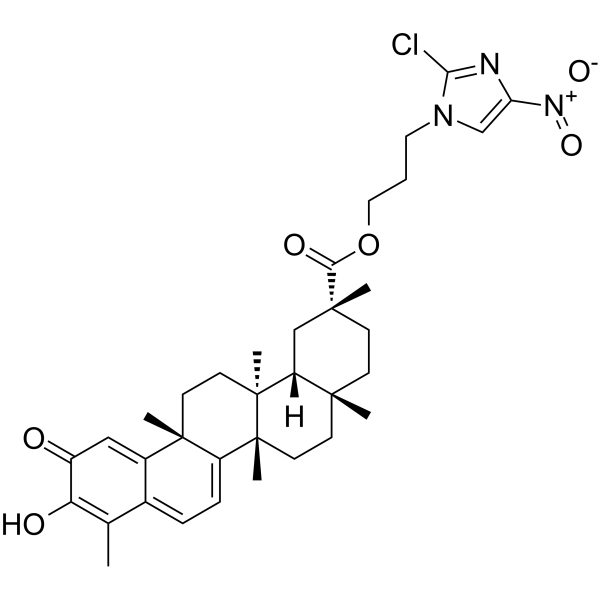 0 ImagesHsp90-Cdc37-IN-3 (Compound 9) is a novel celastrol−imidazole derivative with anticancer activity. Hsp90-Cdc37-IN-3 inhibits Hsp90−Cdc37 by covalent-binding, and induces apoptosis.
-
Lometrexol disodium
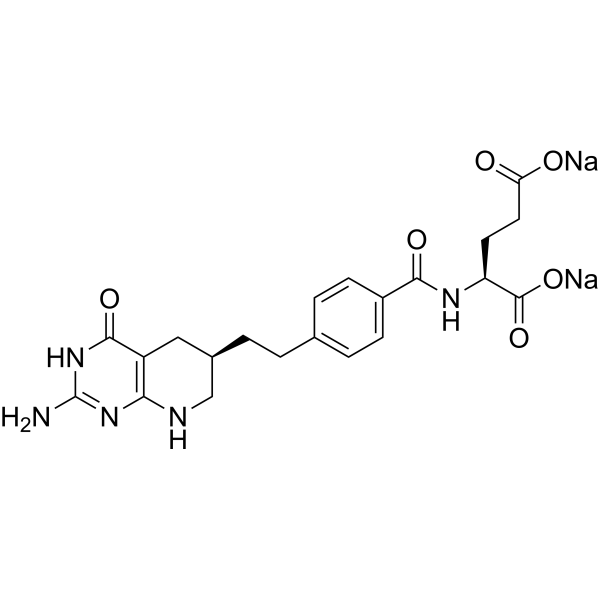 0 ImagesSynonyms: DDATHF disodiumLometrexol (DDATHF) disodium, an antipurine antifolate, can inhibit the activity of glycinamide ribonucleotide formyltransferase (GARFT) but do not induce detectable levels of DNA strand breaks. Lometrexol disodium can further inhibit de novo purine synthesis, causing abnormal cell proliferation and apoptosis, even cell cycle arrest. Lometrexol disodium has anticancer activity. Lometrexol disodium also is a potent human Serine hydroxymethyltransferase1/2 (hSHMT1/2) inhibitor.
-
V-11-0711
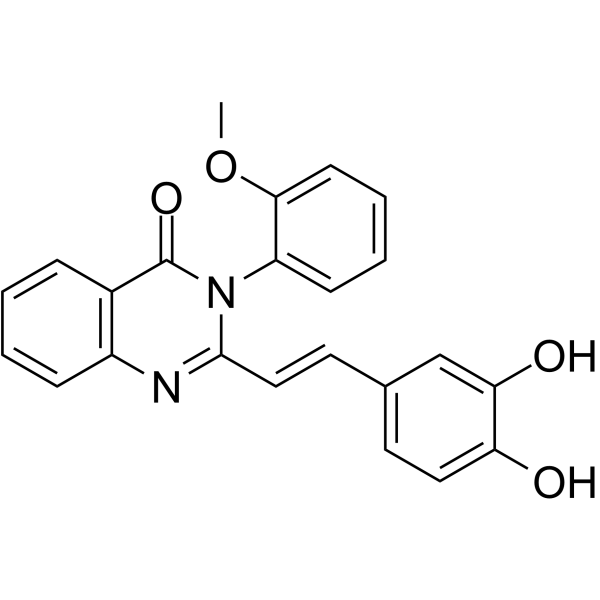
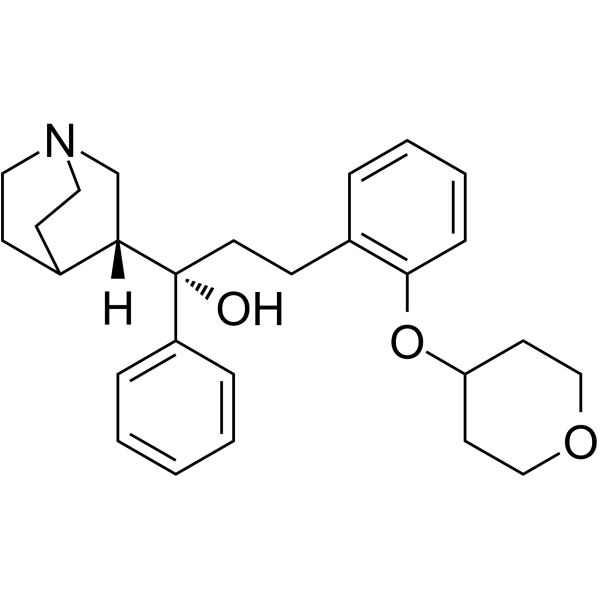 0 ImagesV-11-0711 is a potent and selective Chk-α (IC50 = 20 nM) inhibitor. V-11-0711 can significantly reduce PCho levels. V-11-0711 causes a reversible growth arrest. V-11-0711 induces apoptosis at high concentrations. V-11-0711 can be used for the study of cervical cancer and triple-negative breast cancer.
-
MKC-1
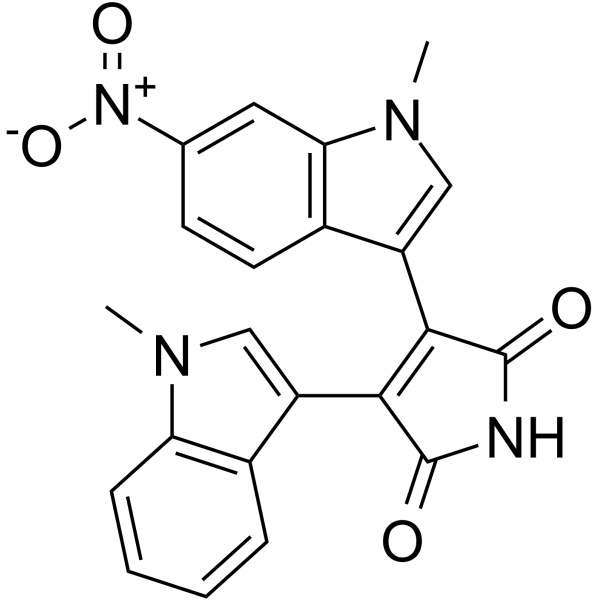 0 ImagesSynonyms: Ro-31-7453MKC-1 (Ro-31-7453) is an orally active and potent cell cycle inhibitor with broad antitumor activity. MKC-1 inhibits the Akt/mTOR pathway. MKC-1 arrests cellular mitosis and induces cell apoptosis by binding to a number of different cellular proteins including tubulin and members of the importin β family.
-
PROTAC MNK1 degrader-1
 0 ImagesSynonyms: P11-2PROTAC MNK1 degrader-1 is a selective MNK1 PROTAC degrader with a DC50 of 11.92 nM, and a Dmax > 96% in MV4-11 cells. PROTAC MNK1 degrader-1 significantly reduces p-eIF4E (IC50: 22.07 nM), induces apoptosis, and arrests the cell cycle at the G1 phase. PROTAC MNK1 degrader-1 has potent antitumor activity. PROTAC MNK1 degrader-1 has robust antileukemic efficacy in MV4-11 xenograft mice model with acceptable drug safety.




