



Apoptosis Activator
-
CPT-Se4
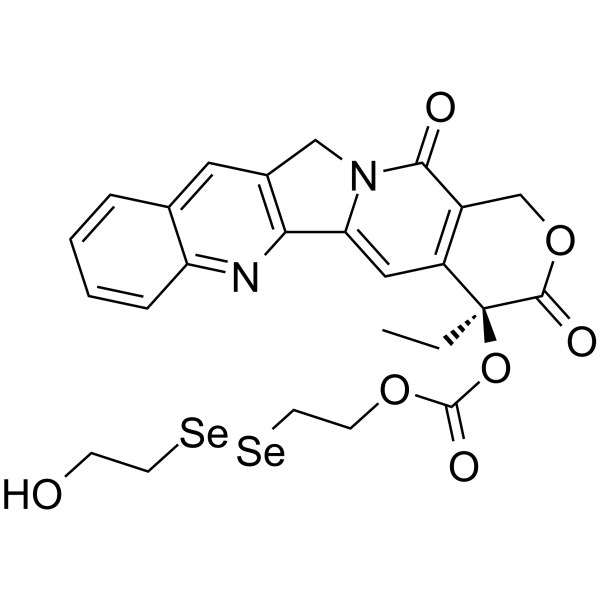 0 ImagesCat. No.: HY-145291CAS No.: 2968315-03-7
CPT-Se4, a selenoproagent of Camptothecin (CPT), shows improved potency in killing cancer cells and inhibiting tumor growth. CPT-Se4 decreases the GSH/GSSG ratio and total thiols, elevates the ROS level in Hep G2 cells, and eventually induces apoptosis of cancer cells. CPT-Se4 shows cytotoxicity against HeLa, Hep G2, A549, and SMMC-7721 cells (IC50= 2.54-6.4 μM).
-
Apoptosis inducer 61
 0 ImagesCat. No.: HY-182002
Apoptosis inducer 61 (Compound 4E) is an Apoptosis inducer. Apoptosis inducer 61 significantly downregulates the expression of BIRC3 and activates Apoptosis. Anticancer agent 313 exhibits anticancer activity against ER+ breast cancer cells, triple-negative breast cancer cells, and gastric cancer cells.
-
PeS-9
 0 ImagesCat. No.: HY-174377
PeS-9 is an Androgen Receptor (AR) degrader that induces androgen receptor degradation PeS-9 induces mitochondrial and ER stress by promoting cytotoxic ROS production, leading to the release of mitochondrial cytochrome C and AIF. PeS-9 subsequently activates caspases-9 and -3, causing DNA fragmentation and apoptotic cell death. PeS-9 has anticancer activity against prostate cancer and exerts in vivo antitumor and antimetastatic activity with minor side effects. PeS-9 can be used for the study of targeting monotherapy against GLUT-1-overexpressing tumors.
-
Auristatin S TFA
 0 ImagesCat. No.: HY-164107APurity: 99.25%
Auristatin S TFA is a potent Auristatin payload. Auristatin S TFA binds to the vinca-binding site on tubulin, thereby inhibiting microtubule assembly and inducing cell cycle arrest and apoptosis. Auristatin S TFA acts as a cytotoxic component of antibody-drug conjugates (ADCs) and exerts target-specific cytotoxicity against cancer cells. Auristatin S TFA can be used in the research of lymphoma, anaplastic large cell lymphoma and Hodgkin lymphoma.
-
FGFR1/VEGFR2-IN-2
 0 ImagesCat. No.: HY-161995
FGFR1/VEGFR2-IN-2 (compound 6l) is a VEGFR2/FGFR1 dual inhibitor. The IC50 values for VEGFR2 and FGFR1 are 0.025 µM and 0.026 µM respectively, and for EGFR and PDGFR-β, the IC50 values are 0.106 µM and 0.077 µM. FGFR1/VEGFR2-IN-2 showes significant anti-cancer activity (GI=60.38%) on NCI-60 cell line, with an IC50 of 8.51 µM in T-47D cell line and anti-migration. FGFR1/VEGFR2-IN-2 acts to arrest cells in the G1 phase and promote apoptosis and necrosis; the IC50 for MCF-7 cell line exceeds 100 µM, and the IC50 for MDA-MB-231 is 69.17 µM, non-toxic to normal cells.
-
STAT3-IN-53
 0 ImagesCat. No.: HY-181514CAS No.: 3113051-34-3
STAT3-IN-53 (Compound L20) is a STAT3 inhibitor with a Kd value of 6.16 μM. STAT3-IN-53 binds directly to the SH2 domain of STAT3, inhibits phosphorylation at the Y705 site without affecting the total STAT3 protein level, and suppresses the IL-6/JAK/STAT3 pathway. STAT3-IN-53 downregulates the transcription and expression of cyclin-D1 and c-Myc. STAT3-IN-53 induces cell cycle arrest and promotes Apoptosis. STAT3-IN-53 exhibits anticancer activity against colorectal cancer.
-
Kurarinol
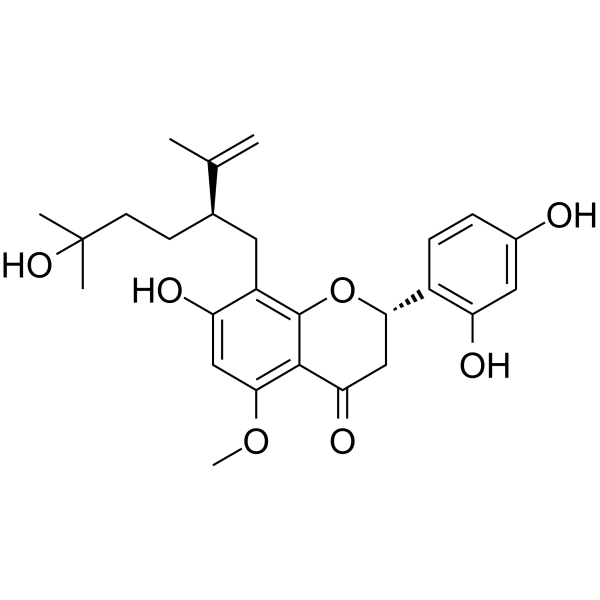 0 ImagesCat. No.: HY-122933CAS No.: 855746-98-4
Kurarinol is a flavanone found in the root of Sophora flavescens. Kurarinol is a competitive tyrosinase inhibitor, with IC50 of 0.1 μM for mushroom tyrosinase.
-
Top/HDAC-IN-1
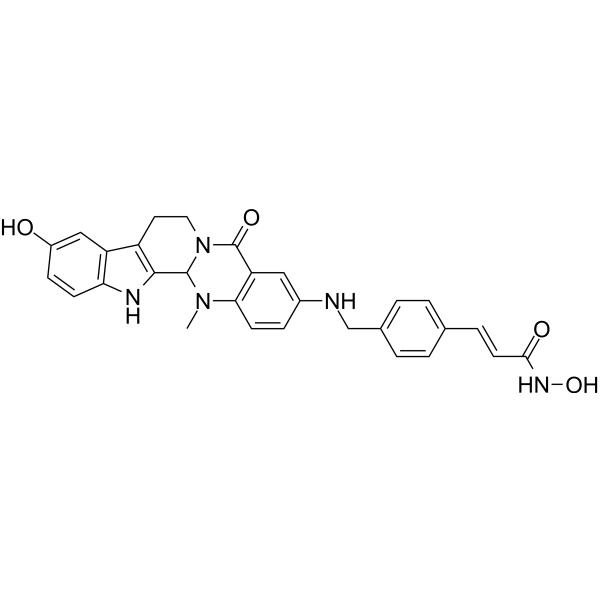 0 ImagesCat. No.: HY-145851CAS No.: 2775446-49-4
Top/HDAC-IN-1 (Compound 29b) is a topoisomerase/HDAC dual inhibitor with IC50s of 18, 230, 790, 87, and 5250 nM for HDAC1, HDAC2, HDAC3, HDAC6, and HDAC8, respectively. Top/HDAC-IN-1 exhibits potent antitumor activities against the HCT116 cell line with the IC50 of 180 nM. Top/HDAC-IN-1 efficiently induces apoptosis with G2 cell cycle arrest in HCT116 cells.
-
Antitumor agent-42
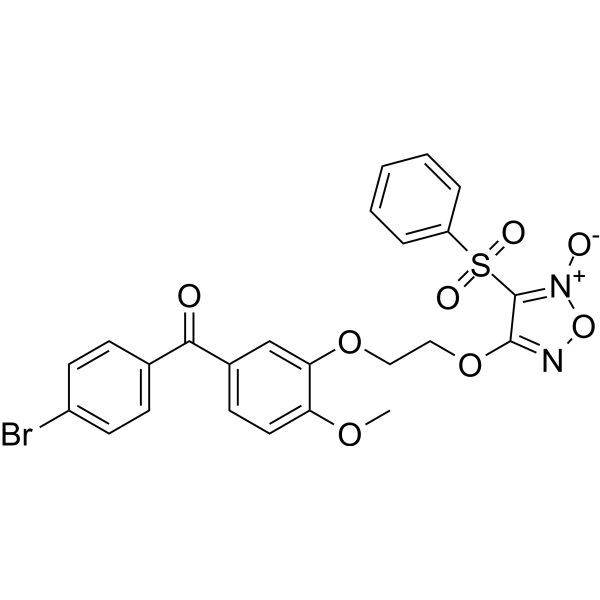 0 ImagesCat. No.: HY-144331CAS No.: 2763621-91-4
Antitumor agent-42 (Compound 15h) is a bifunctional agent exhibiting both tubulin polymerized inhibition and NO-releasing activities, resulting in potent anti-angiogenesis, colony formation inhibition, cell cycle arrest and apoptosis induction effects.
-
FGFR4-IN-7
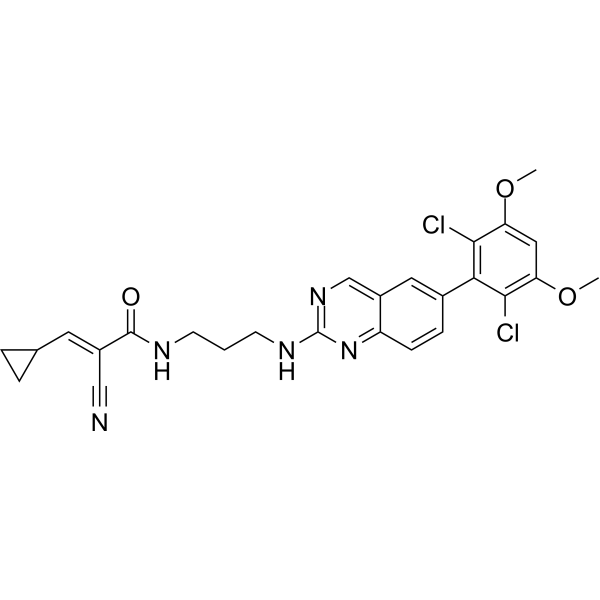 0 ImagesCat. No.: HY-115902CAS No.: 2765046-07-7
FGFR4-IN-7 (Compound C3) is a covalent reversible FGFR4 inhibitor with an IC50 value of 0.42 μM. FGFR4-IN-7 induces apoptosis via the FGFR4 signaling pathway blockage. FGFR4-IN-7 can be used for the research of hepatocellular carcinoma (HCC).
-
RFRP-3 (mouse)
 0 ImagesCat. No.: HY-P10780Purity: 98.82%Synonyms: Neuropeptide NPVF (mouse)
RFRP-3 (mouse) is a functional ortholog of avian gonadotropin inhibitory hormone (GnIH), binding to GPR147. RFRP-3 (mouse) reduces Progesterone synthesis by inhibiting FSHR and key enzymes involved in steroidogenesis (P450scc, 3β-HSD, StAR). RFRP-3 (mouse) induces Apoptosis (increase of p53). RFRP-3 (mouse) also suppresses the ERK signaling pathway. RFRP-3 (mouse) can be used for research of follicular development.
-
Uridine 5'-monophosphate-13C9,15N2 dilithium
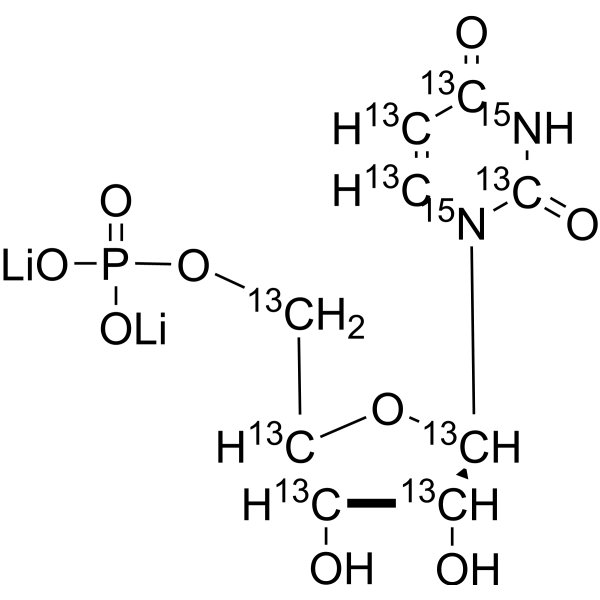 0 ImagesCat. No.: HY-101981S3CAS No.: 2483830-55-1Synonyms: 5'-Uridylic acid-13C9,15N2 dilithium
Uridine 5'-monophosphate-13C9,15N2 (5'- Uridylic acid-13C9,15N2) dilithium is 13C and 15N-labeled Uridine 5'-monophosphate (HY-101981). Uridine 5'-monophosphate (5'-Uridylic acid) is an orally active mitochondrial ATP-dependent potassium channel activator that has a protective effect on the heart. Uridine 5'-monophosphate can promote the synthesis of CDP-choline and induce apoptosis in intestinal epithelial cells, which is beneficial for gut development and reduces diarrhea.
-
ABL-L
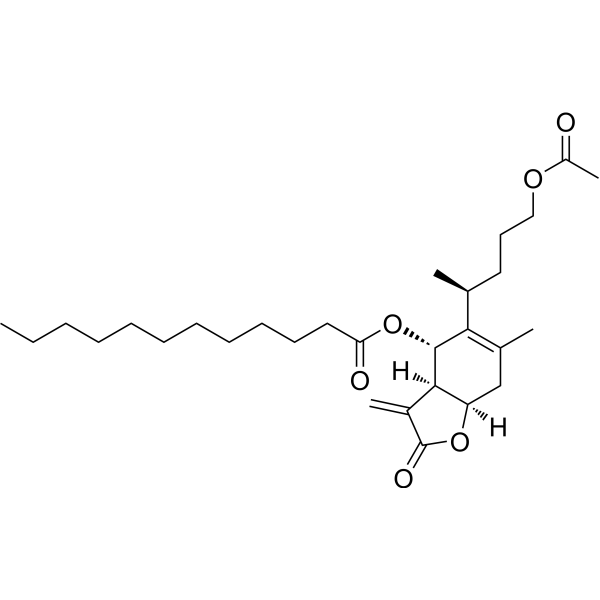 0 ImagesCat. No.: HY-142913CAS No.: 1613152-39-8
ABL-L induces apoptosis of human laryngocarcinoma cells through p53-dependent pathway.
-
CB-184
 0 ImagesCat. No.: HY-14220CAS No.: 165307-47-1
CB-184 is a selective ligand for sigma-2 (σ2), with Ki values of 7436 nM for σ1 and 13.4 nM for σ2. CB-184 promotes apoptosis and has antitumor activity.
-
EGFR-IN-207
 0 ImagesCat. No.: HY-182073
EGFR-IN-207 (Compound 5h) is an epidermal growth factor receptor (EGFR) kinase inhibitor with an IC50 of 0.21 μM. EGFR-IN-207 induces cell cycle arrest at the Sub-G1 phase and promotes Apoptosis. EGFR-IN-207 exhibits anticancer activity against lung cancer. EGFR-IN-207 shows extremely low toxicity in non-cancerous cell lines. EGFR-IN-207 can be used in lung cancer-related research.
-
CPT-Se3
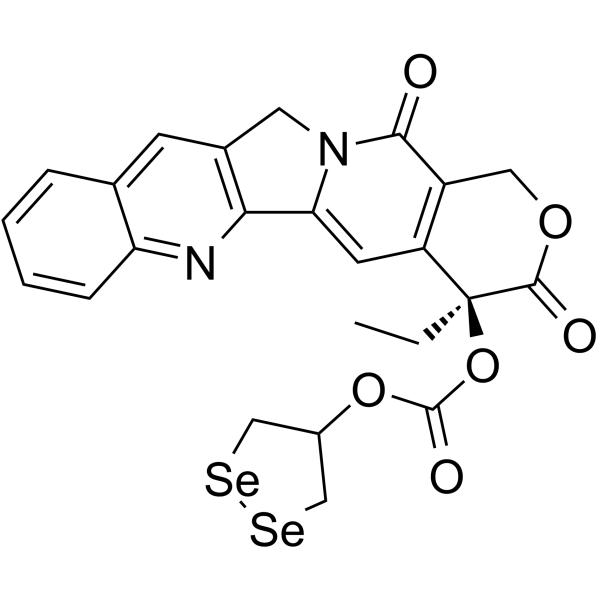 0 ImagesCat. No.: HY-145290CAS No.: 2968315-02-6
CPT-Se3, a selenoproagent of Camptothecin (CPT), shows improved potency in killing cancer cells and inhibiting tumor growth. CPT–Se3 decreases the GSH/GSSG ratio and total thiols, elevates the ROS level in Hep G2 cells, and eventually induces apoptosis of cancer cells. CPT-Se3 shows cytotoxicity against HeLa, Hep G2, A549, and SMMC-7721 cells (IC50= 2.19-4.7 μM).
-
IRAK4-IN-27
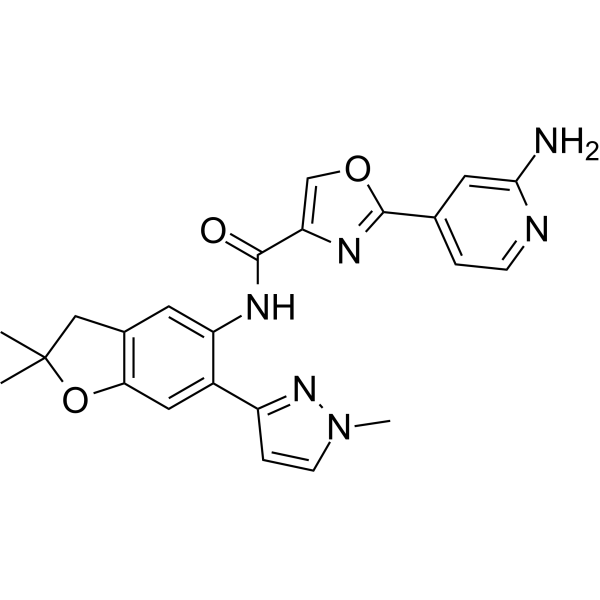 0 ImagesCat. No.: HY-155574CAS No.: 2626988-86-9
IRAK4-IN-27 (Compound 22) is a potent, selective inhibitor of IRAK4, with IC50 of 8.7 nM. IRAK4-IN-27 inhibits cell growth, and promotes apoptosis in MYD88 L265P diffuse large B-cell lymphoma (DLBCL) cell line. IRAK4-IN-27 can be used for DLBCL study.
-
Pasireotide (aspartate) TFA
 0 ImagesCat. No.: HY-175053Synonyms: SOM230 (aspartate) TFA
Pasireotide (aspartate) TFA, a long-acting cyclohexapeptide somatostatin analogue, can improve agonist activity at somatostatin receptors (subtypes sst1/2/3/4/5, pKi=8.2/9.0/9.1/<7.0/9.9, respectively). Pasireotide (aspartate) TFA can suppress GH, IGF-I and ACTH secretion, indicating potential efficacy in acromegaly and Cushing's disease. Pasireotide (aspartate) TFA also exhibits antisecretory, antiproliferative, and proapoptotic activity.
-
Minnelide free base
 0 ImagesCat. No.: HY-124584ACAS No.: 1254885-39-6
Minnelide free base is a prodrug of Triptolide (HY-32735) that shows potent antitumor activity in a number of tumor types, particularly in pancreatic cancer. Minnelide free base promotes apoptosis.
-
Iproniazid phosphate (Standard)
 0 Images
Iproniazid (phosphate) (Standard) is the analytical standard of Iproniazid phosphate (HY-B0886). This product is intended for research and analytical applications. Iproniazid phosphate is an orally active, irreversible, non-selective monoamine oxidase (MAO) inhibitor. Iproniazid phosphate inhibits MAO activity and enhances Rotenone (HY-B1756)-induced Apoptosis. Iproniazid phosphate modulates neurotransmitter levels, affects neuronal function, induces hepatic necrosis, and interferes with the endocrine system. Iproniazid phosphate can be used in the research of depression, Parkinson's disease, and hepatotoxicity.



