



Bacterial
Anything that destroys bacteria or suppresses their growth or their ability to reproduce. Heat, chemicals such as chlorine, and antibiotic drugs all have antibacterial properties. Many antibacterial products for cleaning and handwashing are sold today. Such products do not reduce the risk for symptoms of viral infectious diseases in otherwise healthy persons. This does not preclude the potential contribution of antibacterial products to reducing symptoms of bacterial diseases in the home.
All Product Categories
-
Bacterial Inhibitors
(7553)
View all products
-
Bacterial Agonists
(3)
View all products
-
Bacterial Antagonists
(9)
View all products
-
Bacterial Activators
(25)
View all products
-
Bacterial Modulators
(27)
View all products
-
Bacterial Chemicals
(2)
View all products
-
Bacterial Inducers
(6)
View all products
-
Bacterial Controls
(14)
View all products
-
Bacterial Substrates
(2)
View all products
-
Bacterial Ligand
(1)
View all products
-
Bacterial Related Products (8893)
Related Products (8893)

-
Antibodies (14)
-
Related Compound Screening Libraries (1)
-
Ceftibuten monohydrate
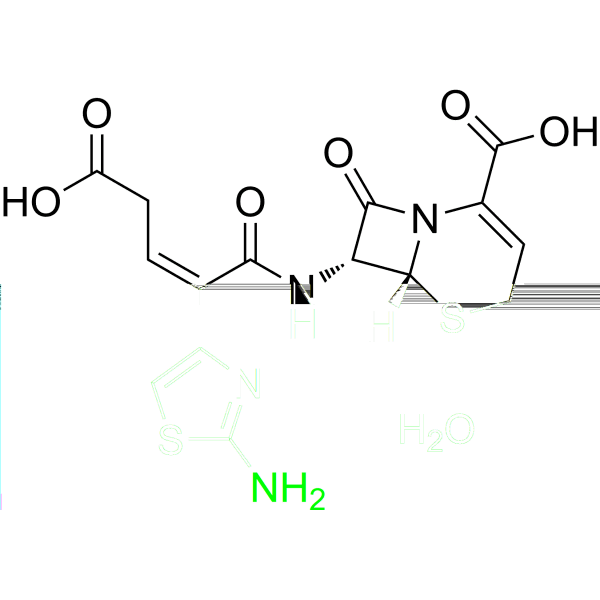 0 ImagesCat. No.: HY-B0698BCAS No.: 1346153-47-6Synonyms: Sch 39720 monohydrateCeftibuten (Sch39720) monohydrate, an antibiotic, is an orally active cephalosporin, possesses potent activity in vitro against a wide range of gram-negative and certain gram-positive pathogens.
-
Tebipenem pivoxil hydrobromide
 0 ImagesCat. No.: HY-B0396BCAS No.: 1381788-20-0Synonyms: L084 hydrobromideTebipenem pivoxil hydrobromide (L084 hydrobromide) is an orally active carbapenem Antibiotic. Tebipenem pivoxil hydrobromide acts as a substrate of OATP1A2 with high affinity for this transporter (Km = 41.1 μM). Tebipenem pivoxil hydrobromide achieves intestinal absorption via carrier-mediated uptake and simple diffusion. Tebipenem pivoxil hydrobromide inhibits the growth of Gram-positive bacteria, Gram-negative bacteria, multidrug-resistant bacteria, and pathogens producing extended-spectrum β-lactamases. Tebipenem pivoxil hydrobromide eliminates intestinal infection pathogens and reduces mortality in septic mice. Tebipenem pivoxil hydrobromide can be used in research related to bacterial pneumonia, severe gastrointestinal infections, bacterial sepsis, complicated urinary tract infections, and acute pyelonephritis.
-
Cefotiam dihydrochloride hydrate
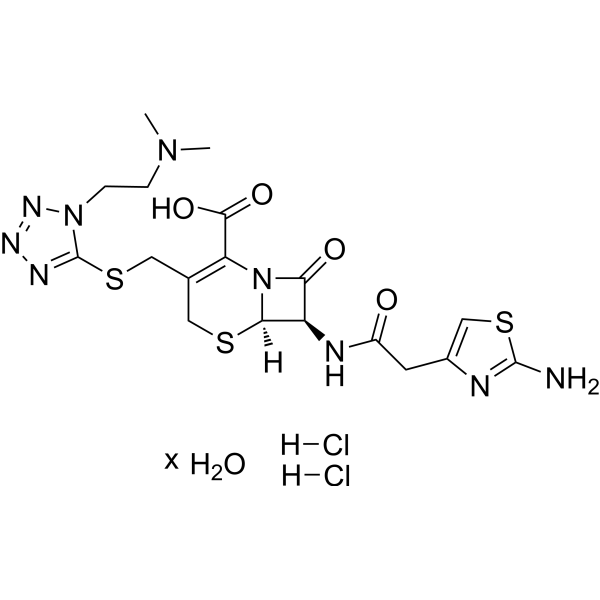 0 ImagesCat. No.: HY-B0734BSynonyms: SCE-963 dihydrochloride hydrateCefotiam (SCE-963) dihydrochloride hydrate is a parenteral cephalosporin antibiotic. Cefotiam dihydrochloride hydrate has broad-spectrum activity against Gram-positive and Gram-negative bacteria.
-
Daunorubicin citrate
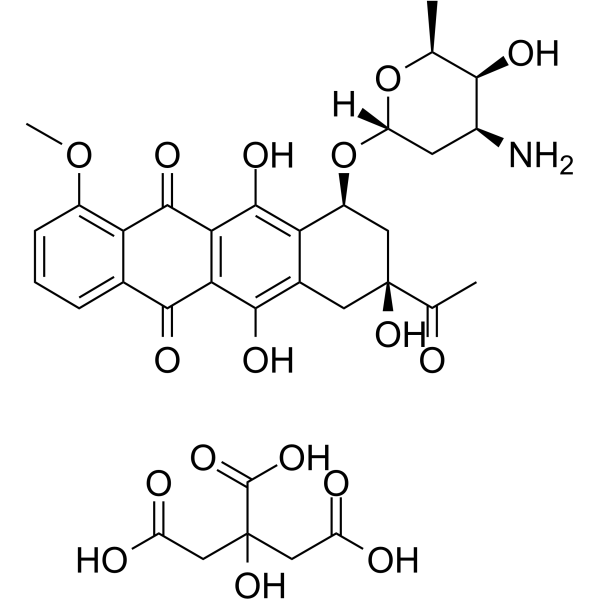 0 ImagesCat. No.: HY-108876CAS No.: 1884557-85-0Synonyms: Daunomycincitrate; RP 13057citrate; RubidomycincitrateDaunorubicin (Daunomycin) citrate is a topoisomerase II inhibitor with potent anti-tumor activity. Daunorubicin citrate inhibits DNA and RNA synthesis. Daunorubicin citrate is a cytotoxin that inhibits cancer cell viability and induces apoptosis and necrosis. Daunorubicin citrate is also an anthracycline antibiotic. Daunorubicin citrate can be used in the research of infection and variety of cancers, including leukemia, non-Hodgkin lymphomas, Ewing's sarcoma, Wilms' tumor.
-
Indomethacin sodium
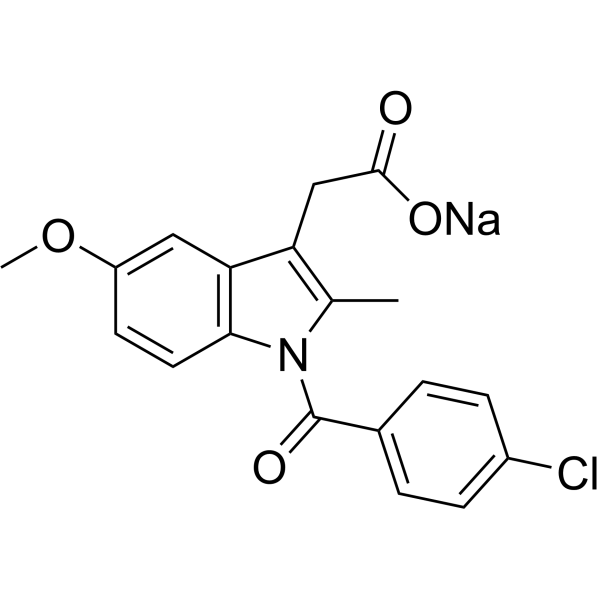 0 ImagesIndomethacin (Indometacin) sodium is a potent, orally active COX1/2 inhibitor with IC50 values of 18 nM and 26 nM for COX-1 and COX-2, respectively. Indomethacin sodium has anticancer activity and anti-infective activity. Indomethacin sodium can be used for cancer, inflammation and viral infection research..
-
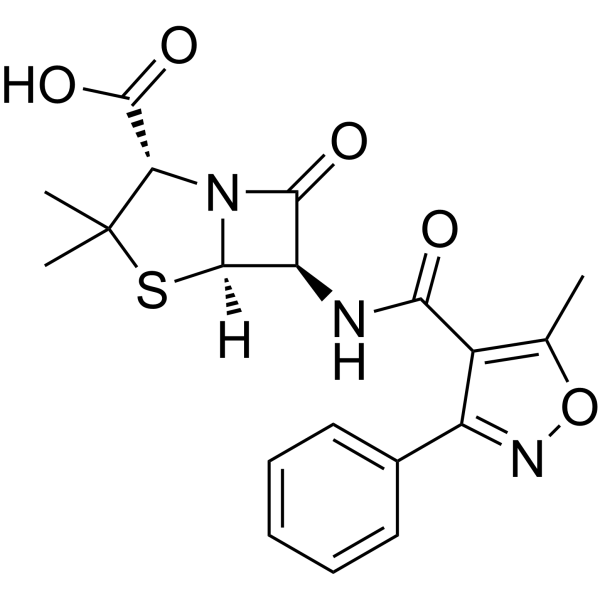
Oximonam
 0 ImagesCat. No.: HY-187915CAS No.: 90898-90-1Synonyms: SQ 82291Oximonam (SQ 82291) is a synthetic monocyclic β-lactam antibiotic with strong affinity for Gram-negative bacterial penicillin-binding protein 3 (PBP-3). Oximonam exhibits antibacterial activity against Enterobacteriaceae and Haemophilus influenzae. Oximonam can be used in research related to bacterial infections.
-
Penicillin V-d5
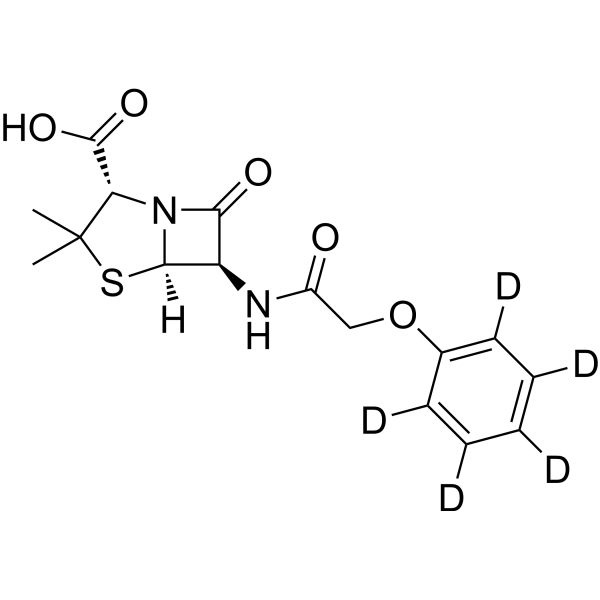 0 ImagesPenicillin V-d5 (Phenoxymethylpenicillin-d5) is the deuterium labeled Penicillin V. Penicillin V (Phenoxymethylpenicillin) is an orally active antibiotic. Penicillin V inhibits the growth of Streptococci, C. difficile and S. aureus. Penicillin V can be used for the research of otitis, sinusitis, pharyngitis and tonsillitis.
-
Sitafloxacin monohydrate
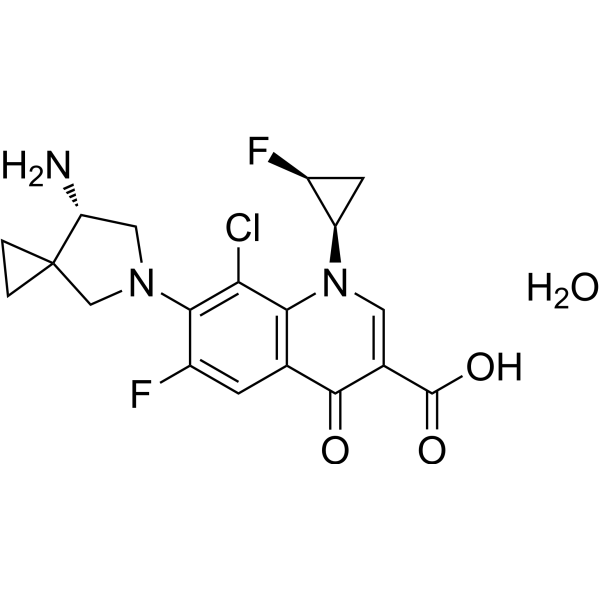 0 ImagesCat. No.: HY-B0395BCAS No.: 163253-37-0Synonyms: DU6859a monohydrateSitafloxacin (DU6859a) monohydrate is a potent, orally active fluoroquinolone antibiotic. Sitafloxacin monohydrate shows antichlamydial activity and antibacterial activities against a broad range of gram-positive and gram-negative bacteria, including anaerobic bacteria, as well as against atypical pathogens. Sitafloxacin monohydrate can be used for the research of respiratory tract infection and urinary tract infection.
-
Levofloxacin solution
 0 ImagesCat. No.: HY-FLB0330ACAS No.: 138199-71-0Synonyms: Levofloxacin hemihydrate solutionLevofloxacin solution is mainly composed of Levofloxacin hydrate (HY-B0330A). Levofloxacin hydrate (Levofloxacin hemihydrate) is an orally active antibiotic and is active against both Gram-positive and Gram-negative bacteria. Levofloxacin hydrate inhibits the DNA gyrase and topoisomerase IV. Levofloxacin hydrate can be used for chronic periodontitis, airway inflammation and BK Viremia research. Levofloxacin hydrate shows anti-orthopoxvirus activity.
-
Levofloxacin sodium
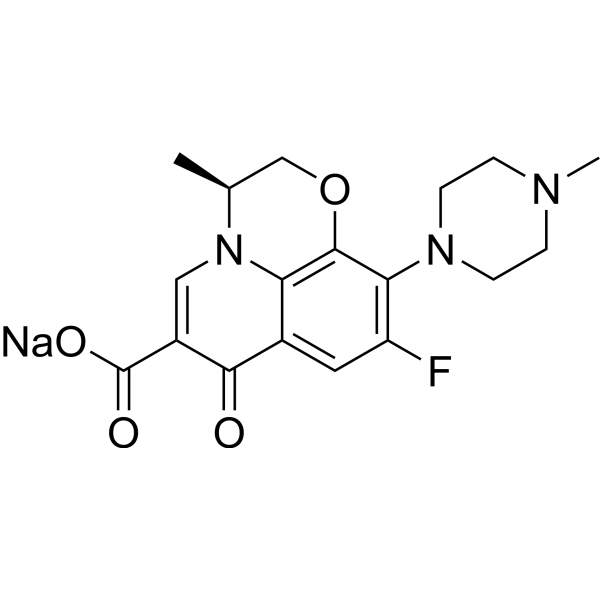 0 ImagesCat. No.: HY-B0330CCAS No.: 872606-49-0Synonyms: (-)-Ofloxacin sodiumLevofloxacin ((-)-Ofloxacin) sodium is an orally active antibiotic and is active against both Gram-positive and Gram-negative bacteria. Levofloxacin sodium inhibits the DNA gyrase and topoisomerase IV. Levofloxacin sodium can be used for chronic periodontitis, airway inflammation and BK Viremia research. Levofloxacin sodium shows anti-orthopoxvirus activity.
-
Gemifloxacin
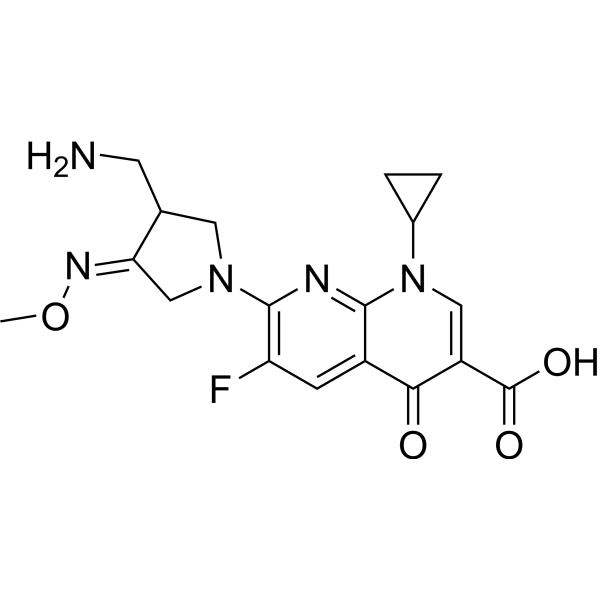 0 ImagesCat. No.: HY-116229CAS No.: 175463-14-6Synonyms: SB-265805; LB20304Gemifloxacin, a fluoroquinolone, is a potent and orally active antipneumococcal agent. Gemifloxacin shows bactericidal activity against highly quinolone-resistant pneumococci.Gemifloxacin can be used for the research of respiratory infections, such as community-acquired pneumonia (CAP) and acute exacerbation of chronic bronchitis (AECB).
-
Cephalexin (lysine)
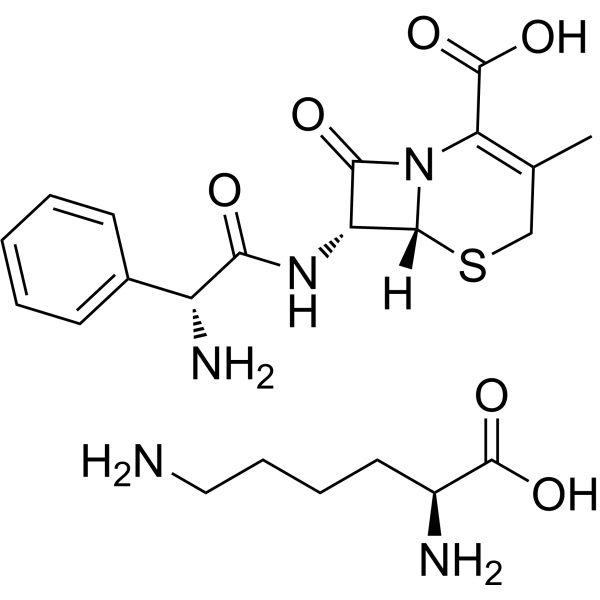 0 ImagesCat. No.: HY-B0200DCAS No.: 53950-14-4Synonyms: Cefalexin (lysine); Cephacillin (lysine)Cephalexin (Cefalexin) lysine is a potent, orally active new semisynthetic cephalosporin antibiotic with a broad antibacterial spectrum. Cephalexin lysine has antibacterial activity against a wide variety of gram-positive and gram-negative bacteria. Cephalexin lysine targets penicillin-binding proteins (PBPs) to inhibit bacterial cell wall assembly. Cephalexin lysine is used for the research of pneumonia, strep throat, and bacterial endocarditis, et al.
-
SEQ-9
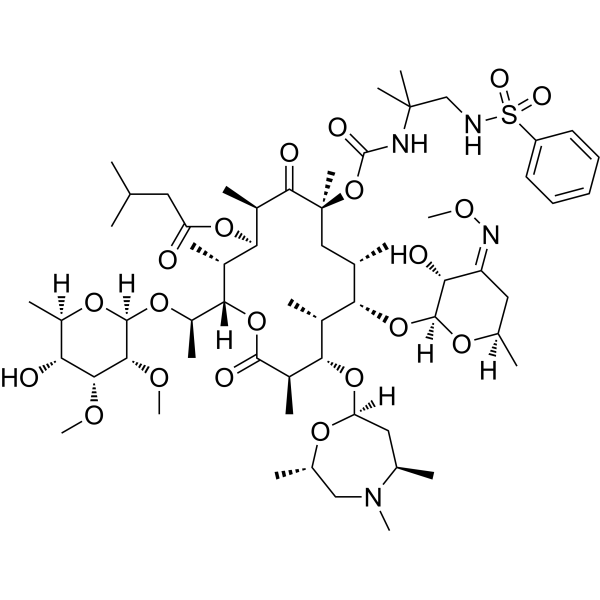 0 ImagesCat. No.: HY-153222SEQ-9 is an orally active Mycobacterium tuberculosis (Mtb) 23S bacterial ribosome inhibitor with an IC50 of approximately 170 nM for unmethylated Mtb ribosomes. SEQ-9 also potently inhibits A2296 methylated ribosomes. SEQ-9 can be used to study bacterial infection and drug resistance.
-
Telacebec (Standard)
 0 ImagesSynonyms: Q203 (Standard); IAP6 (Standard)Oxadixyl (Standard) is the analytical standard of Oxadixyl. This product is intended for research and analytical applications. Oxadixyl is a fungicide with activity that inhibits the growth of fungi. Oxadixyl was tested during the malic fermentation of red wine, where its concentration may be affected. The biological activity of Oxadixyl helps to evaluate its effect on microorganisms during the winemaking process.
-
β-N-methylamino-L-alanine hydrochloride (Standard)
 0 ImagesSynonyms: BMAA hydrochloride (Standard)Clenbuterol (Standard) is the analytical standard of Clenbuterol. This product is intended for research and analytical applications. Clenbuterol (NAB-365) is a β2-adrenergic receptor agonist with an EC50 of 31.9 nM. Clenbuterol is a very potent inhibitor of the lipopolysaccharide (LPS)-induced release of TNF-α and IL-1β. Clenbuterol can inhibit the inflammatory process. Clenbuterol is a bronchodilator.
-
Oritavancin
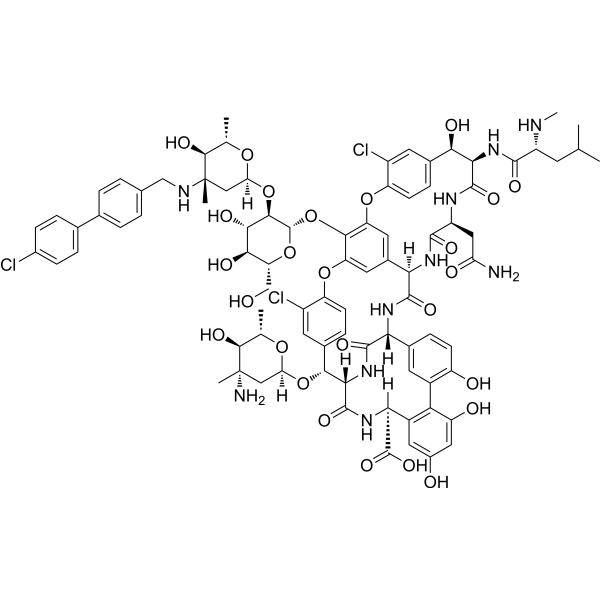 0 ImagesCat. No.: HY-B1831CAS No.: 171099-57-3Synonyms: LY 333328; OrbactivOritavancin (LY 333328), a semisynthetic derivative of Vancomycin (HY-B0671), is an orally active glycopeptide antibiotic with bactericidal activity against gram-positive organisms. Oritavancin shows antibacterial effect against B. anthracis, such as Ames strain with a MIC value of 0.015 g/mL. Oritavancin inhibits cell wall synthesis and disrupts the membrane potential. Oritavancin inhibits ArlS kinase activity thereby interfering the signal transduction. Oritavancin enters cells by adsorptive endocytosis, which drives it to lysosomes, where it exerts antibiotic activity.
-
Isothipendyl-d6
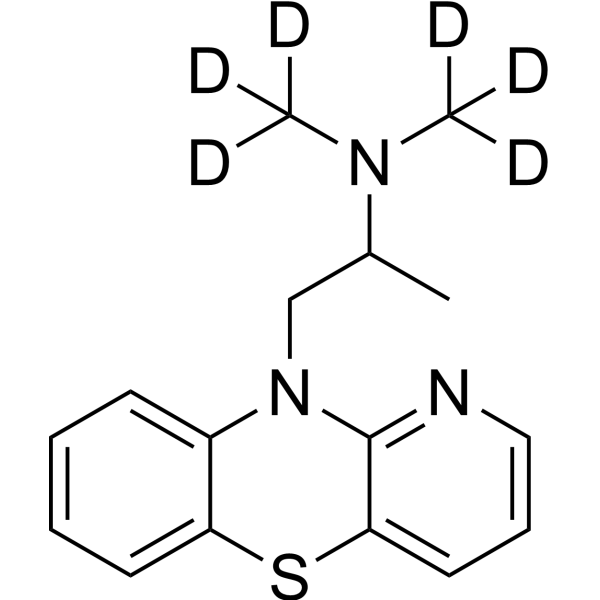 0 ImagesCat. No.: HY-A0178SCAS No.: 1330265-10-5Isothipendyl-d6 is the deuterium labeled (7E,9E)-β-Ionylideneacetaldehyde.
-
Amoxapine-d8
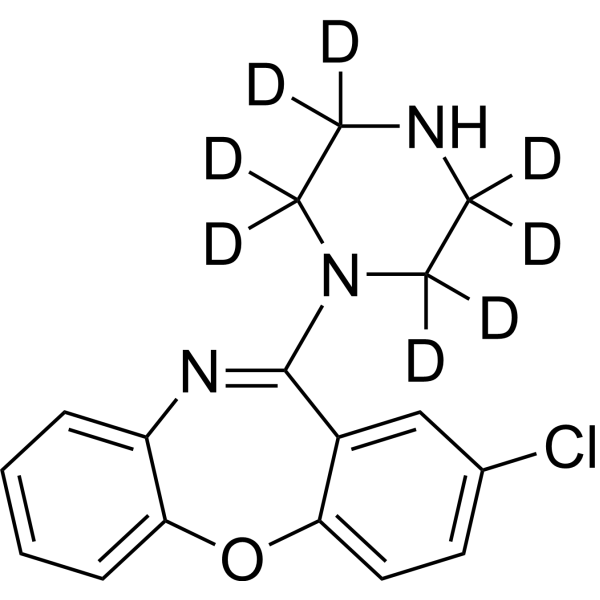 0 ImagesCat. No.: HY-B0991SCAS No.: 1189671-27-9Synonyms: CL-67772-d8Amoxapine-d8 is the deuterium labeled Amoxapine. Amoxapine (CL-67772) is a norepinephrine reuptake blocker and a 5-HT2/5-HT3 antagonist. Amoxapine can be used for the research of depression. Amoxapine has antibacterial activity. Amoxapine can enhance the killing effect of macrophages on mycobacterium by inducing autophagy, while protecting the cells from death.




