



COX
Cyclooxygenase
Cyclooxygenase (COX), officially known as prostaglandin-endoperoxide synthase (PTGS), is an enzyme that is responsible for formation of important biological mediators called prostanoids, including prostaglandins, prostacyclin and thromboxane. Pharmacological inhibition of COX can provide relief from the symptoms of inflammation and pain. Drugs, like Aspirin, that inhibit cyclooxygenase activity have been available to the public for about 100 years. Two cyclooxygenase isoforms have been identified and are referred to as COX-1 and COX-2. Under many circumstances the COX-1 enzyme is produced constitutively (i.e., gastric mucosa) whereas COX-2 is inducible (i.e., sites of inflammation). Non-steroidal anti-inflammatory drugs (NSAID), such as aspirin and ibuprofen, exert their effects through inhibition of COX. The main COX inhibitors are the non-steroidal anti-inflammatory drugs (NSAIDs).
COX Isoform Specific Products
All Product Categories
-
COX Related Products (1315)
Related Products (1315)

-
Antibodies (6)
-
COX Isoform Comparison
-
Fentiazac
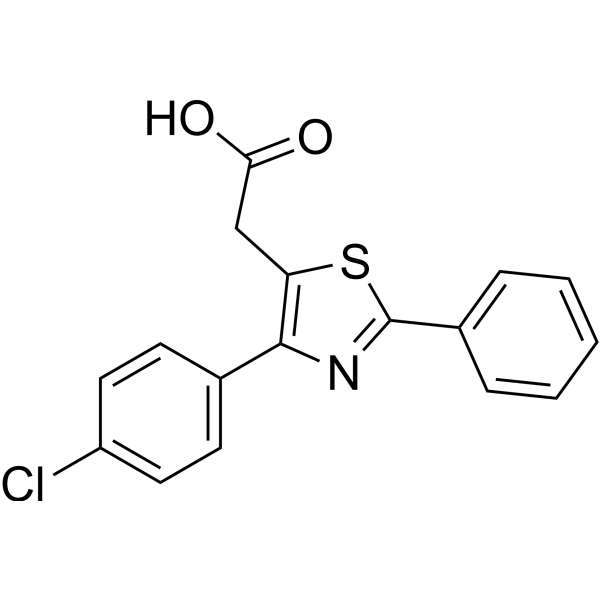 0 ImagesFentiazac, alkanoic acid derivative, is an orally active non-steroidal anti-inflammatory agent, with analgesic, antipyretic and platelet anti-aggregation activity. Fentiazac can be used to research inflammatory diseases such as rheumatoid arthritis, osteoarthritis and tendinitis.
-
CAY10404
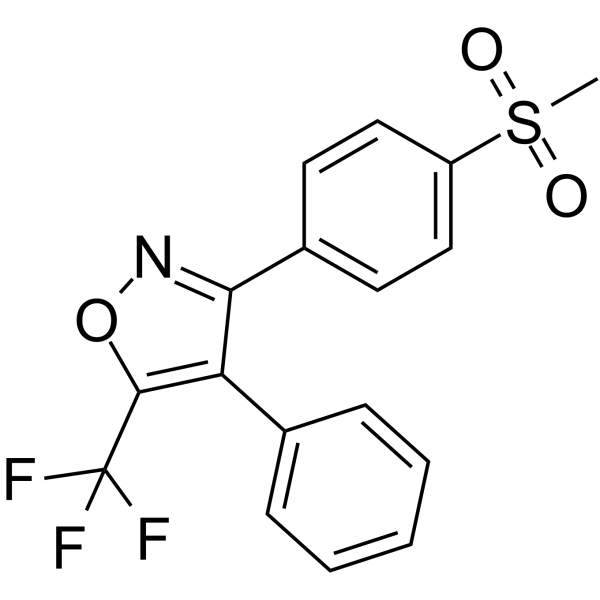 0 ImagesCAY10404 is a potent and selective cyclooxygenase-2 (COX-2) inhibitor with an IC50 of 1 nM and a selectivity index (SI; COX-1 IC50/COX-2 IC50) of >500000. CAY10404 is a potent PKB/Akt and MAPK signaling pathways inhibitor and induces apoptosis in non-small cell lung cancer (NSCLC) cells. CAY10404, a diarylisoxazole, has good analgesic, anti-inflammatory, and anti-cancer activities.
-
Felbinac
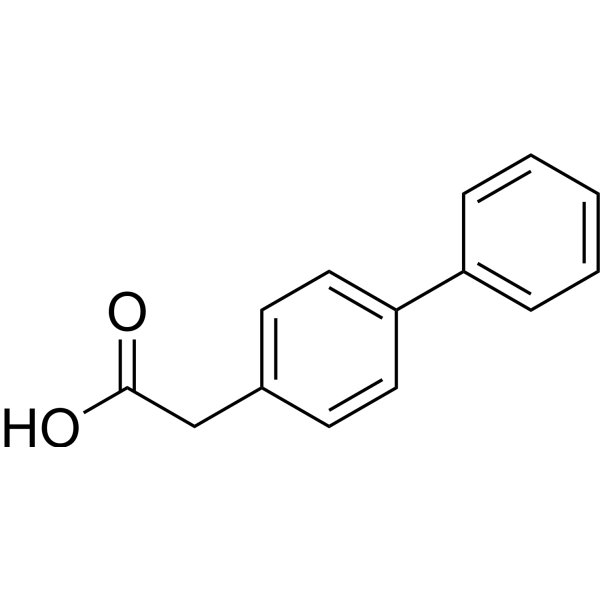 0 ImagesFelbinac is a metabolite of fenbufen, an orally active nonsteroidal anti-inflammatory agent and a cyclooxygenase (COX) inhibitor with an IC50 of 865.68 nM for COX1 and 976 nM for COX2. Felbinac reduces the production of prostaglandins by inhibiting COX to relieve pain, reduce inflammation and reduce fever. Felbinac can inhibit CHIKV viral activity.
-
Diclofenac-d4 sodium
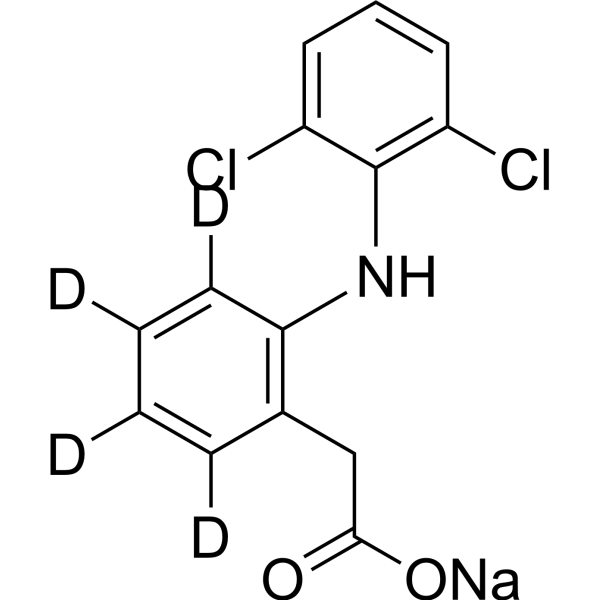 0 ImagesDiclofenac-d4 (sodium) is the deuterium labeled Diclofenac sodium. Diclofenac Sodium (GP 45840) is a potent and nonselective anti-inflammatory agent, acts as a COX inhibitor, with IC50s of 4 and 1.3 nM for human COX-1 and COX-2 in CHO cells, and 5.1 and 0.84 μM for ovine COX-1 and COX-2, respectively. Diclofenac Sodium induces apoptosis of neural stem cells (NSCs) via the activation of the caspase cascade.
-
Rehmannioside A
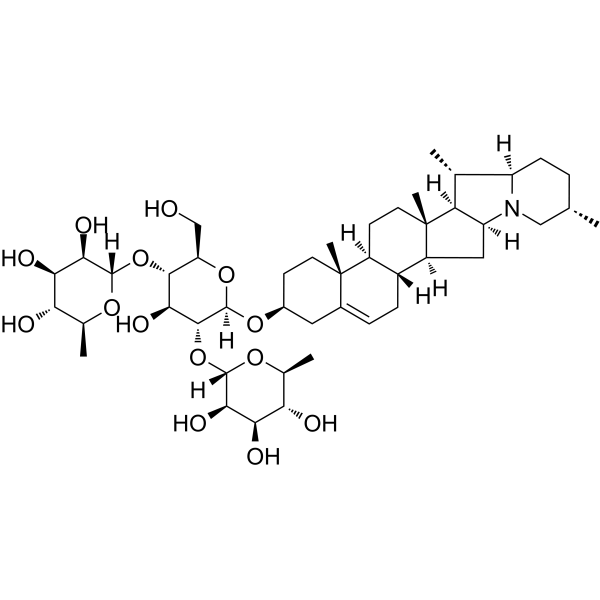
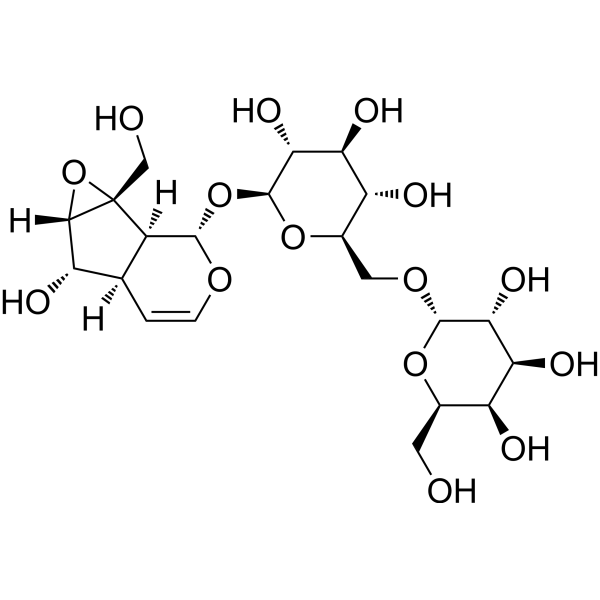 0 ImagesRehmannioside A is a compound that can be isolated from Rehmanniae radix. Rehmannioside A is an inhibitor of CYP3A4, 2C9 and 2D6, with IC50 values of 10.08, 12.62 and 16.43 μM, respectively. Rehmannioside A has anti-inflammatory, antioxidant, anti-apoptosis, anti-ferroptosis, cognitive improvement and neuroprotective activities. Rehmannioside A can be used for the research of nervous system and inflammation-related diseases.
-
Eicosatetraynoic acid
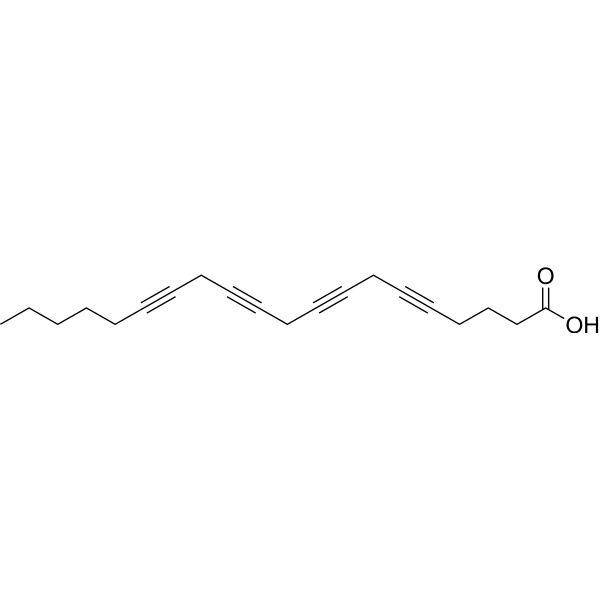 0 ImagesEicosatetraynoic acid (ETYA) is a non-metabolizable analog of Arachidonic acid (HY-109590) and also an inhibitor of the lipoxygenase (LOX)/cyclooxygenase (COX) pathway (ID50 = 8 μM and 4 μM). Eicosatetraynoic acid acts as a suicide substrate to inhibit the production of inflammatory mediators such as leukotrienes and prostaglandins. Eicosatetraynoic acid acts directly on cell membranes and membrane proteins to exert a wide range of effects, including blocking potassium channels, increasing cell membrane fluidity, elevating intracellular calcium levels, inhibiting DNA synthesis in tumor cells, inducing differentiation of certain cells, and specifically inhibiting the assembly and replication of orthopoxviruses. Eicosatetraynoic acid alleviates acute lung injury induced by chemicals such as phosgene.
-
Prostaglandin F1a
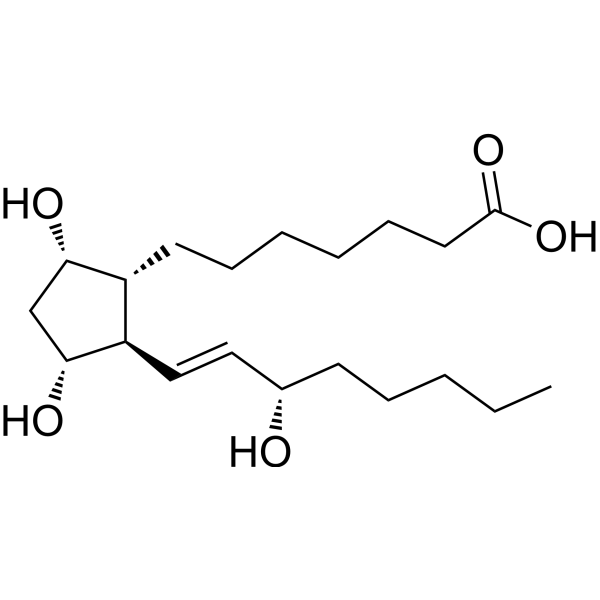 0 ImagesProstaglandin F1a is an endogenous metabolite and a cyclooxygenase product with platelet activity inhibitory effects. Prostaglandin F1a can be used as a marker in coagulation-related studies.
-
Iminostilbene
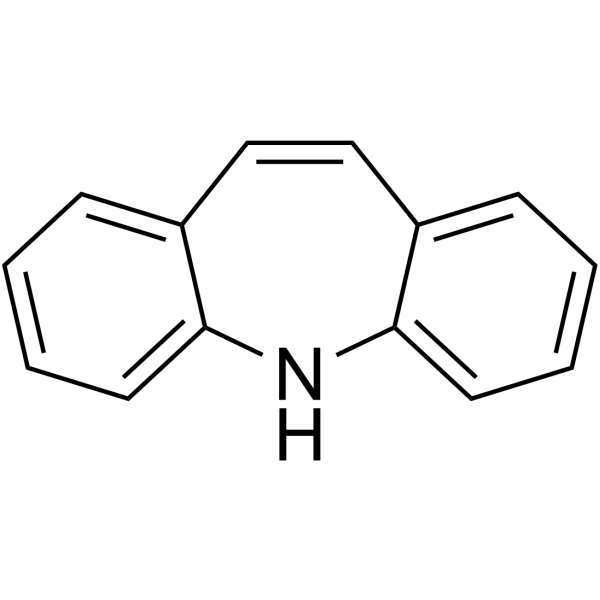 0 ImagesIminostilbene is a chemical precursor of carbamazepine. Additionally, Iminostilbene is an orally active inhibitor of PKM2 (Pyruvate Kinase M2) and COX2 (Cyclooxygenase-2). Iminostilbene exerts its effects by inhibiting PKM2 and its interaction with HIF-1α and STAT3, reducing COX2 and iNOS expression, and decreasing LPS-induced release of IL-1β, IL-6, TNF-α, and MCP-1, thereby suppressing macrophage-mediated inflammatory responses and improving myocardial ischemia/reperfusion (MI/R) injury. Iminostilbene holds promise for research in inflammation regulation, cardiovascular diseases (such as MI/R injury), and macrophage-mediated immune-related diseases.
-
Procyanidol B4
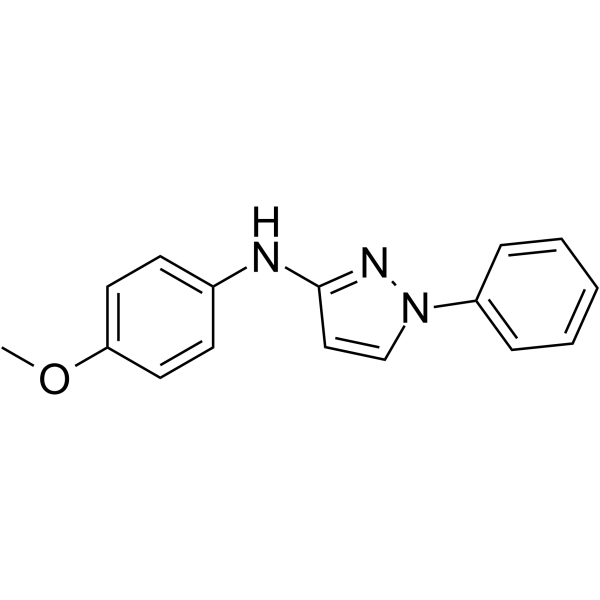
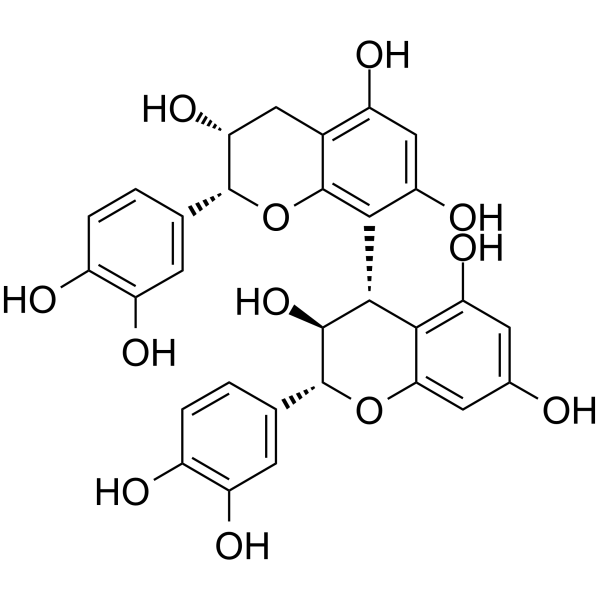 0 ImagesSynonyms: (-)-Procyanidin B4Procyanidol B4 ((-)-Procyanidin B4) is an orally active polyphenol found in Q.gilva. Procyanidol B4 exerts antioxidant activity by scavenging DPPH (HY-112053) (IC50: 12.15 μM) and Nitro blue tetrazolium chloride (NBT) (HY-15925) (IC50: 8.67 μM). Procyanidol B4 exhibits anti-inflammatory activity by inhibiting the expression of COX-2 and IL-1β and iNOS.
-
2′-Hydroxy-5′-methoxyacetophenone
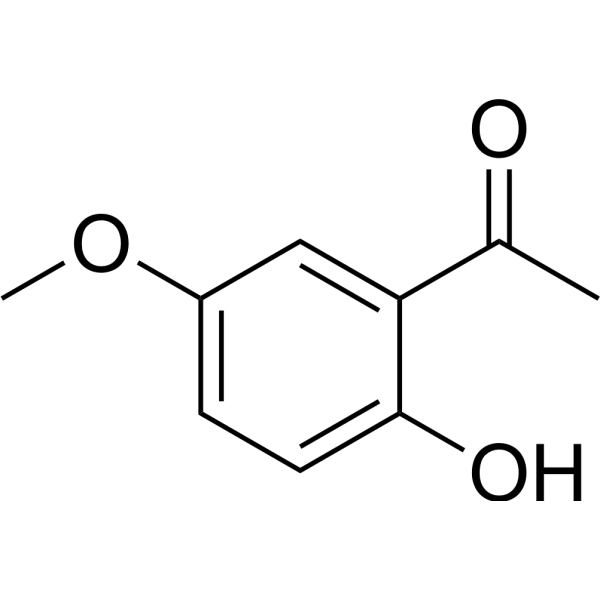 0 Images2'-Hydroxy-5'-methoxyacetophenone is an acetophenone derivative with acaricidal activities. 2'-Hydroxy-5'-methoxyacetophenone attenuates the inflammatory response via NF-κB signaling pathway. 2'-Hydroxy-5'-methoxyacetophenone exhibits significant inhibitory activity against α-amylase, collagenase and aldose reductase (AR) with IC50s of 0.928, 3.264 and 20.046 μM, highlighting its potential in combating diabetes. 2'-Hydroxy-5'-methoxyacetophenone exhibits anti-ovarian cancer activity.
-
Neral
 0 ImagesCat. No.: HY-W923189CAS No.: 106-26-3Neral is a plant-derived anti-inflammatory, antioxidant and anticancer agent. Neral inhibits the phosphorylation of ERK1/2, p38 MAPK and IκB in macrophages induced by LPS (HY-D1056), suppresses the secretion of TNF-α and IL-6, as well as the expression of pro-IL-1β, iNOS and COX-2 in cells, and reduces the production of ROS in cells. Neral inhibits the activation of the NLRP3 inflammasome, and decreases the activation of caspase-1 and the secretion of IL-1β in mouse macrophages. Neral induces autophagy, and exhibits antiproliferative activity both in in vitro breast cancer cell models and mouse xenograft models. Neral regulates brassinosteroid, jasmonic acid and ethylene signaling pathways, and induces the expression of AP2/ERF-ERF and bHLH family genes in rice roots. Neral acts as a herbicide safener, alleviates the damage induced by Fenoxaprop-P-ethyl (HY-B2013), and promotes the elongation of rice roots. Neral can be used in research related to breast cancer, inflammatory and immune system diseases, and herbicide safeners.
-
Acemetacin
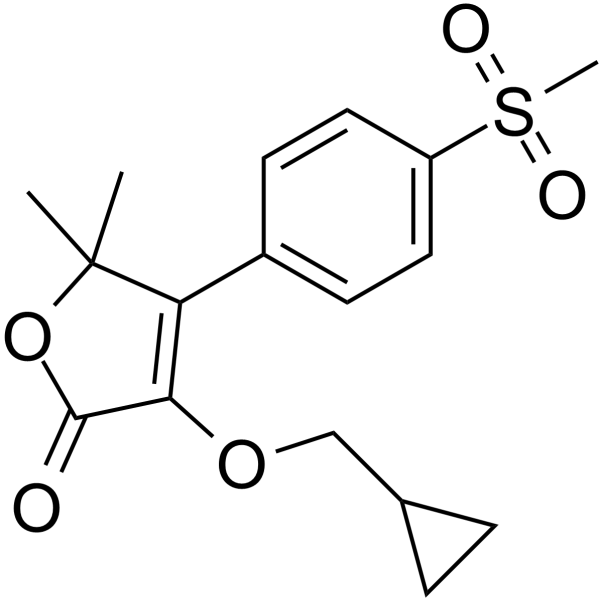
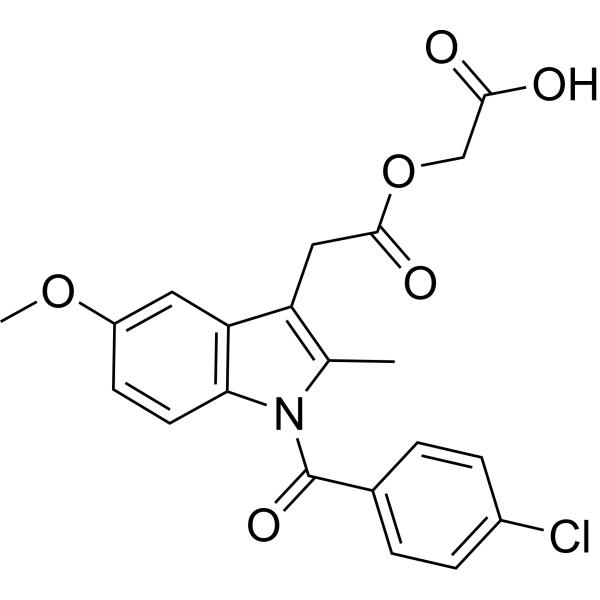 0 ImagesSynonyms: TVX 1322Acemetacin (TVX 1322) is a non-steroidal anti-inflammatory drug and a glycolic acid ester of indometacin that is a cyclooxygenase inhibitor.
-
Diclofenac diethylamine
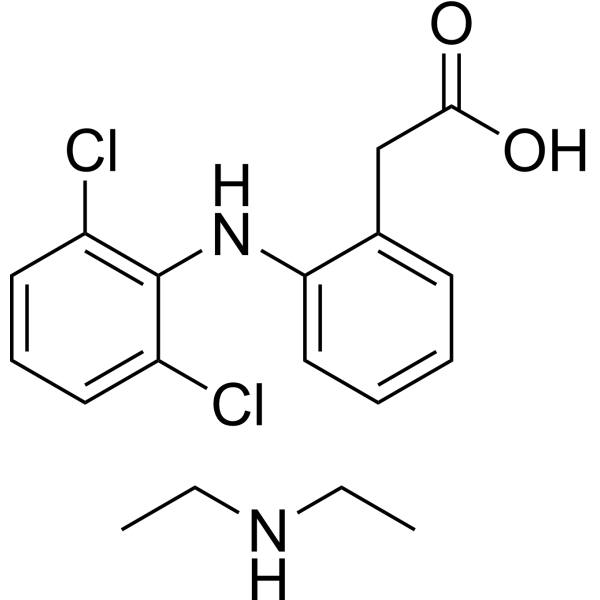 0 ImagesDiclofenac diethylamine is a potent and nonselective anti-inflammatory agent, acts as a COX inhibitor, with IC50s of 4 and 1.3 nM for human COX-1 and COX-2 in CHO cells, and 5.1 and 0.84 μM for ovine COX-1 and COX-2, respectively. Diclofenac diethylamine induces apoptosis of neural stem cells (NSCs) via the activation of the caspase cascade.
-
4'-Hydroxy flurbiprofen
 0 Images4'-Hydroxy flurbiprofen is an oxidative metabolite of Flurbiprofen (HY-10582) via the cytochrome P450 enzyme system. 4'-Hydroxy flurbiprofen inhibits COX-1 by 94% at a concentration of 1000 µM.
-
Ramifenazone
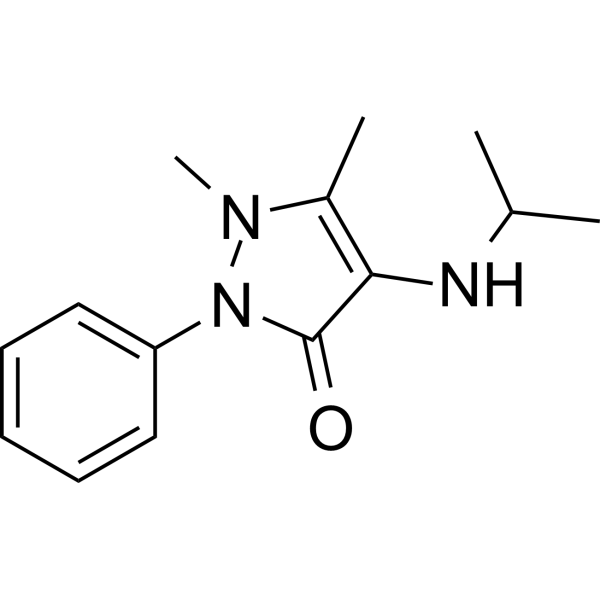 0 ImagesRamifenazone (Isopropylaminoantipyrine) is a pyrazolone non-steroidal anti-inflammatory agent (NSAID) and a potent COX-2 inhibitor. Ramifenazone exhibits analgesic, antipyretic, anti-inflammatory, and antibacterial activities. Ramifenazone can be used for research on inflammation.




