COX
Cyclooxygenase
Cyclooxygenase (COX), officially known as prostaglandin-endoperoxide synthase (PTGS), is an enzyme that is responsible for formation of important biological mediators called prostanoids, including prostaglandins, prostacyclin and thromboxane. Pharmacological inhibition of COX can provide relief from the symptoms of inflammation and pain. Drugs, like Aspirin, that inhibit cyclooxygenase activity have been available to the public for about 100 years. Two cyclooxygenase isoforms have been identified and are referred to as COX-1 and COX-2. Under many circumstances the COX-1 enzyme is produced constitutively (i.e., gastric mucosa) whereas COX-2 is inducible (i.e., sites of inflammation). Non-steroidal anti-inflammatory drugs (NSAID), such as aspirin and ibuprofen, exert their effects through inhibition of COX. The main COX inhibitors are the non-steroidal anti-inflammatory drugs (NSAIDs).
COX Isoform Specific Products
All Product Categories
-
COX Related Products (1314)
Related Products (1314)

-
Antibodies (6)
-
COX Isoform Comparison
-
Niflumic acid
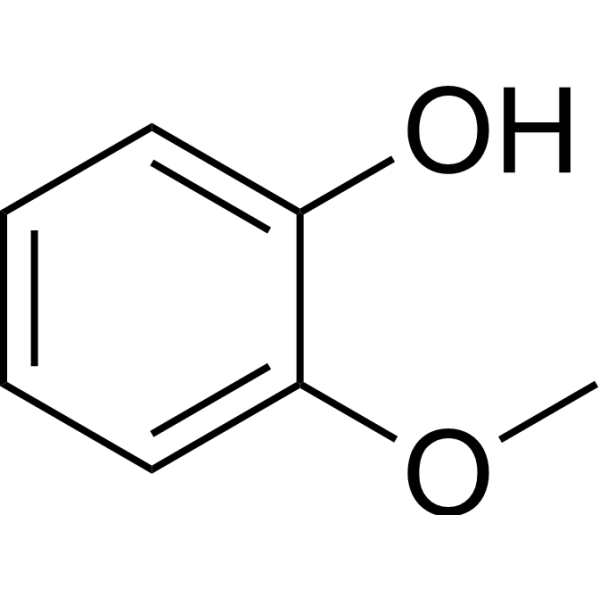
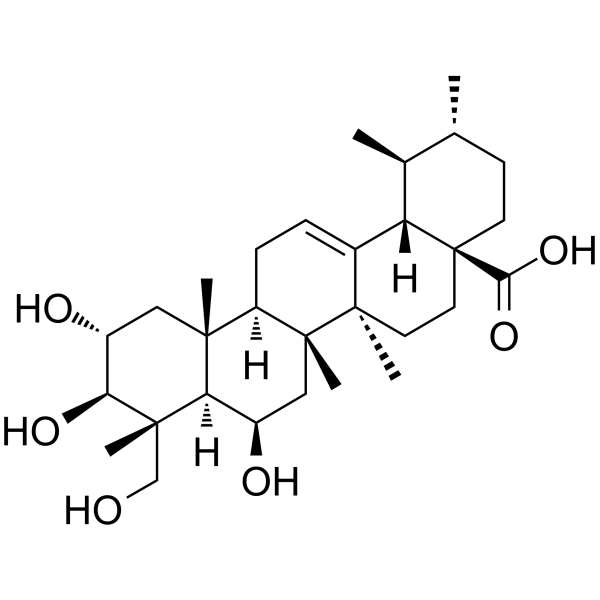
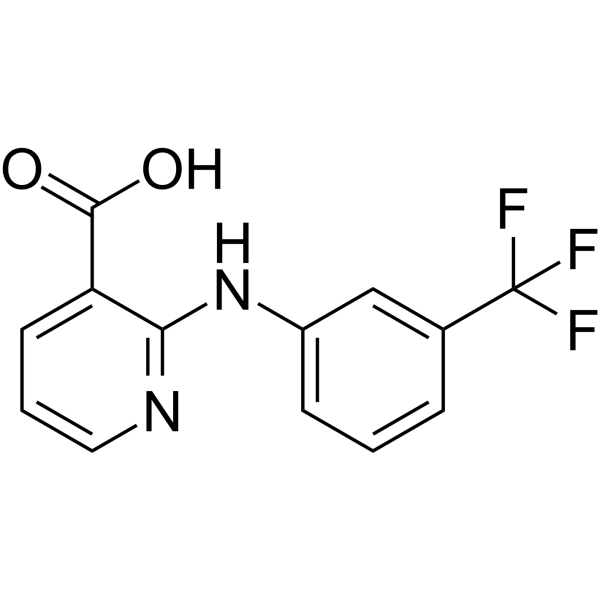 0 ImagesNiflumic acid is a calcium-activated chloride channel blocker and COX-2 inhibitor with the IC50 value of 100 nM. Niflumic acid induces apoptosis through caspase-8/Bid/Bax pathway in lung cancer cells. Niflumic acide exhibits anti-tumor activity by affecting the expression of ERK1/2 and the activity of MMP2 and MMP9. Niflumic acid has orally bioactivity. Niflumic acid acts on rheumatoid arthritis.
-
Taurohyodeoxycholic acid
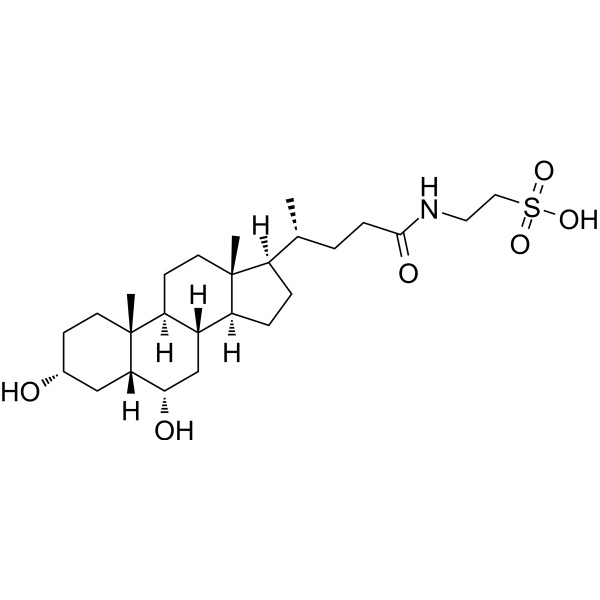 0 ImagesTaurohyodeoxycholic acid is an orally active 6 alpha-hydroxylated bile acid. Taurohyodeoxycholic acid decreases colonic MPO activity, TNF-α, lL-6 serum levels and the expression of COX-2. Taurohyodeoxycholic acid alleviates trinitrobenzene sulfonic acid induced ulcerative colitis via regulating Th1/Th2 and Th17/Treg cells balance. Taurohyodeoxycholic acid ameliorates high-fat diet-induced nonalcoholic fatty liver disease in mice. Taurohyodeoxycholic acid prevents Taurochenodeoxycholic acid (HY-N2027)-induced hepatotoxicity in bile fistula rats. Taurohyodeoxycholic acid can be used for the study of nonalcoholic fatty liver disease (NAFLD), colitis and biliary fistula.
-
Ginsenoside Rd
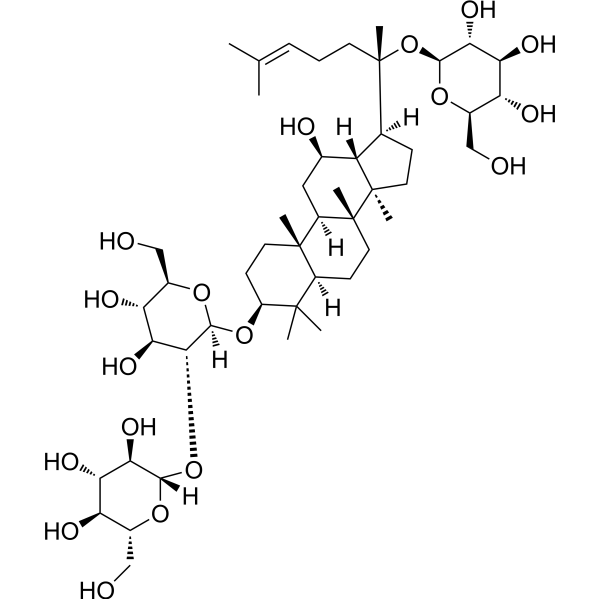 0 ImagesSynonyms: Gypenoside VIIIGinsenoside Rd inhibits TNFα-induced NF-κB transcriptional activity with an IC50 of 12.05±0.82 μM in HepG2 cells. Ginsenoside Rd inhibits expression of COX-2 and iNOS mRNA. Ginsenoside Rd also inhibits Ca2+ influx. Ginsenoside Rd inhibits CYP2D6, CYP1A2, CYP3A4, and CYP2C9, with IC50s of 58.0±4.5 μM, 78.4±5.3 μM, 81.7±2.6 μM, and 85.1±9.1 μM, respectively.
-
Indomethacin sodium hydrate
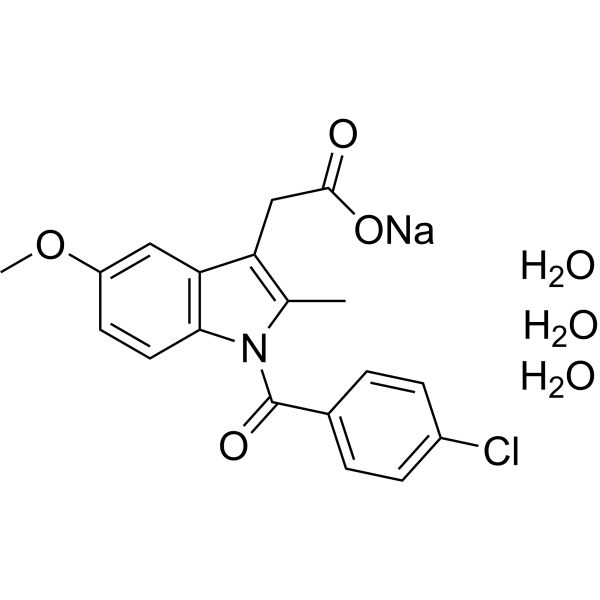 0 ImagesSynonyms: Indometacin sodium hydrateIndomethacin (Indometacin) sodium hydrateis a orally active and BBB-permeable COX1/2 inhibitor with IC50 values of 18 nM and 26 nM for COX-1 and COX-2, respectively. Indomethacin sodium hydrateis has anticancer activity and anti-infective activity. Indomethacin sodium hydrateis can be used for cancer, inflammation and viral infection research.
-
Magnesium sulfate
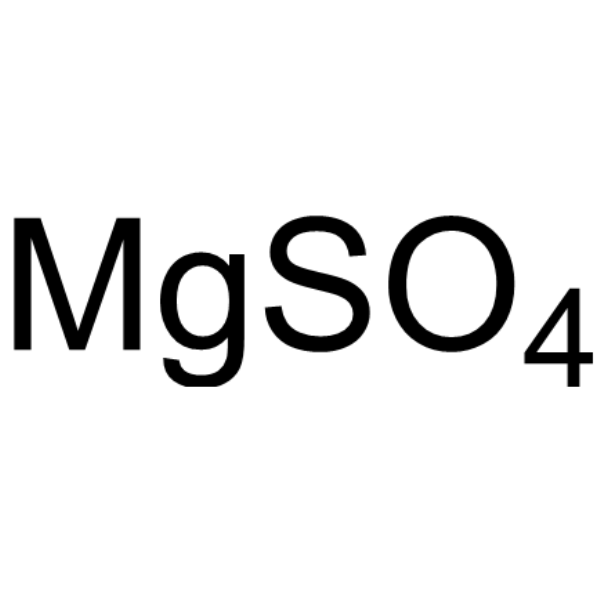 0 ImagesMagnesium sulfate is a calcium antagonist and a potent L-type calcium channel inhibitor, as well as a tocolytic. Magnesium sulfate has anti-inflammatory, anticonvulsant, vasodilatory, and neuroprotective effects. Magnesium sulfate can be used in the research of diseases such as preeclampsia/eclampsia.
-
Rofecoxib
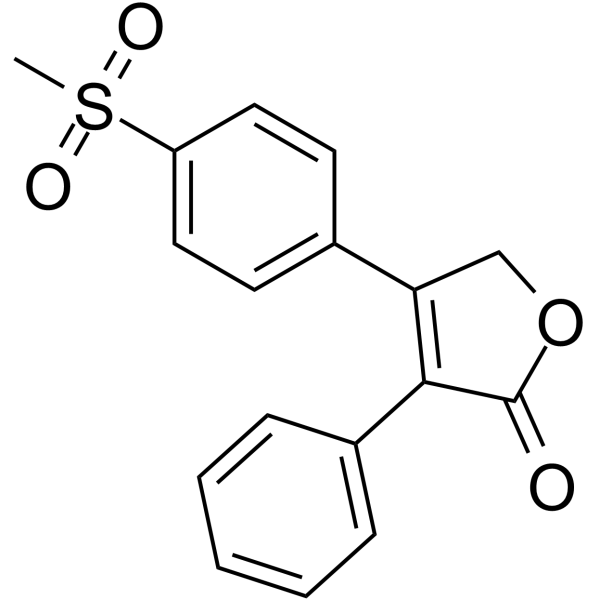 0 ImagesSynonyms: MK 966Rofecoxib is a potent, specific and orally active COX-2 inhibitor, with IC50s of 26 and 18 nM for human COX-2 in human osteosarcoma cells and Chinese hamster ovary cells, with a 1000-fold selectivity for COX-2 over human COX-1 (IC50 > 50 μM in U937 cells and > 15 μM in Chinese hamster ovary cells).
-
Nimesulide
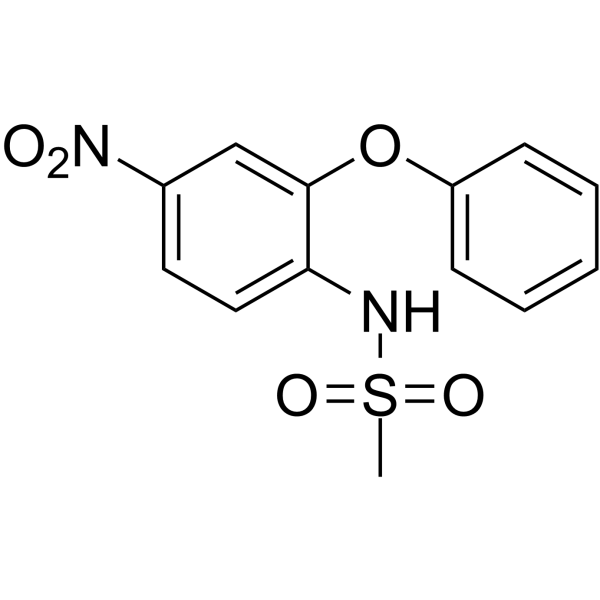 0 ImagesSynonyms: R805
-
Terameprocol
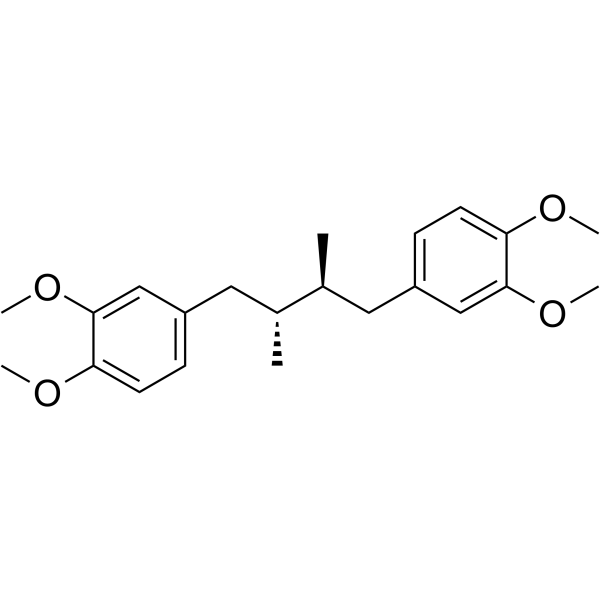 0 ImagesSynonyms: EM-1421Terameprocol is an inhibitor targeting the Sp1 transcription factor, which can selectively inhibit the transcription of Sp1-dependent genes. Terameprocol exerts its effects by inhibiting Sp1-mediated gene transcription, such as reducing the expression of genes like CDC2, survivin and HMGB1, thereby arresting the cell cycle, inducing apoptosis, and suppressing the inflammatory response. Terameprocol exhibits anti-proliferative, pro-apoptotic, and anti-inflammatory activities and is currently mainly used in the research of diseases such as cancer and pulmonary arterial hypertension[1][2][3].
-
Curcumenol
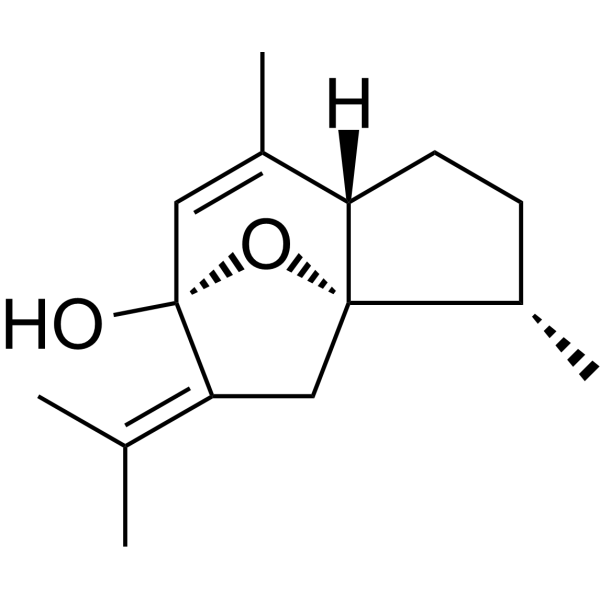 0 ImagesSynonyms: (+)-CurcumenolCurcumenol ((+)-Curcumenol) is a natural compound with oral efficacy, exhibiting an IC50 of 12.6 μM and a Ki of 10.8 μM against human CYP3A4. Curcumenol inhibits TNFα-induced phosphorylation/degradation of IκBα, phosphorylation/nuclear translocation of NF-κB p65, as well as the upregulation of MMP3, MMP9, MMP13, TRAF3, IL1RL1, TNFα and IL-1β. Curcumenol suppresses LPS-induced phosphorylation of Akt and p38 MAPK, as well as the production of pro-inflammatory mediators/proteins, and downregulates the SLC7A11/NF-κB/TGF-β pathway. Curcumenol binds to and inhibits the activation of Fyn and Lyn, blocks the function of downstream FcεRI signaling components, and reduces the release of allergic mediators/cytokines. Curcumenol upregulates the expression of KDM6B, and promotes chondrocyte proliferation and cartilage repair. Curcumenol induces ferroptosis and apoptosis, regulates the EMT process, and inhibits tumor growth and metastasis of triple-negative breast cancer. Curcumenol possesses anti-inflammatory, neuroprotective, antioxidant, antitumor, antiviral and hepatoprotective activities. Curcumenol can be used in research related to intervertebral disc degeneration, cancer, inflammation, central nervous system neurodegenerative diseases, allergic reactions and knee osteoarthritis.
-
Sodium thiosulfate (99%, water≤1.0%)
 0 ImagesSynonyms: Sodium hyposulfite (99%, water≤1.0%)Sodium thiosulfate (Sodium hyposulfite) is an antioxidant. Sodium thiosulfate inhibits the expression of p-GSK-3β and β-catenin proteins, reduces IL-1β, COX-2, and Iba-1, and inhibits NFκB activation. Sodium thiosulfate promotes angiogenesis, inhibits inflammation, and improves acute lung injury. Sodium thiosulfate also exhibits anti-cancer activity against melanoma. Sodium thiosulfate also exerts renal protective effects. Sodium thiosulfate can be used in the research of osteoarthritis, brain inflammation, cancer (such as breast cancer, melanoma), and kidney disease.
-
Ibuprofen-d3
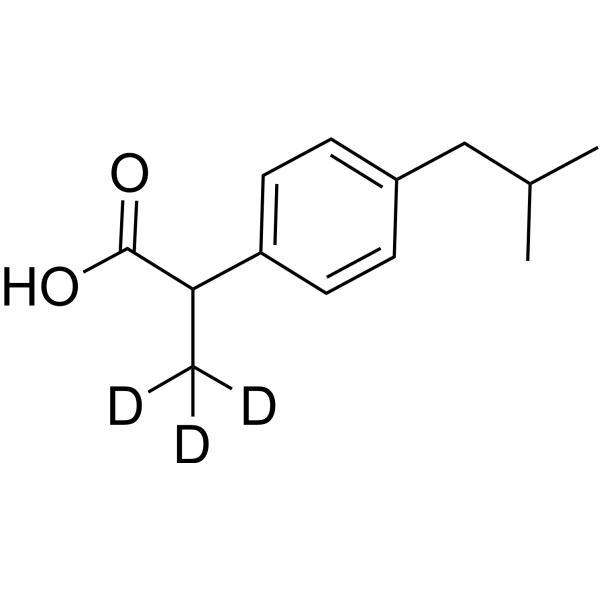 0 ImagesSynonyms: (±)-Ibuprofen-d3Ibuprofen-d3 is a deuterium labeled Ibuprofen. Ibuprofen is a COX-1 and COX-2 inhibitor with IC50s of 13 μM and 370 μM.
-
Oxaprozin
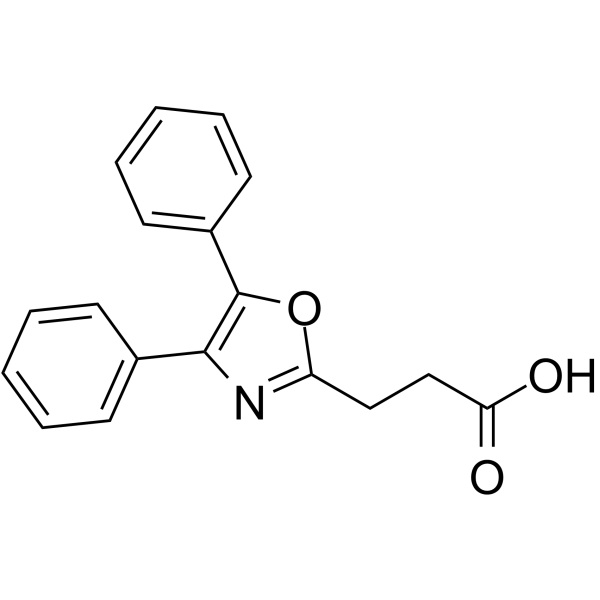 0 ImagesSynonyms: Oxaprozinum; Wy21743Oxaprozin is an orally active and potent COX inhibitor, with IC50 values of 2.2 μM for human platelet COX-1 and and 36 μM for IL-1-stimulated human synovial cell COX-2, respectively. Oxaprozin also inhibits the activation of NF-κB. Oxaprozin induces cell apoptosis. Oxaprozin shows anti-inflammatory activity. Oxaprozin-mediated inhibition of the Akt/IKK/NF-κB pathway contributes to its anti-inflammatory properties.
-
Fenofibric acid
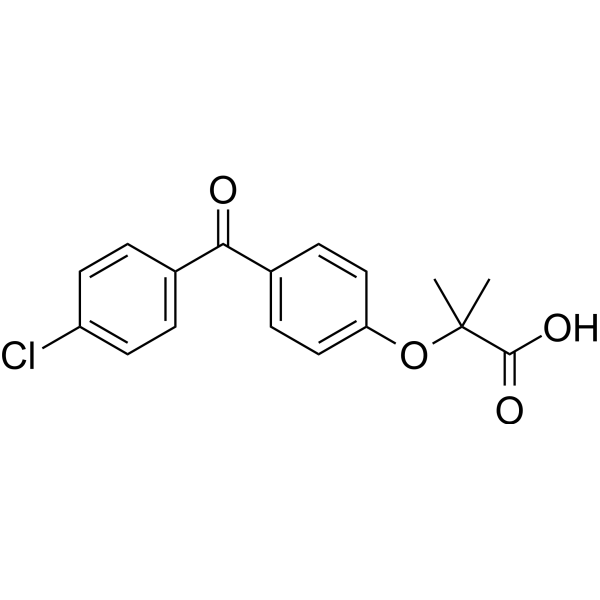 0 ImagesSynonyms: FNF acid
-
STAT1/3-IN-1
 0 ImagesSTAT1/3-IN-1 is a potent STAT1/3 inhibitor with potent anti-inflammatory effect. STAT1/3-IN-1 inhibits phosphorylation and nuclear translocation of STAT1/3 to modulate microglial inflammation, reduces LPS (HY-D1056)-induced pro-inflammatory cytokines (NO, IL-1β, IL-6, and TNF-α) and inflammatory mediators (iNOS, COX-2). STAT1/3-IN-1 exhibits low toxicity in mice. STAT1/3-IN-1 can be used for the research of neuroinflammation.