



HIV
Human immunodeficiency virus
HIV (Human immunodeficiency virus) is a lentivirus (a subgroup of retrovirus) that causes the acquired immunodeficiency syndrome (AIDS), a condition in humans in which progressive failure of the immune system allows life-threatening opportunistic infections and cancers to thrive. Infection with HIV occurs by the transfer of blood, semen, vaginal fluid, pre-ejaculate, or breast milk. Within these bodily fluids, HIV is present as both free virus particles and virus within infected immune cells. HIV infects vital cells in the human immune system such as helper T cells (specifically CD4+ T cells), macrophages, and dendritic cells. HIV infection leads to low levels of CD4+ T cells through a number of mechanisms, including apoptosis of uninfected bystander cells, direct viral killing of infected cells, and killing of infected CD4+ T cells by CD8 cytotoxic lymphocytes that recognize infected cells. When CD4+ T cell numbers decline below a critical level, cell-mediated immunity is lost, and the body becomes progressively more susceptible to opportunistic infections.
HIV Isoform Specific Products
All Product Categories
-
HIV Inhibitors
(1218)
View all products
-
HIV Antagonists
(4)
View all products
-
HIV Activators
(19)
View all products
-
HIV Modulator
(1)
View all products
-
HIV Inducers
(2)
View all products
-
HIV Degrader
(1)
View all products
-
HIV Controls
(4)
View all products
-
HIV Ligand
(1)
View all products
-
HIV Proteins
(27)
View all products
-
Productos relacionados con HIV (1390)
Productos relacionados con (1390)

-
Recombinant Proteins (27)
-
Antibodies (6)
-
HIV Isoform Comparison
-
Darunavir
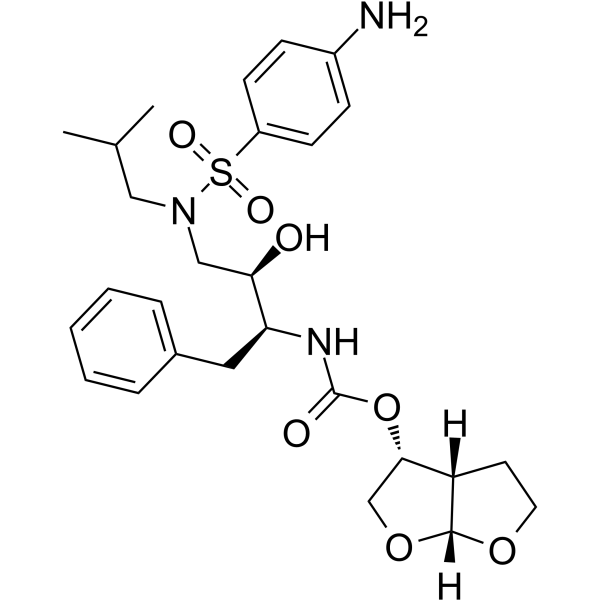 0 ImagesSynonyms: TMC114; UIC-94017Darunavir (TMC114), an orally active next generation HIV protease inhibitor, has a similar antiviral activity against the mutant and the wild-type viruses. Darunavir (TMC114) is potent against laboratory HIV-1 strains and primary clinical isolates (IC50 = 0.003 μM; IC90 = 0.009 μM) with minimal cytotoxicity.
-
Linarin
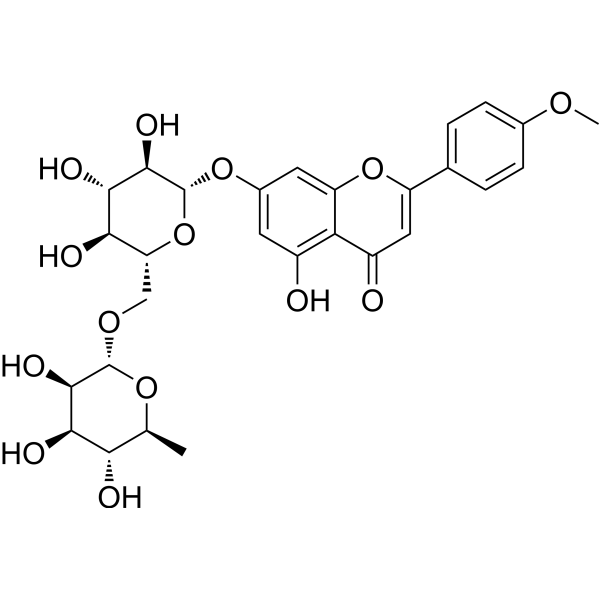 0 ImagesLinarin (Buddleoside) is an orally active and selective inhibitor of acetylcholinesterase (AChE). Linarin has many activities, such as anti-inflammatory, antioxidant, sleep aid and sedation, bone differentiation, anti-tumor, antibacterial and antiviral. Linarin can be used to study diseases such as the nervous system, osteoporosis and cancer.
-
Fangchinoline
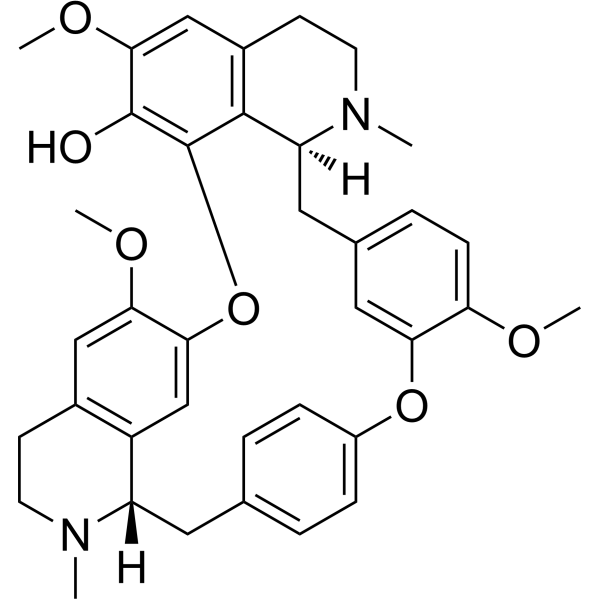 0 ImagesFangchinoline is isolated from Stephania tetrandra with extensive biological activities, such as enhancing immunity, anti-inflammatory sterilization and anti-atherosclerosis. Fangchinoline, a novel HIV-1 inhibitor, inhibits HIV-1 replication by impairing gp160 proteolytic processing. Fangchinoline targets Focal adhesion kinase (FAK) and suppresses FAK-mediated signaling pathway in tumor cells which highly expressed FAK. Fangchinoline induces apoptosis and adaptive autophagy in bladder cancer.
-
Mavorixafor trihydrochloride
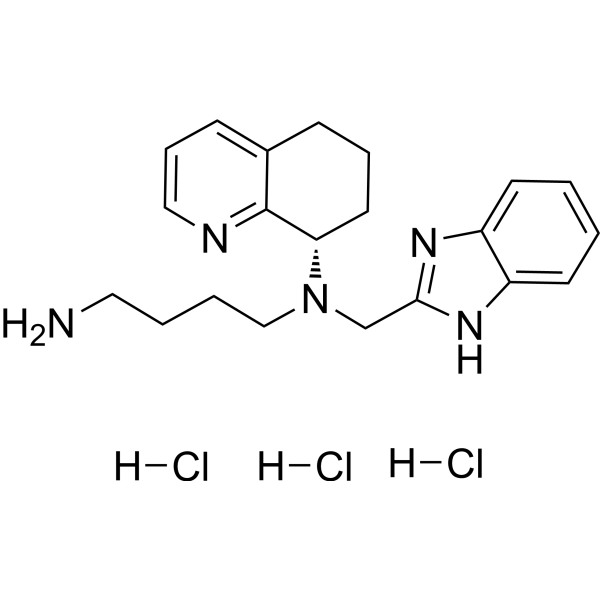 0 ImagesSynonyms: AMD-070 trihydrochloride; AMD-11070 trihydrochlorideMavorixafor trihydrochloride (AMD-070 trihydrochloride) is a potent, selective and orally available CXCR4 antagonist, with an IC50 value of 13 nM against CXCR4 125I-SDF binding, and also inhibits the replication of T-tropic HIV-1 (NL4.3 strain) in MT-4 cells and PBMCs with an IC50 of 1 and 9 nM, respectively.Mavorixafor trihydrochloride can be used for the study of WHIM syndrome.
-
1-Deoxymannojirimycin hydrochloride
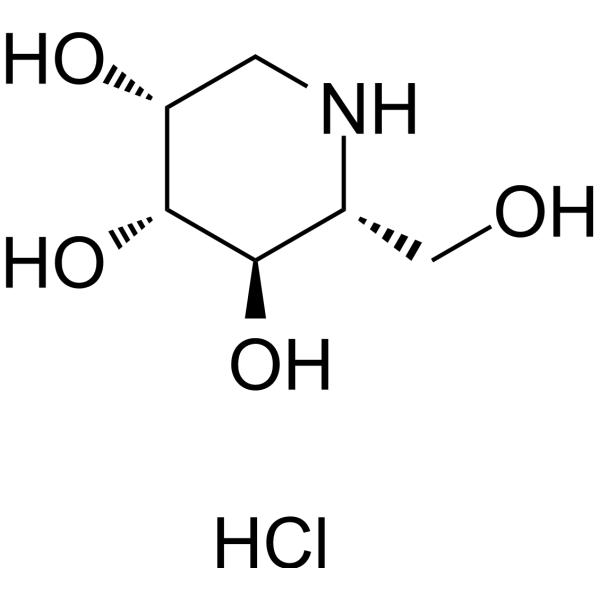 0 Images1-Deoxymannojirimycin hydrochloride is a selective class I α1,2-mannosidase inhibitor with an IC50 of 20 μM. 1-Deoxymannojirimycin hydrochloride is also a N-linked glycosylation inhibitor. 1-Deoxymannojirimycin hydrochloride has antiviral activity against HIV‐1 strains . 1-Deoxymannojirimycin hydrochloride increases high mannose structures. 1-Deoxymannojirimycin hydrochloride can be used for the study of liver cancer and colon cancer.
-
Flavopiridol Hydrochloride
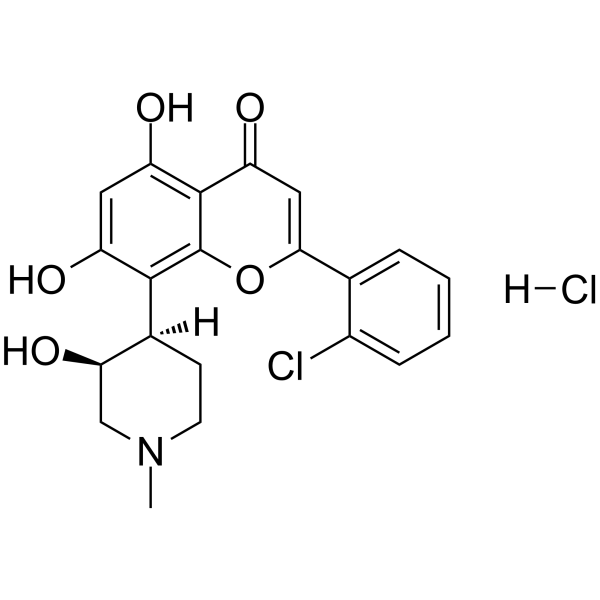 0 ImagesSynonyms: Alvocidib Hydrochloride; L86-8275 Hydrochloride; HMR-1275 Hydrochloride
-
5-(N,N-Hexamethylene)-amiloride
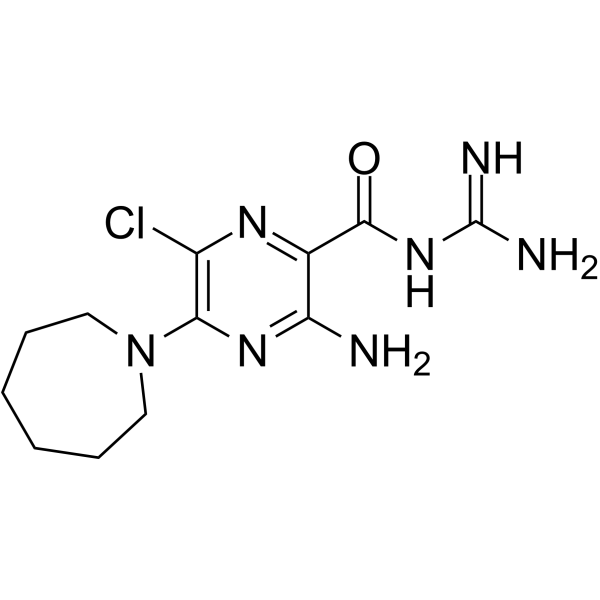 0 ImagesSynonyms: Hexamethylene amiloride; HMA5-(N,N-Hexamethylene)-amiloride (Hexamethylene amiloride) derives from an amiloride and is a potent Na+/H+ exchanger inhibitor, which decreases the intracellular pH (pHi) and induces apoptosis in leukemic cells. 5-(N,N-Hexamethylene)-amiloride (Hexamethylene amiloride) is also an inhibitor of the HIV-1 Vpu virus ion channel and inhibits mouse hepatitis virus (MHV) replication and human coronavirus 229E (HCoV229E) replication in cultured L929 cells with EC50s of 3.91 μM and 1.34 μM, respectively.
-
Indole-2-carboxylic acid
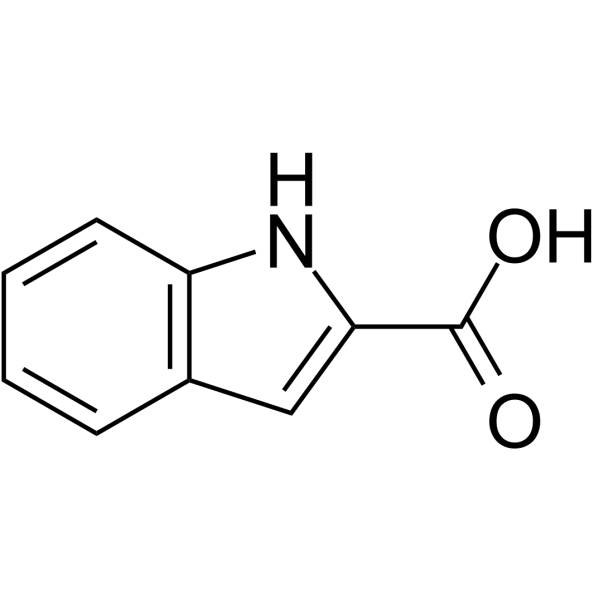 0 ImagesIndole-2-carboxylic acid (I2CA) is a competitive antagonist of the glycine site of the NMDA receptor (Ki=15 μM, 5-fluoro-I2CA) and an inhibitor of HIV-1 integrase. Indole-2-carboxylic acid is selective for the glycine site of the NMDA receptor and blocks the enhancement of NMDA receptor by competitively inhibiting the binding of glycine to the NMDA receptor. Indole-2-carboxylic acid can also inhibit the strand transfer activity of HIV-1 integrase by chelating Mg2+ at the active site of integrase and interacting with the hydrophobic cavity. Indole-2-carboxylic acid can be used in the study of neurological diseases (such as stroke, epilepsy) and HIV-1 infection.
-
Mitoguazone
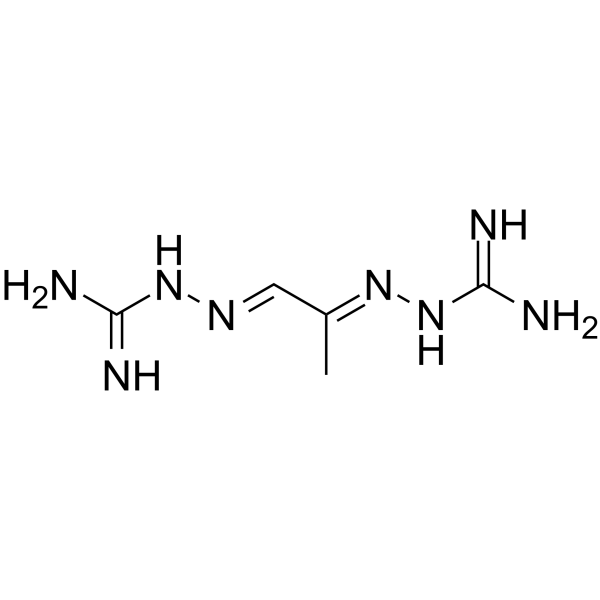 0 ImagesSynonyms: Methylglyoxal-bis(guanylhydrazone); MGBG; Methyl-GAGMitoguazone (Methylglyoxal-bis(guanylhydrazone)) is a synthetic polycarbonyl derivative with potent antineoplastic activity. Mitoguazone is a brain-penetrant and competitive S-adenosyl-methionine decarboxylase (SAMDC) inhibitor that disrupts polyamine biosynthesis. Mitoguazone induces cell apoptosis. Mitoguazone inhibits HIV DNA integration into the cellular DNA in both monocytes and macrophages. Mitoguazone has the potential for acute leukemia, Hodgkin's and non-Hodgkin's lymphoma treatment.
-
Nelfinavir Mesylate
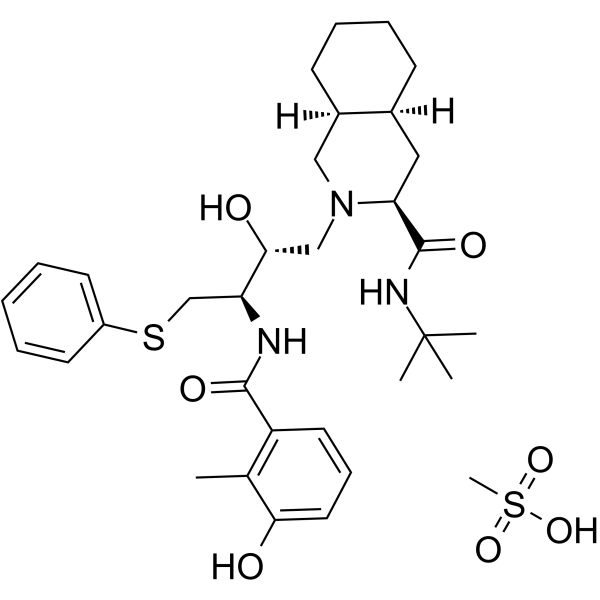 0 ImagesSynonyms: AG 1343 MesylateNelfinavir Mesylate (AG 1343 Mesylate) is a potent and orally bioavailable HIV-1 protease inhibitor (Ki=2 nM) for HIV infection. Nelfinavir Mesylate (AG 1343 Mesylate) is a broad-spectrum, anticancer agent.
-
Dextran sulfate sodium salt (MW 4500-5500)
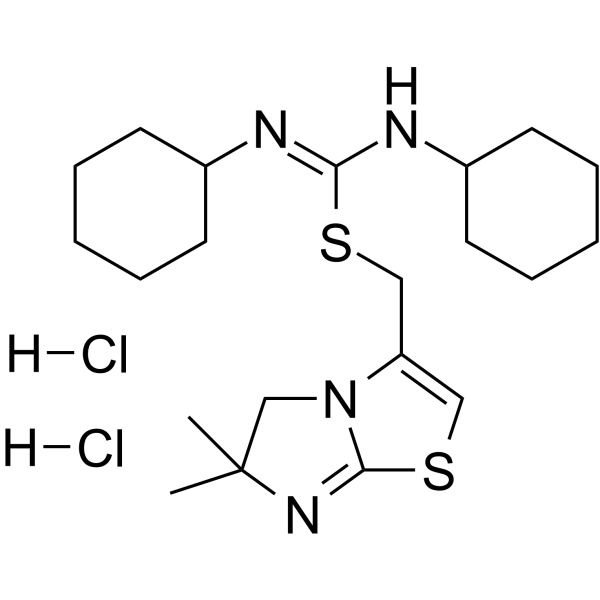
 0 ImagesReferencia número: HY-116282ANo. CAS: 9011-18-1Synonyms: DSS (MW 4500-5500); DXS (MW 4500-5500)Dextran sulfate sodium salt (DSS) (MW 4500-5500) is a polymer of dehydrated glucose with a molecular weight of approximately 4500-5500. Dextran sulfate sodium salt with different molecular weights exhibits different biological activities. Dextran sulfate sodium salt (MW 4500-5500) is an inhibitor of complement and coagulation pathways, and belongs to the glycosaminoglycans (GAG) family. Dextran sulfate sodium salt (MW 4500-5500) acts as an anticoagulant, antiviral, and anti-lipemic agent. Dextran sulfate sodium salt (MW 4500-5500) stops HIV-1 virus adsorption to host cells. Dextran sulfate sodium salt (MW 4500-5500) prevents NK cell-mediated cytotoxicity. Dextran sulfate sodium salt (MW 4500-5500) inhibits instant blood-mediated inflammatory reaction (IBMIR).
-
BRD-6929
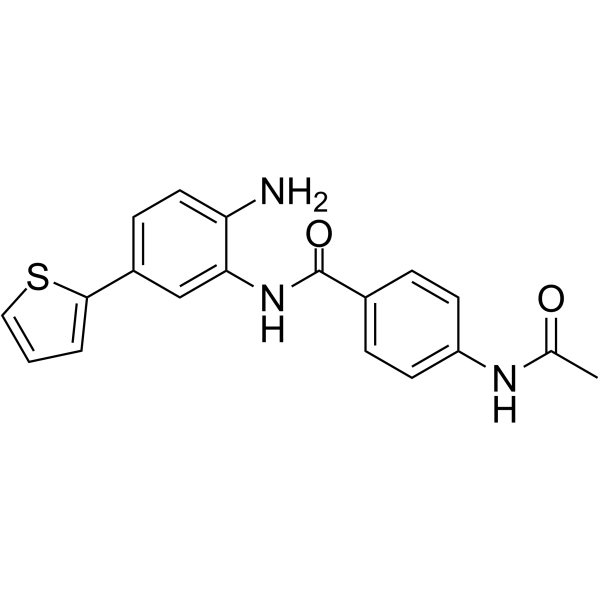 0 ImagesBRD-6929 is a potent, selective brain-penetrant inhibitor of class I histone deacetylase HDAC1 and HDAC2 inhibitor with IC50 of 1 nM and 8 nM, respectively. BRD-6929 shows high-affinity to HDAC1 and HDAC2 with Ki of 0.2 and 1.5 nM, respectively. BRD-6929 can be used for mood-related behavioral model research.
-
Anti-Mouse/Rat/Human CCL2/MCP-1 Antibody (2H5)
 0 ImagesReferencia número: HY-P990297Pureza: 99.5%Anti-Mouse/Rat/Human CCL2/MCP-1 Antibody (2H5) is an anti-mouse/rat/human CCL2/MCP-1 IgG monoclonal antibody. Anti-Mouse/Rat/Human CCL2/MCP-1 Antibody (2H5) can reverse the immunosuppressive microenvironment by blocking the CCL2 signaling pathway. Anti-Mouse/Rat/Human CCL2/MCP-1 Antibody (2H5) can reduce the secretion of IFN-γ and the infiltration of macrophages. CCL2/MCP-1 Antibody (2H5) can reduce the amount of HIV virus by increasing the proportion of T cells. Anti-Mouse/Rat/Human CCL2/MCP-1 Antibody (2H5) can be used for researches on inflammation conditions, virus infection and cancer such as inflammatory bowel disease (IBD), hepatocellular carcinoma (HCC) and HIV.
-
Trigonelline chloride
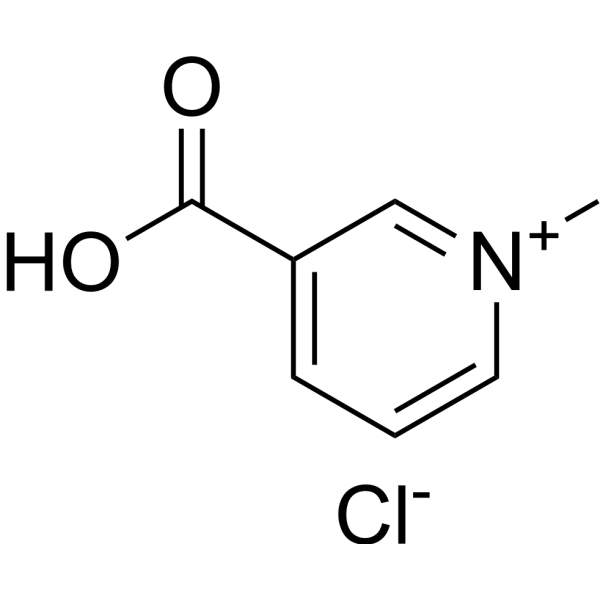 0 ImagesTrigonelline chloride is an alkaloid with potential antidiabetic activity that can be isolated from Trigonella foenum-graecum L or Leonurus artemisia. Trigonelline chloride is a potent Nrf2 inhibitor that blocks Nrf2-dependent proteasome activity, thereby enhancing apoptosis in pancreatic cancer cells. Trigonelline chloride also has anti-HSV-1, antibacterial, and antifungal activity, and induces ferroptosis.
-
Ditiocarb sodium
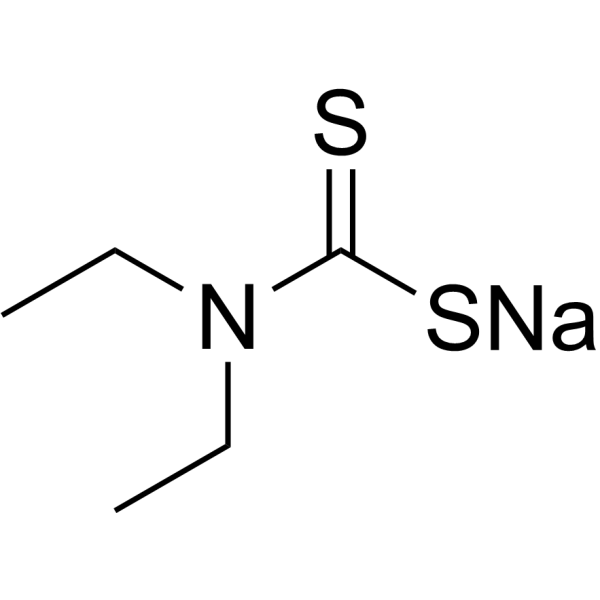 0 ImagesSynonyms: Sodium diethyldithiocarbamateDitiocarb sodium (Sodium diethyldithiocarbamate) is an orally active copper reagent. Ditiocarb sodium exhibits activities such as antioxidation, chelation, anti-tumor effects, immunomodulation, and anti-HIV properties. Ditiocarb sodium can be used in the research of tumors, inflammatory, and immune-related diseases.
-
Indinavir sulfate
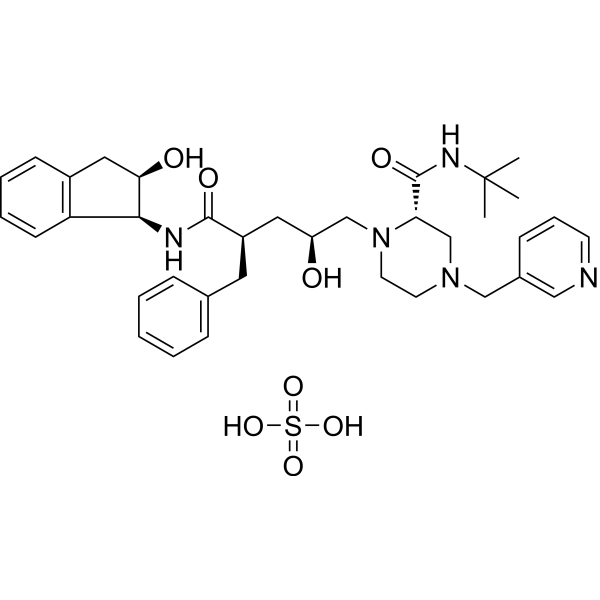 0 ImagesSynonyms: MK-639; L735524Indinavir sulfate (MK-639) is an orally active and selective HIV-1 protease inhibitor with a Ki of 0.54 nM for PR. Indinavir sulfate exhibits anticancer activity by inhibiting the activation of MMPs-2 hydrolysis, anti-angiogenesis and inducing apoptosis. Indinavir sulfate is also a SARS-CoV 3CLpro inhibitor.




