



Keap1-Nrf2 Activator
-
VVD-130037
 0 ImagesSynonyms: BAY-3605349
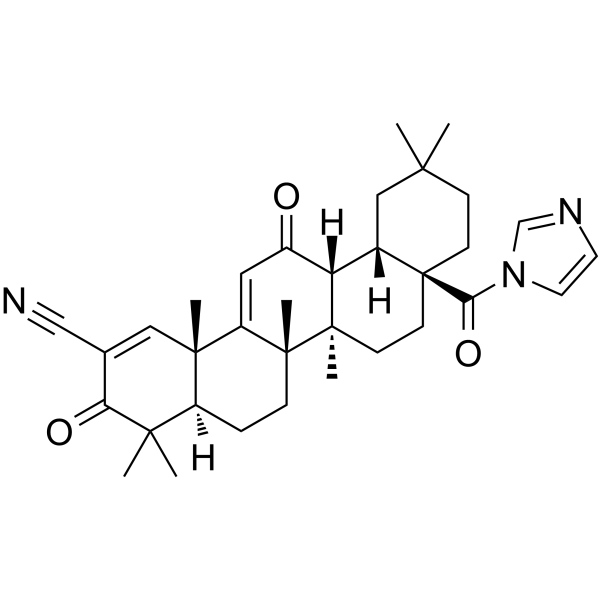
VVD-130037 (BAY-3605349) is a covalent molecular glue and allosteric NRF2 degrader. VVD-130037 covalently binds to KEAP1 and allosterically enhances the affinity of KEAP1-CUL3, promotes the formation of the active KEAP1-CUL3 E3 ligase complex, and thereby enhances the ubiquitination and degradation of NRF2. VVD-130037 exhibits KEAP1 target-binding activity both in in vitro systems and mouse models, and it can be used in research related to NRF2-dependent cancers, solid tumors harboring KEAP1 nonsense mutations and frameshift mutations, as well as advanced solid tumors.
-
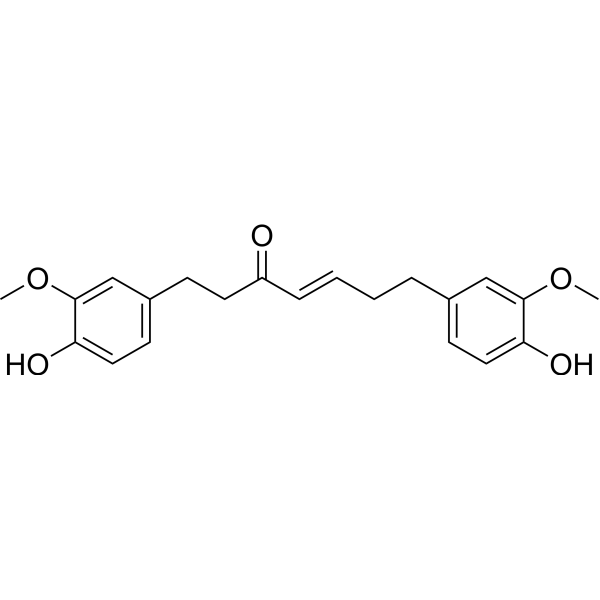
Gingerenone A
 0 Images
Gingerenone A is an Nrf2-Gpx4 activator that can induce Ferroptosis in liver damage with oral activity. Gingerenone A has anti-inflammatory, anti-diabetic, anti-tumor, and pro-aging effects in mice.
-
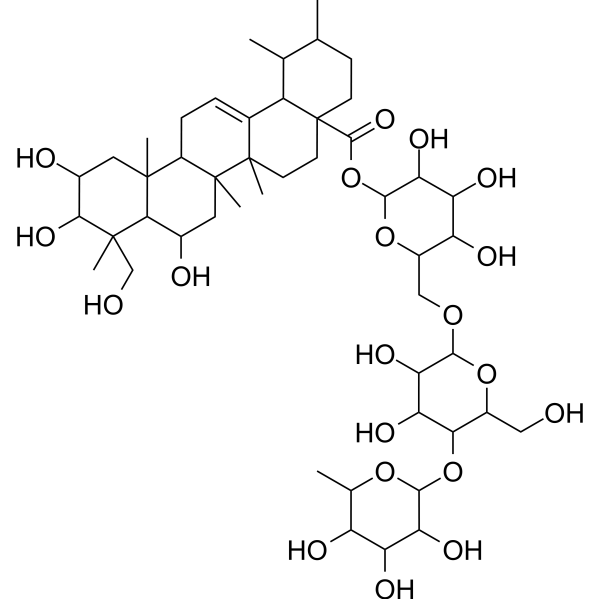
Madecassoside
 0 ImagesSynonyms: Asiaticoside A
Madecassoside is a pentacyclic triterpene isolated from Centella asiatica and has anti-inflammatory properties. Antioxidant and anti-aging effects. Madecassoside is a pentacyclic triterpene isolated from Centella asiatica. Madecassoside is orally active and has inhibitory properties against inflammation, oxidation, apoptosis and autophagy. Madecassosid inhibits activities of p38 MAPK and NF-kB, exhibits an anti-apopototic property, activates Nrf2 expression to reduce the neurotoxicity. Madecassoside can be used in endocrine diseases, cardiovascular diseases, skin diseases and other diseases.
-
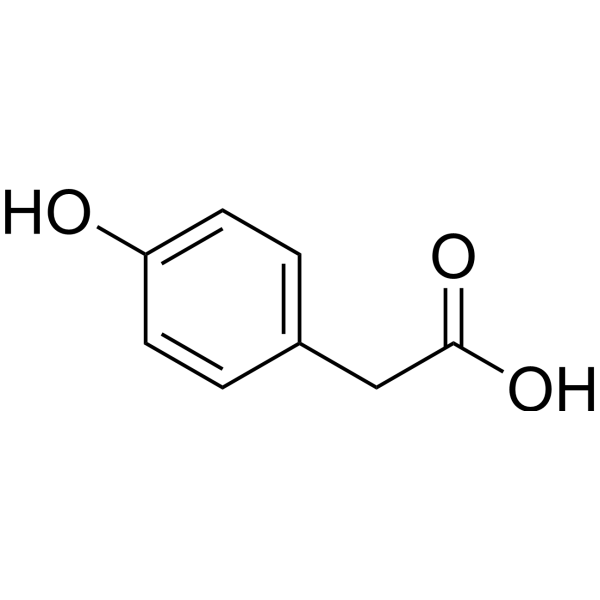
4-Hydroxyphenylacetic acid
 0 Images
4-hydroxyphenylacetic acid, a major microbiota-derived metabolite of polyphenols, is involved in the antioxidative action. 4-hydroxyphenylacetic acid induces expression of Nrf2.
-
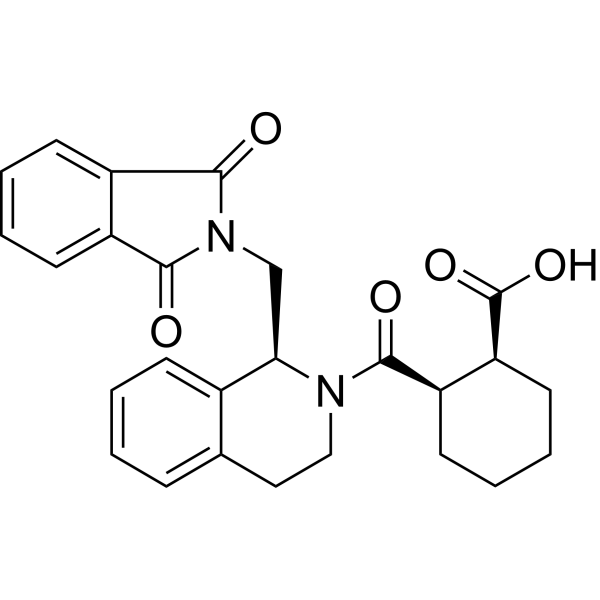
ML334
 0 ImagesSynonyms: LH601A
ML334 is a potent, cell permeable activator of NRF2 by inhibition of Keap1-NRF2 protein-protein interaction. ML334 binds to Keap1 Kelch domain with a Kd of 1 μM. ML334 stimulates NRF2 expression and nuclear translocation and induces antioxidant response elements (ARE) activity.
-
CBR-470-1
 0 Images
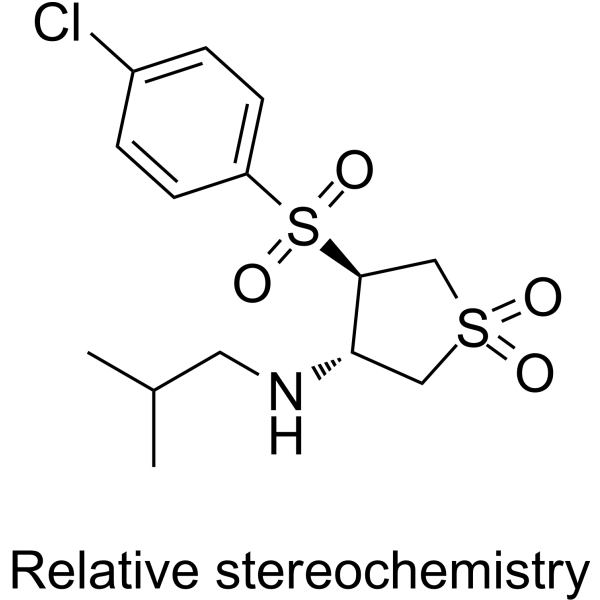
CBR-470-1 is an inhibitor of the glycolytic enzyme phosphoglycerate kinase 1 (PGK1). CBR-470-1 is also a non-covalent Nrf2 activator. CBR-470-1 protects SH-SY5Y neuronal cells against MPP+-induced cytotoxicity through activation of the Keap1-Nrf2 cascade.
-
Cryptochlorogenic acid
 0 ImagesSynonyms: 4-Caffeoylquinic acid; 4-O-Caffeoylquinic acid
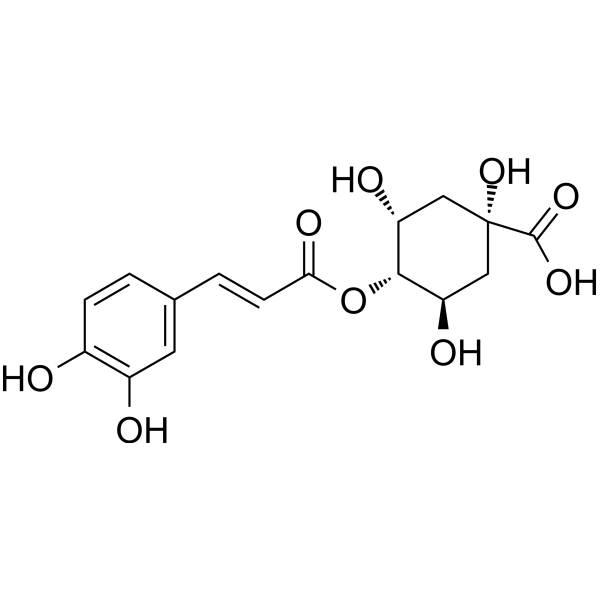
Cryptochlorogenic acid (4-Caffeoylquinic acid) is a naturally occurring phenolic acid compound with oral effectiveness, anti-inflammatory, antioxidant and anti-cardiac hypertrophy effects. Alleviating LPS (HY-D1056) and ISO (HY-B0468) by regulating proinflammatory factor expression, inhibiting NF-κB activity, promoting Nrf2 nuclear transfer, and regulating PI3Kα/Akt/ mTOR / HIF-1α signaling pathway Induced physiological stress response.
-
Lentinan
 0 ImagesCat. No.: HY-N6653CAS No.: 37339-90-5
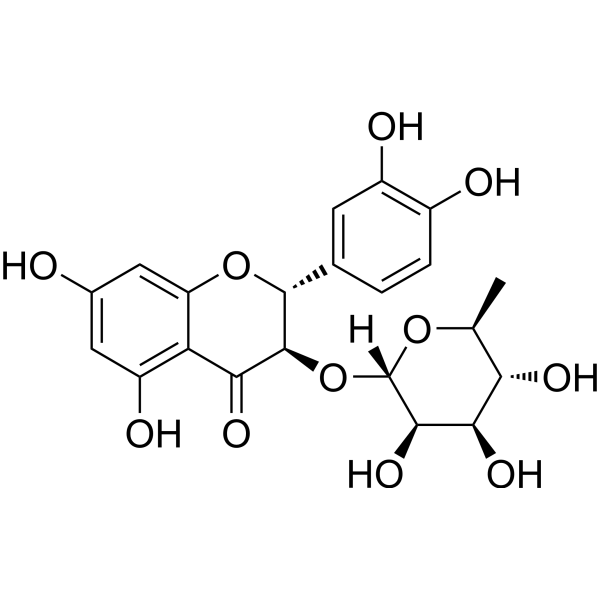
Lentinan is an orally active biocompatible multifunctional polysaccharide with biological activities such as anti-inflammatory, antioxidant, immune regulation, anti-tumor, hypoglycemic, and lipid-lowering[1][4].
-
Lithospermic acid
 0 ImagesSynonyms: (+)-Lithospermic acid
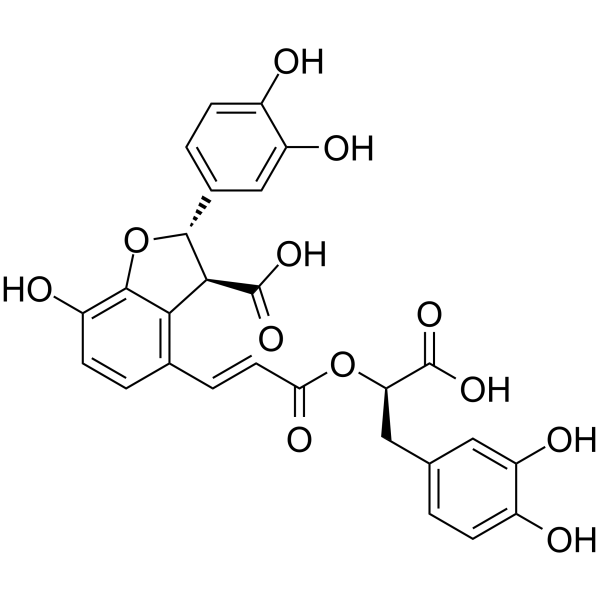
Lithospermic acid ((+)-Lithospermic acid) is a plant-derived polycyclic phenolic carboxylic acid isolated from Salvia miltiorrhiza, and has the anti-oxidative and hepatoprotective activity on carbon tetrachloride (CCl4)-induced acute liver damage in vitro and in vivo.
-
SKI II
 0 Images
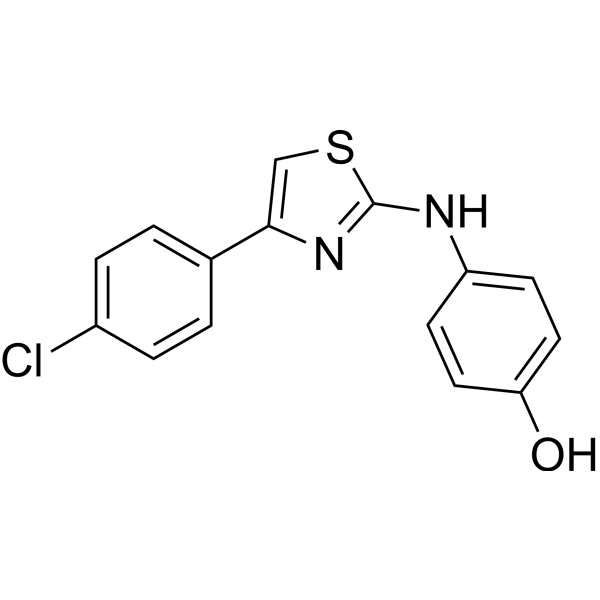
SKI-II is an orally active dual-target inhibitor of SphK1/2 and DES1, with Ki values of 16 µM and 0.3 µM against SphK1 and DES1, respectively. SKI-II activates the PERK-Nrf2 antioxidant pathway by stabilizing Nrf2, and synergizes with Temozolomide (HY-17364) to induce oxidative/endoplasmic reticulum stress and cancer cell death under hypoxic conditions. In vivo, SKI-II inhibits SphK activity, promotes ceramide accumulation and apoptosis, and synergizes with Cisplatin (HY-17394) to reverse drug resistance via the ras/MAPK pathway. SKI-II reduces measles virus replication by inhibiting mTORC1 activity. SKI-II binds to VCP to induce M1 polarization, enhances host tolerance to Staphylococcus aureus infection, and exerts radioprotective effects through Nrf2 activation and accelerated DNA repair. SKI-II can be used in research related to glioblastoma, acute myeloid leukemia, gastric cancer, measles virus infection, Staphylococcus aureus infection, and acute radiation syndrome.
-
Resveratrol (Standard)
 0 ImagesSynonyms: trans-Resveratrol (Standard); SRT501 (Standard)
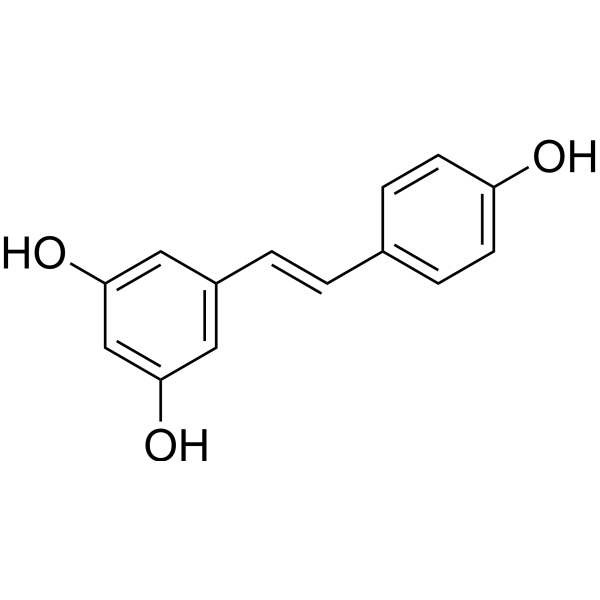
Resveratrol (Standard) is the analytical standard of Resveratrol. This product is intended for research and analytical applications. Resveratrol (trans-Resveratrol; SRT501), a natural polyphenolic phytoalexin that possesses anti-oxidant, anti-inflammatory, cardioprotective, and anti-cancer properties. Resveratrol (SRT 501) has a wide spectrum of targets including mTOR, JAK, β-amyloid, Adenylyl cyclase, IKKβ, DNA polymerase. Resveratrol also is a specific SIRT1 activator. Resveratrol is a potent pregnane X receptor (PXR) inhibitor. Resveratrol is an Nrf2 activator, ameliorates aging-related progressive renal injury in mice model. Resveratrol increases production of NO in endothelial cells.
-
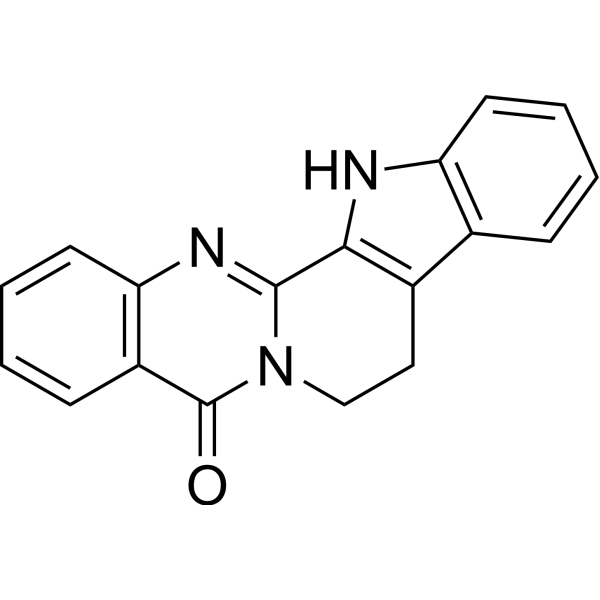
Rutaecarpine
 0 Images
Rutaecarpine, an alkaloid of Evodia rutaecarpa, is an inhibitor of COX-2 with an IC50 value of 0.28 μM. Rutaecarpine can target and activate the NRF2/HO-1 pathway to reduce craniofacial injury. Rutaecarpine sttenuates oxidative stress-induced traumatic brain injury (TBI) and reduces secondary injury via the PGK1/KEAP1/NRF2 signaling pathway. Rutaecarpine can cross the blood-brain barrier (BBB).
-
Curcumin (Standard)
 0 ImagesSynonyms: Diferuloylmethane (Standard); Natural Yellow 3 (Standard); Turmeric yellow (Standard)
Curcumin (Standard) is the analytical standard of Curcumin (HY-N0005). This product is intended for research and analytical applications. Curcumin (Diferuloylmethane), a natural phenolic compound, is a p300/CREB-binding protein-specific inhibitor of acetyltransferase, represses the acetylation of histone/nonhistone proteins and histone acetyltransferase-dependent chromatin transcription. Curcumin is a photosensitizer against microorganisms. Curcumin shows inhibitory effects on NF-κB and MAPKs, and has diverse pharmacologic effects including anti-inflammatory, antioxidant, antiproliferative and antiangiogenic activities. Curcumin induces stabilization of Nrf2 protein through Keap1 cysteine modification.
-
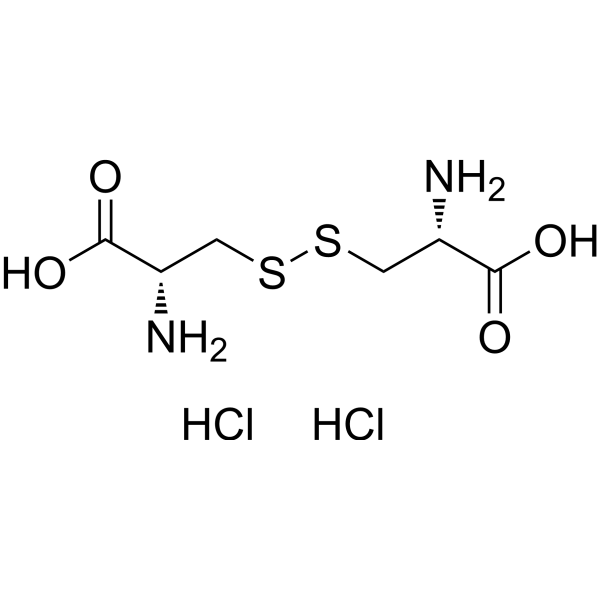
L-Cystine dihydrochloride
 0 Images
L-Cystine dihydrochloride is the dihydrochloride salt form of L-Cystine (HY-N0394). L-Cystine dihydrochloride elevates Nrf2 protein expression and activates Nrf2 transcription factor. L-cystine dihydrochloride reduces ROS generation and protects against oxidant- or Doxorubicin (HY-15142A)-induced apoptosis. L-Cystine dihydrochloride combined with L-theanine (HY-15121) enhances the production of antigen-specific IgG by increasing glutathione (GSH) levels and T helper 2 (Th2) mediated responses in mice. L-Cystine dihydrochloride is promising for research of cystinuria and kidney stones
-
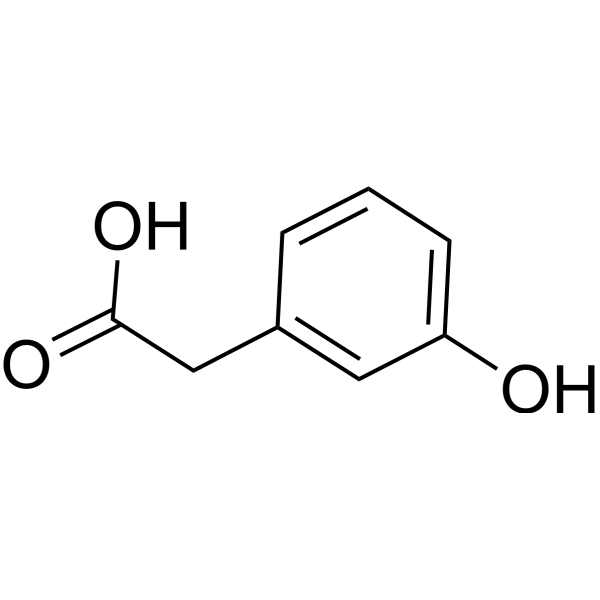
3-Hydroxyphenylacetic acid
 0 Images
3-Hydroxyphenylacetic acid is an orally active flavonoid metabolite produced by intestinal flora, with blood pressure-lowering activity. 3-Hydroxyphenylacetic acid can also inhibit ferroptosis by upregulating the expression of GPX4, thereby improving spermatogenic dysfunction in aged mice. In addition, abnormal levels of 3-Hydroxyphenylacetic acid are closely related to certain diseases, such as autism spectrum disorders.
-
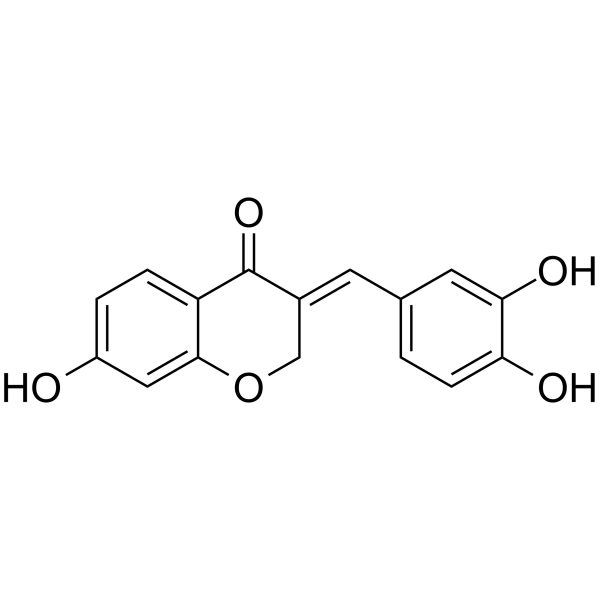
Sappanone A
 0 Images
Sappanone A is an orally active homoisoflavone found in sappan L. Sappanone A is a PDE4 and NF-κB inhibitor with anti-inflammatory and antioxidant effect. Sappanone A induces HO-1 expression through activation of Nrf2 pathway. Sappanone A also inhibits RANKL-induced osteoclastogenesis. Sappanone A has great potential in the research of inflammation-related and cardiovascular .
-
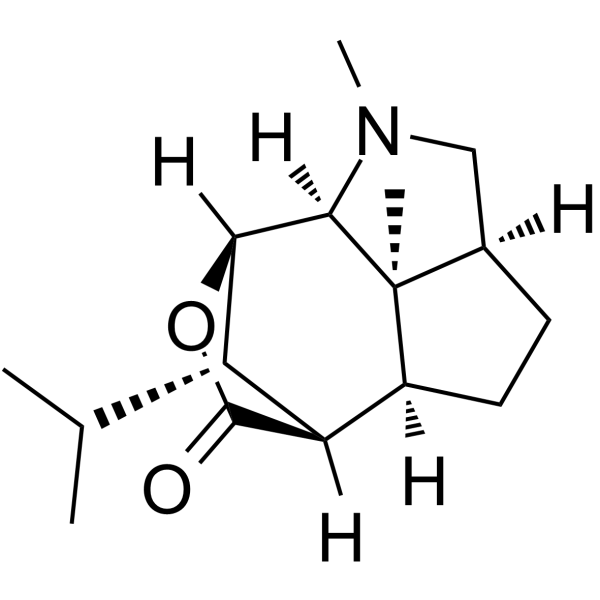
Dendrobine
 0 Images
Dendrobine is an alkaloid isolated from Dendrobium nobile. Dendrobine possesses antiviral activity against influenza A viruses, with IC50s of 3.39 μM, 2.16 μM and 5.32 μM for A/FM-1/1/47 (H1N1), A/Puerto Rico/8/34 H274Y (H1N1) and A/Aichi/2/68 (H3N2), respectively. Dendrobine activates the JNK/p38/Nrf2 signaling pathway. Dendrobine exhibits antiviral, antitumor, anti-inflammatory, and neuroprotective properties.



