



MDM-2/p53 Activator
-
PROTAC DAPK1 Degrader-1
 0 ImagesCat. No.: HY-179055CAS No.: 3063030-38-3
PROTAC DAPK1 Degrader-1 is a death-associated protein kinase 1 (DAPK1) degrader with a DC50 of 119.6 nM. PROTAC DAPK1 Degrader-1 significantly increases MDM2 protein levels and inhibits neuronal apoptosis in ceramide-induced cells. PROTAC DAPK1 Degrader-1 can be used to study neurological disorders such as cerebral ischemia and traumatic brain injury.
-
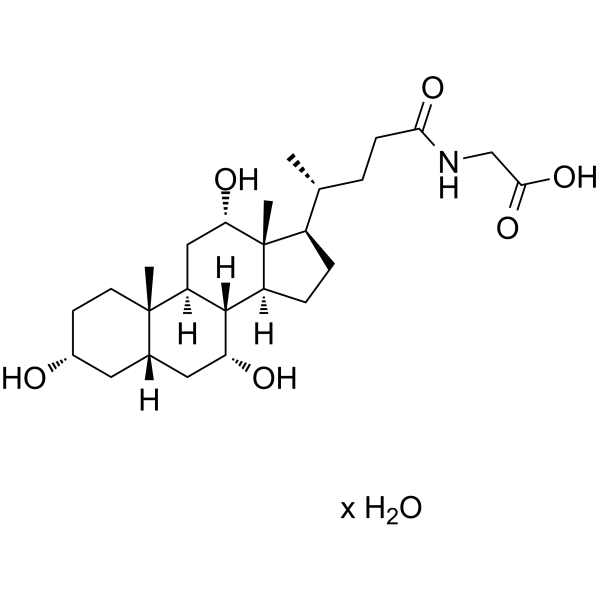
Glycocholic acid hydrate
 0 Images
Glycocholic acid hydrate is a bile acid derivative. Glycocholic acid hydrate downregulates MDR1, Bcl-2, MRP1, MRP2 and FXR, upregulates Bax, p53, caspase-9, caspase-3, TGR5 and S1PR2. Glycocholic acid hydrate inhibits multidrug resistance and efflux pumps, induces mitochondrial apoptosis, and enhances chemosensitivity. Glycocholic acid hydrate modulates related bile acid receptor signaling. Glycocholic acid hydrate suppresses growth and conjugation of Enterobacteriaceae and increases their antibiotic susceptibility. Glycocholic acid hydrate can be used for the research of colon adenocarcinoma and cholangiocarcinoma (CCA).
-
INNO-220
 0 Images
INNO-220 is an orally active, CRBN-dependent molecular glue degrader targeting CK1α. INNO-220 induces cell cycle arrest at G0/G1 phase and triggers apoptosis by degrading CK1α. INNO-220 disrupts the assembly and function of the CARD11/BCL10/MALT1 complex, thereby inhibiting NF-κB signaling in stimulated T cells and lymphoma cells that harbor an activating mutation in CARD11. INNO-220 provides a new direction for lymphoma research.
-
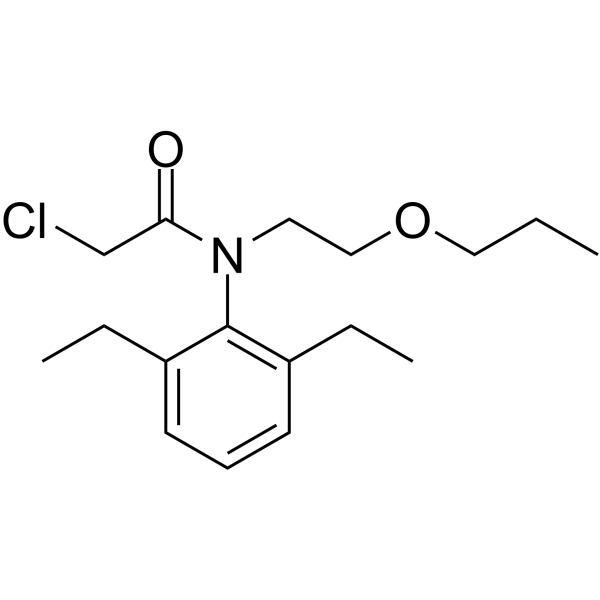
Pretilachlor
 0 Images
Pretilachlor is a chloroacetamide herbicide with biological activities including endocrine disruption, oxidative stress induction, apoptosis induction, and immunotoxicity. Pretilachlor exerts its effects by interfering with hormone metabolism, inducing oxidative stress, activating apoptotic pathways, and inhibiting immune functions. Pretilachlor upregulates the transcription of P53, Mdm2, and Bbc3, and increases the activities of Caspase3 and Caspase9; it upregulates the transcription of genes in the HPG/HPT axis and the activity of aromatase; it induces oxidative stress, elevates ROS levels, and upregulates CAT, SOD, and GPX. Pretilachlor downregulates the transcription of CXCL-C1C, IL-1β, and IL-8. Pretilachlor disrupts the normal physiological processes and embryonic development of fish, exhibiting significant toxicity. Pretilachlor can be used in studies related to weeding, environmental pollution, and behavioral toxicity in fish.
-
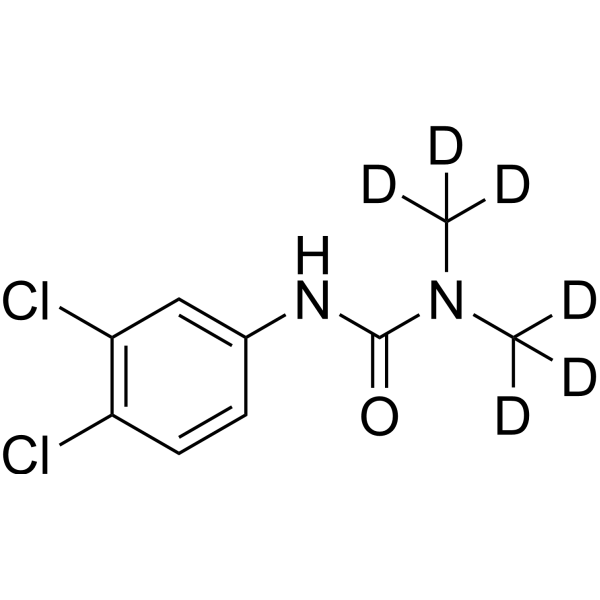
Diuron-d6
 0 Images
Diuron-d6 is the deuterium labeled Diuron (HY-B0860). Diuron is an orally active phenylurea herbicide. Diuron inhibits photosynthesis in plants by blocking the formation of ATP and NADH. Diuron increases the production of ROS. Diuron increases expression of p53 in certain cell lines. Diuron has herbicidal activity against annual and perennial broadleaf weeds and grass weeds. Diuron promotes DMBA/BBN-induced bladder cancer. Diuron can be used in breast cancer research.
-
UCI-LC0019
 0 Images
UCI-LC0019 is a mutant p53 reactivator. UCI-LC0019 binds to mutant p53, induces wild-type-like conformational change, restores sequence-specific DNA binding activity, activates p53-dependent transcription programs, and does not act via thiol reactivity or glutathione depletion. UCI-LC0019 inhibits proliferation and induces apoptosis in cancer cells harboring mutant p53, with no significant effect on p53null or wild-type p53 tumors cells. UCI-LC0019 exhibits anti-tumor activity in xenograft mouse models carrying p53R175H mutant tumors. UCI-LC0019 can be used for the research of cancer, such as ovarian cancer.
-
PRDX1-IN-3
 0 Images
PRDX1-IN-3 (compound 19-048) is a PRDX1 covalent inhibitor with anti-colorectal cancer activity. PRDX1-IN-3 can effectively inhibit the proliferation of colorectal cancer cells, and its antitumor effect on nude mice with colorectal cancer carrying PRDX1 gene knockout is significantly reduced. PRDX1-IN-3 also upregulates the downstream genes of the p53 signaling pathway to exert an anticancer effect.
-
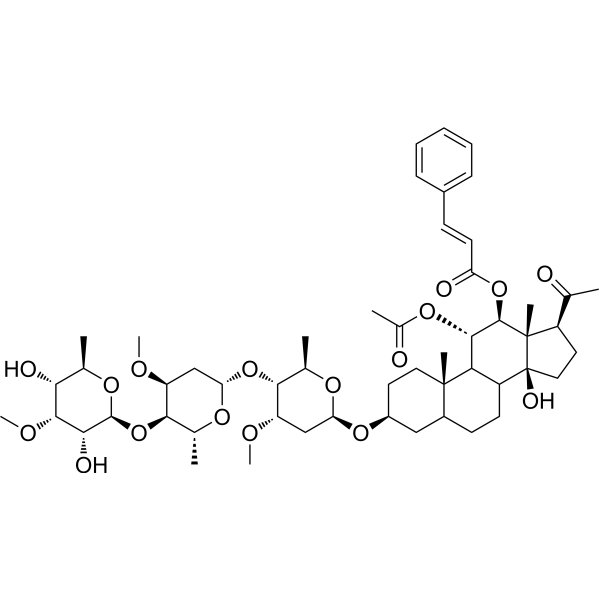
Condurango glycoside A
 0 ImagesCat. No.: HY-N12233CAS No.: 11051-90-4
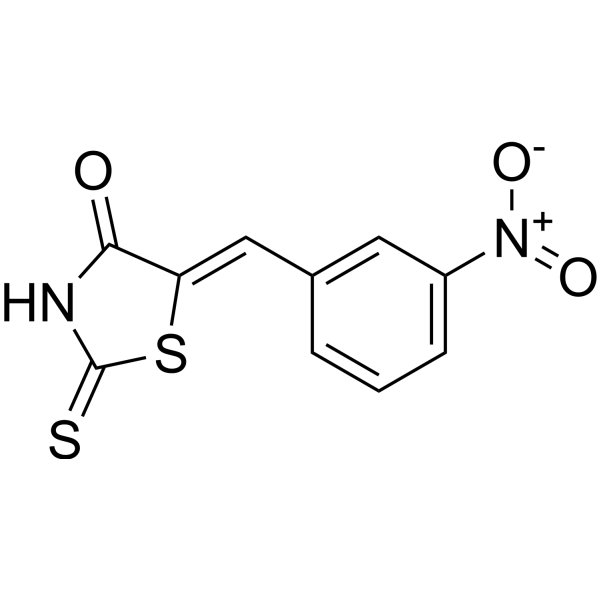
Condurango glycoside A is an activator of p53. Condurango glycoside A initiates ROS generation and up-regulates p53 expression. Condurango glycoside A induces apoptosis and pre-mature senescence associated with DNA damage in HeLa cells.
-
SLMP53-1
 0 Images
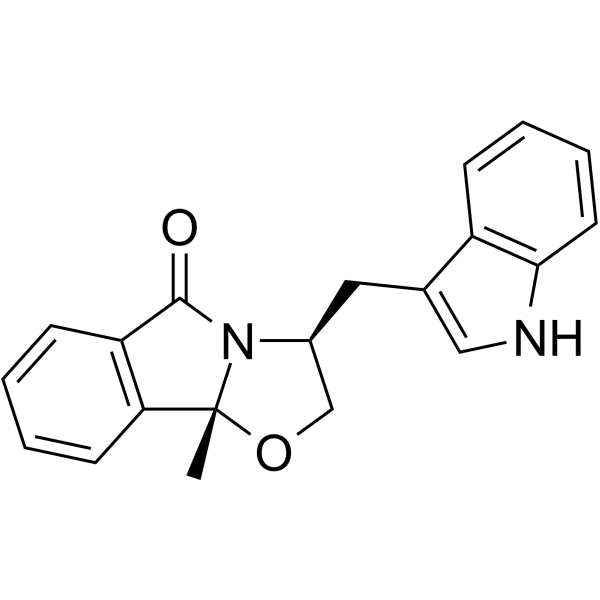
SLMP53-1 is a wild-type and mutant p53 reactivator with promising antitumor activity. SLMP53-1 mediates the reprograming of glucose metabolism in cancer cells. SLMP53-1 depletes angiogenesis, decreasing endothelial cell tube formation and vascular endothelial growth factor (VEGF) expression levels.
-
Antcin A
 0 Images
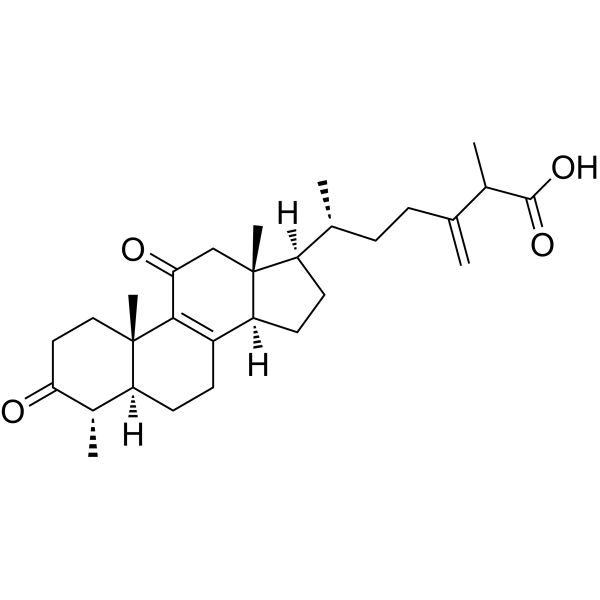
Antcin A is an orally active modulator of p53 and glucocorticoid receptor (GR), with an IC50 of 8.55 μM against human GR. Through transcriptional activation of p53, Antcin A induces miR-200c and inhibits ZEB1, regulates epithelial-mesenchymal transition markers, and suppresses cancer cell migration/invasion. Antcin A activates GR, inhibits Na+/K+-ATPase and NLRP3 inflammasome assembly, pyroptosis (pyroptosis) and pro-inflammatory cytokine release, reduces hepatic lipid deposition, improves liver function, and reverses metabolic changes induced by the SARS-CoV-2 spike protein. Antcin A can be used in research related to breast cancer, head and neck cancer, non-alcoholic fatty liver disease, and coronavirus disease 2019 (COVID-19).
-
N-Desmethyl clomipramine-d3 hydrochloride
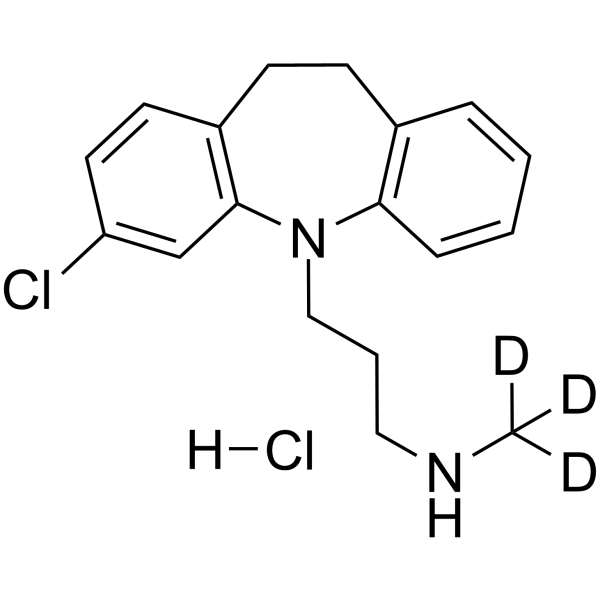 0 ImagesSynonyms: Desmethylclomipramine-d3 hydrochloride;Norclomipramine-d3 hydrochloride
N-Desmethyl clomipramine-d3 hydrochloride (Desmethylclomipramine-d3 hydrochloride; Norclomipramine-d3 hydrochloride) is the deuterated-labeled N-Desmethyl clomipramine hydrochloride (HY-12388A). N-Desmethyl clomipramine hydrochloride is the orally active major active metabolite of the tricyclic antidepressant Clomipramine (HY-B0457A), possessing multiple activities including anti-inflammatory, antioxidant, antibacterial, and antiparasitic effects. N-Desmethyl clomipramine hydrochloride blocks autophagosome-lysosome fusion, leading to the accumulation of LC3-II, p62, ATG7, WIPI2, and ATG5-12, reactivates the p53/p21 pathway, induces apoptosis through C-PARP and C-CAS3, and inhibits the proliferation, migration, and invasion of renal cancer cells. N-Desmethyl clomipramine hydrochloride inhibits LdTOPIA, inducing R-loop accumulation in the nucleus of Leishmania, ultimately causing parasite death. N-Desmethyl clomipramine hydrochloride can be used for research on depression, metastatic renal cell carcinoma, and leishmaniasis.


-
Ivaltinostat
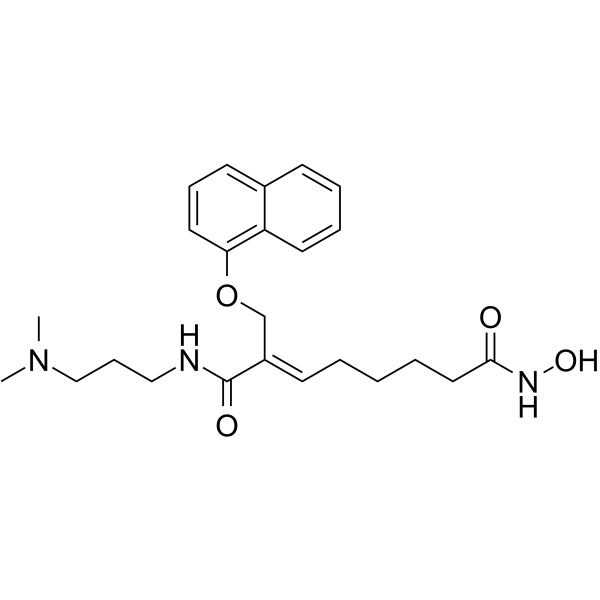 0 ImagesSynonyms: CG-200745
Ivaltinostat (CG-200745) is an orally active, potent pan-HDAC inhibitor which has the hydroxamic acid moiety to bind zinc at the bottom of catalytic pocket. Ivaltinostat inhibits deacetylation of histone H3 and tubulin. Ivaltinostat induces the accumulation of p53, promotes p53-dependent transactivation, and enhances the expression of MDM2 and p21 (Waf1/Cip1) proteins. Ivaltinostat enhances the sensitivity of Gemcitabine-resistant cells to Gemcitabine (HY-16138) and 5-Fluorouracil (5-FU; HY-90006). Ivaltinostat induces apoptosis and has anti-tumour effects.
-
MeOIstPyrd
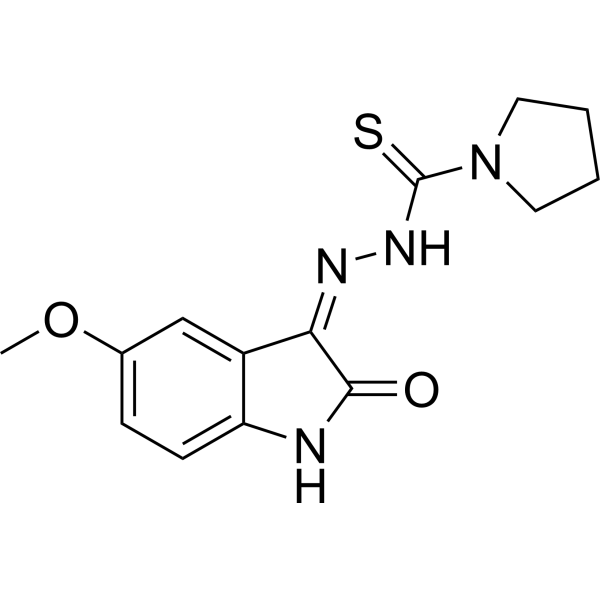 0 Images
MeOIstPyrd is an anti-skin cancer agent. MeOIstPyrd inhibits cell proliferation, migration, and spheroid formation by activating the mitochondrial intrinsic apoptotic pathway. MeOIstPyrd induces DNA damage. MeOIstPyrd activates p53, and increases the half-life of p53 and stabilizes p53 by phosphorylating it at ser15. MeOIstPyrd binds to MDM2 in the p53 sub-pocket and blocks p53-MDM2 interaction.
-
PAWI-2
 0 Images
PAWI-2 is a p53-Activator and Wnt Inhibitor. PAWI-2 inhibits β3-KRAS signaling independent of KRAS. PAWI-2 selectively inhibits phosphorylation of TBK1. PAWI-2 activates apoptosis (activation of caspase-3/7), and induces PARP cleavage. PAWI-2 promotes optineurin translocation into the nucleus and causes G2/M arrest. PAWI-2 reverses cancer stemness and overcomes drug resistance in an integrin β3 KRAS-dependent human pancreatic cancer stem cells (hPCSCs). PAWI-2 inhibits growth of tumors from hPCSCs in orthopic xenograft mice model.
-
UCI-1014
 0 Images
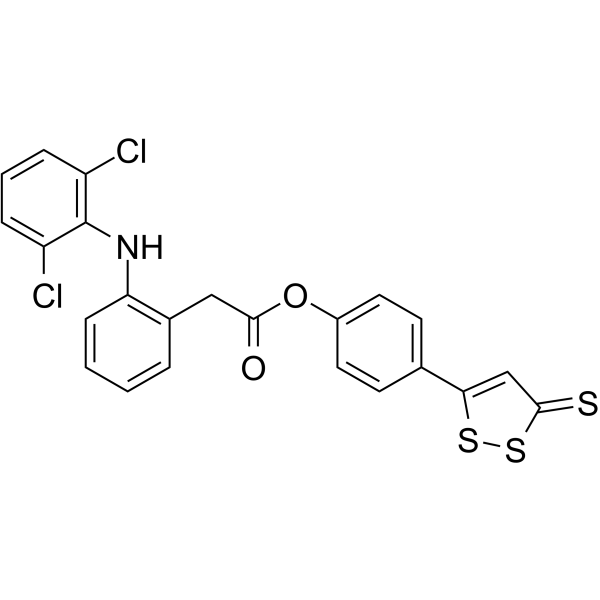
UCI-1014 is a mutant p53 (p53R175H) corrector/reactivator. UCI-1014 restores the wild-type-like DNA-binding activity of p53R175H, promotes the redistribution of the mutant protein to chromatin, and induces the expression of p53-dependent target genes. UCI-1014 inhibits the proliferation of p53R175H-mutant cancer cells through an SLC7A11-independent mechanism. UCI-1014 can be used for research related to p53-mutant cancers.
-
Lenalidomide-d5
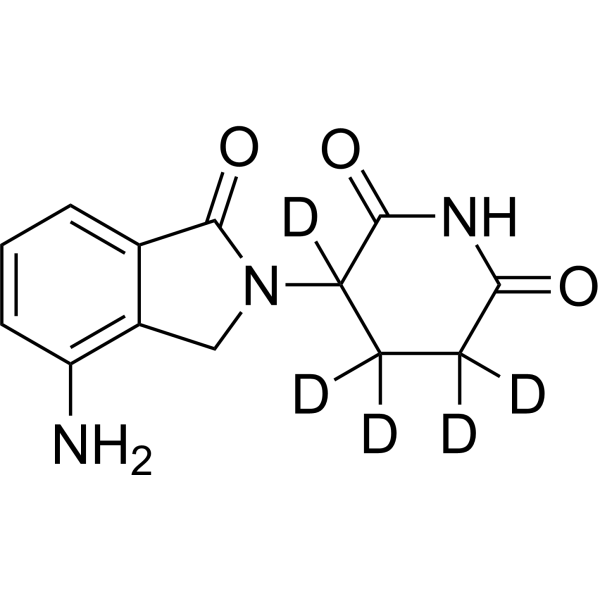 0 ImagesSynonyms: CC-5013-d5
Lenalidomide-d5 (CC-5013-d5) is the d5-labeled Lenalidomide (HY-A0003). Lenalidomide (CC-5013) is an orally active immunomodulatory agent that binds CRBN as a molecular glue to alter substrate specificity, inducing ubiquitination and proteasome-dependent degradation of IKZF1, IKZF3 and CK1α. Lenalidomide induces apoptosis by degrading IKZF1/3, and activates p53 by degrading CK1α. Lenalidomide promotes IL-2 release and effector functions of CD8+ T/NK cells, while inhibiting TNF-α secretion and M1-type pyroptosis. Lenalidomide can be used in research related to hematological malignancies, acute liver failure and acute kidney injury.



