



MDM-2/p53 Activator
-
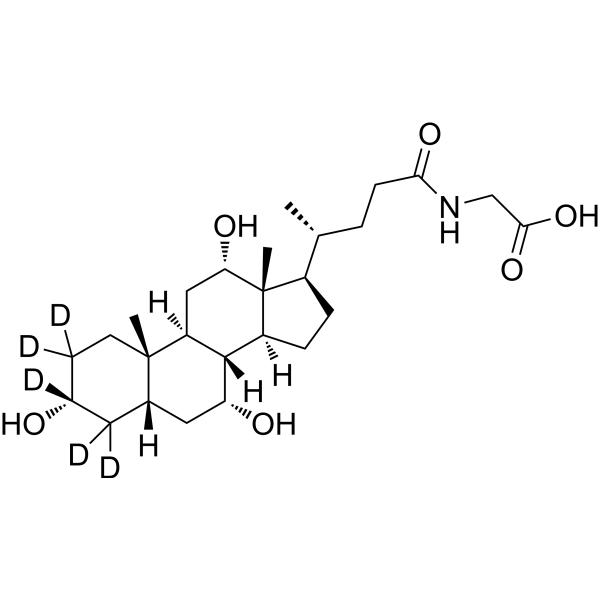
Glycocholic acid-d5
 0 Images
Glycocholic acid-d5 is the deuterium labeled Glycocholic acid (HY-N1423). Glycocholic acid is a bile acid derivative. Glycocholic acid downregulates MDR1, Bcl-2, MRP1, MRP2 and FXR, upregulates Bax, p53, caspase-9, caspase-3, TGR5 and S1PR2. Glycocholic acid inhibits multidrug resistance and efflux pumps, induces mitochondrial apoptosis, and enhances chemosensitivity. Glycocholic acid modulates related bile acid receptor signaling. Glycocholic acid suppresses growth and conjugation of Enterobacteriaceae and increases their antibiotic susceptibility. Glycocholic acid can be used for the research of colon adenocarcinoma and cholangiocarcinoma (CCA).
-
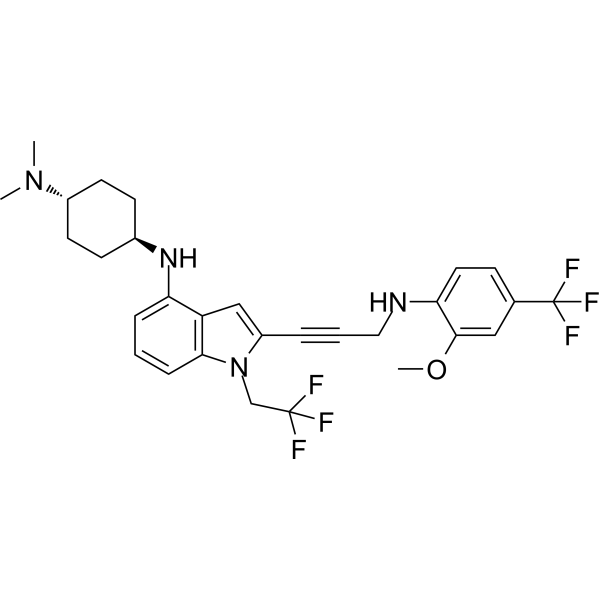
p53 Activator 5
 0 ImagesCat. No.: HY-148404CAS No.: 2636840-37-2
p53 Activator 5 (compound 134A) is a potent p53 activator with a SC150 value of <0.05 mM. p53 Activator 5 can bind to mutant p53 and restore the ability of the p53 mutant to bind DNA. p53 Activator 5 shows anti-tumor activity. p53 Activator 5 is a click chemistry reagent, it contains an Alkyne group and can undergo copper-catalyzed azide-alkyne cycloaddition (CuAAc) with molecules containing Azide groups.
-
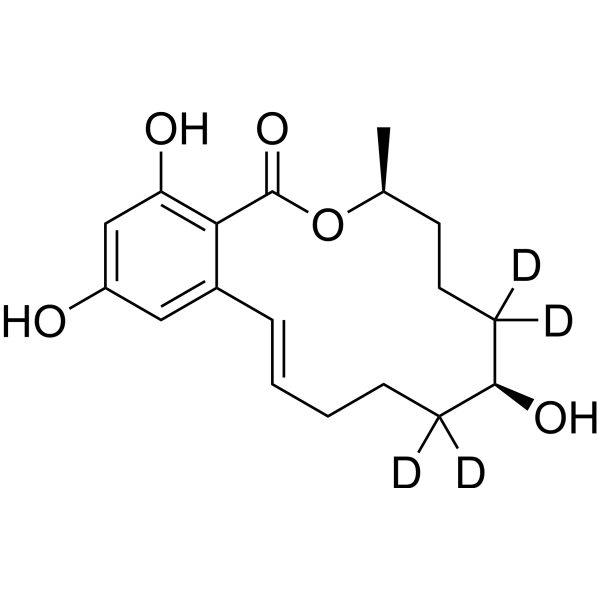
β-Zearalanol-d4
 0 ImagesCat. No.: HY-N6740SCAS No.: 1778735-09-3
β-Zearalanol-d4 is the deuterated-labeled β-Zearalenol (HY-N6741). β-Zearalenol is a zearalenone metabolite and Estrogen receptor binder (Kd = 0.406 nM) that induces apoptosis through activation of p53, JNK, and p38 kinases and the mitochondrial apoptosis pathway, while inhibiting CYP19A1 and inducing autophagy via SIRT1. β-Zearalenol is used in research on cardiotoxicity, mycotoxin-induced reproductive toxicity, and breast cancer.
-
SL-176
 0 Images
SL-176 is a PPM1D (Wip1) inhibitor. SL-176 inhibits lipid droplet formation, downregulates the mRNA and protein expression of PPARγ and C/EBPα, and blocks adipocyte differentiation. SL-176 induces G2/M cell cycle arrest, apoptosis and inhibits cell proliferation in breast cancer cells overexpressing PPM1D, and activates components of the p53 pathway. SL-176 suppresses tumor growth in a zebrafish model of neuroblastoma. SL-176 is applicable to research related to obesity, breast cancer and neuroblastoma.
-
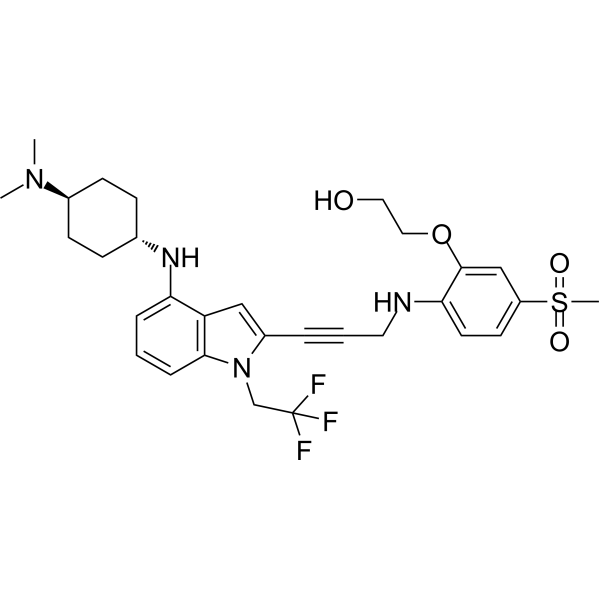
p53 Activator 3
 0 ImagesCat. No.: HY-148402CAS No.: 2636839-90-0
p53 Activator 3 (compound 87A) is a potent p53 activator with a SC150 value of <0.05 mM. p53 Activator 3 can bind to mutant p53 and restore the ability of the p53 mutant to bind DNA. p53 Activator 3 shows anti-tumor activity. p53 Activator 3 is a click chemistry reagent, it contains an Alkyne group and can undergo copper-catalyzed azide-alkyne cycloaddition (CuAAc) with molecules containing Azide groups.
-
Roslin 2 bromide
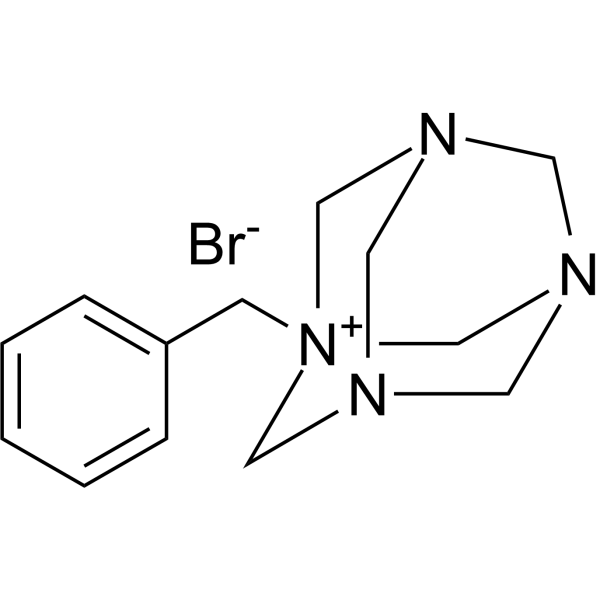 0 ImagesSynonyms: Benzylhexamethylenetetramine bromide
Roslin 2 bromide (Benzylhexamethylenetetramine bromide) is a p53 reactivator with anticancer effects. Roslin 2 bromide binds FAK, disrupts the binding of FAK and p53.
-
MC3817
 0 ImagesCat. No.: HY-179409Purity: 99.88%
MC3817 is a selective DNMT1 inhibitor. MC3817 inhibits DNMT1 and DNMT3A/3L with IC50s of 0.044 μM and > 10μM, respectively. MC3817 inhibits P53-dependent cancer cell proliferation, induces apoptosis and DNA damage MC3817 elevates cleaved Caspase 3, P53, and γH2AX. MC3817 can be used in non-small cell lung cancer, colon cancer, cervical cancer, triple-negative breast cancer and histiocytic lymphoma research.
-
Antiproliferative agent-37
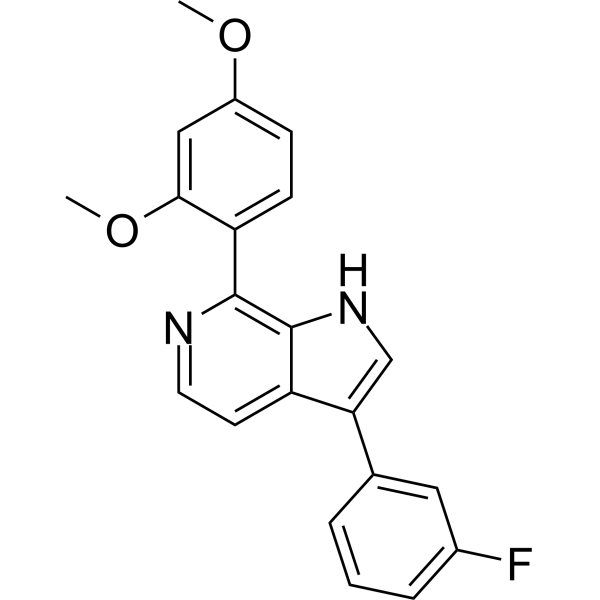 0 Images
Antiproliferative agent-37 (compound 10J) shows anti-proliferative effect by arresting the cells at the G2/M phase of the cell cycle.
-
(+)-Epiloliolide
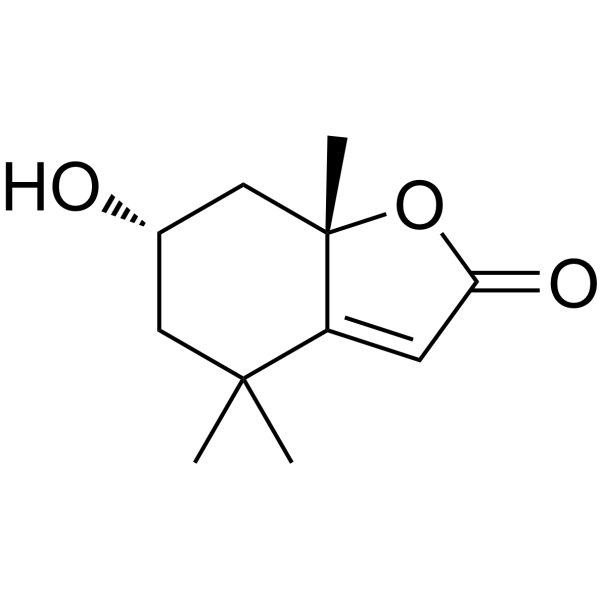 0 ImagesCat. No.: HY-N10173CAS No.: 38274-00-9Synonyms: Isololiolide
(+)-Epiloliolide is a megastigmane that can be isolated from Annona muricata. (+)-epiloliolide increased the nuclear localization of p53. (+)-Epiloliolide has anti-inflammatory effect through upregulating phosphorylation of the PKA/CREB pathway. (+)-Epiloliolide also effectively increases the proliferation and migration of human periodontal ligament cells by downregulating NLRP3 activated by PG-LPS.
-
TM-2-51
 0 Images
TM-2-51 is a HDAC8 activator with a Kd value of 0.28 μM. TM-2-51 inhibits α-glucosidase with an IC50 of 171.21 μM. TM-2-51 upregulates HDAC8 expression, modulates the TP53, STAT3/ERK and PI3K-AKT pathways, alleviates LeTx-induced cell cycle arrest, downregulates JMJD3 and increases H3K27me3 levels. TM-2-51 selectively induces apoptosis in tumor cell and upregulates p53/p21 expression. TM-2-51 inhibits tumor cell proliferation, migration and invasion, induces G1-phase arrest and suppresses tumor growth in vivo. TM-2-51 can be used in research on osteosarcoma, anthrax, type 2 diabetes and neuroblastoma.
-
Flubendazole (Standard)
 0 Images
Flubendazole (Standard) is the analytical standard of Flubendazole. This product is intended for research and analytical applications. Flubendazole is an anthelmintic drug based on altering microtubule structure, inhibition of tubulin polymerization and disruption of microtubule function. Flubendazole induces apoptosis in human colorectal cancer (CRC) by blocking the STAT3 signaling axis and activation of autophagy. Flubendazole induces P53 expression and reduced Cyclin B1 and p-cdc2 expression. Flubendazole is an antitumor agent. Flubendazole can be used for worm and intestinal parasites.
-
(R)-Bromoenol lactone
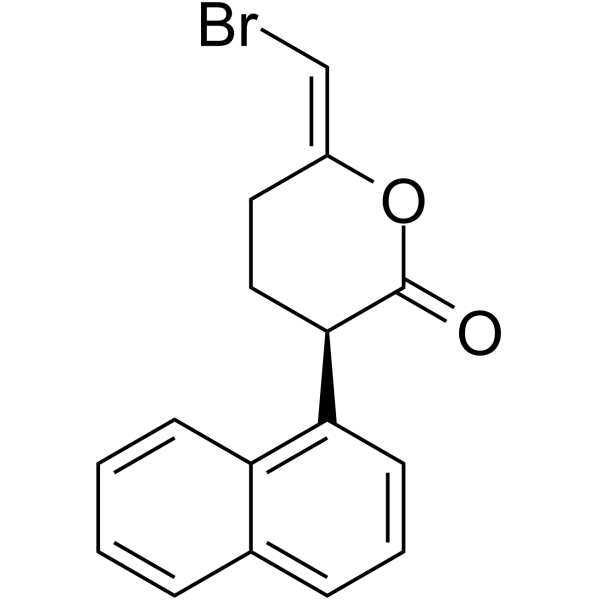 0 ImagesCat. No.: HY-117068CAS No.: 478288-90-3Synonyms: (R,E)-Bromoenol lactone
(R)-Bromoenol lactone ((R,E)-Bromoenol lactone) is an isomer of Bromoenol lactone (HY-107411). (R)-Bromoenol lactone acts as a selective inhibitor of microsomal calcium-independent phospholipase A2γ (iPLA2γ). (R)-Bromoenol lactone induces mild activation of p38 mitogen-activated protein kinase in prostate cancer cells, resulting in slight increases in the expressions of phosphorylated p53, total p53 and p21. (R)-Bromoenol lactone is applicable to prostate cancer-related research.
-
Lenalidomide hydrochloride
 0 ImagesCat. No.: HY-A0003ACAS No.: 1243329-97-6Synonyms: CC-5013 hydrochloride
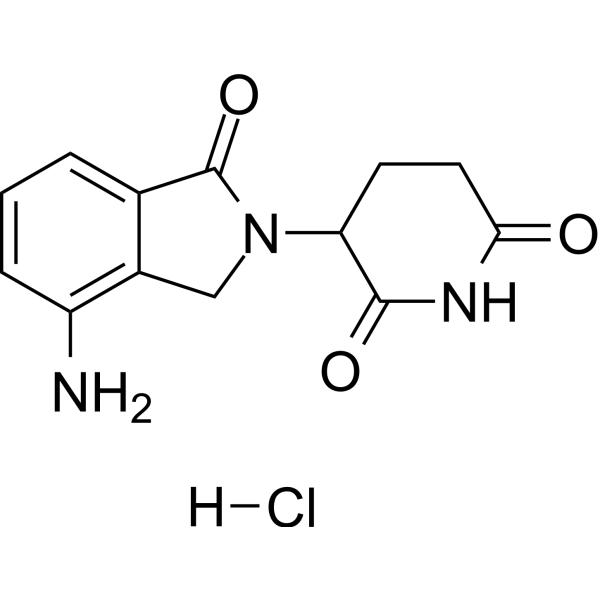
Lenalidomide hydrochloride (CC-5013 hydrochloride) is an orally active immunomodulatory agent that binds CRBN as a molecular glue to alter substrate specificity, inducing ubiquitination and proteasome-dependent degradation of IKZF1, IKZF3 and CK1α. Lenalidomide hydrochloride induces apoptosis by degrading IKZF1/3, and activates p53 by degrading CK1α. Lenalidomide hydrochloride promotes IL-2 release and effector functions of CD8+ T/NK cells, while inhibiting TNF-α secretion and M1-type pyroptosis. Lenalidomide hydrochloride can be used in research related to hematological malignancies, acute liver failure and acute kidney injury.
-
ZS3-046
 0 ImagesCat. No.: HY-176457CAS No.: 3087879-97-5
ZS3-046 is a potent TAF1 PROTAC degrader with a DC50 < 10 nM. ZS3-046 recruits the CRBN E3 ubiquitin ligase, promotes polyubiquitination and proteasomal degradation of TAF1, thereby activating p53 and downregulating c-Myc, and ultimately induces apoptosis of tumor cells. ZS3-046 can be used in research related to acute myeloid leukemia.
-
ZSL-M028
 0 ImagesCat. No.: HY-187506
ZSL-M028 is an orally active and selective Polo-like kinase 4 (PLK4) inhibitor with an IC50 value of 1.1 nM. ZSL-M028 exhibits anti-tumor activity against TRIM37-amplified neuroblastoma, downregulates SAS6, upregulates FBXW5, induces G2-phase cell cycle arrest and apoptosis, activates the p53 signaling pathway, and inhibits tumor cell colony formation and migration. ZSL-M028 shows significant tumor growth inhibitory activity in the IMR-32 neuroblastoma xenograft model. ZSL-M028 can be used in neuroblastoma-related research.
-
N-Desmethyl clomipramine hydrochloride (Standard)
 0 ImagesSynonyms: Desmethylclomipramine hydrochloride (Standard); Norclomipramine hydrochloride (Standard)
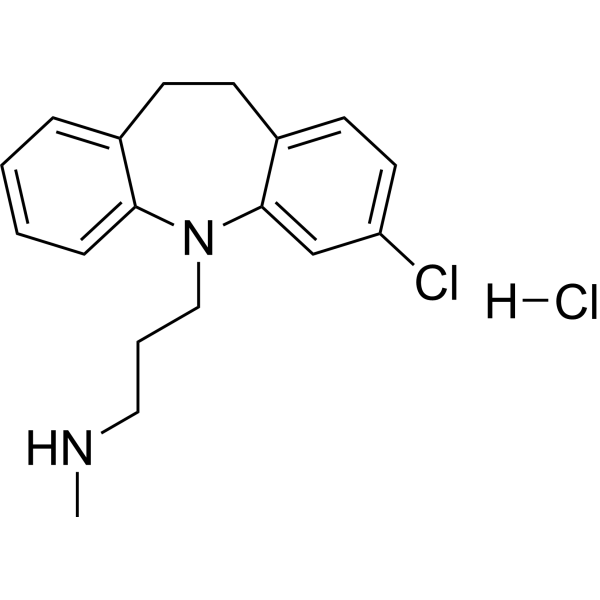
N-Desmethyl clomipramine hydrochloride (Standard) (Desmethylclomipramine hydrochloride (Standard); Norclomipramine hydrochloride (Standard)) is the analytical standard of N-Desmethyl clomipramine hydrochloride (HY-12388A). This product is intended for research and analytical applications. N-Desmethyl clomipramine hydrochloride is the orally active major active metabolite of the tricyclic antidepressant Clomipramine (HY-B0457A), possessing multiple activities including anti-inflammatory, antioxidant, antibacterial, and antiparasitic effects. N-Desmethyl clomipramine hydrochloride blocks autophagosome-lysosome fusion, leading to the accumulation of LC3-II, p62, ATG7, WIPI2, and ATG5-12, reactivates the p53/p21 pathway, induces apoptosis through C-PARP and C-CAS3, and inhibits the proliferation, migration, and invasion of renal cancer cells. N-Desmethyl clomipramine hydrochloride inhibits LdTOPIA, inducing R-loop accumulation in the nucleus of Leishmania, ultimately causing parasite death. N-Desmethyl clomipramine hydrochloride can be used for research on depression, metastatic renal cell carcinoma, and leishmaniasis.
-
SIRT-IN-7
 0 ImagesCat. No.: HY-172204CAS No.: 1620634-65-2
-
RETRA hydrobromide
 0 ImagesCat. No.: HY-113843CAS No.: 1035875-01-4
RETRA (hydrobromide) is a mutant p53-dependent activator of p73 that can inhibit cancer cells carrying mutant p53. RETRA (hydrobromide) increases the expression level of p73, induces transcriptional activation of several common to transcriptional targets p53 and p73, which leads to mutant p53- and p73-dependent inhibition of tumor growth, reduction of colony formation and induction of effector caspases.
-
MC3817 free base
 0 ImagesCat. No.: HY-179409A
MC3817 free base is a selective DNMT1 inhibitor. MC3817 free base inhibits DNMT1 and DNMT3A/3L with IC50s of 0.044 μM and > 10μM, respectively. MC3817 free base inhibits P53-dependent cancer cell proliferation, induces apoptosis and DNA damage. MC3817 free base elevates cleaved Caspase 3, P53, and γH2AX. MC3817 free base can be used in non-small cell lung cancer, colon cancer, cervical cancer, triple-negative breast cancer and histiocytic lymphoma research.
-
Antitumor agent-60
 0 ImagesCat. No.: HY-146432CAS No.: 865784-65-2
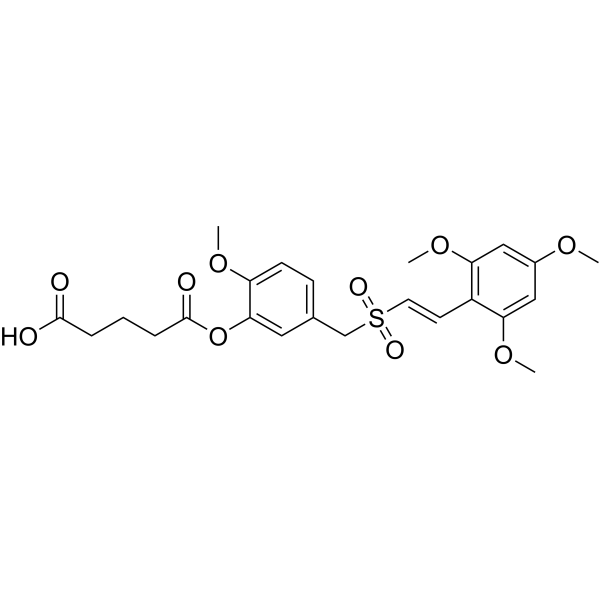
Antitumor agent-60 (compound 20) is a potent antitumor agent, targeting RAS-RAF signaling pathway and binding to CRAF with a Kd value of 3.93 μM. Antitumor agent-60 induces apoptosis by blocking cell cycle at G2/M phase. Antitumor agent-60 enhances the level of p53 and ROS. Antitumor agent-60 causes oval and irregular nucleus in cancer cells. Antitumor agent-60 can suppress the growth of tumor to some extent in A549 xenograft model.



