



PGE synthase Inhibitor
-
AT-56
 0 Images
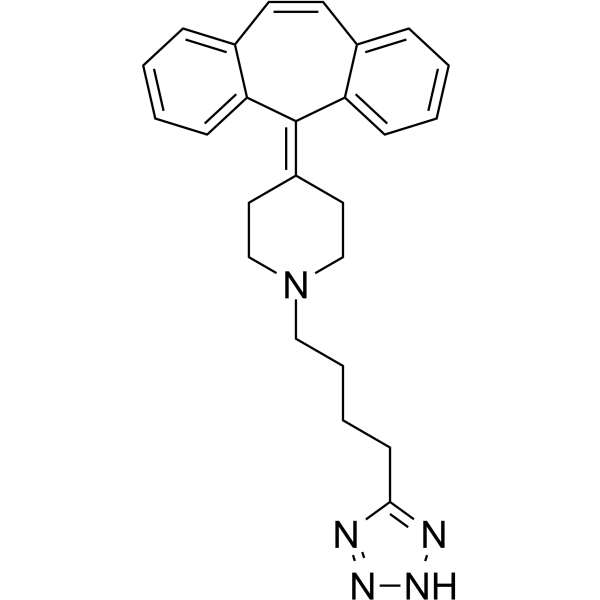
AT-56 is a potent, selective and orally active inhibitor of lipocalin-type prostaglandin D synthase (L-PGDS), with an IC50 of 95 μM and Ki of 75 μM. AT-56 could selectively suppress the drowsiness or pain reaction mediated by L-PGDS-catalyzed PGD2.
-
Hydralazine hydrochloride
 0 Images
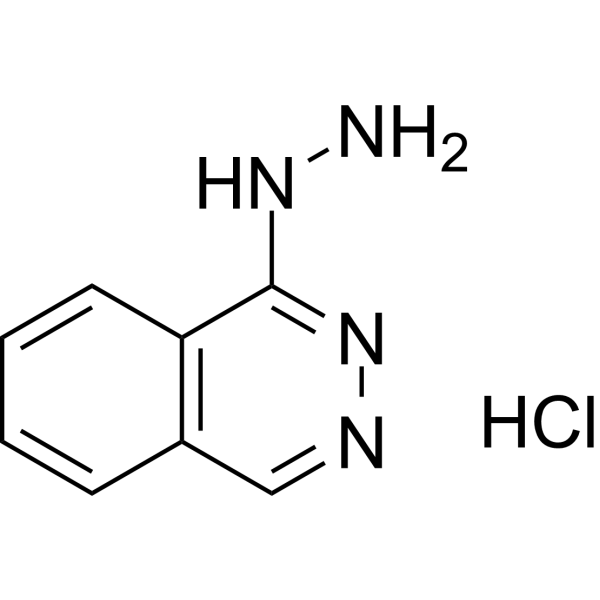
Hydralazine hydrochloride is an orally active, blood-brain barrier-permeable DNA methyltransferase inhibitor with vasodilatory, arterial smooth muscle relaxant and hypotensive activities. Hydralazine hydrochloride reactivates silenced tumor suppressor genes via mediating DNA demethylation, while exerting neuroprotective and anti-inflammatory properties. Hydralazine hydrochloride inhibits NOS-2 (iNOS) and COX-2, and reduces the production of NO and PGEE2; meanwhile, Hydralazine hydrochloride scavenges reactive oxygen species and inhibits macrophage activation. Hydralazine hydrochloride alleviates motor dysfunction, neuropathic inflammatory pain, and formalin-induced somatic and emotional pain responses. In addition, Hydralazine hydrochloride directly induces DNA strand breaks and sister chromatid exchange, exhibiting certain mutagenic characteristics. Hydralazine hydrochloride has been widely used in studies on hypertension, various cancers (such as cervical cancer, leukemia), spinal cord injury and the mechanisms of inflammatory pain.
-
(S)-Flurbiprofen
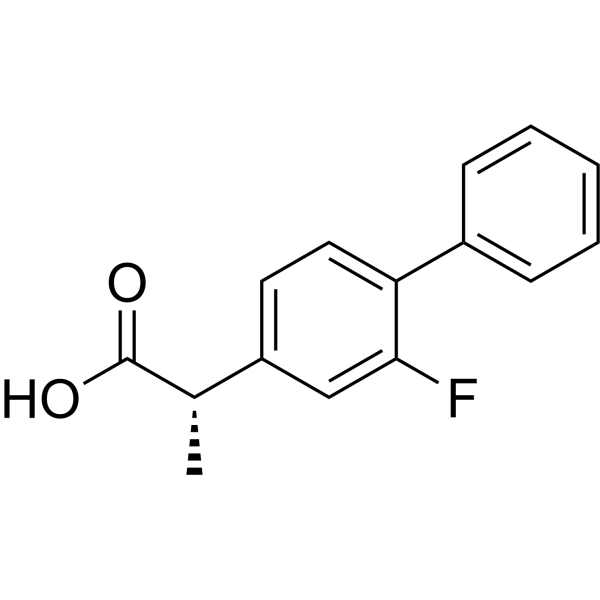 0 ImagesSynonyms: Esflurbiprofen
-
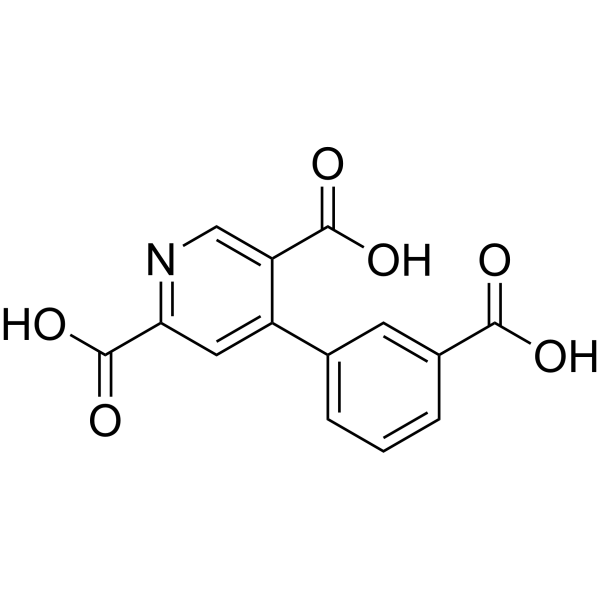
4-CPPC
 0 Images
4-CPPC is a selective MIF-2 inhibitor with a Ki of 33 µM. 4-CPPC inhibits the COX2/PGE2 pathway, reduces the levels of COX2 and mPGES-1, and decreases the production of PGE2. 4-CPPC attenuates the formation of early atherosclerotic lesions in hyperlipidemic mice, and lowers the levels of circulating inflammatory cytokines and chemokines. 4-CPPC inhibits MIF-2-triggered cell migration. 4-CPPC improves hindlimb motor function in rats with contusion-induced spinal cord injury. 4-CPPC can be used in studies related to atherosclerosis and spinal cord injury.
-
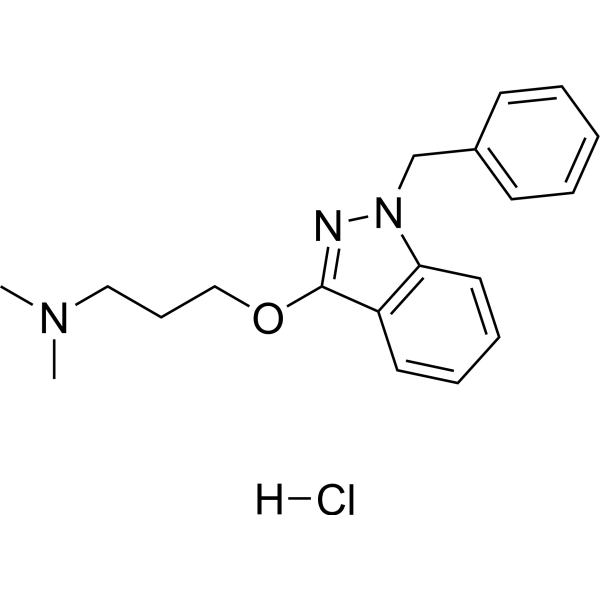
Benzydamine hydrochloride
 0 Images
Benzydamine hydrochloride is an orally administered prostaglandin synthesis inhibitor that has anti-inflammatory, analgesic, antipyretic, and antibacterial properties. Benzydamine hydrochloride can inhibit TNF-α, stabilize cell membranes, and reduce oxidative stress within cells.
-
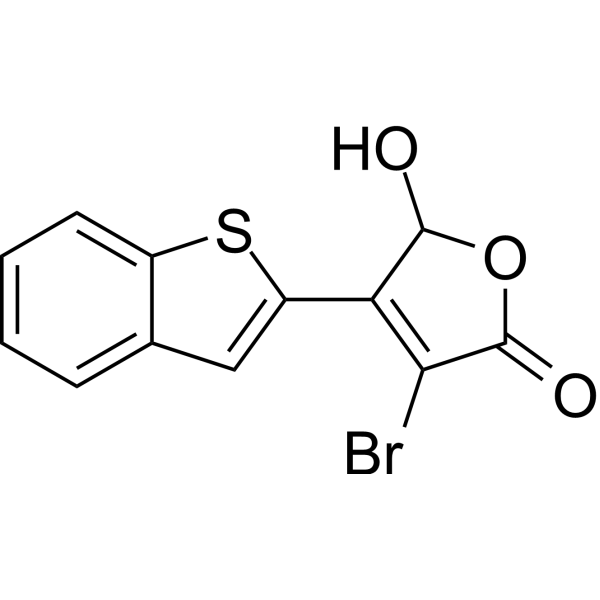
CAY10526
 0 Images
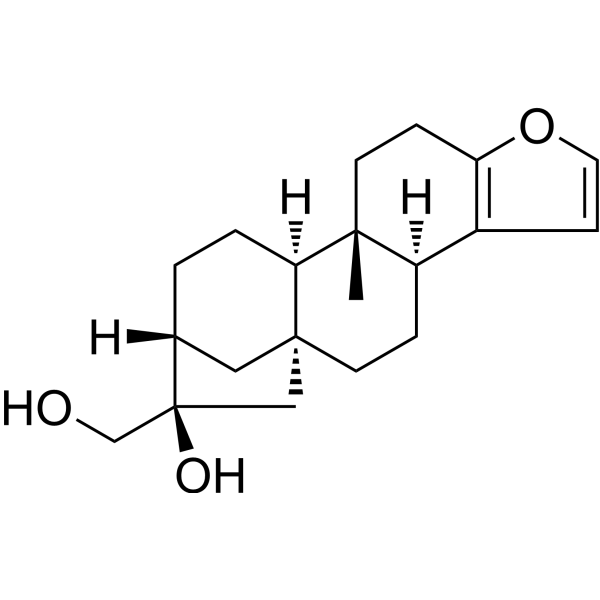
CAY10526 is an inhibitor of Y-box binding protein 1 (YB-1) and microsomal prostaglandin E2 synthase 1 (mPGES1). CAY10526 inhibits the production of PGE2 by suppressing YB-1 and mPGES1. CAY10526 induces cell apoptosis (apoptosis) and inhibits the JAK/STAT, TGF-β/Smad3 and PI3K/AKT signaling pathways. CAY10526 can be used in research related to melanoma, prostate cancer, esophageal adenocarcinoma, T-cell lymphoma, etc.
-
Kukoamine A
 0 Images
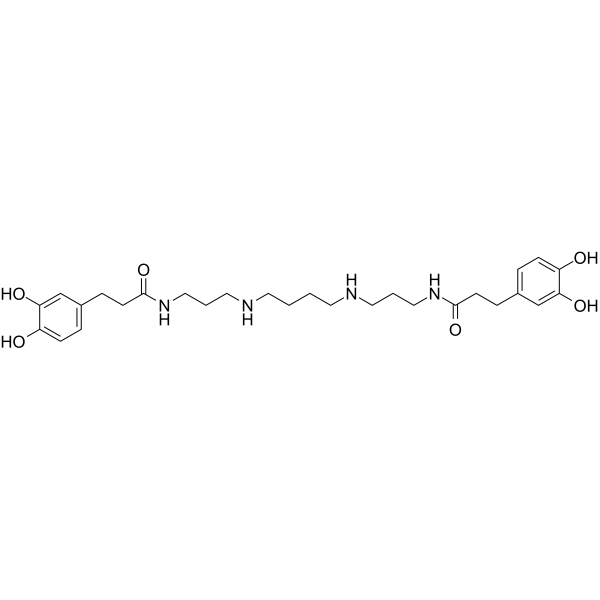
Kukoamine A, a spermine alkaloid, is an orally active and brain-penetrant component found in the root barks of Lycium chinense (L. chinense) Miller. Kukoamine A inhibits purified Crithidia fasciculata trypanothione reductase and soybean lipoxygenase, activates μ-opioid receptor. Kukoamine A can inhibt cancer cell proliferation, migration and invasion, cause G0/G1 phase cell cycle arrest and induce apoptosis. Kukoamine A exerts neuroprotective effect and can induce autophagy . Kukoamine A inhibits LPS (HY-D1056)-induced NO, ROS, PGE2, TNF-α, IL-1β, IL-6 production and COX-2 activity. Kukoamine A reverses palmitic acid-induced insulin resistance, lipid accumulation, and oxidative stress via downregulation of Srebp-1c. Kukoamine A can be used for the research of cancer, infection, inflammation, metabolic and neurological disease, such as glioblastoma and Parkinson's disease.
-
HQL-79
 0 Images
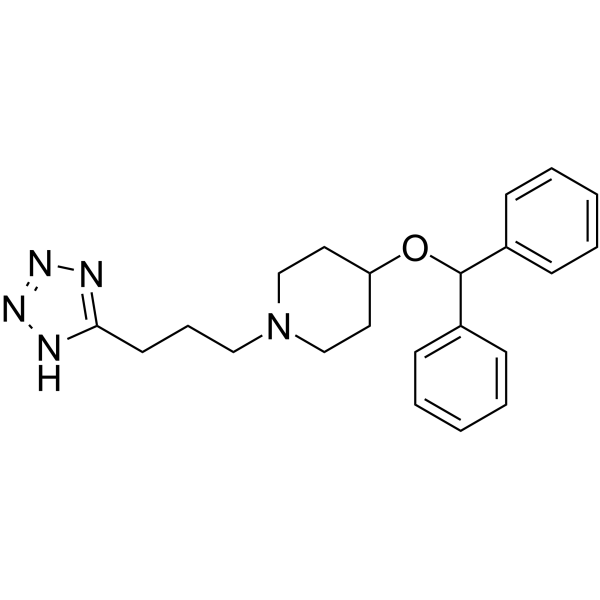
HQL-79, a potent, selective and orally active human hematopoietic prostaglandin D synthase (H-PGDS) inhibitor, highly selectively inhibits the synthesis of PGD2, and acts as an anti-allergic agent, with a Kd of 0.8 μM and an IC50 of 6 μM. Shows no obvious effect on COX-1, COX-2, m-PGES, or L-PGDS.
-
Vipoglanstat
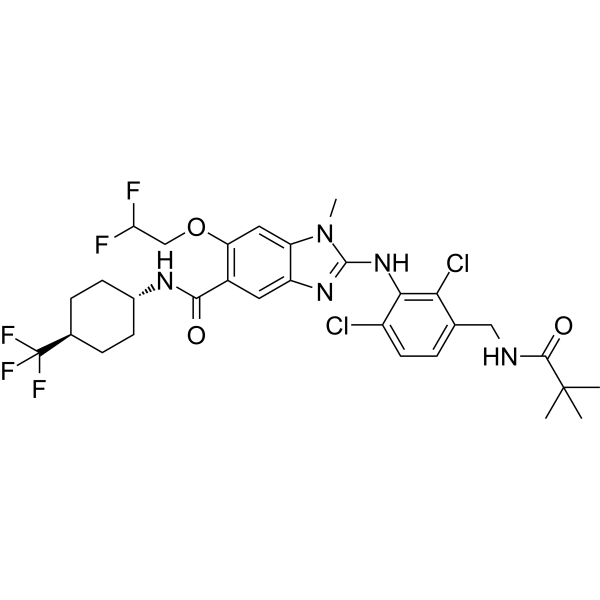 0 ImagesSynonyms: BI 1029539; GS-248; OX-MPI
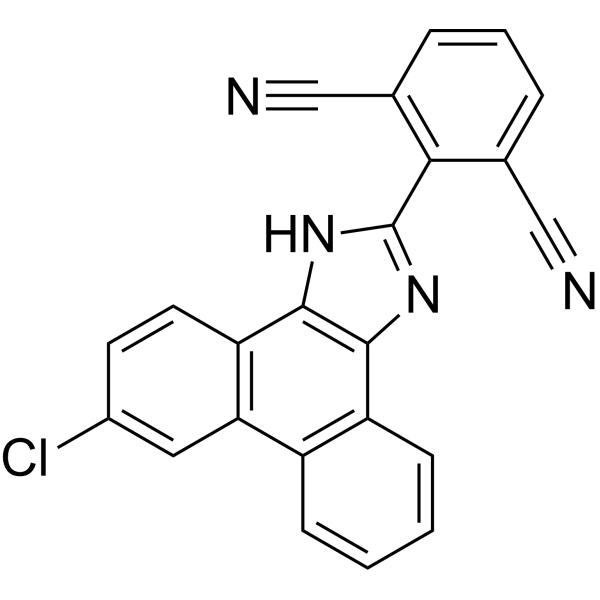
Vipoglanstat (BI 1029539), a carboxamide, is a potent and selective, non-peptide and orally active small molecular inhibitor of human prostaglandin E synthase 1 (mPGES-1). Vipoglanstat also has anti-inflammatory activity.
-
Benoxaprofen
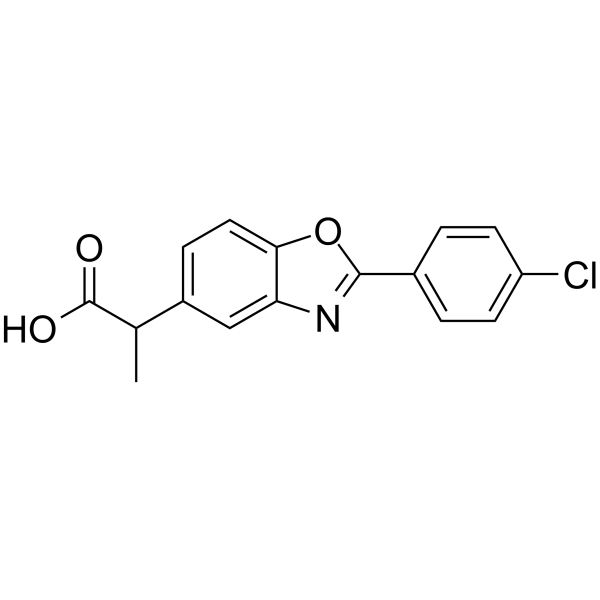 0 ImagesSynonyms: LRCL 3794
Benoxaprofen (LRCL 3794) is a nonsteroidal anti-inflammatory agent that blocks the biosynthesis of inflammatory mediators such as leukotrienes and prostaglandins by inhibiting 5-LOX, PGH2 synthase and cytochrome P-450. Benoxaprofen exhibits significant toxicity: it not only alters cellular redox status, uncouples oxidative phosphorylation and disrupts calcium ion homeostasis, but also causes liver injury through the formation of covalent adducts between its active metabolites and hepatic proteins. Benoxaprofen shows strong phototoxicity under ultraviolet irradiation, and induces erythrocyte lysis, mast cell degranulation and histamine release. Benoxaprofen is widely used in studies of urticaria and related phototoxic mechanisms.
-
Zomepirac sodium salt
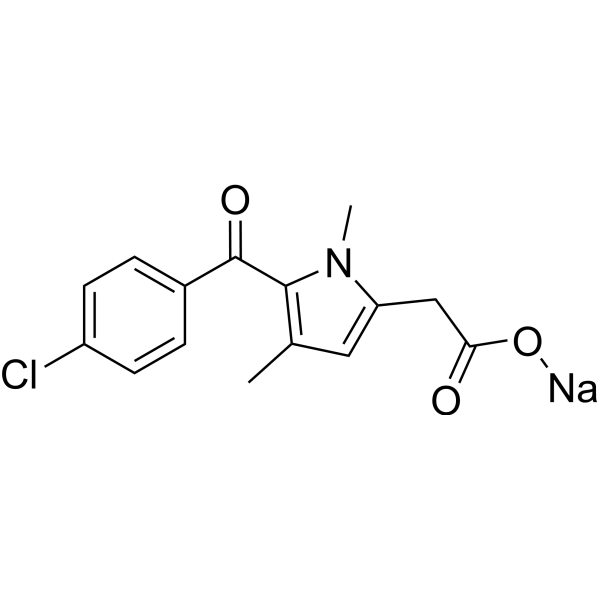 0 ImagesSynonyms: McN-2783-21-98
Zomepirac sodium salt (McN-2783-21-98) is an orally active prostaglandin synthetase inhibitor. Zomepirac sodium salt blocks prostaglandin synthesis and inhibits Collagen (HY-P72147)- or Epinephrine (HY-B0447)-induced platelet aggregation. Zomepirac sodium salt can be used for the research of postoperative pain and osteoarthritis.
-
Pranoprofen
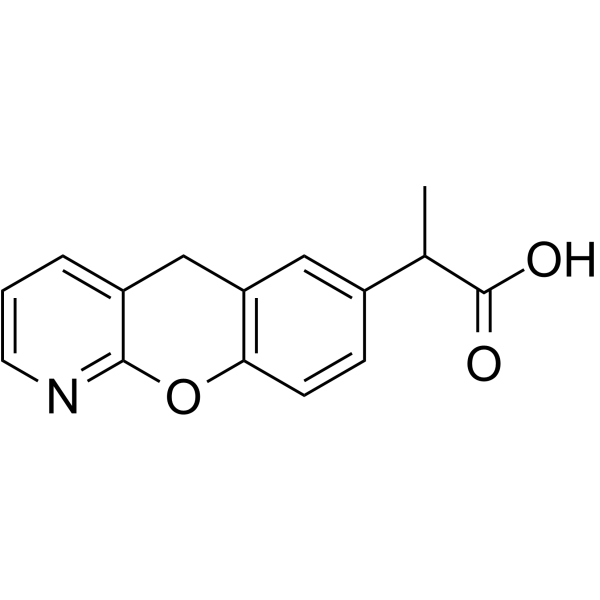 0 Images
Pranoprofen is a non-steroidal anti-inflammatory agent (NSAID) for the research of keratitis or other ophthalmology diseases. Pranoprofen inhibit COX-1 and COX-2 enzymes, thus blocking arachidonic acid converted to eicosanoids and reducing prostaglandins synthesis.
-
Hydralazine
 0 Images
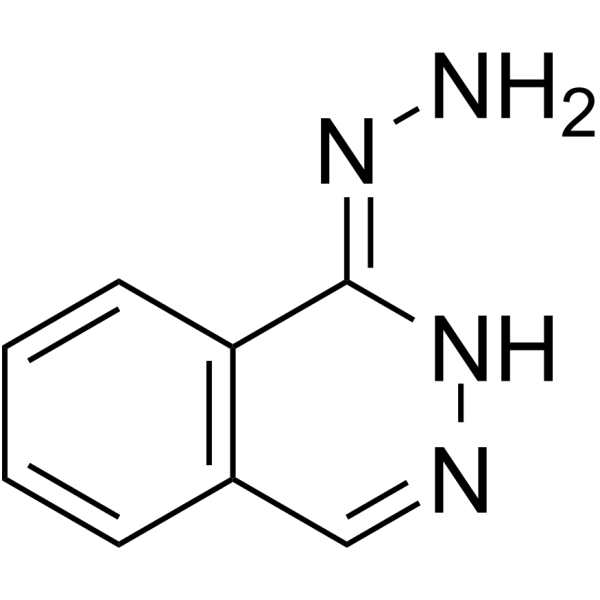
Hydralazine is an orally active, blood-brain barrier-permeable DNA methyltransferase inhibitor with vasodilatory, arterial smooth muscle relaxant and hypotensive activities. Hydralazine reactivates silenced tumor suppressor genes via mediating DNA demethylation, while exerting neuroprotective and anti-inflammatory properties. Hydralazine inhibits NOS-2 (iNOS) and COX-2, and reduces the production of NO and PGEE2; meanwhile, Hydralazine scavenges reactive oxygen species and inhibits macrophage activation. Hydralazine alleviates motor dysfunction, neuropathic inflammatory pain, and formalin-induced somatic and emotional pain responses. In addition, Hydralazine directly induces DNA strand breaks and sister chromatid exchange, exhibiting certain mutagenic characteristics. Hydralazine has been widely used in studies on hypertension, various cancers (such as cervical cancer, leukemia), spinal cord injury and the mechanisms of inflammatory pain.
-
HPGDS inhibitor 1
 0 Images
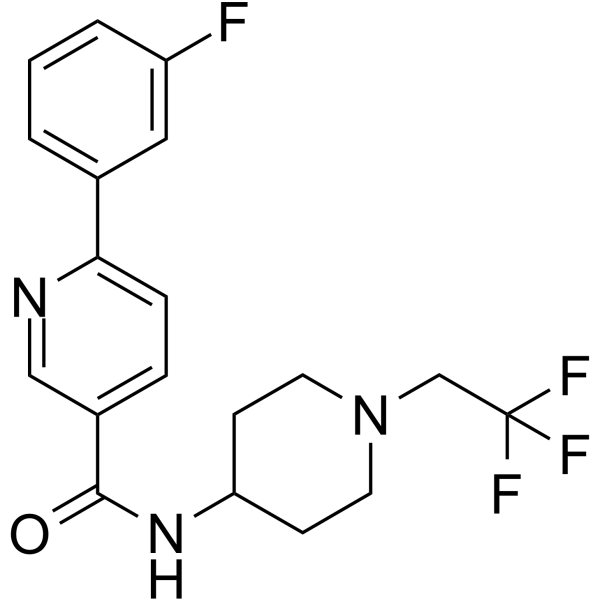
HPGDS inhibitor 1 is a potent, selective and orally active Hematopoietic Prostaglandin D Synthase (HPGDS) inhibitor with an IC50s of 0.6 nM and 32 nM in enzyme and cellular assays, respectively. HPGDS inhibitor 1 does not inhibit human L-PGDS, mPGES, COX-1, COX-2, or 5-LOX.
-
Zaloglanstat
 0 ImagesSynonyms: ISC-27864; GRC-27864
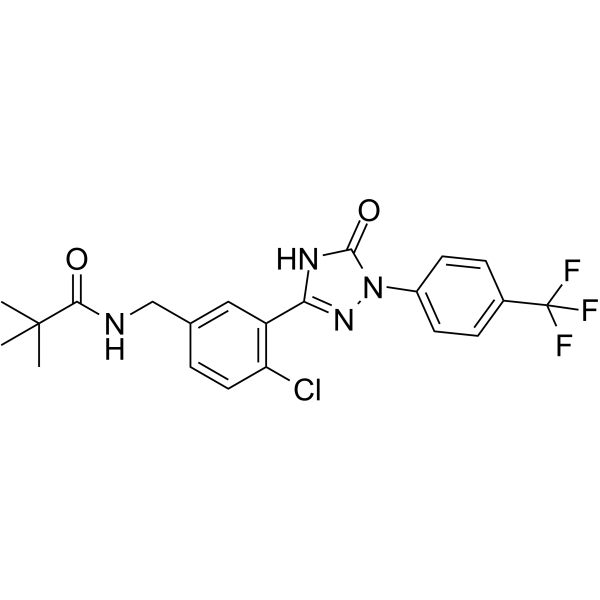
Zaloglanstat (ISC-27864; GRC-27864) is a selective, orally active microsomal mPGES-1 inhibitor. Zaloglanstat has an IC50 of 5 nM for human mPGES-1 without significant inhibitory effect on COX-1/2 (IC50 >10 μM). Zaloglanstat blocks the conversion of arachidonic acid metabolite prostaglandin PGH2 to prostaglandin PGE2, thereby inhibiting inflammation-related PGE2 overproduction and reducing inflammatory responses and pain. Zaloglanstat inhibits IL-1β-induced PGE2 release in A549 cells and human synovial fibroblasts in vitro. Zaloglanstat inhibits PGE2 release in pig and dog whole blood with IC50s of 161 nM and 154 nM, respectively. Zaloglanstat can be used in the study of asthma, osteoarthritis, and neurodegenerative diseases.
-
Viridicatol
 0 Images
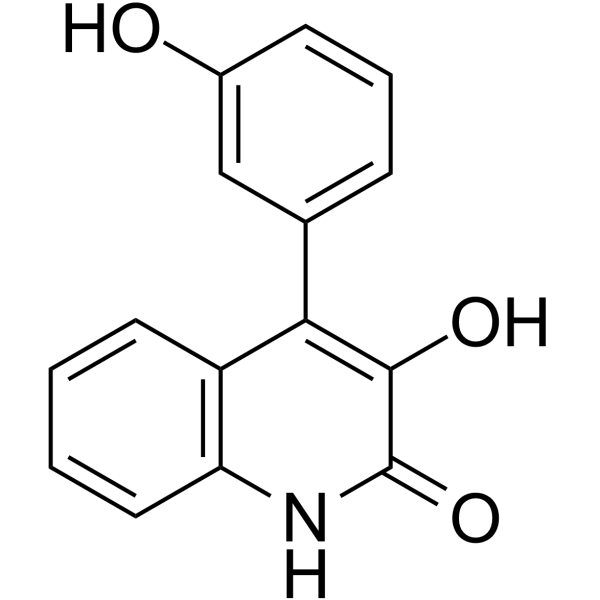
Viridicatol is a quinolone alkaloid with anti-inflammatory, antibacterial, antifungal, osteogenic and chondrogenic activities. Viridicatol reduces the phosphorylation levels of ERK, JNK, p38 and STAT6; inhibits MMP-2, MMP-9, NF-κB signaling pathway and PTP1B; downregulates genes related to mast cell activation; and binds to SHN3 to activate the Wnt/SHN3 signaling pathway. Viridicatol inhibits the expression of pro-inflammatory mediators and cytokines, and promotes osteogenic/chondrogenic differentiation. Viridicatol can be used in studies related to fibrosarcoma, allergy, bacterial infection, fungal infection and osteoporosis.



