



TNF Receptor Activator
-
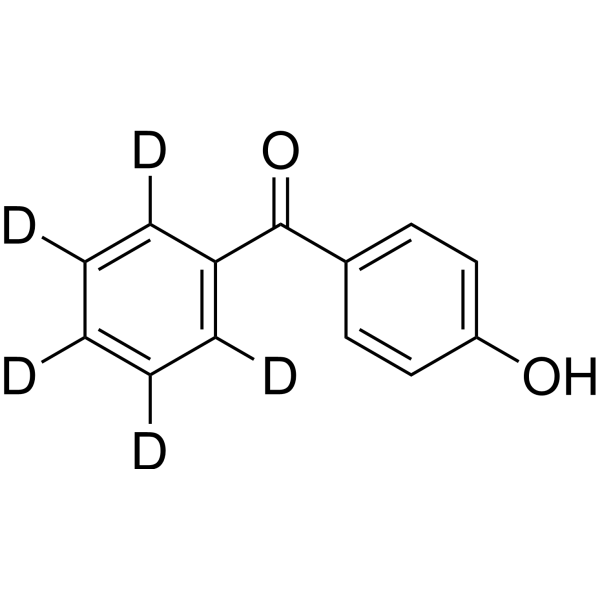
4-Hydroxybenzophenone-d5
 0 ImagesSynonyms: 4HBP-d5
4-Hydroxybenzophenone-d5 (4HBP-d5) is the deuterated-labeled 4-Hydroxybenzophenone (HY-W014937). 4‑Hydroxybenzophenone (4HBP) is a major metabolite of Benzophenone (HY-Y0546) and is orally active. 4-Hydroxybenzophenone triggers endoplasmic reticulum stress and activates the PERK-eIF2α-ATF4-CHOP and IRE1α-XBP1s pathways, and inhibits IκB translation. 4-Hydroxybenzophenone induces endoplasmic reticulum stress, unfolded protein response activation, protein homeostasis imbalance, protein aggregation, oxidative stress, ROS accumulation, mitochondrial membrane potential decrease, ATP depletion, and cytotoxicity. 4-Hydroxybenzophenone induces neural stem cell apoptosis (apoptosis) and affects neuronal differentiation. 4-Hydroxybenzophenone promotes malignant proliferation of hepatocellular carcinoma cells and xenograft tumor growth in nude mice. 4-Hydroxybenzophenone can be used in research related to neurodevelopmental toxicity and hepatocellular carcinoma.

-
SMU-C409
 0 ImagesCat. No.: HY-180580CAS No.: 3113739-61-7
SMU-C409 is a TLR1/2 agonist with an EC50 of 65 nM in HEK-Blue hTLR2 Cells. SMU-C409 activates the TLR1/2–MyD88–NF-κB pathway, inducing TNF-α/IL-1β secretion and robust immune cell activation for antitumor immunomodulation. SMU-C409 shows low toxicity in virto. SMU-C409 can be used for cancer immunotherapy research.
-
GSK2245035 maleate
 0 ImagesCat. No.: HY-118250ACAS No.: 1325212-97-2
GSK2245035 maleate is a highly potent and selective intranasal Toll-Like receptor 7 (TLR7) agonist with preferential Type-1 interferon (IFN)-stimulating properties. GSK2245035 maleate has pEC50s of 9.3 and 6.5 for IFNα and TFNα. GSK2245035 maleate effectively suppresses allergen-induced Th2 cytokine production in human peripheral blood cell cultures. GSK2245035 maleate is used for asthma.
-
ASP8374
 0 ImagesCat. No.: HY-P991393

-
4-Hydroxybenzophenone-d4
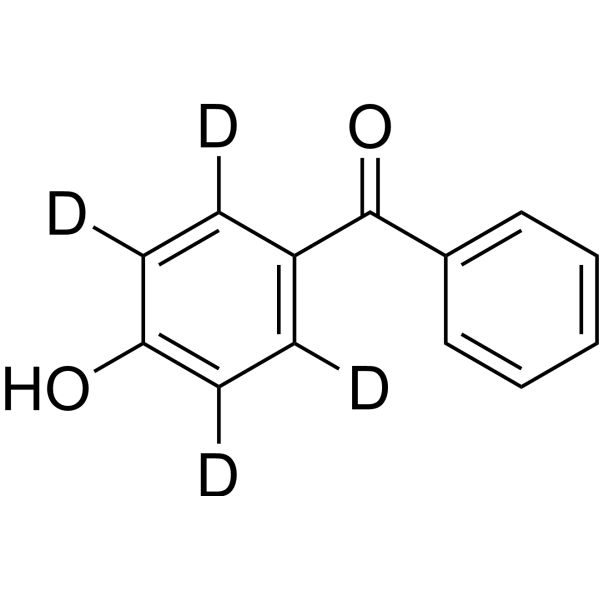 0 ImagesCat. No.: HY-W014937SCAS No.: 93496-64-1Synonyms: 4HBP-d4
4-Hydroxybenzophenone-d4 (4HBP-d4) is the deuterated-labeled 4-Hydroxybenzophenone (HY-W014937). 4‑Hydroxybenzophenone (4HBP) is a major metabolite of Benzophenone (HY-Y0546) and is orally active. 4-Hydroxybenzophenone triggers endoplasmic reticulum stress and activates the PERK-eIF2α-ATF4-CHOP and IRE1α-XBP1s pathways, and inhibits IκB translation. 4-Hydroxybenzophenone induces endoplasmic reticulum stress, unfolded protein response activation, protein homeostasis imbalance, protein aggregation, oxidative stress, ROS accumulation, mitochondrial membrane potential decrease, ATP depletion, and cytotoxicity. 4-Hydroxybenzophenone induces neural stem cell apoptosis (apoptosis) and affects neuronal differentiation. 4-Hydroxybenzophenone promotes malignant proliferation of hepatocellular carcinoma cells and xenograft tumor growth in nude mice. 4-Hydroxybenzophenone can be used in research related to neurodevelopmental toxicity and hepatocellular carcinoma.
-
Murabutide
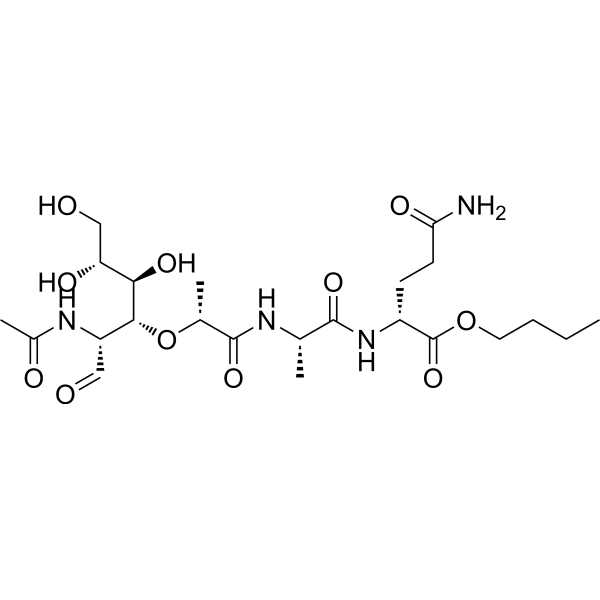 0 ImagesCat. No.: HY-106055CAS No.: 74817-61-1
Murabutide is an immunomodulator and also a NOD2 receptor agonist. Murabutide enhances the signal transduction of ATR and NOD2, mediates the activation of the DDR pathway, and thereby repairs radiation-induced DNA double-strand breaks. Murabutide inhibits radiation-induced cell apoptosis and protects cells and mice from radiation-induced toxic damage. Murabutide induces the expression and DNA-binding activity of Oct-1 in macrophages, thereby inhibiting the transcription and replication of HIV-1. Murabutide reduces the expression levels of CD4 and CCR5 on the surface of macrophages, and induces the secretion of β-chemokines, TNF-α and IL-6. Murabutide enhances non-specific viral resistance and targets reticuloendothelial cells. Murabutide can be used in research related to radiation-induced damage and human immunodeficiency virus type 1 infection.
-
2-O-Methyl PAF C-16
 0 ImagesCat. No.: HY-134070CAS No.: 78858-44-3Synonyms: ET-18-O-OCH3
2-O-Methyl PAF C-16 (ET-18-O-OCH3), a structural analog of the mediator of inflammation platelet-activating factor (PAF), is a cytotoxic ether lipid. 2-O-Methyl PAF C-16 stimulates TNF-α release in murine macrophages.
-
CRX 527
 0 ImagesCat. No.: HY-155801CAS No.: 216014-14-1
CRX 527 is a TLR4 agonist. CRX 527 activates the MyD88-dependent, TRIF-dependent, and TRAF6/NF-κB signaling pathways downstream of TLR4, mimics lipid A, and regulates antigen processing and presentation by dendritic cells. CRX 527 stimulates innate immune responses and enhances vaccine efficacy. CRX 527 maintains the structural integrity of hematopoietic tissues, spleen and intestine, alleviates radiation-induced damage, preserves intestinal homeostasis, and inhibits apoptosis, inflammatory responses, oxidative stress and DNA damage. CRX 527 can be used in the research of acute radiation syndrome, melanoma, HPV-related tumors and intracerebral hemorrhage.
-
LY 303511 dihydrochloride
 0 ImagesCat. No.: HY-15643BCAS No.: 854127-90-5
LY 303511 dihydrochloride is a structural analogue of LY294002. LY 303511 dihydrochloride does not inhibit PI3K. LY 303511 dihydrochloride enhances TRAIL sensitivity of SHEP-1 neuroblastoma cells. LY 303511 dihydrochloride reversibly blocks K+ currents (IC50=64.6±9.1 μM) in MIN6 insulinoma cells.
-
VTX-0811
 0 ImagesCat. No.: HY-P991432
VTX-0811 is a human IgG4 monoclonal antibody (mAb) targeting PSGL1/CD162. VTX-0811 up-regulates TNF-α/NF-κB and chemokine-mediated signaling and down-regulates oxidative phosphorylation, fatty acid metabolism, and Myc signaling pathways. VTX-0811 increases the proportion of CD8+ T cells among infiltrating T cells. VTX-0811 has antitumor activity in a humanized mouse PDX model of melanoma.
-
D-Trimannuronic acid
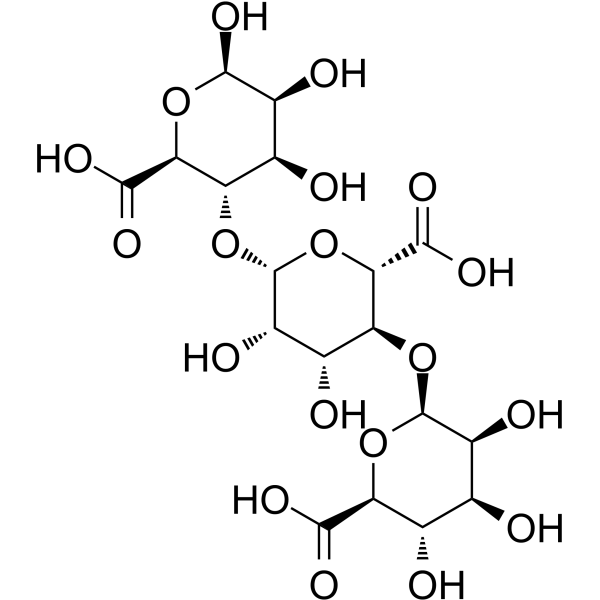 0 ImagesCat. No.: HY-N7699ACAS No.: 66754-13-0
D-Trimannuronic acid, an alginate oligomer is extracted from seaweed. D-Trimannuronic acid can induce TNF‐α secretion by mouse macrophage cell lines. D-Trimannuronic acid can be used for the research of pain and vascular dementia.
-
JR4-187
 0 ImagesCat. No.: HY-182241CAS No.: 2446965-01-9
JR4-187 is an orally active, copper-dependent anticancer agent. JR4-187 downregulates genes involved in oxidative phosphorylation, MYC targets and E2F targets in cancer cells, while upregulates genes involved in the TNF-α signaling pathway, p53 pathway and KRAS signaling pathway, and downregulates CTR1 protein. JR4-187 induces ROS production, apoptosis, copper-dependent cytotoxicity, and exhibits selective cytotoxicity against KRAS-mutant cancer cells. JR4-187 is well tolerated in mouse models of pancreatic cancer. JR4-187 can be used in research related to cancers such as pancreatic ductal adenocarcinoma, colon cancer and rectal cancer.
-
Antitumor agent-19
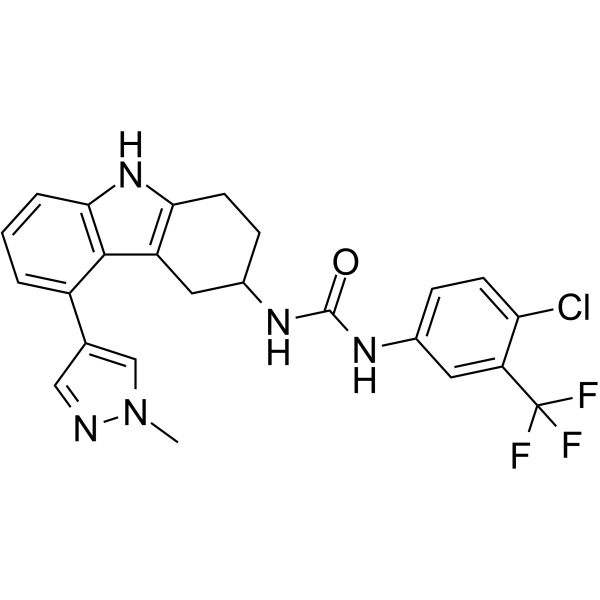 0 ImagesCat. No.: HY-128776CAS No.: 2379727-90-7
Antitumor agent-19 is an antitumor agent that targets tumor-associated macrophages (TAMs) and can be used as a potent TAMs modulator. Antitumor agent-19 can increase TNF-alpha levels in tumor cells with EC50 values???of 17.18 μM and 18.87 μM in RAW 264.7 cells and BMDM cells, respectively.
-
ODE-(S)-HPMPA formate
 0 ImagesCat. No.: HY-173595CAS No.: 3032979-17-9
ODE-(S)-HPMPA formate is an antiviral compound with strong inhibitory activity against poxviruses and adenoviruses. ODE-(S)-HPMPA formate activates TNF-α secretion.
-
Arecaidine hydrochloride (Standard)
 0 ImagesCat. No.: HY-N2368ARCAS No.: 6018-28-6
Arecaidine hydrochloride (Standard) is the analytical standard of Arecaidine hydrochloride (HY-N2368A). This product is intended for research and analytical applications. Arecaidine hydrochloride is a GABA transport system inhibitor. Arecaidine hydrochloride inhibits the proliferation of oral mucosal fibroblasts, increases the secretion of IL-6, TGF-β and TNF-α in cells, downregulates the expression of PPAR-γ and PCK1 in cells, and upregulates the expression of TGF-β1. Arecaidine hydrochloride inhibits the uptake of γ-aminobutyric acid and β-alanine by the central nervous system of cats. Arecaidine hydrochloride inhibits hPAT1-mediated L-[3H]proline uptake in cells. Arecaidine hydrochloride can be used in research related to neurological diseases.
-
LY 303511
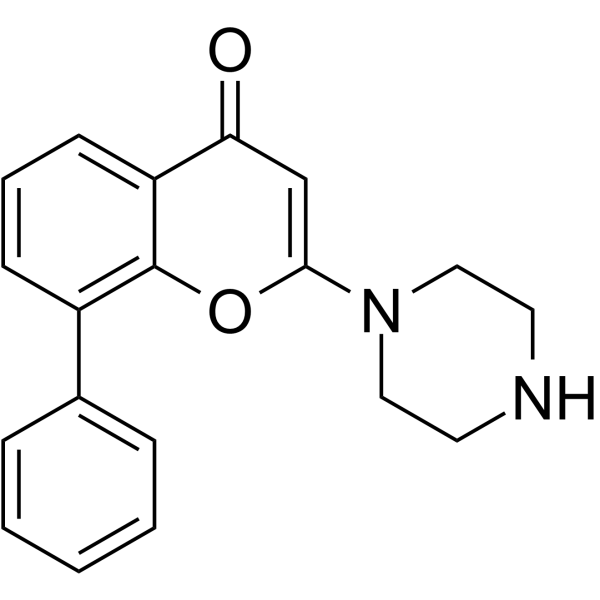 0 ImagesCat. No.: HY-15643CAS No.: 154447-38-8
LY303511 is a structural analogue of LY294002. LY303511 does not inhibit PI3K. LY303511 enhances TRAIL sensitivity of SHEP-1 neuroblastoma cells. LY303511 reversibly blocks K+ currents (IC50=64.6±9.1 μM) in MIN6 insulinoma cells.
-
1,2-DLPC (Standard)
 0 ImagesCat. No.: HY-107737RCAS No.: 18194-25-7Synonyms: 1,2-Dilauroyl-sn-glycero-3-phosphocholine (Standard)
1,2-DLPC (Standard) is the analytical standard of 1,2-DLPC (HY-107737). This product is intended for research and analytical applications. 1,2-DLPC (1,2-Dilauroyl-sn-glycero-3-phosphocholine) is a ligand for LRH-1 agonists. 1,2-DLPC is a phospholipid used in the synthesis of liposomes. 1,2-DLPC enhances fat breaKdown and apoptosis in fat cells through a TNFα-dependent pathway, while also inhibiting palmitate-induced insulin resistance through PPARα-mediated inflammation in muscle cells.
-
γ-Hexalactone (Standard)
 0 ImagesCat. No.: HY-W015892RCAS No.: 695-06-7Synonyms: γ-Caprolactone (Standard)
γ-Hexalactone (Standard) is the analytical standard of γ-Hexalactone (γ-Caprolactone) (HY-W015892). This product is intended for research and analytical applications. γ-Hexalactone is a gamma-lactone found in ripe fruits. γ-Hexalactone induces DNA damage in human lymphocytes and HepG2 cells, modulates cytokine secretion in human lymphocytes, and reduces recombinant PON1 activity. γ-Hexalactone serves as a dose-dependent oviposition inhibitor against Bactrocera oleae. γ-Hexalactone can be used for the research of Bactrocera oleae pest management.



