VEGFR
Vascular endothelial growth factor receptor
VEGFRs consist of three subtypes, the fms-like tyrosine kinase Flt-1 (VEGFR1/Flt-1), the kinase domain region, also referred to as fetal liver kinase (VEGFR2/KDR/Flk-1), and Flt-4 (VEGFR3). Each receptor has seven immunoglobulinlike domains in the extracellular domain, a single transmembrane region, and a consensus tyrosine kinase sequence interrupted by a kinase insert domain. VEGFR1 and 2 are expressed on vascular endothelial cells, whereas VEGFR3 is expressed on lymphatic endothelial. The VEGF family members VEGF-A, -B, -C, -D, -E, and PlGF, and the human immunodeficiency (HIV) Tat protein bind in specific patterns to three related receptor protein tyrosine kinases, VEGFR1, 2, and 3, and induce the formation of homo- and heteromeric receptor complexes. Binding of VEGF to VEGFR causes dimerization and autophosphorylation of the receptor. Intracellular proteins such as VEGFR-associated protein (VRAP), PLC, and Sck that associate with specific tyrosine residues of VEGFR are phosphorylated upon receptor activation. Several signal transduction pathways are activated by the binding of VEGF to its receptor, leading to increased proliferation, survival, permeability, and migration of cells.
VEGFR Isoform Specific Products
All Product Categories
-
VEGFR Inhibitors
(726)
View all products
-
VEGFR Agonists
(7)
View all products
-
VEGFR Antagonists
(6)
View all products
-
VEGFR Activators
(17)
View all products
-
VEGFR Modulators
(6)
View all products
-
VEGFR Chemical
(1)
View all products
-
VEGFR Inducer
(1)
View all products
-
VEGFR Degraders
(6)
View all products
-
VEGFR Ligands
(5)
View all products
-
VEGFR Proteins
(36)
View all products
-
VEGFR-1 Proteins
(10)
View all products
-
VEGFR-3 Proteins
(7)
View all products
-
VEGFR Related Products (823)
Related Products (823)

-
Recombinant Proteins (36)
-
Antibodies (9)
-
VEGFR Isoform Comparison
-
JTE-907
 0 ImagesJTE-907 is a selective and orally active cannabinoid CB2 receptor inverse agonist and exerts anti-inflammatory effects. JTE-907 upregulates IL-6, MCP-1, IL-1β, VEGF, ANGPTL4, and TRPV1 in mature adipocytes. JTE-907 downregulates CB1, MCP-1, and IL-1β in preadipocytes. JTE-907 inhibits ear swelling in mice. JTE-907 reverses the protective effects of CB2 agonists and Anandamide (HY-10863) against cytokine-evoked colonic mucosal damage. JTE-907 can be used for the research of allergic dermatitis, obesity, and colitis.
-
5α-Hydroxycostic acid
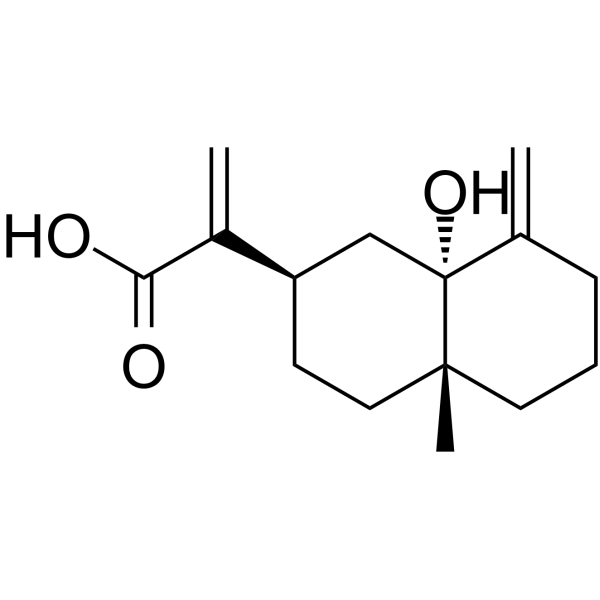 0 ImagesCat. No.: HY-N2666CAS No.: 132185-83-25α-Hydroxycostic acid, a eudesmane-type sesquiterpene, is isolated from the herb Laggera alata. 5α-Hydroxycostic acid inhibits angiogenesis and suppresses breast cancer cell migration through regulating VEGF/VEGFR2 and Ang2/Tie2 pathways.
-
MMPP
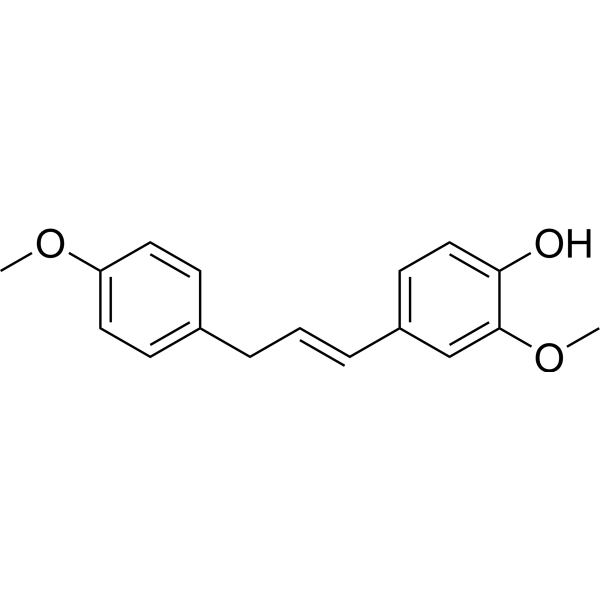 0 ImagesMMPP is an orally active inhibitor of STAT3 and VEGFR2, as well as an activator of PPARγ. MMPP blocks the VEGFR2/AKT/ERK/NF-κB signaling pathway to inhibit angiogenesis. MMPP inhibits ferroptosis and inflammation, and alleviates sepsis-induced myocardial injury. MMPP induces G1-phase cell cycle arrest and apoptosis, and inhibits the growth of non-small cell lung cancer (NSCLC) and solid tumors. MMPP promotes adipogenesis and glucose uptake. MMPP can be used in research related to NSCLC, type 2 diabetes and myocardial injury.
-
10Z-Hymenialdisine
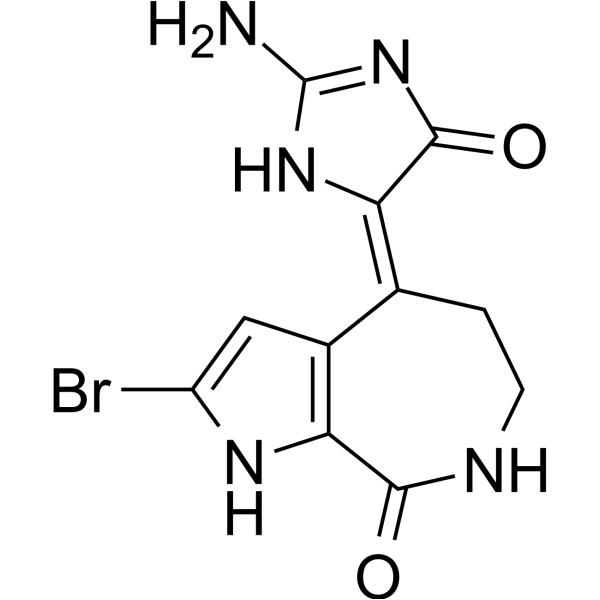 0 ImagesCat. No.: HY-N6794CAS No.: 82005-12-7Synonyms: (Z)-Hymenialdisine; Hymenialdisine10Z-Hymenialdisine ((Z)-Hymenialdisine) is a natural bioactive pyrrole alkaloid. 10Z-Hymenialdisine is a pan kinase inhibitor, and has anticancer activities.
-
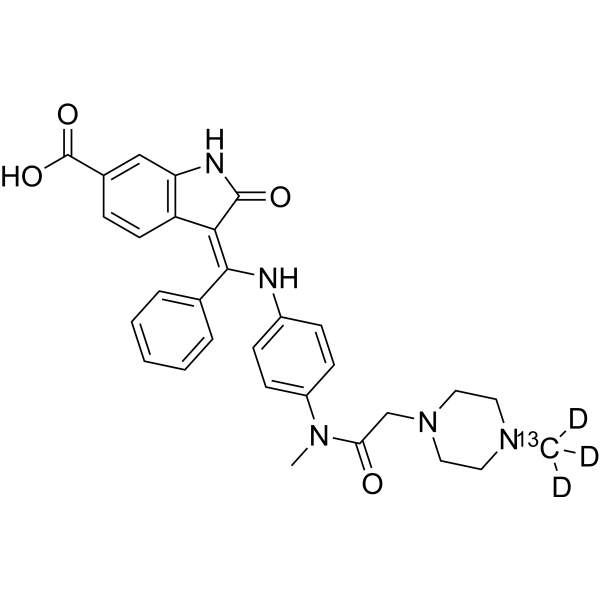
Sorafenib-13C,d3
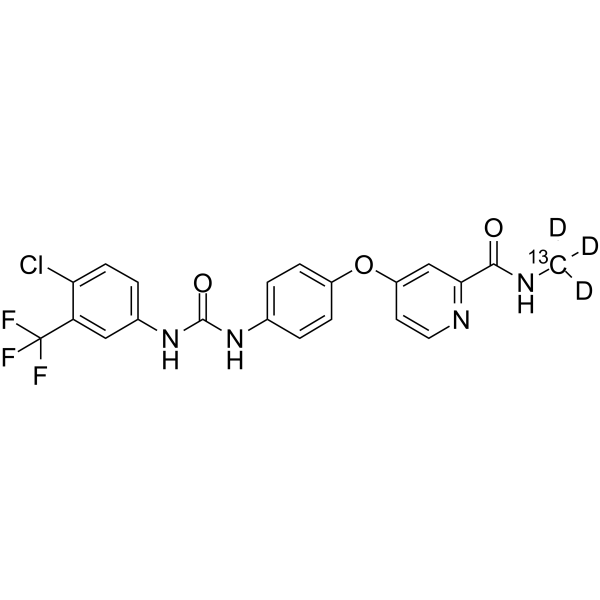 0 ImagesSynonyms: Bay 43-9006-13C,d3Sorafenib-13C,d3 (Bay 43-9006-13C,d3) is the 13C, deuterated-labeled Sorafenib (HY-10201). Sorafenib (Bay 43-9006) is a potent oral active multikinase inhibitor. Sorafenib blocks autophosphorylation and activity of receptor tyrosine kinases (VEGFR-2, VEGFR-3) and RAF family kinases, thereby suppressing the RAF/MEK/ERK and PI3K/Akt pathways, inhibiting STAT3 phosphorylation, and selectively inhibiting the MAPK pathway in cancer cells. Sorafenib induces cell cycle arrest, autophagy, apoptosis, and PARP cleavage, reduces Bcl-2, Bcl-XL, cyclin D1 levels, and activates Bak and Bax. Sorafenib inhibits tumor growth and metastasis in mouse and rat models. Sorafenib can be used for cancer research, such as colon, breast, non-small-cell lung cancer (NSCLC), ovarian, pancreatic, melanoma, colorectal and hepatocellular carcinoma.
-
JK-P3
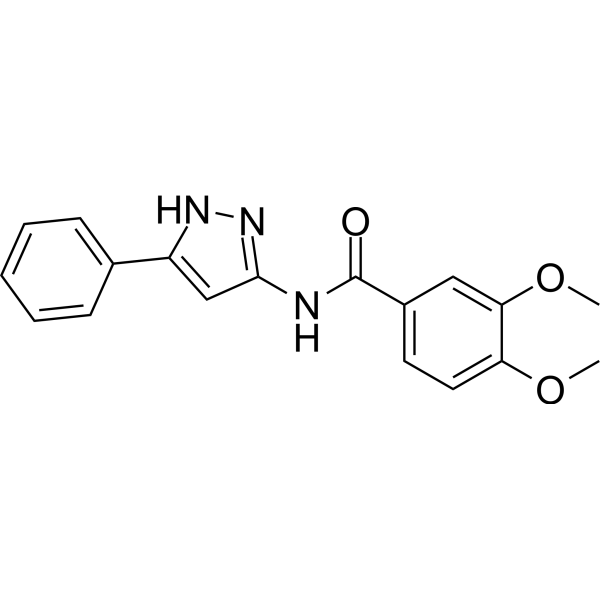 0 ImagesJK-P3 is a potent and pan VEGFR2 inhibitor, with IC50s of 7.83 μM, 27 μM and 5.18 μM for VEGFR2, FGFR1 and FGFR3, respectively. JK-P3 can inhibit VEGF-A-stimulated VEGFR2 activation and intracellular signalling, also inhibits endothelial monolayer wound closure and angiogenesis, as well as fibroblast growth factor receptor kinase activity in vitro. JK-P3 has anti-angiogenic activity.
-
Tafetinib
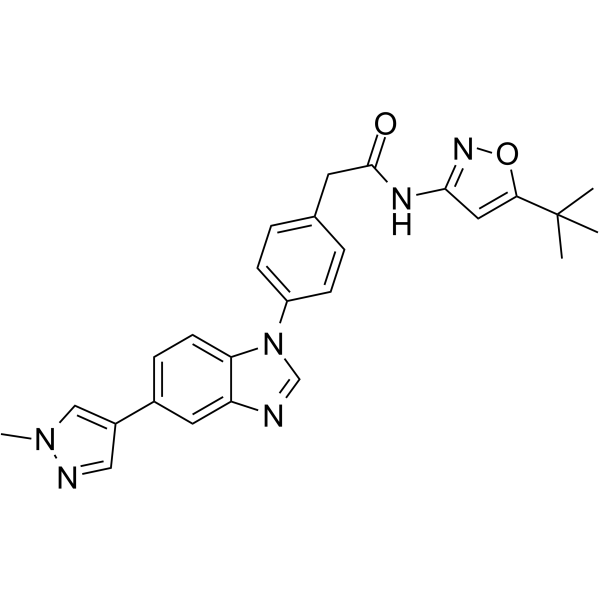
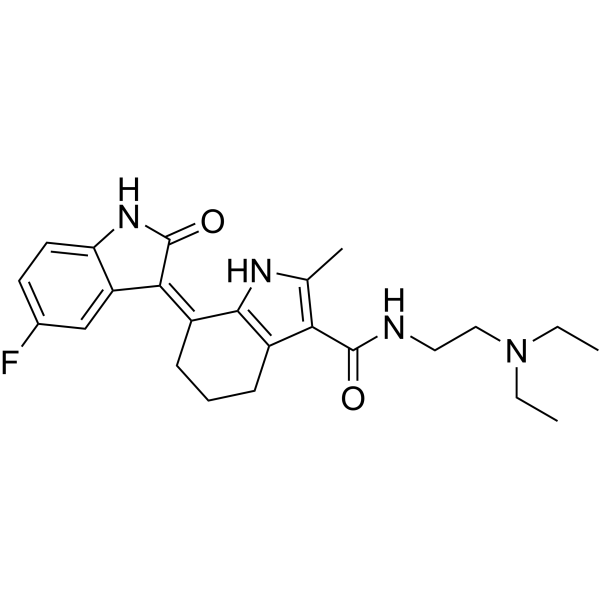 0 ImagesCat. No.: HY-116116CAS No.: 1032265-57-8Synonyms: SIM010603Tafetinib (SIM010603) is an oral multi-targets receptor tyrosine kinases inhibitor. Tafetinib inhibitsstem cell factor receptor (Kit),vascular endothelial growth factor receptor-2 (VEGFR-2),platelet-derived growth factor receptor-β (PDGFR-β),glial cell line-derived neurotrophic factor receptor (Rearranged during Transfection; RET), andFms-like tyrosine kinase-3 (FLT3)withIC50values between 5.0 and 68.1 nmol/l. Tafetinib inhibits the phosphorylation ofPDGFR-βandVEGFR-2. Tafetinib inhibits endothelial cell proliferation, endothelial cells chemotaxis, and corneal angiogenesis.
-
Murine Thrombin
 0 ImagesCat. No.: HY-114164GCAS No.: 9002-04-4Murine Thrombin is a murine serine protease that plays a central role in blood coagulation. Murine Thrombin stimulates macrophages to polarize into a unique phenotype characterized by anti-inflammatory and pro-repair properties. Murine Thrombin activates PAR1, induces the production of MCP-1, MMP3 and VEGF in mouse intervertebral discs, and causes degradation of the cartilage matrix and destruction of intervertebral disc structure. Murine Thrombin activity increases significantly in paraoxon-induced status epilepticus.

-
Naphazoline
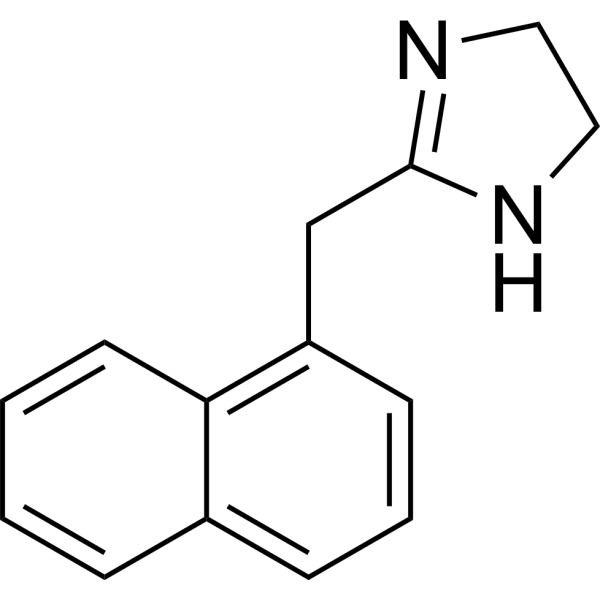 0 ImagesNaphazoline (Naphthazoline) is a potent α-adrenergic receptor agonist. Naphazoline reduces vascular hyperpermeability and promotes vasoconstriction. Naphazoline reduces the levels of inflammatory factors (TNF-α, IL-1β and IL-6), cytokines (IFN-γ and IL-4), IgE, GMCSF, and NGF. Naphazoline can be used for non-bacterial conjunctivitis research.
-
LY3022856
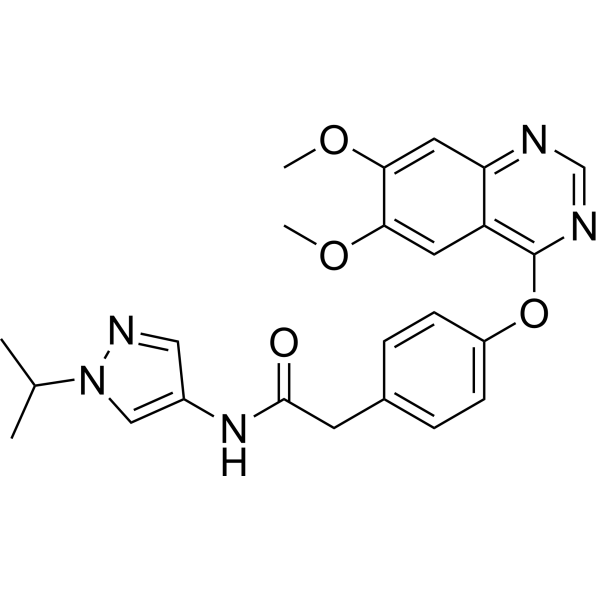
 0 ImagesCat. No.: HY-P990620Purity: 98.84%

-
EVT801
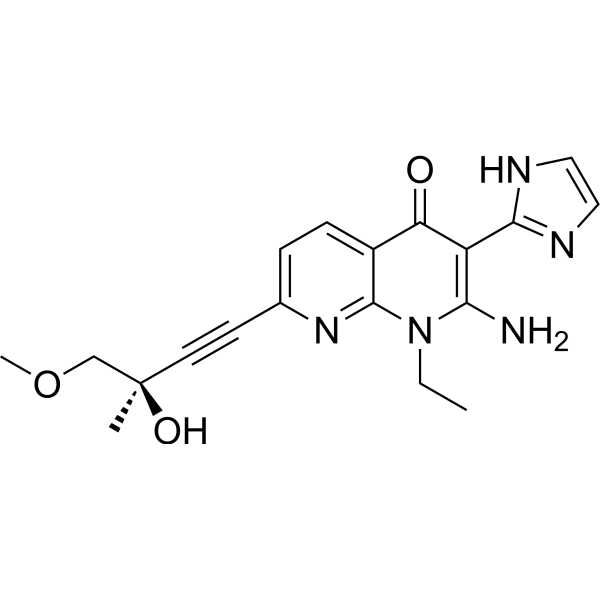 0 ImagesCat. No.: HY-152293CAS No.: 1412453-70-3EVT801 is an orally active and selective inhibitor of VEGFR-3 (IC50=11 nM), which has antitumor effects. EVT801 inhibits not only VEGF-C-induced human endothelial cell proliferation, but also tumor (lymphatic) angiogenesis in tumor mouse models. EVT801 can reduce tumor hypoxia, immunosuppressive cytokines (CCL4, CCL5) and myeloid derived suppressor cells (MDSC) production. EVT801 has synergistic effect with immune checkpoint therapy (ICT), which improves ICT response rate and has better inhibitory effect on cancer mouse models. EVT801 is a click chemistry reagent, it contains an Alkyne group and can undergo copper-catalyzed azide-alkyne cycloaddition (CuAAc) with molecules containing Azide groups.
-
Darlifarnib
 0 ImagesCat. No.: HY-172423CAS No.: 3065226-39-0Synonyms: KO-2806Darlifarnib (KO-2806) is an orally active farnesyl transferase inhibitor. Darlifarnib inhibits the mTORC1 signaling pathway, thereby enhancing the anti-angiogenic properties of tyrosine kinase inhibitors. When used in combination with anti-VEGFR tyrosine kinase inhibitors, Darlifarnib promotes renal cell carcinoma tumor regression and inhibits tumor neovascularization. Darlifarnib sensitizes renal cell carcinoma tumors that progress after anti-VEGFR TKI treatment.