



iGluR
Ionotropic glutamate receptors
iGluR (ionotropic glutamate receptor) is a ligand-gated ion channel that is activated by the neurotransmitter glutamate. iGluR are integral membrane proteins compose of four large subunits that form a central ion channel pore. Sequence similarity among all known glutamate receptor subunits, including the AMPA, kainate, NMDA, and δ receptors.
AMPA receptors are the main charge carriers during basal transmission, permitting influx of sodium ions to depolarise the postsynaptic membrane. NMDA receptors are blocked by magnesium ions and therefore only permit ion flux following prior depolarisation. This enables them to act as coincidence detectors for synaptic plasticity. Calcium influx through NMDA receptors leads to persistent modifications in the strength of synaptic transmission.
iGluR Isoform Specific Products
All Product Categories
-
iGluR Inhibitors
(133)
View all products
-
iGluR Agonists
(127)
View all products
-
iGluR Antagonists
(348)
View all products
-
iGluR Activators
(36)
View all products
-
iGluR Modulators
(93)
View all products
-
iGluR MDM2 Inhibitor
(1)
View all products
-
iGluR Controls
(6)
View all products
-
iGluR Ligands
(3)
View all products
-
iGluR Related Products (830)
Related Products (830)

-
Antibodies (11)
-
iGluR Isoform Comparison
-
L-Phenylalanine-15N
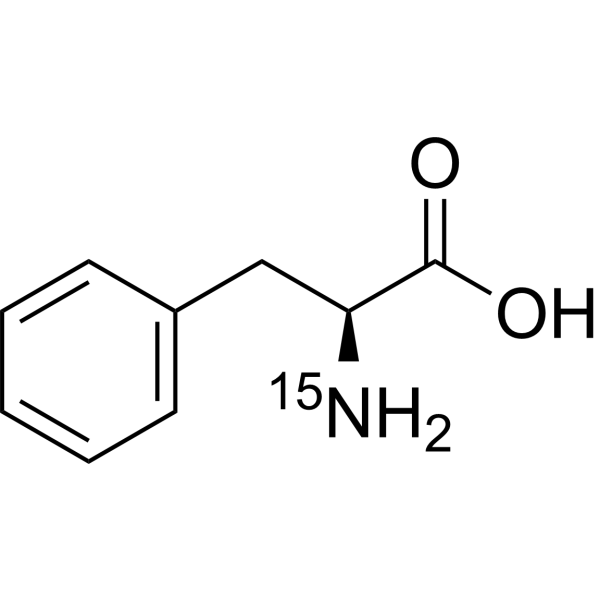 0 ImagesSynonyms: (S)-2-Amino-3-phenylpropionic acid-15NL-Phenylalanine-15N is the 15N-labeled L-Phenylalanine. L-Phenylalanine ((S)-2-Amino-3-phenylpropionic acid) is an essential amino acid isolated from Escherichia coli. L-Phenylalanine is a α2δ subunit of voltage-dependent Ca+ channels antagonist with a Ki of 980 nM. L-phenylalanine is a competitive antagonist for the glycine- and glutamate-binding sites of N-methyl-D-aspartate receptors (NMDARs) (KB of 573 μM ) and non-NMDARs, respectively. L-Phenylalanine is widely used in the production of food flavors and pharmaceuticals.
-
Zelquistinel
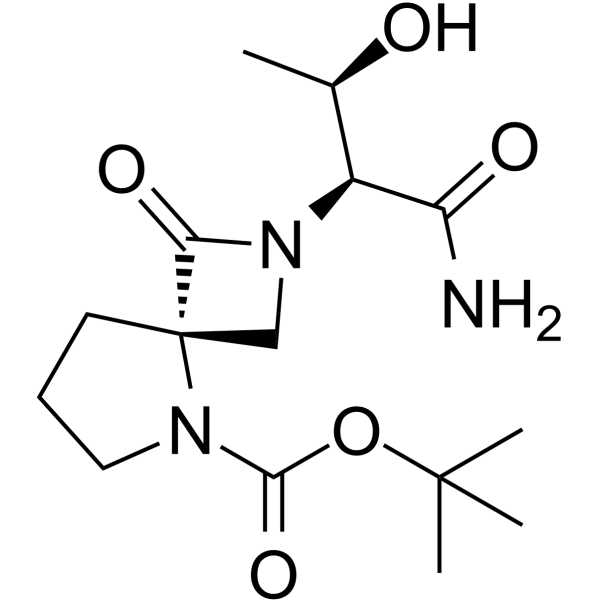 0 ImagesSynonyms: AGN-241751; GATE-251Zelquistinel (AGN-241751) is the orally active N-methyl-D-aspartate (NMDA) receptor partial agonist used for the research of depression, anxiety and other related psychiatric disorders.
-
HBT1
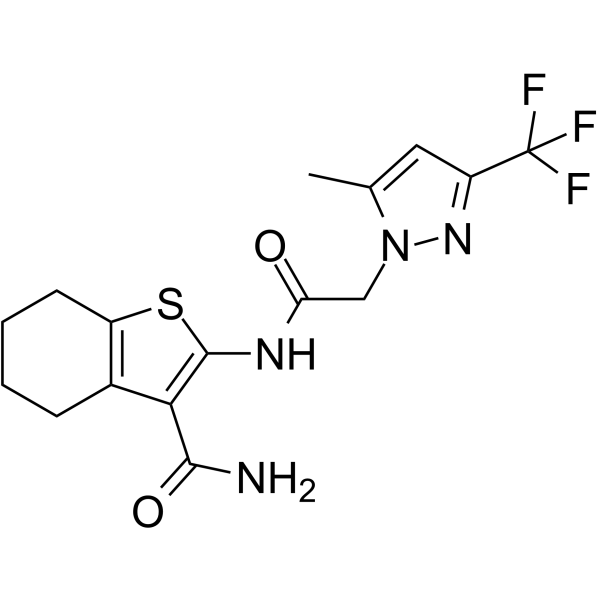 0 ImagesHBT1 is an effective AMPA receptor AMPA-R potentiator. HBT1 specifically binds to the ligand-binding domain (LBD) of AMPAR and enhances receptor activity only when AMPA is present., HBT1 has almost no agonistic effect (i.e., reaching the optimal concentration, and then the efficacy decreases as the concentration continues to increase) compared with traditional AMPA-R potentiator, avoiding the bell-shaped reaction of brain-derived neurotrophic factor (BDNF) production in primary neurons. HBT1 can be applicable to a wider range of neurological and psychiatric diseases (such as depression, Alzheimer's disease, etc.).
-
Ganglioside GQ1b (bovine) sodium
 0 ImagesSynonyms: Tetrasialoganglioside GQ1b sodiumGanglioside GQ1b (Tetrasialoganglioside GQ1b) (bovine) sodium is a central and peripheral nervous system ganglioside and an immunostimulator. Ganglioside GQ1b (bovine) sodium modulates NMDA receptor signaling via ERK1/2, PKA, CREB, NR2A, NR2B, and GSK3β, and increases BDNF expression. Ganglioside GQ1b (bovine) sodium reduces Aβ pathology, tau phosphorylation, and APP levels. Ganglioside GQ1b (bovine) sodium can be used for the research of Alzheimer’s disease.
-
IEM-1460
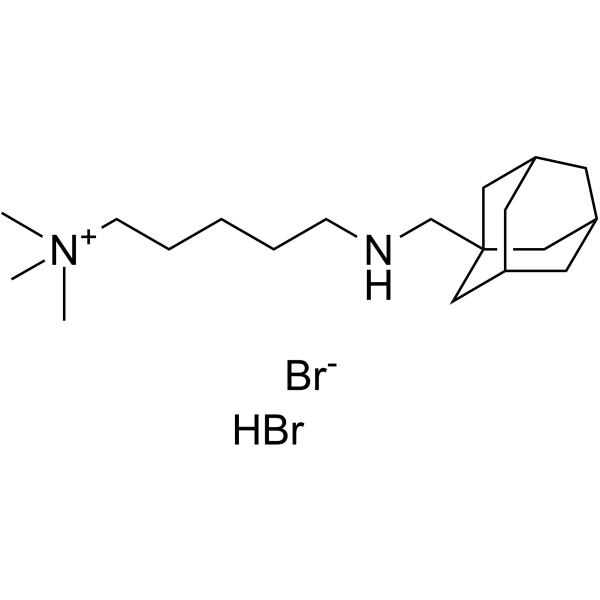 0 ImagesIEM-1460 blocks both AMPA and NMDA glutamate receptor with anticonvulsant effect in vivo.
-
7-Chlorokynurenic acid
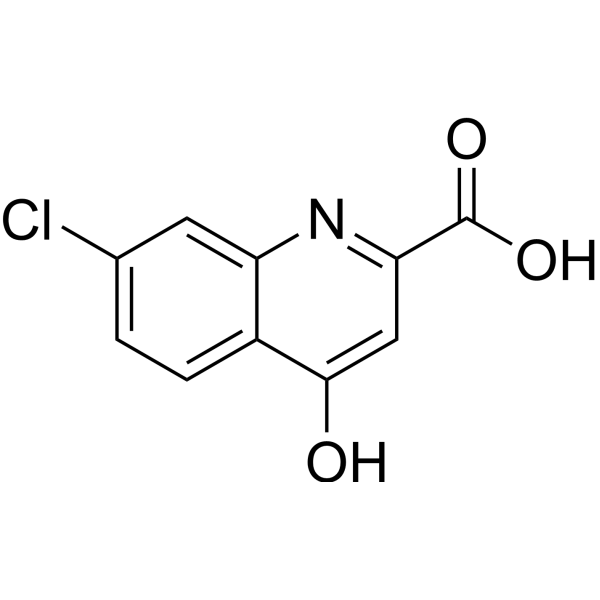 0 ImagesSynonyms: 7-CKA7-Chlorokynurenic acid (7-CKA) is a potent and selective antagonist of the glycine B coagonist site of the N-methyl-D-aspartate (NMDA) receptor (IC50=0.56 μM). 7-Chlorokynurenic acid is also a potent inhibitor of the reuptake of glutamate into synaptic vesicles with a Ki of 0.59 μM. 7-Chlorokynurenic acid has potent antinociceptive actions after neuraxial delivery.
-
FSC231
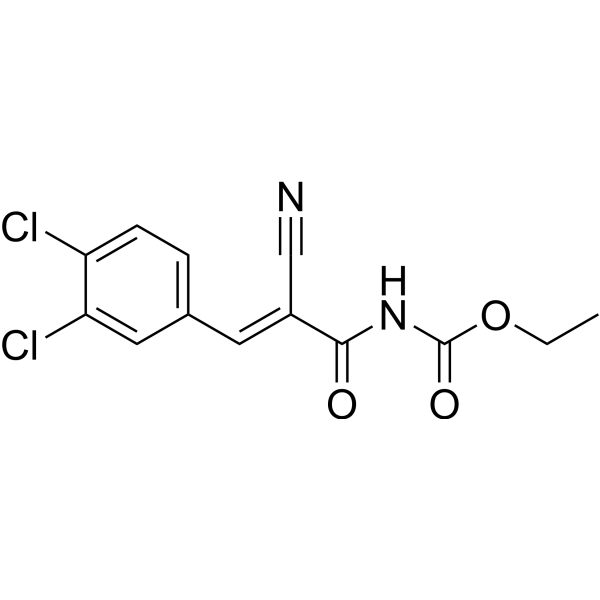 0 ImagesFSC231 is a PSD‐95/DLG/ZO‐1 (PDZ) domain inhibitor of PICK1. FSC231 has analgesic effects.
-
PEPA
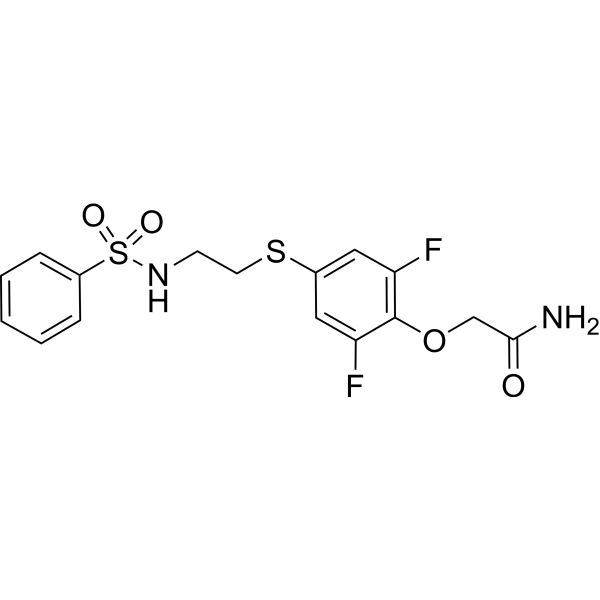 0 ImagesPEPA is an AMPA receptor allosteric potentiator. PEPA shows preferential action of PEPA on the flop form of AMPA receptors. PEPA is a more potent suppressor of desensitization of receptors containing GluR3 and GluR4 as opposed to those containing GluR1. PEPA has antianxiety effects.
-
UBP301 hydrochloride
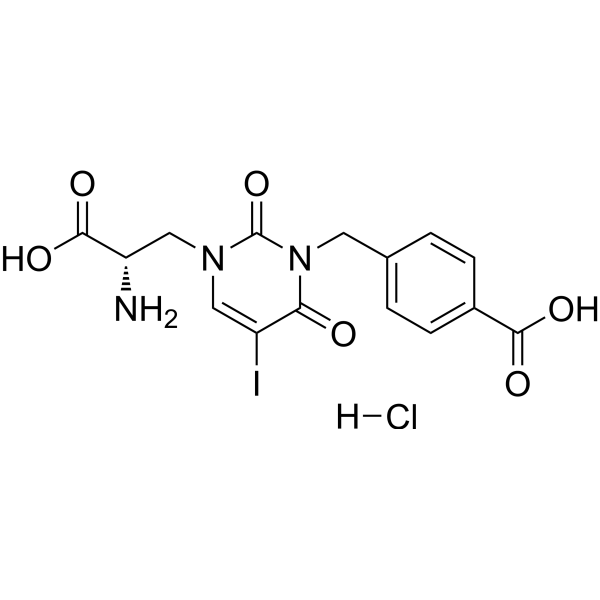 0 ImagesCat. No.: HY-107606AUBP301 hydrochloride is a potent and selective antagonist of kainate receptor with IC50 and KD of 164 μM and 5.94 μM, respectively. UBP301 hydrochloride has ~30-fold selectivity of kainate receptor over AMPA receptor. UBP301 hydrochloride is the derivative of willardiine.
-
cis-Piperidine-2,3-dicarboxylic acid
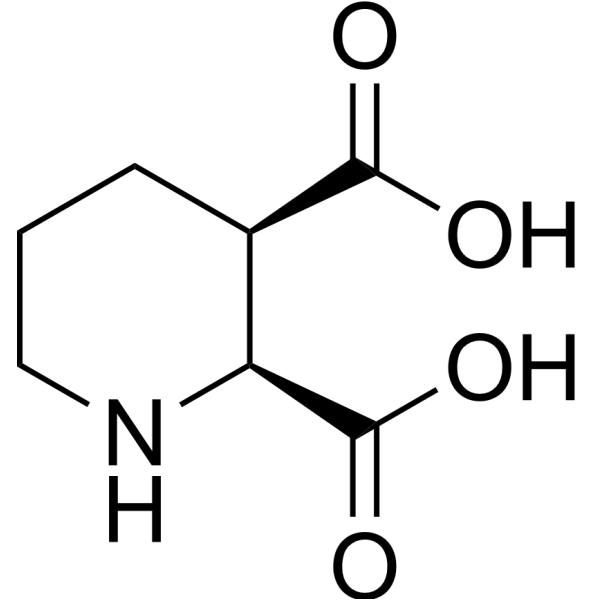 0 ImagesCat. No.: HY-121964CAS No.: 46026-75-9Cis-piperidine-2,3-dicarboxylic acid is a non-specific antagonist of NMDA, AMPA and kainate ionotropic receptors and a partial agonist for NMDA receptors. Cis-piperidine-2,3-dicarboxylic acid can be used in blocking general excitatory synaptic transmissions.
-
L-Glutamic acid-1-13C
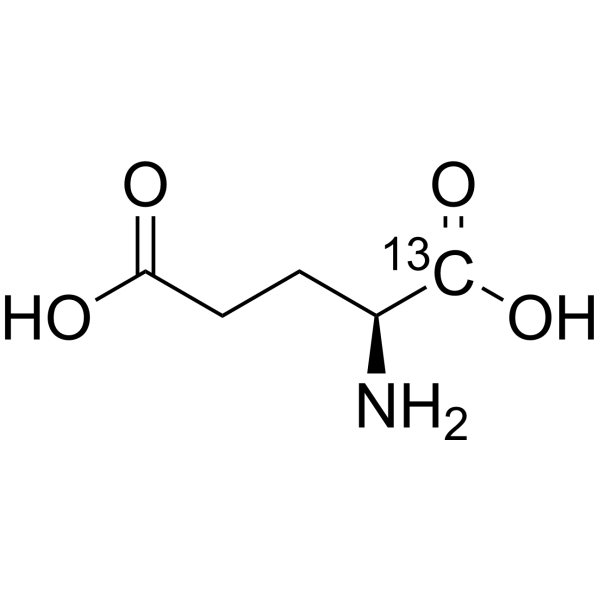 0 ImagesL-Glutamic acid-1-13C is the 13C-labeled L-Glutamic acid. L-Glutamic acid acts as an excitatory transmitter and an agonist at all subtypes of glutamate receptors (metabotropic, kainate, NMDA, and AMPA). L-Glutamic acid shows a direct activating effect on the release of DA from dopaminergic terminals.
-
Creatinine-13C
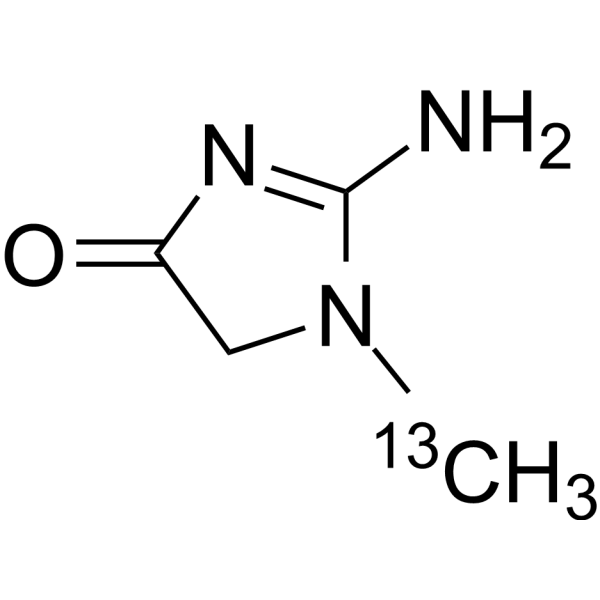 0 ImagesSynonyms: NSC13123-13CCreatinine-13C is the 13C-labeled Creatinine. Creatinine (NSC13123) is an orally active, blood-brain barrier-permeable modulator of GABAA and NMDA receptors, with activities of antioxidation and metabolic regulation. Creatinine is generated via non-enzymatic conversion of creatine and phosphocreatine in muscle. Creatinine serum levels correlate with muscle mass, glomerular filtration rate, and extrarenal clearance, serving as an evaluation biomarker for renal function, muscle mass, and clinical outcomes, and used for perioperative renal risk assessment. In addition, Creatinine can induce specific Cryptococcus species to produce creatinine deiminase and act as their nitrogen source, while it can be secreted via renal tubules. Creatinine is widely used in research related to various diseases such as neurodegenerative diseases, psychiatric disorders, acute kidney injury, chronic kidney disease, and renal failure.
-
Gly-Pro-Glu
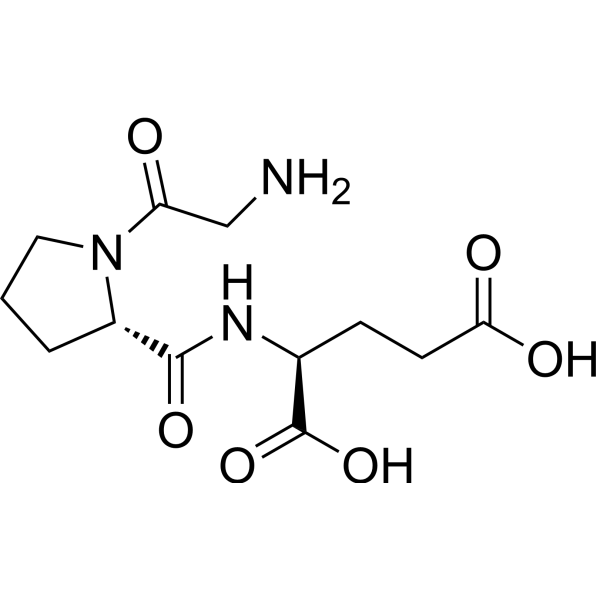 0 ImagesGly-Pro-Glu is a neuroactive peptide with a potent action on acetylcholine release. Gly-Pro-Glu is the N-terminal tripeptide of insulin-like growth factor-I. Gly-Pro-Glu inhibits glutamate binds to N-methyl-D-aspartate (NMDA) receptor with an IC50 value of 14.7 μM. Gly-Pro-Glu can be used for the research of neuroprotection .
-
L-Aspartic acid-13C4,15N
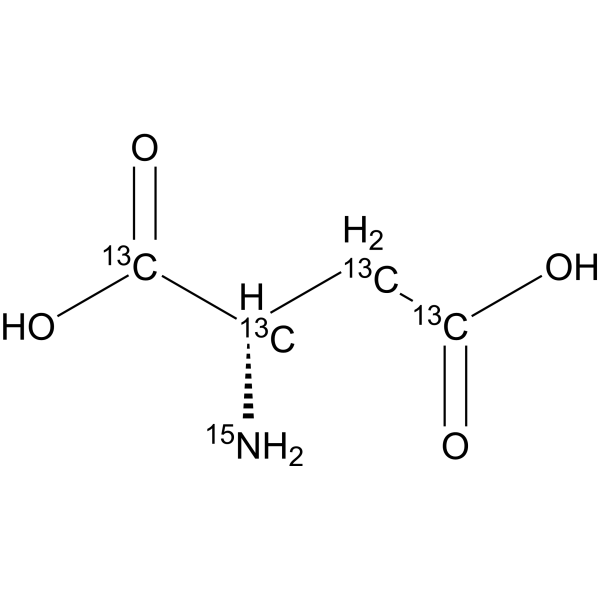 0 ImagesL-Aspartic acid-13C4,15N is the 15N, 13C-labeled L-Aspartic acid (HY-N0666). L-Aspartic acid is a NMDA receptor agonist and acidic amino acid. L-Aspartic acid has no independent analgesic activity. L-Aspartic acid can antagonize the analgesic effects of D-Aspartic acid and Morphine. L-Aspartic acid regulates polymorph transformation, crystal growth/aggregation and nucleation processes of calcium carbonate, and can serve as a biomineralization template. L-Aspartic acid promotes burst firing of central neurons. L-Aspartic acid can be used in studies related to cerebral ischemia and epilepsy.
-
SYM 2081
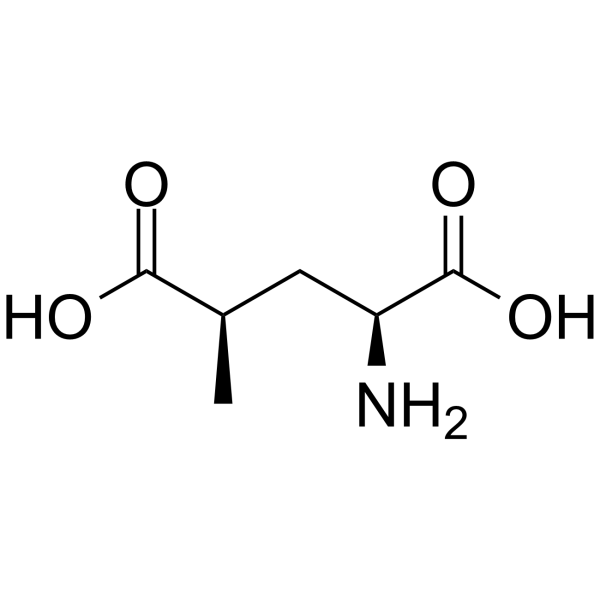 0 ImagesSYM 2081 is a kainate receptor agonist. SYM 2081 is a substrate of EAAT1 (Km of 54 μM). SYM 2081 inhibits EAAT2-mediated glutamate transport (Kb is 3.4 μM in Xenopus oocytes), modulates Apoptotic signaling pathways (increases Bcl-2 and decreases Bax/caspase-3 expression). SYM 2081 exhibits neuroprotective activity. SYM 2081 can be used in the study of hypoxic-ischemic brain damage and inflammatory or neuropathic pain.
-
CIQ
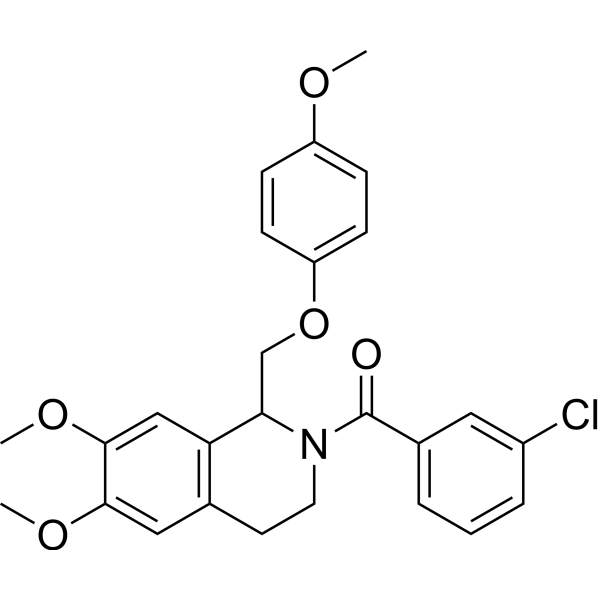 0 ImagesCIQ is a subunit-selective potentiator of NMDA receptors containing the NR2C or NR2D subunit.
-
Dehydroepiandrosterone sulfate sodium-d6
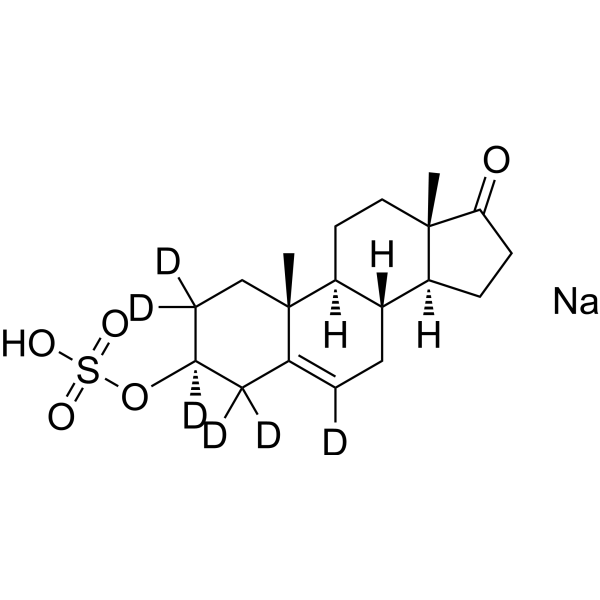 0 ImagesSynonyms: DHEA sulfate sodium-d6; Prasterone sulfate sodium-d6Dehydroepiandrosterone sulfate sodium salt-d6 (DHEA sulfate sodium salt-d6; Prasterone sulfate sodium salt-d6) is the deuterium labeled Dehydroepiandrosterone sulfate sodium salt (HY-B0765). Dehydroepiandrosterone sulfate (DHEA sulfate; Prasterone sulfate) sodium salt is a neurosteroid and the main secretion product of the adrenal gland. Dehydroepiandrosterone sulfate sodium salt has both non-competitive antagonist activity of GABAA receptor and agonist activity of σ1 receptor. Dehydroepiandrosterone sulfate sodium salt can partially penetrate the blood-brain barrier, inhibit GABAA receptor-mediated chloride influx, enhance NMDA receptor activity through σ1 receptors, exert anti-inflammatory, anti-glucocorticoid and antidepressant effects, and increase convulsive sensitivity. Dehydroepiandrosterone sulfate sodium salt participates in neuroprotection, neurite growth regulation and catecholamine secretion regulation, and can be used in the study of depression, post-traumatic stress disorder (PTSD), Alzheimer's disease, etc. Dehydroepiandrosterone sulfate sodium salt may also be a biomarker for cardiovascular disease mortality, and its concentration is independently and negatively correlated with mortality.
-
D-Serine-d3
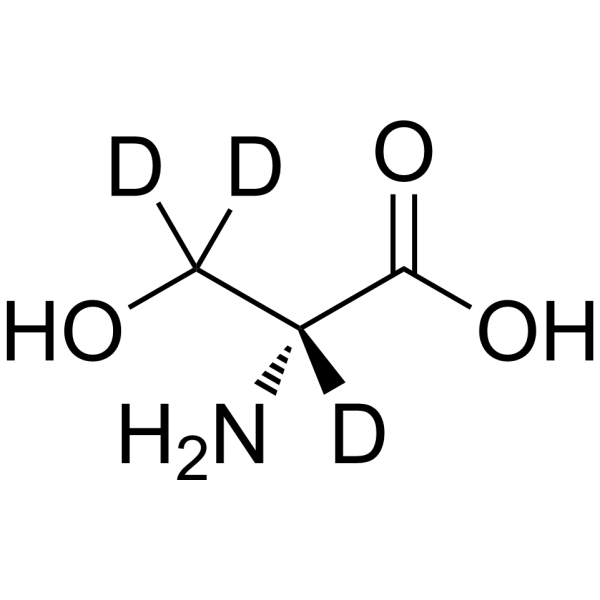 0 ImagesSynonyms: (R)-Serine-d3D-Serine-d3 ((R)-Serine-d3) is a deuterium labeled D-Serine (HY-100808). D-Serine ((R)-Serine), an endogenous amino acid involved in glia-synapse interactions that has unique neurotransmitter characteristics, is a potent co-agonist at the NMDA glutamate receptor. D-Serinee has a cardinal modulatory role in major NMDAR-dependent processes including NMDAR-mediated neurotransmission, neurotoxicity, synaptic plasticity, and cell migration.
-
Decanoic acid-d5
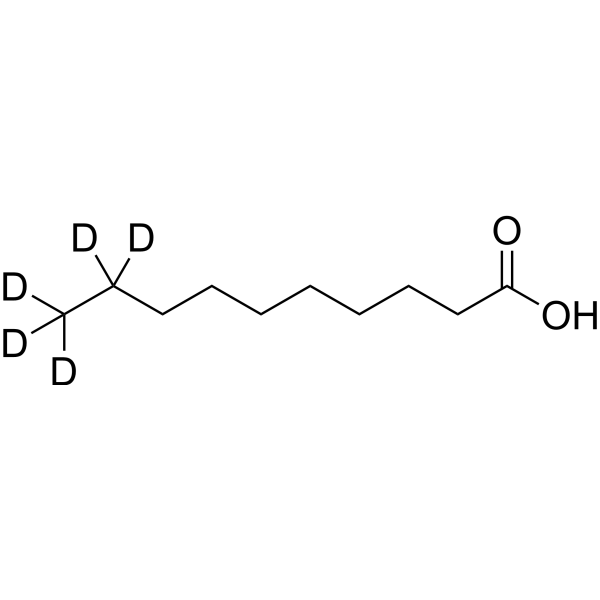 0 ImagesCat. No.: HY-W015309S3CAS No.: 1219803-00-5Decanoic acid-d5 is the deuterium labeled Decanoic acid. Decanoic acid, a component of medium chain triclycerides, is a brain-penetrant and non-competitive inhibitor of AMPA receptor. Decanoic acid has antiseizure effects.
-
AMPA-IN-3
 0 ImagesAMPA-IN-3 is an AMPA receptor inhibitor. AMPA-IN-3 inhibits TARP J2-dependent AMPA receptor activity with a pIC50 value of 10.7. A AMPA-IN-3 can be used for the research of neurological disease.




