



Nuvisertib
Based on 4 publication(s) in Google Scholar
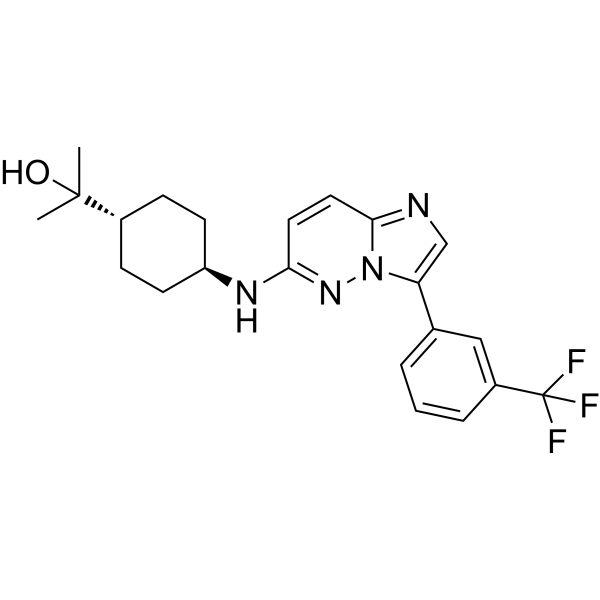
Nuvisertib (TP-3654) is an orally active second-generation pan-PIM kinase inhibitor with Ki values of 5 nM, 239 nM, and 42 nM against PIM-1, PIM-2, and PIM-3, respectively. Nuvisertib inhibits JAK-independent inflammatory and survival signaling pathways, reduces the production of proinflammatory cytokines, restores apoptotic sensitivity, inhibits mTORC1, MYC, and TGF-β signaling pathways, and decreases the expression of fibrosis markers. Nuvisertib selectively impairs the transport function of ABCG2, resensitizes multidrug-resistant cancer cells to cytotoxic drugs, and overcomes JAK2 inhibitor resistance. Nuvisertib can be used in research related to myelofibrosis, renal cell carcinoma, multidrug-resistant cancer, advanced solid tumors, urothelial carcinoma, and prostate adenocarcinoma.
Nur für Forschungszwecke. Wir verkaufen nicht an Patienten.
- Reinheit : 99.96%
- CAS. Nr.: 1361951-15-6
- Formel: C22H25F3N4O
- Molecular Weight:418.46
-
Speicherung:Powder -20°C, 3 years , 4°C, 2 years ; In solvent -80°C, 2 years , -20°C, 1 year

To place orders, for customer services and technical support, please contact: MedChemExpress USA
Tel: 609-228-6898 E-mail: [email protected] [email protected]


-
 Biologische Aktivität
-
Chemical Information
-
Lösungsmittel & Löslichkeit
- Protokoll
- Reinheit & Dokumentation
- Verweise
-
 Help & FAQs


-
HY-15604
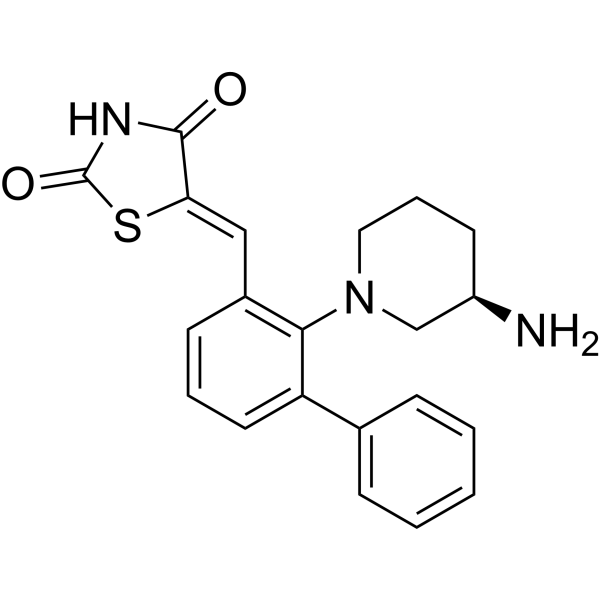
AZD1208PIM Inhibitor -
HY-19322
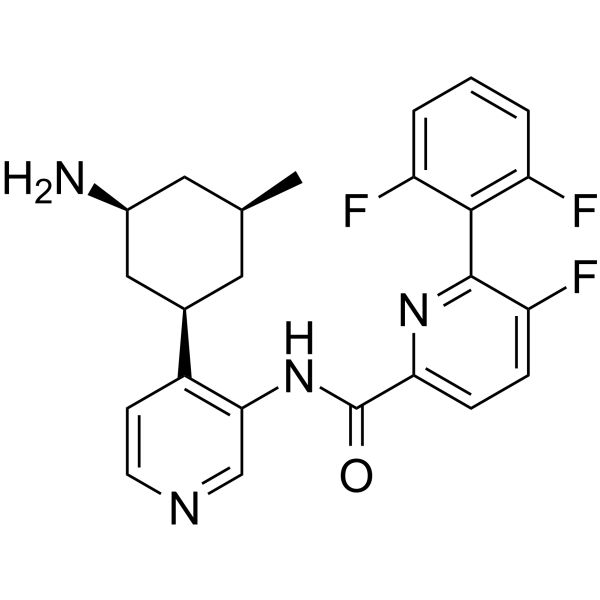
PIM447PIM Kinase Inhibitor -
HY-13287
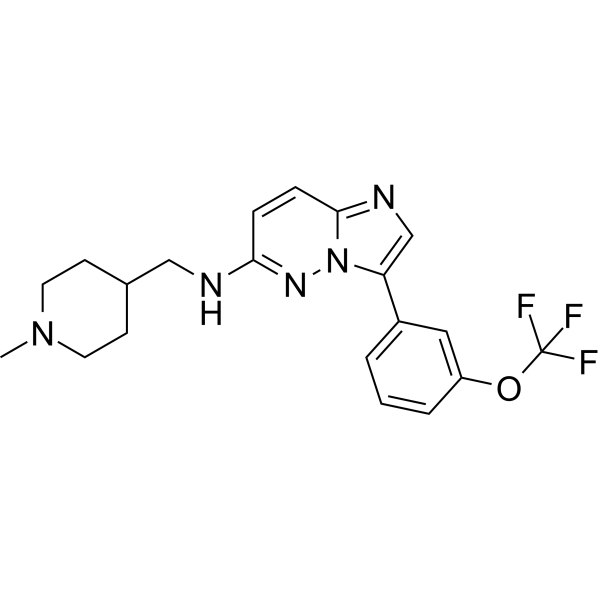
SGI-1776 free basePim/FLT3 Inhibitor -
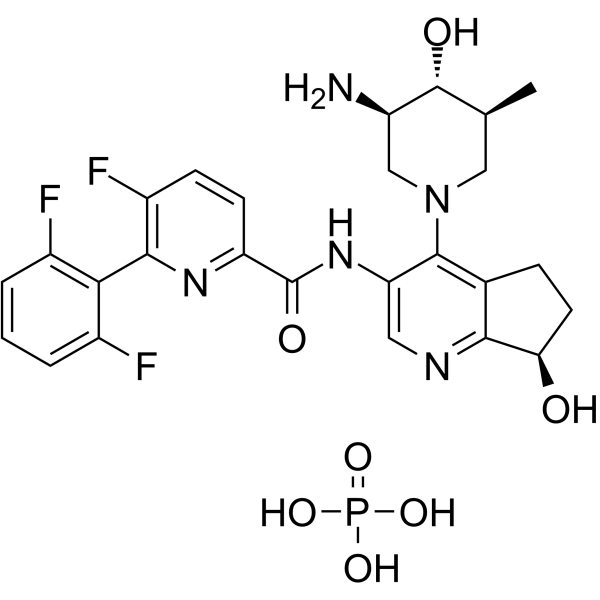
HY-101870B
Uzansertib phosphatePIM Inhibitor -
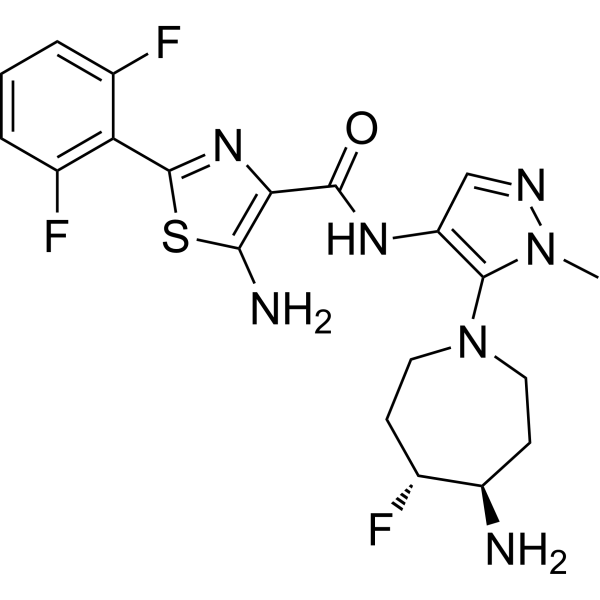
HY-16976
GDC-0339 -
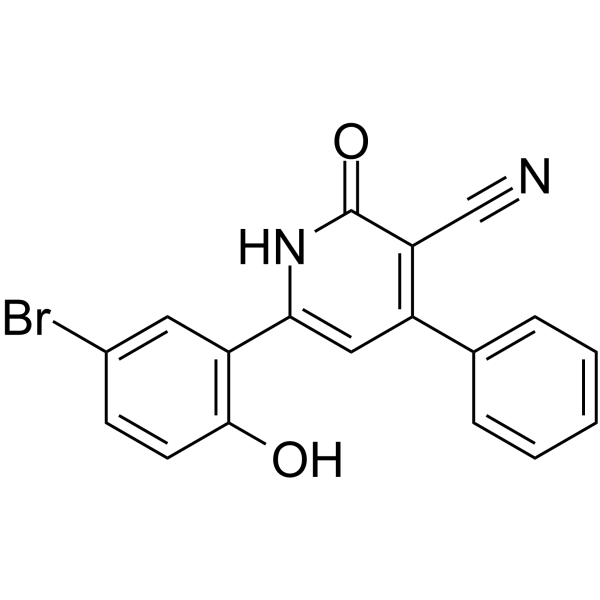
HY-18086
TCS PIM-1 1Pim-1 Inhibitor -
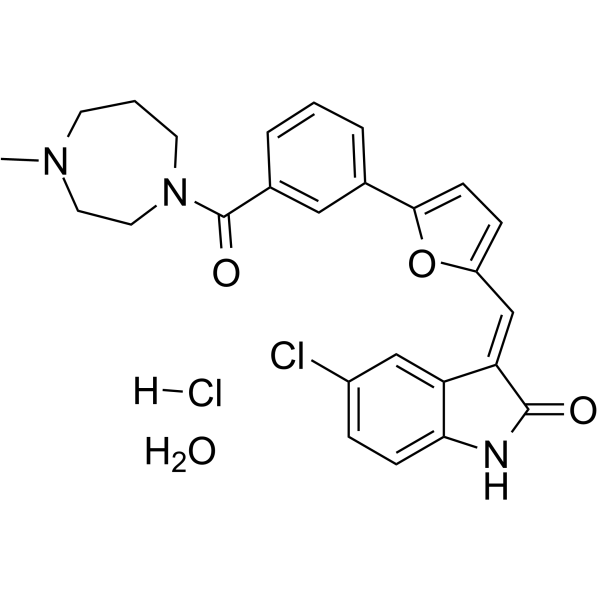
HY-18095A
CX-6258 hydrochloride hydratePim Kinases Inhibitor -
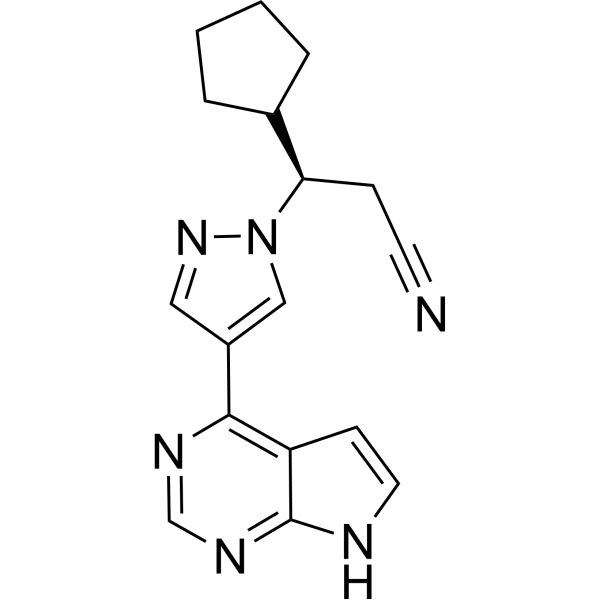
HY-50856
RuxolitinibJAK1/2 Inhibitor -
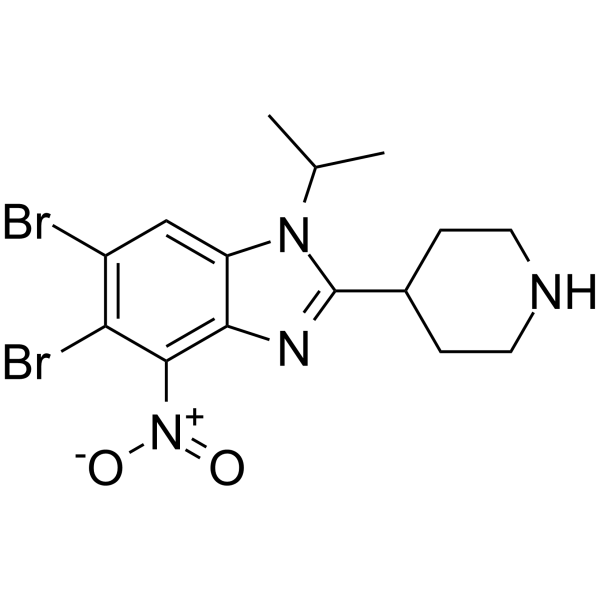
HY-120758
SEL24-B489PIM/FLT3-ITD Inhibitor -
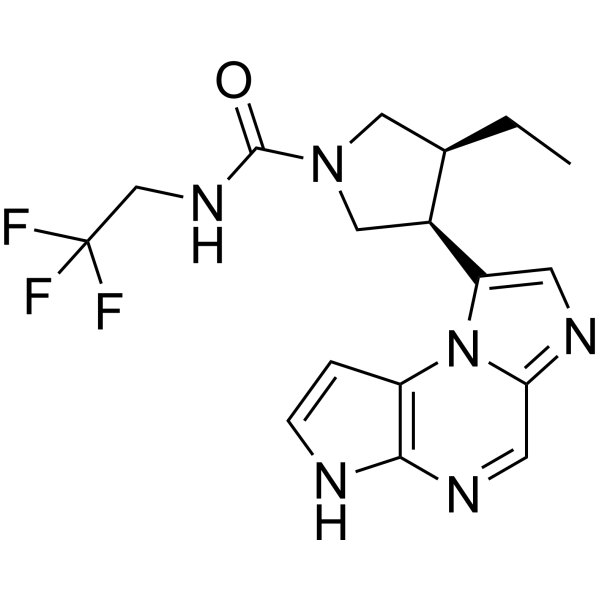
HY-19569
UpadacitinibJAK1 Inhibitor -
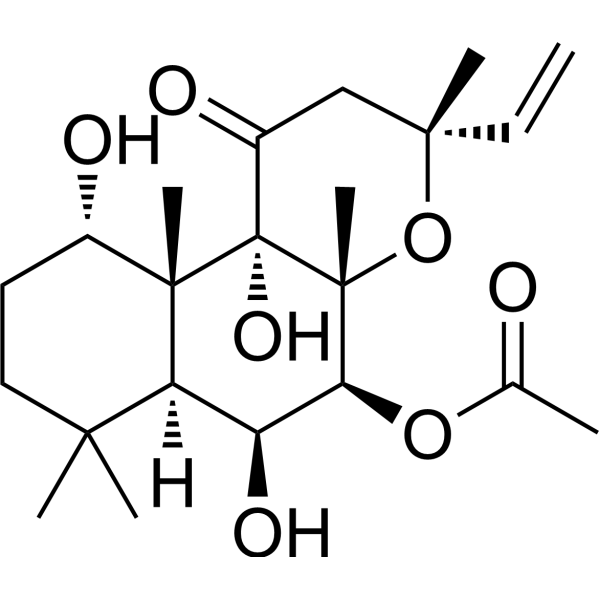
HY-15371
ForskolinAdenylate Cyclase Activator -
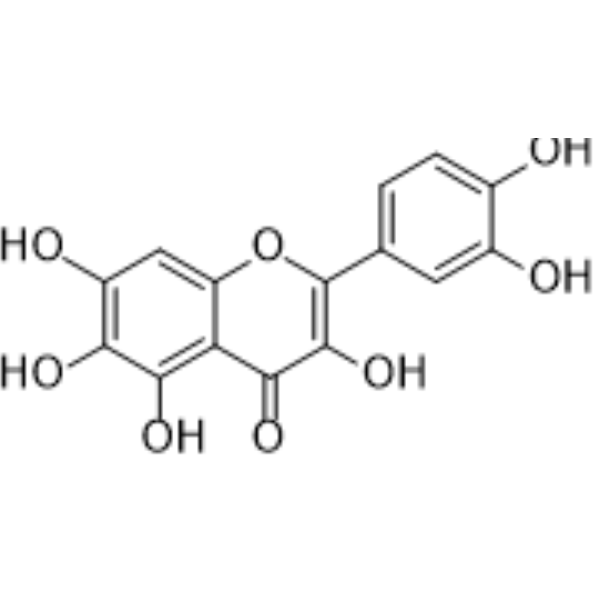
HY-N4149
QuercetagetinPim Inhibitor
Publications Citing Use of MedChemExpress (MCE) Nuvisertib
More Customer Validation & Images

-
WB


Biologische Aktivität
Beschreibung
|
PIM1 5 nM (Ki) |
PIM2 239 nM (Ki) |
PIM3 42 nM (Ki) |
JAK2 |
mTORC1 |
MYC |
TGF-β |
ABCG2 |
In Vitro
Nuvisertib (2.55-34.33 μM; 72 h) is equally cytotoxic to ABCB1-overexpressing KB-V-1, NCI-ADR-RES, MDR19-HEK293 cells; ABCG2-overexpressing S1-M1-80, H460-MX20, R482-HEK293 cells; and their respective drug-sensitive parental cells, with IC50 values ranging from 2.55 to 34.33 μM[6].
Nuvisertib (100-500 nM; 72 h) selectively resensitizes ABCG2-overexpressing S1-M1-80, H460-MX20, and R482-HEK293 cells to ABCG2 substrate drugs Topotecan (HY-13768), SN-38 (HY-13704), and Mitoxantrone (HY-13502) in a concentration-dependent manner, with fold-reversal values ranging from 1.2 to 31.9[6].
Nuvisertib (0-1 μM) selectively inhibits ABCG2-mediated drug efflux in R482-HEK293, S1-M1-80, and H460-MX20 cells with IC50 values of 140 nM, 240 nM, and 200 nM, respectively, and does not affect ABCB1-mediated drug efflux[6].
Nuvisertib (0.1-0.5 μM; 72 h) does not affect ABCG2 protein expression in ABCG2-overexpressing S1-M1-80 or H460-MX20 cancer cells when incubated at concentrations from 0.1 to 0.5 μM for 72 h[6].
Nuvisertib binds to the substrate-binding pocket of human ABCG2 (PDB: 6VXH) with a binding energy of -58.23 kcal/mol, forming hydrophobic interactions and one hydrogen bond with specific amino acid residues[6].
Nuvisertib (0.03-3 μM; 12 h) dose-dependently reduces phospho-BADS112 levels in UM-UC-3 bladder cancer cells without altering phospho-4EBP1Th37/46 levels[7].
Nuvisertib (0.01-100 μM; 6 or 10 days) inhibits colony formation in T24 and UM-UC-3 bladder cancer cells, with average EC50 values of 1.1 μM and 2.2 μM, respectively[7].
Nuvisertib significantly inhibits colony growth of human MPN/MF CD34+ hematopoietic progenitor cells[8].
Nuvisertib (0.25-1.0 μM) potently reduces proliferation and induces apoptosis in JAK2V617F- or MPLW515L-expressing hematopoietic cells (including Ruxolitinib (HY-50856)-resistant cells), while having only modest effects on wild-type JAK2-expressing Ba/F3-EpoR cells[8].
Nuvisertib (30 μM starting concentration with three-fold serial dilutions) does not inhibit hERG potassium channels in CHO cells stably expressing hERG, with an IC50 greater than 30 μM[7].
Nuvisertib (0.1 nM‑100 μM) potently inhibits PIM-1-mediated BAD phosphorylation at serine 112 in transfected HEK-293 cells, with an average EC50 of 67 nM[7].
MedChemExpress (MCE) has not independently confirmed the accuracy of these methods. They are for reference only.
-
Cell Line:KB-3-1, KB-V-1, OVCAR-8, NCI-ADR-RES, S1, S1-M1-80, H460, H460-MX20, pcDNA3.1-HEK293, MDR19-HEK293, R482-HEK293
-
Concentration:2.55-34.33 μM
-
Incubation Time:72 h
-
Result:Exhibited similar cytotoxicity in drug-sensitive parental cells and their ABCB1- or ABCG2-overexpressing multidrug-resistant variants, with IC50 values ranging from 2.55 μM to 34.33 μM.
-
Cell Line:S1-M1-80, H460-MX20, R482-HEK293, S1, H460, pcDNA3.1-HEK293
-
Concentration:100-500 nM
-
Incubation Time:72 h
-
Result:Resensitized ABCG2-overexpressing cells to ABCG2 substrate drugs in a concentration-dependent manner.
Achieved fold-reversal values of 2.1-3.9 for Topotecan, 2.6-5.9 for SN-38, and 3.3-27.0 for Mitoxantrone in S1-M1-80 cells.
Achieved fold-reversal values of 4.6-19.9 for Topotecan, 8.8-31.9 for SN-38, and 1.2-6.5 for Mitoxantrone in H460-MX20 cells.
Achieved fold-reversal values of 2.9-8.8 for Topotecan, 3.3-7.0 for SN-38, and 2.5-6.0 for Mitoxantrone in R482-HEK293 cells.
-
Cell Line:S1, S1-M1-80
-
Concentration:0.5 μM (alone or in combination with 5 μM Topotecan)
-
Incubation Time:48 h
-
Result:Did not induce significant apoptosis in either S1 or S1-M1-80 cells when used alone.
Increased total apoptosis in S1-M1-80 cells from approximately 4% to 23% when combined with Topotecan.
-
Cell Line:S1-M1-80, H460-MX20
-
Concentration:0.1-0.5 μM
-
Incubation Time:72 h
-
Result:Did not significantly alter the protein expression of ABCG2 in either S1-M1-80 or H460-MX20 cells at any tested concentration.
-
Cell Line:UM-UC-3 bladder cancer cells
-
Concentration:0.03 μM; 0.3 μM; 1 μM; 3 μM
-
Incubation Time:12 h
-
Result:Dose-dependently reduced levels of phospho-BAD (S112) without causing appreciable changes in phospho-4EBP1 (Th37/46) levels.
In Vivo
Nuvisertib (150 mg/kg; p.o.; once daily; 12 weeks) preferentially inhibits Jak2V617F mutant hematopoietic progenitors, reducing leukocytosis and thrombocytosis in chimeric C57BL/6 mice with myelofibrosis[5].
Nuvisertib (150 mg/kg; p.o.; once daily; 3 weeks) reduces leukocytosis, splenomegaly, and bone marrow fibrosis, and improves survival in MPLW515L-induced myelofibrosis in BALB/c mice[5].
Nuvisertib (25 mg/kg; i.p.; 5 days on, 2 days off; 3 weeks) inhibits PIM-1-driven prostate adenocarcinoma xenograft growth in female Nu/Nu mice[7].
Nuvisertib (25 mg/kg; i.p.; 5 days on, 2 days off; 3 weeks) inhibits PIM-2-driven fibrosarcoma xenograft growth in female Nu/Nu mice[7].
Nuvisertib (200 mg/kg; p.o.; 5 days on, 2 days off; 3 weeks) inhibits bladder carcinoma xenograft growth in female Nu/Nu mice[7].
Nuvisertib (200 mg/kg; p.o.; 5 days on, 2 days off; 3 weeks) inhibits prostate adenocarcinoma xenograft growth in male Nu/Nu mice[7].
MedChemExpress (MCE) has not independently confirmed the accuracy of these methods. They are for reference only.
-
Animal Model:C57BL/6 (lethally irradiated; transplanted with BM cells from pI-pC induced Mx1Cre; Jak2VF/VF mice; treatment started 6 weeks post-transplant)[5]
-
Dosage:150 mg/kg
-
Administration:p.o.; once daily; 6 weeks
-
Result:Significantly reduced white blood cell (WBC) and neutrophil counts.
Significantly reduced myeloid (Gr-1+/Mac-1+) cells in bone marrow (BM) and spleens.
Significantly reduced LSK, LK, and GMP populations in BM and spleens.
Significantly reduced CFU-GM colonies in BM.
Significantly reduced spleen size/weight.
Significantly attenuated BM fibrosis.
-
Animal Model:C57BL/6 (lethally irradiated; transplanted with 1:1 mixed BM cells from Mx1Cre; Jak2VF/VF GFP+ mice and WT C57BL/6 mice; treatment started 6 weeks post-transplant)[5]
-
Dosage:150 mg/kg
-
Administration:p.o.; once daily; 12 weeks
-
Result:Significantly reduced WBC, neutrophil, and platelet counts.
Significantly reduced percentage of Jak2V617F mutant GFP+ LSK, LK, myeloid (Gr-1+), and megakaryocytic (CD41+) cells in BM.
-
Animal Model:BALB/c (lethally irradiated; transplanted with WT BALB/c BM cells transduced with MPLW515L-expressing retrovirus; treatment started 3 weeks post-transplant)[5]
-
Dosage:150 mg/kg
-
Administration:p.o.; once daily; 3 weeks
-
Result:Significantly reduced WBC and neutrophil counts.
Significantly reduced myeloid precursors (Gr-1+/Mac-1+) in BM and spleens.
Significantly increased survival.
Significantly reduced splenomegaly.
Significantly reduced BM fibrosis.
-
Animal Model:Nu/Nu (female; prostate adenocarcinoma xenograft model)[7]
-
Dosage:25 mg/kg
-
Administration:i.p.; 5 days on, 2 days off; 3 weeks
-
Result:Significantly reduced tumor growth compared to vehicle-treated mice.
Showed no significant changes in body weight.
-
Animal Model:Nu/Nu (female; fibrosarcoma xenograft model)[7]
-
Dosage:25 mg/kg
-
Administration:i.p.; 5 days on, 2 days off; 3 weeks
-
Result:Significantly reduced tumor growth compared to vehicle-treated mice.
Showed no significant changes in body weight.
-
Animal Model:Nu/Nu (female; bladder carcinoma xenograft model)[7]
-
Dosage:200 mg/kg
-
Administration:p.o.; 5 days on, 2 days off; 3 weeks
-
Result:Significantly reduced tumor volume and final tumor weight compared to vehicle-treated mice.
Showed no significant changes in body weight or gross adverse toxicity.
-
Animal Model:Nu/Nu (male; prostate adenocarcinoma xenograft model)[7]
-
Dosage:200 mg/kg
-
Administration:p.o.; 5 days on, 2 days off; 3 weeks
-
Result:Significantly reduced tumor volume and final tumor weight compared to vehicle-treated mice.
Showed no significant changes in body weight or gross adverse toxicity.
Clinical Trial
| NCT Number | Sponsor | Condition | Start Date |
Phase

|
|---|---|---|---|---|
| NCT01329991 | 2011-05 | PHASE1 |


Chemical Information
-
CAS. Nr. 1361951-15-6
-
Appearance Solid
-
Molecular Weight 418.46
-
Formel C22H25F3N4O
-
Color White to light yellow
-
SMILES
OC(C)(C)[C@H]1CC[C@H](NC2=NN3C(C=C2)=NC=C3C4=CC=CC(C(F)(F)F)=C4)CC1
-
Synonyms
TP-3654
-
Versand
Room temperature in continental US; may vary elsewhere.
-
Speicherung
Powder -20°C 3 years 4°C 2 years In solvent -80°C 2 years -20°C 1 year


Publications (4)
-
Journal Impact Factor
-
Most Recent
-
Arterioscler Thromb Vasc Biol
PIM1 (Moloney Murine Leukemia Provirus Integration Site) Inhibition Decreases the Nonhomologous End-Joining DNA Damage Repair Signaling Pathway in Pulmonary Hypertension. [Abstract]2020 Mar;40(3):783-801. PMID: 31969012 -
Cancer Res Commun
Pim kinase inhibitors increase gilteritinib cytotoxicity in FLT3-ITD acute myeloid leukemia through GSK-3β activation and c-Myc and Mcl-1 proteasomal degradation. [Abstract]2024 Feb 16;4(2):431-445. PMID: 38284896 -
Biochem Biophys Res Commun
β-catenin stimulates Tcf7l1 degradation through recruitment of casein kinase 2 in mouse embryonic stem cells. [Abstract]2020 Apr 2;524(2):280-287. PMID: 31987502
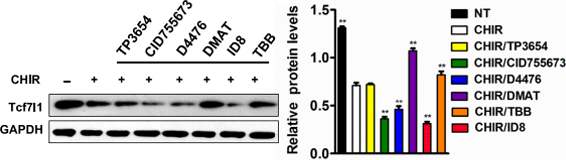
Nuvisertib purchased from MedChemExpress. Usage Cited in: Biochem Biophys Res Commun. 2020 Apr 2;524(2):280-287. [Abstract]
Western blot analysis of Tcf7l1 protein levels in mESCs pre-treated with the indicative different small molecules for 1 h and then treated with CHIR for 24 h.
-
bioRxiv
Radiation synergizes with BET inhibition to stimulate durable, systemic anti-tumor immunity in murine cancer models. [Abstract]2026 Feb 18:2026.02.16.706212. PMID: 41757027


Lösungsmittel & Löslichkeit
In Vitro:
DMSO : 50 mg/mL (119.49 mM; Need ultrasonic; Hygroscopic DMSO has a significant impact on the solubility of product, please use newly opened DMSO)
Please refer to the solubility information to select the appropriate solvent. Once prepared, please aliquot and store the solution to prevent product inactivation from repeated freeze-thaw cycles.
Storage method and period of stock solution: -80°C, 2 years; -20°C, 1 year. When stored at -80°C, please use it within 2 years. When stored at -20°C, please use it within 1 year.
Please refer to the solubility information to select the appropriate solvent. Once prepared, please aliquot and store the solution to prevent product inactivation from repeated freeze-thaw cycles.
Storage method and period of stock solution: -80°C, 2 years; -20°C, 1 year. When stored at -80°C, please use it within 2 years. When stored at -20°C, please use it within 1 year.
Konzentration (Stammlösung) × Volumen (Stammlösung) = Konzentration (Ziellösung) × Volumen (Ziellösung)
In Vivo:
Select the appropriate dissolution method based on your experimental animal and administration route.
- For the following dissolution methods, please ensure to first prepare a clear stock solution using an In Vitro approach and then sequentially add co-solvents:
- To ensure reliable experimental results, the clarified stock solution can be appropriately stored based on storage conditions. As for the working solution for In Vivo experiments, it is recommended to prepare freshly and use it on the same day.
- The percentages shown for the solvents indicate their volumetric ratio in the final prepared solution. If precipitation or phase separation occurs during preparation, heat and/or sonication can be used to aid dissolution.
Add each solvent one by one: 10% DMSO 90% (20% SBE-β-CD in Saline)
Solubility: 2.5 mg/mL (5.97 mM); Suspended solution; Need ultrasonic
This protocol yields a suspended solution of 2.5 mg/mL. Suspended solution can be used for oral and intraperitoneal injection.
Taking 1 mL working solution as an example, add 100 μL DMSO stock solution (25.0 mg/mL) to 900 μL 20% SBE-β-CD in Saline, and mix evenly.
Preparation of 20% SBE-β-CD in Saline (4°C, storage for one week): 2 g SBE-β-CD powder is dissolved in 10 mL Saline, completely dissolve until clear.
Add each solvent one by one: 10% DMSO 40% PEG300 5% Tween-80 45% Saline
Solubility: ≥ 2.08 mg/mL (4.97 mM); Clear solution
This protocol yields a clear solution of ≥ 2.08 mg/mL (saturation unknown).
Taking 1 mL working solution as an example, add 100 μL DMSO stock solution (20.8 mg/mL) to 400 μL PEG300, and mix evenly; then add 50 μL Tween-80 and mix evenly; then add 450 μL Saline to adjust the volume to 1 mL.
Preparation of Saline: Dissolve 0.9 g sodium chloride in ddH₂O and dilute to 100 mL to obtain a clear Saline solution.
In Vivo Dissolution Calculator
Please enter the basic information of animal experiments:
-
-
-
-
Recommended: Prepare an additional quantity of animals to account for potential losses during experiments.
Please enter your animal formula composition:
-
%DMSO +
Recommended: Keep the proportion of DMSO in working solution below 2% if your animal is weak.
-
%+
-
+%Tween-80 + +
-
%Saline +
The co-solvents required include: DMSO, . All of co-solvents are available by MedChemExpress (MCE). , Tween 80. All of co-solvents are available by MedChemExpress (MCE).
Working solution concentration: 0.22 mg/mL
Method for preparing stock solution: mg drug dissolved in μL DMSO. Stock solution concentration: mg/mL.
1. Take μL DMSO stock solution;
2. Add μL .
μL , mix evenly;
3. Then add μL Tween 80, mix evenly;
4. Then add μL
Please ensure that the stock solution in the first step is dissolved to a clear state, and add co-solvents in sequence. You can use ultrasonic heating (ultrasonic cleaner, recommended frequency 20-40 kHz), vortexing, etc. to assist dissolution.


Reinheit & Dokumentation
-
Data Sheet (303 KB)
-
SDS (643 KB)
- English - EN (643 KB)
- Français - FR (643 KB)
- Deutsch - DE (643 KB)
- Norwegian - NO (643 KB)
- Español - ES (643 KB)
- Swedish - SV (643 KB)
- Italian - IT (643 KB)
- Korean - KR (643 KB)
- Portuguese - PT (643 KB)
-
Handling Instructions (2659 KB)
Verweise


Complete Stock Solution Preparation Table
Please refer to the solubility information to select the appropriate solvent. Once prepared, please aliquot and store the solution to prevent product inactivation from repeated freeze-thaw cycles.
Storage method and period of stock solution: -80°C, 2 years; -20°C, 1 year. When stored at -80°C, please use it within 2 years. When stored at -20°C, please use it within 1 year.
| Optional Solvent | Concentration Solvent Mass | 1 mg | 5 mg | 10 mg | 25 mg |
|---|---|---|---|---|---|
| DMSO | 1 mM | 2.3897 mL | 11.9486 mL | 23.8971 mL | 59.7429 mL |
| 5 mM | 0.4779 mL | 2.3897 mL | 4.7794 mL | 11.9486 mL | |
| 10 mM | 0.2390 mL | 1.1949 mL | 2.3897 mL | 5.9743 mL | |
| 15 mM | 0.1593 mL | 0.7966 mL | 1.5931 mL | 3.9829 mL | |
| 20 mM | 0.1195 mL | 0.5974 mL | 1.1949 mL | 2.9871 mL | |
| 25 mM | 0.0956 mL | 0.4779 mL | 0.9559 mL | 2.3897 mL | |
| 30 mM | 0.0797 mL | 0.3983 mL | 0.7966 mL | 1.9914 mL | |
| 40 mM | 0.0597 mL | 0.2987 mL | 0.5974 mL | 1.4936 mL | |
| 50 mM | 0.0478 mL | 0.2390 mL | 0.4779 mL | 1.1949 mL | |
| 60 mM | 0.0398 mL | 0.1991 mL | 0.3983 mL | 0.9957 mL | |
| 80 mM | 0.0299 mL | 0.1494 mL | 0.2987 mL | 0.7468 mL | |
| 100 mM | 0.0239 mL | 0.1195 mL | 0.2390 mL | 0.5974 mL |


Nuvisertib Related Classifications
HY-101126 Related Classifications
 Powered by Bioz