



Acetaminophen
Based on 78 publication(s) in Google Scholar
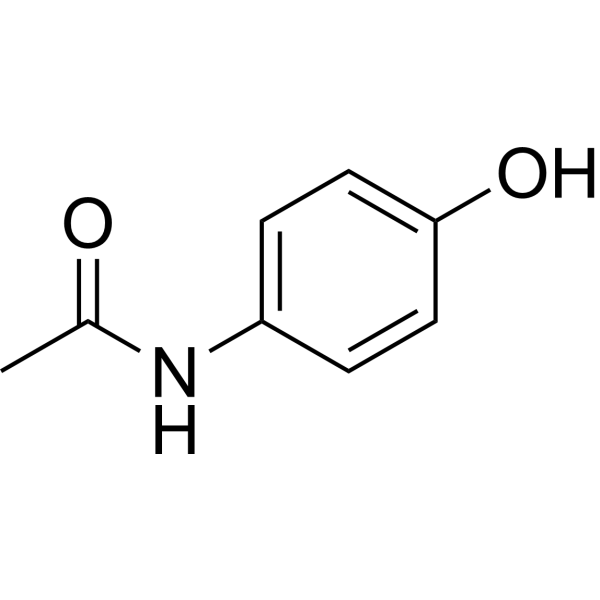
Acetaminophen (Paracetamol) is a selective cyclooxygenase-2 (COX-2) inhibitor with an IC50 of 25.8 μM; is a widely used antipyretic and analgesic agent.. Acetaminophen is a potent hepatic N-acetyltransferase 2 (NAT2) inhibitor. Acetaminophen induces ferroptosis and leads to acute liver injury in mice model.
For research use only. We do not sell to patients.
- Purity : 99.97%
- CAS No.: 103-90-2
- Formula: C8H9NO2
- Molecular Weight:151.16
-
Storage:
Store at room temperature 3 years
* The compound is unstable in solutions, freshly prepared is recommended.

To place orders, for customer services and technical support, please contact: MedChemExpress USA
Tel: 609-228-6898 E-mail: [email protected] [email protected]


-
 Biological Activity
-
Chemical Information
-
Solvent & Solubility
- Protocols
- Purity & Documentation
- References
-
 Help & FAQs


-
HY-50935
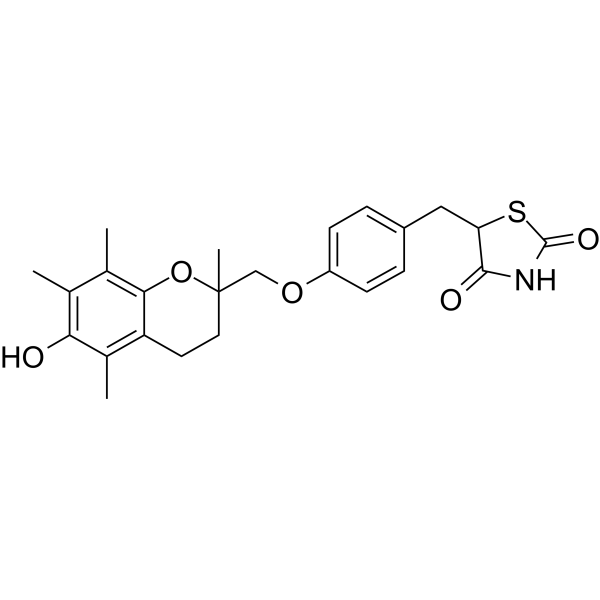
TroglitazonePPARγ Agonist -
HY-14654
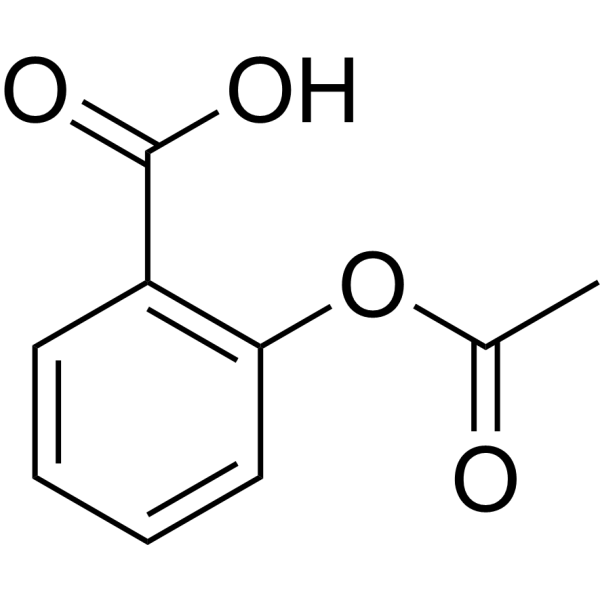
AspirinCOX Inhibitor -
HY-78131
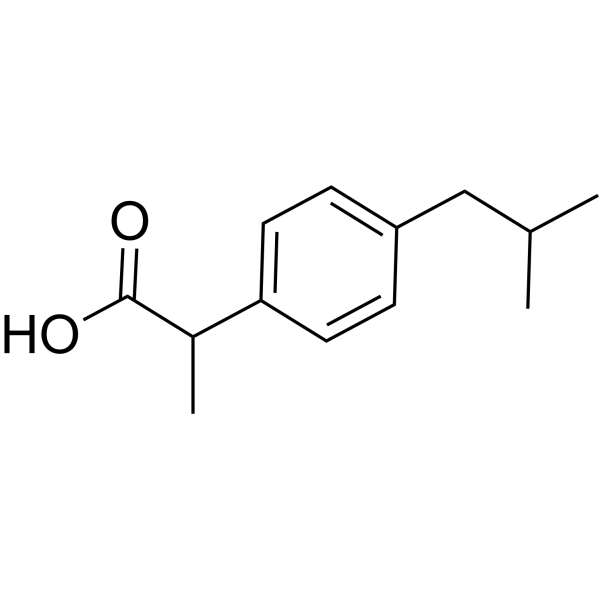
IbuprofenCOX-1 Inhibitor -
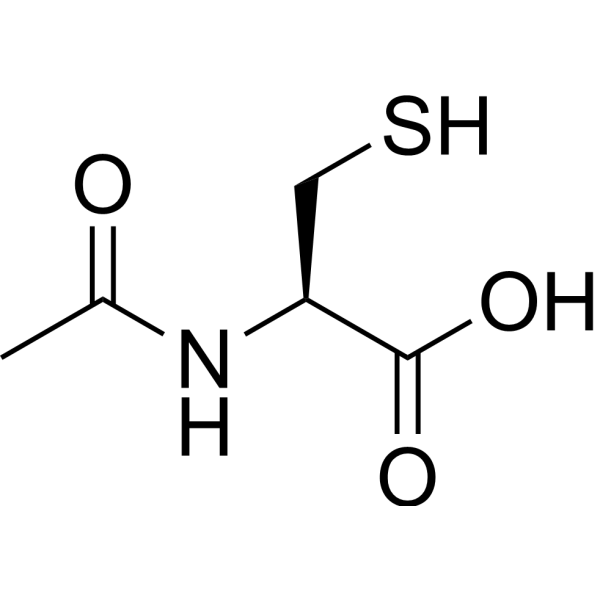
HY-B0215
AcetylcysteineMucolytic Agent -
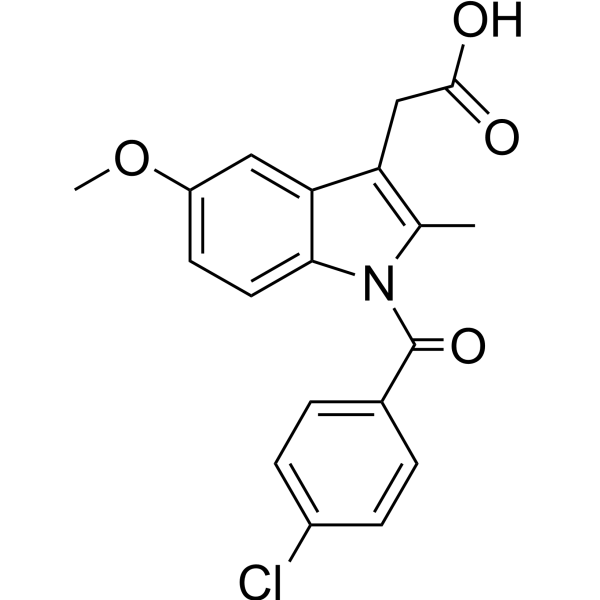
HY-14397
IndomethacinCOX1/2 Inhibitor -
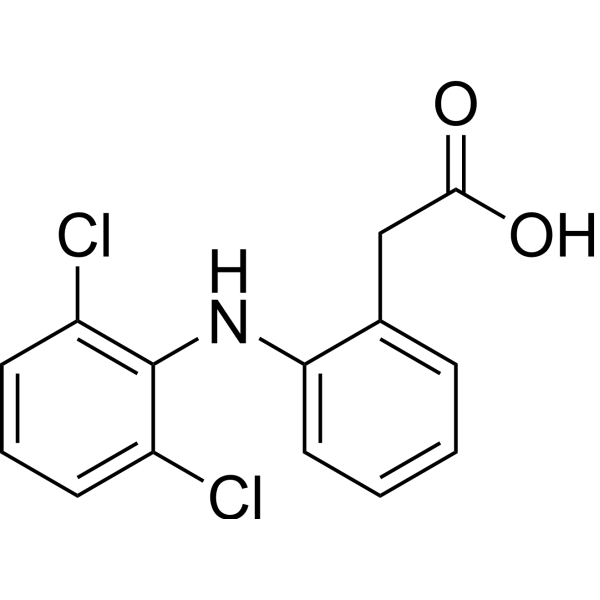
HY-15036
DiclofenacCOX Inhibitor -
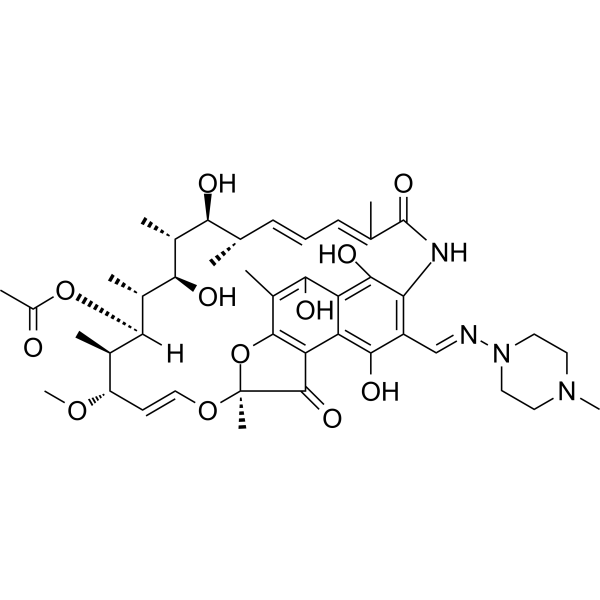
HY-B0272
RifampicinAntivirus Agent -
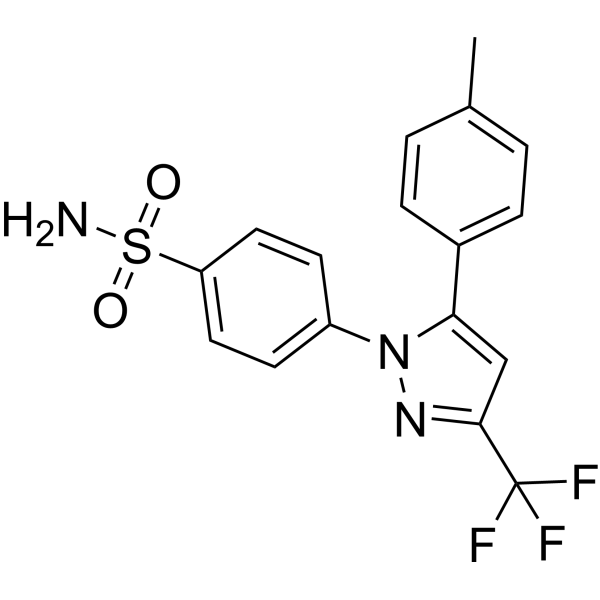
HY-14398
CelecoxibCOX-2inhibitor -
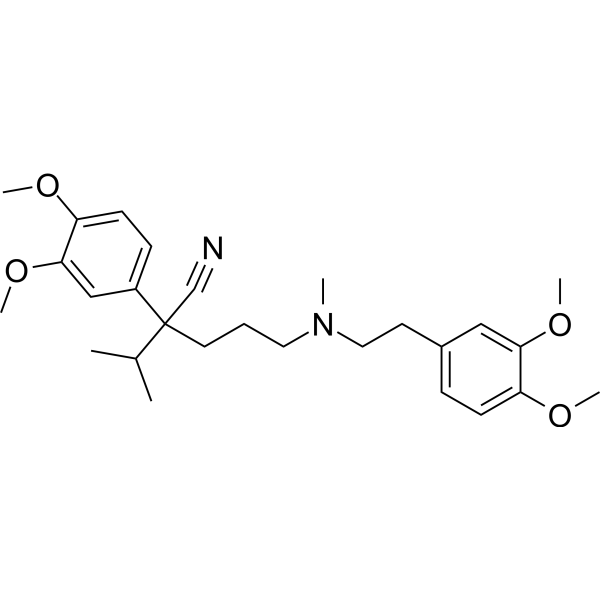
HY-14275
VerapamilCalcium Channel Blocker -
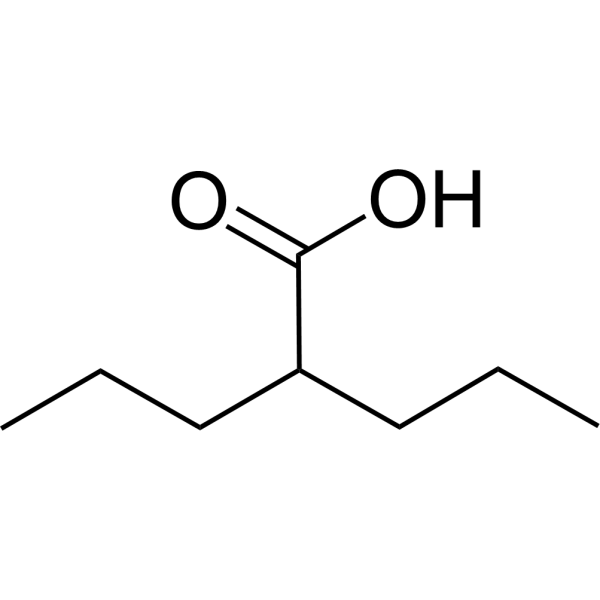
HY-10585
Valproic acidHDAC Inhibitor -
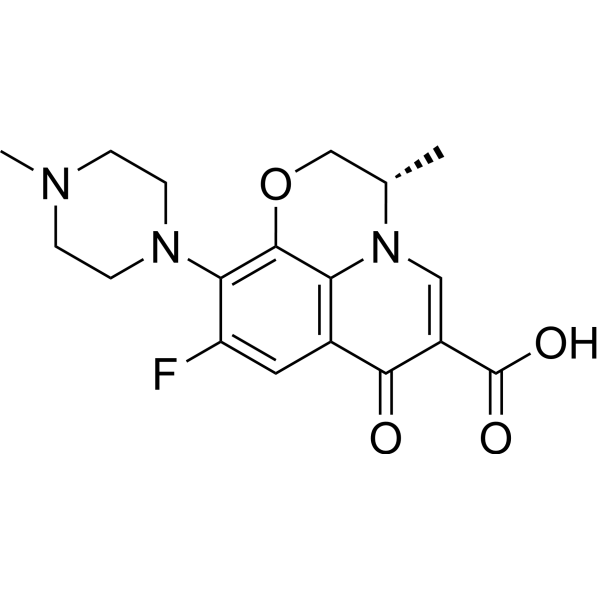
HY-B0330
LevofloxacinDNA Gyrase/Topoisomerase Inhibitor -
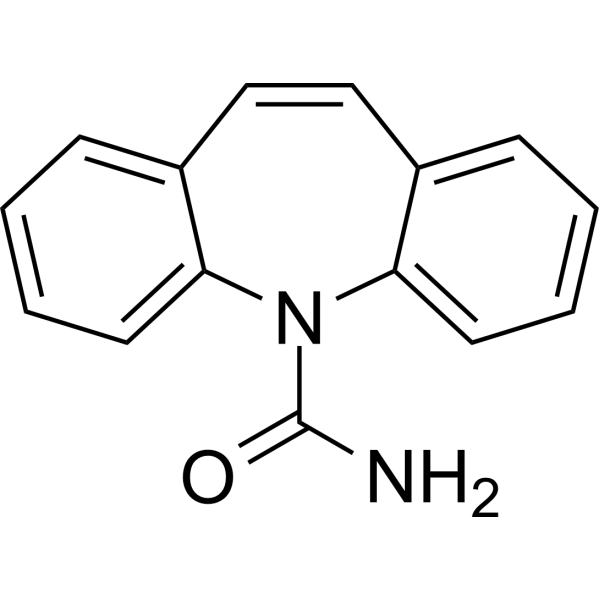
HY-B0246
CarbamazepineAnticonvulsant
Publications Citing Use of MedChemExpress (MCE) Acetaminophen
More- Cell. 2023 Dec 7;186(25):5500-5516.e21. [Abstract]
- Cell Res. 2025 Mar;35(3):165-185. [Abstract]
- Autophagy. 2026 Jul 5:1-27.
- Nat Commun. 2025 Jan 31;16(1):1233. [Abstract]
- Nat Commun. 2021 Sep 20;12(1):5548. [Abstract]
- Nat Commun. 2021 Aug 26;12(1):5131. [Abstract]
- Nat Commun. 2021 May 17;12(1):2863. [Abstract]
- Hepatology. 2025 Jun 1;81(6):1671-1684. [Abstract]
- Cell Discov. 2025 Feb 18;11(1):15. [Abstract]
- Nat Chem Biol. 2025 Aug;21(8):1283-1291. [Abstract]
- Theranostics. 2017 Sep 26;7(17):4135-4148. [Abstract]
- Acta Pharm Sin B. 2025 Dec;15(12):6382-6398. [Abstract]
- Adv Sci (Weinh). 2026 Jun 29:e23976.
- Adv Sci (Weinh). 2026 Mar;13(14):e09079. [Abstract]
- Cell Rep Med. 2025 Apr 15;6(4):102033. [Abstract]
- Mol Biomed. 2025 Oct 10;6(1):78. [Abstract]
- Cell Death Dis. 2021 Jan 4;12(1):3. [Abstract]
- Small. 2025 Oct 14:e05653. [Abstract]
- Phytomedicine. 2022 Sep:104:154337. [Abstract]
- J Pharm Anal. 2026 Aug 6.
- Sci China Life Sci. 2025 Jul 8. [Abstract]
- JHEP Rep. 2022 Jul 20;4(10):100545. [Abstract]
- Emerg Contam. 2026 Feb 23.
- Antioxidants (Basel). 2023 Jan 9;12(1):158. [Abstract]
- Free Radic Biol Med. 2025 Dec 10:S0891-5849(25)01425-X. [Abstract]
- Free Radic Biol Med. 2025 Oct 30:242:275-287. [Abstract]
- Free Radic Biol Med. 2024 Sep:222:229-243. [Abstract]
- Hepatol Int. 2026 Mar 29. [Abstract]
- J Ethnopharmacol. 2026 Aug 10:367:121778. [Abstract]
- J Ethnopharmacol. 2025 Mar 26:344:119562. [Abstract]
- JCI Insight. 2024 Jan 23;9(2):e172632. [Abstract]
- J Ethnopharmacol. 2023 Oct 28:315:116664. [Abstract]
- JCI Insight. 2022 Aug 8;7(15):e160247. [Abstract]
- Microb Biotechnol. 2025 Jan;18(1):e70083. [Abstract]
- Cell Mol Life Sci. 2024 Jul 13;81(1):299. [Abstract]
- Life Sci. 2024 Oct 1:354:122968. [Abstract]
- Food Funct. 2026 Jan 26;17(2):1074-1092. [Abstract]
- Lab Chip. 2025 Apr 10. [Abstract]
- Food Funct. 2024 May 7;15(9):4954-4969. [Abstract]
- Lab Chip. 2018 Nov 6;18(22):3379-3392. [Abstract]
- Pharm Biol. 2022 Dec;60(1):958-967. [Abstract]
- Results Chem. 2024 Oct.
- Cell Biol Toxicol. 2024 Jan 22;40(1):1. [Abstract]
- Int Immunopharmacol. 2025 May 8:154:114490. [Abstract]
- Int J Mol Sci. 2023 Jul 29;24(15):12180. [Abstract]
- Cell Regen. 2023 Mar 3;12(1):6. [Abstract]
- Int J Mol Sci. 2022 Dec 30;24(1):650. [Abstract]
- BMC Microbiol. 2025 Feb 25;25(1):87. [Abstract]
- Front Pharmacol. 2017 Sep 19:8:653. [Abstract]
- Toxicology. 2022 Oct:480:153336. [Abstract]
- Bioorg Chem. 2020 Mar:96:103630. [Abstract]
- Molecules. 2018 Dec 29;24(1):110. [Abstract]
- Biochim Biophys Acta Mol Basis Dis. 2026 Jan 27;1872(4):168170. [Abstract]
- Toxics. 2026 Aug 14;14(8):724.
- Appl Microbiol Biotechnol. 2020 Jul;104(13):5889-5898. [Abstract]
- Appl Microbiol Biotechnol. 2018 Feb;102(3):1443-1453. [Abstract]
- Clin Exp Med. 2026 Jul 3;26(1):247. [Abstract]
- iScience. 2026 Feb 6;29(3):114931. [Abstract]
- J Cell Physiol. 2020 Apr;235(4):3329-3339. [Abstract]
- J Funct Foods. 2020, 104155.
- Ren Fail. 2024 Dec;46(1):2330629. [Abstract]
- Toxicol Appl Pharmacol. 2026 Mar 18:511:117799. [Abstract]
- Basic Clin Pharmacol Toxicol. 2023 Apr;132(4):343-353. [Abstract]
- World J Hepatol. 2025 Mar 27;17(3):104520. [Abstract]
- World J Hepatol. 2024 Oct 27;16(10):1188-1198. [Abstract]
- Food Chem Toxicol. 2024 Nov:193:115016. [Abstract]
- J Appl Toxicol. 2024 Oct;44(10):1528-1539. [Abstract]
- Chem Biodivers. 2026 Apr;23(4):e02806. [Abstract]
- PLoS One. 2025 Aug 14;20(8):e0329837. [Abstract]
- Biochem Biophys Res Commun. 2025 Feb 16:749:151365. [Abstract]
- Braz J Med Biol Res. 2022 Oct 17;55:e12040. [Abstract]
- Res Sq. 2026 Apr 12.
- Biomed Pharmacother. 2025 Sep 17:192:118569. [Abstract]
- Research Square Preprint. 2024 Mar 20.
- SSRN. 2023 Apr 18.
- Evid Based Complement Alternat Med. 2020 Nov 19:2020:2696432. [Abstract]
- Chemosphere. 2019 Jun:225:378-387. [Abstract]
- Federal University of Rio Grande do Sul. 2017 Nov.
 Customer Validation & Images

-
WB

-
WB

-
WB
-
WB
-
WB
All Endogenous Metabolite Isoforms
MoreAll Parasite Isoforms
More

Biological Activity
Description
IC50 & Target
[1]|
COX-2 25.8 μM (IC50) |
COX-1 113.7 μM (IC50) |
Cellular Effect
|
Cell Line

|
Type | Value | Description | References |
|---|---|---|---|---|
| HepG2 | EC50 |
594 μM
Compound: ApAP, Paracetamol
|
Cytotoxicity against human HepG2 cells assessed as intracellular ATP level after 24 hrs by luciferase reporter gene assay
Cytotoxicity against human HepG2 cells assessed as intracellular ATP level after 24 hrs by luciferase reporter gene assay
|
[PMID: 24482730] |
| RAW264.7 | GI50 |
1002 μM
Compound: 6a
|
Cytotoxicity against mouse RAW264.7 cells assessed as growth inhibition after 48 hrs by trypan blue assay
Cytotoxicity against mouse RAW264.7 cells assessed as growth inhibition after 48 hrs by trypan blue assay
|
10.1039/C3MD00251A |
| Sf21 | IC50 |
>1000 μM
Compound: Acetaminophen
|
Inhibition of human BSEP expressed in plasma membrane vesicles of Sf21 cells assessed as inhibition of ATP-dependent [3H]taurocholate uptake
Inhibition of human BSEP expressed in plasma membrane vesicles of Sf21 cells assessed as inhibition of ATP-dependent [3H]taurocholate uptake
|
[PMID: 21965623] |
| Sf21 | IC50 |
>1000 μM
Compound: Acetaminophen
|
Inhibition of Sprague-Dawley rat Bsep expressed in plasma membrane vesicles of Sf21 cells assessed as inhibition of ATP-dependent [3H]taurocholate uptake
Inhibition of Sprague-Dawley rat Bsep expressed in plasma membrane vesicles of Sf21 cells assessed as inhibition of ATP-dependent [3H]taurocholate uptake
|
[PMID: 21965623] |
| Sf9 | IC50 |
200 μM
Compound: Acetaminophen
|
Inhibition of human recombinant COX1 expressed in Sf9 cell microsomes assessed as reduction in conversion of arachidonic acid to PGE2 incubated for 5 mins by HTRF assay
Inhibition of human recombinant COX1 expressed in Sf9 cell microsomes assessed as reduction in conversion of arachidonic acid to PGE2 incubated for 5 mins by HTRF assay
|
[PMID: 27046190] |
In Vitro
In vitro, acetaminophen elicites a 4.4-fold selectivity toward COX-2 inhibition (IC50 113.7 μM for COX-1; IC50 25.8 μM for COX-2). Following oral administration of the drug, maximal ex vivo inhibitions are 56% (COX-1) and 83% (COX-2). Acetaminophen plasma concentrations remaine above the in vitro IC50 for COX-2 for at least 5 h postadministration. Ex vivo IC50 values (COX-1: 105.2 μM; COX-2: 26.3 μM) of acetaminophen compared favorably with its in vitro IC50 values. In contrast to previous concepts, acetaminophen inhibited COX-2 by more than 80%, i.e., to a degree comparable to nonsteroidal antiinflammatory drugs (NSAIDs) and selective COX-2 inhibitors. However, a >95% COX-1 blockade relevant for suppression of platelet function is not achieved[1]. MTT assay shows that Acetaminophen (APAP) in a dose of 50 mM significantly (p<0.001) reduces cell viability to 61.5±6.65%. Interestingly, the significant (p<0.01) increase in cell viability to 79.7±2.47% is observed in the Acetaminophen/HV110 co-treated cells, compared to Acetaminophen treated cells[2].
MedChemExpress (MCE) has not independently confirmed the accuracy of these methods. They are for reference only.
In Vivo
-
Animal Model:Acetaminophen induced liver injury in C57BL/6J mice[5]
-
Dosage:300 mg/kg
-
Administration:i.p., single dose
-
Result:Increased levels of MDA and Fe2+, decreased levels of GSH and GPX4.
Destoryed the boundary plate, disordered the arrangement of hepatic cords, caused liver cells edema, tissue necrosis and inflammatory cells infiltration
Induced Disease Models
Please do not refer to only one article to determine the experimental conditions. It is recommended to determine the optimal experimental conditions (animal strain, age, dosage, frequency and cycle, detection time and indicators, etc.) through preliminary experiments before the formal experiment.
Administering Acetaminophen (250 mg/kg, orally; once) to the mice causes significant liver damage and necrosis of cells as evidenced by the elevated serum hepatic enzymes alanine aminotransferase (ALT), aminotransferase (AST), alkaline phosphatase (ALP), and gamma-glutamyl transferase (γGT) compared with normal group[3].
Acetaminophen (300 mg/kg, i.p., single dose) induces ferroptosis, by enhancing levels of Fe2+ and malondialdehyde (MDA), and decreasing levels of glutathione (GSH) and glutathione peroxidase 4 (GPX4), and induces acut eliver injury in C57BL/6J mice model[5].
Administration: 250 mg/kg • p.o. • single dose
(2) Acetaminophen was dissolved in saline that contained 0.1% Tween 80 (HY-Y1891) solution.
Histopathological changes: Severe necrotic areas were visible in the APAP-treated group, characterized by large areas of necrosis with centrilobular vein congestion, presence of a dense and/or moderate polymorphonuclear infiltrate, and vacuolization of hepatocytes.
Biochemical changes: Caused significant liver damage and necrosis of cells as evidenced by the elevated serum hepatic enzymes ALT, AST, ALP, and γGT.
MedChemExpress (MCE) has not independently confirmed the accuracy of these methods. They are for reference only.
Clinical Trial
| NCT Number | Sponsor | Condition | Start Date |
Phase
|
|---|---|---|---|---|
| NCT01329991 | 2011-05 | PHASE1 |


Chemical Information
-
CAS No. 103-90-2
-
Appearance Solid
-
Molecular Weight 151.16
-
Formula C8H9NO2
-
Color White to off-white
-
SMILES
O=C(C)NC1=CC=C(O)C=C1
-
Synonyms
Paracetamol; 4-Acetamidophenol; 4'-Hydroxyacetanilide
-
Structure Classification
-
Initial Source
-
Shipping
Room temperature in continental US; may vary elsewhere.
-
Storage
Store at room temperature 3 years
* The compound is unstable in solutions, freshly prepared is recommended.


Publications (78)
-
Journal Impact Factor
-
Most Recent
-
Cell
2023 Dec 7;186(25):5500-5516.e21. PMID: 38016470 -
Cell Res
2025 Mar;35(3):165-185. PMID: 39875551 -
-
Nat Commun
2025 Jan 31;16(1):1233. PMID: 39890804 -
Nat Commun
Isonicotinylation is a histone mark induced by the anti-tuberculosis first-line drug isoniazid. [Abstract]2021 Sep 20;12(1):5548. PMID: 34545082 -
Nat Commun
Efficient intracellular delivery of proteins by a multifunctional chimaeric peptide in vitro and in vivo. [Abstract]2021 Aug 26;12(1):5131. PMID: 34446736 -
Nat Commun
Genetic fate-mapping reveals surface accumulation but not deep organ invasion of pleural and peritoneal cavity macrophages following injury. [Abstract]2021 May 17;12(1):2863. PMID: 34001904 -
Hepatology
TIPE2 protein restrains invariant NKT activation and protects against immune-mediated hepatitis in mice. [Abstract]2025 Jun 1;81(6):1671-1684. PMID: 39325944 -
Cell Discov
MAPK13 phosphorylates PHGDH and promotes its degradation via chaperone-mediated autophagy during liver injury. [Abstract]2025 Feb 18;11(1):15. PMID: 39962071 -
Nat Chem Biol
Eukaryotic ADCY7 catalyzes the production of c-di-AMP to activate the NLRP3 inflammasome. [Abstract]2025 Aug;21(8):1283-1291. PMID: 40419769 -
Theranostics
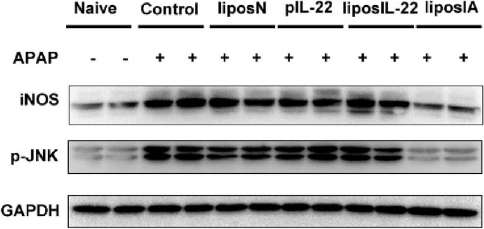
Tethering Interleukin-22 to Apolipoprotein A-I Ameliorates Mice from Acetaminophen-induced Liver Injury. [Abstract]2017 Sep 26;7(17):4135-4148. PMID: 29158815
Acetaminophen purchased from MedChemExpress. Usage Cited in: Theranostics. 2017 Sep 26;7(17):4135-4148. [Abstract]
LiposIA inhibits ROS generation and prevents APAP-induced mitochondrial dysfunction in the liver. Immunoblot images of iNOS and p-JNK.
-
Acta Pharm Sin B
2025 Dec;15(12):6382-6398. PMID: 41477334 -
-
Adv Sci (Weinh)
Gallium-Doped MXene Nanozymes Protect Liver Through Multi-Death Pathway Blockade and Hepatocyte Regeneration. [Abstract]2026 Mar;13(14):e09079. PMID: 41487076 -
Cell Rep Med
A combined "eat me/don't eat me" strategy based on exosome for acute liver injury treatment. [Abstract]2025 Apr 15;6(4):102033. PMID: 40120577 -
Mol Biomed
Lipin3 deficiency promotes hepatocyte ferroptosis and pyroptosis via activating JAK1-STAT3 pathway during acetaminophen induced acute liver injury. [Abstract]2025 Oct 10;6(1):78. PMID: 41071519 -
Cell Death Dis
2021 Jan 4;12(1):3. PMID: 33414397 -
Small
2025 Oct 14:e05653. PMID: 41084392 -
Phytomedicine
Sarmentosin promotes USP17 and regulates Nrf2-mediated mitophagy and cellular oxidative stress to alleviate APAP-induced acute liver failure. [Abstract]2022 Sep:104:154337. PMID: 35849971 -
-
Sci China Life Sci
Liver sinusoidal endothelial cells secret C-X-C motif chemokine ligand 10 to promote the recruitment of invariant NKT cells in acetaminophen-induced liver injury. [Abstract]2025 Jul 8. PMID: 40637994 -
JHEP Rep
Acetaminophen-induced reduction of NIMA-related kinase 7 expression exacerbates acute liver injury. [Abstract]2022 Jul 20;4(10):100545. PMID: 36097583 -
-
Antioxidants (Basel)
Adipose-Derived Mesenchymal Stem Cells Inhibit JNK-Mediated Mitochondrial Retrograde Pathway to Alleviate Acetaminophen-Induced Liver Injury. [Abstract]2023 Jan 9;12(1):158. PMID: 36671020 -
Free Radic Biol Med
Insulin-activated β-cell-liver axis protects against acetaminophen-induced acute liver injury by suppressing oxidative stress and purine catabolism. [Abstract]2025 Dec 10:S0891-5849(25)01425-X. PMID: 41386555 -
Free Radic Biol Med
7,8-Dihydroxyflavone protects acetaminophen induced liver injury through activating PI3K/Akt/NRF2/GPX4 mediated ferroptosis suppression. [Abstract]2025 Oct 30:242:275-287. PMID: 41173313 -
Free Radic Biol Med
Mifepristone protects acetaminophen induced liver injury through NRF2/GSH/GST mediated ferroptosis suppression. [Abstract]2024 Sep:222:229-243. PMID: 38906233 -
Hepatol Int
FXR overexpression promotes liver regeneration through inducing FGF2 activation in APAP-induced acute liver injury. [Abstract]2026 Mar 29. PMID: 41904753 -
J Ethnopharmacol
Qinggan Lidan Capsule attenuates Acetaminophen-induced liver injury by inhibiting the HIF-1α signaling to alleviate mitochondrial damage-triggered hepatocyte apoptosis. [Abstract]2026 Aug 10:367:121778. PMID: 42044776 -
J Ethnopharmacol
Total flavonoids extracted from the leaves of Murraya paniculata (L.) Jack prevents acetaminophen-induced liver injury by activating Keap1/Nrf2 and PI3K/AKT/mTOR signaling pathway. [Abstract]2025 Mar 26:344:119562. PMID: 40020792 -
JCI Insight
S-nitrosylation attenuates pregnane X receptor hyperactivity and acetaminophen-induced liver injury. [Abstract]2024 Jan 23;9(2):e172632. PMID: 38032737 -
J Ethnopharmacol
Unveiling hepatotoxicity distinction of coumarin-related compounds from glycosides to aglycones in Fructus Psoraleae by integrating UPLC-Q-TOF-MS and high content analysis. [Abstract]2023 Oct 28:315:116664. PMID: 37253395 -
JCI Insight
Pharmacological induction of AMFR increases functional EAAT2 oligomer levels and reduces epileptic seizures in mice. [Abstract]2022 Aug 8;7(15):e160247. PMID: 35938532 -
Microb Biotechnol
Akkermansia muciniphila Mediated the Preventive Effect of Disulfiram on Acute Liver Injury via PI3K/Akt Pathway. [Abstract]2025 Jan;18(1):e70083. PMID: 39825784 -
Cell Mol Life Sci
GPR116 alleviates acetaminophen-induced liver injury in mice by inhibiting endoplasmic reticulum stress. [Abstract]2024 Jul 13;81(1):299. PMID: 39001944 -
Life Sci
Hinokiflavone exerts dual regulation on apoptosis and pyroptosis via the SIX4/Stat3/Akt pathway to alleviate APAP-induced liver injury. [Abstract]2024 Oct 1:354:122968. PMID: 39147316 -
Food Funct
Sulfated polysaccharides from sea cucumber mitigate acetaminophen-induced acute liver injury in mice via citraconic acid-mediated inhibition of oxidative stress. [Abstract]2026 Jan 26;17(2):1074-1092. PMID: 41527470 -
Lab Chip
A novel microfluidic self-perfusion chip (MSPC) for pumpless 3D cell, microtissue and organoid culture. [Abstract]2025 Apr 10. PMID: 40206017 -
Food Funct
Cynarin alleviates acetaminophen-induced acute liver injury through the activation of Keap1/Nrf2-mediated lipid peroxidation defense via the AMPK/SIRT3 signaling pathway. [Abstract]2024 May 7;15(9):4954-4969. PMID: 38602356 -
Lab Chip
Development of a biomimetic liver tumor-on-a-chip model based on decellularized liver matrix for toxicity testing. [Abstract]2018 Nov 6;18(22):3379-3392. PMID: 30298144 -
Pharm Biol
Schisandra chinensis essential oil attenuates acetaminophen-induced liver injury through alleviating oxidative stress and activating autophagy. [Abstract]2022 Dec;60(1):958-967. PMID: 35588406 -
-
Cell Biol Toxicol
ARRB1 downregulates acetaminophen-induced hepatoxicity through binding to p-eIF2α to inhibit ER stress signaling. [Abstract]2024 Jan 22;40(1):1. PMID: 38252352 -
Int Immunopharmacol
2025 May 8:154:114490. PMID: 40158433 -
Int J Mol Sci
2023 Jul 29;24(15):12180. PMID: 37569554 -
Cell Regen
Modeling drug-induced liver injury and screening for anti-hepatofibrotic compounds using human PSC-derived organoids. [Abstract]2023 Mar 3;12(1):6. PMID: 36864321 -
Int J Mol Sci
2022 Dec 30;24(1):650. PMID: 36614094 -
BMC Microbiol
Bifidobacterium bifidum reduces oxidative stress and alters gut flora to mitigate acute liver injury caused by N-acetyl-p-aminophenol. [Abstract]2025 Feb 25;25(1):87. PMID: 40000948 -
Front Pharmacol
Induction of Mkp-1 and Nuclear Translocation of Nrf2 by Limonoids from Khaya grandifoliola C.DC Protect L-02 Hepatocytes against Acetaminophen-Induced Hepatotoxicity. [Abstract]2017 Sep 19:8:653. PMID: 28974930 -
Toxicology
2022 Oct:480:153336. PMID: 36126895 -
Bioorg Chem
Structural characterization, neuroprotective and hepatoprotective activities of flavonoids from the bulbs of Heleocharis dulcis. [Abstract]2020 Mar:96:103630. PMID: 32036163 -
Molecules
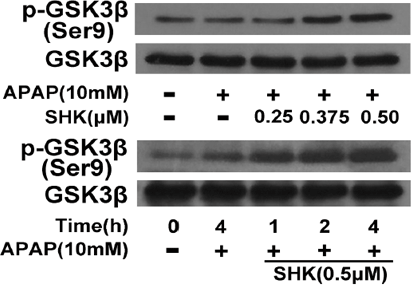
Shikonin Attenuates Acetaminophen-Induced Hepatotoxicity by Upregulation of Nrf2 through Akt/GSK3β Signaling. [Abstract]2018 Dec 29;24(1):110. PMID: 30597971
Acetaminophen purchased from MedChemExpress. Usage Cited in: Molecules. 2018 Dec 29;24(1):110. [Abstract]
Western analysis of Nrf2 protein expression in L-02 cells with or without the treatment of APAP and SHK.
Acetaminophen purchased from MedChemExpress. Usage Cited in: Molecules. 2018 Dec 29;24(1):110. [Abstract]
Western analysis of p-Akt protein expression in L-02 cells with or without the treatment of APAP and SHK.
Acetaminophen purchased from MedChemExpress. Usage Cited in: Molecules. 2018 Dec 29;24(1):110. [Abstract]
Western analysis of p-Akt protein expression with or without the treatment of APAP.
-
Biochim Biophys Acta Mol Basis Dis
2026 Jan 27;1872(4):168170. PMID: 41604740 -
-
Appl Microbiol Biotechnol
Interleukin-22 ameliorated acetaminophen-induced kidney injury by inhibiting mitochondrial dysfunction and inflammatory responses. [Abstract]2020 Jul;104(13):5889-5898. PMID: 32356198 -
Appl Microbiol Biotechnol
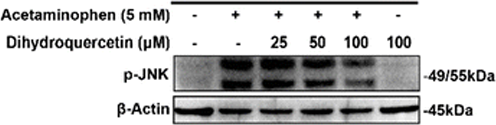
Dihydroquercetin ameliorated acetaminophen-induced hepatic cytotoxicity via activating JAK2/STAT3 pathway and autophagy. [Abstract]2018 Feb;102(3):1443-1453. PMID: 29243082
Acetaminophen purchased from MedChemExpress. Usage Cited in: Appl Microbiol Biotechnol. 2018 Feb;102(3):1443-1453. [Abstract]
Dihydroquercetin relieves APAP-induced necrosis and suppressed ERK/JNK stress responses. Western Blot analysis for phosphor-JNK1/2, β-Actin as a lading control.
-
Clin Exp Med
Silibinin promotes hepatocyte proliferation through PINK1/Parkin-mediated mitophagy to alleviate acetaminophen-induced liver injury. [Abstract]2026 Jul 3;26(1):247. PMID: 42397441 -
iScience
Bazedoxifene rescues hepatocytes from chemically induced oxidative ferroptotic injury in vivo and in vitro by inhibiting protein disulfide isomerase. [Abstract]2026 Feb 6;29(3):114931. PMID: 41782827 -
J Cell Physiol
Acetaminophen sensitizing erastin-induced ferroptosis via modulation of Nrf2/heme oxygenase-1 signaling pathway in non-small-cell lung cancer. [Abstract]2020 Apr;235(4):3329-3339. PMID: 31541463 -
-
Ren Fail
Magnesium hydride protects against acetaminophen-induced acute kidney injury by inhibiting TXNIP/NLRP3/nf-κb pathway. [Abstract]2024 Dec;46(1):2330629. PMID: 38494199 -
Toxicol Appl Pharmacol
Acute exercise activates hepatic Nrf2 signaling by ROS, AMPK and epinephrine to protect against acute liver injuries. [Abstract]2026 Mar 18:511:117799. PMID: 41861854 -
Basic Clin Pharmacol Toxicol
Growth differentiation factor 15 is dispensable for acetaminophen-induced liver injury in mice. [Abstract]2023 Apr;132(4):343-353. PMID: 36602134 -
World J Hepatol
Mogroside V protects against acetaminophen-induced liver injury by reducing reactive oxygen species and c-jun-N-terminal kinase activation in mice. [Abstract]2025 Mar 27;17(3):104520. PMID: 40177205 -
World J Hepatol
Complement activation targeted inhibitor C2-FH ameliorates acetaminophen-induced liver injury in mice. [Abstract]2024 Oct 27;16(10):1188-1198. PMID: 39474574 -
Food Chem Toxicol
Hepatotoxic assessment in a microphysiological system: Simulation of the drug absorption and toxic process after an overdosed acetaminophen on intestinal-liver-on-chip. [Abstract]2024 Nov:193:115016. PMID: 39304085 -
J Appl Toxicol
Differential impacts of nonsteroidal anti-inflammatory drugs on lifespan and healthspan in aged Caenorhabditis elegans. [Abstract]2024 Oct;44(10):1528-1539. PMID: 38840409 -
Chem Biodivers
Cellular Metabolomics Reveals Hepatoprotective Mechanisms of Platycoside Metabolites Against Acetaminophen-Induced Liver Injury. [Abstract]2026 Apr;23(4):e02806. PMID: 41983307 -
PLoS One
Kummerowia striata extract protects paracetamol-induced liver injury by modulating the S1P/Nrf2/Keap1 pathway. [Abstract]2025 Aug 14;20(8):e0329837. PMID: 40811614 -
Biochem Biophys Res Commun
2025 Feb 16:749:151365. PMID: 39855045 -
Braz J Med Biol Res
Naringin regulates mitochondrial dynamics to protect against acetaminophen-induced hepatotoxicity by activating the AMPK/Nrf2 signaling pathway in vitro. [Abstract]2022 Oct 17;55:e12040. PMID: 36259797 -
-
Biomed Pharmacother
Baicalin attenuates acetaminophen-induced acute liver injury through inhibiting TLR2-dependent neutrophil extracellular trap formation. [Abstract]2025 Sep 17:192:118569. PMID: 40967078 -
-
-
Evid Based Complement Alternat Med
Green Tea Polyphenols Protect against Acetaminophen-Induced Liver Injury by Regulating the Drug Metabolizing Enzymes and Transporters. [Abstract]2020 Nov 19:2020:2696432. PMID: 33273950 -
Chemosphere
Mass-balance-model-based evaluation of sewage treatment plant contribution to residual pharmaceuticals in environmental waters. [Abstract]2019 Jun:225:378-387. PMID: 30884299 -


Solvent & Solubility
In Vitro:
DMSO : ≥ 100 mg/mL (661.55 mM; Hygroscopic DMSO has a significant impact on the solubility of product, please use newly opened DMSO)
H2O : 10 mg/mL (66.16 mM; Need ultrasonic)
* "≥" means soluble, but saturation unknown.
Please refer to the solubility information to select the appropriate solvent. The compound is unstable in solutions, freshly prepared is recommended.
* Note: If you choose water as the stock solution, please dilute it to the working solution, then filter and sterilize it with a 0.22 μm filter before use.
Please refer to the solubility information to select the appropriate solvent. The compound is unstable in solutions, freshly prepared is recommended.
* Note: If you choose water as the stock solution, please dilute it to the working solution, then filter and sterilize it with a 0.22 μm filter before use.
Concentration (start) × Volume (start) = Concentration (final) × Volume (final)
In Vivo:
For the following dissolution methods, please prepare the working solution directly:
It is recommended to prepare fresh solutions and use them promptly within a short period of time.
The percentages shown for the solvents indicate their volumetric ratio in the final prepared solution. If precipitation or phase separation occurs during preparation, heat and/or sonication can be used to aid dissolution.
Add each solvent one by one: PBS
Solubility: 6.67 mg/mL (44.13 mM); Clear solution; Need ultrasonic
Add each solvent one by one: 50% PEG300 50% Saline
Solubility: 50 mg/mL (330.78 mM); Clear solution; Need ultrasonic
Add each solvent one by one: 0.5% CMC-Na/saline water
Solubility: 10 mg/mL (66.16 mM); Suspended solution; Need ultrasonic
Add each solvent one by one: 0.5% Tween-80 99.5% Saline
Solubility: 10 mg/mL (66.16 mM); Clear solution; Need ultrasonic


Purity & Documentation
-
Data Sheet (285 KB)
-
SDS (393 KB)
- English - EN (393 KB)
- Français - FR (393 KB)
- Deutsch - DE (393 KB)
- Norwegian - NO (393 KB)
- Español - ES (393 KB)
- Swedish - SV (393 KB)
- Italian - IT (393 KB)
- Korean - KR (393 KB)
- Portuguese - PT (393 KB)
-
Handling Instructions (2659 KB)
References
[1]. Hinz, B, et al. Acetaminophen (paracetamol) is a selective cyclooxygenase-2 inhibitor in man. FASEB J, 2008. 22(2): p. 383-90. [Content Brief]
[2]. Miroslav Dinić, et al. Lactobacillus fermentum Postbiotic-induced Autophagy as Potential Approach for Treatment ofAcetaminophen Hepatotoxicity. Front Microbiol. 2017 Apr 6;8:594. [Content Brief]
[3]. Uchida NS, et al. Hepatoprotective Effect of Citral on Acetaminophen-Induced Liver Toxicity in Mice. Evid Based Complement Alternat Med. 2017;2017:1796209. [Content Brief]
[4]. Rothen JP, et al. Acetaminophen is an inhibitor of hepatic N-acetyltransferase 2 in vitro and in vivo. Pharmacogenetics. 1998 Dec;8(6):553-9. [Content Brief]
[5]. An Y, et al., Abietic acid inhibits acetaminophen-induced liver injury by alleviating inflammation and ferroptosis through regulating Nrf2/HO-1 axis. Int Immunopharmacol. 2023 May;118:110029. [Content Brief]


Complete Stock Solution Preparation Table
Please refer to the solubility information to select the appropriate solvent. The compound is unstable in solutions, freshly prepared is recommended.
| Optional Solvent | Concentration Solvent Mass | 1 mg | 5 mg | 10 mg | 25 mg |
|---|---|---|---|---|---|
| H2O / DMSO | 1 mM | 6.6155 mL | 33.0775 mL | 66.1551 mL | 165.3877 mL |
| 5 mM | 1.3231 mL | 6.6155 mL | 13.2310 mL | 33.0775 mL | |
| 10 mM | 0.6616 mL | 3.3078 mL | 6.6155 mL | 16.5388 mL | |
| 15 mM | 0.4410 mL | 2.2052 mL | 4.4103 mL | 11.0258 mL | |
| 20 mM | 0.3308 mL | 1.6539 mL | 3.3078 mL | 8.2694 mL | |
| 25 mM | 0.2646 mL | 1.3231 mL | 2.6462 mL | 6.6155 mL | |
| 30 mM | 0.2205 mL | 1.1026 mL | 2.2052 mL | 5.5129 mL | |
| 40 mM | 0.1654 mL | 0.8269 mL | 1.6539 mL | 4.1347 mL | |
| 50 mM | 0.1323 mL | 0.6616 mL | 1.3231 mL | 3.3078 mL | |
| 60 mM | 0.1103 mL | 0.5513 mL | 1.1026 mL | 2.7565 mL | |
| DMSO | 80 mM | 0.0827 mL | 0.4135 mL | 0.8269 mL | 2.0673 mL |
| 100 mM | 0.0662 mL | 0.3308 mL | 0.6616 mL | 1.6539 mL |
* Note: If you choose water as the stock solution, please dilute it to the working solution, then filter and sterilize it with a 0.22 μm filter before use.


Acetaminophen Related Classifications
HY-66005 Related Classifications
 Powered by Bioz