



Felbamate
Based on 2 publication(s) in Google Scholar
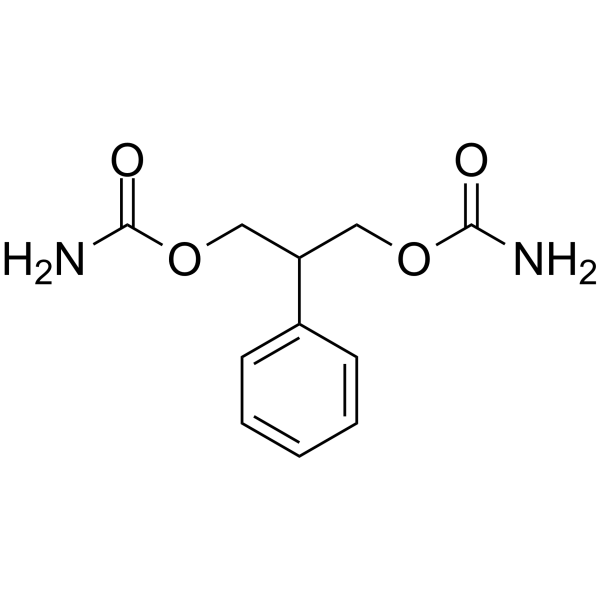
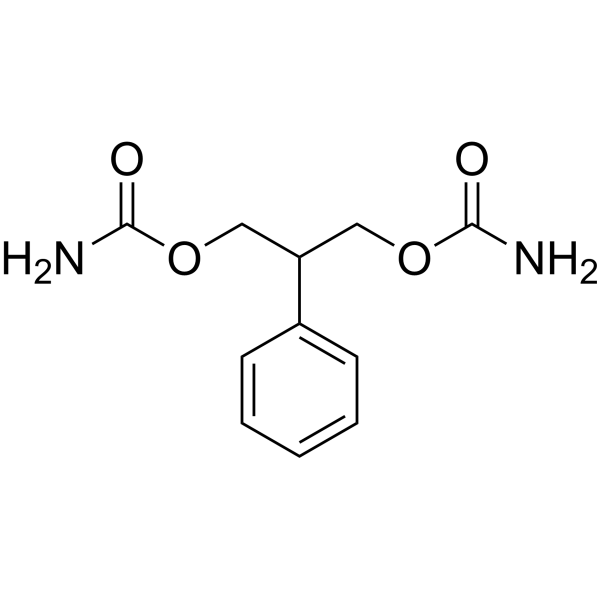
Felbamate (W-554) is an orally active anticonvulsant. Felbamate binds to activated and desensitized NMDA channels, stabilizes the desensitized state, slows recovery, and produces use-dependent inhibition of NMDA currents. Felbamate inhibits voltage-gated Sodium channels and high-voltage-activated/L-type Calcium channels, and enhances GABA_A receptor currents through subunit-selective allosteric modulation. Felbamate has antidepressant-like activity. Felbamate can be used in research on epilepsy, Lennox-Gastaut syndrome, global cerebral ischemia, and depression.
연구목적의 판매만을 진행합니다. 환자를 대상으로 한 판매는 하지 않습니다.
- Purity : 99.48%
- CAS No.: 25451-15-4
- 화학식: C11H14N2O4
- 분자량:238.24
-
보관:Powder -20°C, 3 years , 4°C, 2 years ; In solvent -80°C, 2 years , -20°C, 1 year

To place orders, for customer services and technical support, please contact: MedChemExpress USA
Tel: 609-228-6898 E-mail: [email protected] [email protected]


-
 Biological Activity
-
Chemical Information
-
용액&용해도
- 순도&문서
- References
-
 Help & FAQs


-
HY-B0246
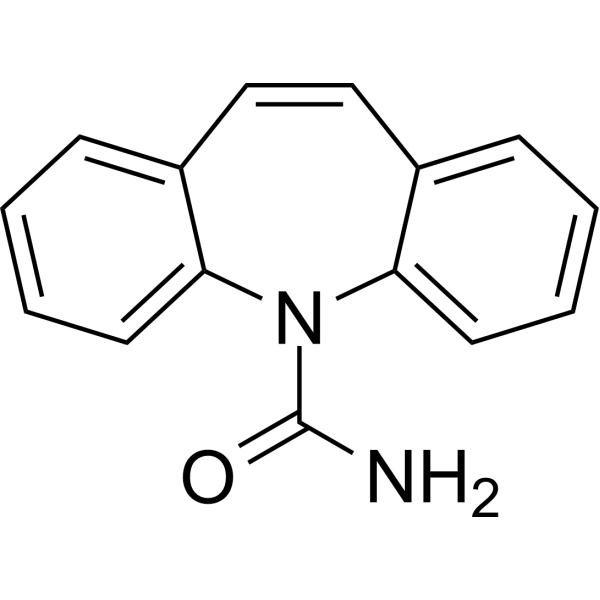
CarbamazepineAnticonvulsant -
HY-A0057
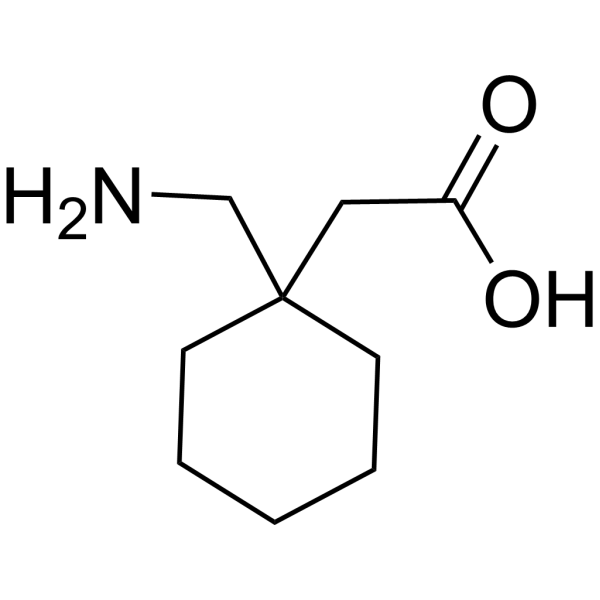
GabapentinCalcium Channel Blocker. -
HY-B0124
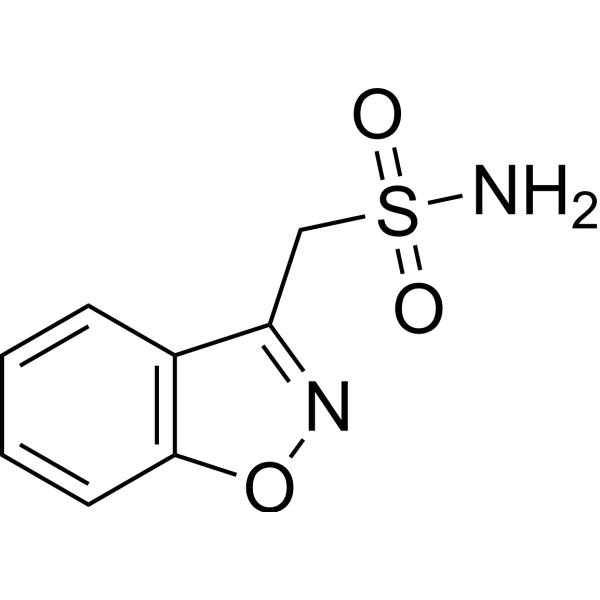
ZonisamideCarbonic Anhydrase Inhibitor -
HY-B0122
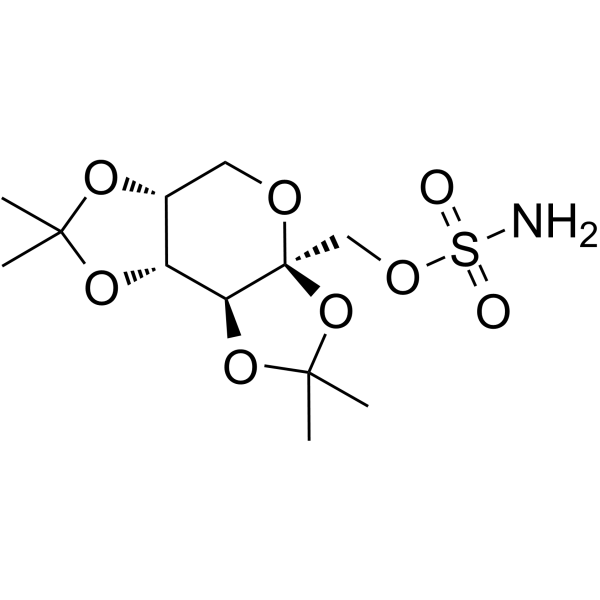
TopiramateAntiepileptic Agent -
HY-B0448
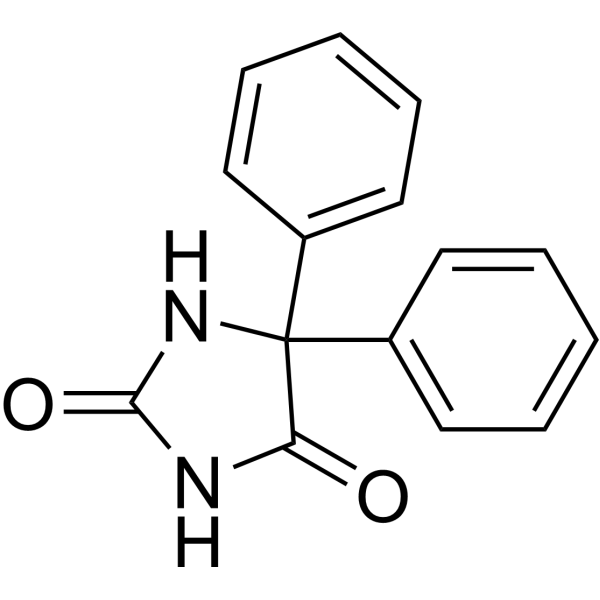
PhenytoinVirus Protease Inhibitor -
HY-B0495
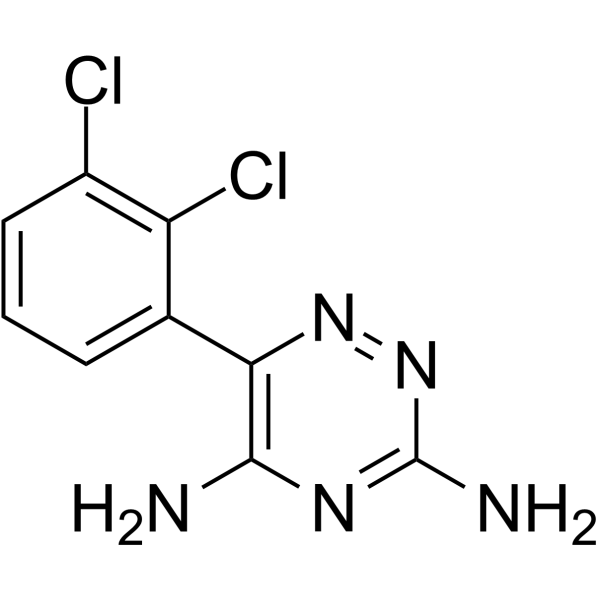
LamotrigineAnticonvulsant Agent -
HY-15399
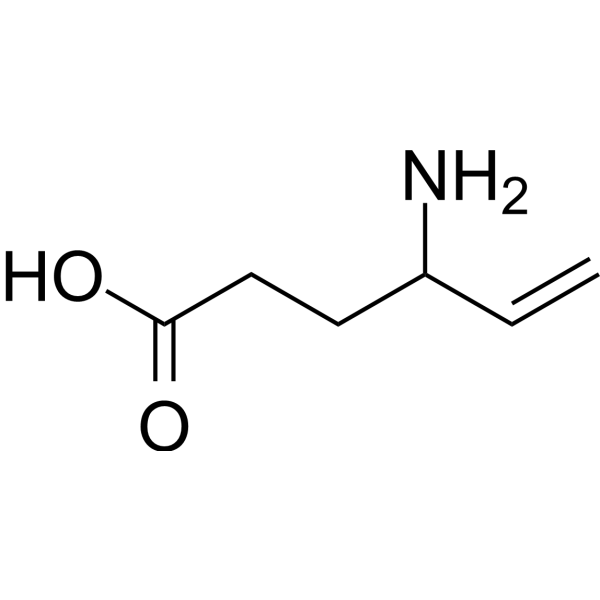
VigabatrinAntiepileptic Agent -
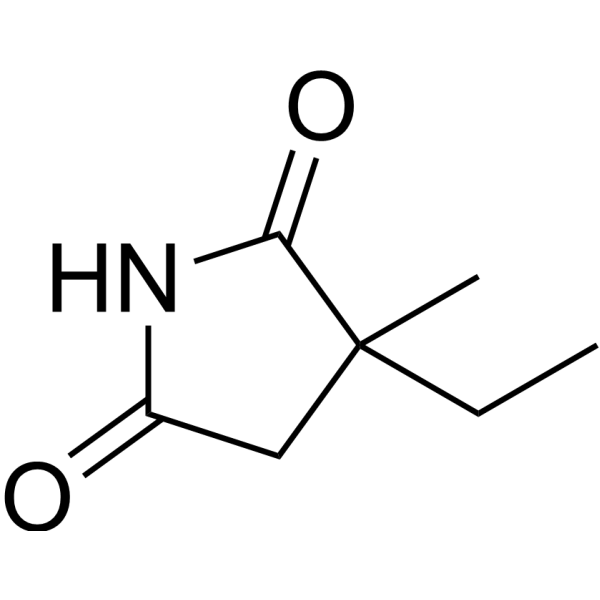
HY-B1378
EthosuximideCalcium Channel Inhibitor -
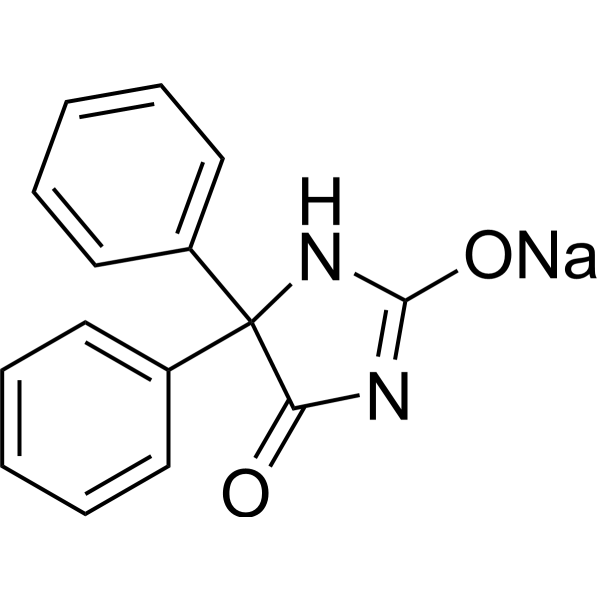
HY-B0448A
Phenytoin sodiumVirus Protease Inhibitor -
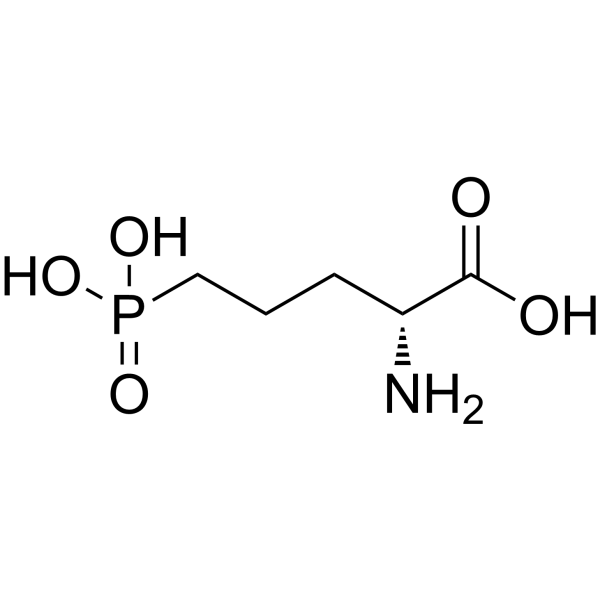
HY-100714A
D-AP5NMDA Antagonist -
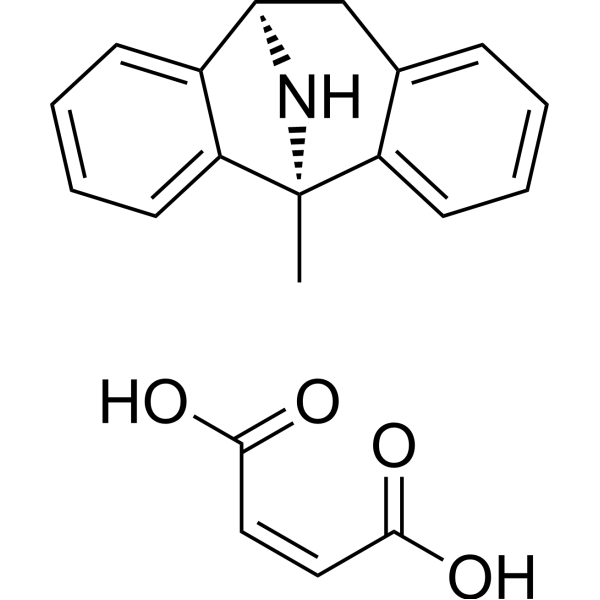
HY-15084
Dizocilpine maleateNMDA Antagonist -
HY-B0184R
Felbamate (Standard)Reference Standard


Biological Activity
제품 설명
IC50 & Target
[1]|
NMDA Receptor |
Cellular Effect
|
Cell Line

|
Type | Value | Description | References |
|---|---|---|---|---|
| HEK293 | IC50 |
2.55 mM
|
Block of NMDA-evoked currents in HEK293 cells expressing recombinant rat NR1a/NR2A receptors assessed by whole-cell voltage-clamp recording at -60 mV with 5 s felbamate coapplication.
Block of NMDA-evoked currents in HEK293 cells expressing recombinant rat NR1a/NR2A receptors assessed by whole-cell voltage-clamp recording at -60 mV with 5 s felbamate coapplication.
|
10690753 |
| HEK293 | IC50 |
0.52 mM
|
Block of NMDA-evoked currents in HEK293 cells expressing recombinant rat NR1a/NR2B receptors assessed by whole-cell voltage-clamp recording at -60 mV with 5 s felbamate coapplication.
Block of NMDA-evoked currents in HEK293 cells expressing recombinant rat NR1a/NR2B receptors assessed by whole-cell voltage-clamp recording at -60 mV with 5 s felbamate coapplication.
|
10690753 |
| HEK293 | IC50 |
2.40 mM
|
Block of NMDA-evoked currents in HEK293 cells expressing recombinant rat NR1a/NR2C receptors assessed by whole-cell voltage-clamp recording at -60 mV with 5 s felbamate coapplication.
Block of NMDA-evoked currents in HEK293 cells expressing recombinant rat NR1a/NR2C receptors assessed by whole-cell voltage-clamp recording at -60 mV with 5 s felbamate coapplication.
|
10690753 |
| Hippocampal neurone | EC50 |
450 μM
|
Reversal of NMDA/glycine-stimulated intracellular Ca2+ increase in cultured rat hippocampal neurons assessed by fura-2 ratiometric imaging at 40 s after felbamate administration.
Reversal of NMDA/glycine-stimulated intracellular Ca2+ increase in cultured rat hippocampal neurons assessed by fura-2 ratiometric imaging at 40 s after felbamate administration.
|
7621896 |
In Vitro
Felbamate (10-1000 µM; 5 s) induces use-dependent inhibition of NMDA currents in isolated rat hippocampal CA1 neurons, and this inhibition is revealed by a 5 s prepulse of 10 µM NMDA, with stronger inhibition of peak currents at 100-1000 µM[1].
Felbamate (300 µM) stabilizes NMDA channels in the desensitized state with Kf,d = 55 µM and in the activated state with Kf,o = 110 µM in isolated rat hippocampal CA1 neurons, shifting the steady-state desensitization curve to the left[1].
Felbamate (300 µM) enhances 2-6 µM NMDA-evoked currents in isolated rat hippocampal CA1 neurons and slows desensitization recovery, consistent with preferential binding to activated and desensitized channels[1].
Felbamate produces concentration-dependent whole-cell current blockade in HEK293 cells expressing recombinant NR1a/NR2A, NR1a/NR2B, or NR1a/NR2C NMDA receptors, with IC50 values of 2.55 mM, 0.52 mM, and 2.40 mM, respectively, showing moderate NR2B selectivity[2].
Felbamate reduces the NMDA-mediated component of corticostriatal field potentials and EPSPs in rat striatal slices, with maximal inhibition at 100 µM[4].
Felbamate reduces NMDA-evoked inward currents in voltage-clamped rat striatal neurons, which is consistent with a postsynaptic action on NMDA-mediated responses[4].
Felbamate inhibits NMDA/glycine-stimulated intracellular Ca2+ elevation in cultured rat hippocampal neurons, with a minimum effective concentration of 100 μM and an EC50 of 450 μM[5].
Felbamate (300 μM) enhances 1 μM GABA-evoked currents in cultured mouse whole-brain neurons to 275% of control[3].
Felbamate produces positive modulation at α1β2γ2S, α1β3γ2S, α2β2γ2S and α2β3γ2S receptors in Xenopus laevis oocytes expressing recombinant GABAA receptors, while producing negative modulation or no modulation at the remaining 11 combinations[3].
Felbamate reduces current-evoked firing in rat striatal principal neurons and preferentially suppresses later action potentials[4].
Felbamate inhibits TTX-sensitive voltage-dependent Na+ currents in acutely dissociated rat striatal medium spiny neurons with an IC50 of 28 µM and shifts steady-state inactivation at 30 µM[4].
Felbamate does not affect the binding of radioligands to BDZ receptors in crude synaptic membranes from mouse whole brain[7].
Felbamate inhibits [3H]GABA binding in mouse whole-brain crude synaptic membranes by 18.3%[7].
MedChemExpress (MCE) has not independently confirmed the accuracy of these methods. They are for reference only.
In Vivo
Felbamate (ED50 50.1 mg/kg; single; tested at 2 h) protects mice against maximal electroshock-induced seizures[7].
Felbamate (ED50 47.8 mg/kg; p.o.; single; tested at 4 h) protects rats against maximal electroshock-induced seizures[7].
Felbamate (110 mg/kg; i.p.; single administration; 60 min before maximal electroshock) protects most mice against maximal electroshock-induced tonic convulsions in male Swiss mice, and high-dose aminophylline or 1,3,7-trimethylxanthine reduces this protective efficacy[8].
Felbamate (120-240 mg/kg; i.p.; single dose) produces antidepressant-like effects in naive mice in the FST and TST without altering locomotor activity[9].
Felbamate (120-240 mg/kg; i.p.; daily; 14 days) reverses CUMS-induced depressive-like behaviors and restores hippocampal BDNF signaling in mice[9].
Felbamate (120-240 mg/kg; i.p.; daily; 14 days) reverses CSDS-induced depressive-like behaviors and restores hippocampal BDNF signaling in mice[9].
Felbamate (120-240 mg/kg; i.p.; daily; 14 days) enhances hippocampal BDNF, pTrkB, and pCREB signaling in naive mice[9].
MedChemExpress (MCE) has not independently confirmed the accuracy of these methods. They are for reference only.
-
Animal Model:Adult male Mongolian gerbils after global ischemia[6]
-
Dosage:100 mg/kg; 200 mg/kg
-
Administration:i.v.
-
Result:At 200 mg/kg, injured CA1 neurons were 62 per section, intact CA1 neurons were 554 per section, CA3 damage score was 0.9, and subiculum damage score was 2.9.
At 100 mg/kg, injured CA1 neurons were 392 per section, intact CA1 neurons were 216 per section, CA3 damage score was 1.3, and subiculum damage score was 4.1; three of nine animals showed minimal CA1 damage with 3, 16, or 68 injured cells per section.
-
Animal Model:CF no. 1 (male, 18-25 g)[7]
-
Dosage:ED50 50.1 mg/kg; ED97 118 mg/kg
-
Administration:i.p.
-
Result:MES ED50 was 50.1 mg/kg.
ED97 was 118 mg/kg.
-
Animal Model:CF no. 1 (male, 18-25 g)[7]
-
Dosage:ED50 148 mg/kg; ED97 280 mg/kg
-
Administration:i.p.
-
Result:s.c.
PTZ ED50 was 148 mg/kg.
ED97 was 280 mg/kg.
-
Animal Model:CF no. 1 (male, 18-25 g)[7]
-
Dosage:ED50 >300 mg/kg
-
Administration:i.p.
-
Result:s.c.
Bic ED50 was >300 mg/kg.
Continuous running seizures and death occurred.
-
Animal Model:CF no. 1 (male, 18-25 g)[7]
-
Dosage:ED50 156 mg/kg
-
Administration:i.p.
-
Result:s.c.
Pic ED50 was 156 mg/kg.
-
Animal Model:CF no. 1 (male, 18-25 g)[7]
-
Dosage:ED50 >700 mg/kg
-
Administration:i.p.
-
Result:s.c.
Strych ED50 was >700 mg/kg.
All mice had tonic extension and died.
-
Animal Model:CF no. 1 (male, 18-25 g)[7]
-
Dosage:ED50 81.1 mg/kg; ED97 142 mg/kg
-
Administration:p.o.
-
Result:MES ED50 was 81.1 mg/kg.
ED97 was 142 mg/kg.
-
Animal Model:CF no. 1 (male, 18-25 g)[7]
-
Dosage:ED50 548 mg/kg; ED97 1,300 mg/kg
-
Administration:p.o.
-
Result:s.c.
PTZ ED50 was 548 mg/kg.
ED97 was 1,300 mg/kg.
-
Animal Model:Sprague-Dawley (male, 100-150 g)[7]
-
Dosage:ED50 47.8 mg/kg; ED97 84 mg/kg
-
Administration:p.o.
-
Result:MES ED50 was 47.8 mg/kg.
ED97 was 84 mg/kg.
-
Animal Model:Sprague-Dawley (male, 100-150 g)[7]
-
Dosage:ED50 238 mg/kg; ED97 7,300 mg/kg
-
Administration:p.o.
-
Result:s.c.
PTZ ED50 was 238 mg/kg.
ED97 was 7,300 mg/kg.
-
Animal Model:Swiss (male, 24-30 g)[8]
-
Dosage:progressive doses (ED50 determination)
-
Administration:i.p.
-
Result:ED50 values against maximal electroshock-induced tonic convulsions were 77.5 mg/kg with vehicle; 70.4 mg/kg with nicardipine 10 mg/kg; 68.0 mg/kg with nicardipine 30 mg/kg; 70.6 mg/kg with vehicle; 61.4 mg/kg with nifedipine 5 mg/kg; 56.7 mg/kg with nifedipine 10 mg/kg; 66.5 mg/kg with nifedipine 20 mg/kg; 68.4 mg/kg with vehicle; 59.5 mg/kg with flunarizine 2.5 mg/kg; 56.3 mg/kg with flunarizine 5 mg/kg; 67.6 mg/kg with flunarizine 10 mg/kg; 73.7 mg/kg with vehicle; 70.1 mg/kg with Bay K 8644 2.5 mg/kg; 81.9 mg/kg with Bay K 8644 5 mg/kg; 79.6 mg/kg with vehicle; 77.5 mg/kg with aminophylline 50 mg/kg; 94.6 mg/kg with aminophylline 75 mg/kg; 118 mg/kg with aminophylline 100 mg/kg.
Potency ratios ranged from 1.01 to 1.24 with Ca2+ channel blockers and were 1.05 and 0.90 with Bay K 8644; aminophylline potency ratios were 1.03, 0.84, and 0.67 at 50, 75, and 100 mg/kg, respectively.
-
Animal Model:Swiss (male, 24-30 g)[8]
-
Dosage:110 mg/kg; aminophylline 50, 75, and 100 mg/kg; 1,3,7-trimethylxanthine 46.2, 69.3, 92.4, 138.6, and 161.7 mg/kg
-
Administration:i.p.
-
Result:At 110 mg/kg, 96.15% of mice were protected against maximal electroshock-induced tonic hindlimb extension.
Aminophylline 50 and 75 mg/kg did not diminish protective efficacy.
Aminophylline 100 mg/kg reduced protection to 27%.
1,3,7-Trimethylxanthine 161.7 mg/kg reduced protection to 40%.
Methylxanthine ED50 values for reducing protection were 87.2 mg/kg for aminophylline and 144 mg/kg for 1,3,7-trimethylxanthine.
-
Animal Model:C57BL/6J (male; 7 weeks old)[9]
-
Dosage:120 mg/kg; 240 mg/kg
-
Administration:i.p.
-
Result:In the FST, immobility decreased by 19.43% at 120 mg/kg and 35.16% at 240 mg/kg.
In the TST, immobility decreased by 25% at 120 mg/kg and 38.97% at 240 mg/kg.
A dose-response effect was observed between 120 and 240 mg/kg.
Open-field testing showed no difference in squares crossed in the center or periphery, indicating no change in locomotor activity.
-
Animal Model:C57BL/6J (male; 7 weeks old)[9]
-
Dosage:120 mg/kg; 240 mg/kg
-
Administration:i.p.
-
Result:At 120 and 240 mg/kg, CUMS-induced increases in FST and TST immobility were reversed.
At 240 mg/kg, the CUMS-induced decrease in sucrose preference was fully reversed.
At 120 and 240 mg/kg, the CUMS-induced increase in plasma corticosterone was completely restored.
In the hippocampus, BDNF levels were enhanced by 26.97% at 120 mg/kg and 81.79% at 240 mg/kg.
CUMS-induced decreases in pTrkB, pERK1/2, pAKT, and pCREB were fully restored; total β-actin, tTrkB, tERK1/2, tAKT, and tCREB levels were unchanged.
-
Animal Model:C57BL/6J (male; 7 weeks old)[9]
-
Dosage:120 mg/kg; 240 mg/kg
-
Administration:i.p.
-
Result:At 120 and 240 mg/kg, CSDS-induced increases in FST and TST immobility were reversed.
At 240 mg/kg, the CSDS-induced decrease in sucrose preference was fully reversed.
At 120 and 240 mg/kg, social interaction in the presence of a CD1 aggressor was restored.
At 120 and 240 mg/kg, the CSDS-induced increase in plasma corticosterone was ameliorated.
In the hippocampus, CSDS-induced downregulation of BDNF, pTrkB, pERK1/2, pAKT, and pCREB was reversed; total β-actin, tTrkB, tERK1/2, tAKT, and tCREB levels were unchanged.
-
Animal Model:C57BL/6J (male; 7 weeks old)[9]
-
Dosage:120 mg/kg; 240 mg/kg
-
Administration:i.p.
-
Result:Repeated administration increased hippocampal BDNF, pTrkB, and pCREB expression in naive mice, with the 240 mg/kg dose described as producing the more prominent effect.
Clinical Trial
| NCT Number | Sponsor | Condition | Start Date |
Phase
|
|---|---|---|---|---|
| NCT01329991 | 2011-05 | PHASE1 |


Chemical Information
-
CAS No. 25451-15-4
-
Appearance Solid
-
분자량 238.24
-
화학식 C11H14N2O4
-
Color White to off-white
-
SMILES
NC(OCC(C1=CC=CC=C1)COC(N)=O)=O
-
Synonyms
W-554; ADD-03055
-
선적
Room temperature in continental US; may vary elsewhere.
-
보관
Powder -20°C 3 years 4°C 2 years In solvent -80°C 2 years -20°C 1 year


Publications (2)
-
Journal Impact Factor
-
Most Recent
-
Neuron
Aberrant coupling of glutamate and tyrosine kinase receptors enables neuronal control of brain-tumor growth. [Abstract]2025 Aug 27:S0896-6273(25)00591-4. PMID: 40897174 -
Cell Rep Methods
RECOVER identifies synergistic drug combinations in vitro through sequential model optimization. [Abstract]2023 Oct 23;3(10):100599. PMID: 37797618


용액&용해도
In Vitro:
DMSO : ≥ 100 mg/mL (419.74 mM; Hygroscopic DMSO has a significant impact on the solubility of product, please use newly opened DMSO)
* "≥" means soluble, but saturation unknown.
Please refer to the solubility information to select the appropriate solvent. Once prepared, please aliquot and store the solution to prevent product inactivation from repeated freeze-thaw cycles.
Storage method and period of stock solution: -80°C, 2 years; -20°C, 1 year. When stored at -80°C, please use it within 2 years. When stored at -20°C, please use it within 1 year.
Concentration (start) × Volume (start) = Concentration (final) × Volume (final)
In Vivo:
Select the appropriate dissolution method based on your experimental animal and administration route.
- For the following dissolution methods, please ensure to first prepare a clear stock solution using an In Vitro approach and then sequentially add co-solvents:
- To ensure reliable experimental results, the clarified stock solution can be appropriately stored based on storage conditions. As for the working solution for In Vivo experiments, it is recommended to prepare freshly and use it on the same day.
- The percentages shown for the solvents indicate their volumetric ratio in the final prepared solution. If precipitation or phase separation occurs during preparation, heat and/or sonication can be used to aid dissolution.
Add each solvent one by one: 10% DMSO 40% PEG300 5% Tween-80 45% Saline
Solubility: ≥ 2.75 mg/mL (11.54 mM); Clear solution
This protocol yields a clear solution of ≥ 2.75 mg/mL (saturation unknown).
Taking 1 mL working solution as an example, add 100 μL DMSO stock solution (27.5 mg/mL) to 400 μL PEG300, and mix evenly; then add 50 μL Tween-80 and mix evenly; then add 450 μL Saline to adjust the volume to 1 mL.
Preparation of Saline: Dissolve 0.9 g sodium chloride in ddH₂O and dilute to 100 mL to obtain a clear Saline solution.
Add each solvent one by one: 10% DMSO 90% (20% SBE-β-CD in Saline)
Solubility: ≥ 2.75 mg/mL (11.54 mM); Clear solution
This protocol yields a clear solution of ≥ 2.75 mg/mL (saturation unknown).
Taking 1 mL working solution as an example, add 100 μL DMSO stock solution (27.5 mg/mL) to 900 μL 20% SBE-β-CD in Saline, and mix evenly.
Preparation of 20% SBE-β-CD in Saline (4°C, storage for one week): 2 g SBE-β-CD powder is dissolved in 10 mL Saline, completely dissolve until clear.
In Vivo Dissolution Calculator
Please enter the basic information of animal experiments:
-
-
-
-
Recommended: Prepare an additional quantity of animals to account for potential losses during experiments.
Please enter your animal formula composition:
-
%DMSO +
Recommended: Keep the proportion of DMSO in working solution below 2% if your animal is weak.
-
%+
-
+%Tween-80 + +
-
%Saline +
The co-solvents required include: DMSO, . All of co-solvents are available by MedChemExpress (MCE). , Tween 80. All of co-solvents are available by MedChemExpress (MCE).
Working solution concentration: 0.22 mg/mL
Method for preparing stock solution: mg drug dissolved in μL DMSO. Stock solution concentration: mg/mL.
1. Take μL DMSO stock solution;
2. Add μL .
μL , mix evenly;
3. Then add μL Tween 80, mix evenly;
4. Then add μL
Please ensure that the stock solution in the first step is dissolved to a clear state, and add co-solvents in sequence. You can use ultrasonic heating (ultrasonic cleaner, recommended frequency 20-40 kHz), vortexing, etc. to assist dissolution.


순도&문서


References
[1]. Kuo CC, et al. Use-dependent inhibition of the N-methyl-D-aspartate currents by felbamate: a gating modifier with selective binding to the desensitized channels. Molecular pharmacology. 2004 Feb;65(2):370-80. [Content Brief]
[2]. Harty TP, et al. Felbamate block of recombinant N-methyl-D-aspartate receptors: selectivity for the NR2B subunit. Epilepsy research. 2000 Mar;39(1):47-55. [Content Brief]

Complete Stock Solution Preparation Table
Please refer to the solubility information to select the appropriate solvent. Once prepared, please aliquot and store the solution to prevent product inactivation from repeated freeze-thaw cycles.
Storage method and period of stock solution: -80°C, 2 years; -20°C, 1 year. When stored at -80°C, please use it within 2 years. When stored at -20°C, please use it within 1 year.
| Optional Solvent | Concentration Solvent Mass | 1 mg | 5 mg | 10 mg | 25 mg |
|---|---|---|---|---|---|
| DMSO | 1 mM | 4.1974 mL | 20.9872 mL | 41.9745 mL | 104.9362 mL |
| 5 mM | 0.8395 mL | 4.1974 mL | 8.3949 mL | 20.9872 mL | |
| 10 mM | 0.4197 mL | 2.0987 mL | 4.1974 mL | 10.4936 mL | |
| 15 mM | 0.2798 mL | 1.3991 mL | 2.7983 mL | 6.9957 mL | |
| 20 mM | 0.2099 mL | 1.0494 mL | 2.0987 mL | 5.2468 mL | |
| 25 mM | 0.1679 mL | 0.8395 mL | 1.6790 mL | 4.1974 mL | |
| 30 mM | 0.1399 mL | 0.6996 mL | 1.3991 mL | 3.4979 mL | |
| 40 mM | 0.1049 mL | 0.5247 mL | 1.0494 mL | 2.6234 mL | |
| 50 mM | 0.0839 mL | 0.4197 mL | 0.8395 mL | 2.0987 mL | |
| 60 mM | 0.0700 mL | 0.3498 mL | 0.6996 mL | 1.7489 mL | |
| 80 mM | 0.0525 mL | 0.2623 mL | 0.5247 mL | 1.3117 mL | |
| 100 mM | 0.0420 mL | 0.2099 mL | 0.4197 mL | 1.0494 mL |


Felbamate Related Classifications
HY-B0184 Related Classifications
 Powered by Bioz
Keywords
- Felbamate
- 25451-15-4
- W-554
- ADD-03055
- W554
- W 554
- ADD03055
- ADD 03055
- ADD-03055
- iGluR
- Sodium Channel
- Calcium Channel
- GABA Receptor
- Ionotropic glutamate receptors
- Na channels
- Na+ channels
- Ca2+ channels
- Ca channels
- Gamma-aminobutyric acid Receptor
- γ-Aminobutyric acid Receptor
- GABA_A receptor
- L-type calcium channels
- Lennox-Gastaut syndrome
- NMDA receptor
- depression
- epilepsy
- global ischemia
- glycine site
- neuroprotection
- voltage-gated sodium channels
- Inhibitor
- inhibitor
- inhibit